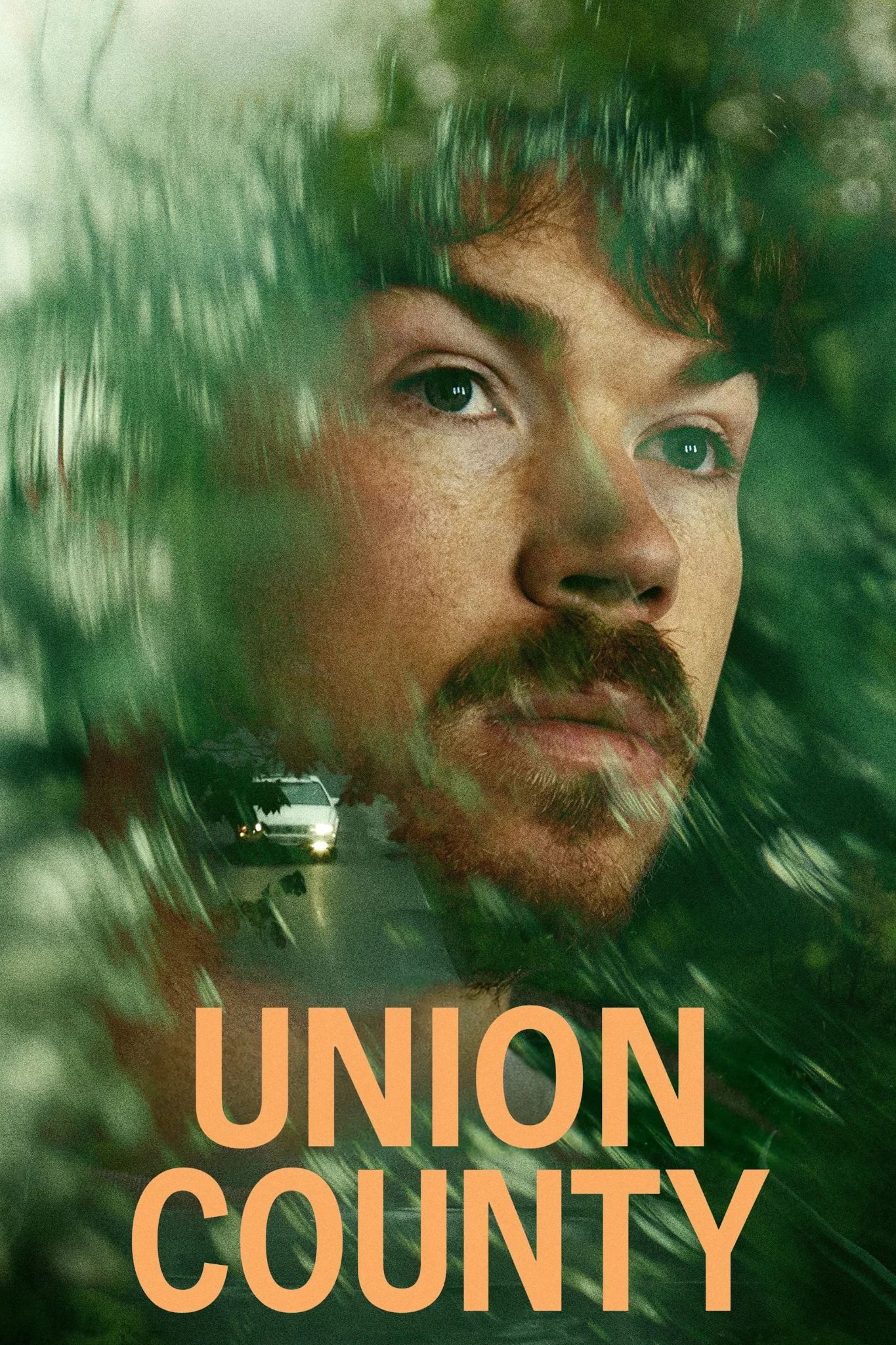
The review
Screenplay and dialogue: recovery is daily work
Cody enters an eighteen-month court-supervised recovery program, reporting to the court and undergoing tests while trying to build an ordinary life. The film starts where a conventional recovery story might end. His opioid use began early and left more than physical damage: he believes he helped draw his adopted brother Jack into addiction, and his relationship with his sister Kat has fractured.
The film wisely refuses to make recovery a straight line. Cody relapses, but the moment is painful precisely because it is small. A relapse need not arrive with music, shouting or catastrophe; sometimes it is a bad decision on a bad day, followed by a morning in which everything built so far must be faced again. Sobriety is not a magic cure. It takes continuous work.
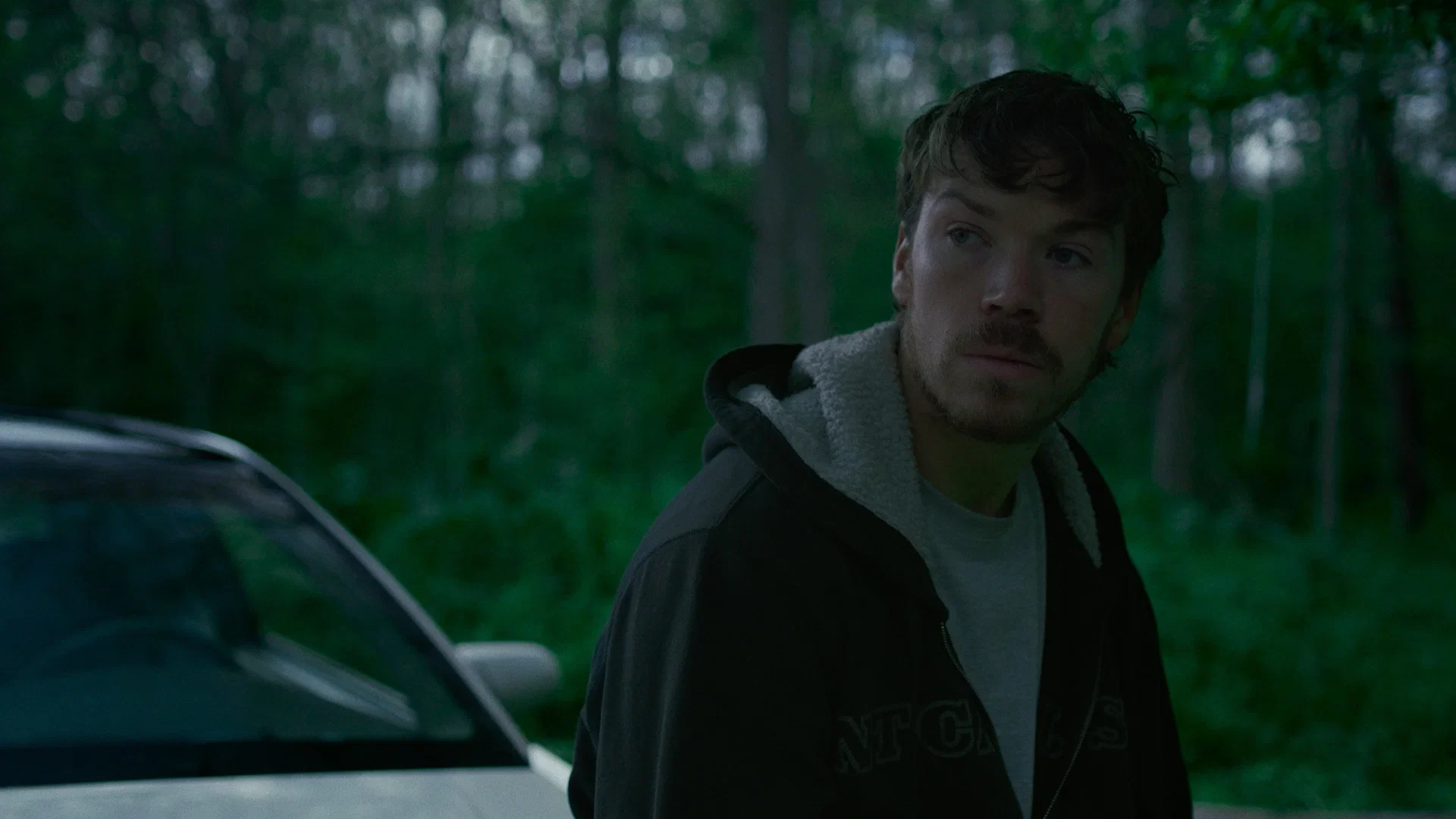
Cody and the shame beyond addiction
Cody's deepest struggle is not limited to drugs. Shame governs the way he sees himself: Jack reminds him of what he thinks he caused, his sister reminds him of what he lost, and even a quiet relationship with Anna cannot persuade him to open up completely. Can he reach a point where he does not define himself only by the worst things he has done?
The film answers without a grand speech. It reveals pieces of Cody's past gradually and lets Will Poulter carry much of the weight. Cody does not know how to explain himself, perhaps because he cannot separate his actions from the person he has become. His attempts to connect with others are therefore more moving than any loud confrontation.
People with lived experience give the film its truth
The film's most distinctive choice is to include people who have lived through recovery. They are not background texture; they are given room to speak. Their hesitations and unpolished stories blur the line between fiction and life. These testimonies possess a truth difficult to manufacture in a scripted monologue.
Annette Deao, who plays Cody's principal supporter, also works in this field, which helps her scenes feel natural. She is never the person with a miraculous phrase that saves him. She helps, listens and supports him, but cannot do the work for him. Good people around you may not erase the problem, though they can give you another reason to keep going.
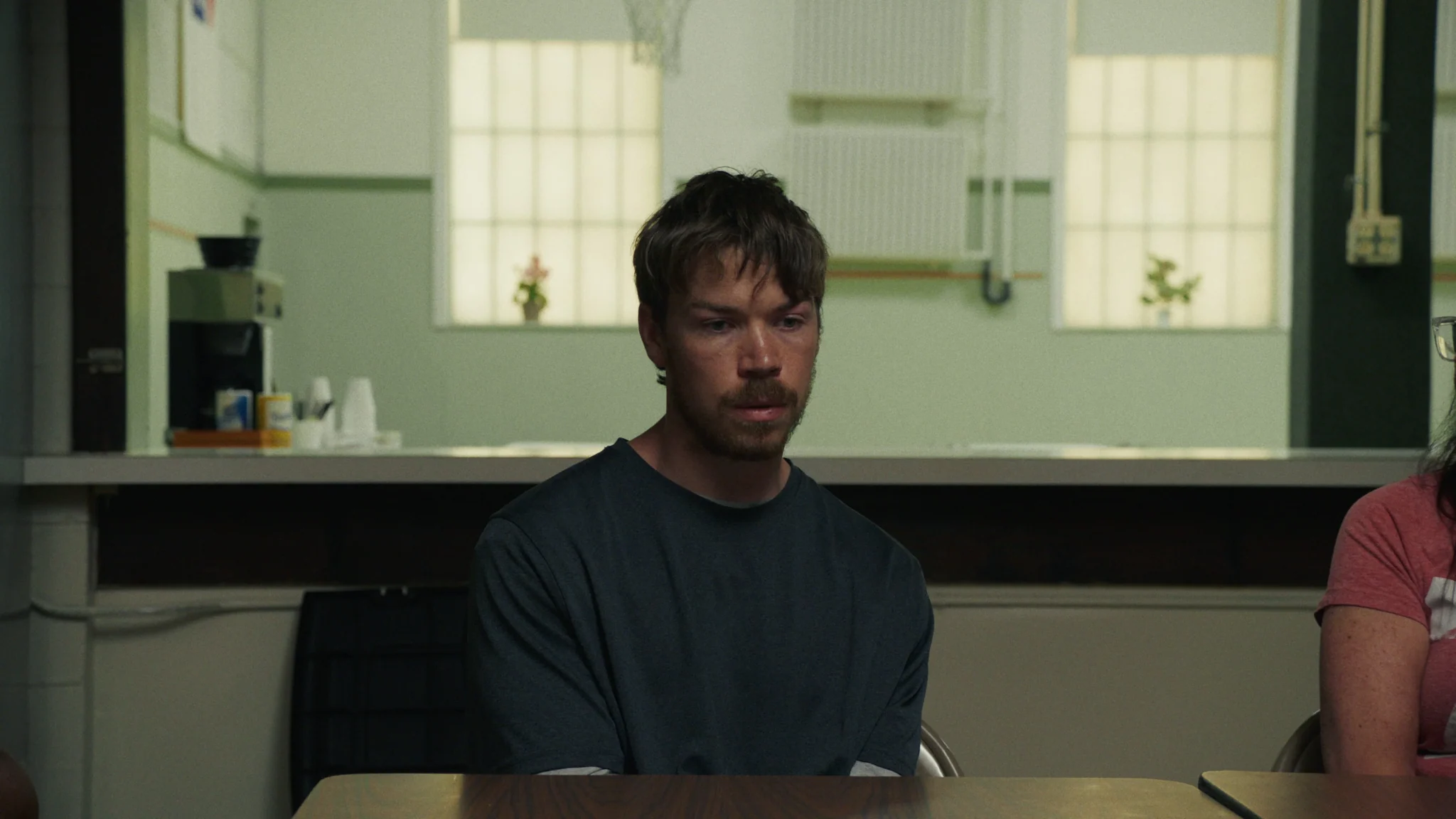
Will Poulter and Noah Centineo: silence and warmth
Will Poulter has few conventional showcase moments. His performance rests on exhaustion, silence and the way Cody occupies space among others. He seems to carry a permanent weight, even when his life improves a little. Poulter does not demand sympathy: Cody can be frustrating and closed off, and he bears responsibility for damage around him. We understand him without excusing him.
Noah Centineo's Jack is far from his lighter earlier image. His tired appearance and chemistry with Poulter give their relationship genuine warmth. Their shared addiction is sadder because pain is not all they share; there is real love between them. Cody's guilt therefore feels lived rather than merely stated by the screenplay.
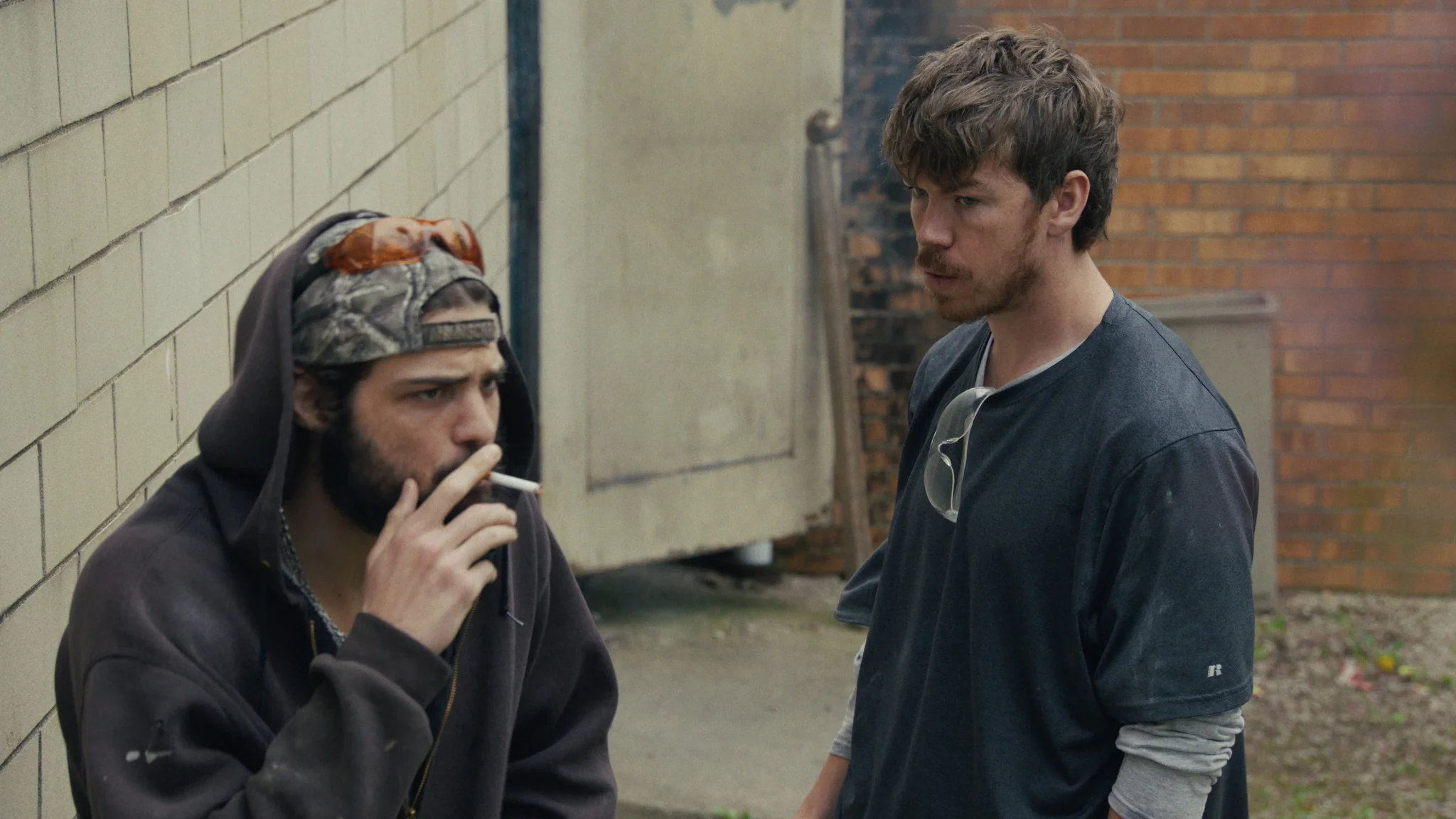
Cody’s routine and an overly slow rhythm
The direction deliberately keeps us inside Cody's routine: the lumber mill, the car, the house, meetings, court and small family moments. These are not converted into constant plot events. The film wants us to feel time passing, an apt choice for a story in which recovery consists mostly of ordinary days.
But Union County sometimes holds this idea for too long. There is a difference between conveying life's slowness and slowing the film after a shot has already made its point. Cody works, fixes something or sits still, and the image occasionally lingers. A fairly short film can then feel longer than it is.
The problem is not that few dramatic events happen. Quiet films can be gripping. Some moments simply reveal nothing new about Cody and add no layer to his experience. Reflection becomes a drag on the rhythm rather than a means of understanding him.
Cody’s story or the whole community?
This is the film's central tension. The real participants and their stories are its greatest strength, but sometimes they compete with Cody's story. Does Adam Meeks want a portrait of one man, or a collective account of addiction and recovery in this community? Both films coexist, not always in balance.
Cody's relationships with his sister, Jack and Anna, as well as the past that led him here, deserve more space. They are touched on without always reaching the expected depth. When a real participant speaks to camera, the honesty can make the surrounding fictional scenes feel more written by comparison. The choice that gives the film its authenticity exposes the limits of its fictional side.
Loss does not end the journey
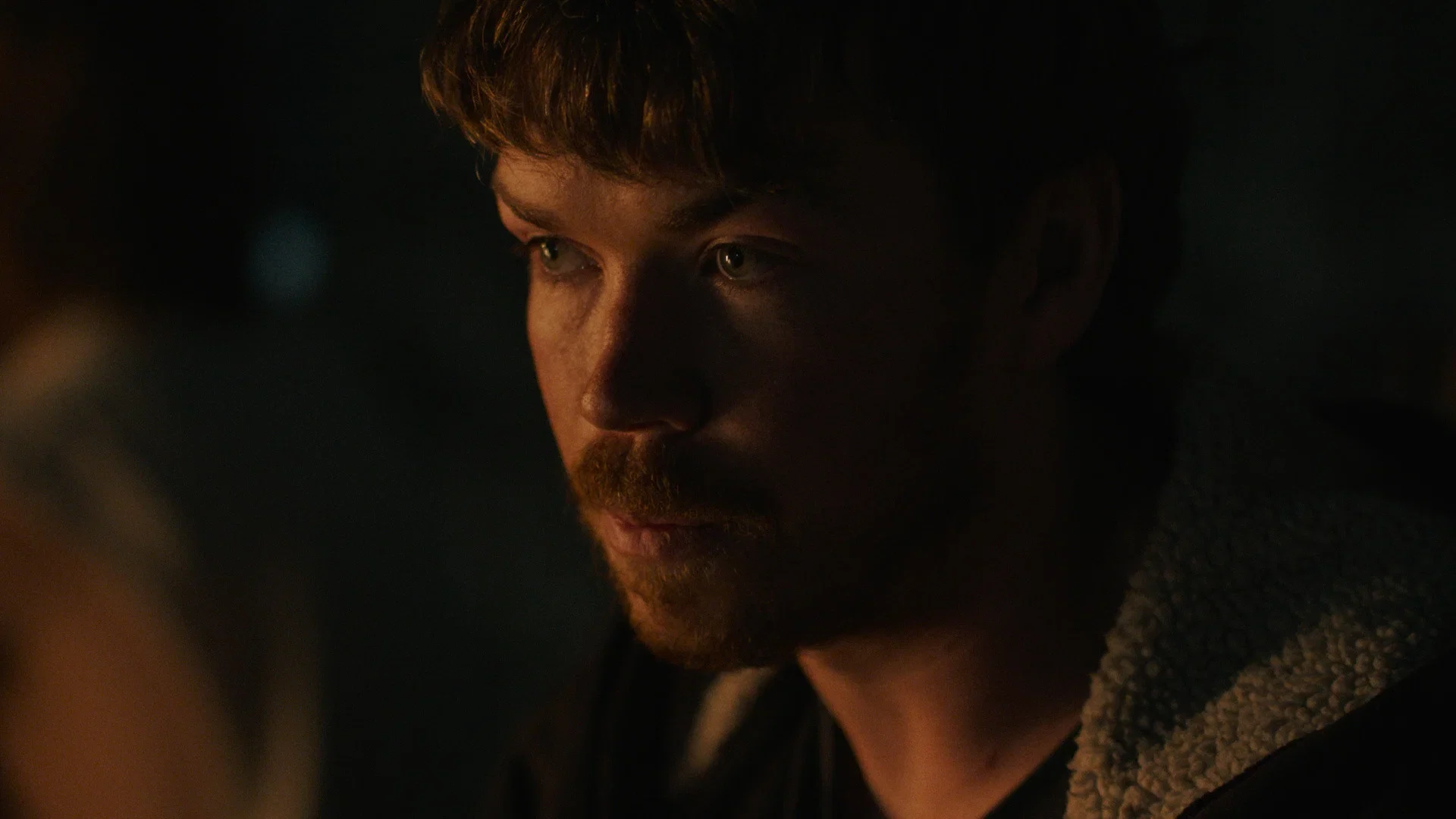
As Cody begins to find something like balance, a tragedy pushes him into dangerous territory again. The film could have turned grief into a spectacular set piece. Instead, it remains faithful to its restraint, attending to what the loss does to a man who was already searching for daily reasons to continue.
Life will not wait for stability before testing you. Progress offers no guarantee against collapse. The film's humane insight is that success does not mean becoming immune to falling; it means recognizing that a fall need not end the journey.
Image, silence and editing
The muted visual world fits Cody and his surroundings. The camera observes without telling us exactly what to feel, and the music resists melodrama. The film trusts faces, silence and place instead of polishing Cody's life into a more glamorous picture.
Yet, as with the pacing, restraint can become excessive. Certain meditative shots feel borrowed from the language of independent cinema more than needed by their particular scenes. Tighter editing could preserve the value of quiet moments without artificially accelerating the film. When everything is hushed and slow, the moments that matter lose some distinction.
Strengths and weaknesses
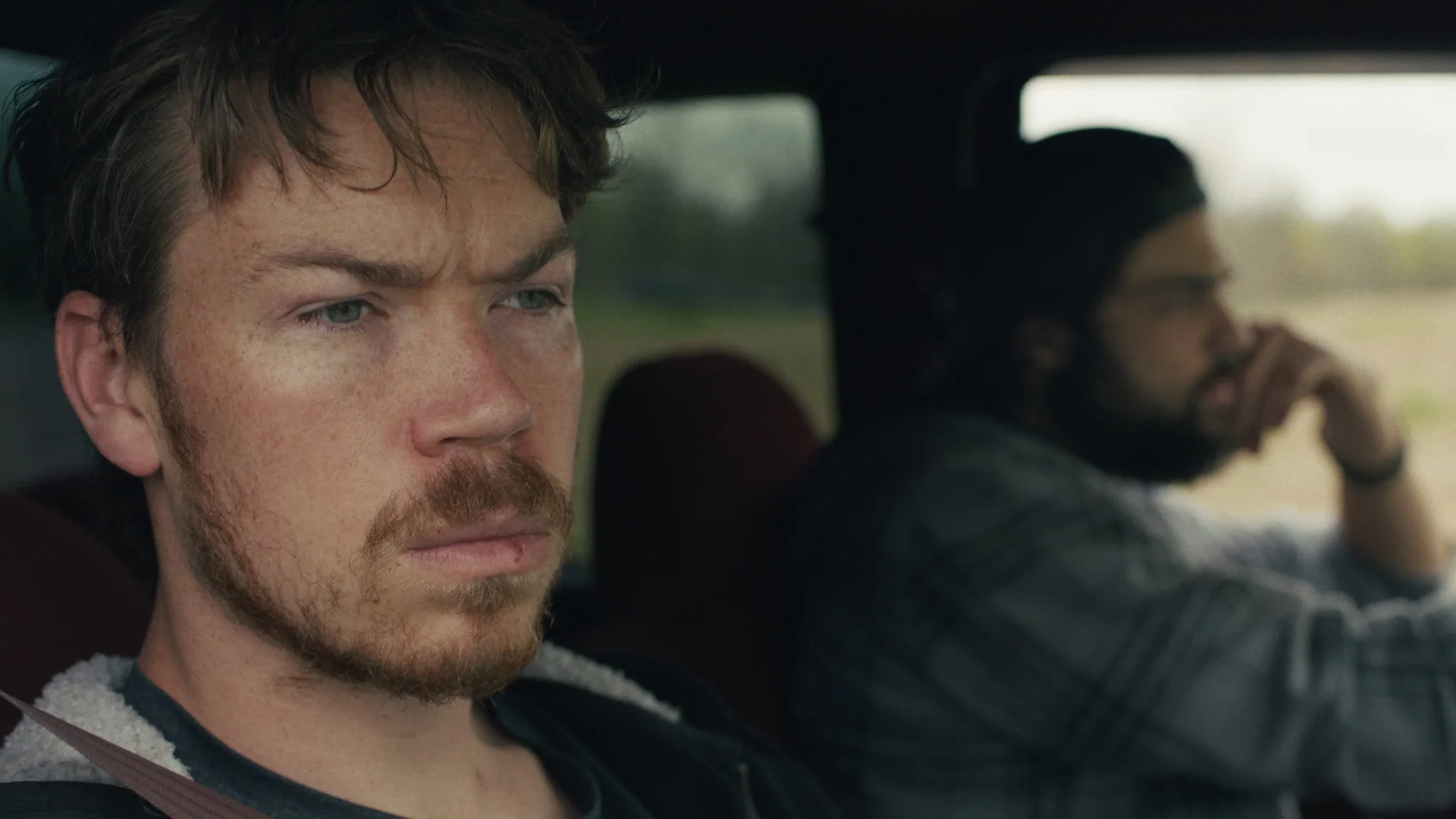
Union County's greatest strength is its honesty: real recovery participants, Will Poulter's sensitive performance, Cody and Jack's natural bond, and a refusal to present sobriety as a quick fix or miraculous transformation.
Its weakness is the struggle to be both Cody's story and a wider portrait of a whole recovery community. Neither always gets enough room, and the contemplative pace sometimes makes the film feel stalled rather than calm.
Final verdict
Final verdict
Union County does not try to shock its audience. Recovery can look like a job, a court date, a support meeting, a car repair, a relapse and another attempt. Real participants make that world feel alive, while the film's ambition sometimes keeps Cody and his family relationships at a distance. I wanted to know him more deeply and wanted fewer shots restating a quietness we already understood. Still, this is a respectful debut for Adam Meeks: it handles a sensitive subject without exploitation, allows hope without a naive promise, and finds its center in Will Poulter's exposed, understated performance. My rating: 6.5 out of 10.
Your turn
Did including people with lived recovery experience make the film more truthful, or did it make Cody's fictional story feel less powerful by comparison?
AUDIENCE VOTE
Do you agree with the MB rating?
Choose once from this browser. You can change your answer at any time.