The review
Screenplay and dialogue: two companions carrying the wounds of war
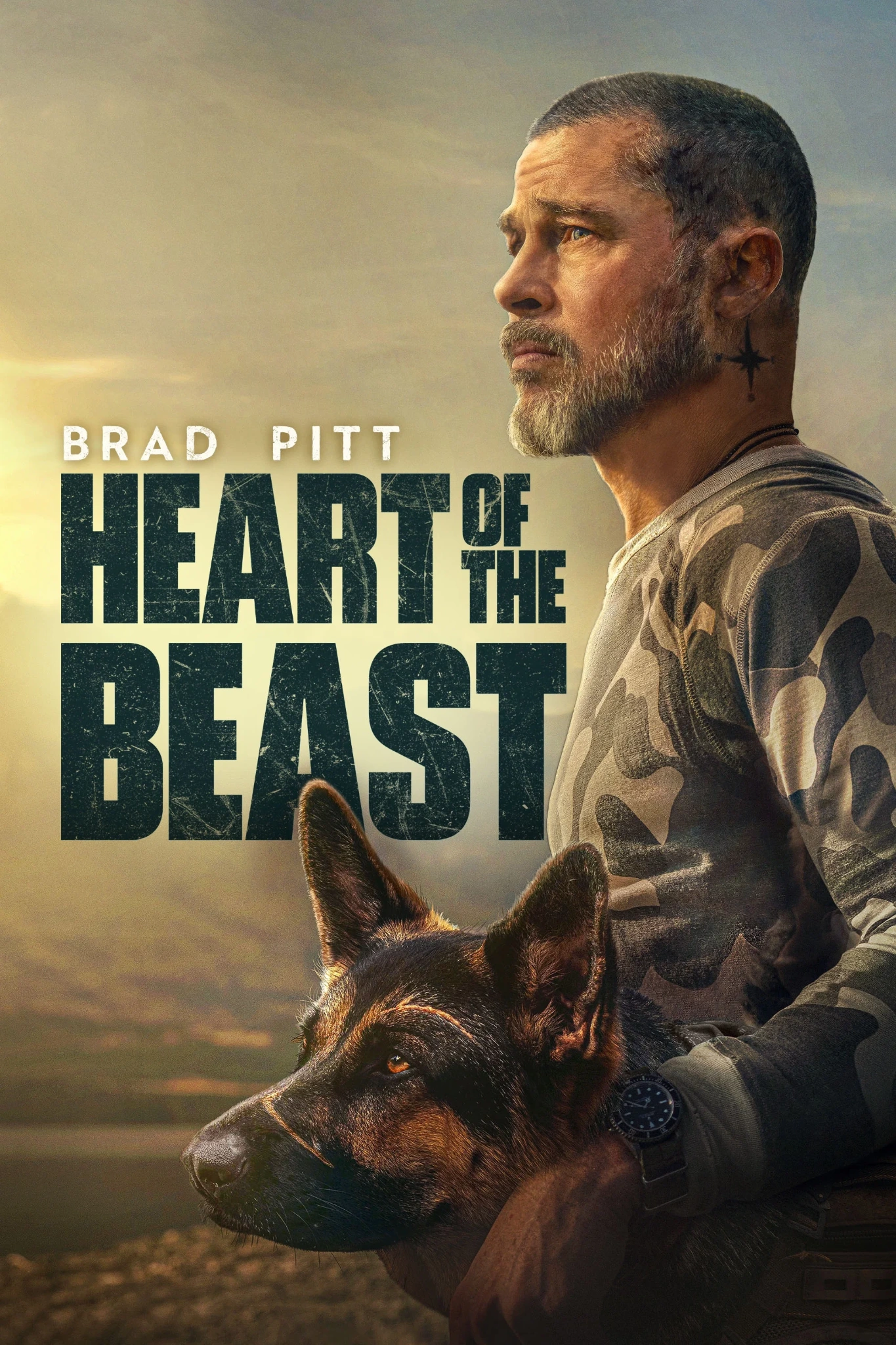
The story follows James Belmont, played by Brad Pitt, a former Special Forces officer who has chosen to leave military life and live in a remote part of Alaska with Odin, his former companion on combat missions.
Retirement does not mean that the past is over. James and Odin both carry visible traces of their service in the Middle East. The dog has lost a front leg and relies on a prosthesis, while his metal teeth and visible injuries represent only part of his suffering. James, meanwhile, has emerged from war with deep physical and psychological wounds that continue haunting him after he leaves the soldiers’ life behind.
This gives the film a strong starting point for their relationship. We are dealing with more than a soldier and an accompanying dog: these are two beings who lived through the same harsh experience, even if the injuries it left in each of them differ.
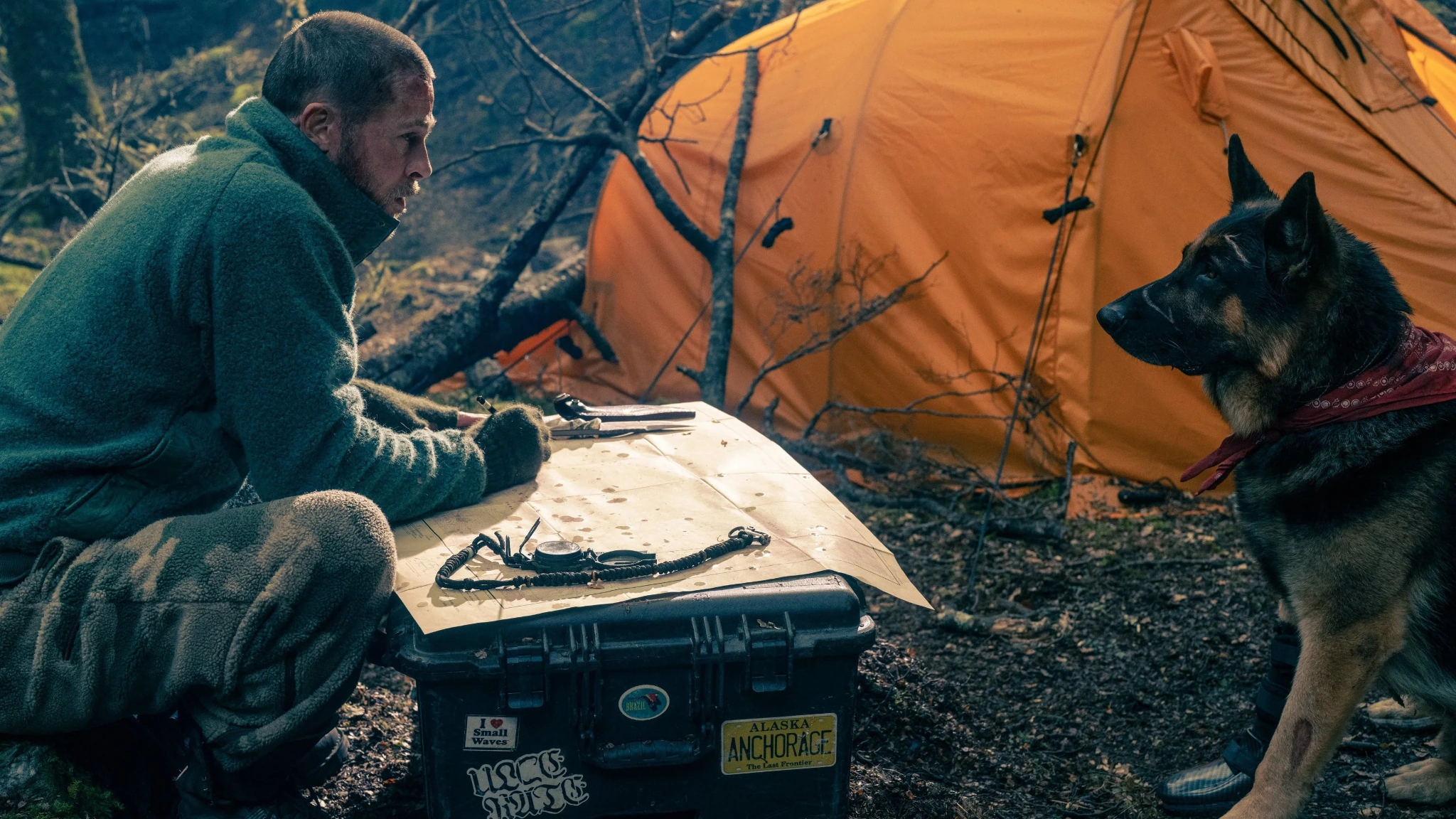
Better still, the film needs little dialogue to establish the strength of this bond. Odin is more than a pet waiting for his owner’s commands. He is a companion who understands his place beside James and gives him a kind of security that he cannot easily find with people.
James’s decision to go somewhere far from others clearly reflects his wounds. He is seeking more than a quiet place to spend his retirement: he chooses a space where he can avoid human contact. Odin remains beside him as the most stable source of human connection in his life.
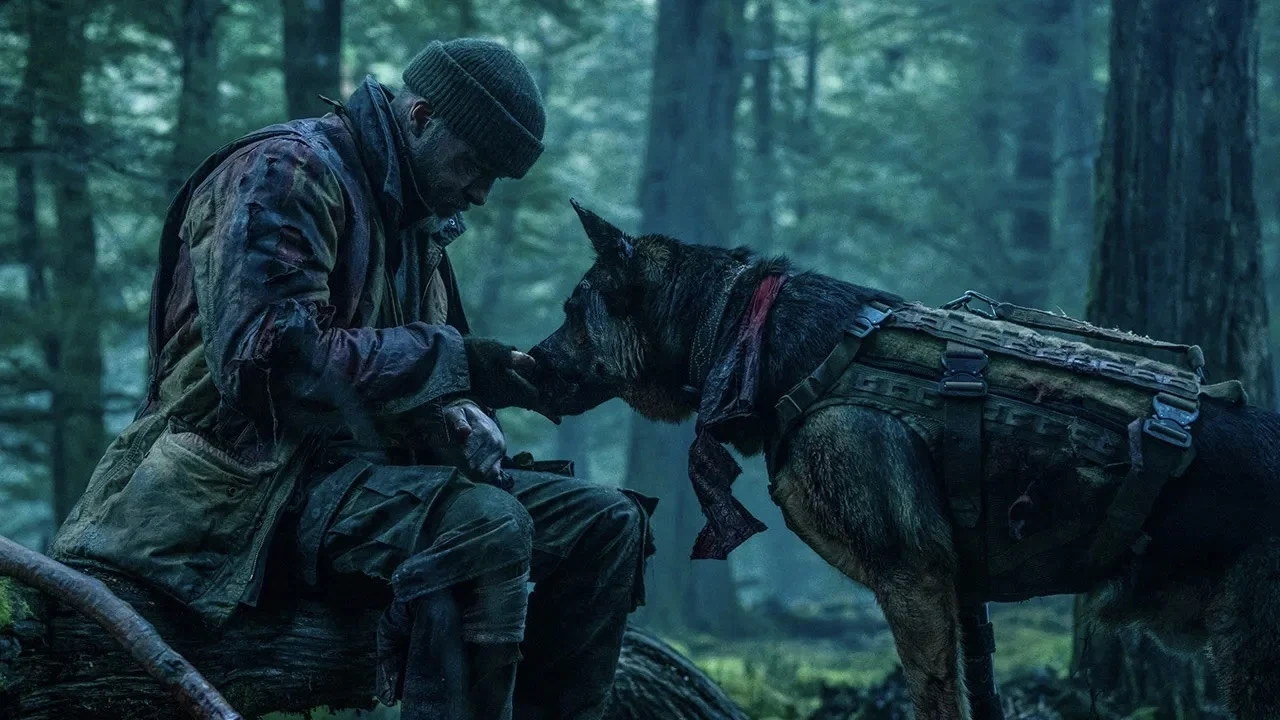
This relationship is the film’s emotional foundation. It is also what will carry most of the experience when the quiet journey turns into a long struggle to stay alive.
From a quiet retirement to a fight for survival
At first, the film offers a peaceful picture of the life James has chosen: a small plane, a river, a tent, a fire for warmth and cooking, and an expansive natural world seemingly far from the noise of civilization.
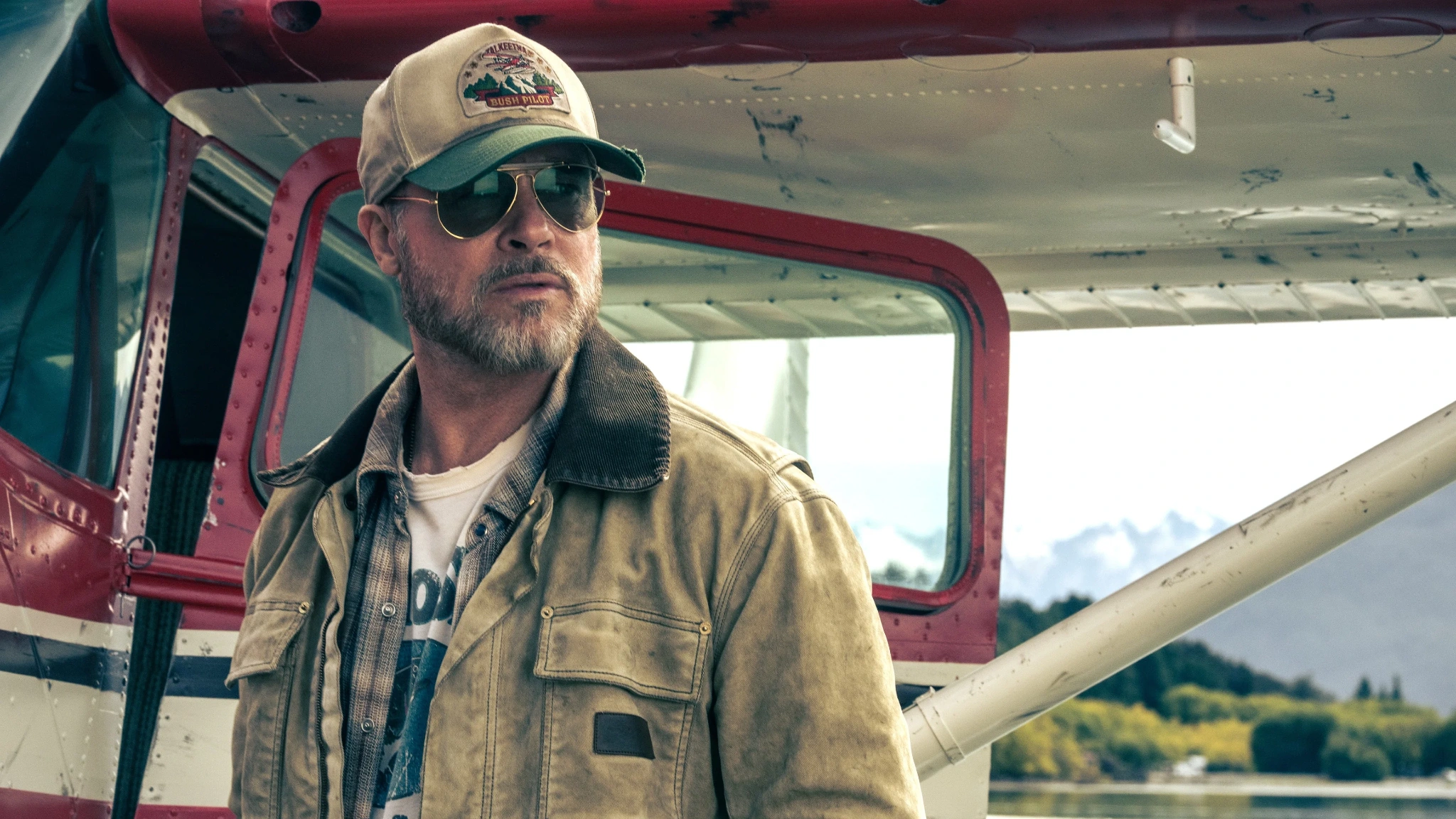
Even the appearance of an older man played by J. K. Simmons adds some warmth and familiarity to this beginning. He passes in his boat, talks with James, and tries to encourage him to enjoy his new life.
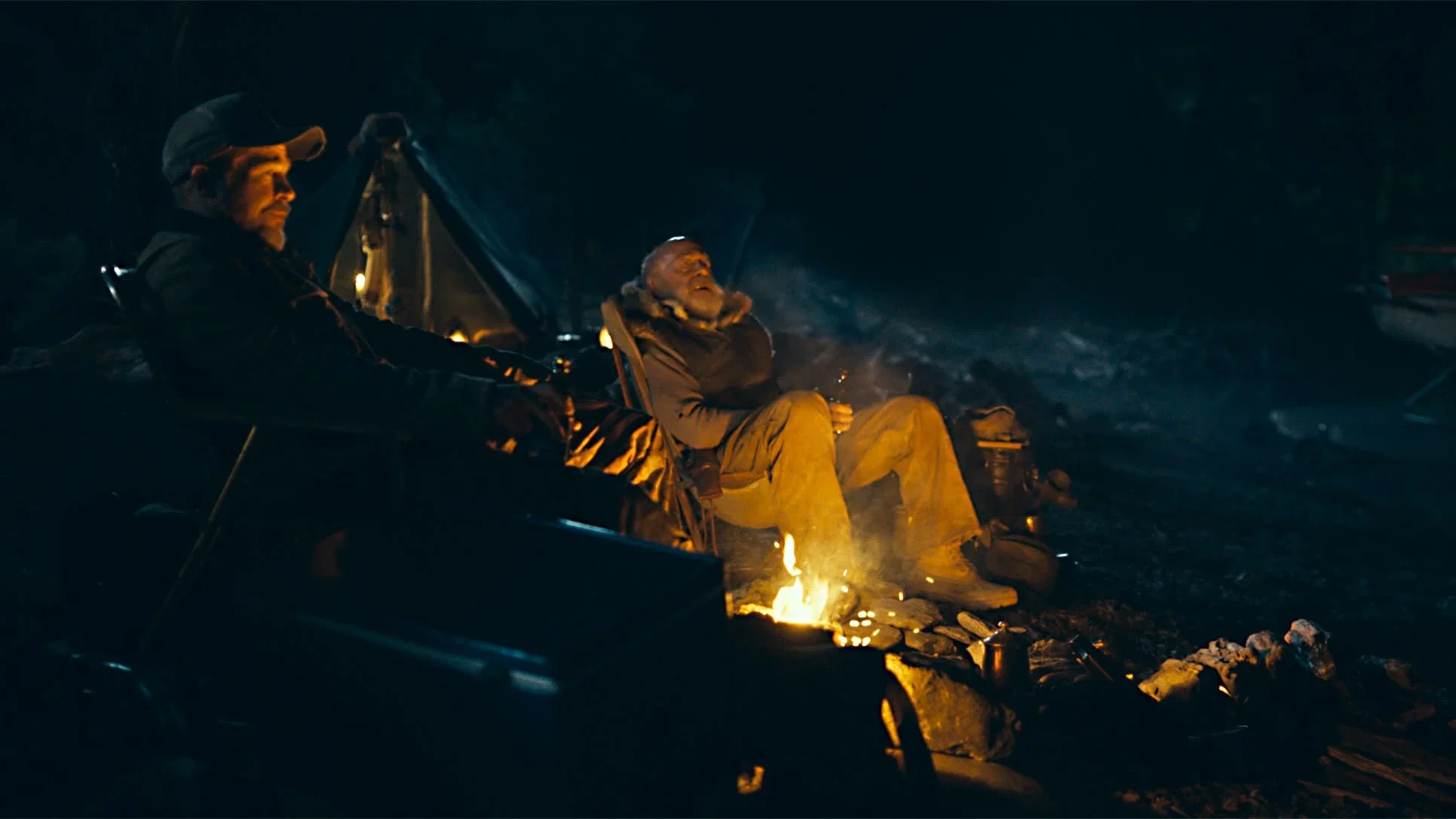
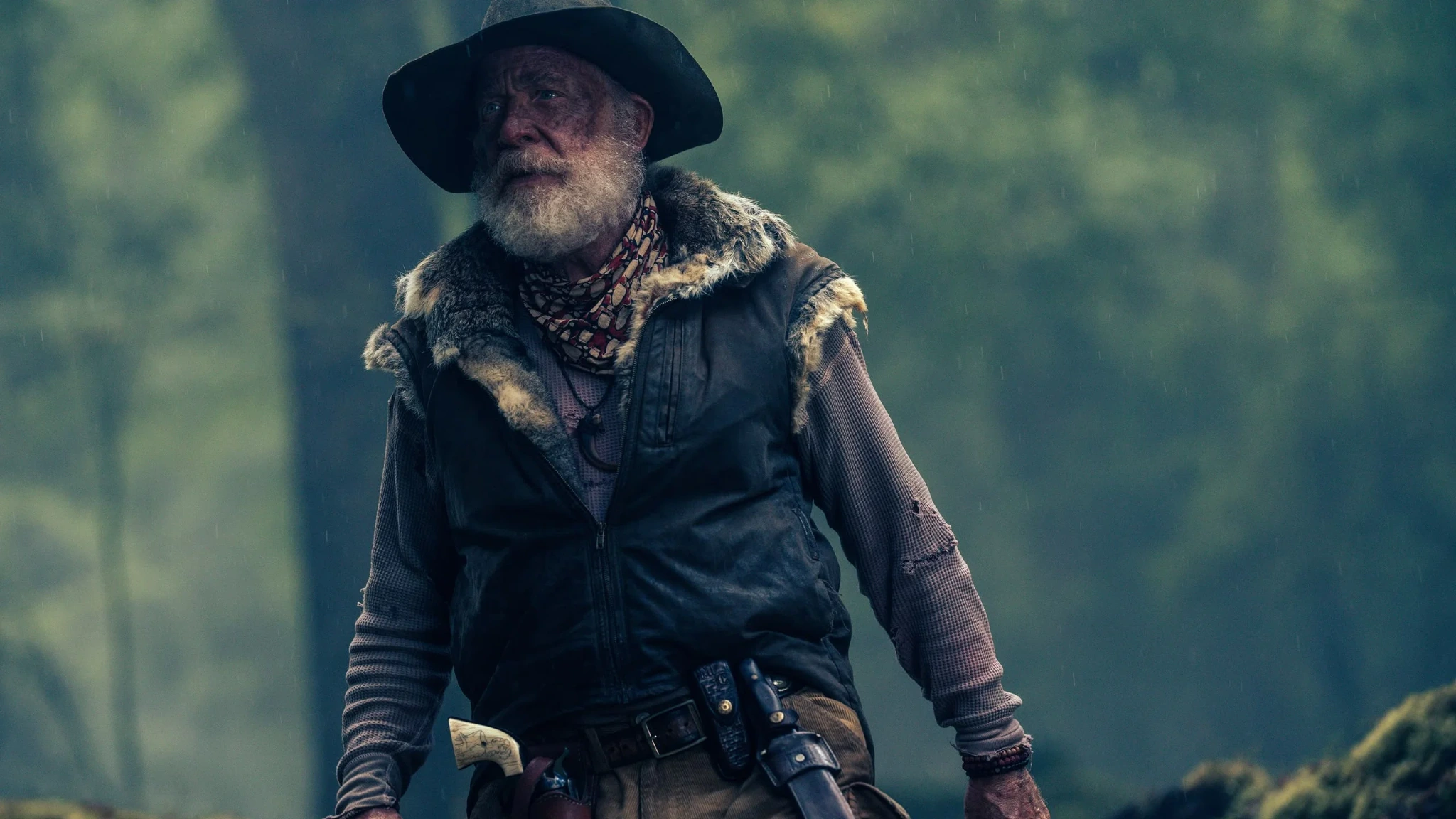
These moments do not last long, and the nature of the story soon changes.
James faces a serious medical emergency while flying his plane, suffering a heart attack as he tries to avoid a dangerous weather system. He and Odin crash far from civilization, with no help nearby and seemingly no choice but to try to reach the nearest road.
From this point, the film’s purpose becomes clearer. Rather than building a highly complicated plot, it concentrates on a survival journey requiring them to cover roughly sixty miles of rough, dangerous terrain.
I see this shift as the most important decision in the film’s construction, because it turns the central relationship from quiet companionship into a practical test. Odin’s presence beside James is no longer simply a source of psychological comfort; it becomes essential to their chances of survival.
The film does not treat the journey as a simple passage from one place to another. Each step presents a new challenge, giving us the sense that reaching the road is far from guaranteed.
The survival scenes: clear dangers and a growing physical burden
The film becomes more exciting and effective when it begins concentrating on survival.
Director David Ayer handles these scenes with a useful restraint, without rushing from one danger to the next. He gives situations enough time for tension to build, allowing us to feel their difficulty before moving to the outcome.
The emergency aboard the plane makes this especially clear. The scene depends on more than the crash itself, gradually building a sense of danger until James and Odin’s survival becomes a moment worth paying attention to.
That approach continues throughout the journey. James does not emerge from the crash unscathed. His injuries accumulate, and his body becomes less able to withstand the long distance. When he suffers a serious open fracture in his arm, he must enlist Odin’s help in preparing a bandage to stop the bleeding.
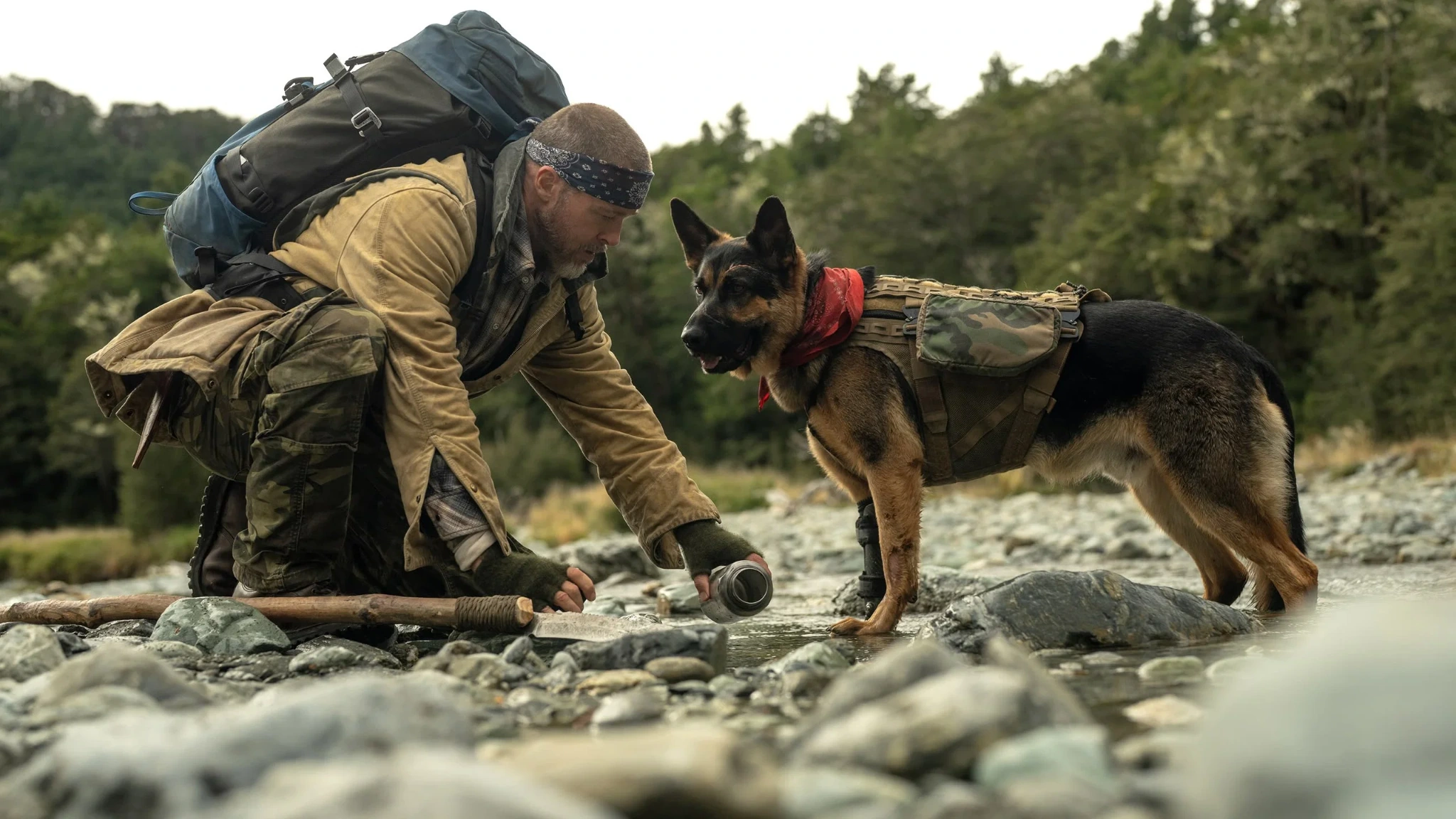
This moment directly reveals the nature of their relationship. The dog who previously depended on his owner has now become part of what keeps that owner alive.
The film offers other situations built around immediate physical danger, including crossing a tree bridge over fast water, negotiating difficult slopes, and climbing up and down terrain that shows no mercy to an injured person trying to cover a long distance.
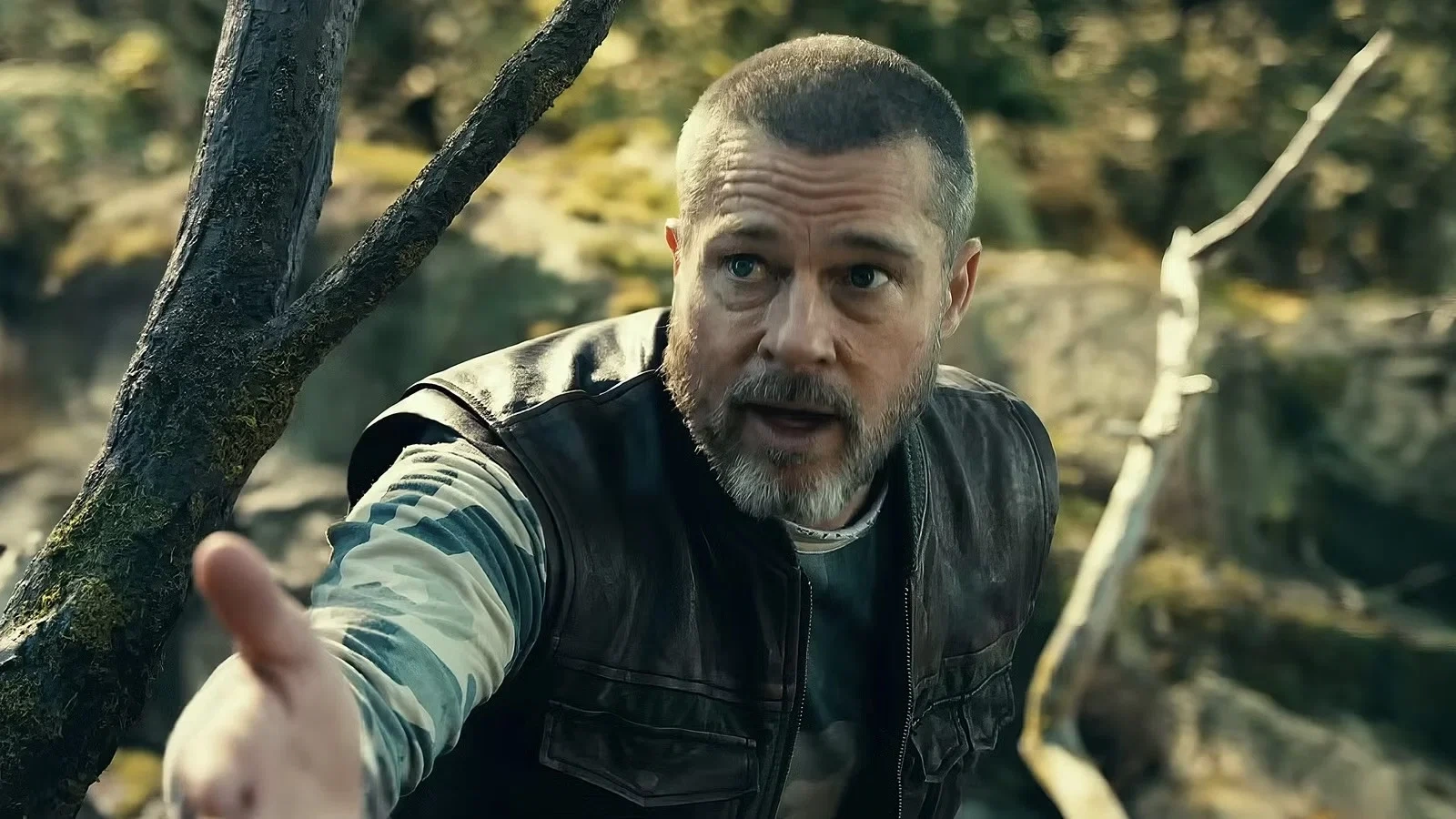
These scenes give the journey real weight. Suffering becomes more than an idea we hear about: we see it in the difficulty of James’s movements and his limited ability to keep walking.
Here Ayer reveals one of his strengths. He understands that survival scenes need clarity about both the danger and the means by which the characters try to overcome it. Instead of continually leaving us wondering what the problem is or what the characters should do, he places us within the situation and lets the tension develop naturally.
The wilderness: between natural beauty and the threat of isolation
The Alaskan wilderness should be one of the greatest obstacles facing the two companions. The location is remote, the weather harsh, and the terrain makes any small mistake a potential cause of death.
The film approaches nature in two different ways, however.
On one hand, the cinematography successfully shows the beauty of the open landscape. Its images of the natural world surrounding the companions make us understand how far they are from any help.
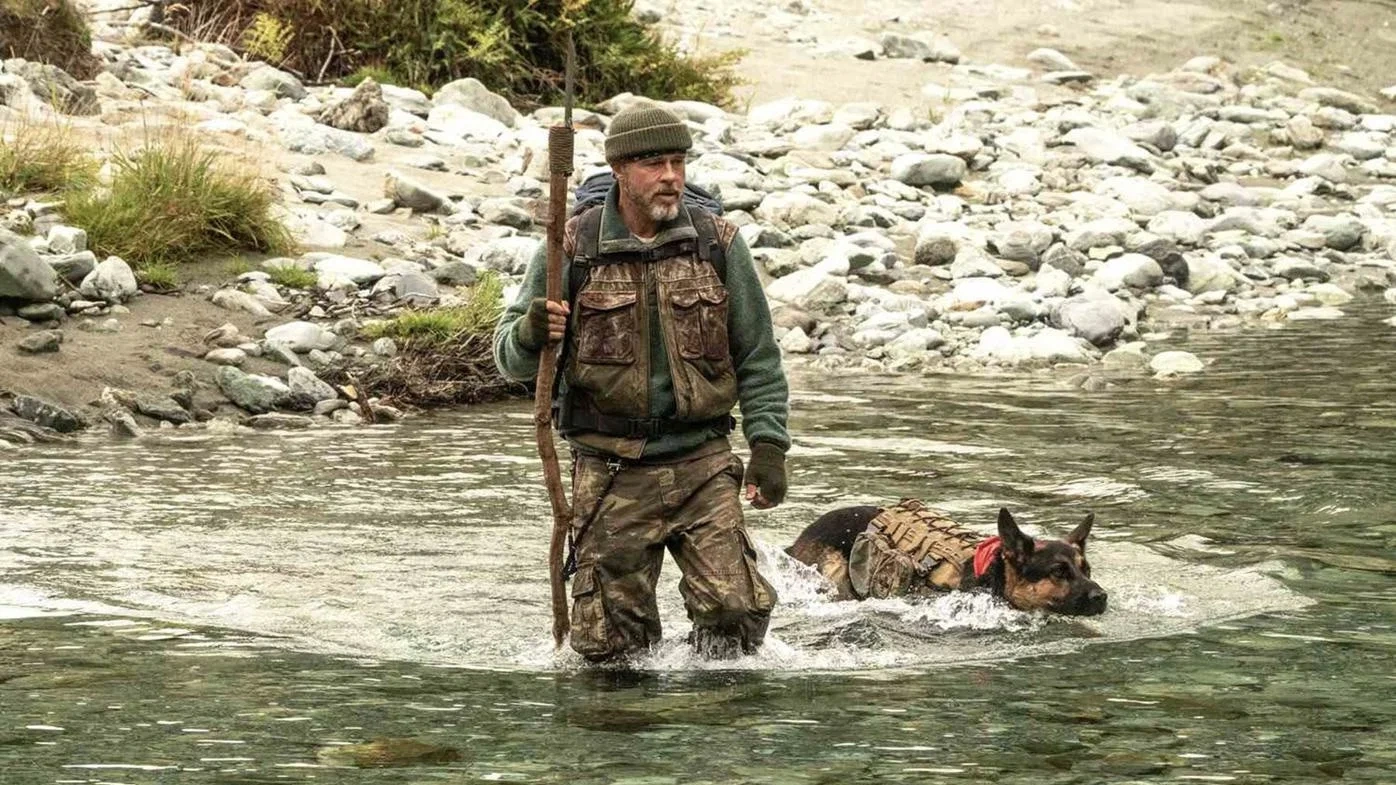
On the other, this emphasis on beauty sometimes softens the landscape’s harshness. At certain moments, the camera pulls away to present the wilderness as majestic and beautiful rather than as a force threatening the companions’ lives at every instant.
I do not consider photographing beautiful nature a flaw in itself. The issue is the balance between the location’s beauty and its danger. The film wants us to enjoy the scenery while feeling that this environment could swallow anyone unable to cope with it.
The result is a journey that feels dangerous but does not always achieve the severity that should accompany a survival story under these conditions.
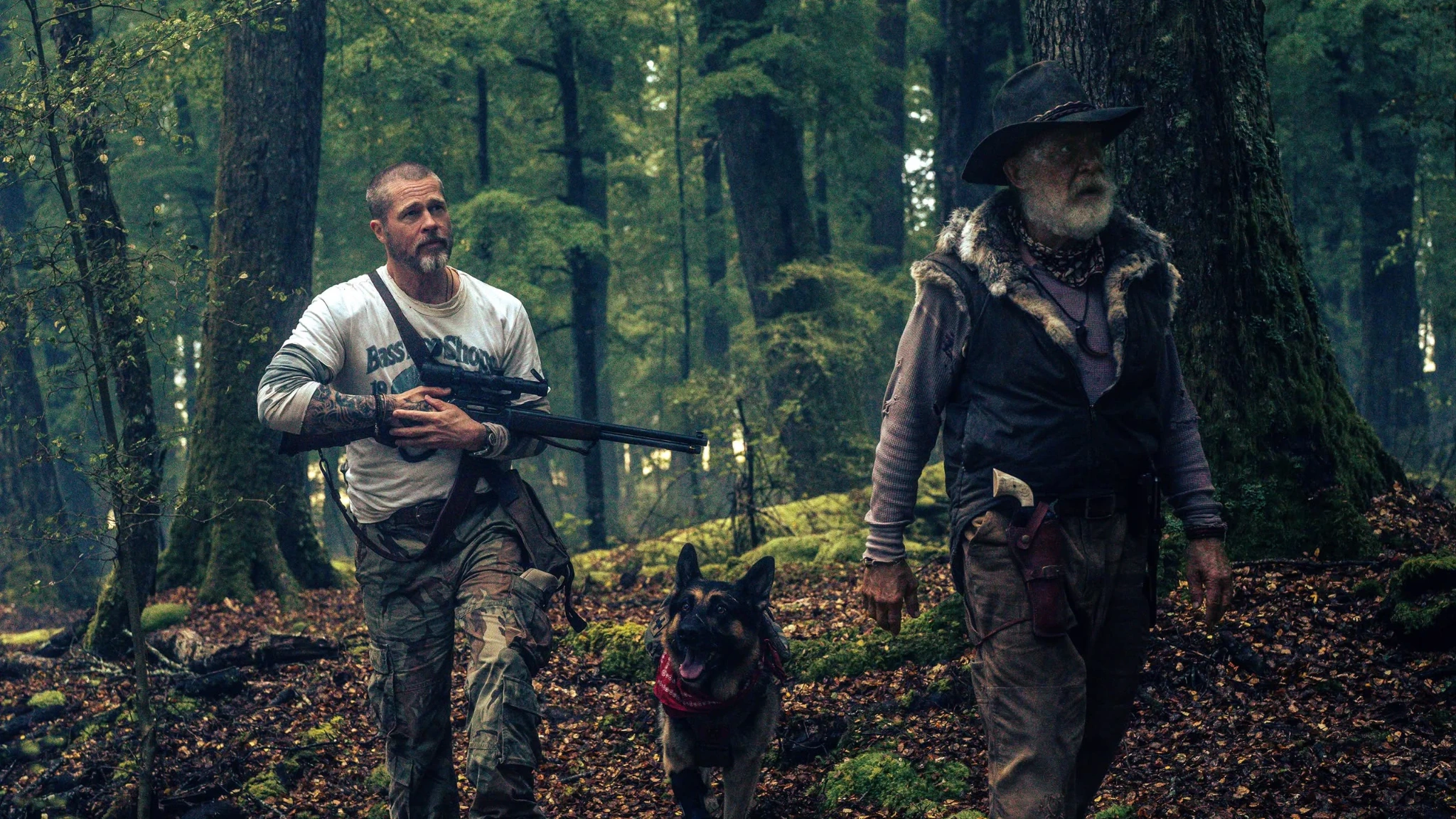
This also connects to the film’s overall tone, which remains keen to give the viewer some reassurance even when the characters experience situations that ought to feel harsher.
Animal effects: when a threat loses its credibility
The weakest execution appears when the film introduces animal threats into the journey, particularly bears and a pack of wolves.
The problem is not the animals’ presence, which suits the environment, but the way they are presented visually.
The computer effects are conspicuous enough to weaken immersion. Instead of feeling that danger truly stands before the companions, we sometimes notice that what we are seeing has been digitally created.
This is a significant weakness in a film built primarily on danger and physical realism. The more successfully it makes us believe James’s injuries and the difficulty of his movements, the more noticeable any visually unconvincing moment becomes.
The distinction matters. Survival scenes relying on Brad Pitt, the dog, and real terrain feel more powerful than encounters in which the effects become unconvincing.
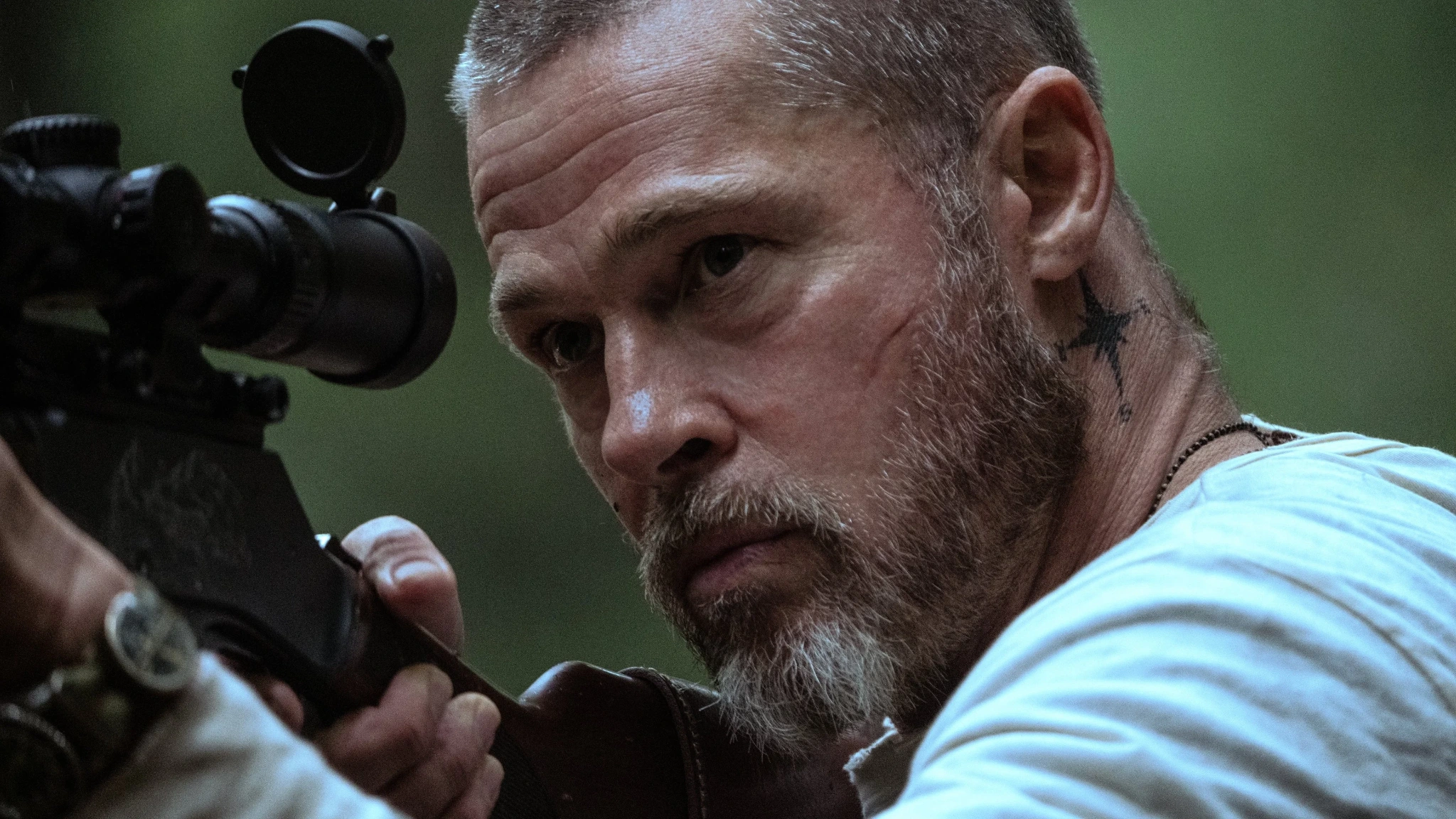
These confrontations could have been among the most tense moments. Instead, they expose the limitations of the film’s visuals and weaken situations that require complete belief to have their intended effect.
This is more than a superficial problem, because the effects directly affect the film’s ability to convince us that the companions face real danger.
The performances: Brad Pitt’s presence and Odin’s emotional weight
Brad Pitt gives a good performance as James, particularly because the character relies more on physical suffering and restrained emotions than on lengthy dialogue.
There is a clear sense that James is trying to deal with his wounds without continually explaining them. His distance from people in the wilderness helps convey this state, while his successive injuries make suffering central to the performance.
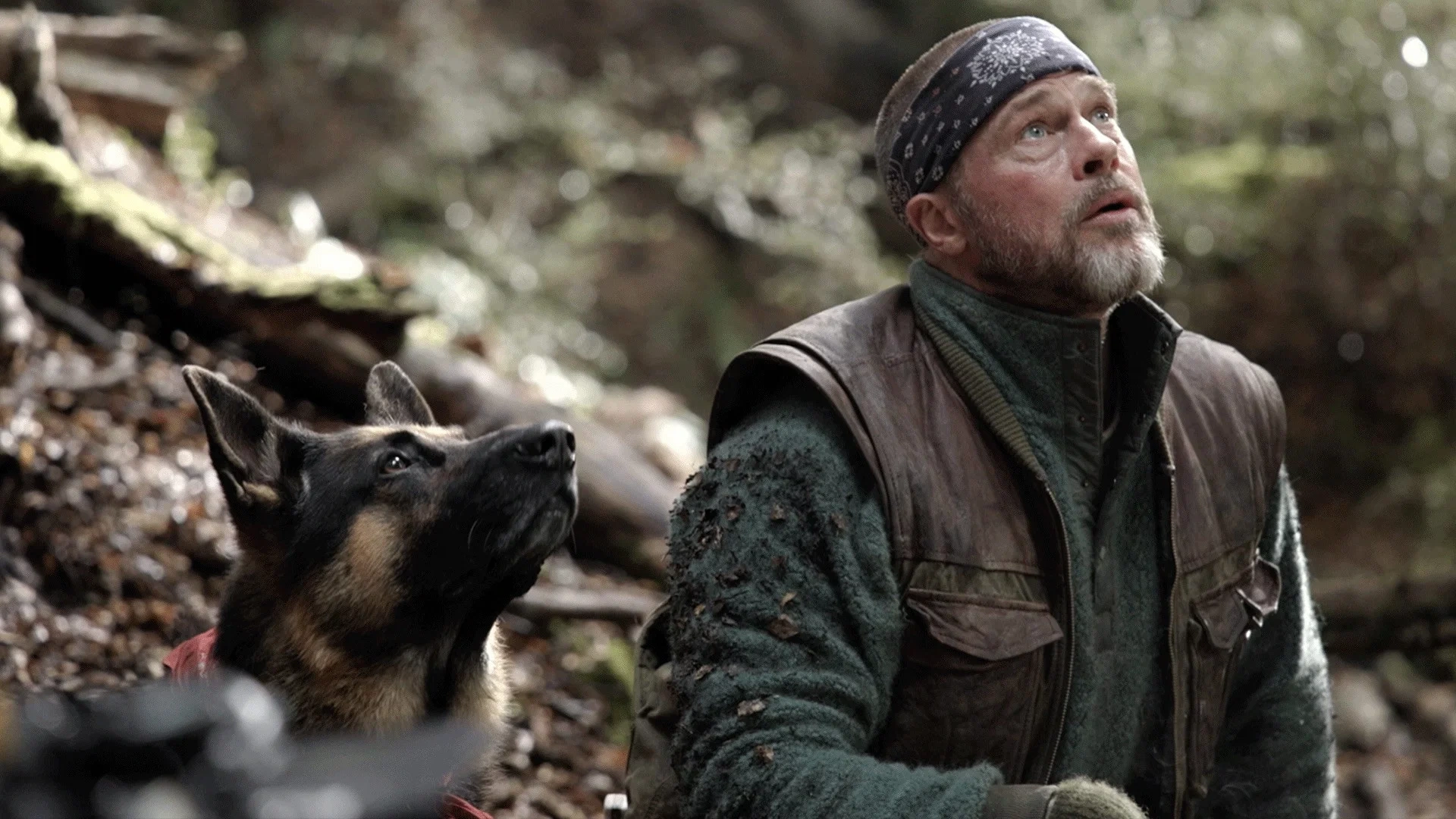
I am not certain, however, that the film necessarily needed a star of Pitt’s stature in this role. Something in his star image gives the character a sense of strength and invulnerability, even when we should be feeling how fragile he is.
That casting may benefit the character in one respect, but it does not make this one of Pitt’s most distinctive or memorable roles. The performance serves the film and gives it a suitable presence without amounting to an exceptional transformation.
Odin, meanwhile, is one of the experience’s most important strengths for me.
The dog has a powerful presence. His expressions and movements make him seem like a genuine partner in the story rather than simply an element used to stir the audience’s emotions.
It is difficult to separate that effect from the direction of the dog within the scenes or the editing that combines his movements with Pitt’s performance, but the final result is convincing. We feel a real relationship between them and a specific role for Odin in James’s journey.
This also makes his earlier injuries more important. The film presents an animal who carries the marks of war and keeps trying to live with them, rather than an ideal dog unaffected by what he has experienced.
J. K. Simmons appears only briefly and brings a friendly presence to his role, although his early appearance has an obvious function, as though he is there to supply information the film needs to communicate to the audience.
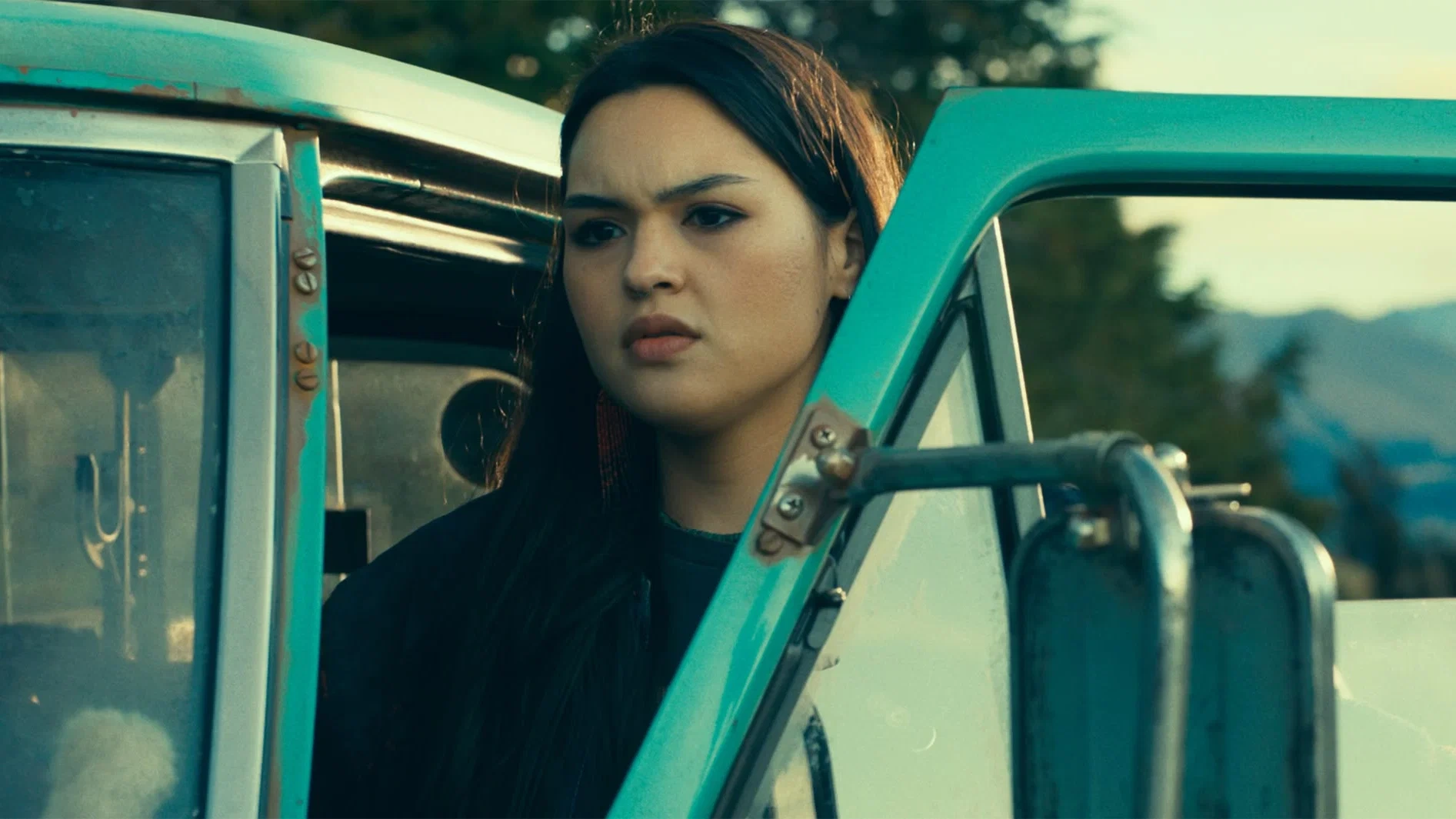
Despite her limited involvement, Anna Lambe’s presence late in the story gives her scene the necessary weight and plays an important part in achieving the emotional effect the film seeks.
Does the film manipulate our emotions?
This question deserves attention, because placing a dog in danger gives any film an easy opportunity to gain the audience’s sympathy.
Dogs affect us quickly. When we see one in a situation that threatens its life, it becomes difficult to remain detached. Films built around the relationship between a person and a dog therefore need greater care, so that emotion does not become a ready device instead of a natural result of the story.
The film is not far removed from that danger.
Some narrative choices seem excessively concerned with the audience’s feelings. One is the opening scene’s jump to a future moment: it seems intended to create uncertainty about what will happen, but at the same time it reduces our fear for the dog by giving us an early signal that reassures us about his fate.
Similarly, J. K. Simmons’s early appearance seems clearly designed to communicate information that the story will not have a suitable opportunity to present later. It could have dispensed with this direct explanation and given viewers more room to discover the characters through their actions.
These choices do not destroy the film, but they make it less daring and reveal that its makers do not want to leave viewers entirely within anxiety and uncertainty.
Even so, I cannot describe the film as emotionally cheap or dependent solely on manipulation. Its feelings are connected to its events: injuries, sacrifices, and the difficulty of continuing the journey genuinely test James and Odin’s relationship.
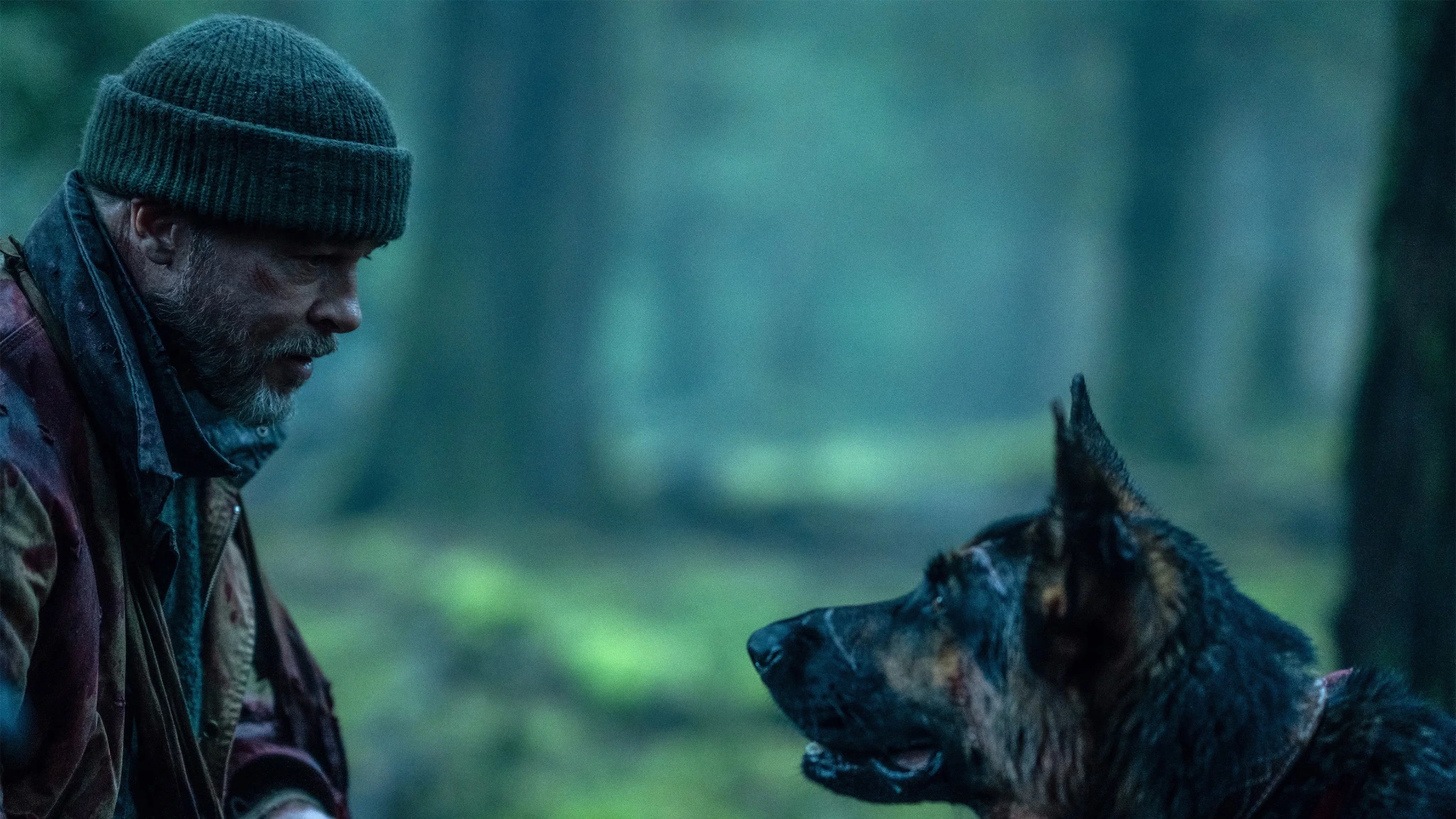
The film gives that relationship enough substance for us to care about both companions, rather than relying only on the fact that one is a dog and the other a person.
At times, however, the emotional tone approaches the feel of advertisements built around a soldier and his loyal dog, with music and warm, accessible feelings. Fortunately, the pain and suffering prevent the film from becoming an entirely overwrought emotional experience.
The ending: an emotional release without a lasting surprise
Heart of the Beast offers many surprises and does not try to make its story more complicated than necessary.
Its direction is clear from the beginning. It relies on a survival journey in which the relationship between the companions develops through what they face together.
The ending consequently stays close to the path the film has established early on. Its direction is predictable, and its impact does not depend on an unexpected revelation.
Predictability does not necessarily mean an absence of impact, however.
What matters here is less being surprised than feeling that the journey has reached an emotional moment worthy of what preceded it. The film succeeds reasonably well in that respect, offering a sense of emotional release after everything the companions have endured.
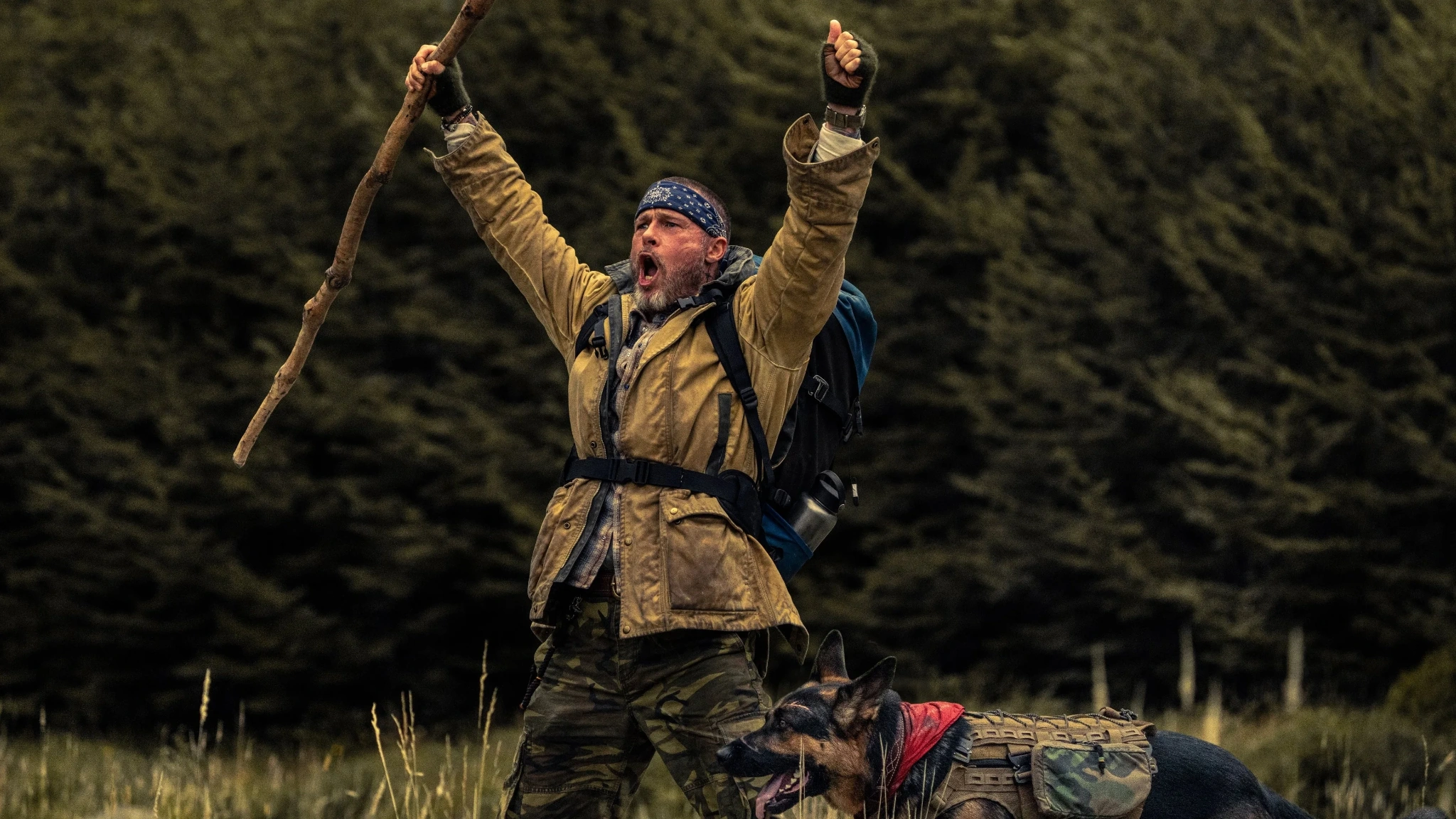
I think this success comes from the fact that their relationship has been more than a stated idea. It has remained present in the journey’s details, from moments of mutual dependence to situations revealing that each one’s survival is tied to the other.
Still, I do not believe this ending alone can give the film a lasting impact. It is affecting in the moment, but does not turn the experience into something exceptional or difficult to forget.
Final verdict
Final verdict
Heart of the Beast is a good survival experience, drawing strength from the relationship between a former soldier and his dog and from physical struggles that make the journey feel arduous and full of challenges. David Ayer successfully builds several suspenseful scenes, and Brad Pitt gives a suitable performance. Odin remains the film’s true emotional heart, with his strong presence and ability to make the relationship with his owner convincing. The film nevertheless has clear problems. Some narrative choices reduce uncertainty, the computer effects used for the animals fall short, and predictability and an emotionally reassuring tone prevent a stronger, bolder experience. I see it as a film that knows what it wants to deliver and reaches the viewer’s emotions at important moments, but does not offer enough to remain in the memory for long. I would recommend it to viewers who enjoy survival films and stories centered on the relationship between people and dogs, provided they do not expect a plot full of surprises or polished visual execution in every confrontation. My rating for the film: 6.5 out of 10.
Your turn
Did the film make James and Odin’s relationship strong enough to compensate for some weak effects and a predictable story, or did its heavy reliance on emotion come at the expense of the experience’s quality?
AUDIENCE VOTE
Do you agree with the MB rating?
Choose once from this browser. You can change your answer at any time.