The review
Screenplay and dialogue
We meet Meg at a body farm, where human remains are studied as they decompose under different conditions. It is an effective opening location because it establishes her work and makes observing death part of her ordinary day. When she cannot explain the state of her father’s body, we therefore understand that what she faces goes beyond her usual experience.
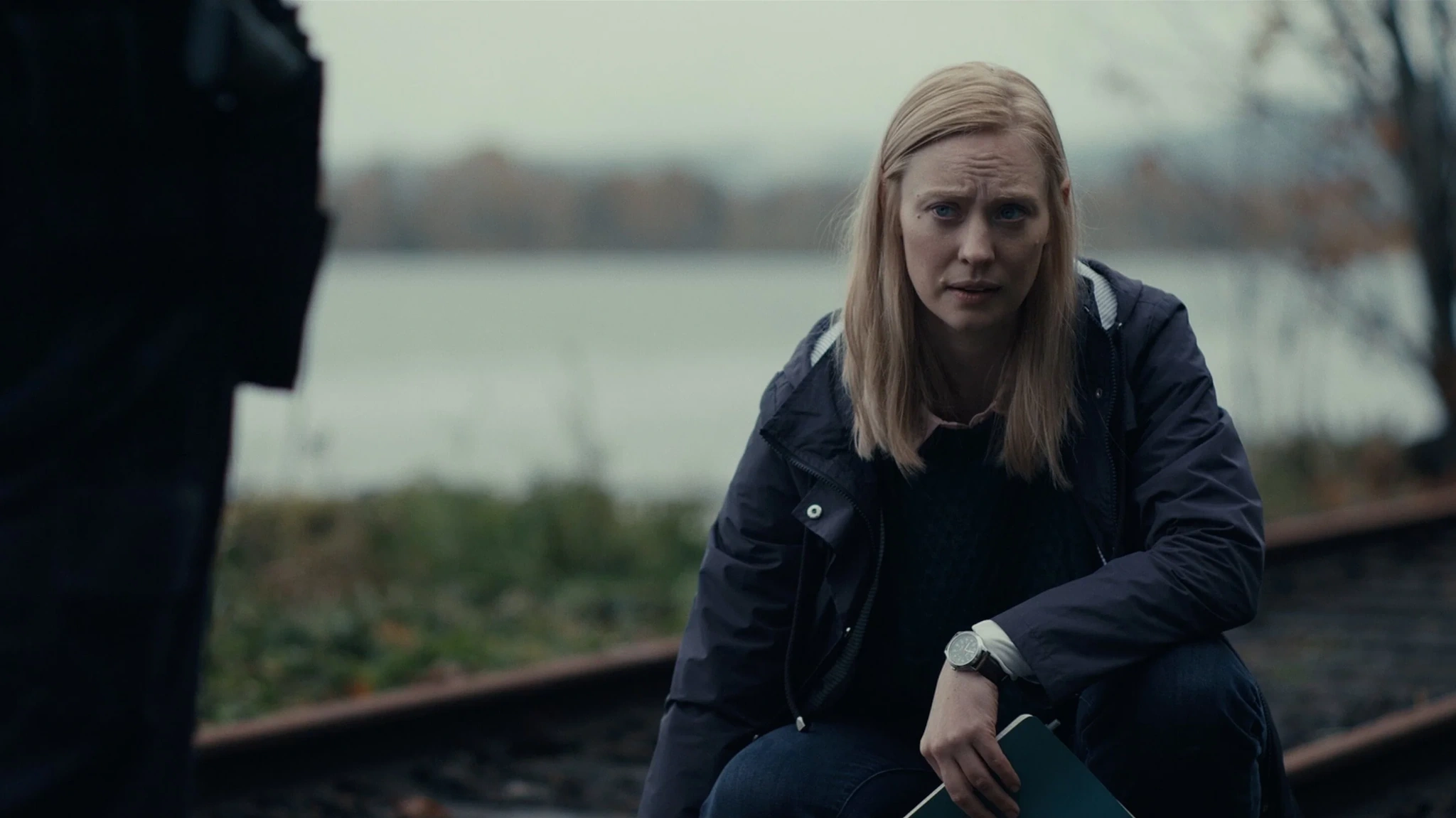
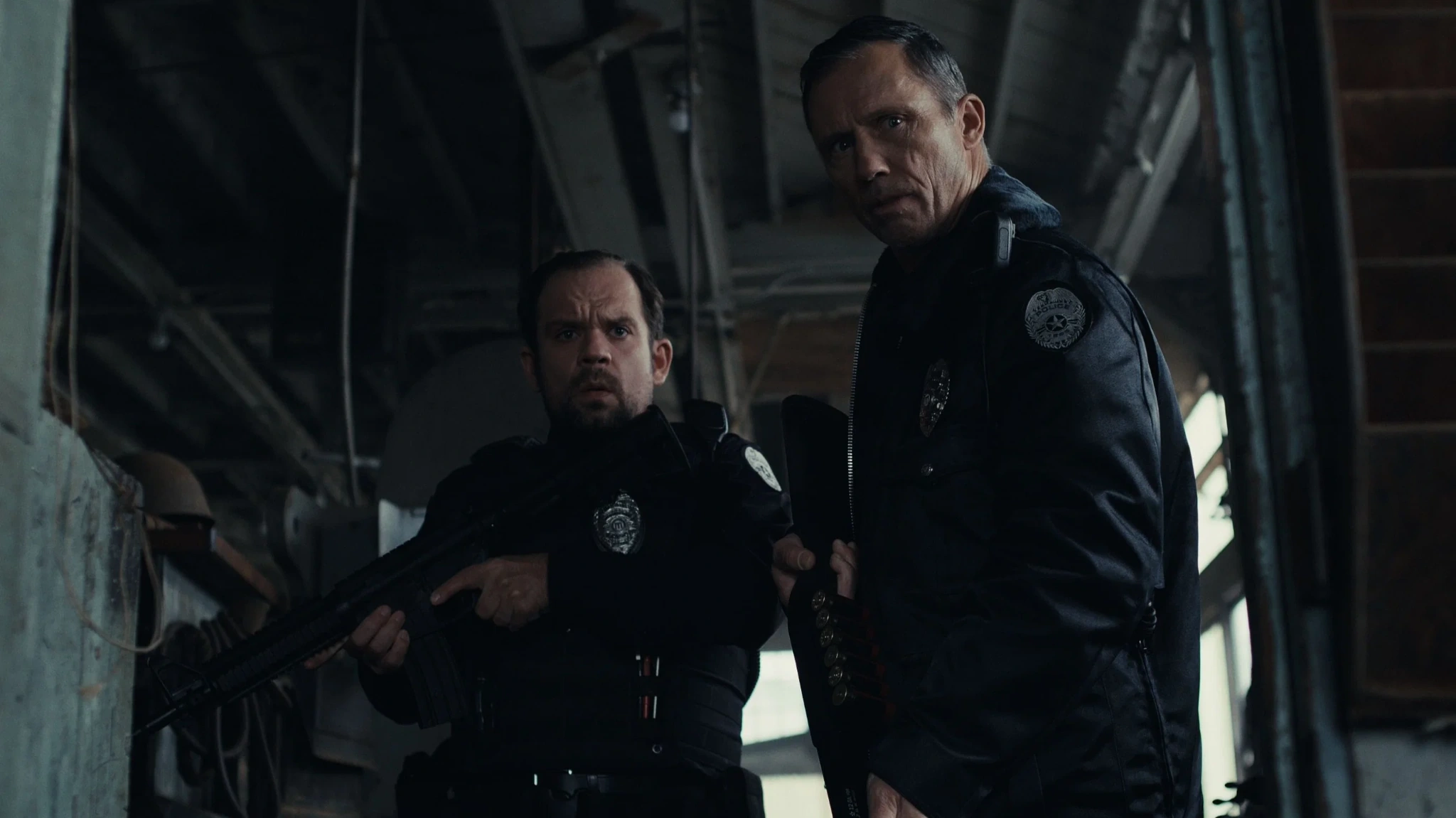
Officer Ian brings her the case of a mother and daughter killed in a violent attack. The body of Peter, Meg’s father, was found near the crime scene, but his condition differs from theirs. He does not carry the same signs of attack and appears to have died some time before them. His presence suggests that someone deliberately moved the body there, for no clear reason.
Meg initially refuses to examine the corpse, then reconsiders after reading the file. Her acceptance has two understandable motives: a mystery that challenges her expertise and a chance to learn something about the man who disappeared from her life.
This beginning gives the investigation a strong reason to continue. Every piece of information about the body may help solve the crime and may also change Meg’s understanding of her childhood. Her work grows harder because she does not know whether she is truly ready for what she might discover.
Evidence changes when the hypothesis changes
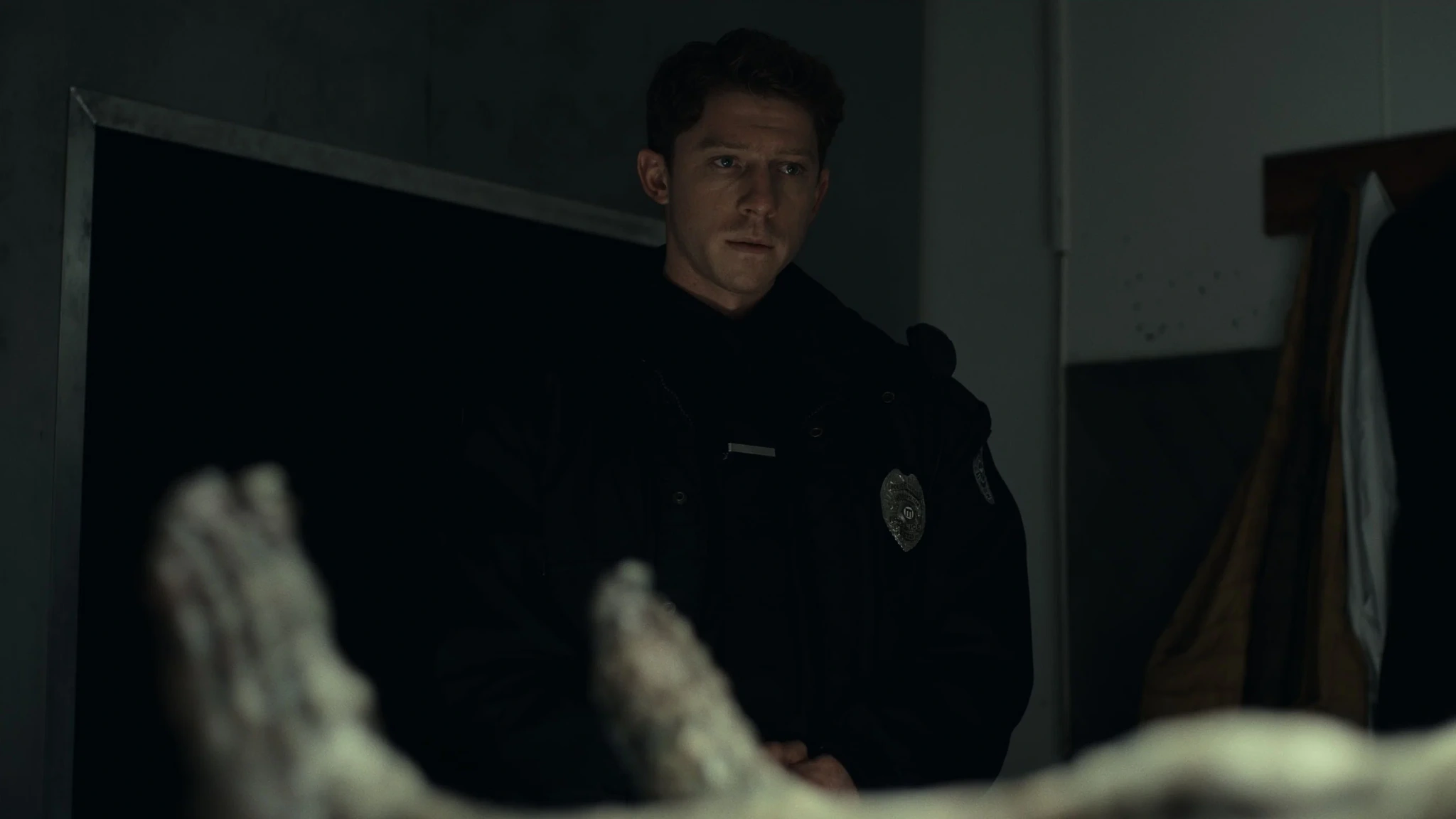
The film makes good use of its protagonist’s specialty by turning bodily details into parts of the mystery. Peter’s repeatedly broken ribs and the injuries across his body suggest prolonged harm. Meg considers the possibility that he was held captive and tortured, but this remains an explanation she is trying to test.
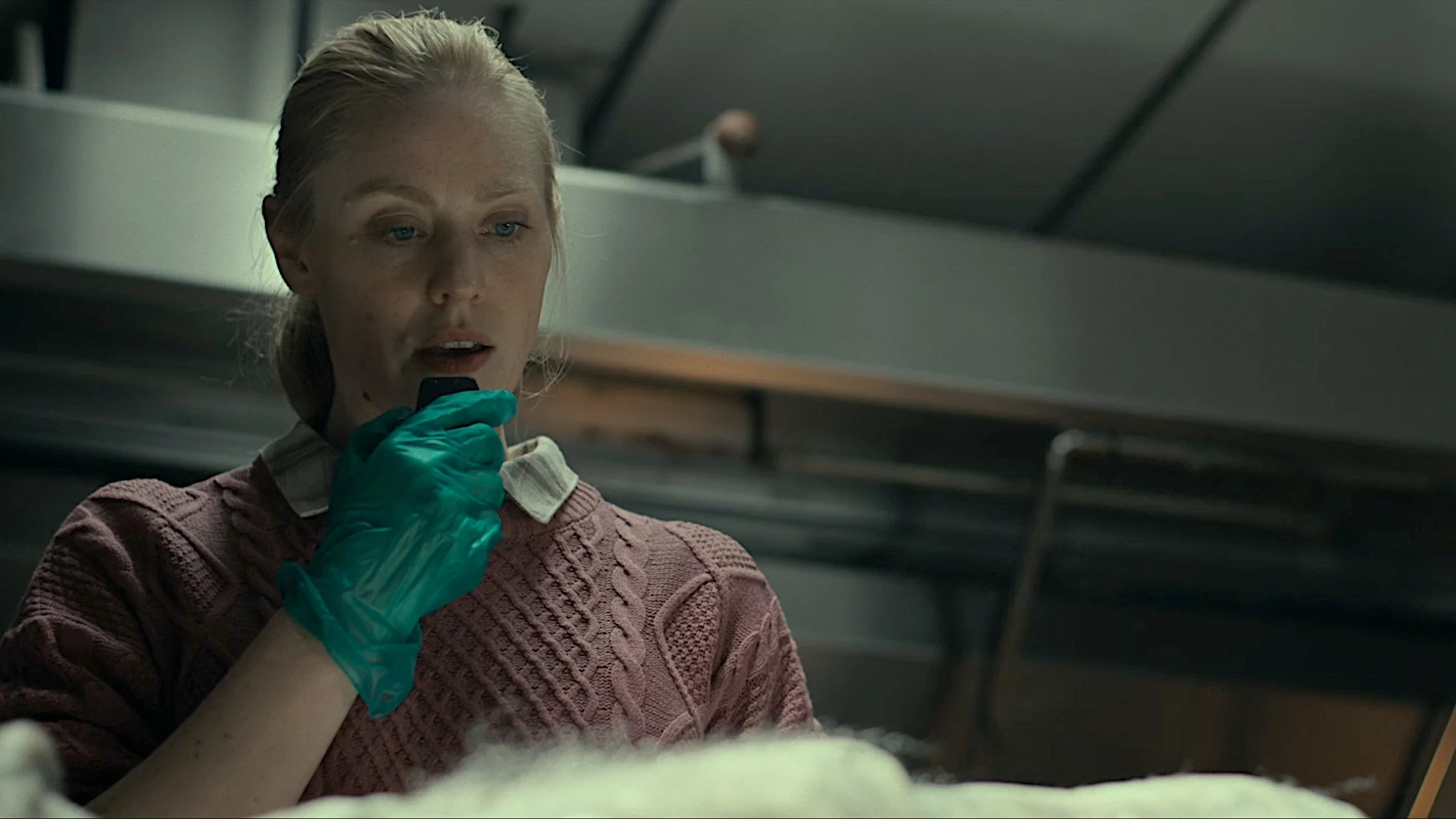
His state of decomposition also does not easily fit what she knows about where he was found. The absence of expected signs leads her to investigate the conditions in which the body was preserved and the person who might have moved it. These questions keep the investigation engaging because every possible answer opens another problem.
Then bite marks appear that combine human and nonhuman features, and the crimes recur as the corpse disappears and turns up in new locations. The explanation Meg clings to begins to fail to account for what is happening.
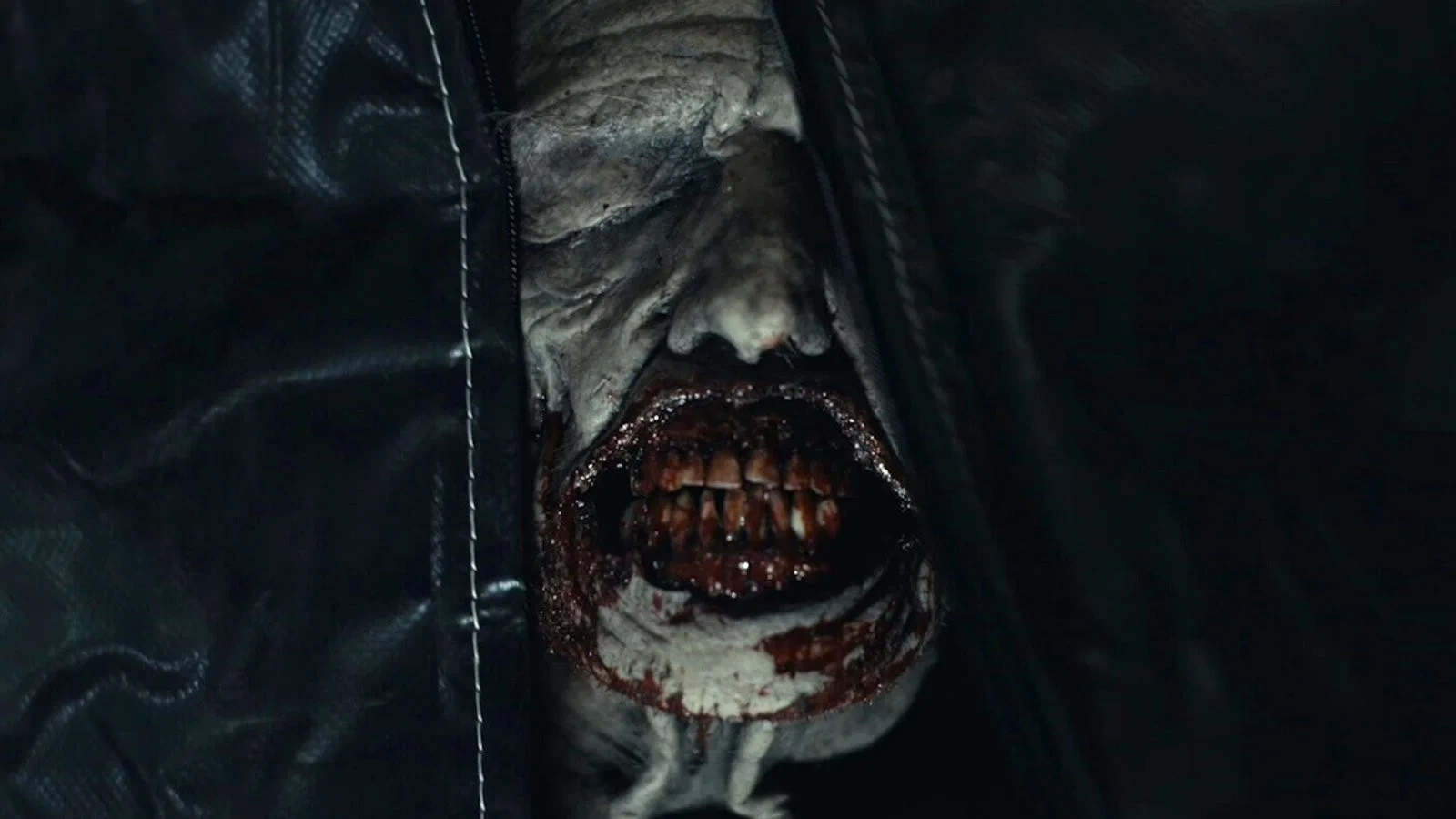
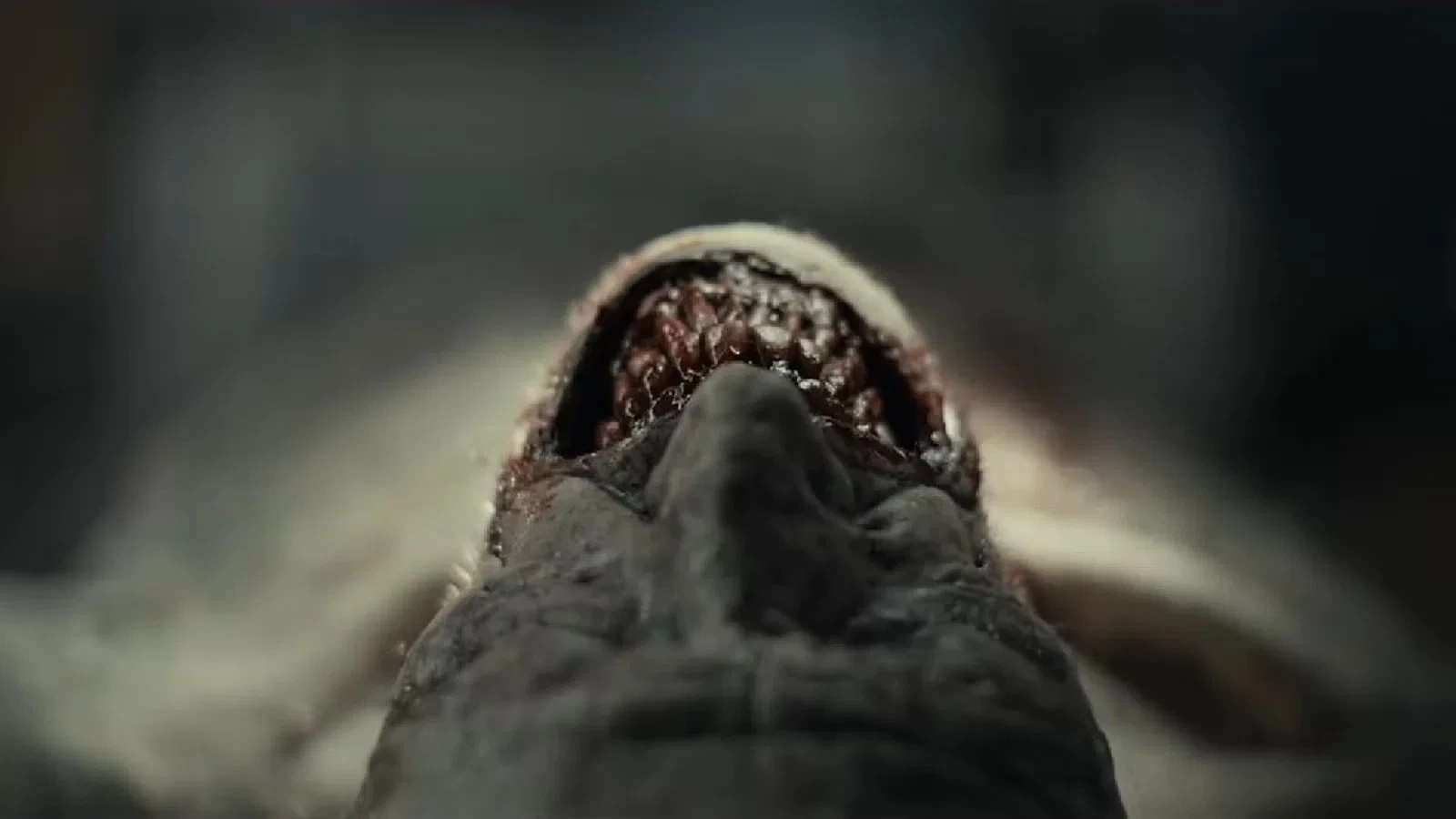
When it becomes clear that Peter’s dead body transforms into a werewolf at the full moon, the injuries that appeared to indicate torture become traces of repeated transformations. This is one of the film’s most successful ideas: the evidence was there, but understanding it required changing the hypothesis on which the investigation was built.
The problem is that horror fans may recognize the direction of the revelation before the film states it. Continuing to delay it slows some stages. Even so, our interest does not end once we know what kind of monster is involved, because the question of Peter’s absence and what he tried to do still needs an answer.
A father’s recordings and a daughter’s pain
Peter’s recordings reveal that he stayed away out of fear for his wife and daughter after falling victim to the curse. He tried to understand and control what had happened to him, living apart from them while searching for a way to stop the transformation. Even his death did not end the danger, because the monster can use the body after its owner has died.
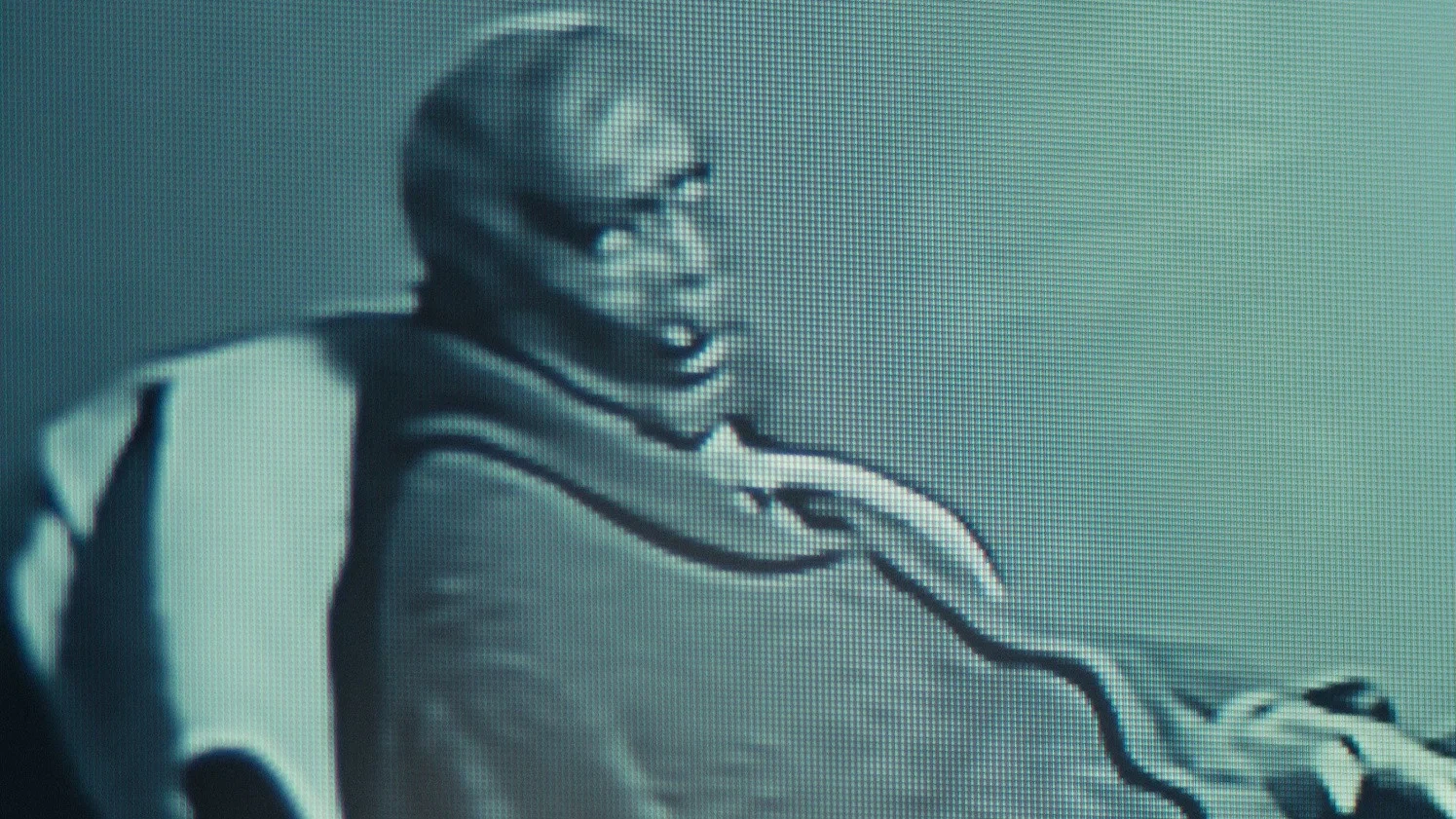
This revelation changes Meg’s experience without erasing the years she lived without her father. She had seen his absence as a decision to abandon her, then discovers that it was connected to an attempt to protect her. She must now absorb the extent of his suffering while reconsidering the anger she carried toward him.
The recording of his apology to his wife and his words to his daughter becomes one of the film’s most important scenes. We learn that the man Meg imagined as indifferent to her continued to love her and wanted to return. This gives him no chance to repair what happened, but gives her an answer that came very late.
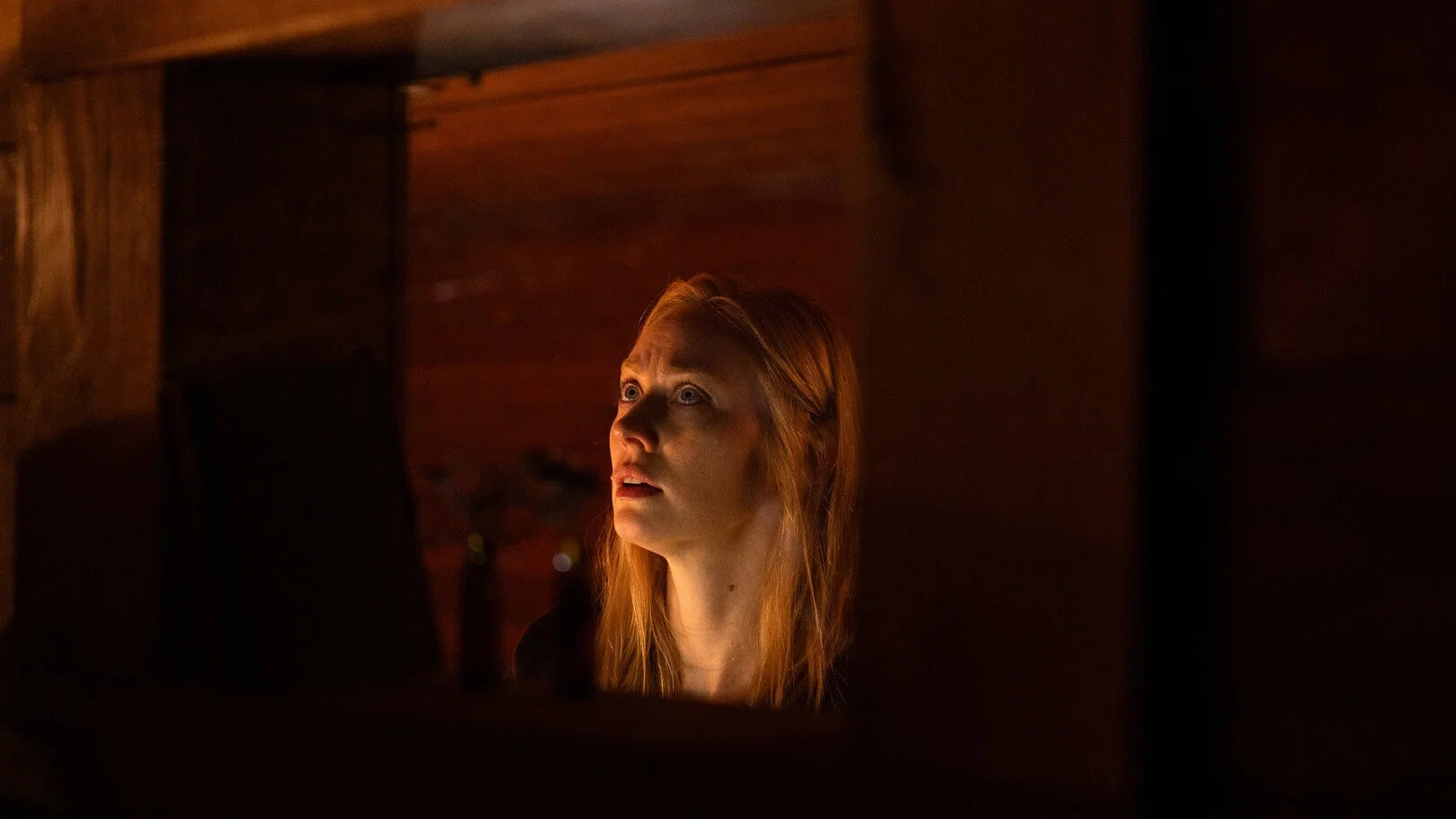
Deborah Ann Woll presents this change without exaggeration. She maintains Meg’s strength as an expert capable of taking action while allowing the daughter’s pain to emerge. Her attention to the recordings makes us feel that discovering the truth is harder than simply solving a mystery.
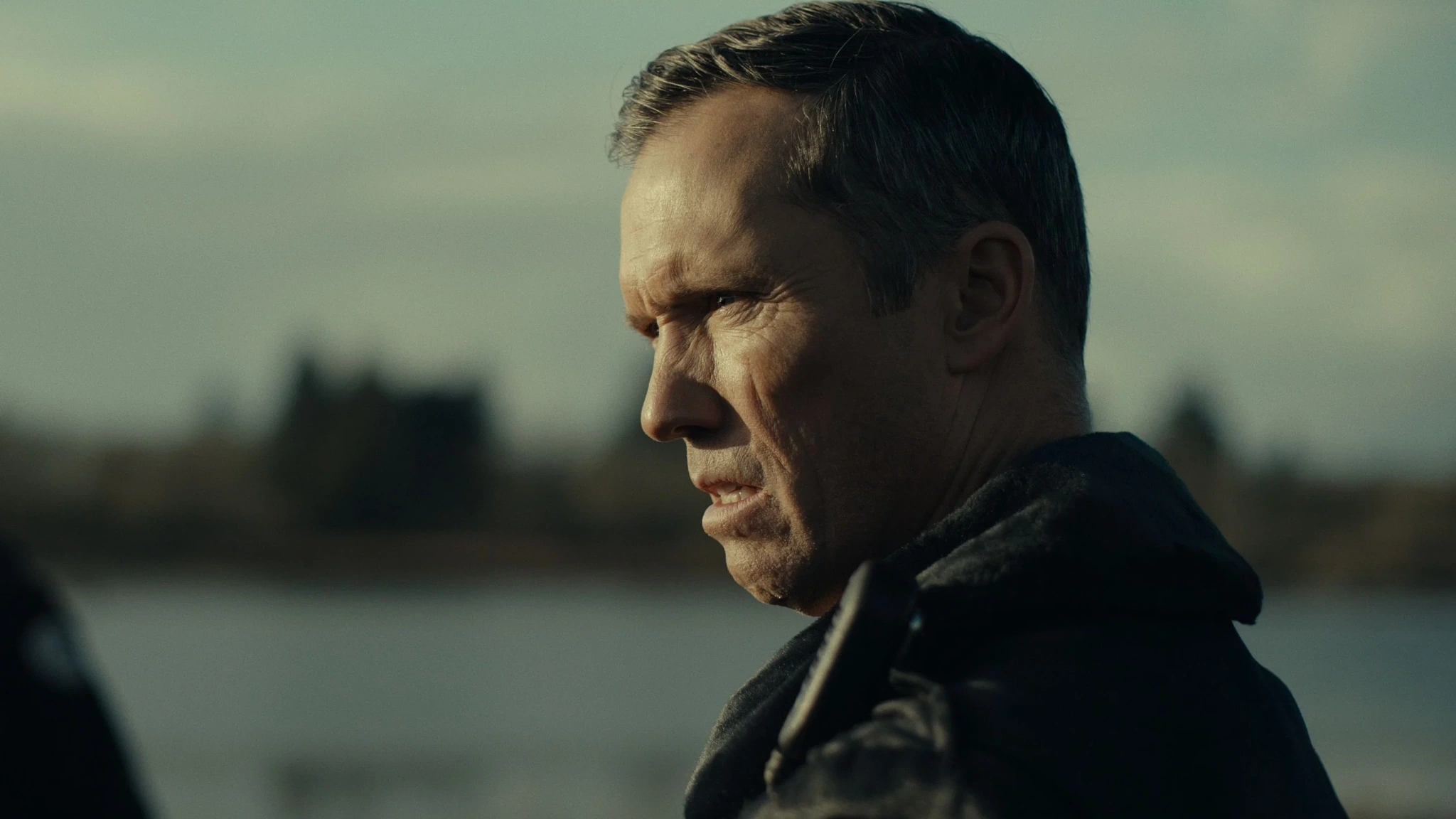
Ian and his father, Marks, played by Will Hochman and Jeffrey Donovan, add another family connection to the story. After Ian is killed, Marks becomes a father who has lost his son, while Meg tries to understand the father she lost in childhood. This gives their cooperation a clear personal motive, especially as the monster’s threat continues.
Between personal tragedy and monster horror
The Cycle begins with a serious investigation, dark imagery and details that invite close examination of the evidence. We expect fear to build gradually as Meg understands what happened. The werewolf’s appearance then offers a different pleasure, based on its design, strength and the violence of confronting it.
Combining the two is possible, and the film has a good reason to do so because the monster itself is tied to the father’s tragedy. But the way it moves between them makes some scenes clash instead of complementing one another.
When we care about Meg’s grief, an extremely violent or strange scene may distance us from her feelings and make us focus on how it was made. When we start enjoying the confrontation as monster horror, the film returns to asking us to take the suffering completely seriously.
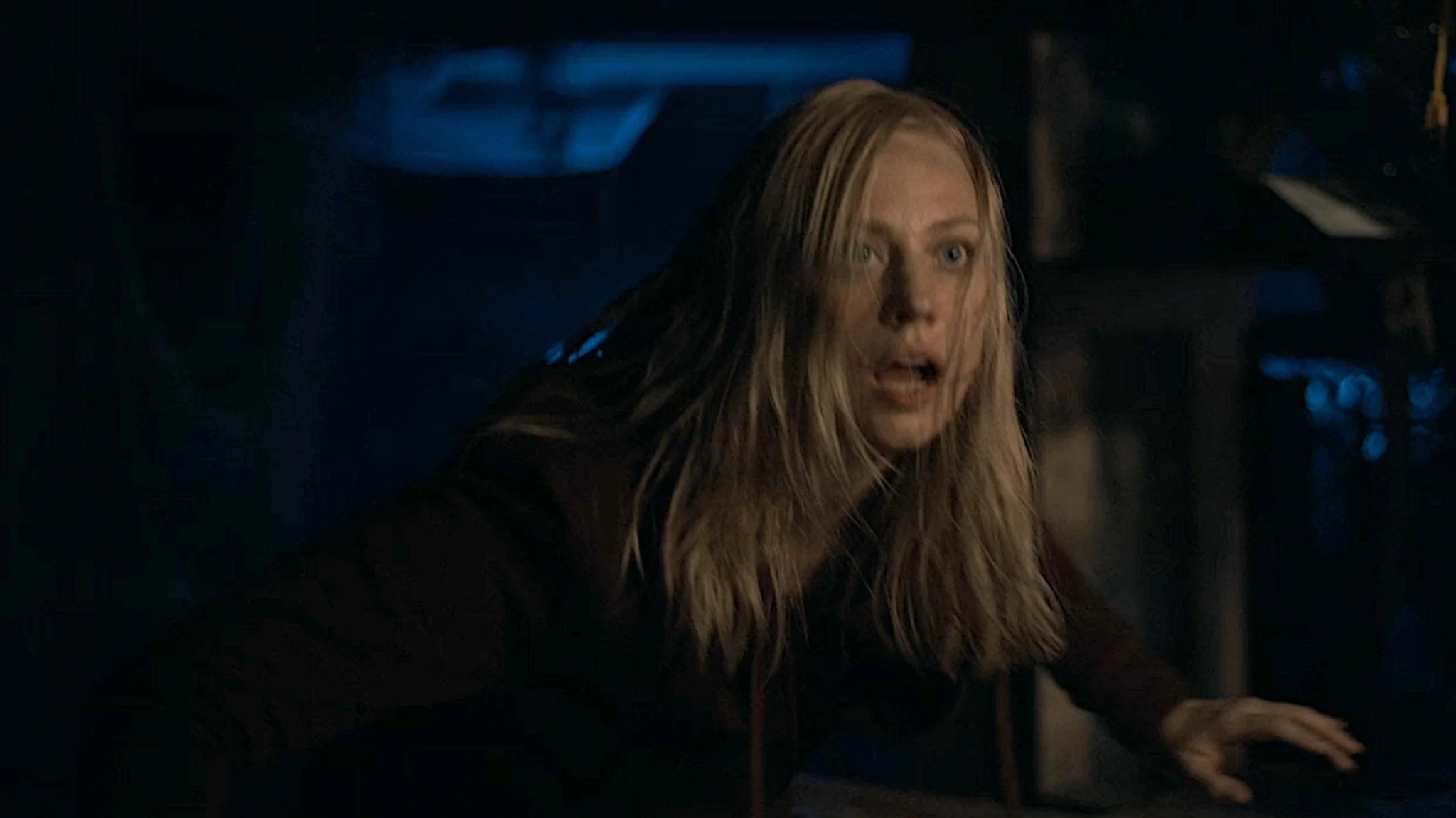
This does not happen every time. Its best moments keep Meg’s connection to the body clear during the danger, because we understand why facing it differs for her from confronting any unknown creature. When that connection recedes, switching between the two modes becomes tiring.
This also makes the film feel longer than it should in places. There are enough ideas to renew our interest, but repeatedly moving between investigation and confrontation does not give the events consistent momentum, particularly once we know what the corpse becomes.
Creature effects, cinematography and music
The visual effects give the werewolf a clear body and scale within the setting. We feel that it shares the actors’ space and that its approach poses an immediate physical danger. This is one of the strengths that makes its appearances enjoyable for fans of this kind of horror.
Some details of its construction are less convincing, however, while the shaking camera and extremely close framing during certain clashes make the action difficult to follow. This approach conceals some of the creature’s details, but also prevents us from seeing the confrontation clearly.
That matters because the monster’s power alone is not enough to make an exciting scene. We need to understand its position in relation to the characters, the distance separating them and what they can do to escape. When those details disappear amid the movement, some of the danger turns into visual confusion.
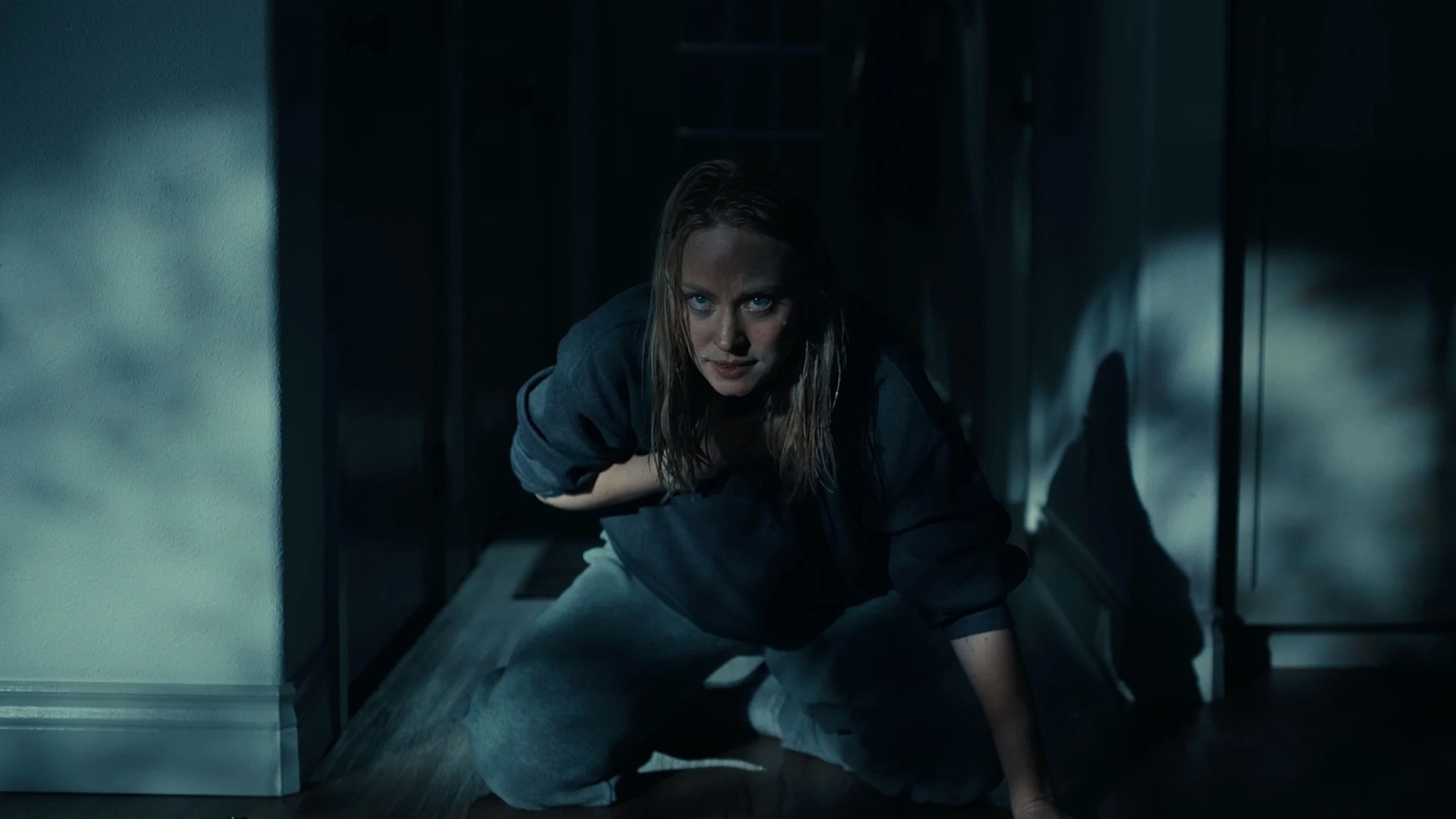
By contrast, Kevin Stewart’s cinematography works well in the investigation scenes. The dark blues and grays suit the nature of the case, and close views of evidence being examined make Meg’s work tangible. We study the body with her, experiencing its strangeness through what she notices.
Nick Soole’s music also helps sustain anxiety even in scenes with no direct threat. This gives the quiet passages useful tension and confirms that the film has ways to frighten us beyond attacks and violence.
A final confrontation that does not end the curse
The final confrontation brings Meg and Marks together in the place where Peter tried to contain the curse. The cage and recordings show us traces of his earlier attempts, and the characters find themselves using what he left behind to face the danger he could not stop.
One affecting detail is Marks using the family watch Ian wore as he tries to activate the electric trap. The memory of his son enters an action intended to save Meg and stop his killer. The watch gains a function within the event while retaining what it means to the father.
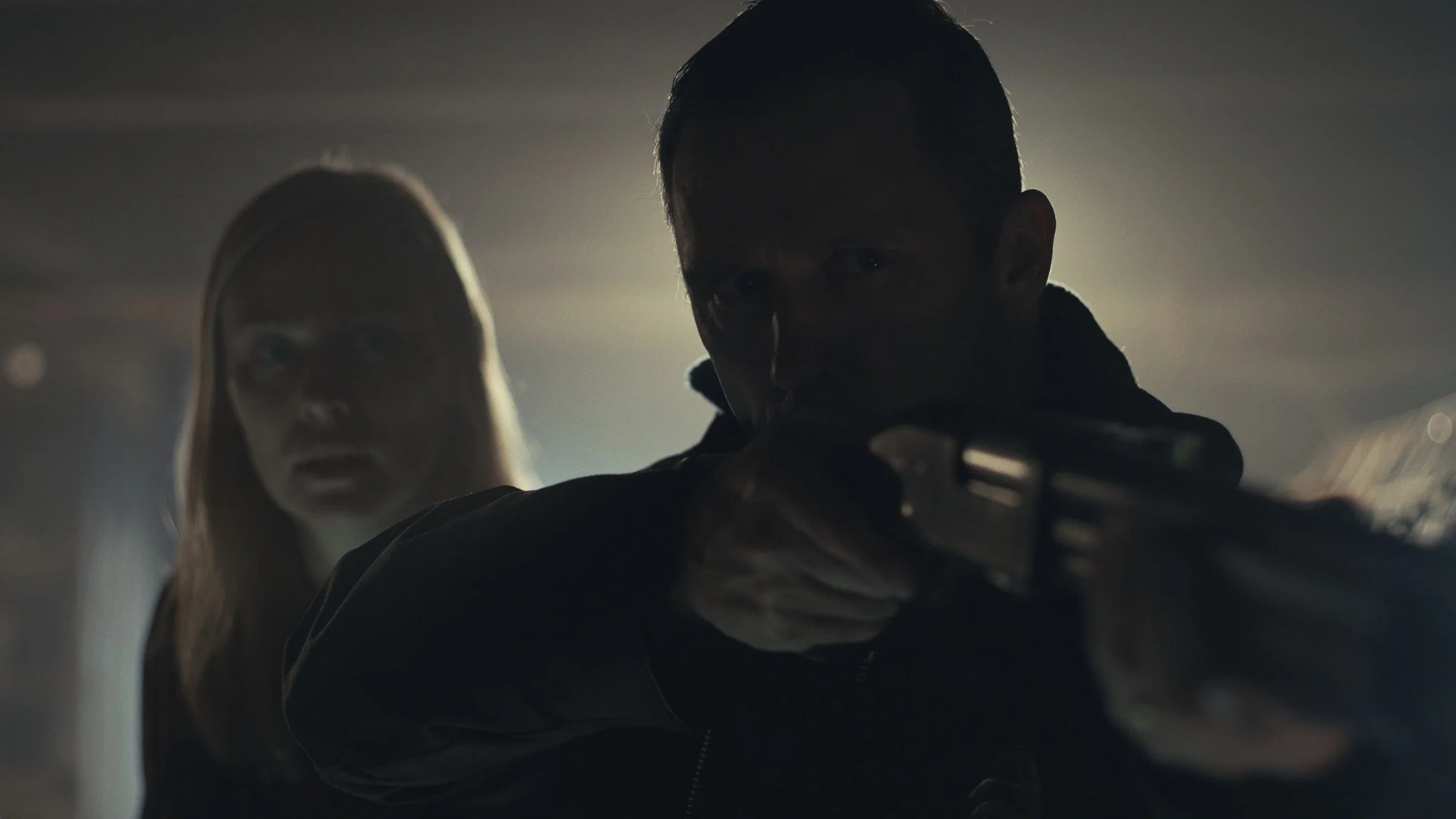
The confrontation continues until dawn, when the werewolf weakens and Meg manages to stab it before it returns to the form of Peter’s corpse. When his hand touches Meg’s shoulder, the gesture feels like a delayed farewell. The moment allows a human feeling amid the violence without requiring us to conclude that it means the father’s consciousness has fully returned.
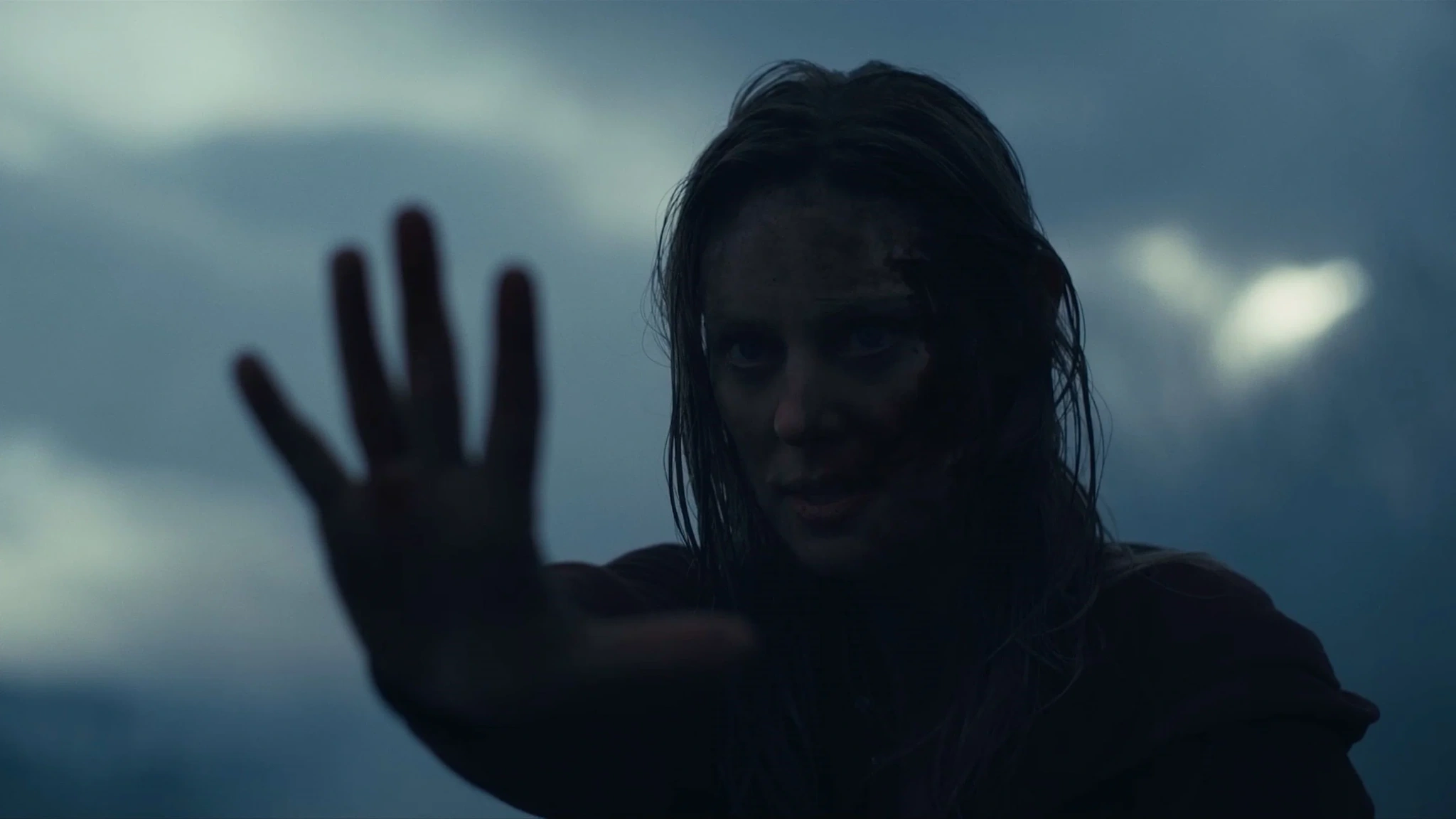
The film does not end with that farewell. A year later, we see Meg and Marks continuing to study and contain the body, and the final scream confirms that the problem has not been solved. Surviving the night of the attack was one step; ending the curse remains far off.
This ending gives the title a clear meaning. Meg continues the research her father began, having inherited a problem she needs to understand and control. Learning the truth changed her relationship with him, but also added a new responsibility to her life.
At the same time, the ending reduces the sense that the long confrontation settled the danger. This is an understandable choice in a story about a recurring curse, but it makes the farewell less comforting and leaves the body’s fate open.
Final verdict
In conclusion
The film has a strong idea: an expert reads in her father’s corpse a story different from the one she believed about him throughout her life. It uses that idea to build the mystery, explain the injuries and link the monster’s revelation to Peter’s suffering during his absence. Deborah Ann Woll’s performance is one of the main reasons the experience works, alongside the dark cinematography, music and the werewolf’s physical presence. Some revelations, however, take too long, certain confrontations lose their clarity, and the film does not always find a stable way to combine the seriousness of the tragedy with the pleasure of monster horror. We come away with a good, interesting film that works best when it connects what Meg discovers with what she feels. Its uneven transitions, however, keep it from reaching the level promised by its beginning and strongest ideas. My rating for the film: 6.5 out of 10.
Your turn
Now we ask you: did the film successfully combine Meg’s tragedy with werewolf horror, or did you prefer the investigation scenes?
AUDIENCE VOTE
Do you agree with the MB rating?
Choose once from this browser. You can change your answer at any time.