The review
A simple idea that gives every delay weight
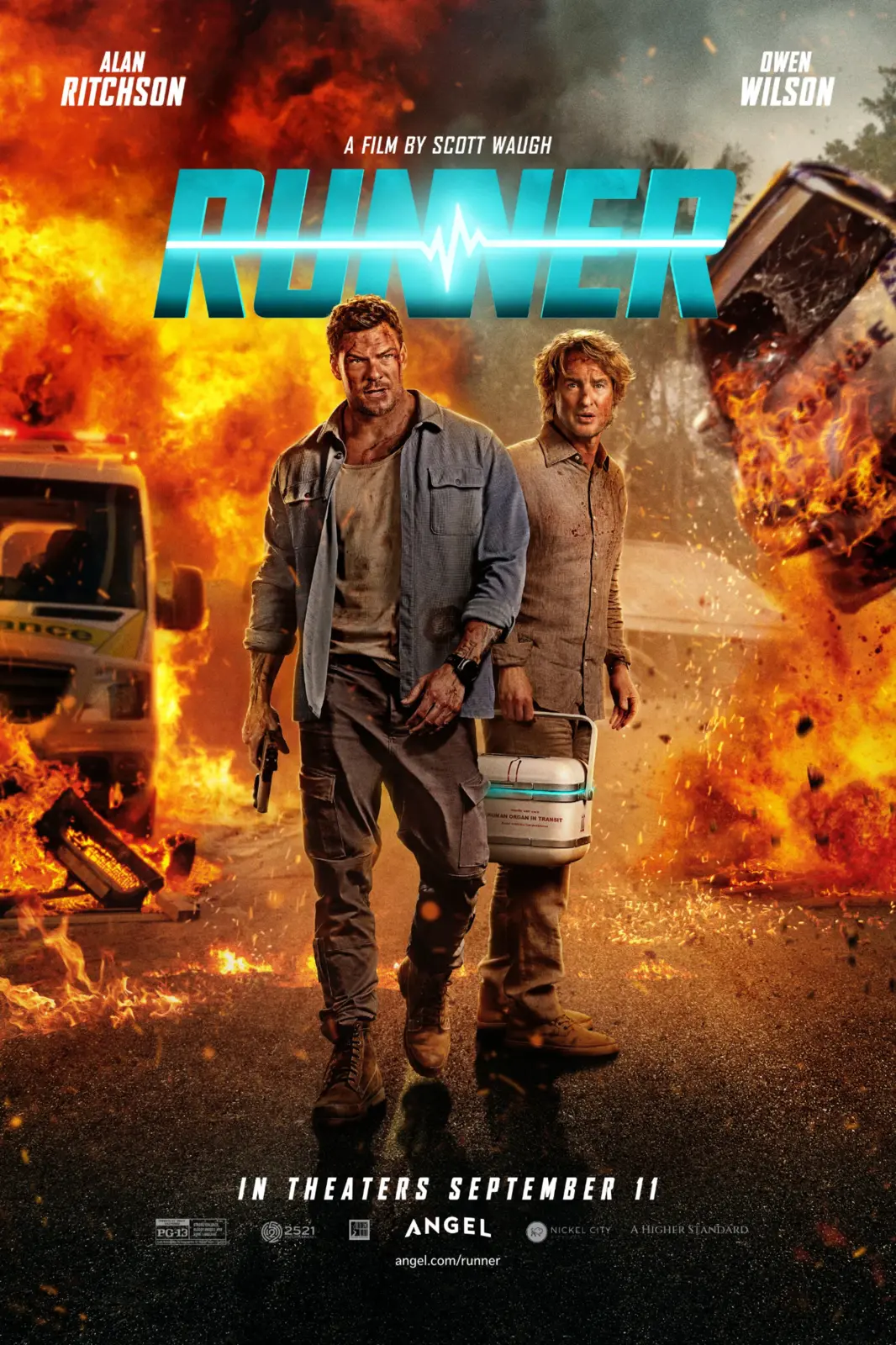
Hank works as a high-end courier in Brisbane. A seemingly routine job collecting a medical shipment from a private plane becomes urgent when he learns it is a liver for a girl named Ellie, awaiting a transplant at a Gold Coast hospital. Ben Bishop has to travel with him because he is responsible for the organ. The destination is clear from the start, and so are the consequences of failing to reach it.
They cannot simply hide from the gunmen and wait. The organ must be protected, the hospital must be reached, and the child cannot wait indefinitely. That is an efficient engine for an action film: a detour or damaged vehicle matters because it costs more than the heroes' pride.
Hank is built around Alan Ritchson
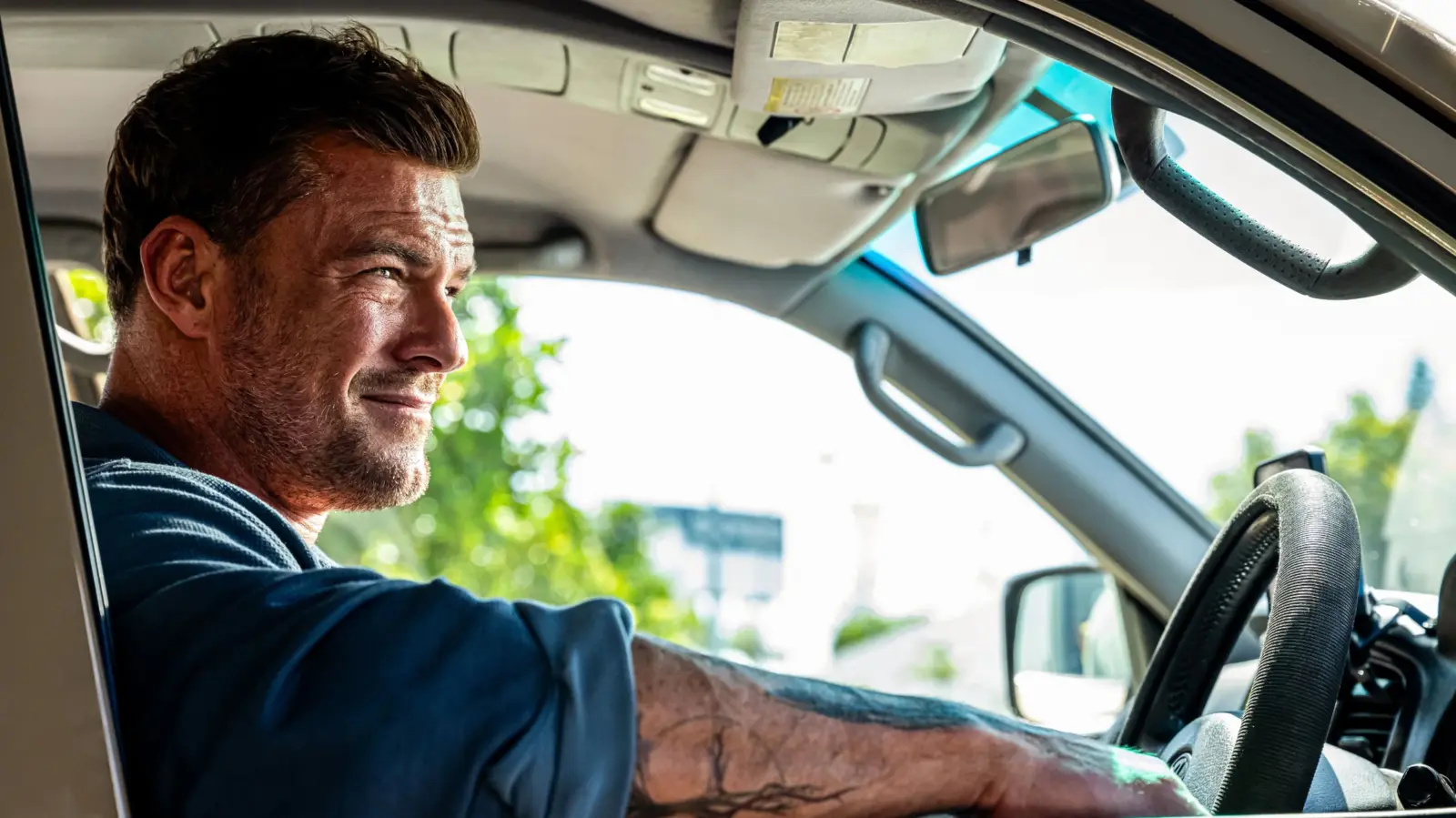
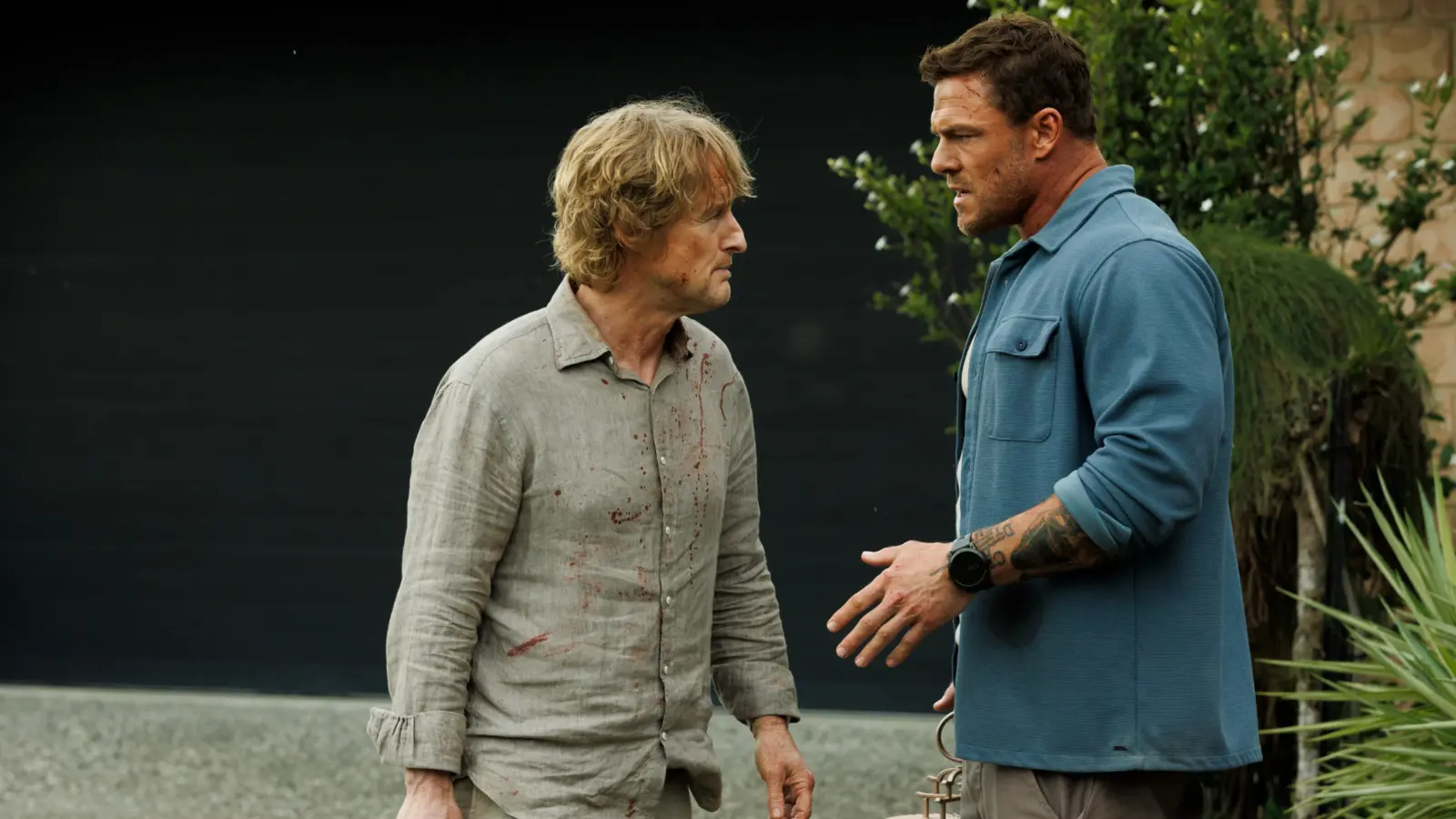
Hank is large, quiet and a former soldier who would like to stay away from violence. The film gives him a few human details before the chase begins: an ex-wife, his daughter's picture, a year without alcohol and French lessons on his phone. None makes him unusually complex, but together they keep him from feeling like a fighting machine with a steering wheel.
The link between the French lessons and his daughter later helps explain why Ellie matters so quickly to him. Ritchson is strongest when he plays the restraint beneath Hank's size: a look or a brief pause suggests a man trying not to use the force available to him. When others force the confrontation, the fights gain the pleasure of seeing that restraint break.

Ben and Hank: an effective pair without enough spark
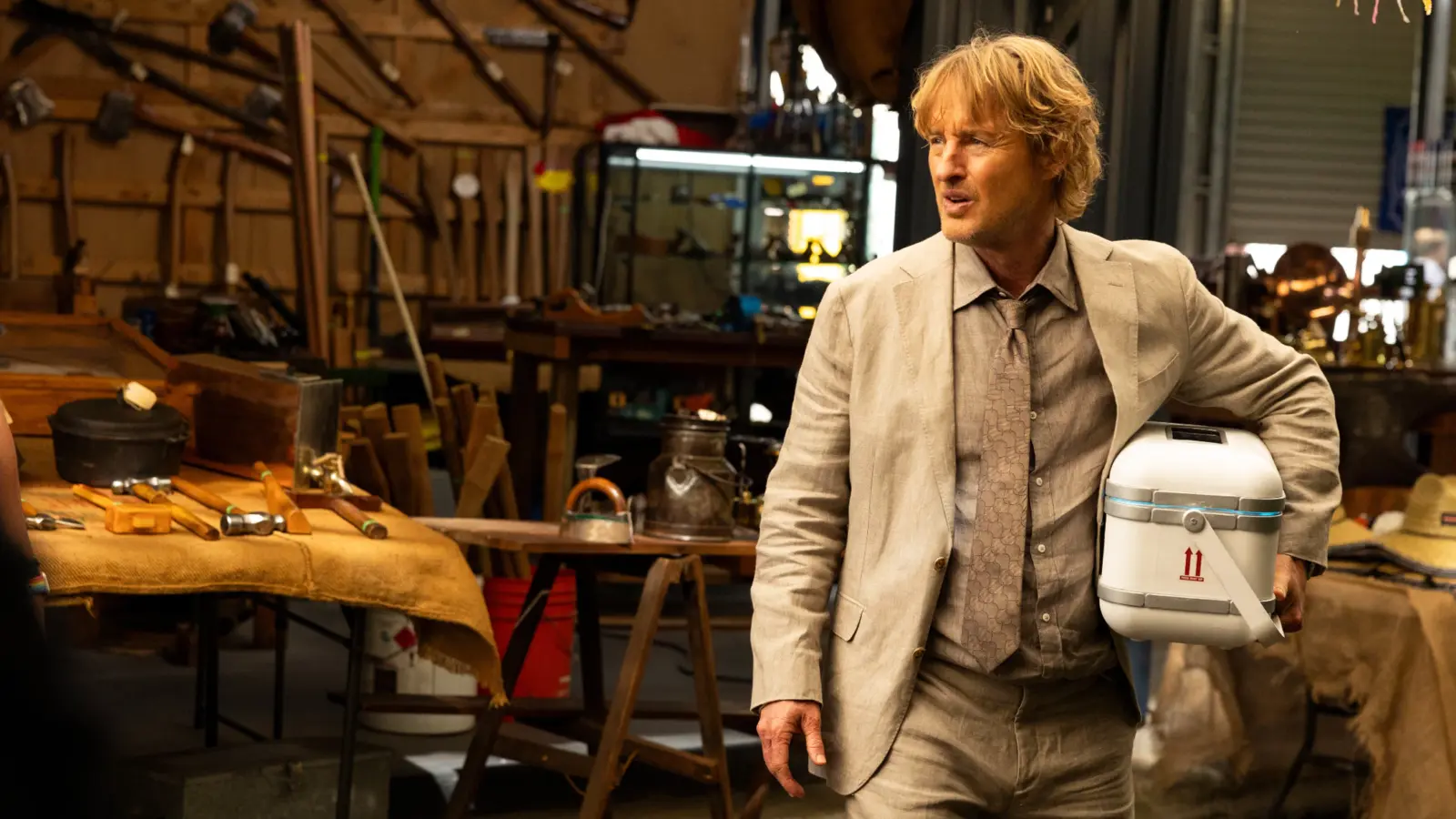
Owen Wilson's Ben talks constantly, while Hank answers with a glance or a short line. Ben likes people and stories; Hank wants the task finished. It is a familiar buddy-comedy equation, and Wilson can make an ordinary sentence amusing through his delivery. Yet the writing rarely turns the difference between them into sustained friction.
The same routine works several times without growing into a comic rhythm unique to these characters. I believe the two can deliver the liver together; I just do not feel that their relationship becomes as memorable as the journey should allow. For me, this is the film's largest missed opportunity. A stronger pairing could have lifted the entire chase.
Damian has a reason, but not an excuse
Damian Zaldívar wants the same liver to save his mother. That gives the conflict something more interesting than a gangster stealing a valuable package for money. Hank and Damian are both trying to save someone; the distinction is what each man is willing to do to another person in pursuit of that goal.
Hank risks himself for a child he does not know. Damian is willing to sacrifice that child and anyone standing between him and his mother. The idea is straightforward, but it creates a useful moral line through a movie otherwise driven by engines, guns and broken glass.
Rodrigo Santoro embraces the film's heightened tone
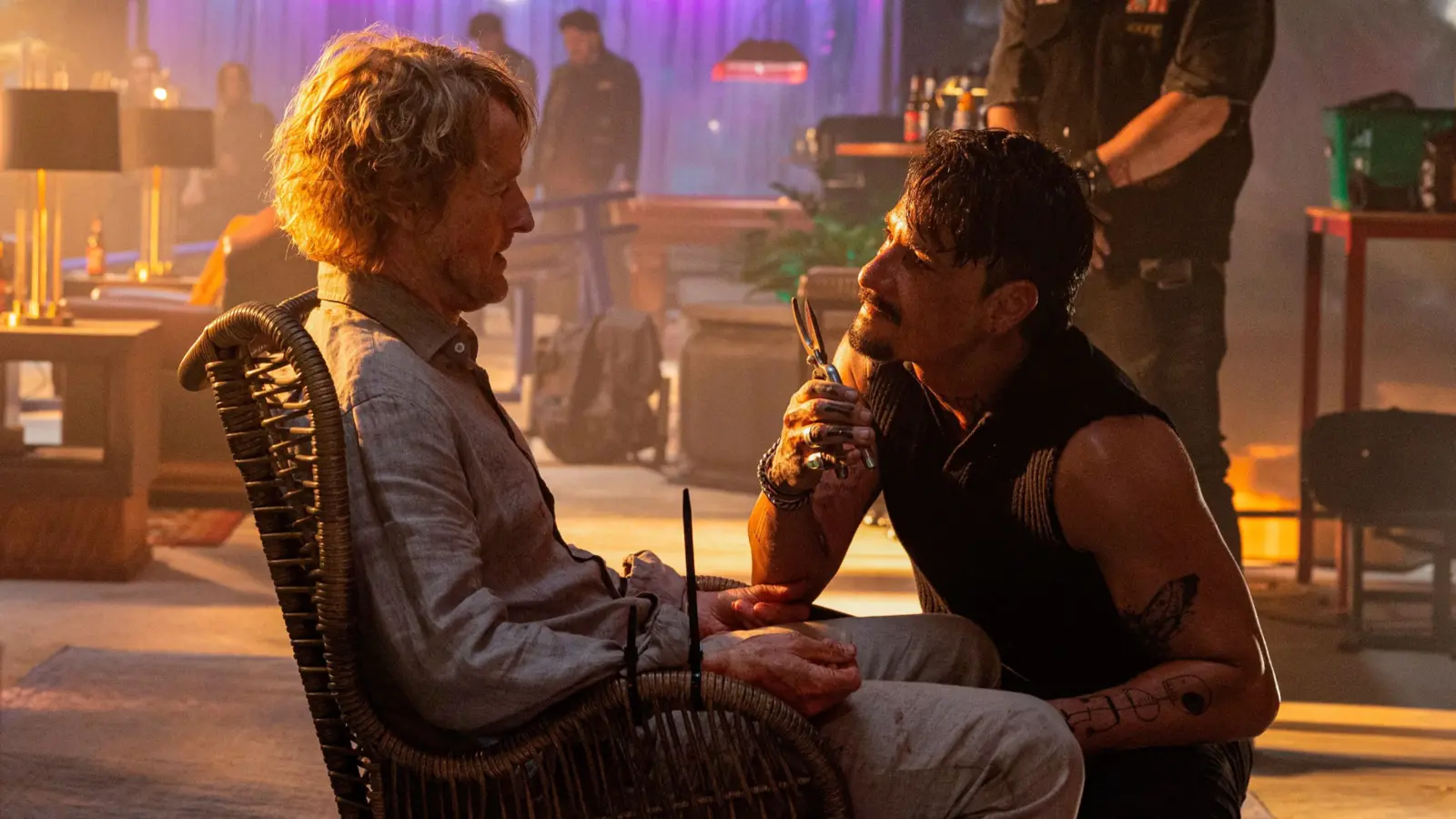
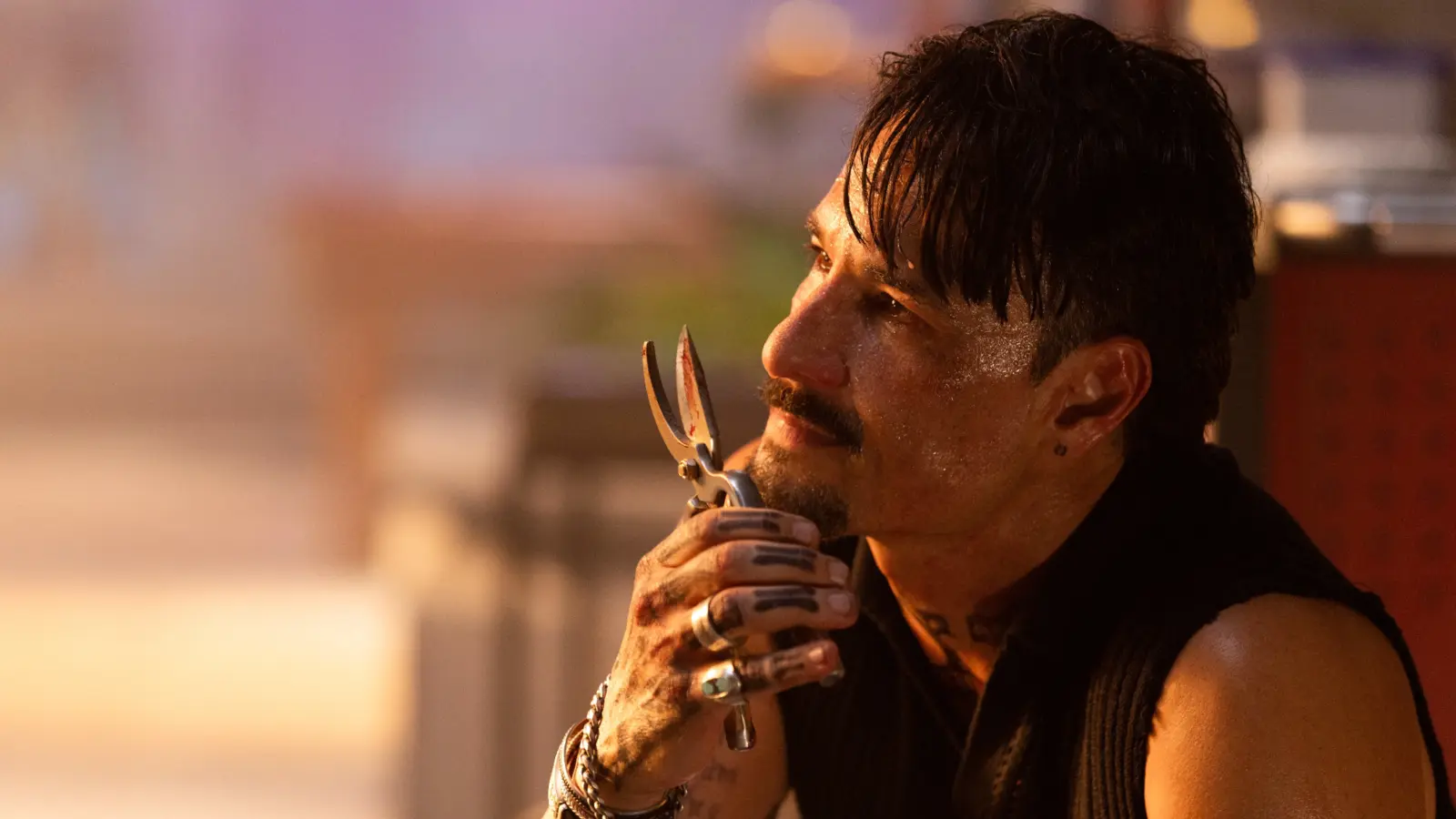
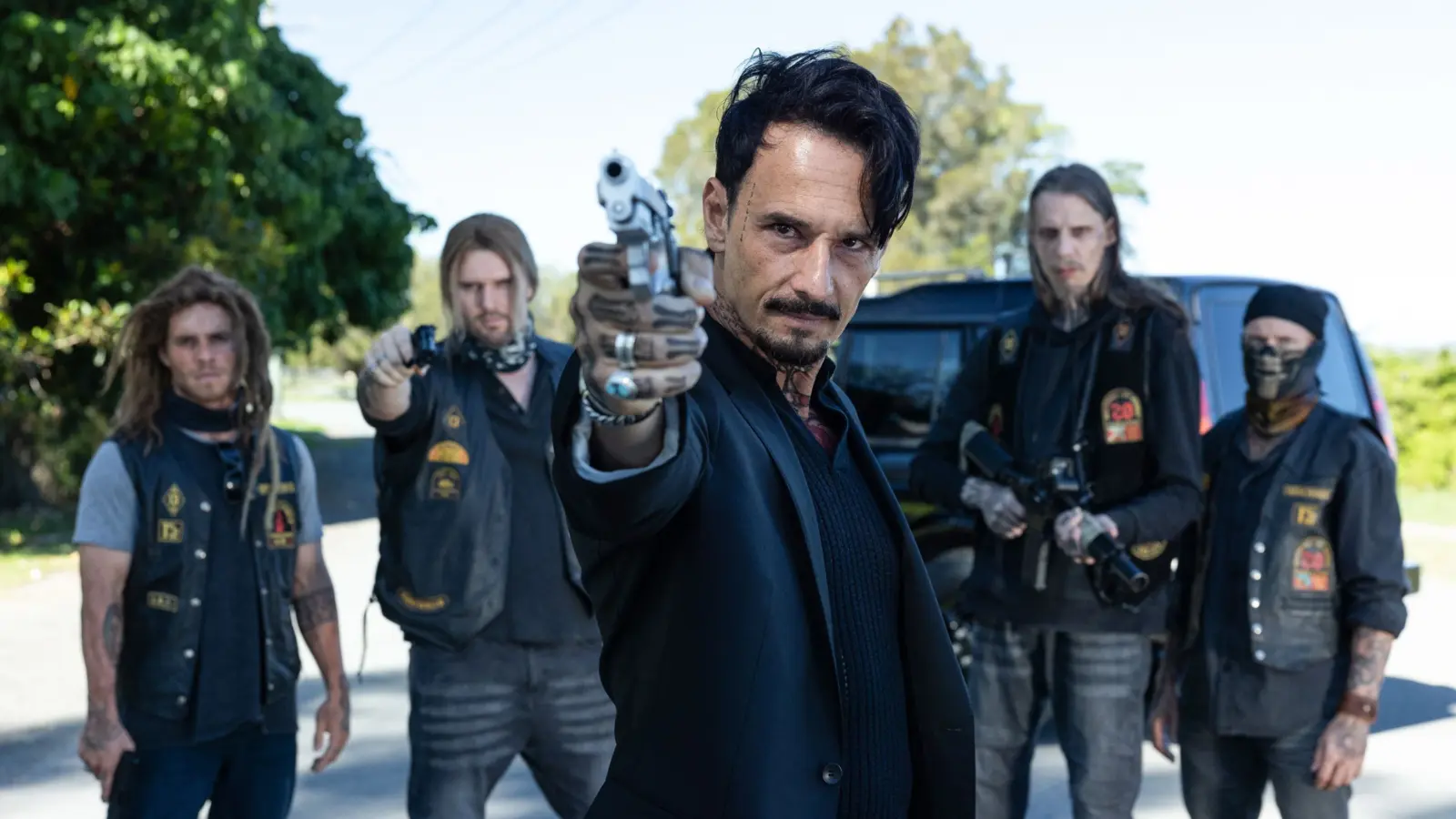
Santoro plays Damian with a slightly theatrical mix of rage, hurt and barely controlled excess. He can look ready to strike or break down within the same moment. That would feel misplaced in a restrained crime drama, but Runner is built from a valuable organ, an armed crew, cars, motorcycles and escalating set pieces. The antagonist's heightened presence belongs in that world.
At times, the tension between Hank and Damian is more engaging than the jokes between Hank and Ben. Santoro never makes Damian's motive invisible, but he also does not let it soften the threat the man poses to Ellie.
Scott Waugh gives the action an idea
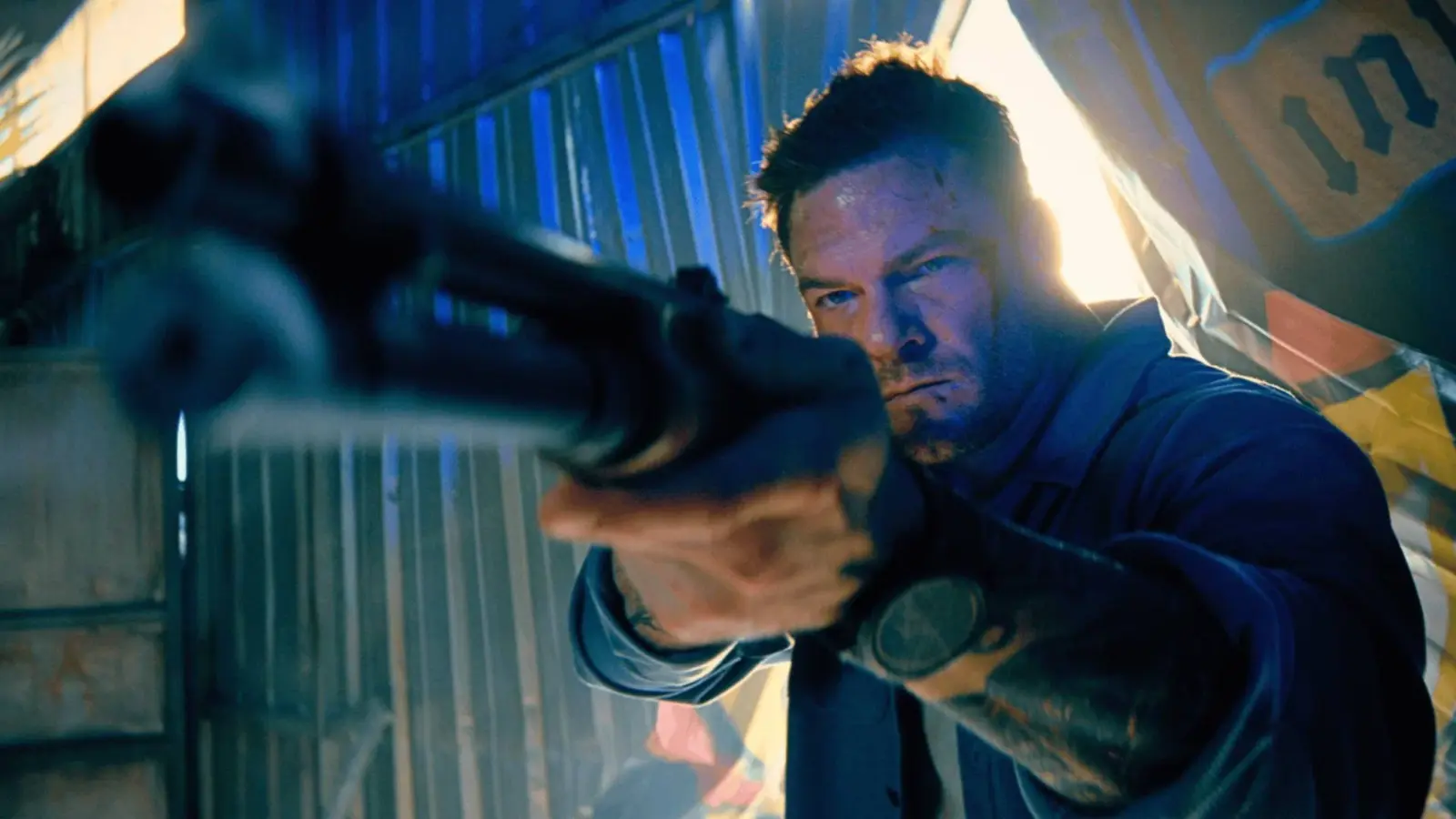
The action direction is the film's clearest strength. Scott Waugh looks for a specific idea inside a fight instead of treating every encounter as a count of punches. My favourite example is the black SUV: Hank is dragged inside, the vehicle drives off and stops, and we watch it shake and its windows break before he emerges alone. Much of the violence is left out of frame, so the car itself tells us what happened.
The journey keeps changing the kind of threat: hand-to-hand fights, guns, vehicles used as weapons and chases that grow in scale. The final hospital sequence lets the building join the chaos. Even when the violence becomes excessive, the film usually tries to make the next confrontation distinct from the one before it.
The camera does not always show the work
Some fights are better designed than they are filmed. Tight framing and rapid shifts from an arm to a face to a blow can hide the choreography precisely when Ritchson's physical performance deserves room. The film proves elsewhere that it can find a more inventive visual angle, which makes this occasional loss of spatial clarity frustrating.
Still, the increasing number of attackers and methods of pursuit keeps the route energetic. The threat grows across the film rather than returning to the same hallway fight with a new coat of paint.
Brisbane and the Gold Coast shape the journey
I appreciate that the Australian cities play themselves. Runner names Queensland and uses the roads and urban movement of Brisbane and the Gold Coast instead of making them stand in for an anonymous American city. The film still speaks the familiar language of American action cinema, but the location is allowed a presence of its own.
That matters in a story about moving from one point to another. Brisbane, the route south and the hospital give distance a shape. Traffic, slopes and transport make interruptions feel like geographical problems rather than obstacles placed in an empty studio. The chase may be familiar, but its road has a particular character.
A clock the film cannot always obey
The liver has a limited window for transplantation. When the dialogue narrows the remaining time to about 45 minutes, the pressure should peak. Instead, lengthy fights, detours, hospital complications and more wrecked vehicles follow while those minutes appear to stretch to suit the plot.
A vague race against time would have been easier to accept. Once the film gives us a number, it invites us to count. That inconsistency weakens the very mechanism that made its clear premise so effective.
The hospital adds feeling and slows the chase
At the hospital, Ellie's mother Kate waits for the transplant while a question emerges about how information on the organ's route leaked. Leila George handles a parent's anxiety well, and the parallel plot prevents the story from remaining inside Hank's car for its whole running time. But it also interrupts what I find most compelling: two men, one organ and a destination they cannot miss.
The hospital subplot is not bad in itself. It simply makes a clean action premise busier than it needs to be. Each time we leave the road for another investigation, the pursuit loses a little of its momentum.
Hank does not need a tragedy to make the right choice
The screenplay links Ellie's peril directly to Hank's pain about his daughter. I understand the impulse to give the delivery personal stakes, and Ritchson plays those quieter moments with restraint. But saving a child he does not know is already a sufficient choice. The film occasionally presses so hard on the backstory that it seems unwilling to trust its hero's decency.
That pressure also complicates the tone. One moment carries grief for a daughter or fear for a sick mother; the next may use part of a car in an extreme fight. The change does not always feel smooth, although the rough collision gives Runner some of its unruly energy.
Technical limits, familiar ingredients
Some driving backgrounds and effects do not quite convince, and a few music choices feel like substitutes for more memorable tracks. The film's ambition can exceed its finish. Fortunately, the next vehicle or fight usually arrives before those shortcomings settle into the foreground.
The story also borrows familiar parts from courier thrillers and buddy movies: the reserved strongman, the talkative companion, a vital cargo and a personally motivated pursuer. Originality is not its strongest claim. Putting known ingredients into motion with a clear goal and varied action is enough to keep much of Runner entertaining.
The strengths and the missed opportunity
Ritchson, the varied set pieces, Santoro's lively antagonist, the Australian route and the clarity of the delivery mission are the strongest parts. The major weaknesses are an underdeveloped comic partnership, the clock that stretches after becoming specific, emotional explanations that push too hard and the occasional technical rough edge.
The leaner movie inside this one is easy to imagine: Hank, Ben, a liver, the Gold Coast hospital and a growing number of people determined to stop them. Runner comes close to that direct pleasure often enough to work, but not often enough to escape its avoidable detours.
Final verdict
Final verdict
Runner is a direct and enjoyable action movie that makes good use of Alan Ritchson and Scott Waugh's instinct for varied physical set pieces. Its Queensland route gives the pursuit a sense of place, and Damian's need to save his mother adds an effective ethical contrast to Hank's mission. I wish the film trusted its simple premise more: fewer hospital detours and emotional explanations, more development between Hank and Ben, and a firmer sense of the ticking clock. It is uneven, but its energy carries it to the end. My rating: 6.5/10.
Your turn
Would you have preferred Runner to stay with Hank and Ben's road journey, or did the hospital and Hank's past give it the depth it needed?
AUDIENCE VOTE
Do you agree with the MB rating?
Choose once from this browser. You can change your answer at any time.