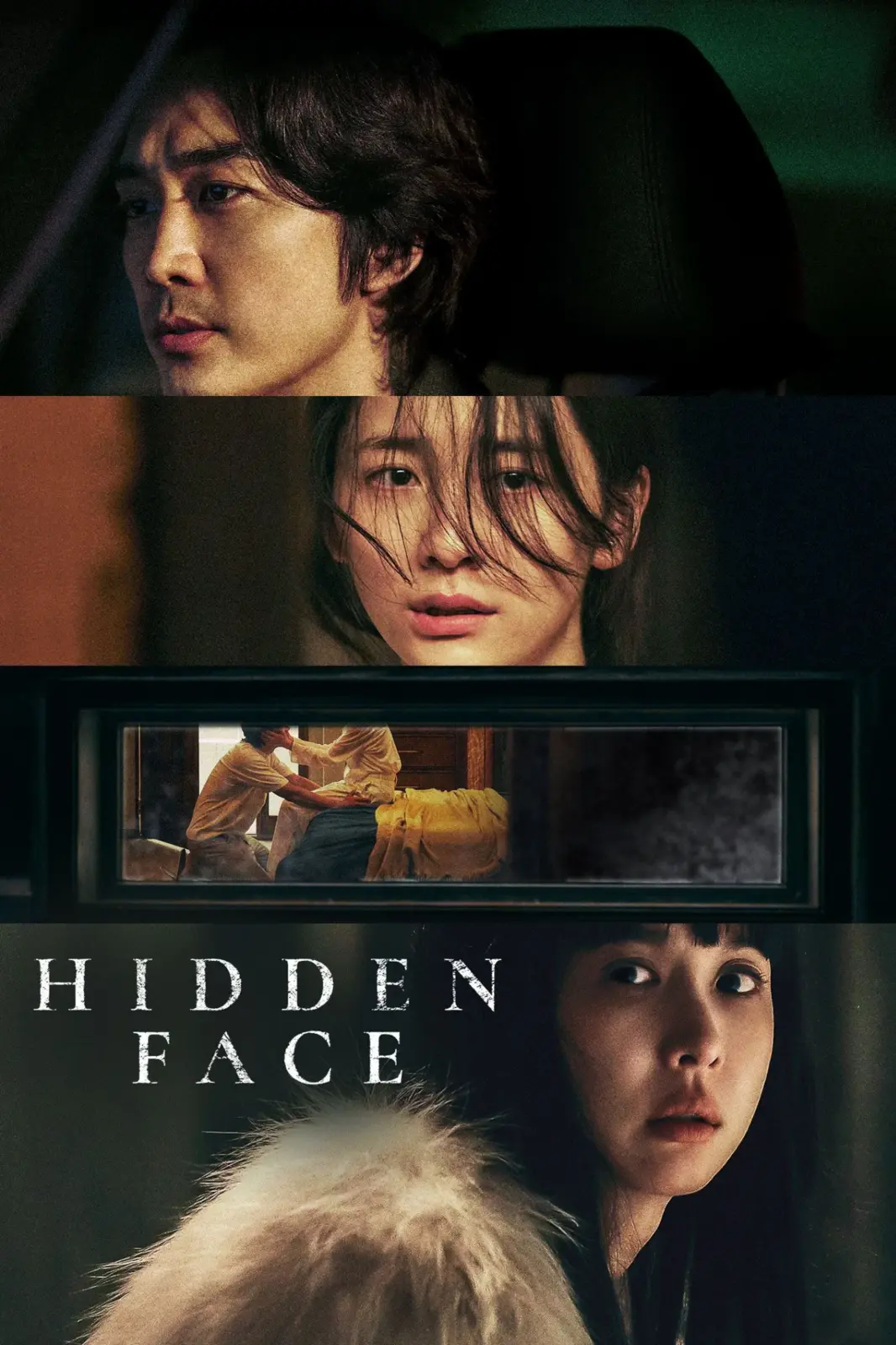
The review
A disappearance that changes its own question
Su-yeon tells Sung-jin by video that their relationship is over. He worries when she does not return and the ordinary signs of travel or daily activity fail to appear. The opening encourages us to ask whether she really left, whether something happened to her and what Sung-jin might know.
The decisive answer comes relatively early: Su-yeon is still in the house, hidden in a soundproof room with a one-way view into the bedroom and bathroom. She intended to test her fiancé by watching what he did in her absence. Once that plan turns against her, the film's question becomes not merely where she is, but whether she can get out and what the other people in the house know.
The room: a clever trap for its creator
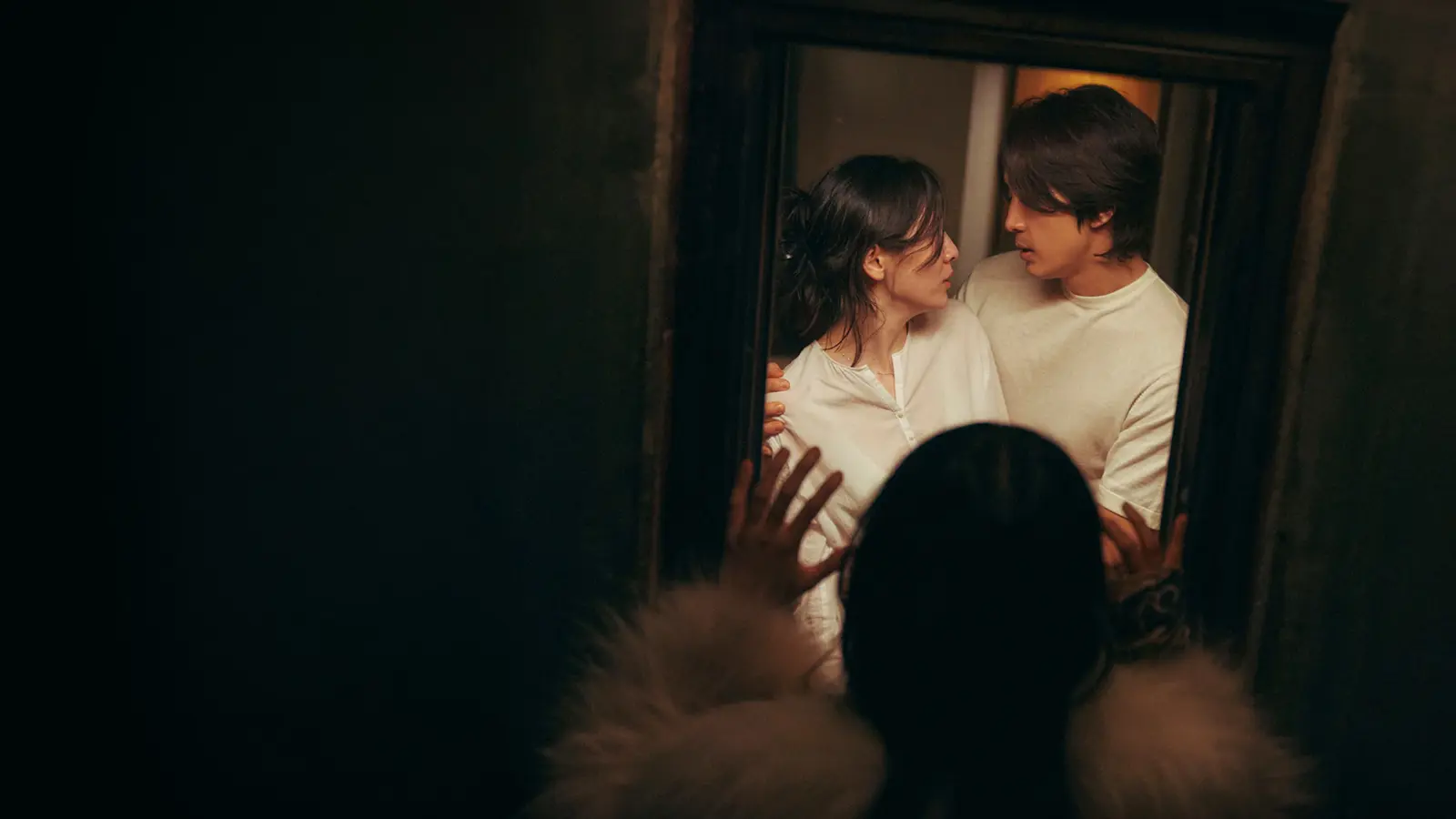
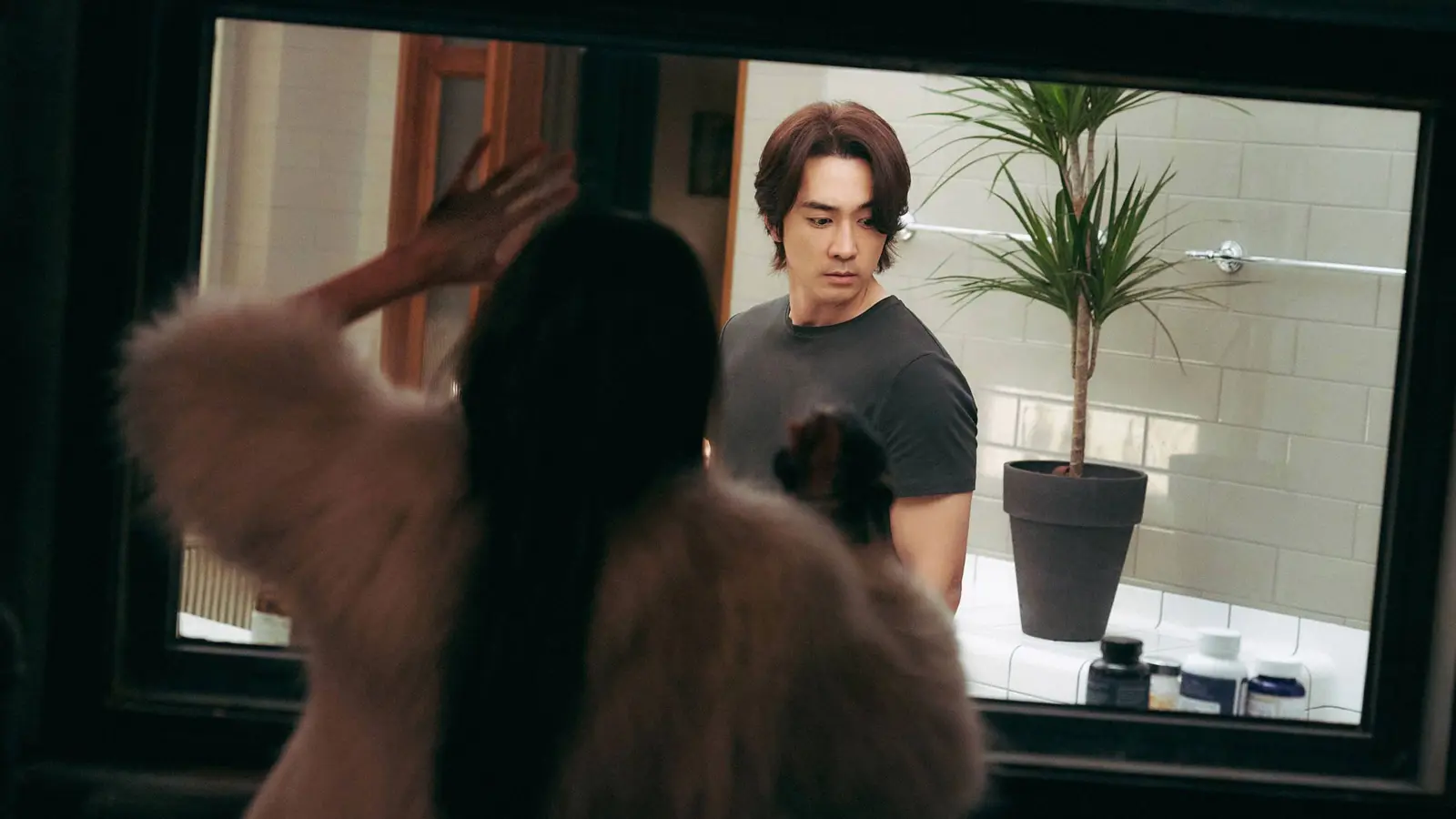
The secret room is more than a mechanical twist. Su-yeon designed a situation in which she could see without being seen and shape the conditions of a supposed test. The key she carries fails to open the door. She has information but no way to intervene. Every ordinary movement on the other side of the glass becomes a reminder of her helplessness.
That inversion gives the movie its strongest visual idea: the woman who tried to control the scene becomes its captive spectator. The house remains elegant, but its concealed architecture makes intimacy feel cruel and unsafe.
Mi-ju enters, and the triangle turns unstable
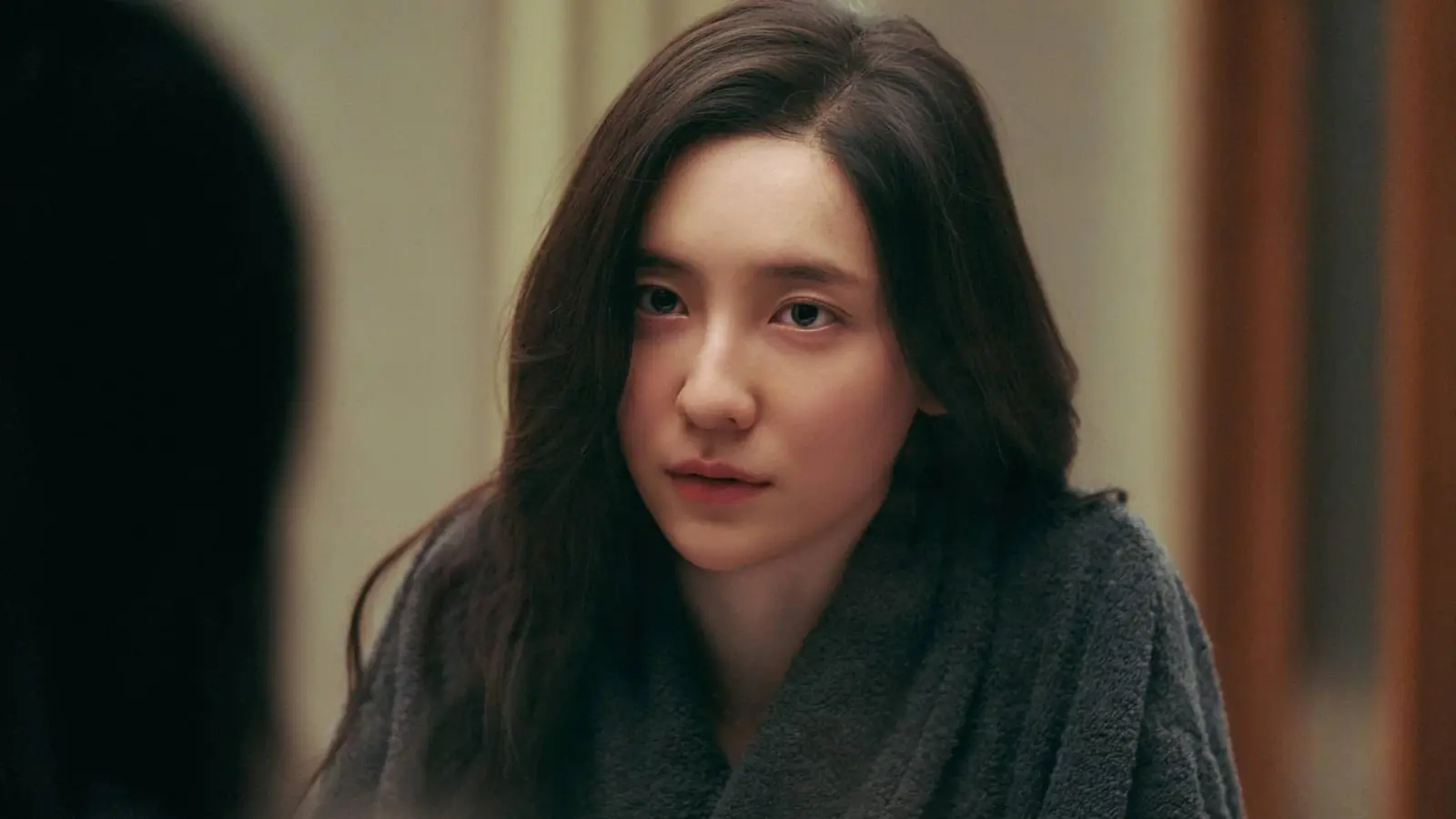
Mi-ju, an old acquaintance of Su-yeon and a fellow cellist, auditions for the vacant place in the orchestra. Sung-jin is drawn to her, and their affair develops while he does not fully understand the history connecting the women. Mi-ju initially looks like an outsider stepping into an empty space; her calm manner makes her motives harder to pin down.
Park Ji-hyun gives her poise without making it innocence. Each new piece of information allows us to reconsider a gesture or a line. The film's intrigue depends on that uncertainty as much as it depends on the locked door.
Desire becomes another form of surveillance
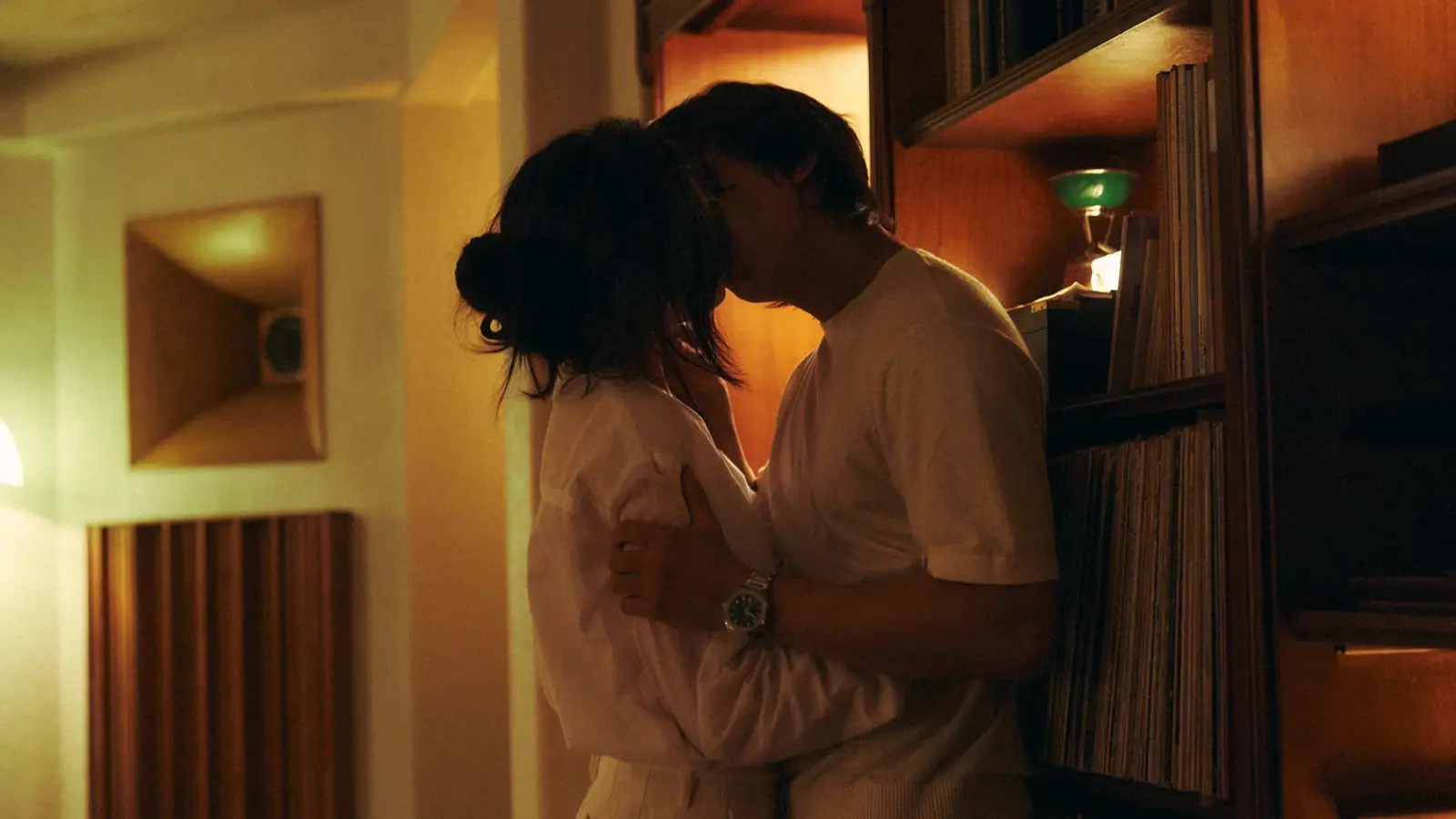
The intimate scenes are not detachable interruptions. Sung-jin and Mi-ju experience attraction, while Su-yeon is forced to watch from a position of fear, humiliation and anger. A single encounter consequently has opposing meanings for the people inside and behind the room.
Director Kim Dae-woo understands the erotic thriller's link between desire and power. The explicit material serves the plot's cruelty, although its frankness makes this a film strictly for adult viewers.
Cho Yeo-jeong's performance behind the glass
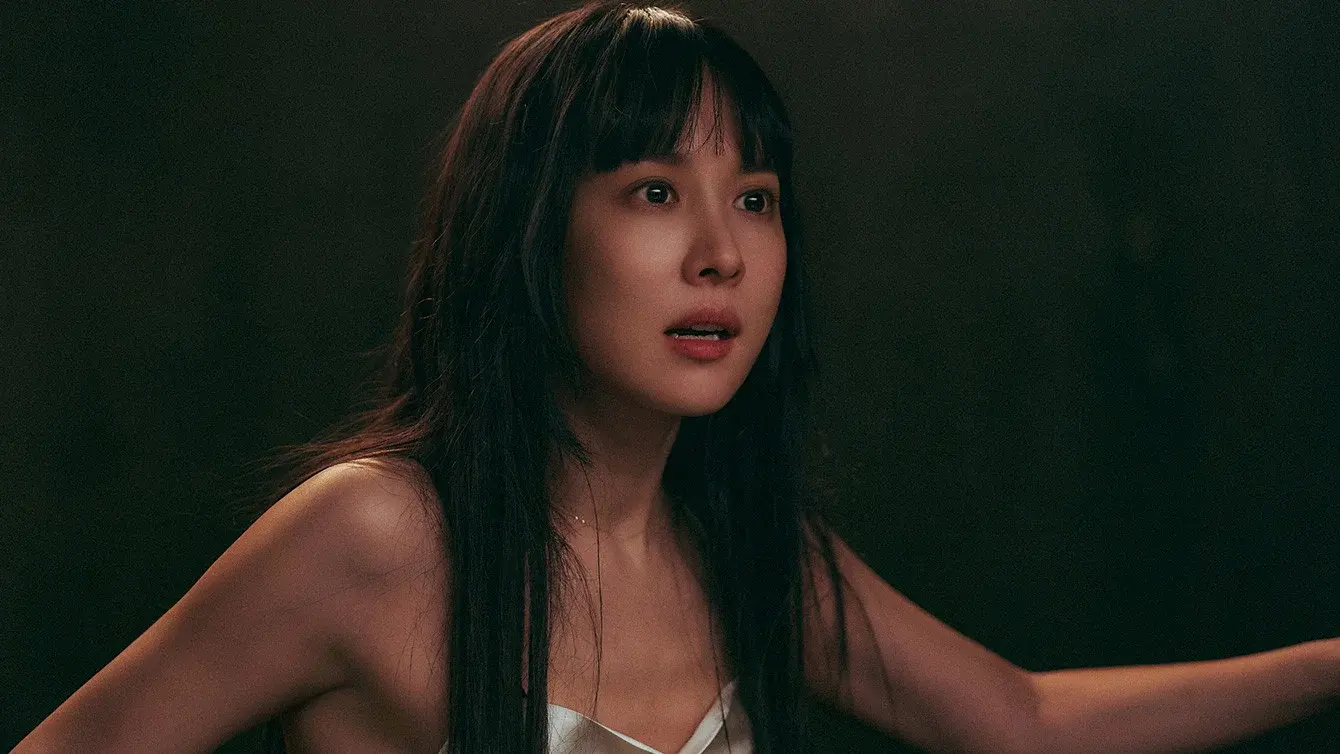
Su-yeon begins as a self-assured woman who thinks she can stage-manage her partner's feelings. Confinement strips away her advantages: she cannot be heard, cannot leave and cannot count on being missed as she imagined. Cho Yeo-jeong makes that progression convincing through physical fatigue, the face and the effort of holding back panic.
For long stretches she cannot participate in the conversation she watches. Her reactions must do the dramatic work. The part might have remained a gimmick in weaker hands; here it supplies much of the film's emotional discomfort and dark humour.
The women carry the real conflict
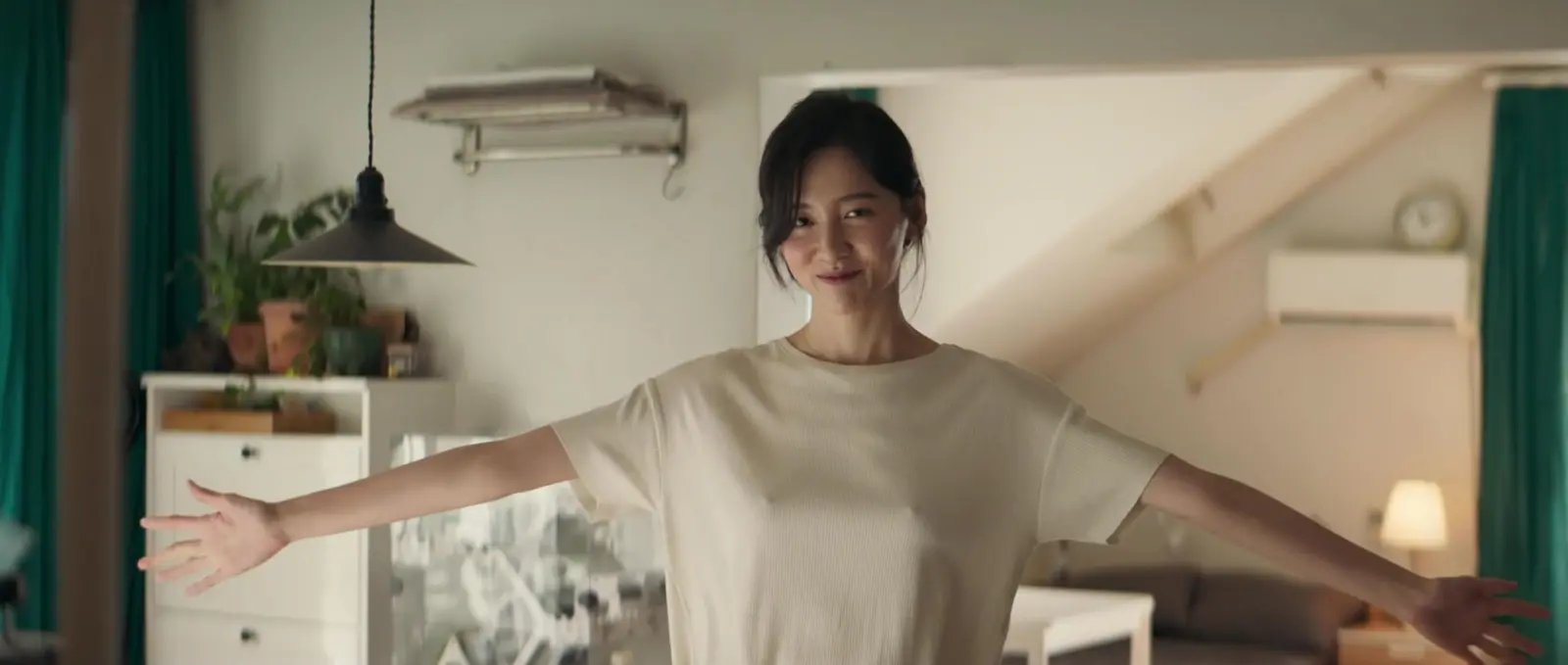
The deeper the story goes, the clearer it becomes that the most consequential relationship is the one between Su-yeon and Mi-ju. Their shared past complicates the affair, adds motives beyond opportunism and turns the apparent story of a man choosing between women into a contest shaped by long-standing desire, jealousy and resentment.
Neither woman remains fixed as victim or mastermind. This shifting balance keeps the film alive after its first big reveal. It also makes Mi-ju more than a replacement cellist and Su-yeon more than the missing fiancée.
Sung-jin is the least complicated of the three
Song Seung-heon performs the role capably, but Sung-jin has less range on the page. Su-yeon shapes his professional and private life, Mi-ju changes its direction and Su-yeon's mother exerts pressure of her own. The man introduced as the centre of the story often seems to have his choices set by others.
That relative simplicity can be read as part of the design, yet it leaves the two actresses with richer material. The supposed object of everyone's attention is not necessarily the person directing anything.
Music and the illusion of command
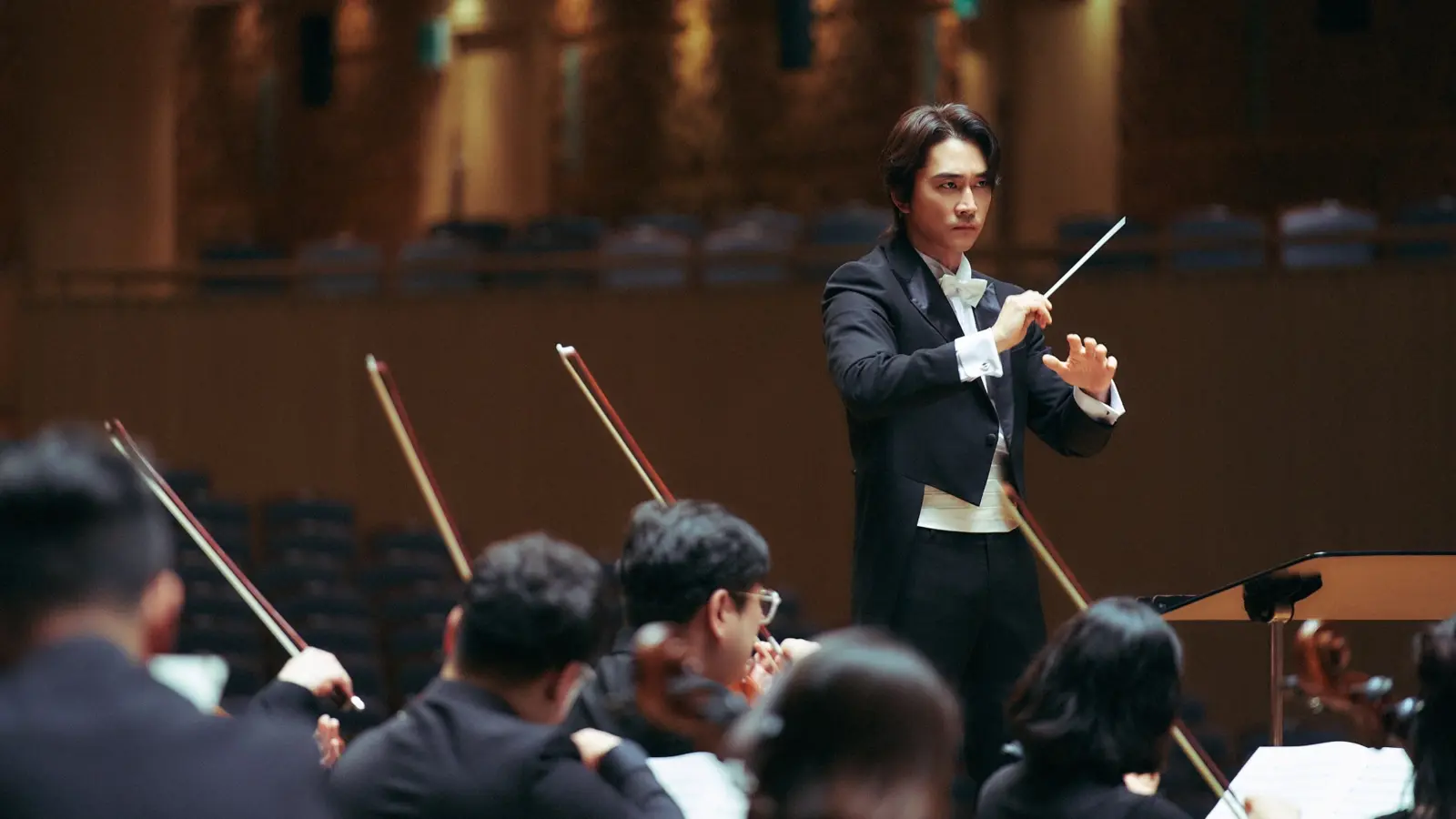
The orchestra is a fitting setting rather than an ornamental profession for the characters. Sung-jin conducts; Su-yeon and Mi-ju play the cello. Onstage someone sets the tempo and others respond, but at home those positions repeatedly switch. Mi-ju's musical performance even contributes to Sung-jin's attraction to her.
This motif does not require an explanatory speech. It echoes the film's larger question: who is conducting the scene, and who only believes they are following their own plan?
An elegant house with an ugly secret
Mirrors, glass and carefully controlled light turn a luxurious home into a device for looking and being looked at. The more polished the rooms appear, the harsher the secret arrangement behind their surfaces feels. The contrast between classical music and messy, often selfish impulses helps maintain the movie's particular tone.
The one-way mirror is especially effective because it lets the frame hold two incompatible realities at once. A person may think a private moment belongs to them, while another person is experiencing that very moment as punishment.
The twists keep coming, sometimes too quickly
Once Su-yeon's location is known, the screenplay has to find new fuel. It does so by shifting attention to escape, what Mi-ju knows and the history between the women. The best turns change our understanding of earlier behaviour rather than merely adding one more trick.
The final act nevertheless crowds some revelations together. The secret room, the faulty key, the practicalities of surviving inside and several decisions by the characters ask us to accept a generous measure of improbability. The tension and performances carry much of it, but not every late turn lands with equal force.
Cruel irony beneath the thriller
There is a blackly comic edge to the original experiment: Su-yeon hides to watch Sung-jin long for her, then finds herself unable to stop him from moving on in front of her. The more she tries to impose control, the less control she has. Her unheard cries make the joke painful rather than light.
The film does not ask us to approve of the three central characters. Su-yeon manipulates, Sung-jin betrays and Mi-ju has her own concealed aims. Their choices keep the story charged because every apparent victory might be temporary.
A disquieting ending that suits the film
The ending offers no comfortable return to normal life. Instead, the balance of power changes again, leaving intimacy entangled with captivity and control. That refusal to deliver a neat moral victory fits the story better than a reassuring resolution would.
The route to that conclusion is uneven, and some late manoeuvres stretch credibility. Still, the final discomfort feels earned by a film that has made looking, silence and power inseparable from the start.
What works and what holds it back
Cho Yeo-jeong and Park Ji-hyun are the clearest strengths. Their complicated relationship, the room's clean visual premise, the unsettling elegance of the house and the music sustain interest well beyond the first reveal. The film embraces its adult erotic-thriller identity and makes that candour part of the dramatic mechanism.
Its weaknesses are the comparatively thin male lead, the logic needed to sustain the trap and the accumulation of twists near the end. These flaws do not erase the pleasure of watching the balance between the women keep changing, but they stop the film short of a more disciplined thriller.
Final verdict
Final verdict
Hidden Face knows exactly the kind of film it wants to be: a bold, adult psychological thriller about jealousy, voyeurism and the illusion of control. Cho Yeo-jeong gives the trapped Su-yeon real vulnerability; Park Ji-hyun keeps Mi-ju fascinatingly uncertain. Its last act needs a little indulgence, but the performances, visual design and shifting relationship between the women make the experience gripping. My rating: 7/10.
Your turn
Who really had control: Su-yeon, who devised the experiment, Mi-ju, who changed its rules, or no one at all?
AUDIENCE VOTE
Do you agree with the MB rating?
Choose once from this browser. You can change your answer at any time.