The review
Marina and Ada remain at the center
One of the film's best decisions is to keep Marina and Ada at the center of the story even after Tomás enters it.
The film does not treat Tomás as the person who will take over the relationship. Instead, the real problem grows out of the women's own differing desires.
Ada seems more open to the idea of a non-monogamous relationship, while Marina begins to confront more complicated feelings about what is happening around her.
There is a very strong dramatic foundation here.
The real conflict is not: will the man take one of the women away?
It is: can two people who love each other discover that they have completely different ideas about what their relationship should look like?
This idea could have given the film considerable depth, but the screenplay does not make enough of it.
Tomás… friendship and blurred boundaries
Tomás is one of the film's most interesting elements because he is not presented as a conventional antagonist.
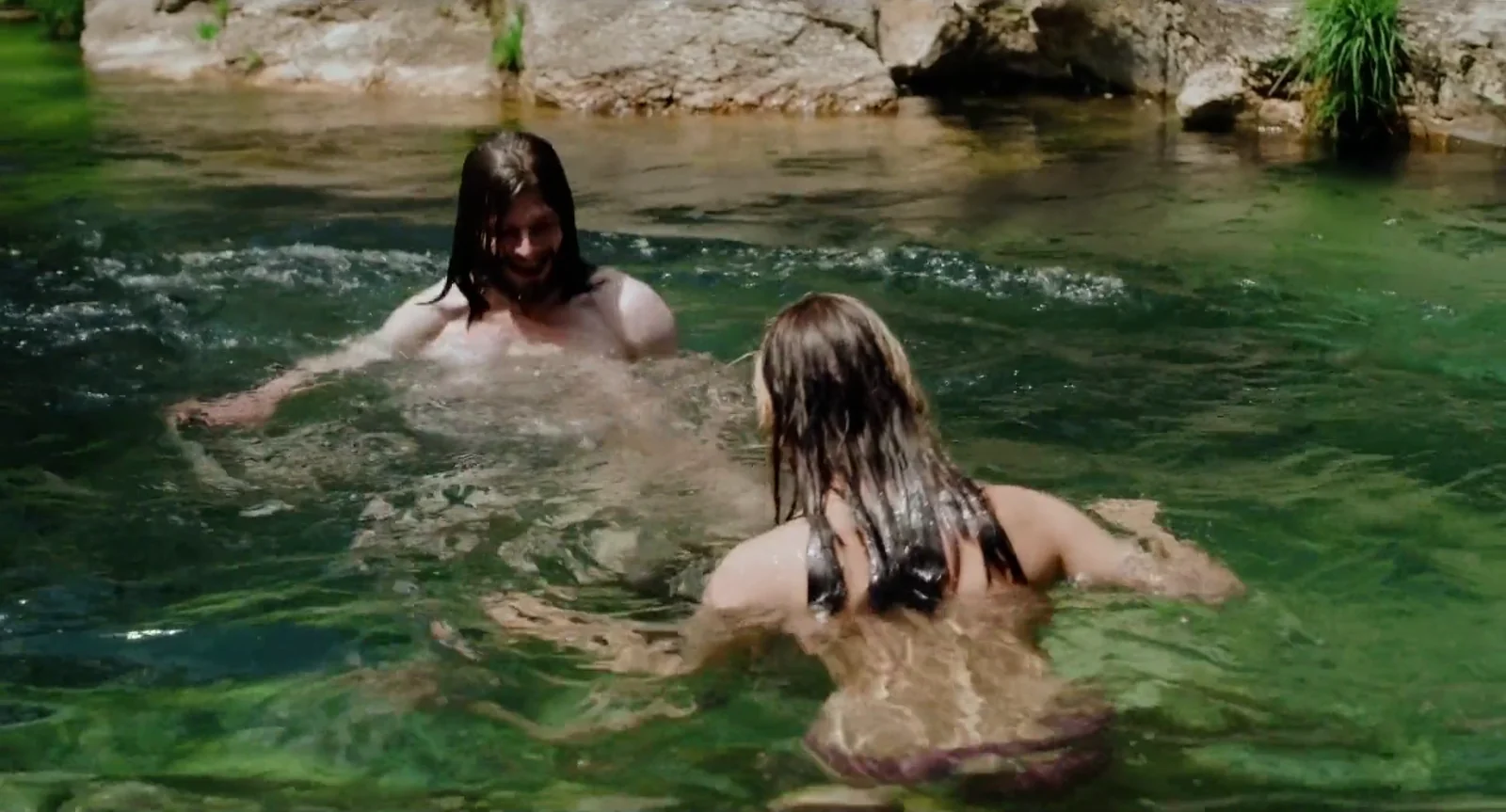
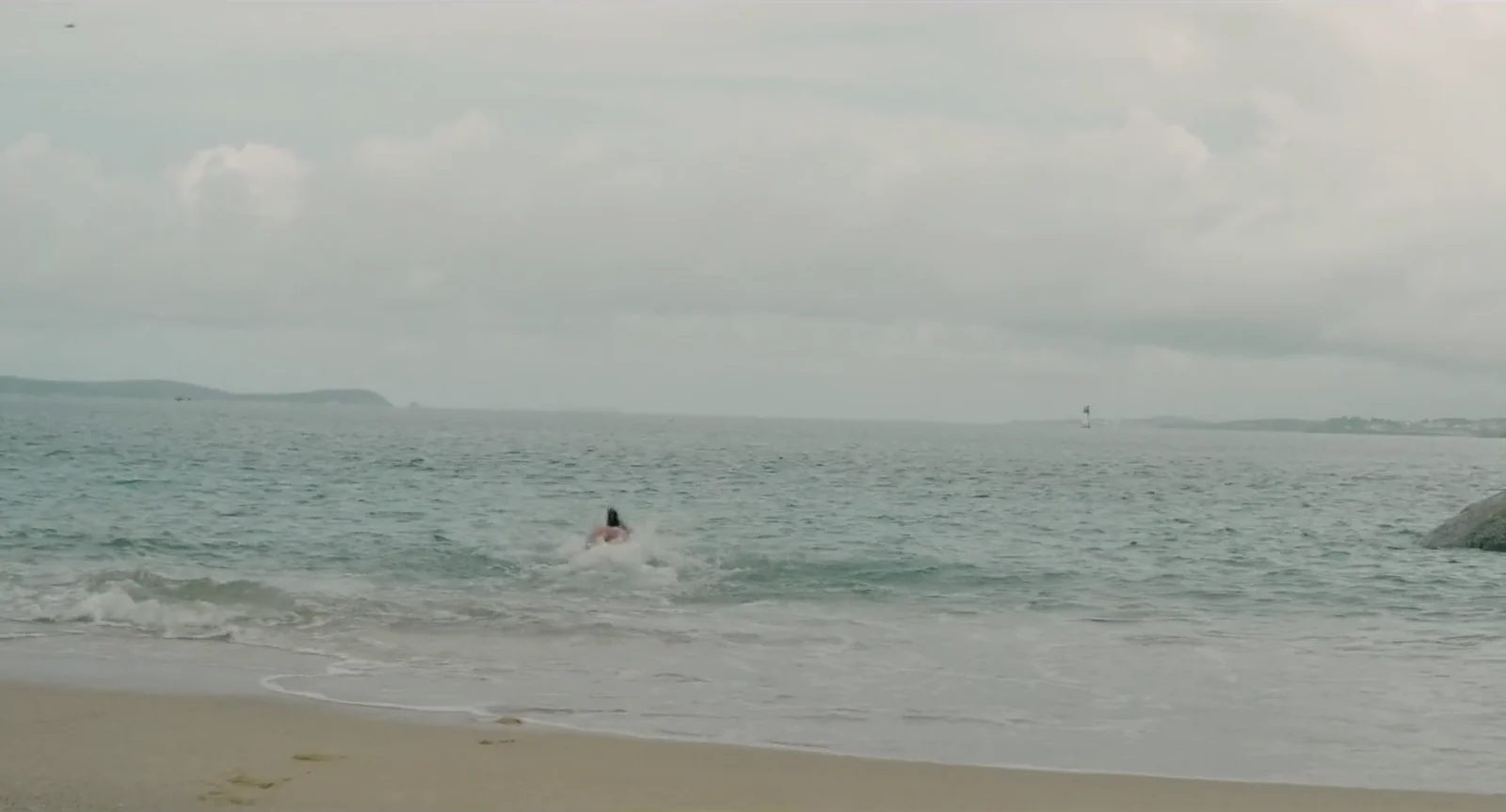
Even his first appearance, filming Marina and Ada as they swim, briefly suggests that he might be intrusive or threatening. The film quickly breaks that impression.
He is a friend and part of their social circle. Over time, his place in their lives shifts from friendship to an emotional and physical relationship.
This complicates matters, because the boundaries between friendship, love and sex become unclear.
But the film does not explore this territory deeply enough.
We see the relationship develop and the resulting tension, but we do not gain enough understanding of how the characters' feelings toward each other change, or how something initially accepted later becomes a betrayal.
The biggest problem… betrayal without a real confrontation
This is where the film loses the most important part of its idea.
It wants to discuss a non-monogamous relationship, boundaries, agreements and trust, but does not give the betrayal caused by breaking those boundaries enough room.
We know that Ada betrays Marina with Tomás a second time, but we do not clearly see the origin of the problem. We do not see the first time, nor enough of the moment when a relationship between Ada and Tomás became forbidden.
This leaves the dramatic conflict incomplete.
Betrayal is not simply an act that happens. It emerges from accumulated experiences, agreements, boundaries and feelings.
If we do not see how those boundaries were established or understand how they were crossed, it becomes difficult to feel the weight of the betrayal as the film intends.
Stranger still, the relationship eventually seems to return to its earlier form, without the film giving us enough time to understand how trust between Marina and Ada was rebuilt.
Seasons and Marina's diary
The film is divided into moments and stages linked to the seasons, with text appearing on screen in a diary-like form.
This suits the story very well, since the relationship itself changes over time.
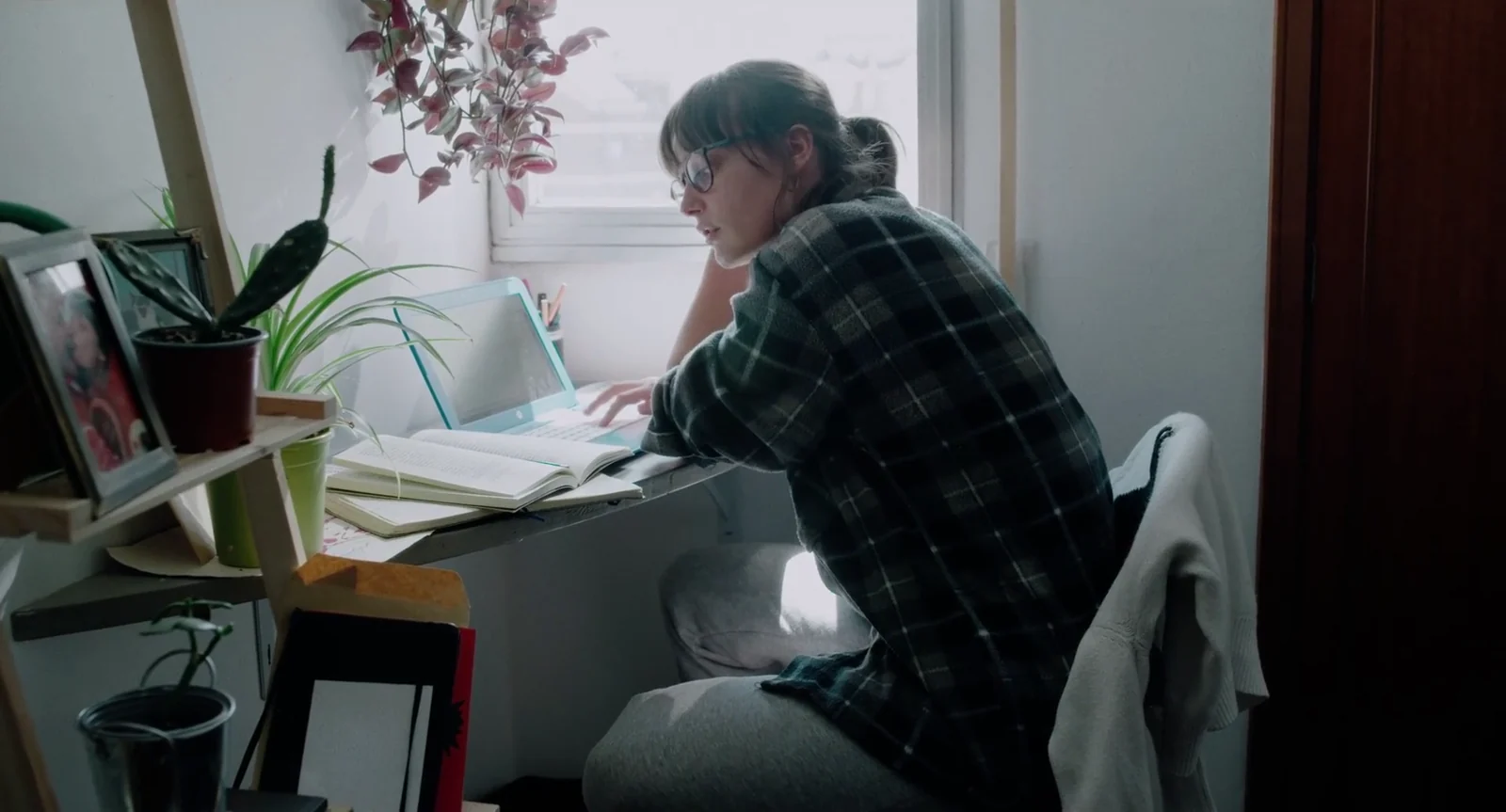
Marina's diary also gives us a window into her inner state.
But even here there is a problem.
Some of the metaphors and poetic phrases from Marina's perspective do not always successfully express the experience we see unfolding.
Sometimes the words seem more poetic than the feelings the film has actually managed to build.
It is as though the film tells us that the character has great depth, rather than making us feel that depth through the drama itself.
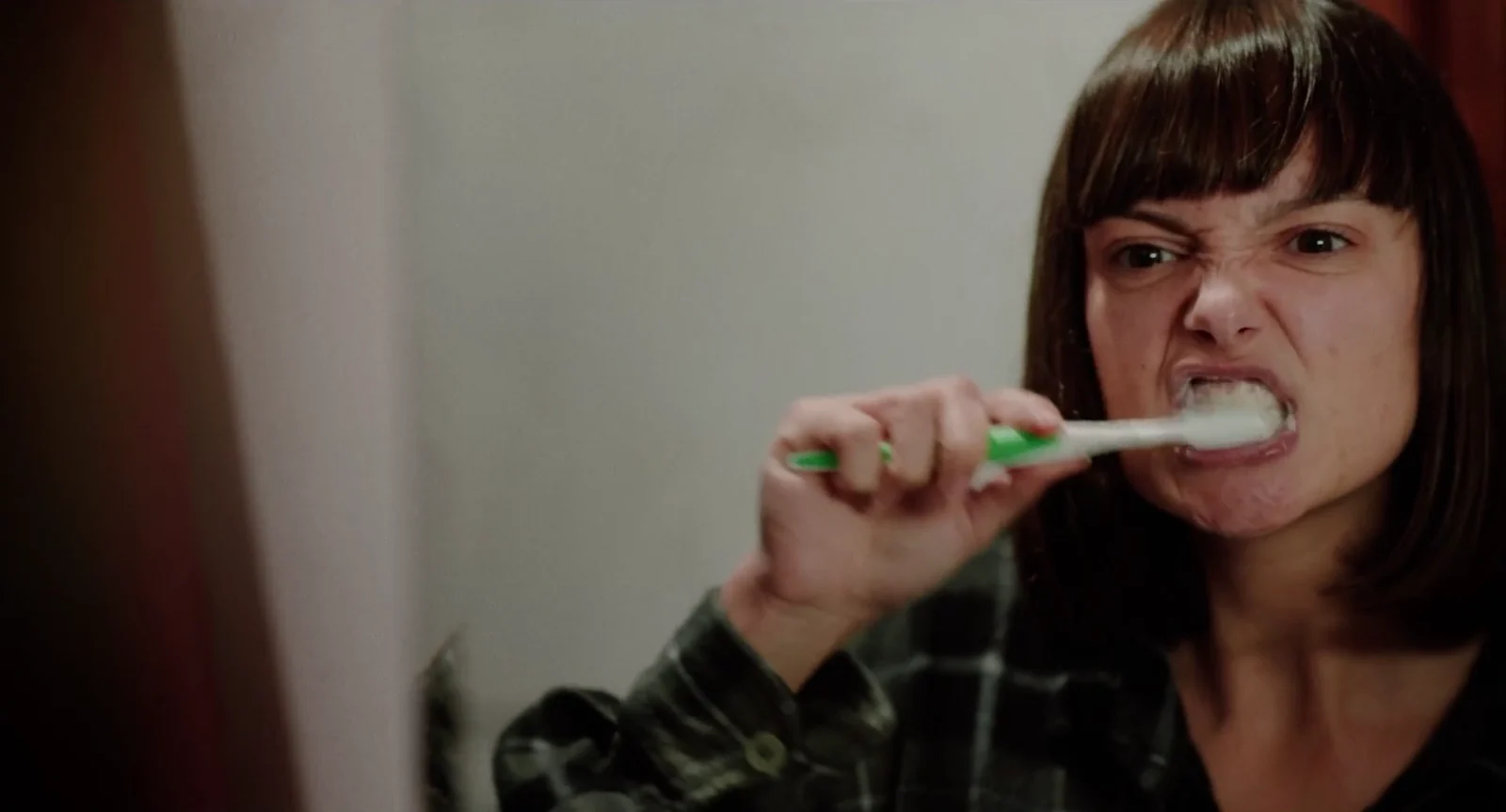
Physical intimacy and the missing drama
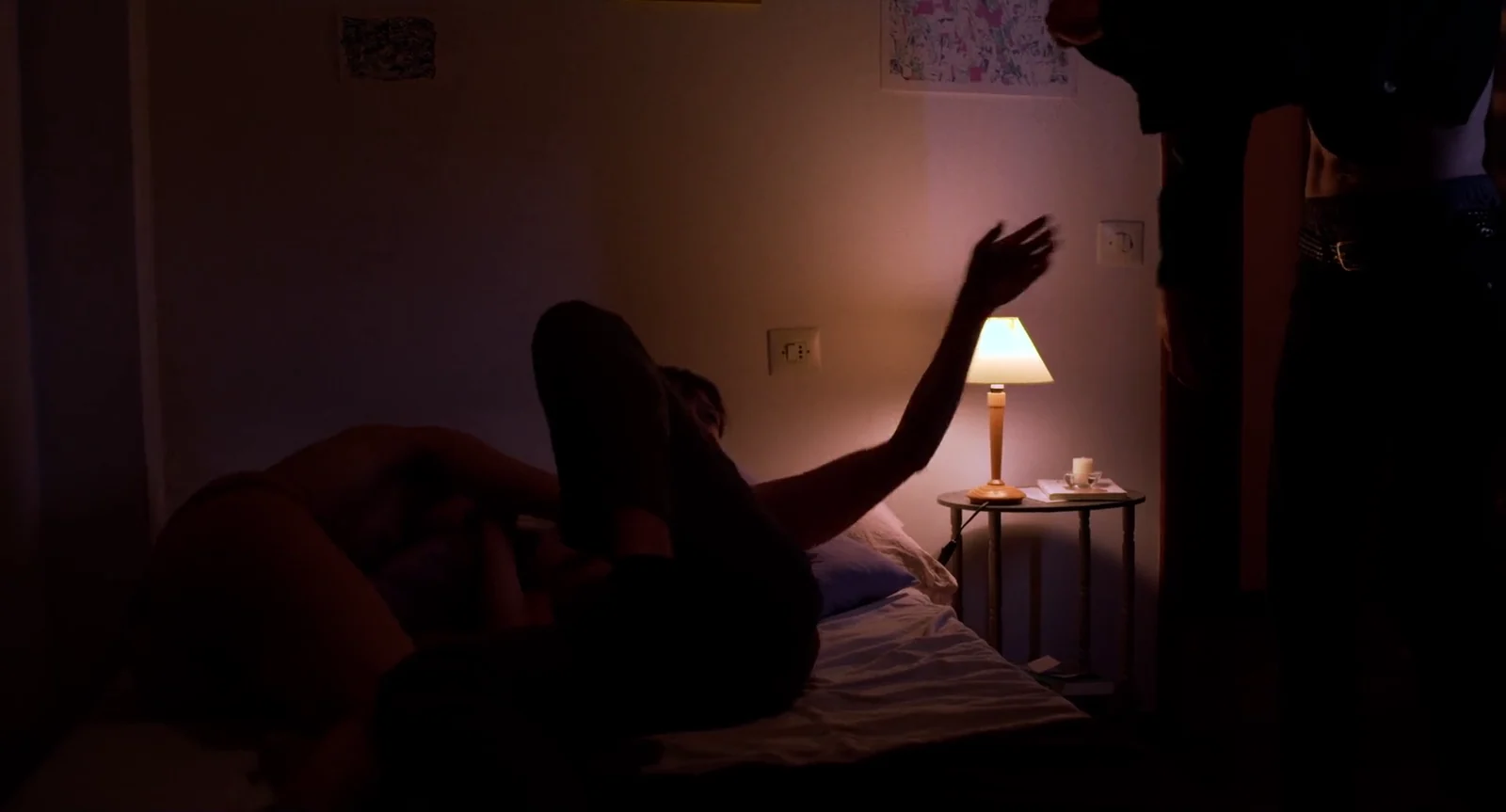
The film certainly does not shy away from the physical side of the relationship.
There are several intimate scenes, filmed in a way that makes them an essential part of the film's language rather than a peripheral addition.
At times this serves the film's idea, because attraction and desire are part of the relationship between the characters.

At the same time, the excessive focus on the physical side exposes the screenplay's fundamental problem.
As the film progresses, we get plenty of intimacy, but not an equivalent amount of drama.
By the end, you may feel that the film has far more visual and physical material than emotional substance.
That is unfortunate, because the premise could have supported a much deeper film.
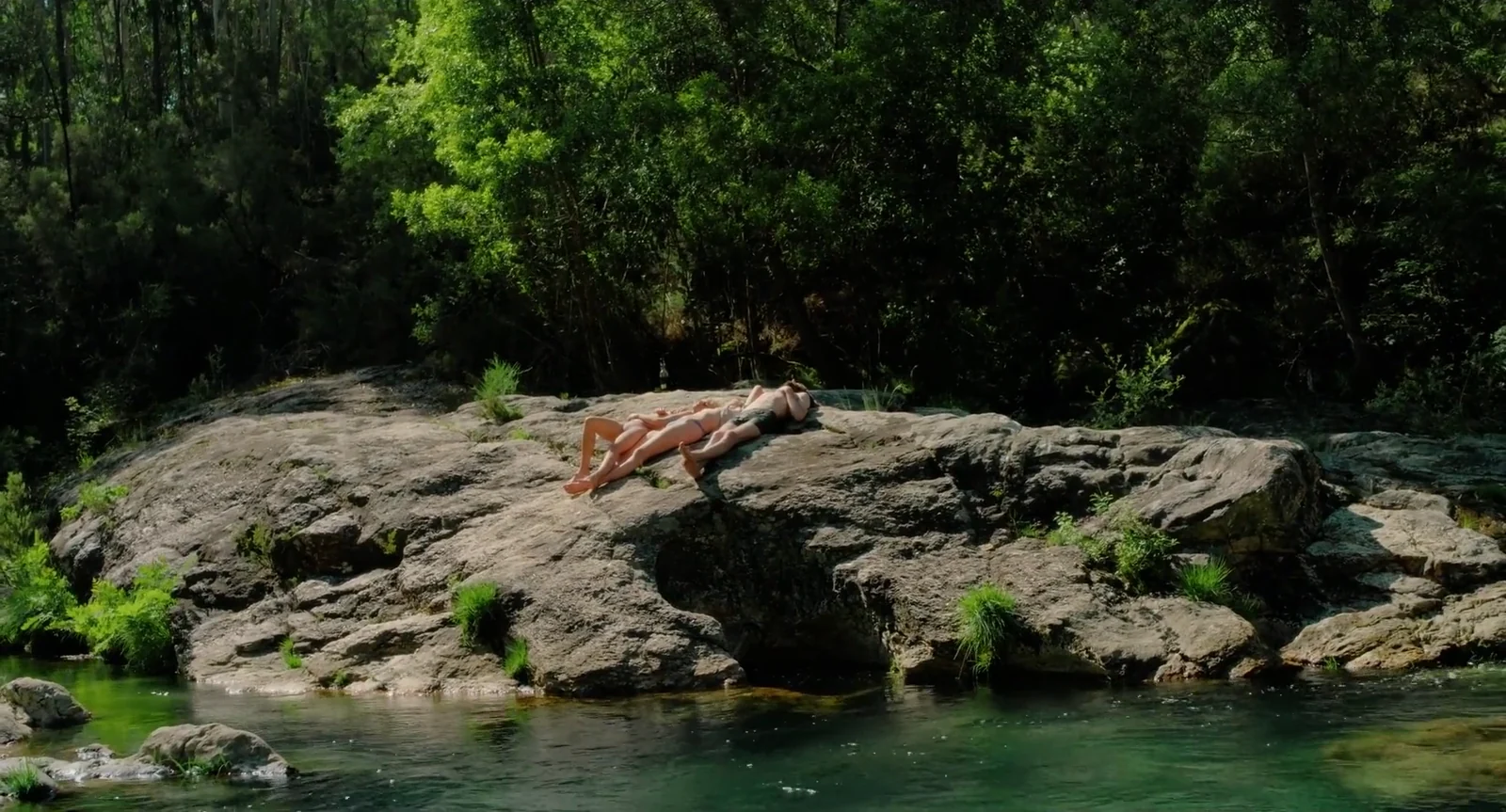
Everyday details… a visual strength
One of the film's most beautiful qualities is its attention to small details.
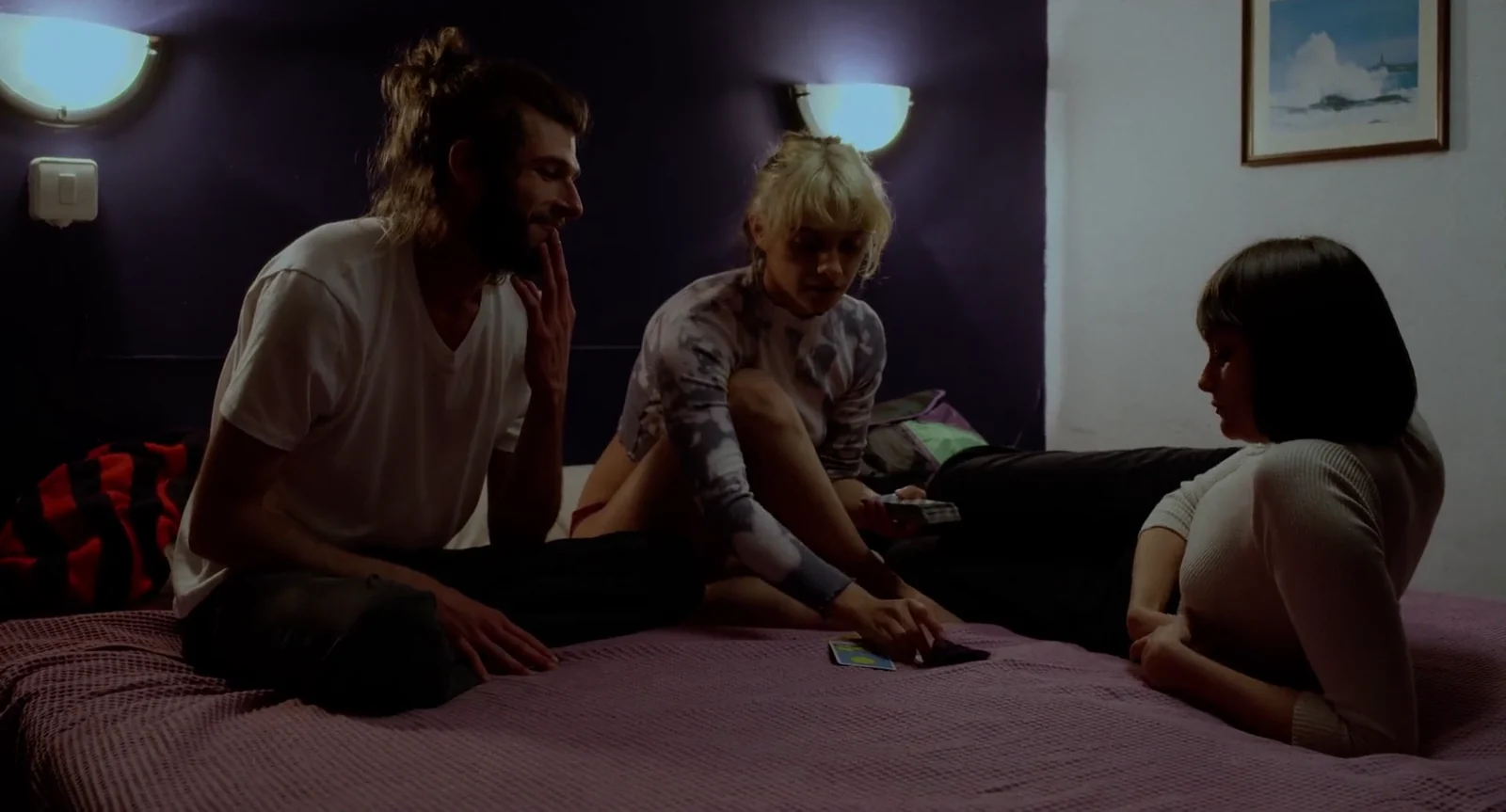
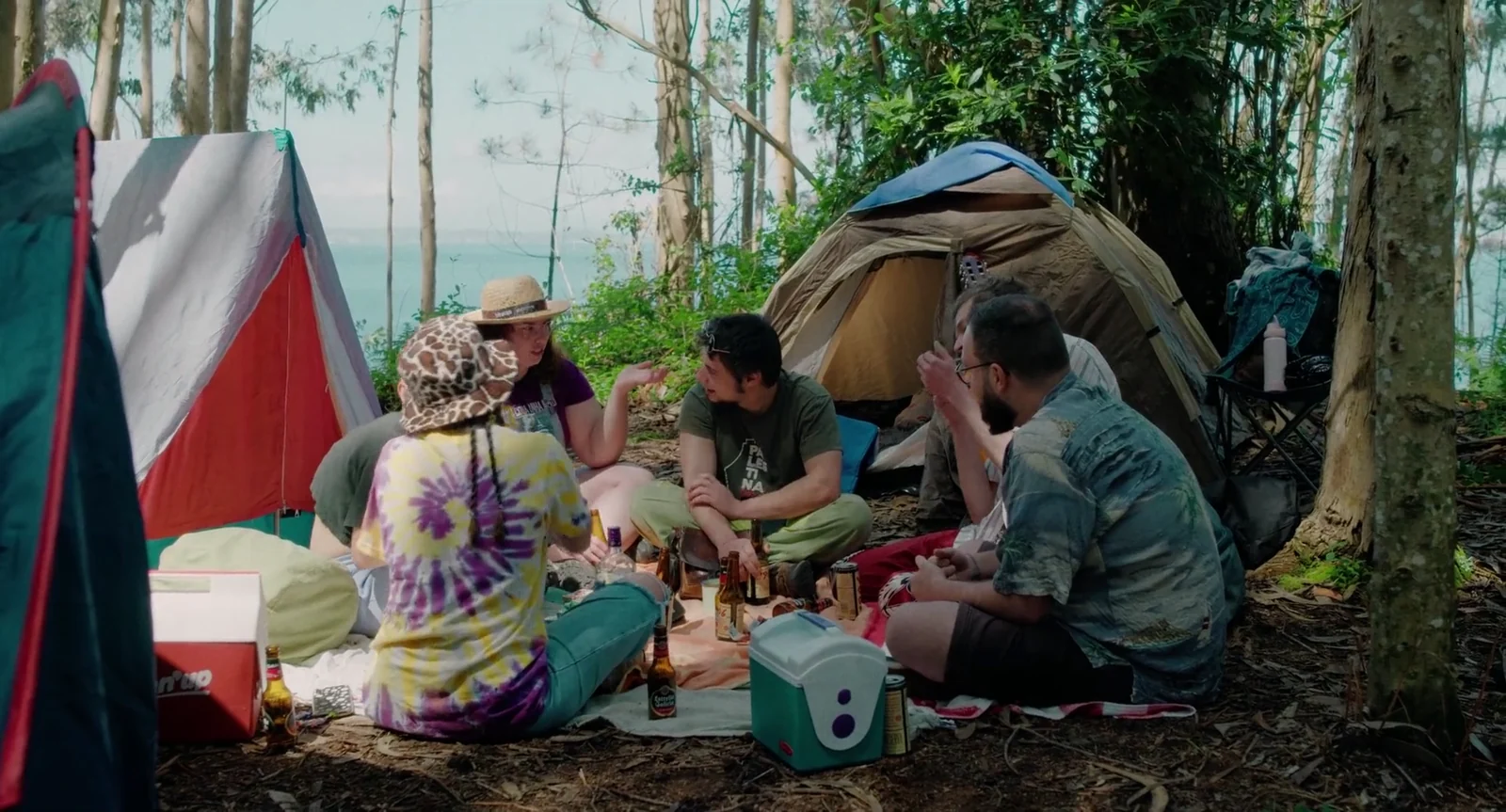
Camping, traveling, parties, swimming, camera recordings and even the tarot-reading scene all give the film the feeling of following people's lives, rather than simply moving characters from one event to another.
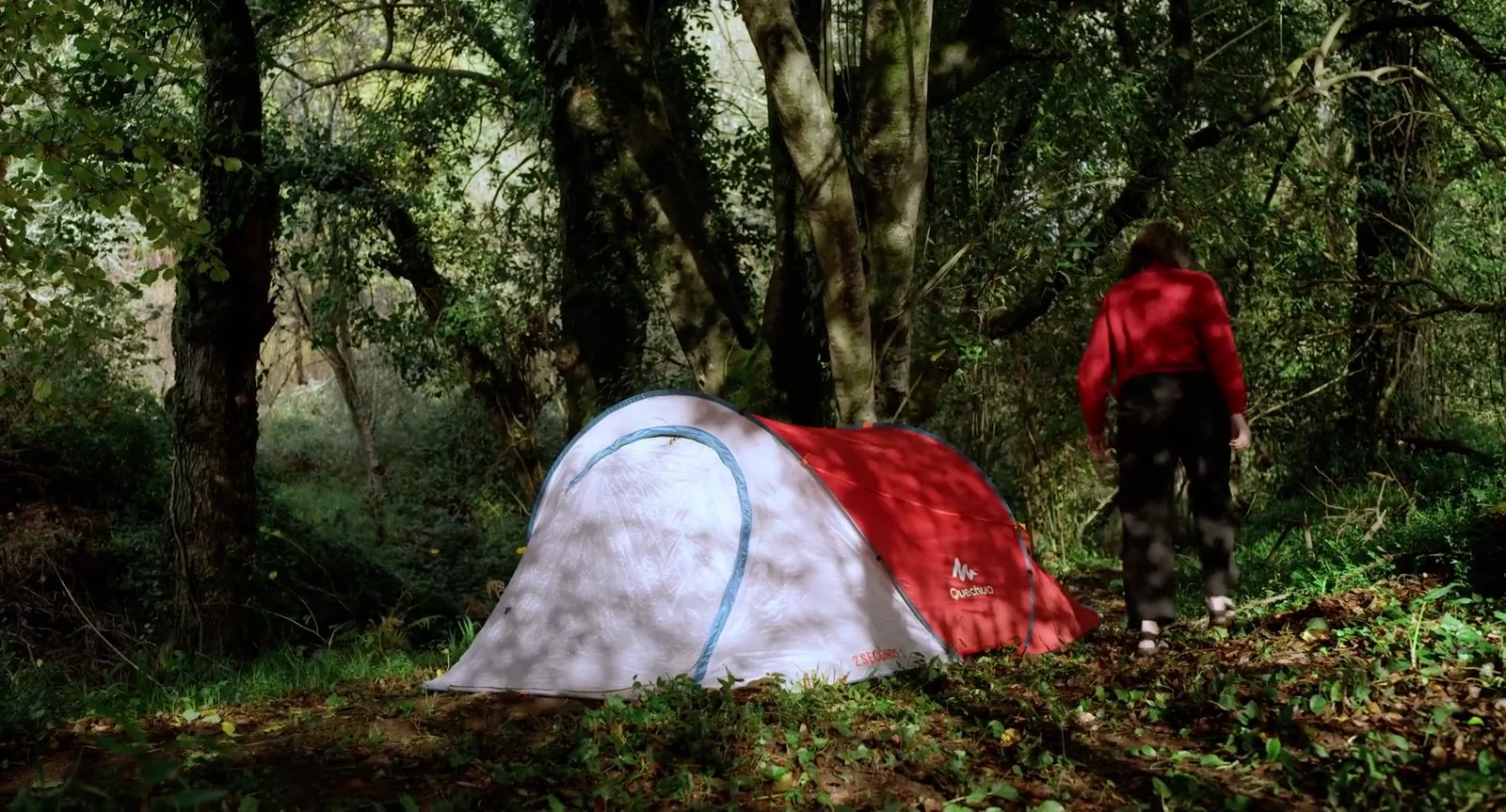
There are also shots of insects and nature, including dragonflies, that add an experimental, poetic touch to the imagery.
These details are what make the film visually distinctive.
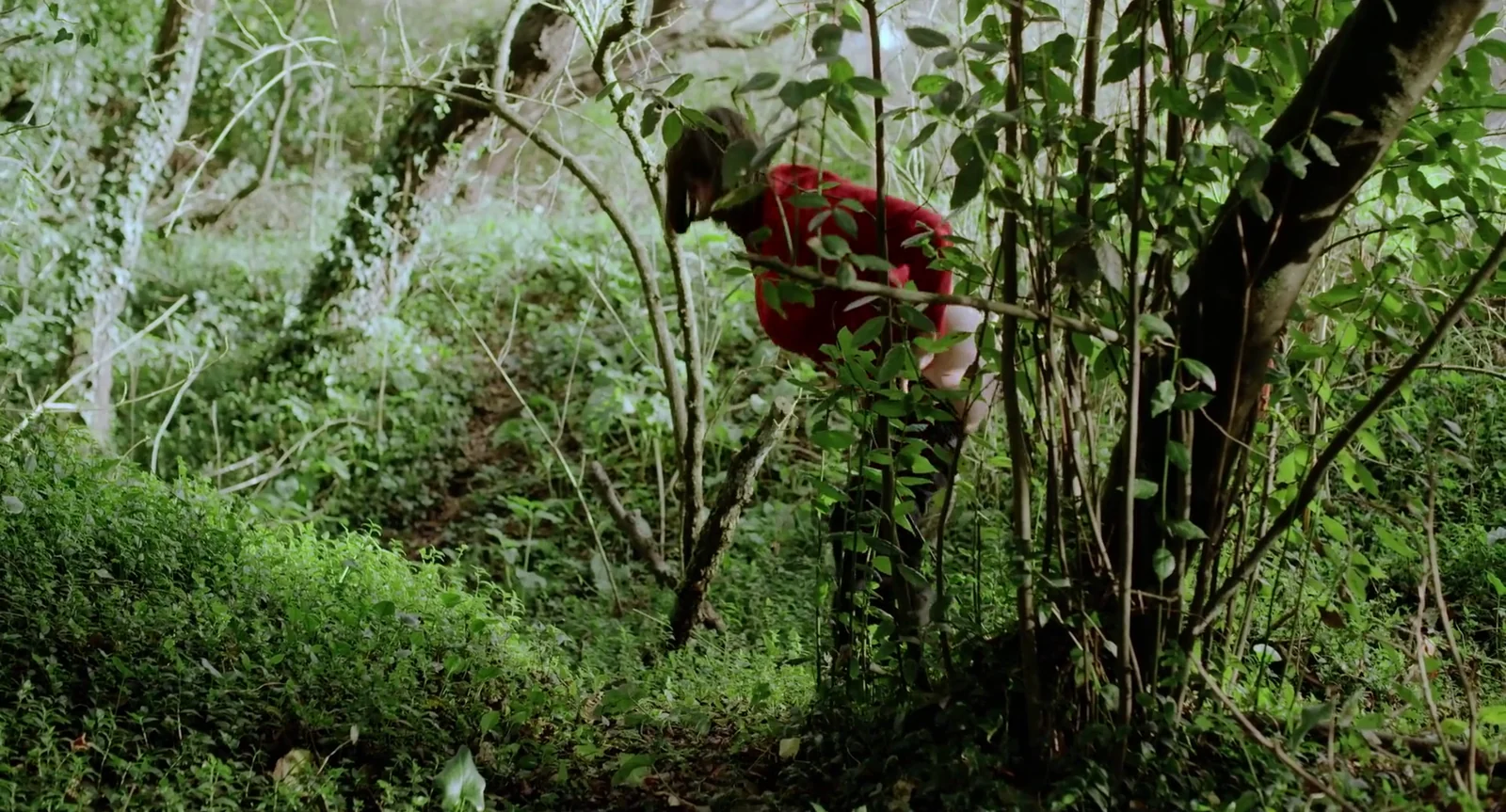
But they also raise an important question: do these details serve the story, or do they sometimes become more important than the story itself?
For me, the film sometimes leans toward the second choice.
What works… and what remains unexplored
The film succeeds when it treats the relationship as one between real people, each with their own desires, boundaries and fears.
It also succeeds in presenting an unconventional relationship without turning it into cheap melodrama.
It has a clear, distinctive visual language, and the performances help make this life feel natural rather than artificial.
Yet the film fails to explore the most important part of its premise.

How does the experience become a betrayal?
How do the rules change?
How can one person feel let down while the other sees their behavior as natural?
And how can trust be rebuilt after those boundaries have been crossed?
These questions should be the heart of the story, but they do not receive the answers they need.
Direction and cinematography… living inside the relationship
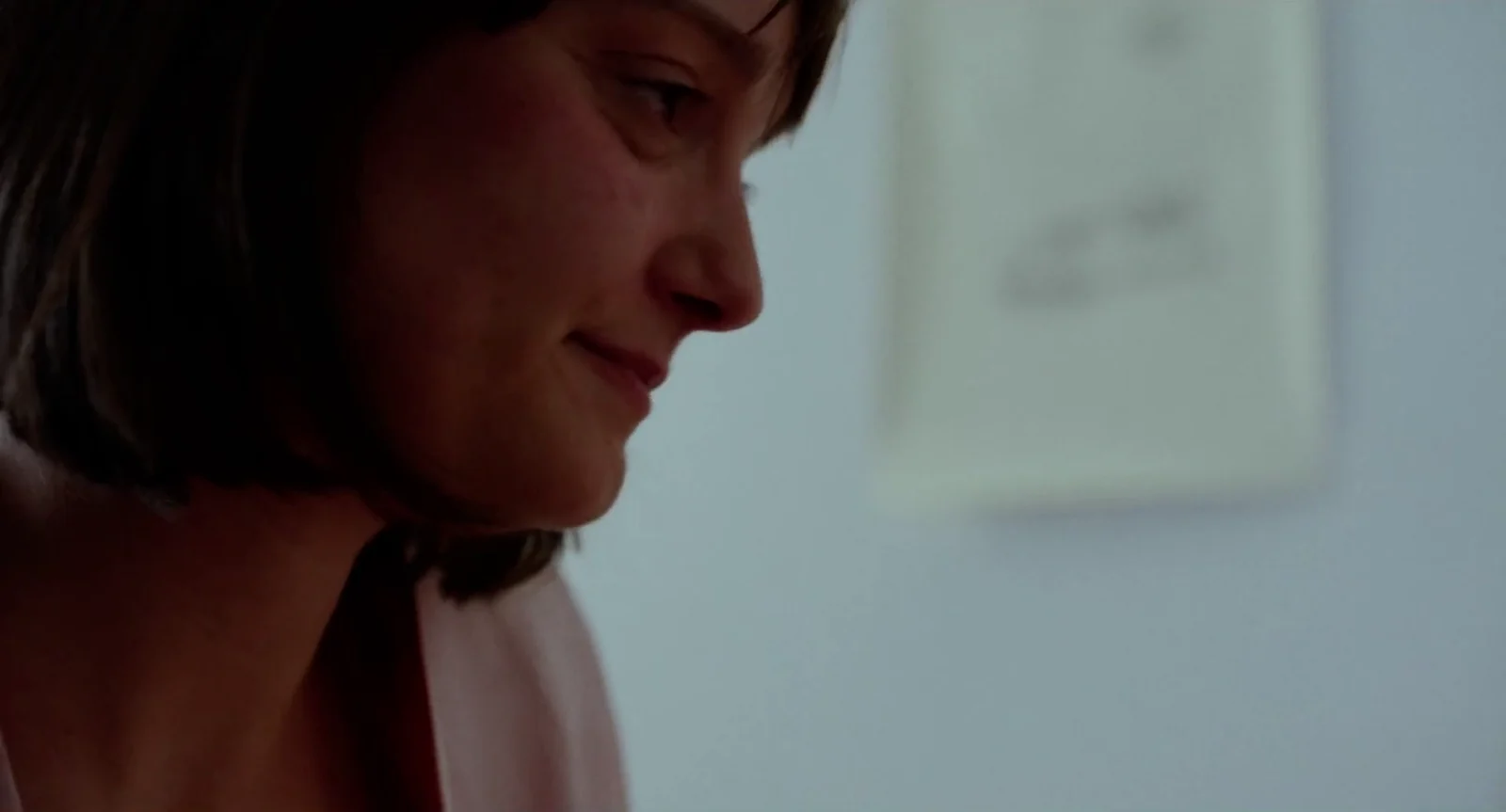
Visually, it is a very different story. The director relies heavily on extreme close-ups, particularly in intimate scenes between Marina and Ada.
These shots bring us close to the characters, as though the camera lives inside the relationship rather than observing it from a distance.
The handheld camerawork, which can easily become irritating in other films, works well here.
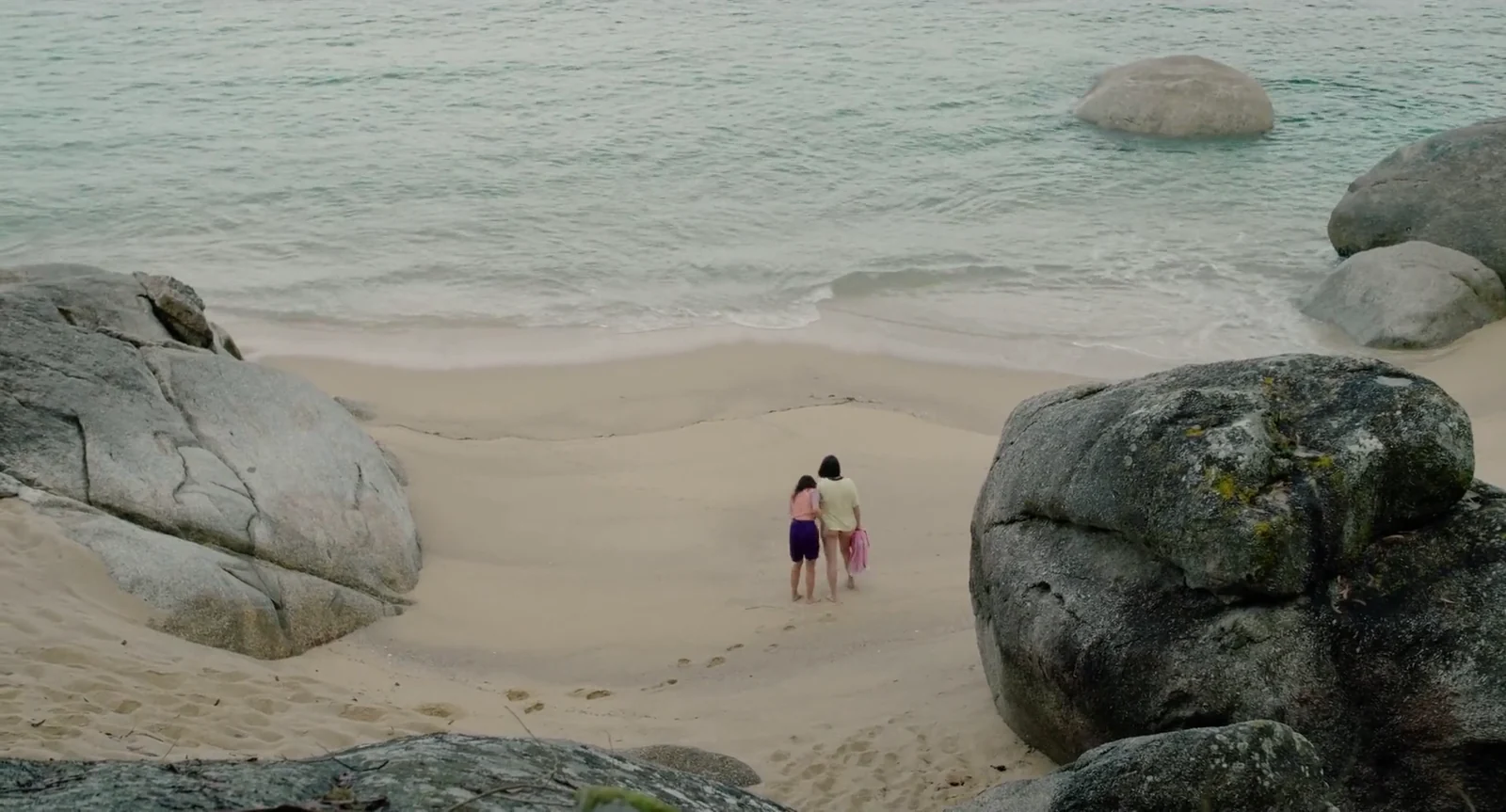
Even when the camera gets very close to the characters, the image remains clear and attentive to composition.
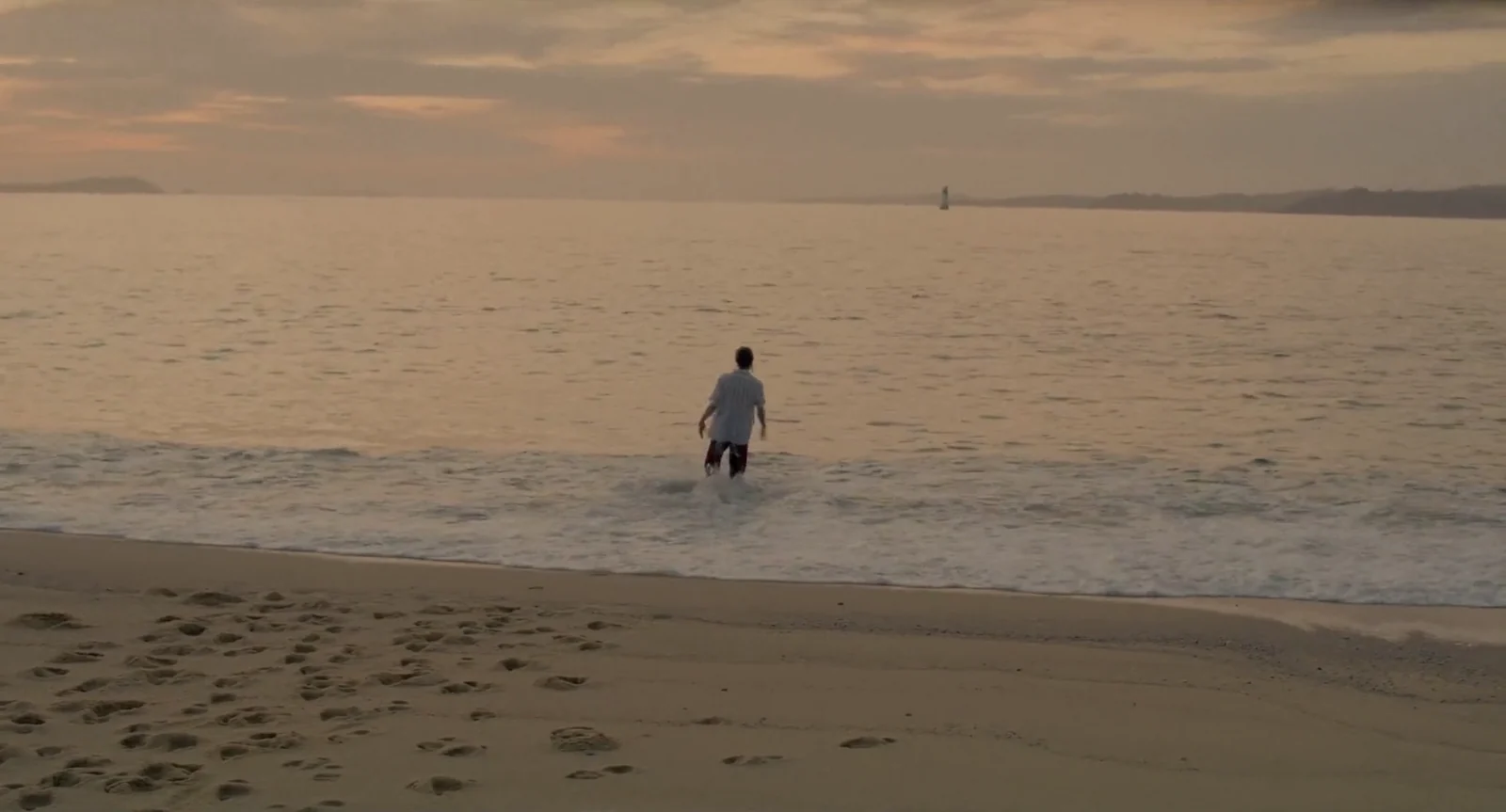
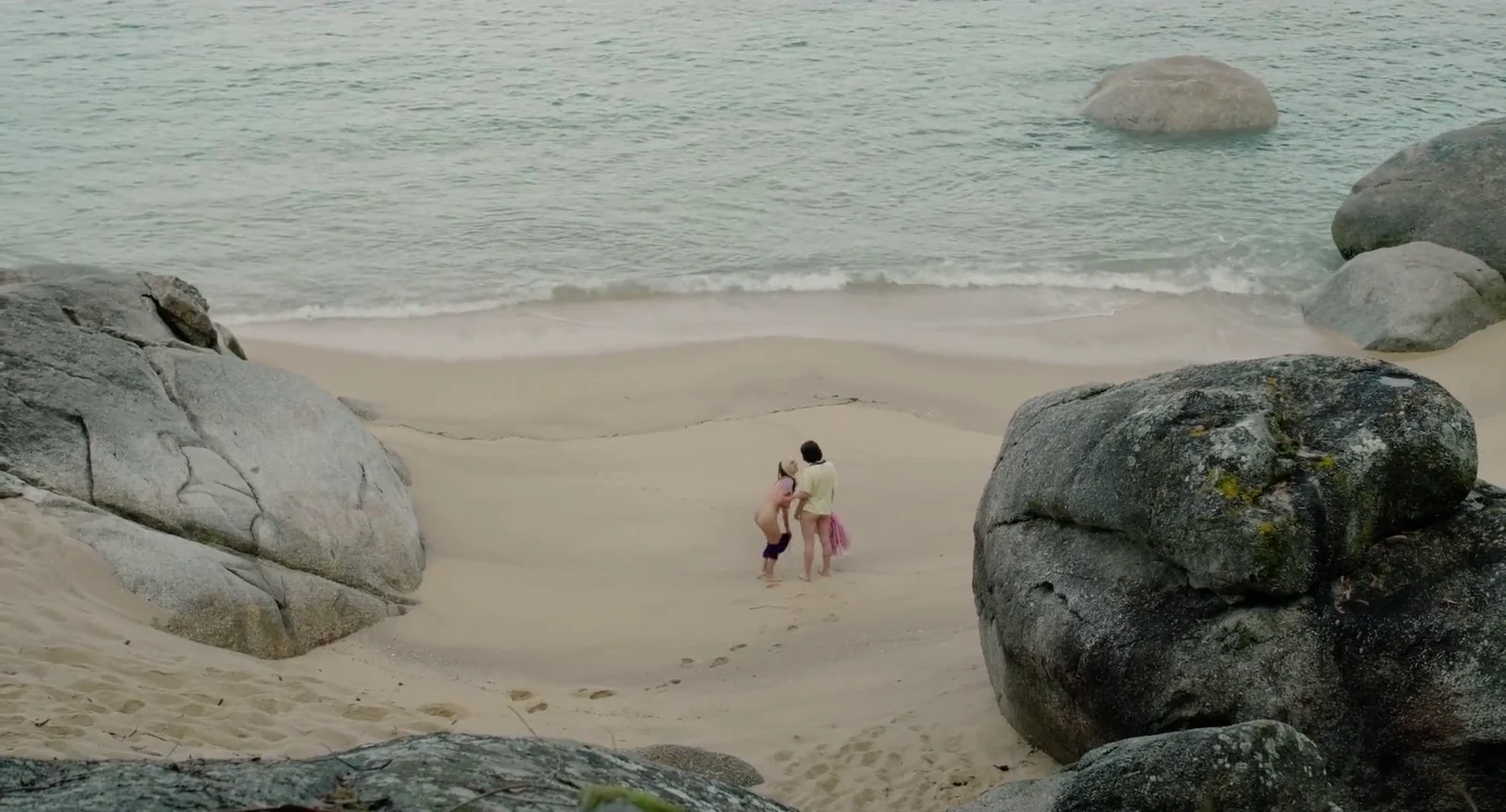
By contrast, the film uses a few carefully chosen wide shots, alongside video recordings made by the characters themselves.
This approach gives the film a personal, intimate quality, as though we are watching fragments of real lives rather than an invented story.
Performances… the uncertainty in Marina's silence
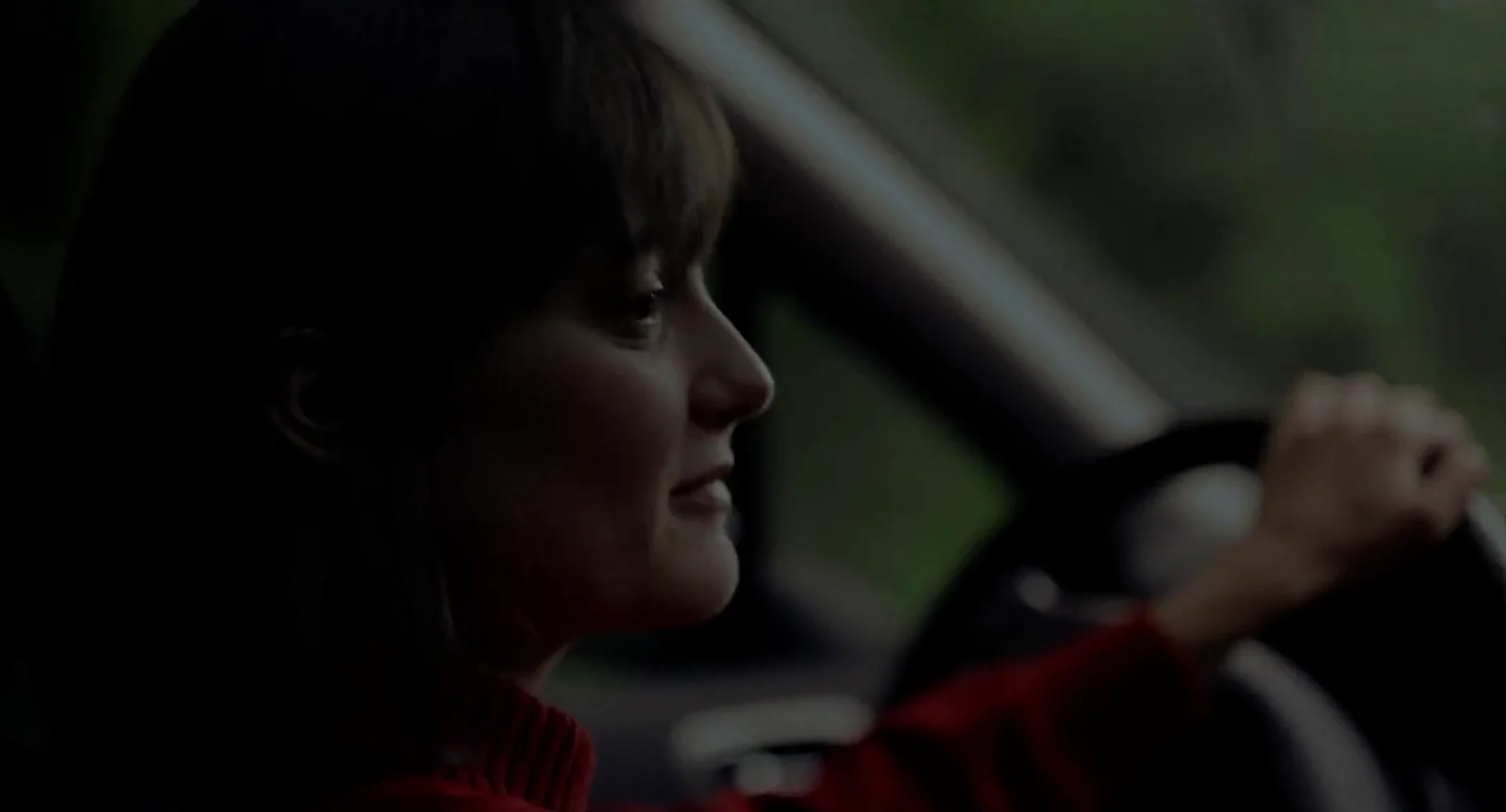
Lidia Veiga, Ánxela Ríos and Xulio Besteiro give quiet, natural performances that suit the film's approach perfectly.
The actors do not rely on grand emotions or loud scenes to demonstrate their feelings.
This especially helps when the film deals with tension between the characters. Their reactions feel closer to how real people might behave than to the usual dramatic explosions.
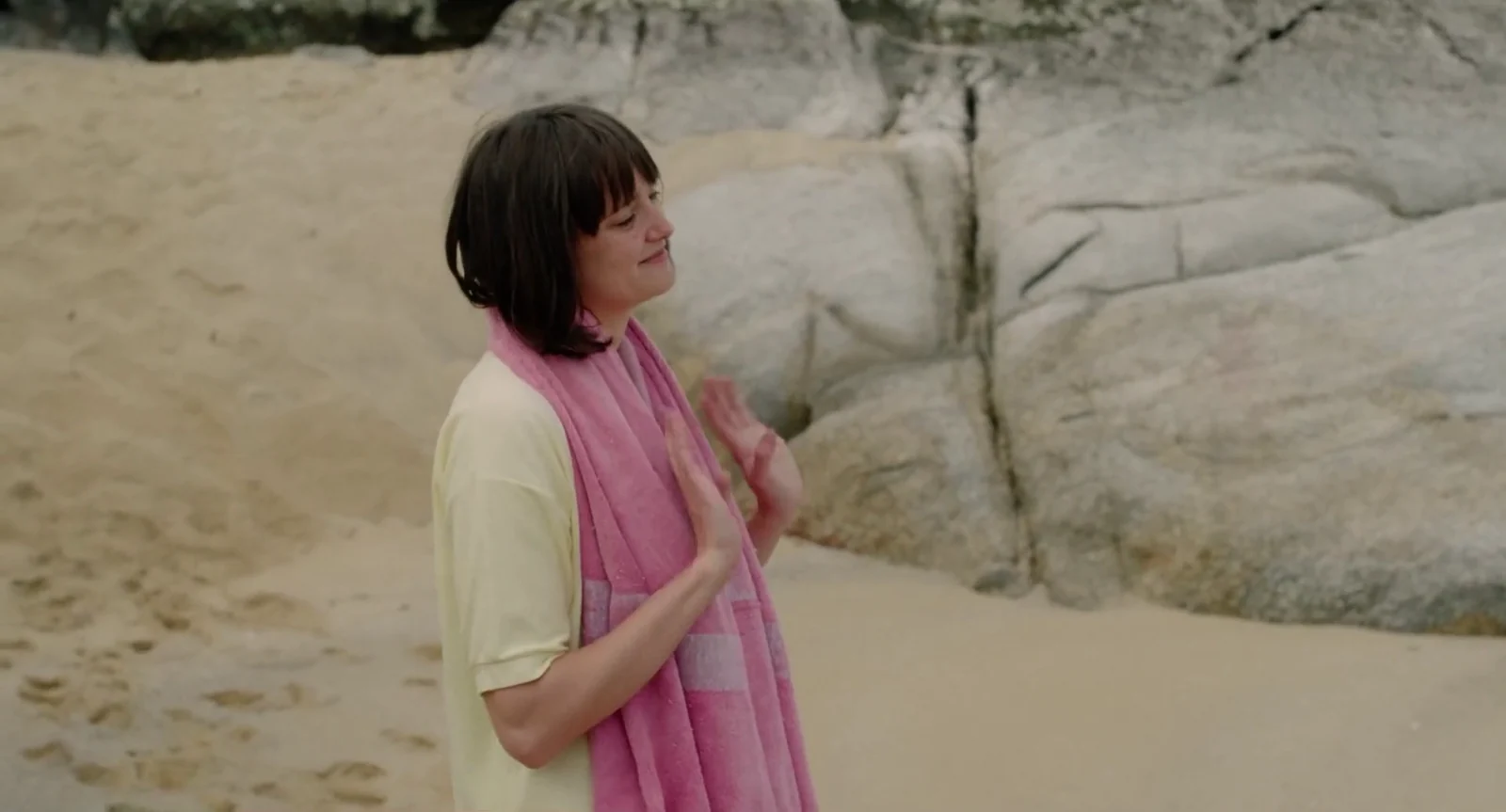
But Lidia Veiga stands out particularly in the silent moments.
There is a clear sense of uncertainty within Marina, whether about her life, her relationship or herself. At times, Veiga conveys this without needing a long conversation.
This is one of the strongest aspects of the film's acting.
Final verdict
Final verdict
The film has a good idea, but many shortcomings. It is sincere in some moments, visually beautiful, and presents its unconventional relationship with more calm and realism than we usually see. Yet when that relationship should become substantial drama, the film begins to lose its strength. We watch the relationship change and then see the effects of betrayal, but we do not get enough detail to make that betrayal truly affecting, nor a clear journey toward rebuilding trust. I came away feeling that a much better film could have been made from the same idea: one interested in the people behind the relationship, rather than only its intimate image.
Your turn
Do you think the film's restraint and avoidance of melodrama made it more realistic, or did the screenplay use that restraint as an excuse not to explore the real drama?
AUDIENCE VOTE
Do you agree with the MB rating?
Choose once from this browser. You can change your answer at any time.