The review
A wish starts the countdown to death
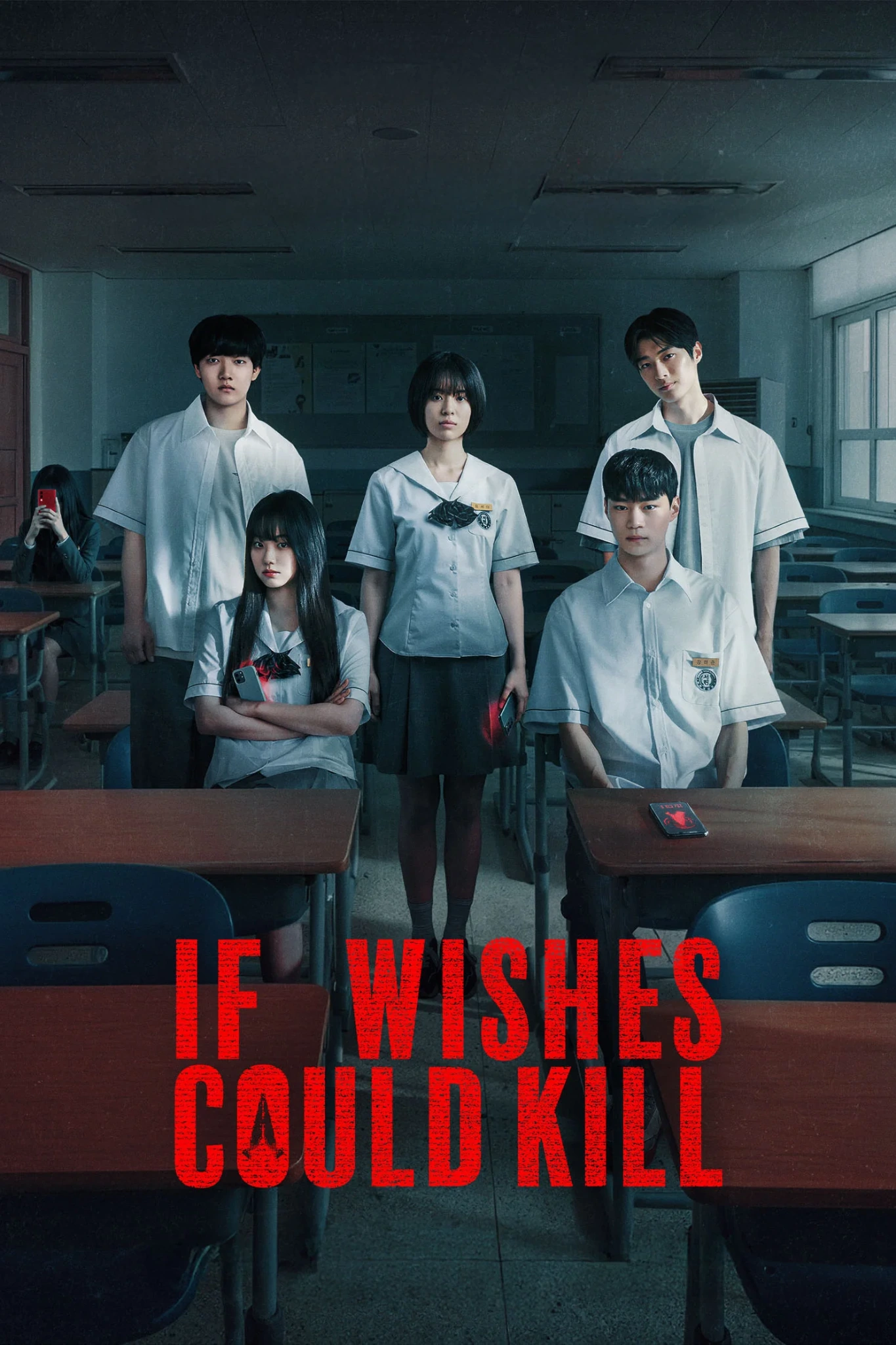
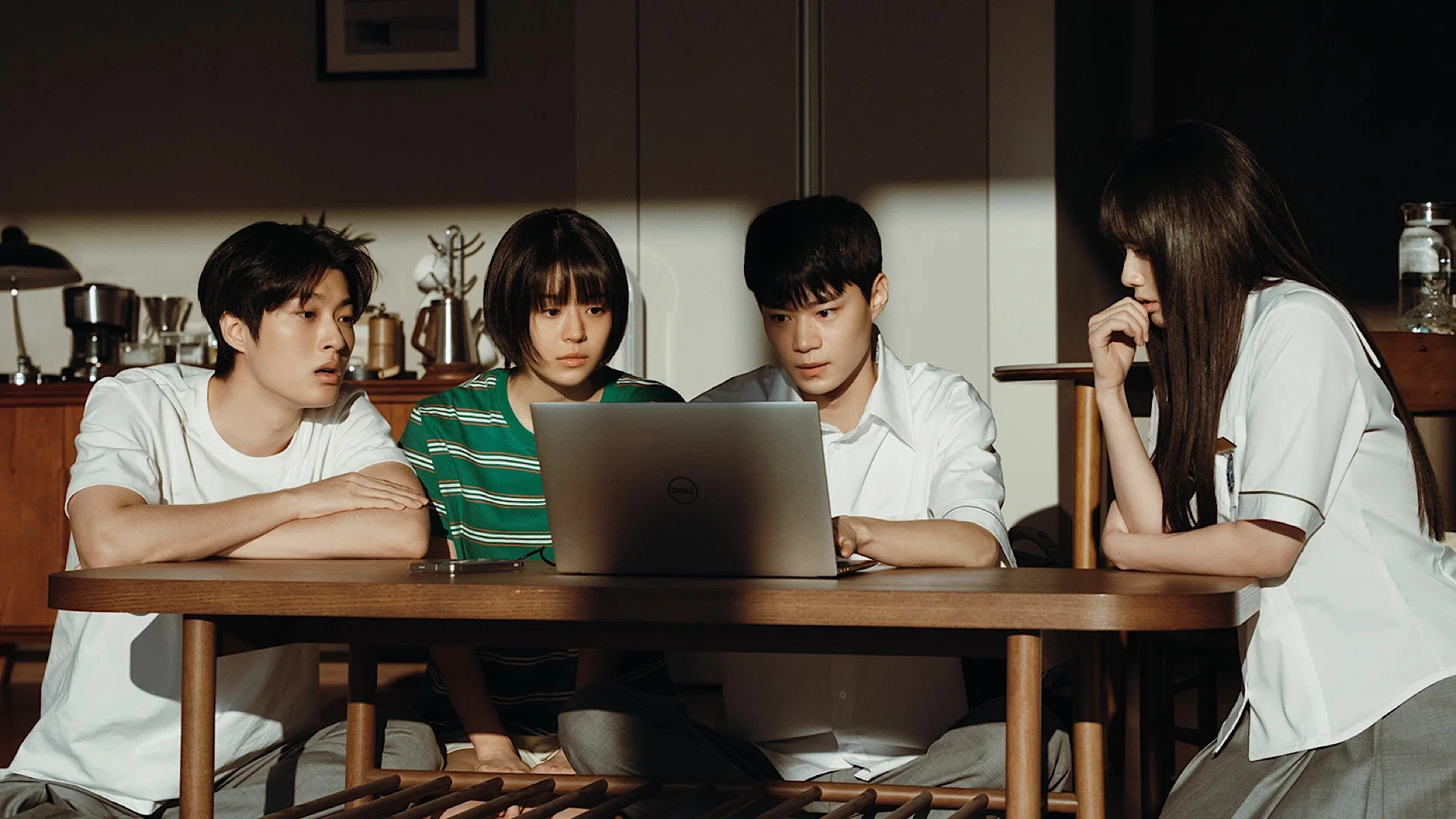
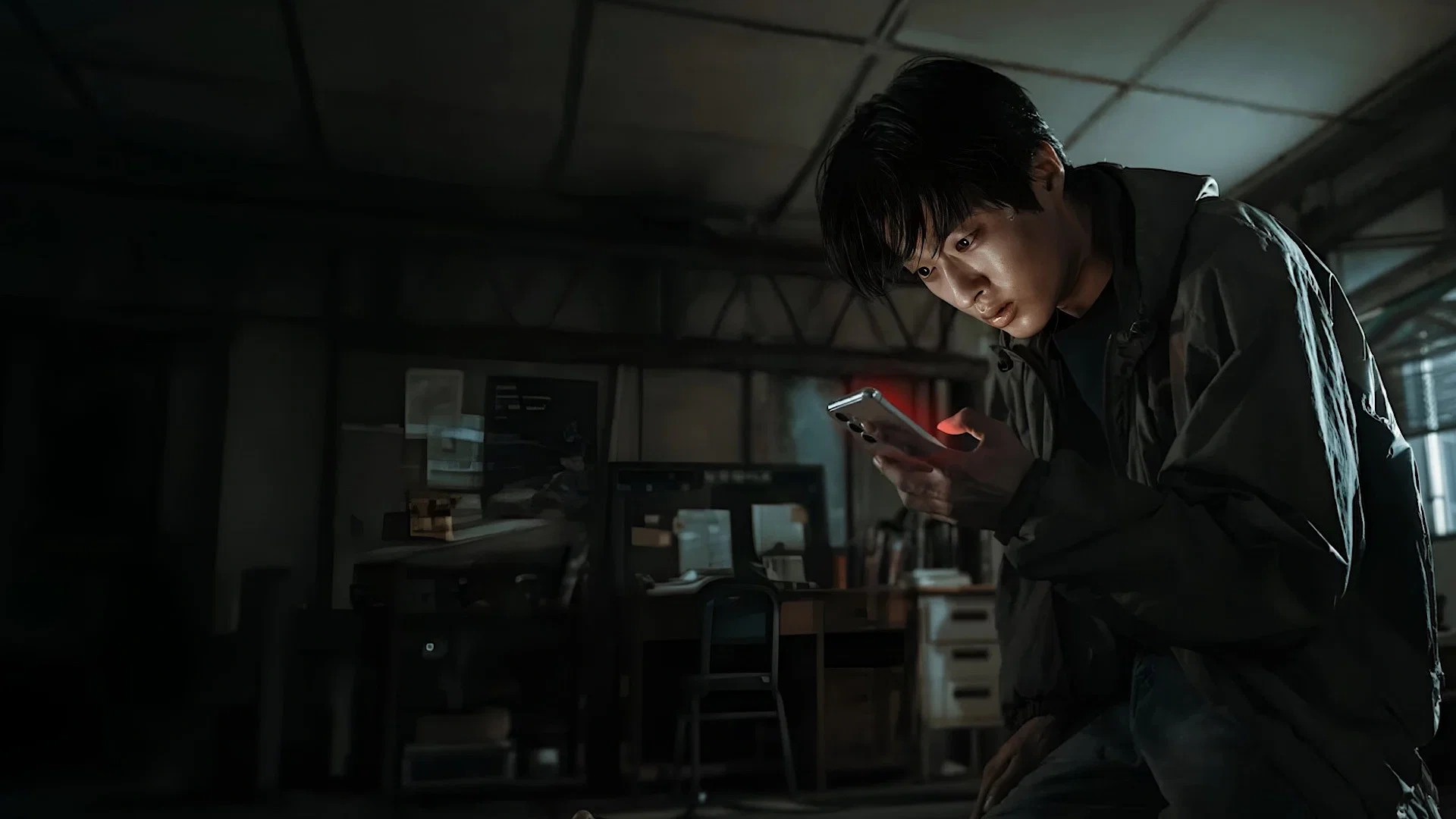
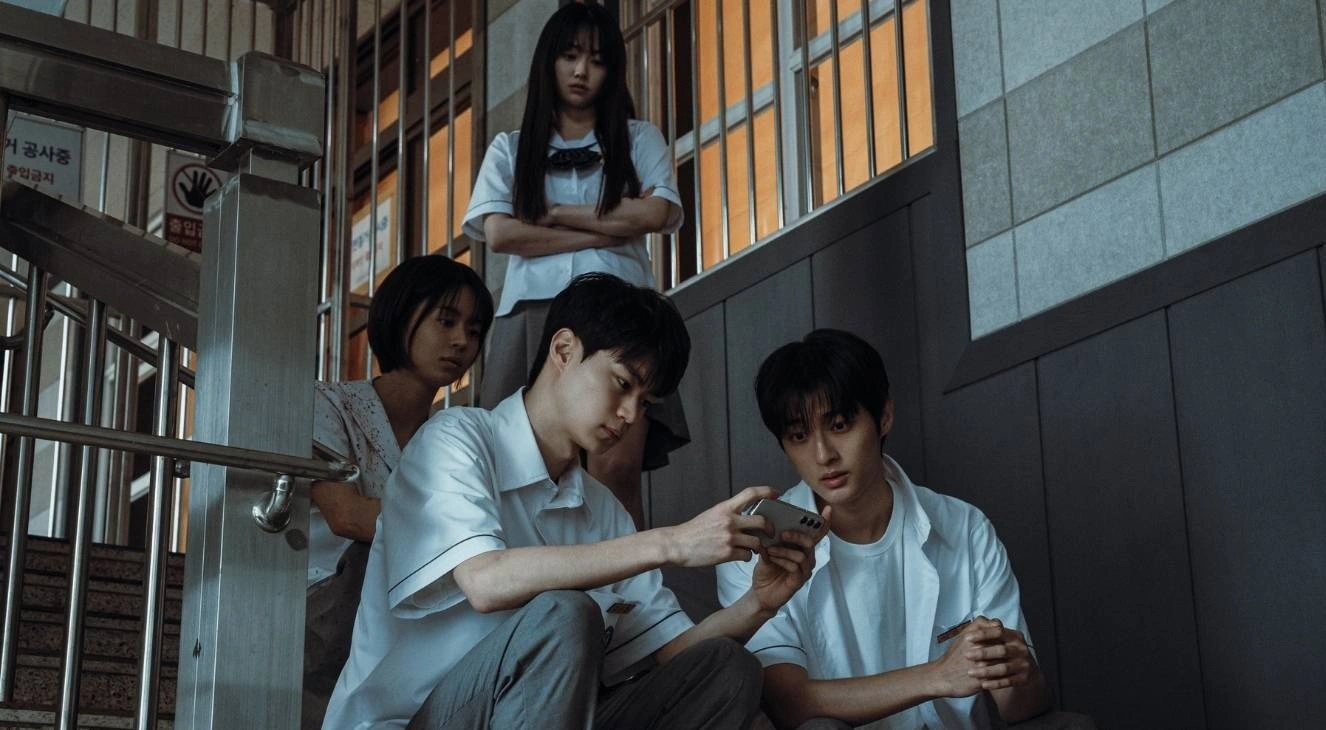
We meet five friends at Seorin High School, including runner Yoo Se-ah, her boyfriend Kim Geon-woo and her friend Lim Na-ri. They share the jokes, disagreements and secrets we expect among friends of their age. Then Choi Hyeong-wook uses the Girigo app, and the group becomes the target of a threat they do not know how to stop.
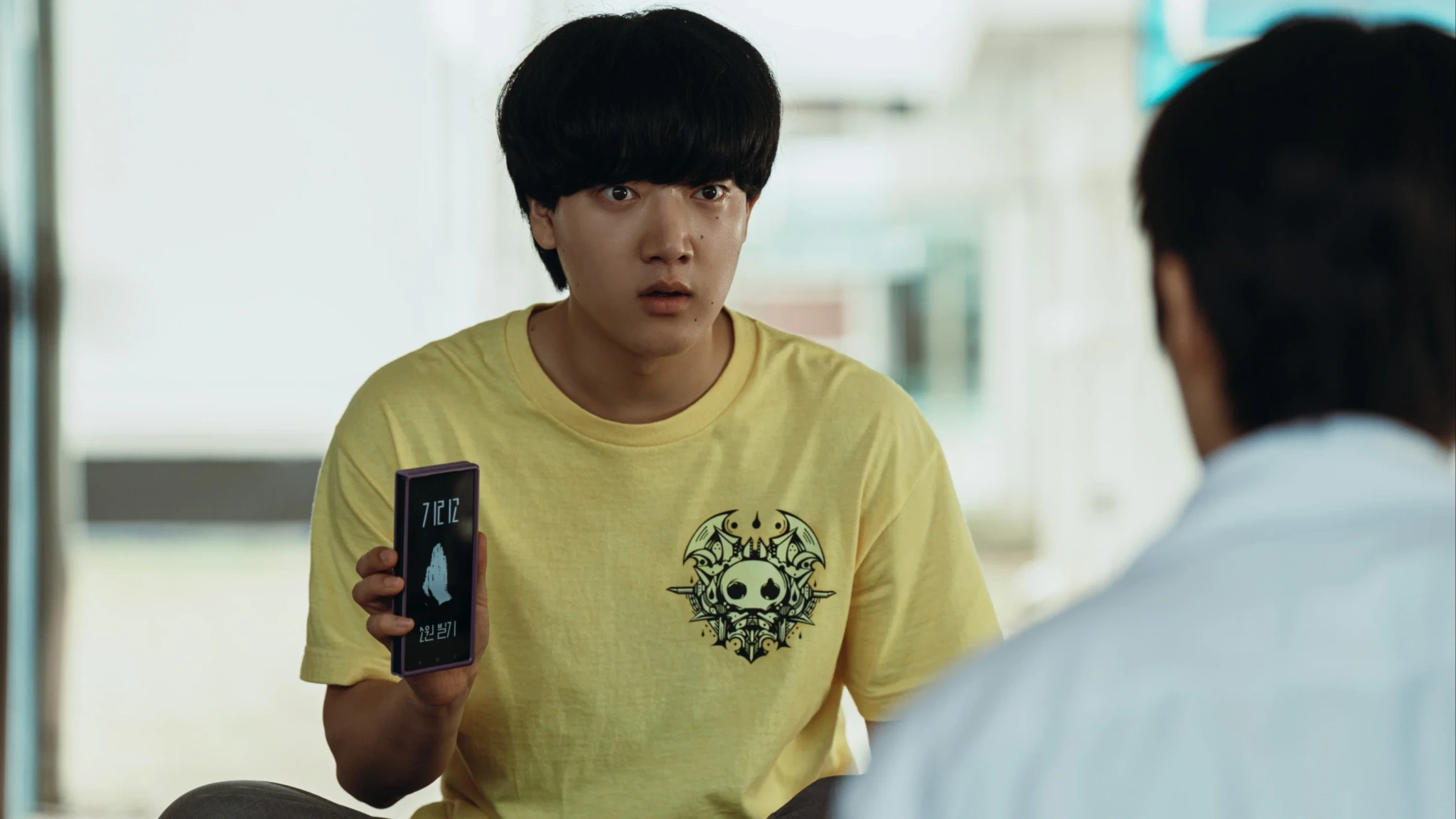
The app grants a wish but starts a countdown that ends in death. This simple rule makes the threat clear from the beginning. Every delay in understanding what is happening reduces their chances of survival, making the search for an answer urgent.
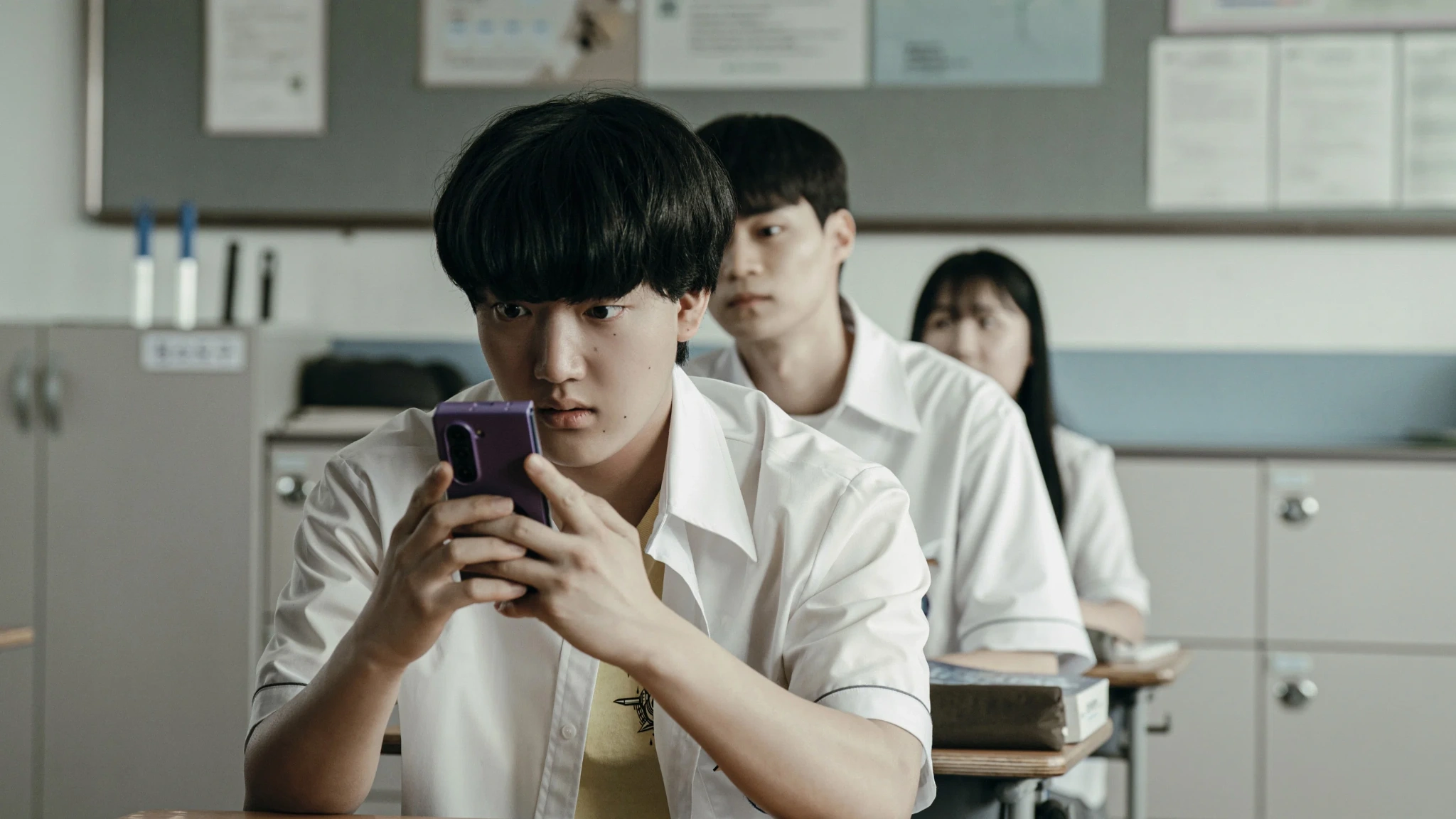
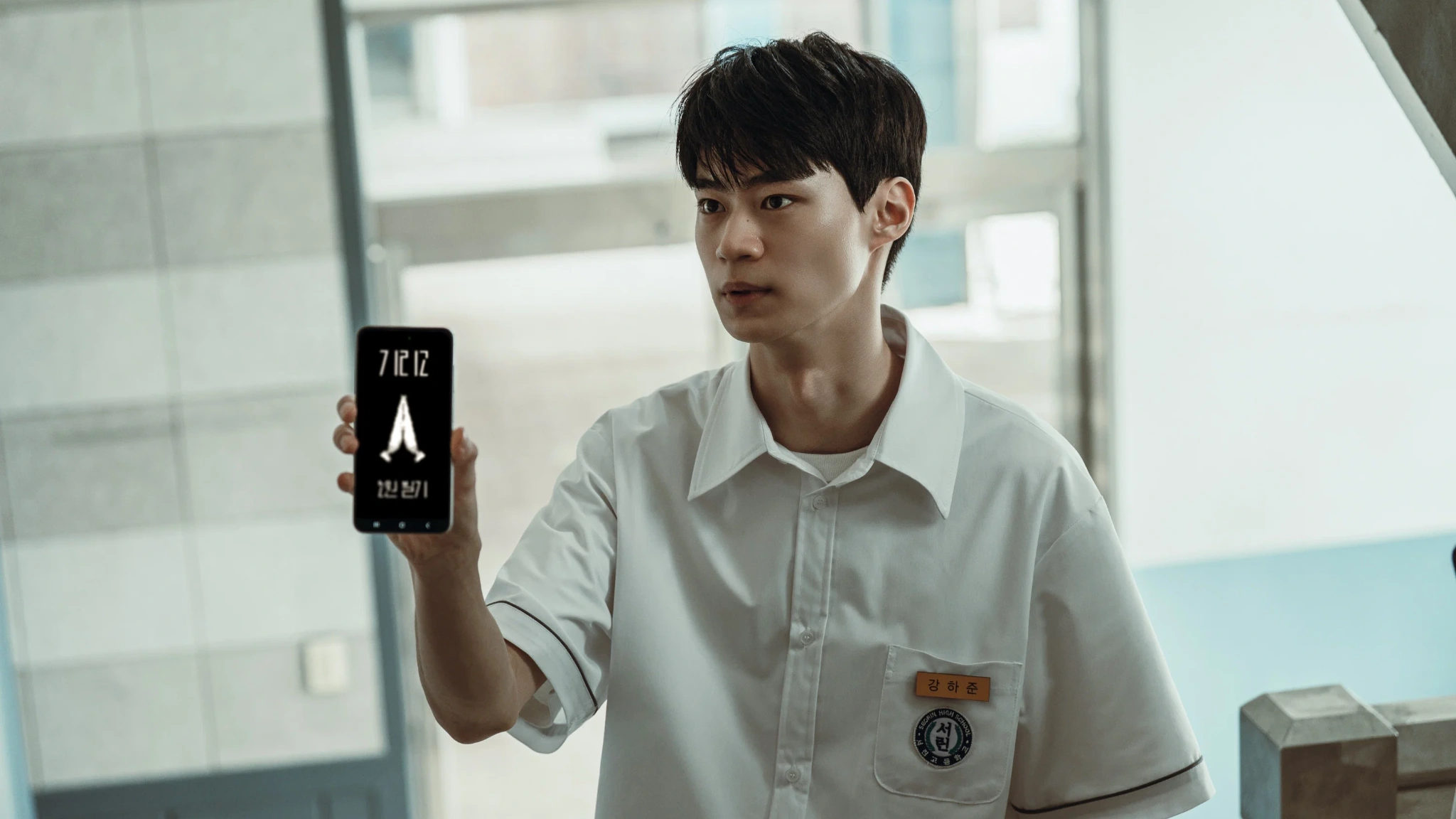
The first two episodes follow a familiar direction, but the series then expands its story. The friends begin investigating their connection to the app, where it came from and how the curse works. Some become endangered through other people's involvement, taking the problem beyond the person who first used the app.
This is where the writing successfully turns the struggle to survive into a test of relationships. The characters must cooperate, but they also carry feelings and secrets that make trust difficult. Suspense therefore does not depend entirely on the next scheduled death. We also wait to see what fear will reveal about these friends, and whether they can protect one another when each person's safety is at stake.
When friendship turns to jealousy
What draws us in most is the relationship between Se-ah and Na-ri. At first, Na-ri's sharpness and immature behavior seem tolerable within a group of friends. As events develop, it becomes clear that her resentment of Se-ah runs deeper than it appears, and that constantly comparing herself with her friend is turning into anger and a desire to possess what the other girl has.
The series understands how jealousy can hide within a friendship that has lasted for years. Someone can share laughter and time with a friend while remaining unable to accept that person's happiness or success. Here, danger gives those feelings room to surface, making it harder to rely on past closeness as a guarantee of loyalty.


Romantic relationships that have not been clearly acknowledged add to the tension. Some people know the truth about a relationship, others do not, and some are attached to someone whose feelings they cannot understand. These details make misunderstanding and jealousy part of the group's life before the curse grows worse.
The series offers a painful example of the pressure of other people's judgment when one character fears her background being exposed and damages the reputation of a friend who supported her. We understand her fear of embarrassment, but we also see the cruelty of what she does to someone who trusted her.
The story of Do Hye-ryung and her friend offers a useful comparison with Se-ah and Na-ri's friendship. Some parts deserved more time, however. The better we understand how the relationship deteriorated, the more painful its consequences become. The series gives us enough to follow the tragedy, while leaving aspects of both characters deserving further attention.
Searching for the curse's origins
With the arrival of Ha-joon's sister Haetsal and her partner Bangwool, the story starts moving beyond the phone. Their experience with rituals for dealing with spirits opens up different ways for the friends to understand what is happening, connecting the app to a curse with an origin and a history.
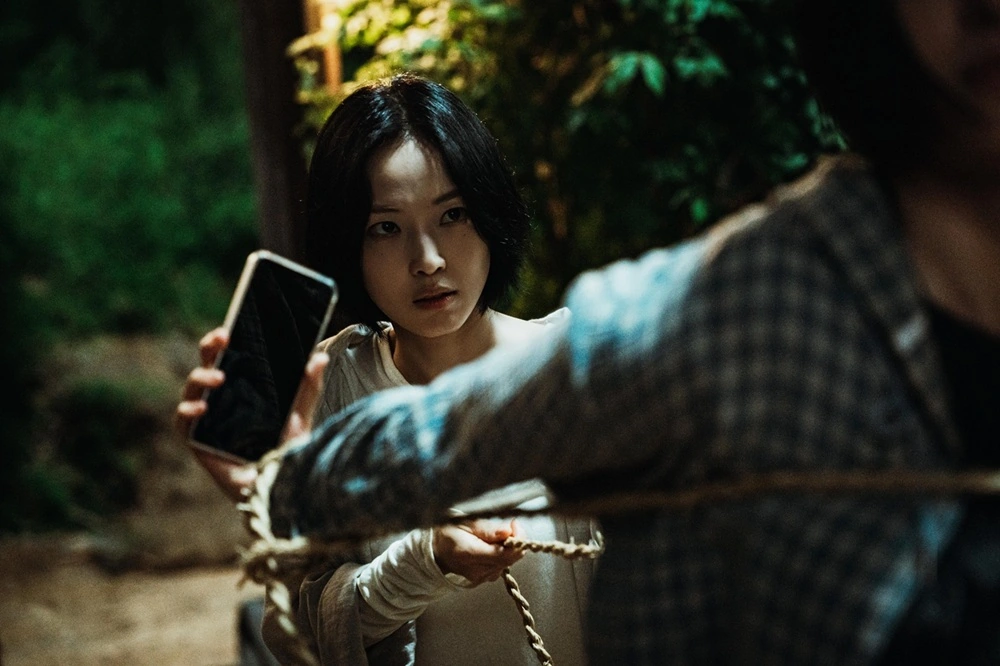
This expansion helps because it prevents the series from repeating the same situation in every episode. We move from waiting for the next victim to trying to understand the source of the threat and how it persists. Characters who initially seemed distant from events also become important in explaining them.
Looking back into the past gives the app more meaning than a mysterious tool that appeared to kill students. Learning what happened between the people connected to the curse's origins links the evil to earlier harm and deepens our interest in what the friends are trying to uncover.
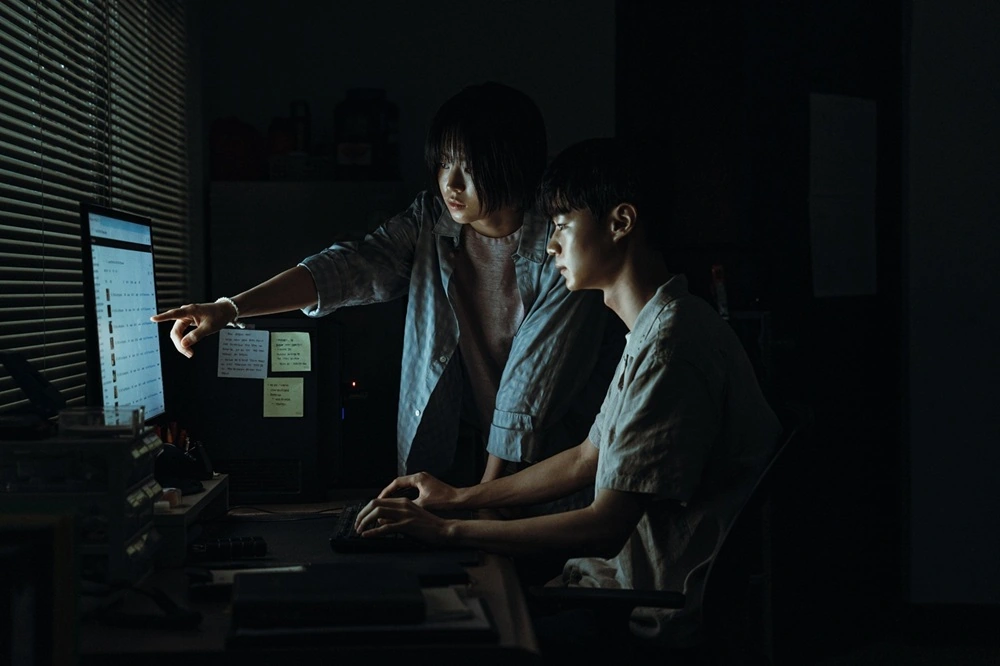

This part also contains the writing's clearest problems, though. Haetsal cannot leave the place where she lives, and there is an explanation for that, but her background is not made clear enough. As Bangwool's story develops, further questions emerge that the series does not find enough time to answer.
Some coincidences also let events advance too easily as the ending approaches. This does not remove the suspense, but it weakens our sense that the characters reached each step through what they did and understood. In a story where survival depends on discovering the curse's rules, precise explanations matter as much as the strength of the surprise.
Horror that strikes someone we care about
The violence in If Wishes Could Kill is harsh, and the series does more than suggest that its characters face death. The curse directly attacks bodies and puts central characters in painful situations from which a safe escape is difficult to predict.
One of the most disturbing examples is Geon-woo hurting himself while the curse controls him. The scene's force comes from his inability to protect his body and from our knowledge of his relationship with Se-ah and the group. We watch someone we have come to know lose control over his actions, making our fear for him greater than the anticipation of the entity pursuing him.
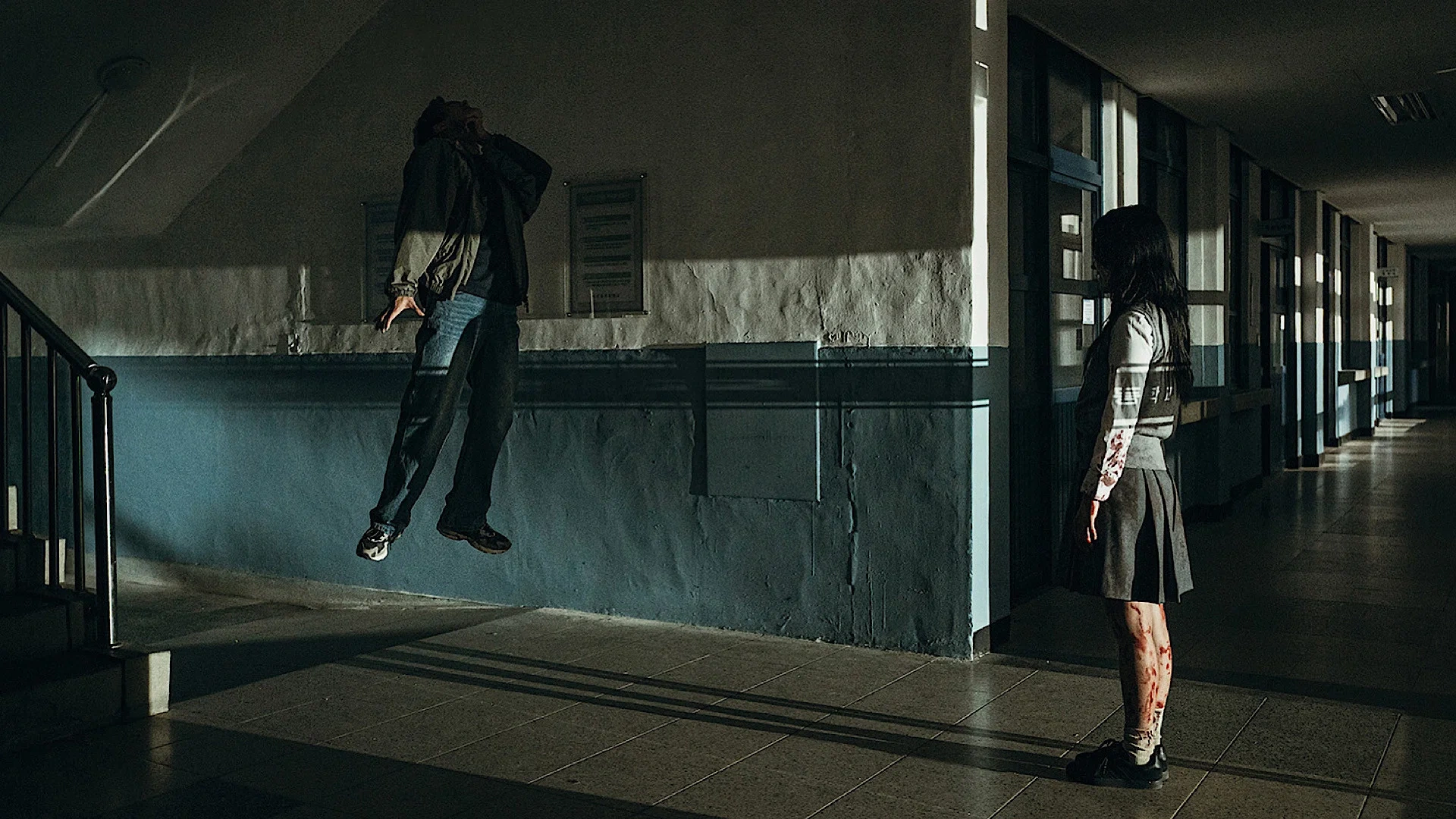
Se-ah's experience with the three doors inside her consciousness works for a similar reason. She must face her fears, and the attempt itself is suspenseful before it reaches failure and the frightening surprise that follows. The horror draws on our interest in what the character is trying to overcome, then uses shock at the right moment.
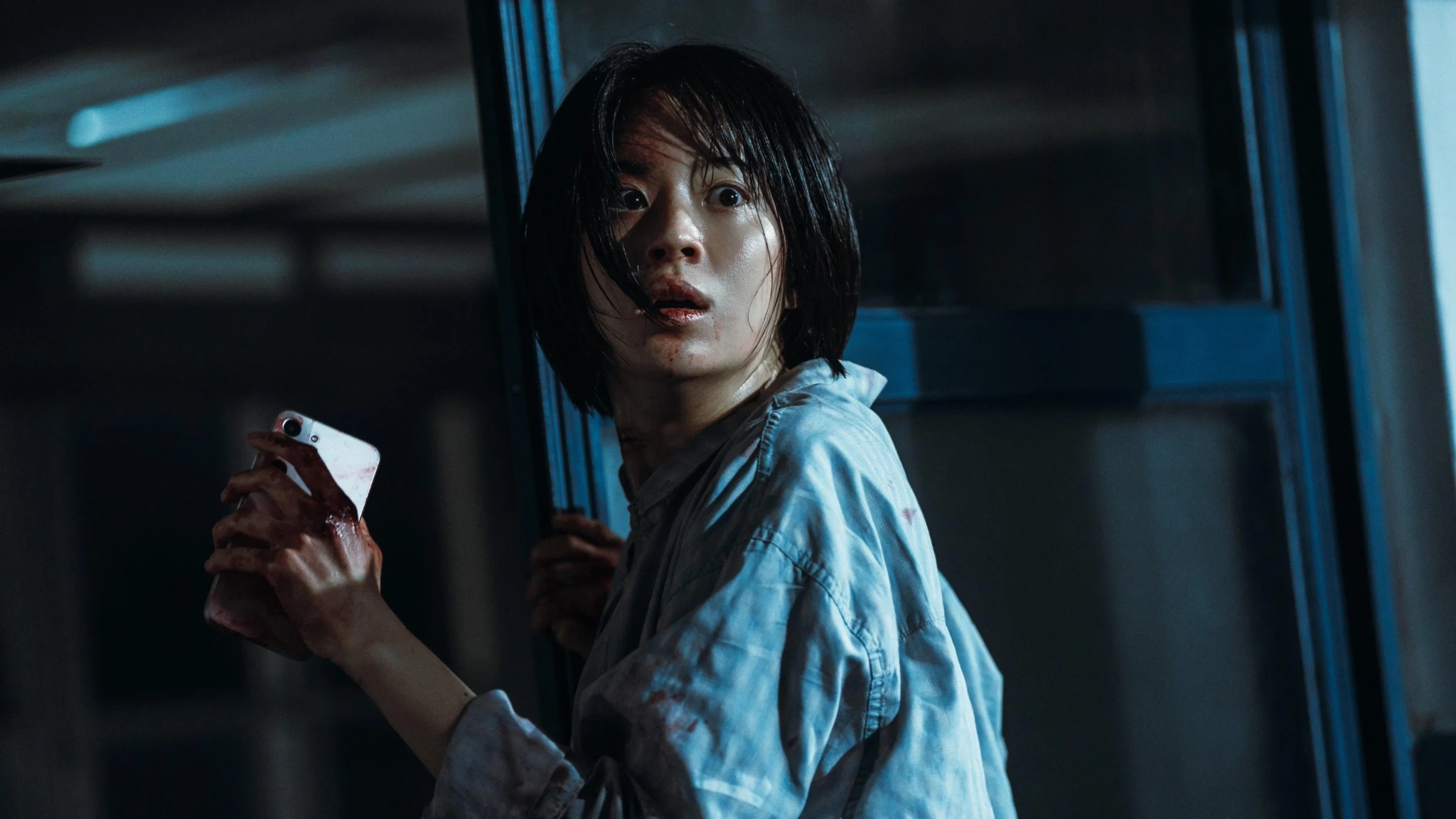
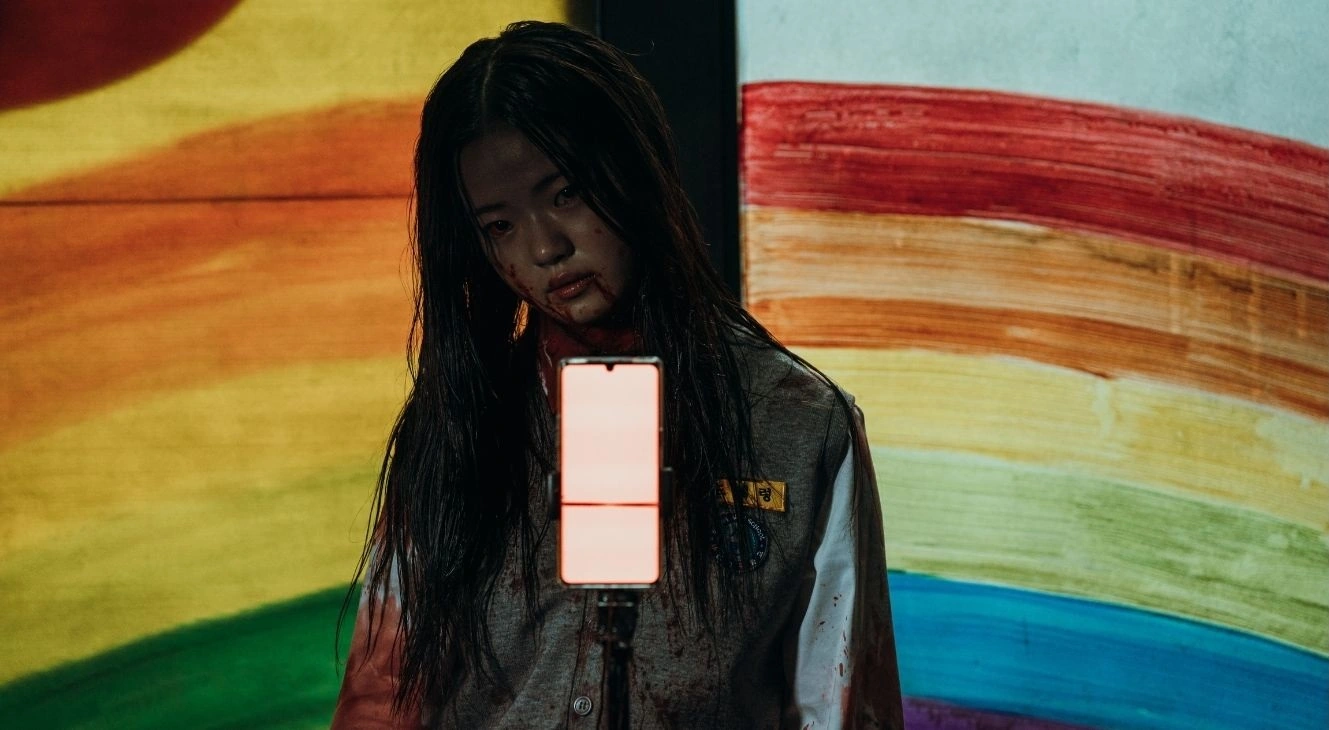
Visually, director Park Youn-seo gives the threat's appearances strong red colors, while white dominates Haetsal's space. The difference helps us sense a change of setting and atmosphere without needing an explanation each time.
Even more successful is the presence of horror in daylight. Light does not stop the danger, and open spaces do not automatically offer the characters relief. This allows the threat to pursue them beyond the darkness we usually expect in stories like this.
Yet as the entity appears more often and injuries increase, violence sometimes takes precedence over fear. Some late scenes shock us with their brutality more than they make us anxious about what might happen. That remains effective, but it is less varied than the anticipation that preceded the threat's revelation.
The cast carries the hardest part
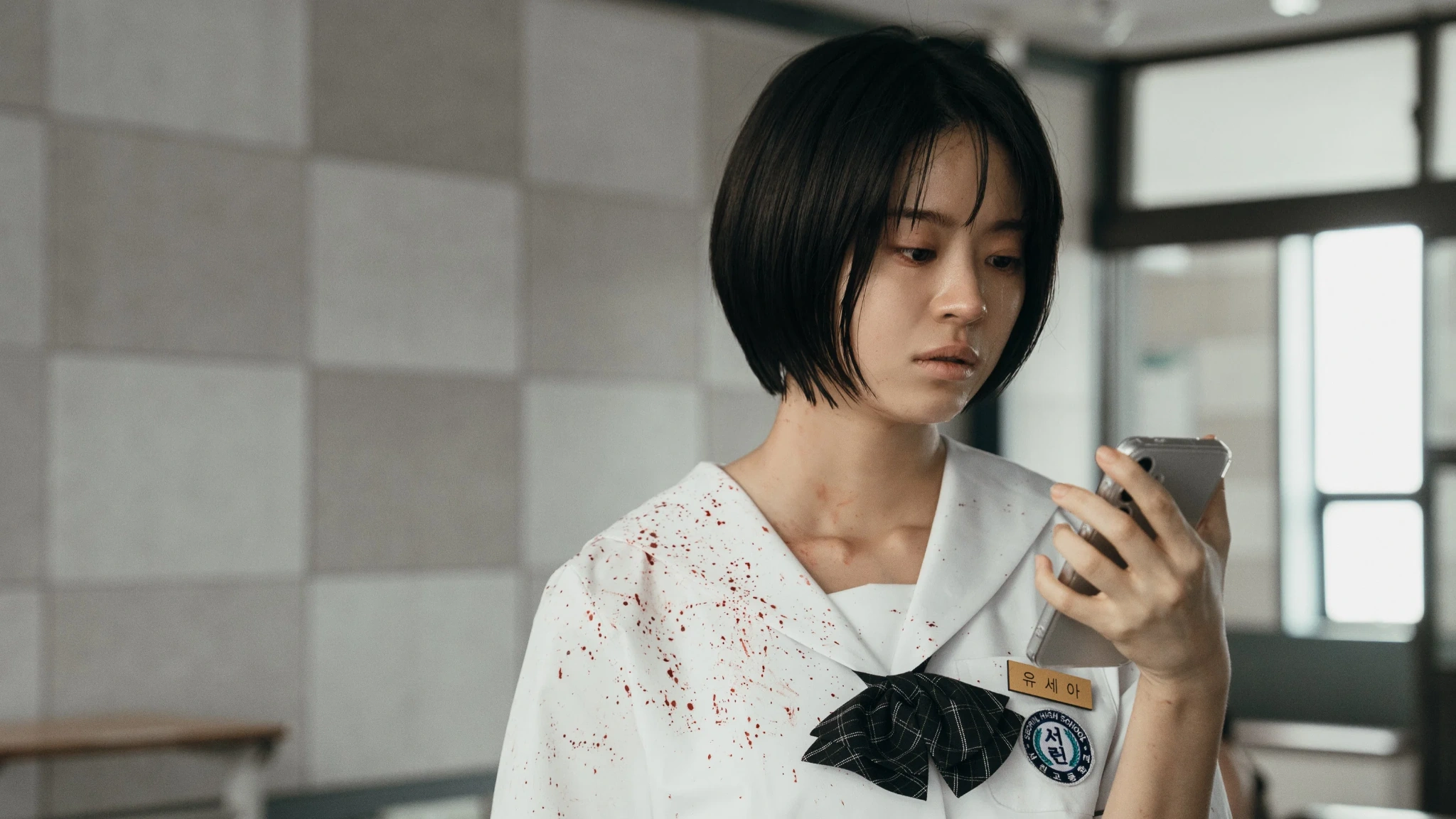
Jeon So-young succeeds in presenting Se-ah as a strong person who can still be hurt and frightened. She has the presence needed for a protagonist we follow through most of the story, and her attempts to survive remain understandable even as her surroundings grow more complicated. The strength of the performance does not hide the character's vulnerability, which is essential if we are to care about the danger she faces.
Kang Mi-na, meanwhile, delivers one of the most interesting characters as Na-ri. Her anger does not emerge all at once. She begins with behavior that can be explained as selfishness or immaturity, before jealousy and possessiveness take a larger role in her actions. This progression makes the clash with Se-ah convincing.
The actress keeps Na-ri compelling even when her behavior becomes repellent. We want to see what she will do while recognizing the harm she causes. This matters for a character who could easily become merely an evil friend obstructing the heroine.


Lee Hyo-je also deserves particular praise as Hyeong-wook. His early social awkwardness makes him someone we can sympathize with, before his physical performance changes as the curse takes control. He combines the fear he inspires in others with the pain that reminds us he is also a victim.
Kim Si-a likewise conveys Do Hye-ryung's innocence and inability to confront what is happening to her, making her story in the past painful. Having actors who can make these emotions clear protects the series from becoming a sequence of injuries and surprises happening to people we do not care about.
The comedy needs more precise timing
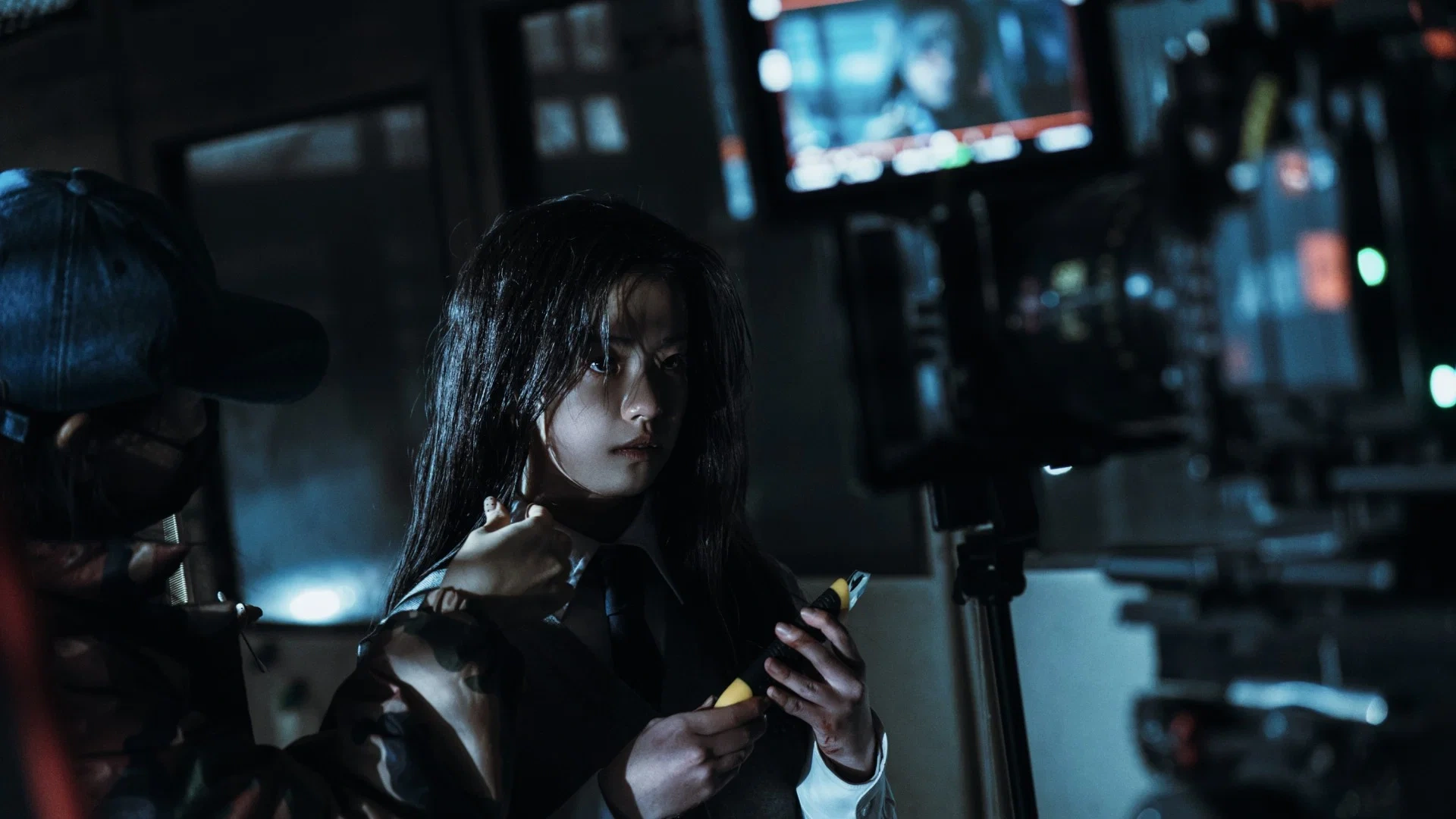
Bangwool, played by Roh Jae-won, brings a lighter side that often works. His interaction with Ha-joon gives the viewer a chance to breathe, and some jokes arise from differences in the characters' behavior and expectations.
A good example is the group's search for someone connected to the first victim, only to discover that he is different from what they expected. The situation allows us to laugh at the reaction itself without stopping the story to insert a separate joke.
The lightness does not always work, however. Some sound effects used to emphasize how funny or cute a situation is feel excessive, while the chase near the series' midpoint contains humor that does not quite fit the surrounding danger.
The problem lies in the joke's timing and presentation. Bangwool can be funny and then act seriously when others need him. When the sound or situation insists on asking for laughter, though, returning to fear becomes a little harder.
Final verdict
In conclusion
If Wishes Could Kill succeeds because we care about its friends before we understand every detail of the curse. Jealousy, shame, the desire for acceptance and romantic secrets make their decisions understandable even when they are harmful. Strong performances give these conflicts an impact that lasts beyond the violent scenes. The series is not tightly constructed in every detail. Some explanations are incomplete, coincidences occasionally smooth the way, and the comedy does not always respect the tension of the moment. Increasing bloodshed near the end also reduces the room for fear built on anticipation. These reservations do not overshadow the enjoyment of the experience, however. This is a horror series that knows how to tie danger to its characters, offers friendships we cannot easily trust, and delivers harsh scenes that mostly work because we fear for the people inside them. It is worth following for what it offers across its eight episodes, while needing clearer control of some of its story's rules. My rating for the series: 8 out of 10.
Your turn
Which disturbed you more: what the curse does to the students, or what it reveals about their relationships?
AUDIENCE VOTE
Do you agree with the MB rating?
Choose once from this browser. You can change your answer at any time.