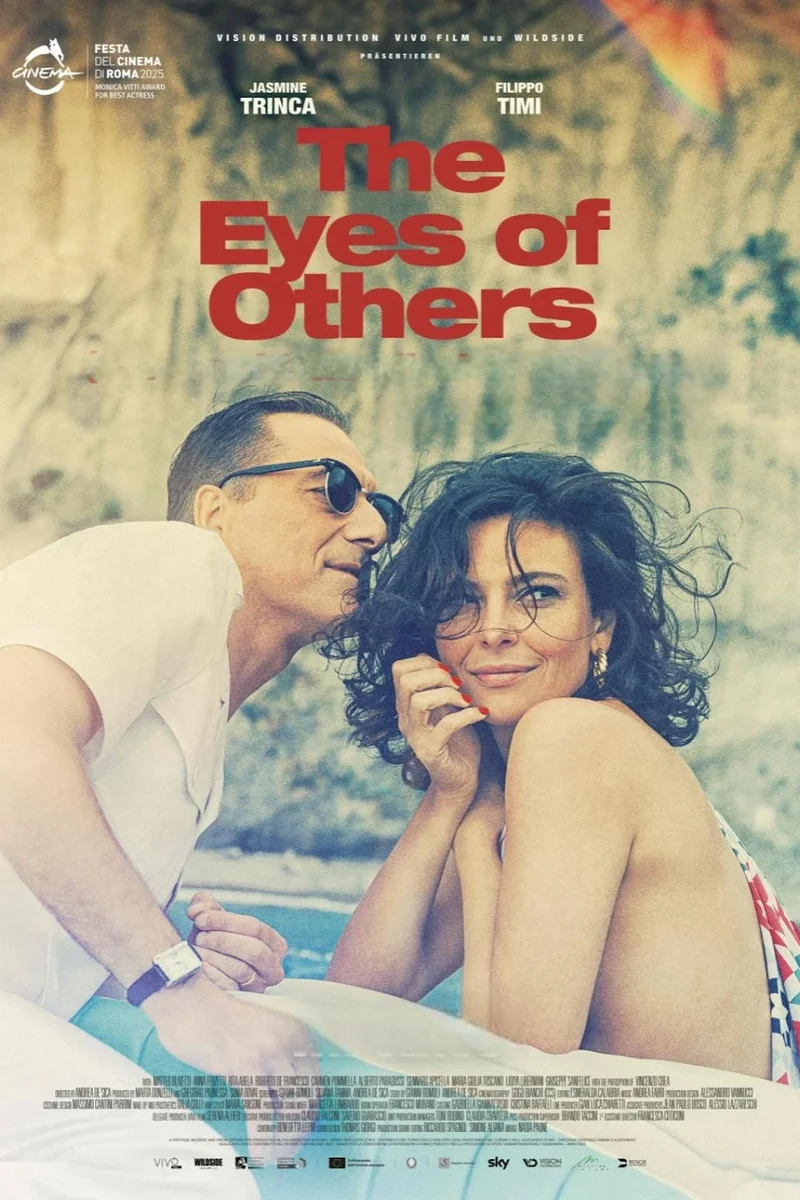
02 / The review
8 CHAPTERSScreenplay and dialogue
The story takes place in the 1960s, inside an isolated villa on a private island owned by a wealthy, bored marquis. Elena, played by Jasmine Trinca, arrives and begins a relationship filled with desire, jealousy, surveillance and manipulation. At first, the relationship offers a space for freedom, play and crossing boundaries, but that space gradually becomes a struggle over control and an expression of obsession.
The film is loosely inspired by Italy's notorious Casati Stampa murder case, but does not attempt a direct historical reconstruction. Director Andrea De Sica was more interested in what lies behind the familiar image of that era, in the relationship between power and desire, and in how power can shift from a means of control into a cause of its owner's destruction.
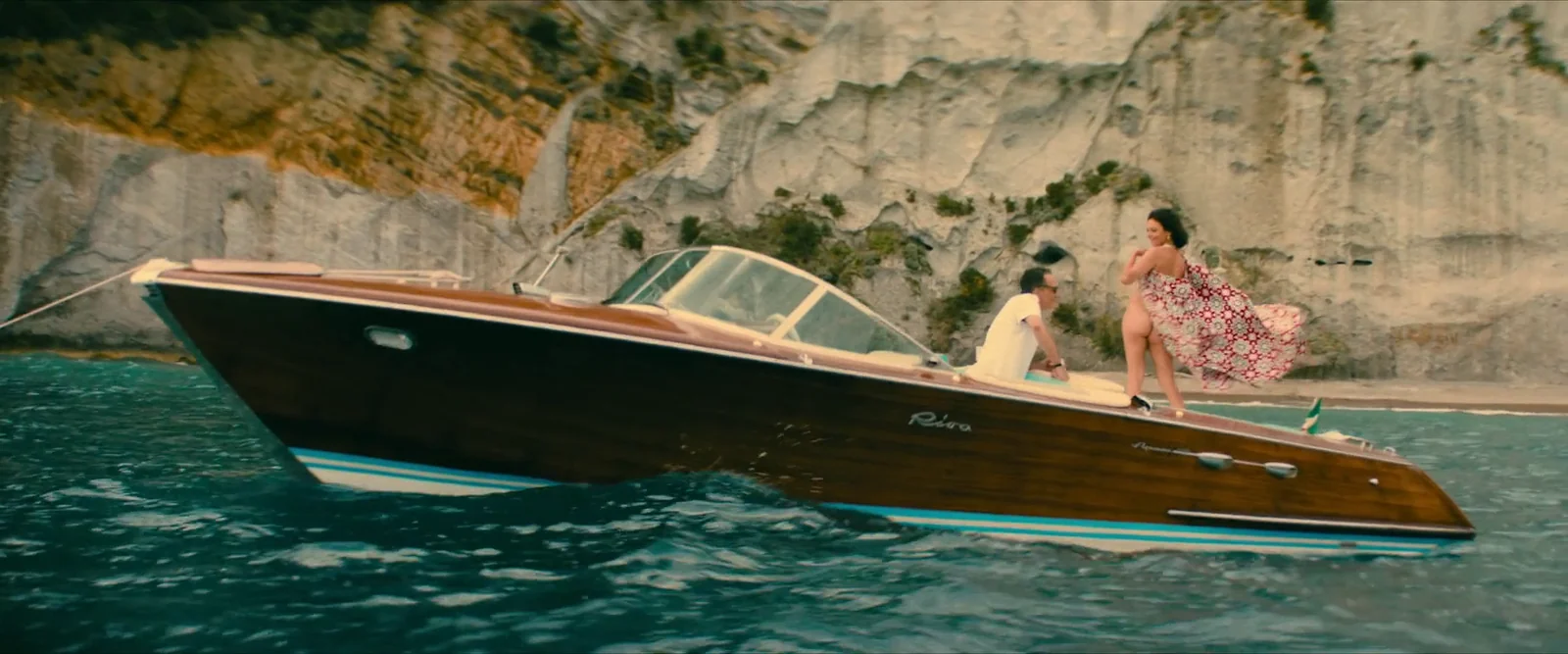
I consider this a very important point, because the film does not simply want to tell us, 'This is the story of a jealous man and a woman seeking freedom.' Its central idea is broader: who has the right to look? Who has the right to be the person watching and controlling the image?
This is where the title The Eyes of Others comes in. The gaze is not merely a way of seeing other people; it becomes a tool of power and control.
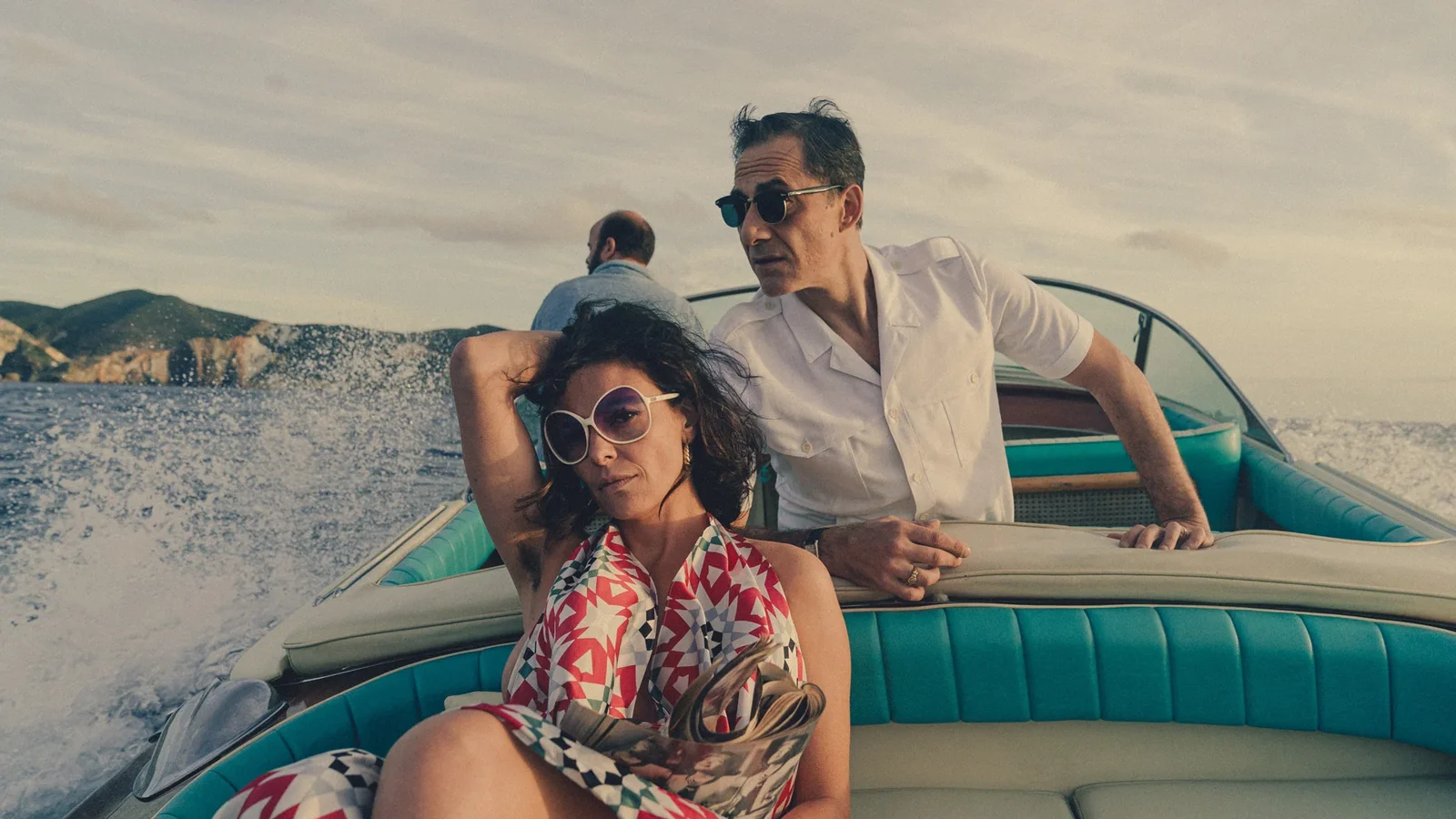
Elena… a search for freedom
Elena is one of the best things the film attempts to present. The director sees her as the only character who undergoes a real change, while the marquis remains almost the same from beginning to end. This difference is the most important source of meaning in their relationship.
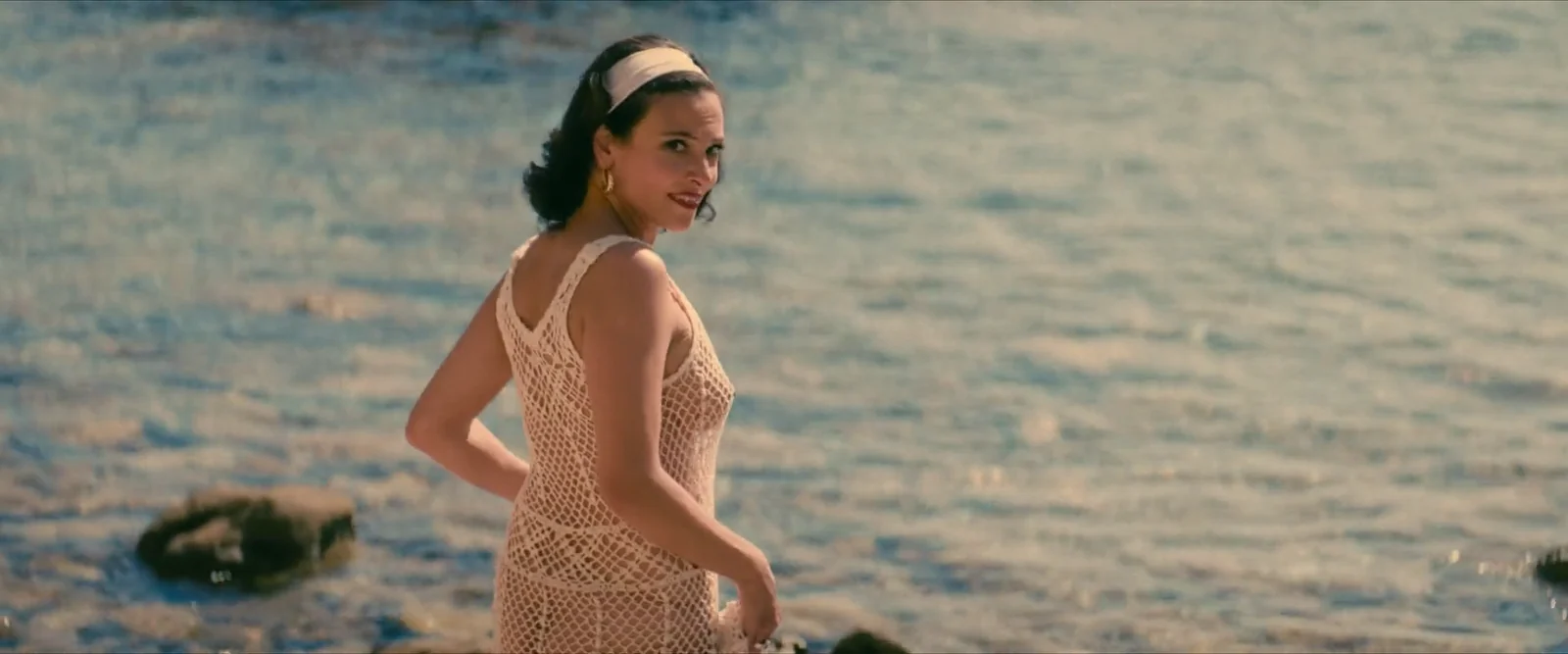
Elena enters this life looking for her place and a measure of freedom. She goes through an experience that allows her to express her desires more freely. Over time, however, the game reveals another side: a relationship that initially appears to be based on participation can become one controlled by a single person.
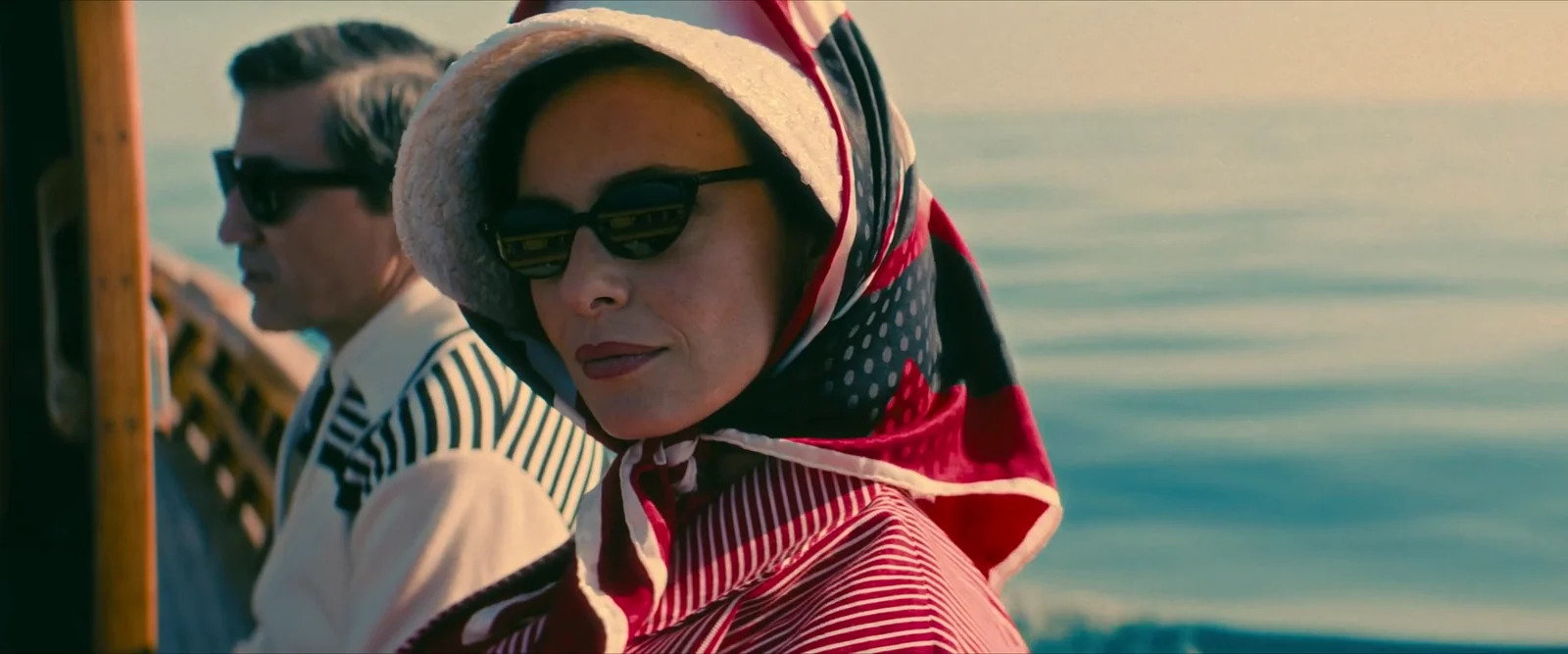
Her transformation is therefore more than a shift from one emotional state to another. It is an attempt to regain control over her life, her body and the way she wants others to see her.
Interestingly, the director did not want to present her merely as a victim. On the contrary, he wanted the viewer to feel by the end that she had overcome this situation and reached a degree of liberation. That is precisely what makes the ending more tragic.
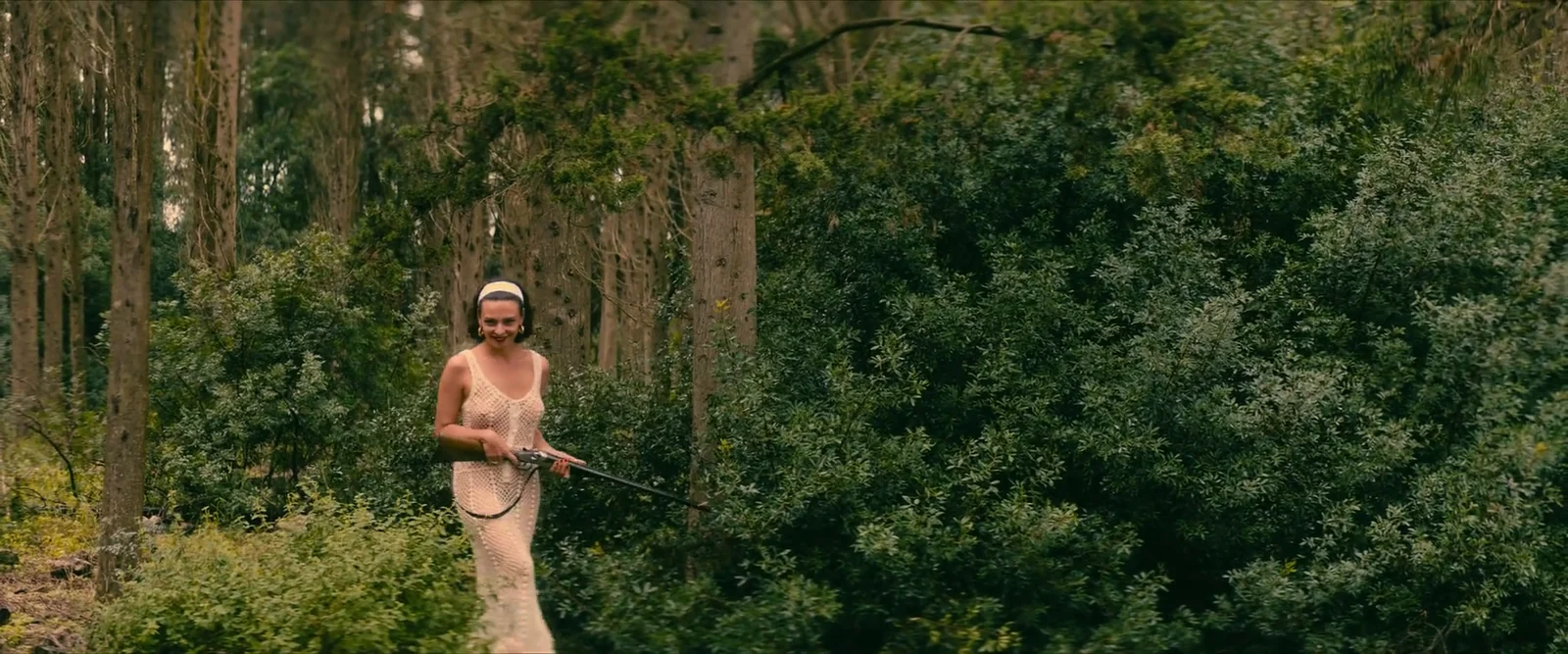
The marquis… power becomes a prison
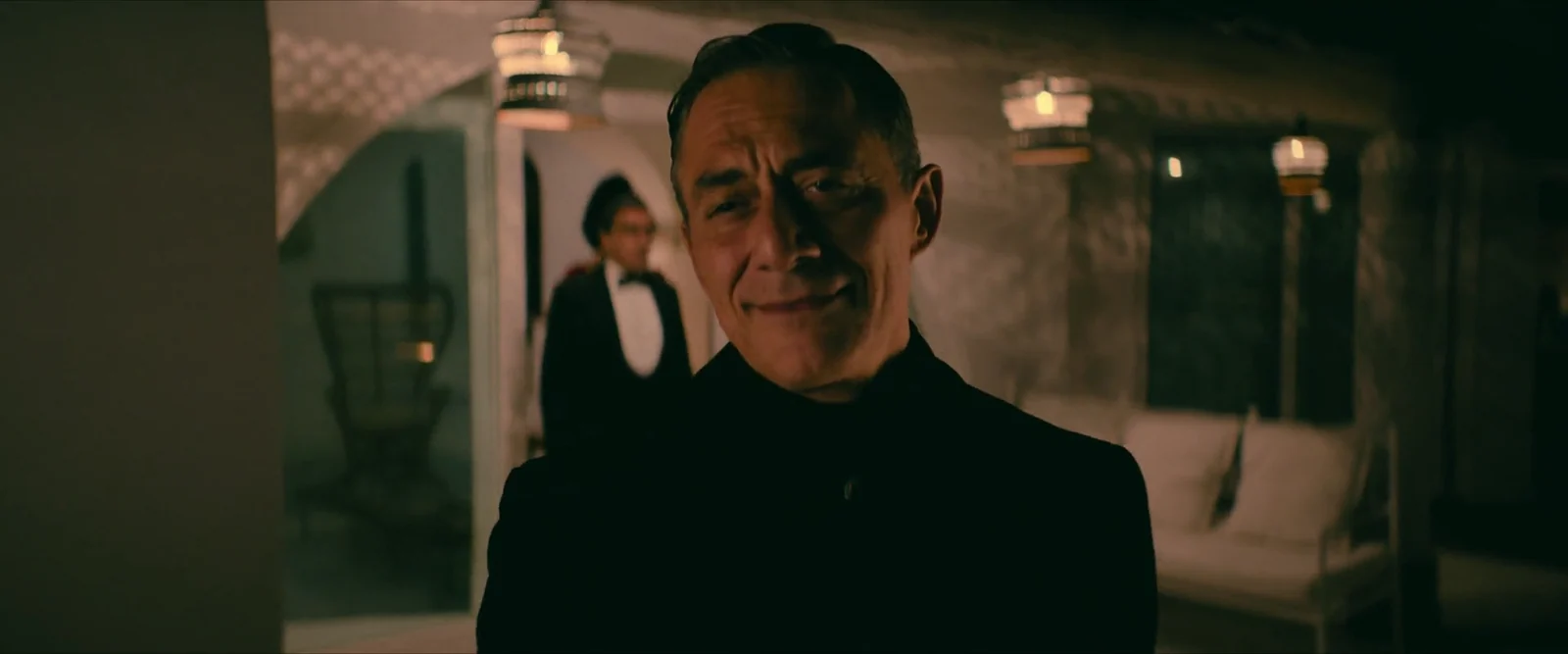
The marquis represents the film's darkest side. He possesses money and status, but increasingly seems to have nothing else through which to prove his existence beyond economic power and control over those around him.

This makes the film's idea clearer: the power a person uses to control others can eventually become a prison for that person, too. The director describes a character who initially appears solid and composed but conceals a fragility that gradually emerges. He sees him as an example of a form of toxic masculinity that remains recognizable today.
The problem is that this good idea does not always come across with the necessary force. Sometimes the film settles for placing the character in a dark, symbol-heavy atmosphere instead of making his dramatic development convince us. Worse, he does not change as Elena does. Much of the conflict therefore rests on one character moving forward while the other remains stuck in place.
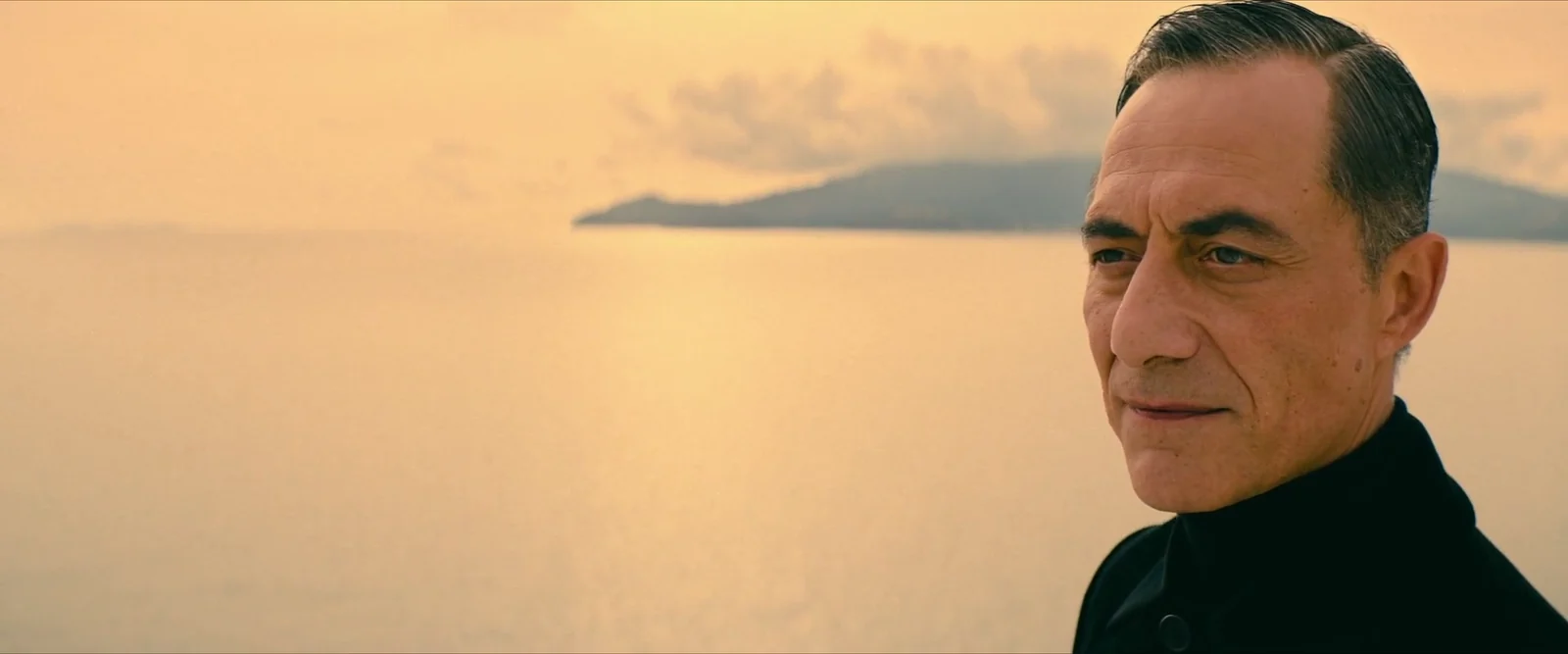
The gaze… owning the image
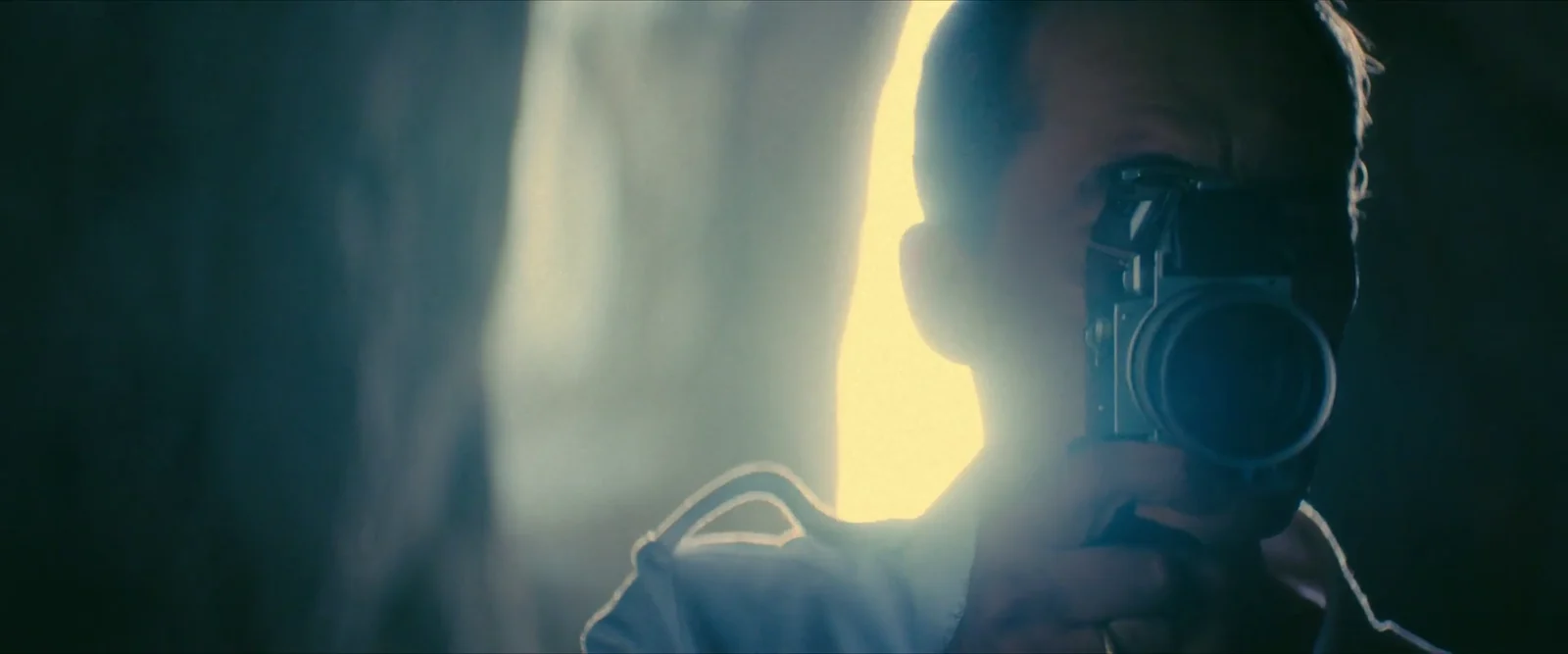
The concept most worth discussing in The Eyes of Others is watching. The marquis is not content simply to live his relationship; he wants to observe it, document it and put himself in the position of the person who owns its image. The camera itself becomes part of the idea.
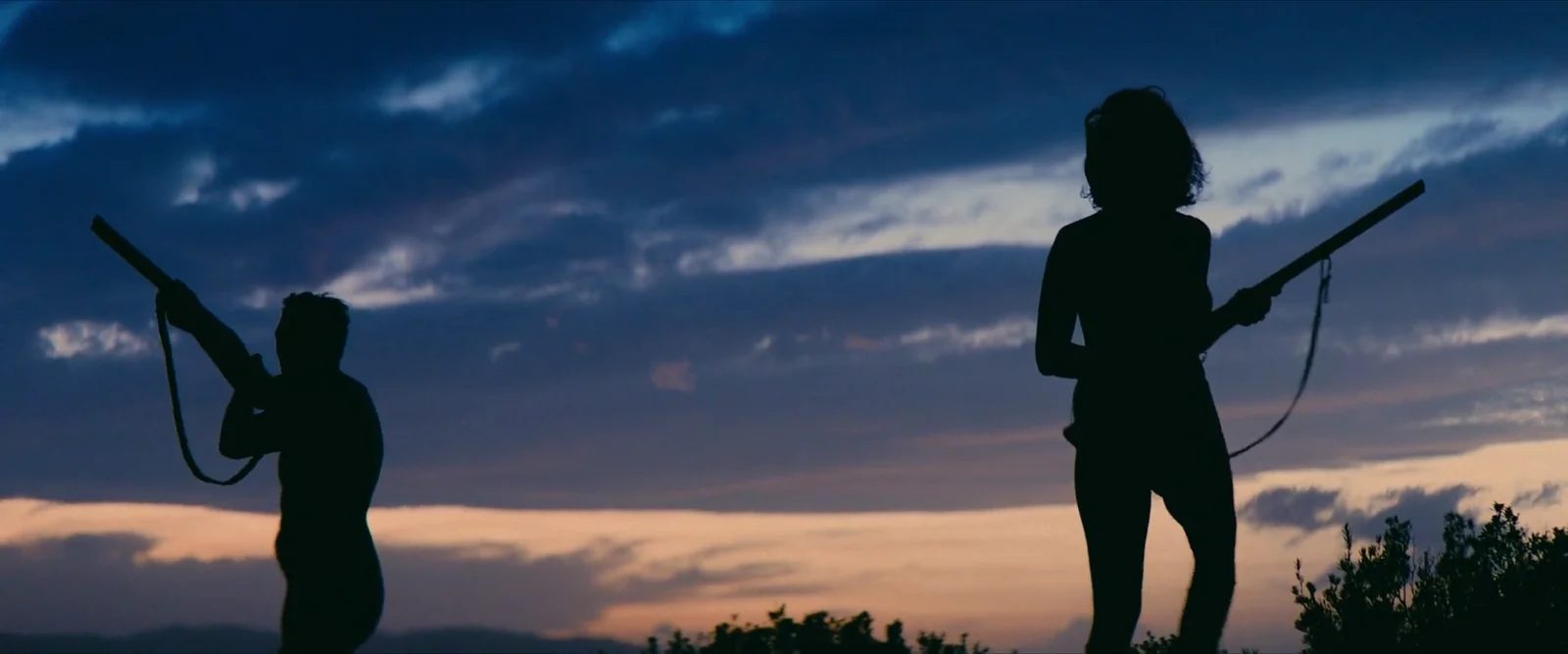
The director points to the striking overlap in English between shooting a picture and shooting a gun. He considers it no coincidence that the marquis both photographs and kills. For him, the idea concerns the power held by someone who looks at others and decides how to see them.
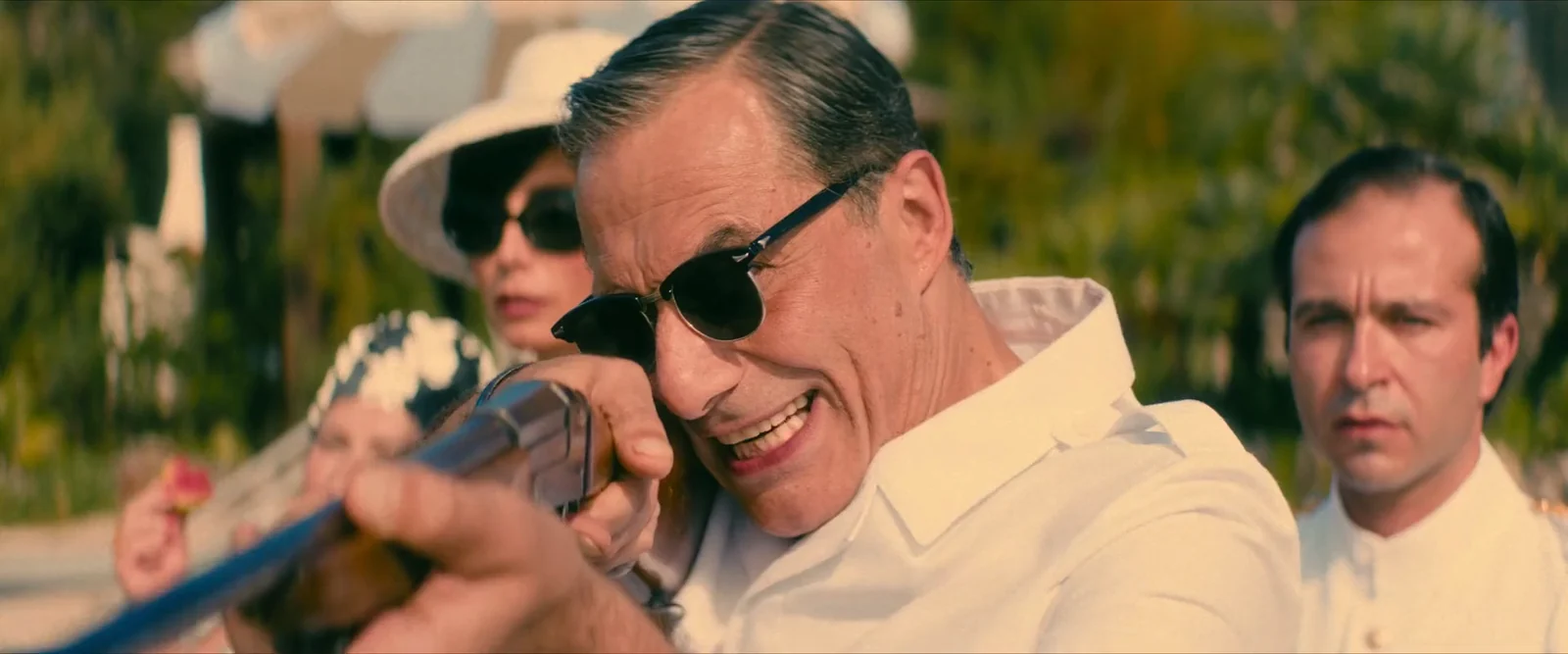
This really is one of the film's smartest ideas, because the marquis wants to possess not just other people but their images as well. Once again, though, the problem is not the idea but its execution.
The film sometimes makes us aware that it wants to say something profound instead of letting us discover the meaning for ourselves. As scenes built around looks, dim lighting and sensual atmosphere accumulate, the sense that the film is explaining itself visually becomes excessive.
Sex… between drama and spectacle
This brings us to my biggest problem with the film. The sexual relationship could have been one of its most important tools for expressing power, jealousy, surveillance and collapse. Yet the opening devotes so much time to these scenes that roughly the first thirty-nine minutes rely heavily on sex, shadows and dim lighting.
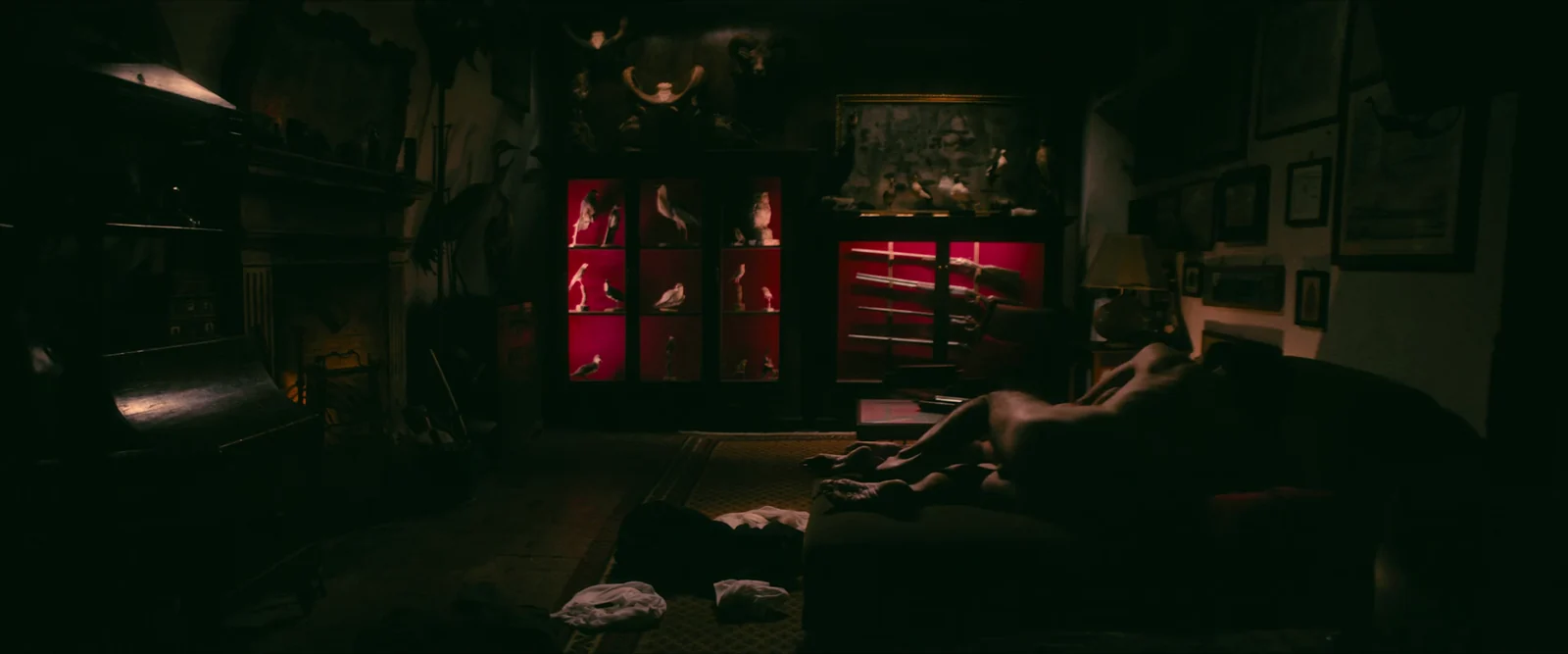
This creates a real disconnect between the film's intention and what reaches the viewer. These scenes should help us understand the relationship more deeply or make us sense something dangerous gradually taking shape. But when they become a repetitive spectacle, they lose their dramatic function.
Sex here should carry clear psychological and emotional consequences and increase the tension between the characters. Instead, at times it becomes little more than visual movement, poses and sensual scenes, while the real drama seems to be waiting somewhere else. This is a major reason the film fails to sustain my emotional involvement.
When tragedy becomes unintentional comedy
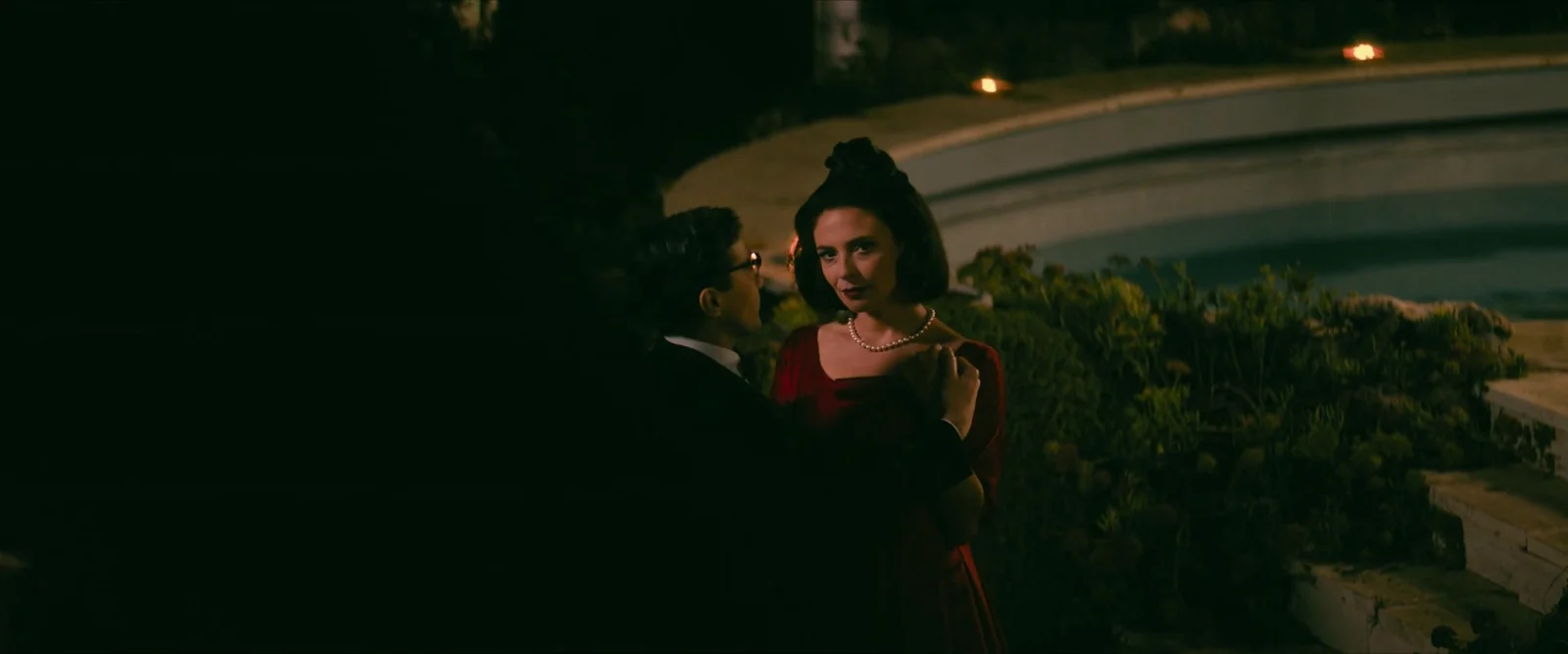
The bigger problem is that the film's chosen style produces more than boredom. Sometimes it produces something worse: laughter where nothing should be funny. The review I drew on argues that the film begins as a drama about desire and power, then gradually slips into something resembling unintentional comedy because of its exaggerated opening scenes and the way certain places and situations are presented.
I consider this a fundamental point. The film wants us to believe in these characters' tragedy, but some of its visual and dramatic choices make it difficult to treat them with the necessary seriousness. Even the scene meant to represent the countess's separation from her husband becomes closer to a moment of satirical tragedy.
Once you reach this stage, the problem runs deeper than a single bad scene. You no longer feel that the film is guiding you toward tragedy; instead, you are watching the way it tries to manufacture tragedy. That is a significant difference.
Performances… serious work constrained by the scenes
Jasmine Trinca plays the film's most complex character, which suits the nature of the role. The director spoke about their longstanding trust and said it helped her portray the character without judging her. He also felt the role allowed her to reveal a different side of her femininity and freedom through a clear journey toward liberation.
Most importantly, the character does not begin with all the answers; she changes through experience. Filippo Timi, by contrast, presents the marquis as a dark, unchanging figure who carries an inner fragility despite his appearance of strength. This difference between the two performances serves the film's central idea.
Even with serious performances, though, the actors remain trapped by the way the scenes are written. If a scene is exaggerated, overlong or designed in a way that makes the situation feel artificial, a performance alone will struggle to save it.
Direction… beyond nostalgia for the sixties
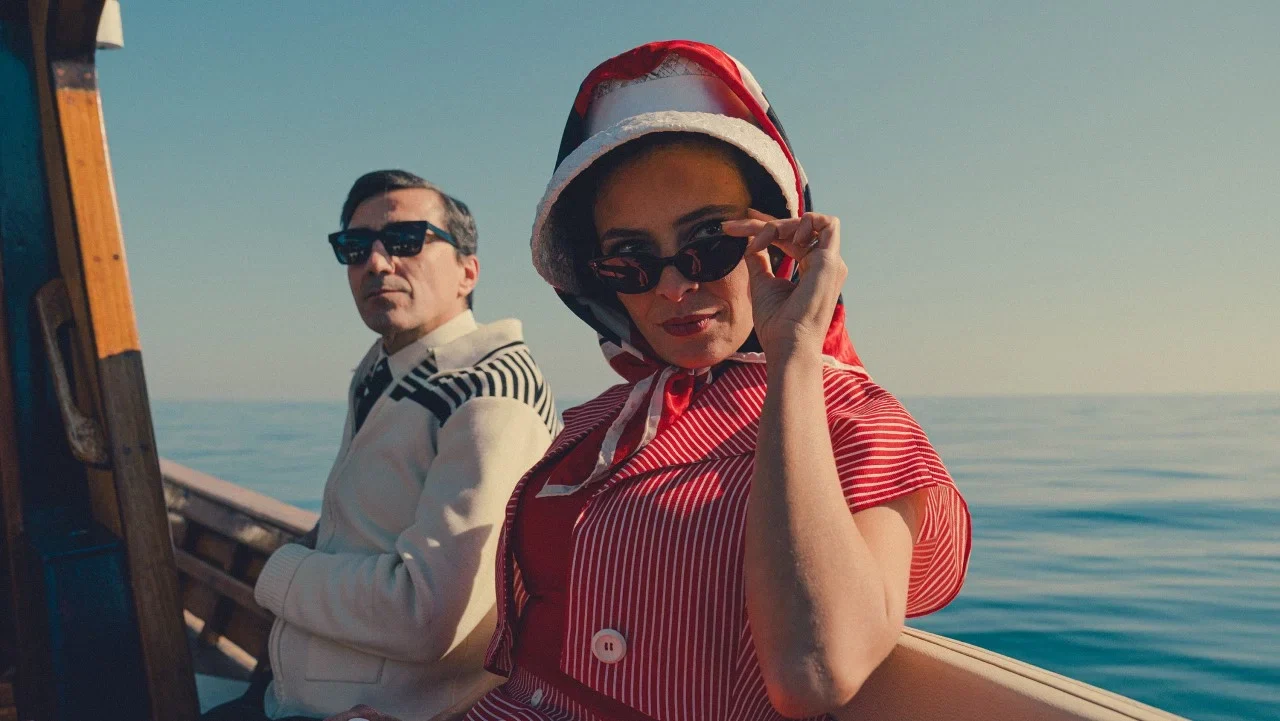
The director was very clear about wanting to avoid making a nostalgic film about the 1960s. He explicitly says he did not want to reproduce a romantic image of the period, but to explore what is hidden behind the idealized image of Italy that collective memory still holds of that time.
That ambition is clear in the atmosphere. The isolated island, the luxurious villa, the characters steeped in boredom and the reliance on dim light and shadows all serve the idea of a closed world living apart from everyone else. Yet the direction falls into a recurring problem: visual beauty does not always become drama.
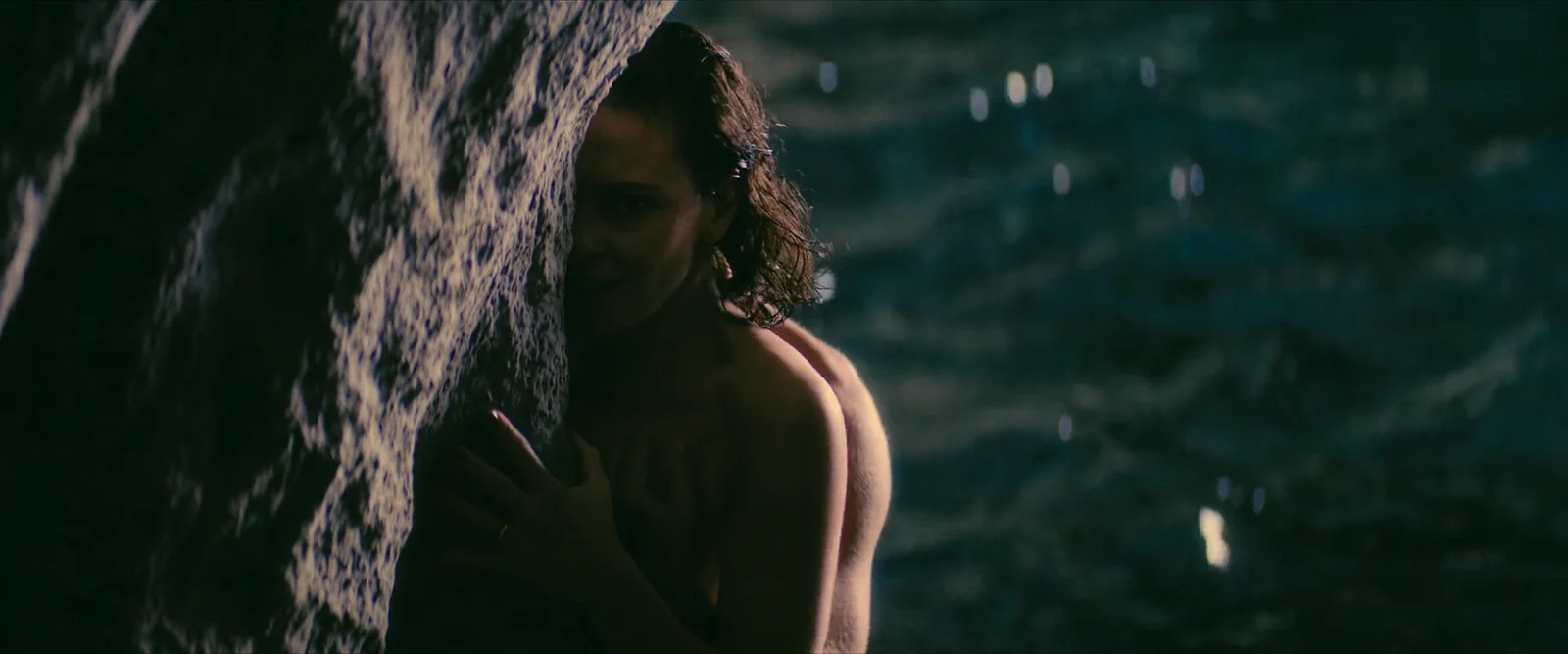
The image may suit the idea, but an image alone is not enough. When everything is calculated to seem mysterious, sensual or aristocratic, these elements gradually lose their impact. Instead of feeling that a world is suffocating from within, you may sometimes feel that you are watching a collection of shots that want to look profound. That is precisely what left my experience wavering between interest and boredom.
03 / Final verdict
Final verdict
This is a film with an excellent subject and characters who could have produced a very powerful psychological drama, but it does not consistently turn its ideas into a cohesive, convincing experience. I understand what Andrea De Sica wanted to do: explore power and desire, a man trying to control images and other people, and a woman using that space to reach a greater degree of freedom. These are good, interesting ideas. For me, though, the problem is that the film cares far more about appearing profound than about making the drama itself profound. Visual beauty and atmosphere do not make up for the weaknesses of some scenes. The long sexual scenes lose their value when they do not add enough to the characters, and some moments meant to be tragic produce the opposite effect. Ultimately, we are left with a film that wants to explore the gaze, control and obsession, yet frequently becomes a prisoner of the gaze and of appearances itself.
Your turn
Do you think the film failed to turn its good ideas into convincing drama, or are its visual style and exaggerated presentation of the relationship essential parts of its concept?
AUDIENCE VOTE
Do you agree with the MB rating?
Choose once from this browser. You can change your answer at any time.