The review
Screenplay and dialogue: a bargain for freedom during the Depression
The story takes place in Oregon in 1933, during the Great Depression. Murphy is a widowed mechanic trying to provide a life for his daughter Penny, but losing their home and a fight in which one participant turns out to be a police officer send him to a labour camp and the child into care.
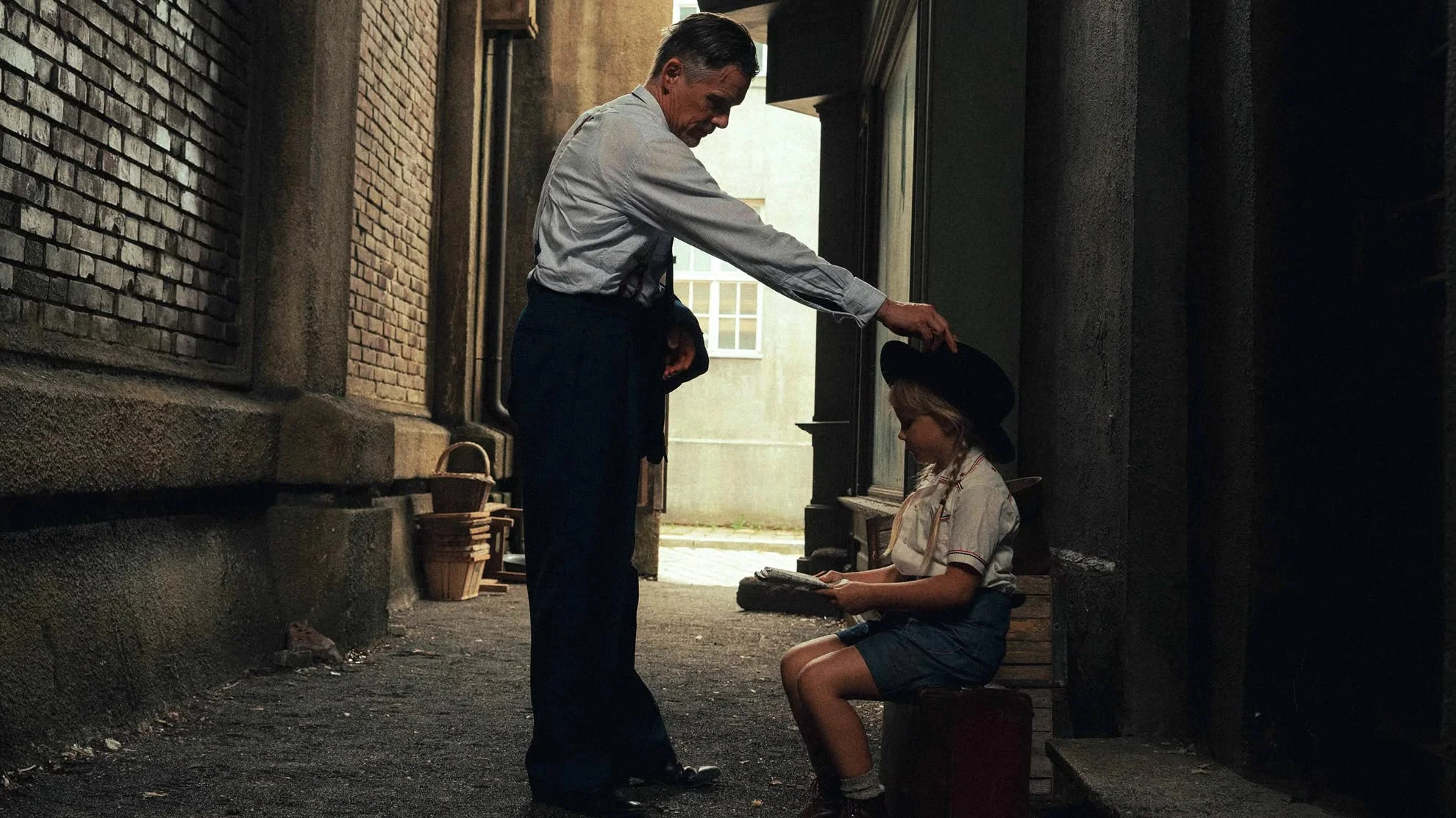
This setup gives his urgency a clear reason. The length of his sentence threatens his ability to reclaim his daughter before she becomes available for adoption, tying his freedom to time he does not have.
The camp’s warden, Clancy, understands this need and uses it. He offers Murphy leadership of a mission to transport gold through the wilderness for himself and other interested parties, in exchange for the participants’ early release.
We find the bargain powerful because it is unequal from the outset. Murphy places his life, labour and skills at the service of other people’s gains, receiving a promise that part of his own life will be returned to him.
Russell Crowe gives Clancy an effective presence despite his limited screen time. The character knows how to test and pressure men, recognising Murphy’s abilities because he can exploit them.
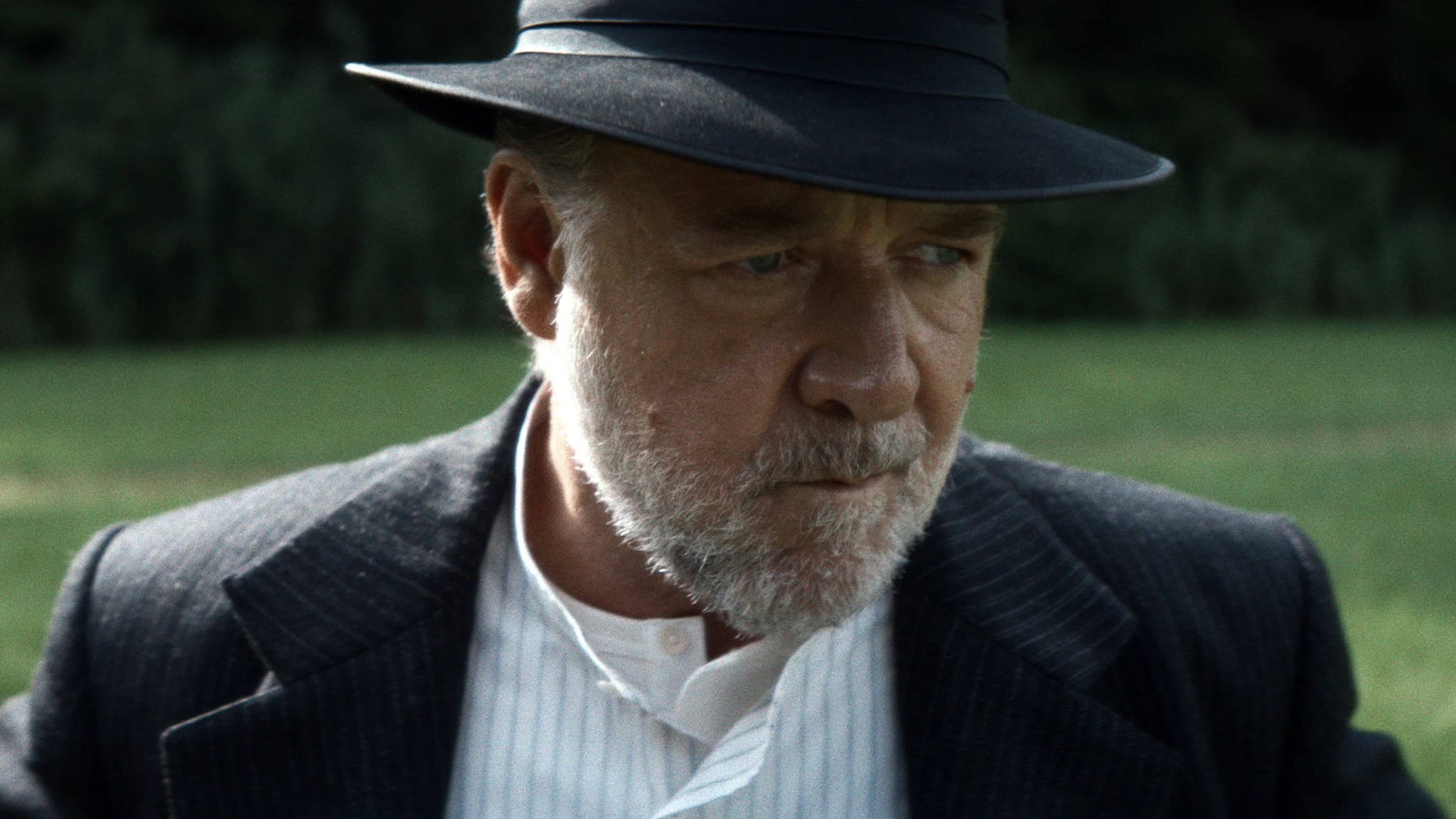
The film’s social dimension begins within the plot itself. The authority punishing the worker finds another way to use his labour, and gold becomes a gain for those running the journey and a burden for those carrying it.
Ethan Hawke: competence under the weight of exhaustion
Murphy suits Ethan Hawke’s approach here: a man who watches and calculates, then acts with as few words as possible.
His low, hoarse voice carries a trace of exhaustion, while his silences and steady gaze convey considerable thought. We need to understand what he sees in a situation, and the performance gives us sufficient clues without constant explanation.
The rock scene in the camp provides a good foundation for his leadership. The task appears to be a punishment designed to humiliate the men, but he approaches it as a practical problem that can be broken down and tackled through organised work.
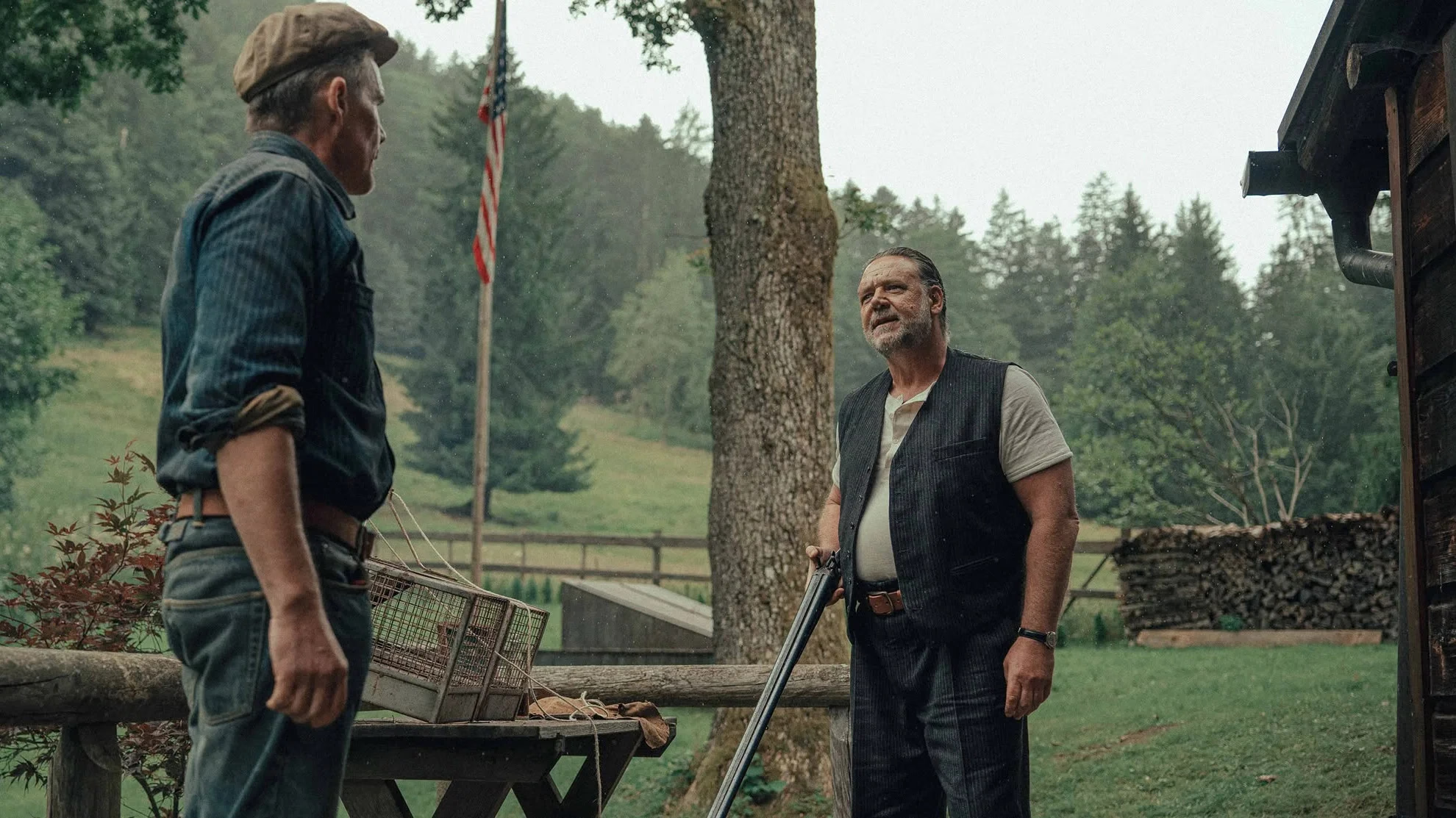
The scene shows us why Clancy takes an interest in him and how a reserved man can become a leader. His ability to get things done precedes any request for others to follow him.
This quality continues throughout the journey. Murphy assesses the group’s capabilities and risks, looking for solutions that allow them to move forward while keeping his personal goal in view.
One of the film’s best choices is to give him extended close-ups as he listens or thinks. The presence of someone calculating what might happen gives even still moments tension; we join him in assessing danger and deciding who can be relied upon.
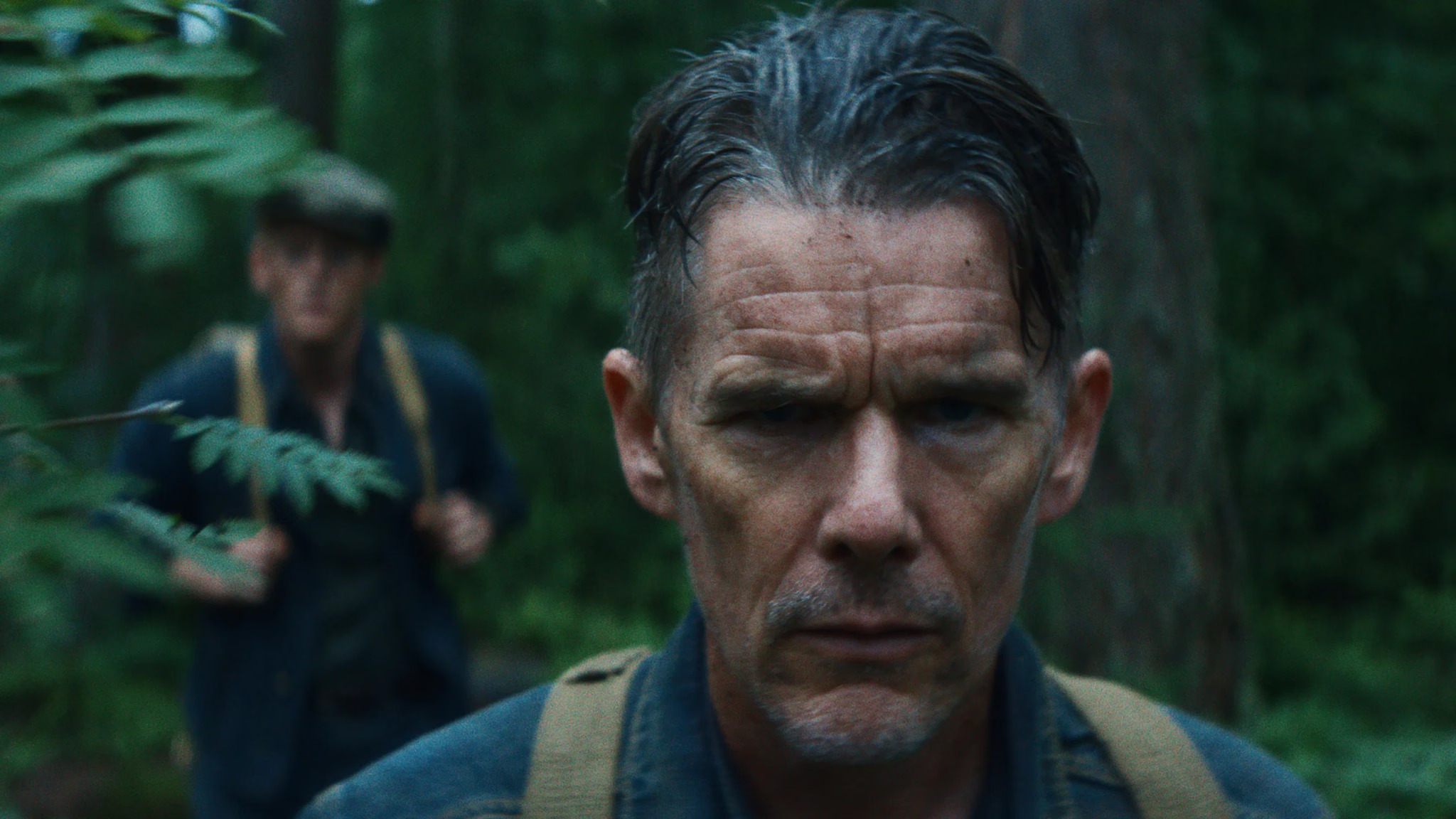
For us, this is one of the performance’s strongest elements. Hawke gives competence a human weight, making us feel that every solution comes from an exhausted man who cannot afford to give up.
Companions on the road: freedom alone cannot create trust
The group around Murphy gives the journey its variety and tension. Singh is educated and politically outspoken, Olson is an immigrant with experience of defending his community, and Rankin approaches relationships with aggression and hostility towards those he considers different.
These backgrounds help us understand their friction before it escalates. Each has a different way of reading authority and danger, and their shared need for freedom is not enough to make them agree.
Through Avi Nash’s presence, Singh gives the group a voice able to articulate part of the injustice they experience. Olson adds an understandable human need, with abilities that differ from those of the others.
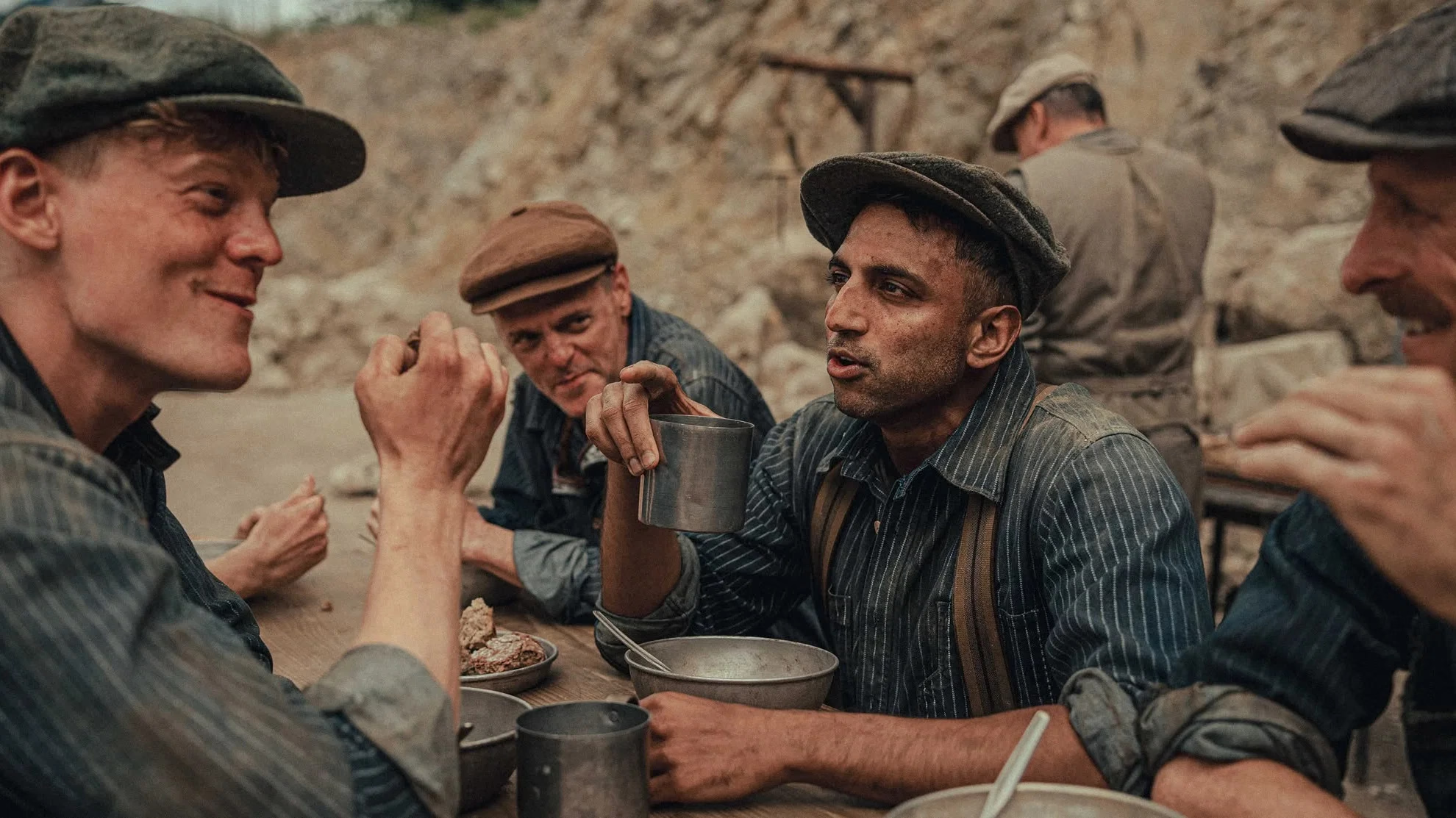
Austin Amelio makes Rankin an effective source of unease. He might ruin the plan out of hostility, recklessness or poor judgement. Both possibilities make him important to watch even when he is not behaving openly aggressively.
The two armed guards add another level of division. They act to protect the interests of those who sent the group, leaving the relationship governed by differences in power and purpose.
We find that this structure sustains the suspense. Once we understand the characters, we become more alert to shifts in their positions and alliances, realising that overcoming a natural obstacle does not guarantee safety in the next stage.
Action: when gold becomes a tangible burden
Director Padraic McKinley presents the action with clarity and force. The danger is understandable, solutions require effort and organisation, and bodies remain exposed to the consequences of mistakes.
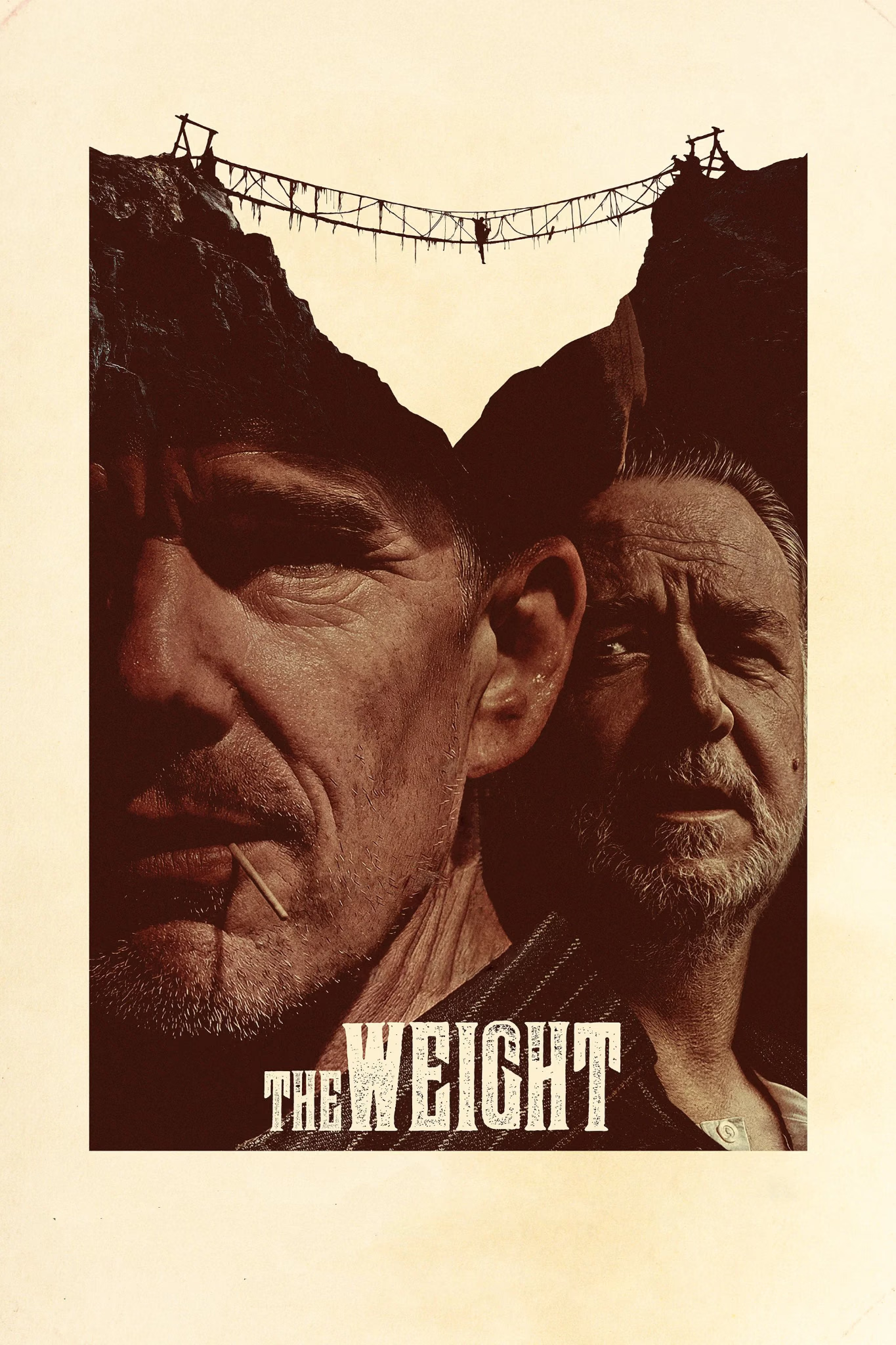
The dilapidated bridge scene is one of the best examples. The problem combines the fragility of the crossing with the weight of the gold, turning the group’s passage into a test of how the load is transported and responsibility shared.
We follow the solution because we understand its constraints. The gold offering them a chance of escape makes every movement harder and increases the risk of losing what they are pursuing.
This relationship between value and weight gives the scene its distinctiveness. Every bar desired by the mission’s beneficiaries becomes a tangible burden on those carrying it out.
The scenes involving water and flowing timber also draw on the environment’s power and movement. The men must deal with conditions that cannot be subdued merely through a weapon or a strong will.
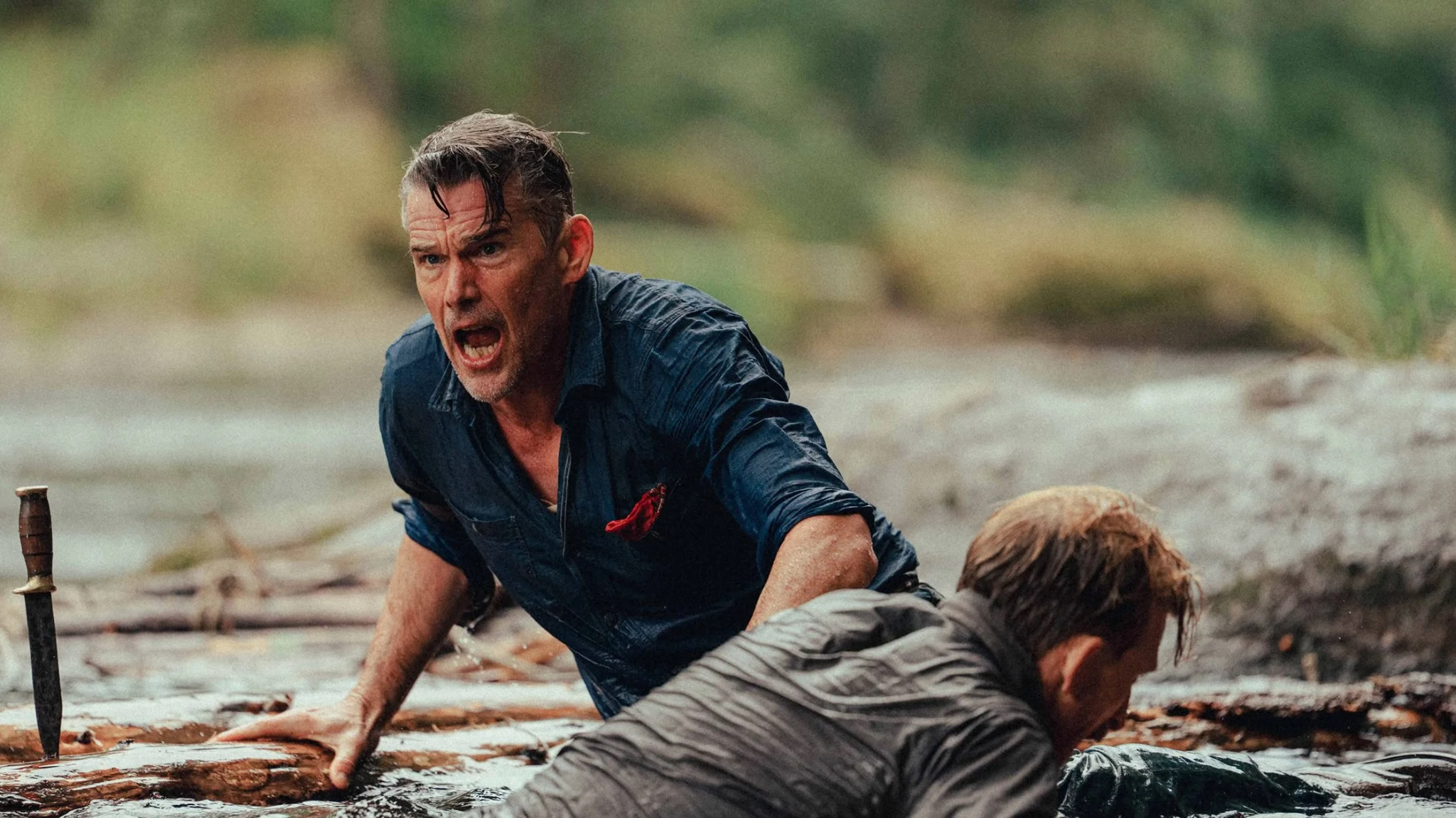
We find that the film maintains the action’s impact by showing how difficult it is to carry out. Some solutions may require a degree of suspended disbelief, but the clarity of the problem and the characters’ visible exhaustion help sustain the tension.
Most of all, these passages reveal the relationships. As time runs out and danger grows, we see who can cooperate, who needs watching and whose reactions might become an additional burden on the others.
Anna: care as a sign of trust
Anna’s arrival adds someone who is also looking for a chance to leave, and her skills in providing care become part of the others’ ability to keep going.
Her role becomes particularly important in the scenes where she and Murphy tend each other’s wounds. The film gives the body a fragile presence: an injury needs help, and the injured person has to let someone else come close.
Within a group whose members try to conceal their weaknesses, these moments become a sign of trust. Each person has an opportunity to hurt or abandon the other, giving the choice to provide care a clear meaning.
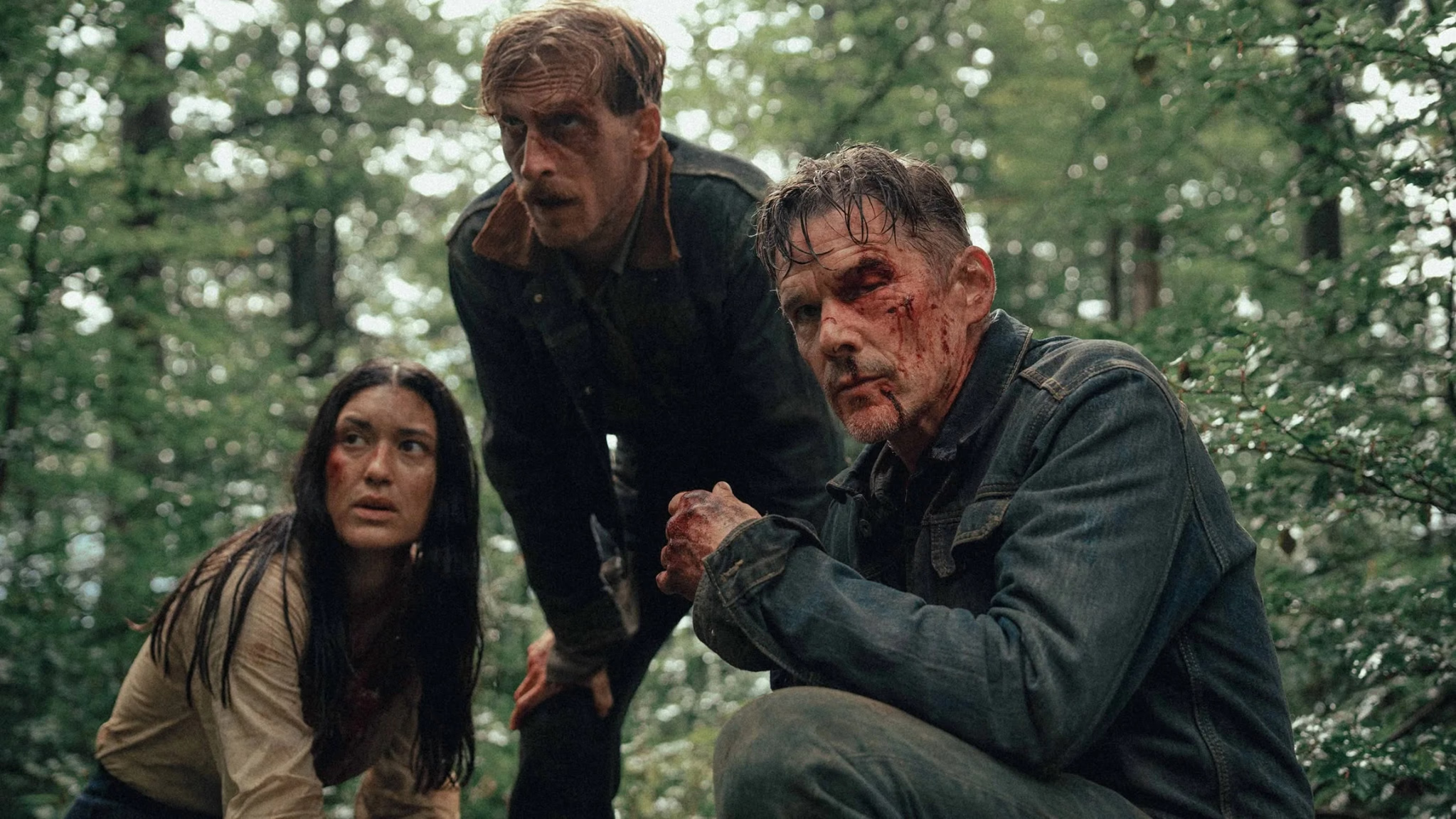
The exchange also gives the relationship a measure of balance. Murphy needs Anna and she needs him, and their closeness gains an intimacy arising from this mutual dependence.
These scenes add an important human rhythm to the adventure. Pausing to care for the body reminds us that the characters do not emerge from danger unmarked, and that the ability to continue sometimes depends on time one person gives another.
This is one of the film’s loveliest aspects. Cooperation appears in confronting major obstacles, then is confirmed through quieter details that can matter just as much to survival.
Image and music: the wilderness imposes its terms
Matteo Cocco’s cinematography draws on the wilderness’s beauty while retaining a sense of how difficult it is to cross.
The location has an attractive visual presence, but its terrain, water and distances impose conditions on movement. Nature therefore remains an active part of the conflict even when we pause to admire its beauty.
The way the action is filmed helps keep both the men’s actions and the threats facing them clear. The camera chooses positions that give the action force and allow viewers to follow changes within a situation.
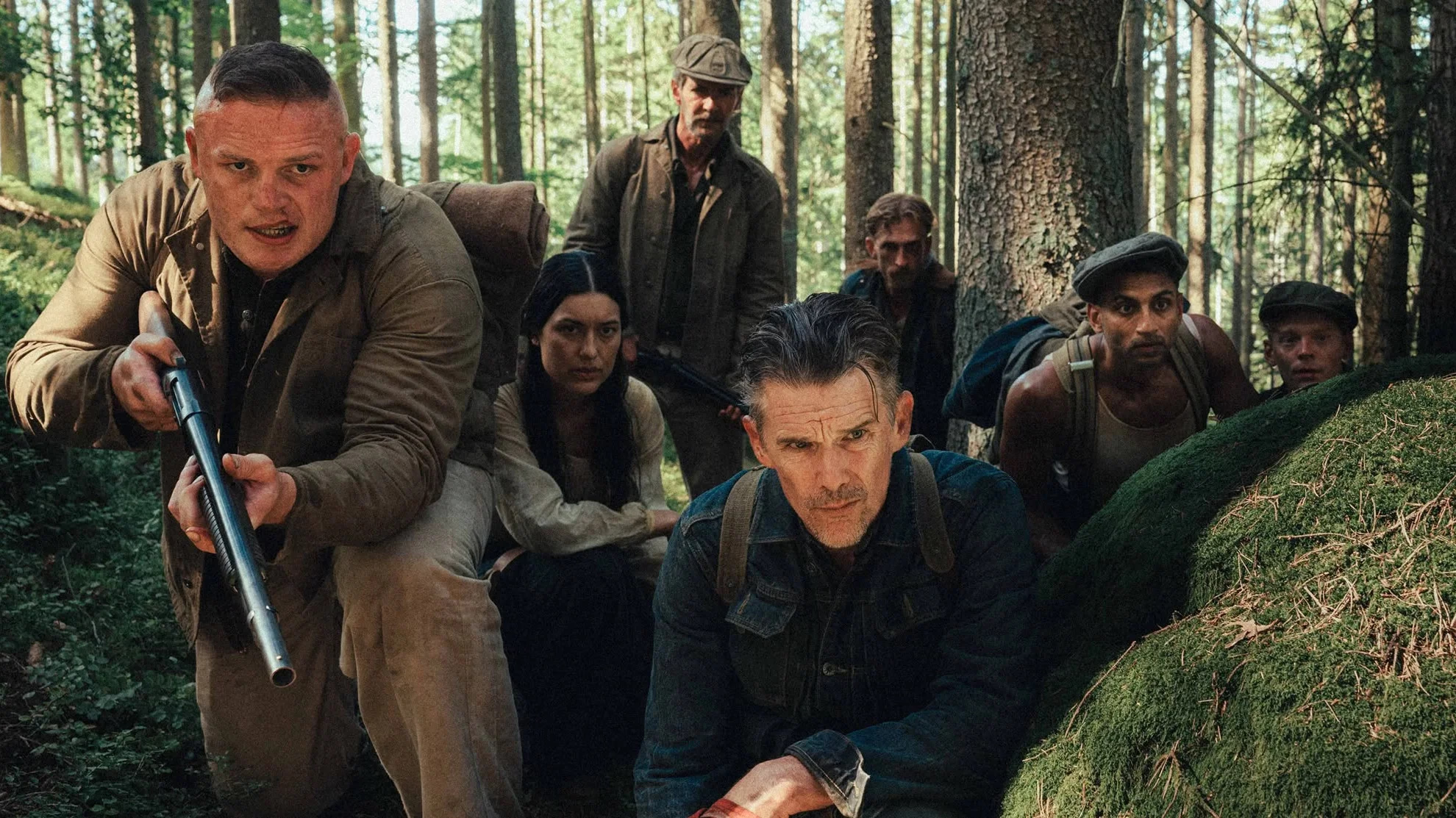
Murphy’s close-ups give thought a place within this expanse. We move between the difficulty of the environment and the difficulty of a decision, keeping the psychological dimension connected to what is actually happening on the journey.
Shelby and Latham Gaines’s electronic music, with its sustained low drone, adds a sense of pressure and continuing anticipation. This tone gives progress and setbacks weight even when the characters deal with them practically and briefly.
Written intertitles marking our position in the journey’s timeline also remind us of the time factor. Distance, the load and deadlines gather around Murphy’s goal, and progress can be measured by how much closer it brings him to the chance of reclaiming his daughter.
Familiar escalation and a satisfying outcome
As the mission’s direction becomes clearer and direct confrontations increase, the film moves towards more conventional violence.
These passages retain the strength of the performances and execution, but do not always offer the same distinctiveness as the problem-solving scenes and the unease about the group’s behaviour. Tension feels richer when danger hovers between a possible accident and a potential betrayal.
Some directions of the conflict can also be anticipated. The characters are clearly defined from the beginning, which helps us understand them but makes certain developments less surprising.
Nevertheless, the film has enough to compensate. Interest shifts to how Murphy handles what happens and how much of his plan he can preserve as circumstances change.
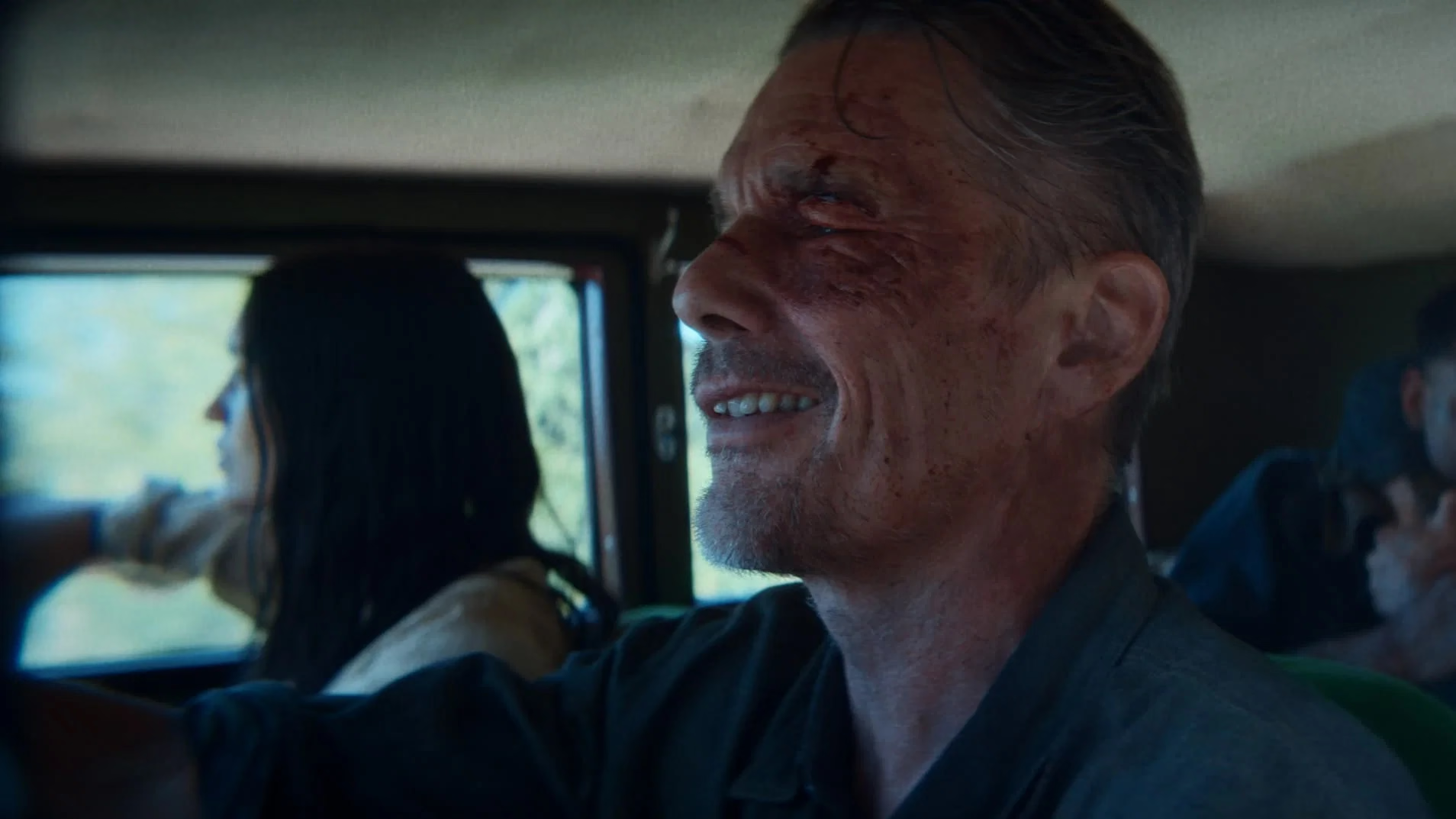
We find that the way the story ends remains enjoyable and gives the journey a satisfying outcome, despite our reservations about some of the escalation’s conventionality.
The film’s strength comes from the combination of its elements: an understandable personal motive, a group liable to erupt from within, an environment imposing practical tests, and a lead performance that makes the mission’s success matter to us. These elements give events weight even when we can anticipate their general direction.
Final verdict
Final verdict
Ultimately, the film offers a strong adventure led by an Ethan Hawke performance combining toughness, exhaustion and the ability to think under pressure. It also benefits from clearly defined characters, understandable and affecting action, and cinematography that gives the wilderness both beauty and danger. Its main achievements are turning the carrying of gold into a test of trust and leadership, and connecting Murphy’s personal salvation to hard work serving interests more powerful than he is. Moments of care and silence add depth to the physical conflict. However, the final confrontations become more familiar, and some relationships move in predictable directions. Clear stakes and accomplished execution nevertheless sustain interest through to the end. The result is an entertaining, coherent film for viewers who enjoy wilderness adventures and suspense built on fragile cooperation between different people. It leaves an impression because we feel the weight the men carry and what they stand to lose if they stop carrying it. Our rating for the film is 7.5 out of 10.
Your turn
What do you think: was Murphy’s most dangerous burden the gold, or the need to trust people whose decisions he could not control?
AUDIENCE VOTE
Do you agree with the MB rating?
Choose once from this browser. You can change your answer at any time.