The review
The screenplay and dialogue: a first hour of tension
The first hour is one of the film’s strongest parts, perhaps the clearest demonstration of the director and screenplay’s control of tension and cinematic rhythm.
The story begins in a small Korean town near the border separating the two Koreas. Residents find a brutally killed bull bearing strange marks that do not seem to come from an ordinary animal attack.
This small discovery quickly becomes the beginning of a catastrophe.
The real directorial intelligence lies less in what happens than in how the film lets us discover the scale of the danger.
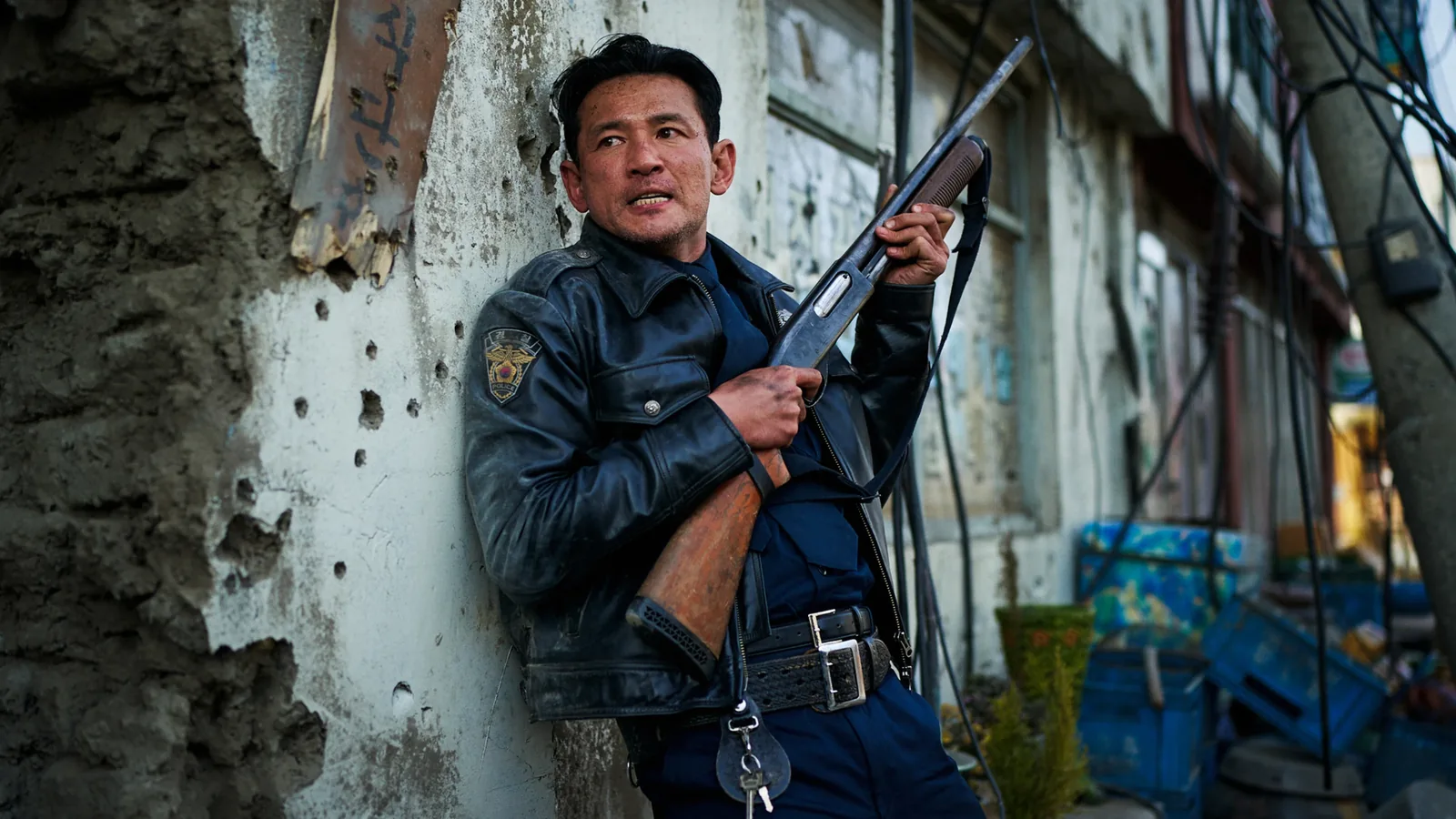
We follow police chief Beom Seok through the town, finding destroyed buildings, bodies and traces of violence everywhere. Gunfire, explosions and screams continue from places he cannot reach in time.
The film makes one of its best choices here: delaying the appearance of the creature responsible for the chaos.
Instead of relying on the monster’s design to frighten us, it shows the consequences left behind.
Every new place Beom Seok reaches reveals another degree of destruction, without clearly answering what everyone is facing.
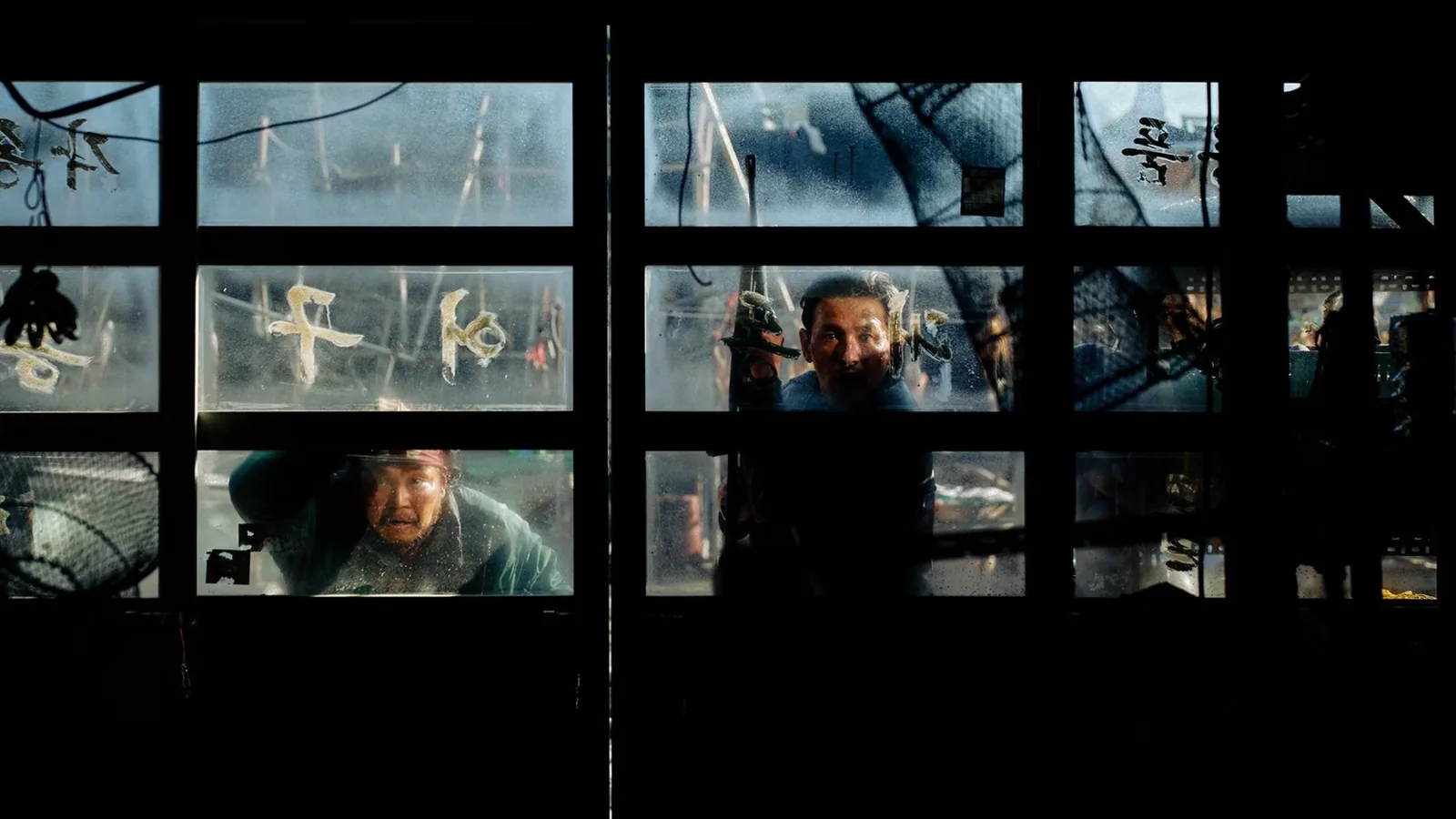
This makes the imagination work more powerfully than any visual effect.
The viewer starts imagining the creature’s size, strength, speed and ability to destroy everything in its path.
Better still, the director does not depend on darkness to hide the danger.
Many scenes of destruction happen in broad daylight, allowing us to see wrecked cars, damaged buildings and roads turned into places of death.
The choice makes the horror more direct: we are watching a disaster unfolding before everyone’s eyes, rather than a nightmare concealed in shadows.
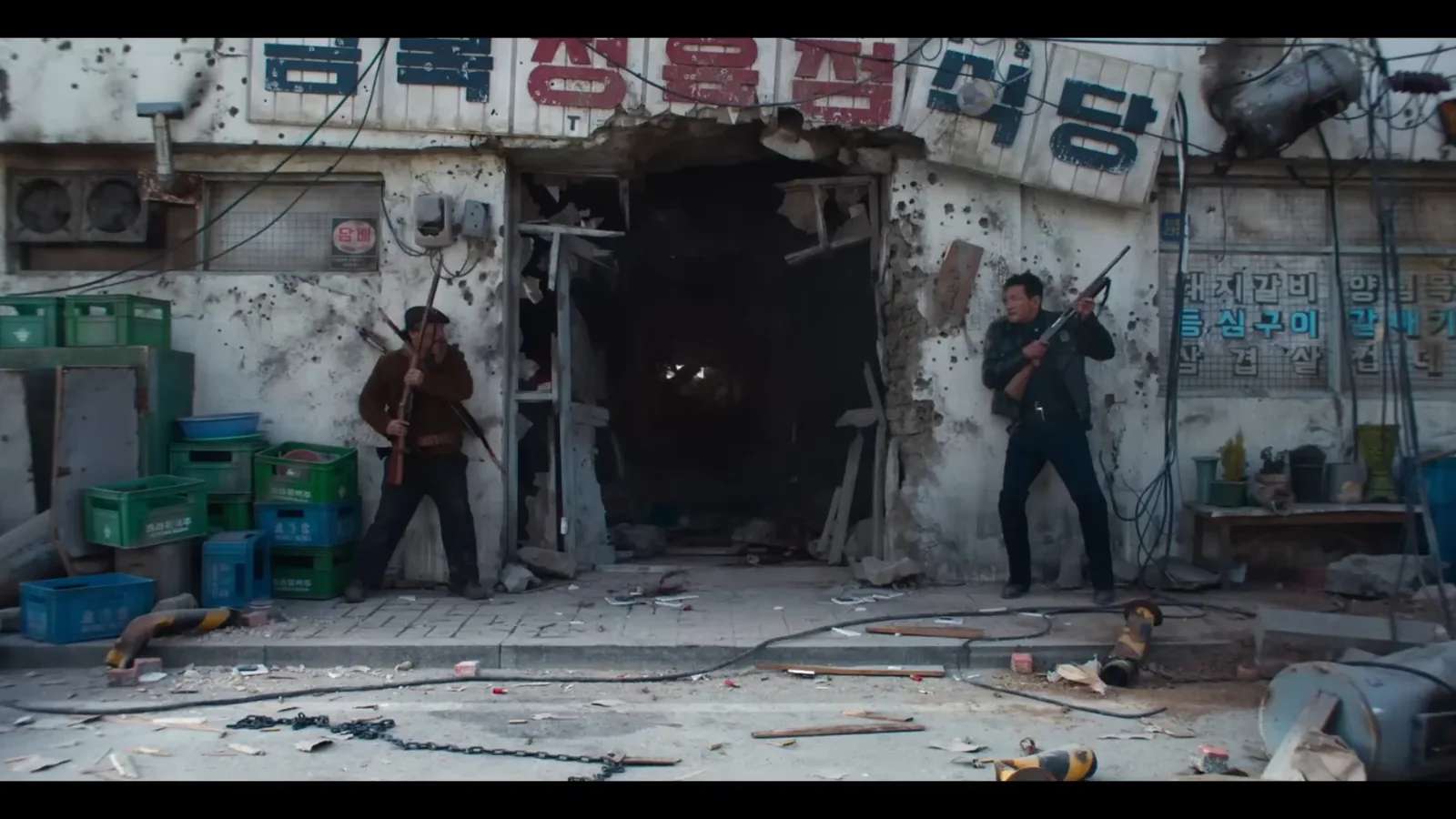
Tracking shots and camera movement are also used excellently. We feel we are moving through the town with Beom Seok, always, like him, too late for whatever we are trying to reach.
The opening achieves something important: it makes us fear the monster before seeing it and turns its anticipated appearance into a real dramatic event, rather than simply a display of effects.
Characters caught between fear and duty
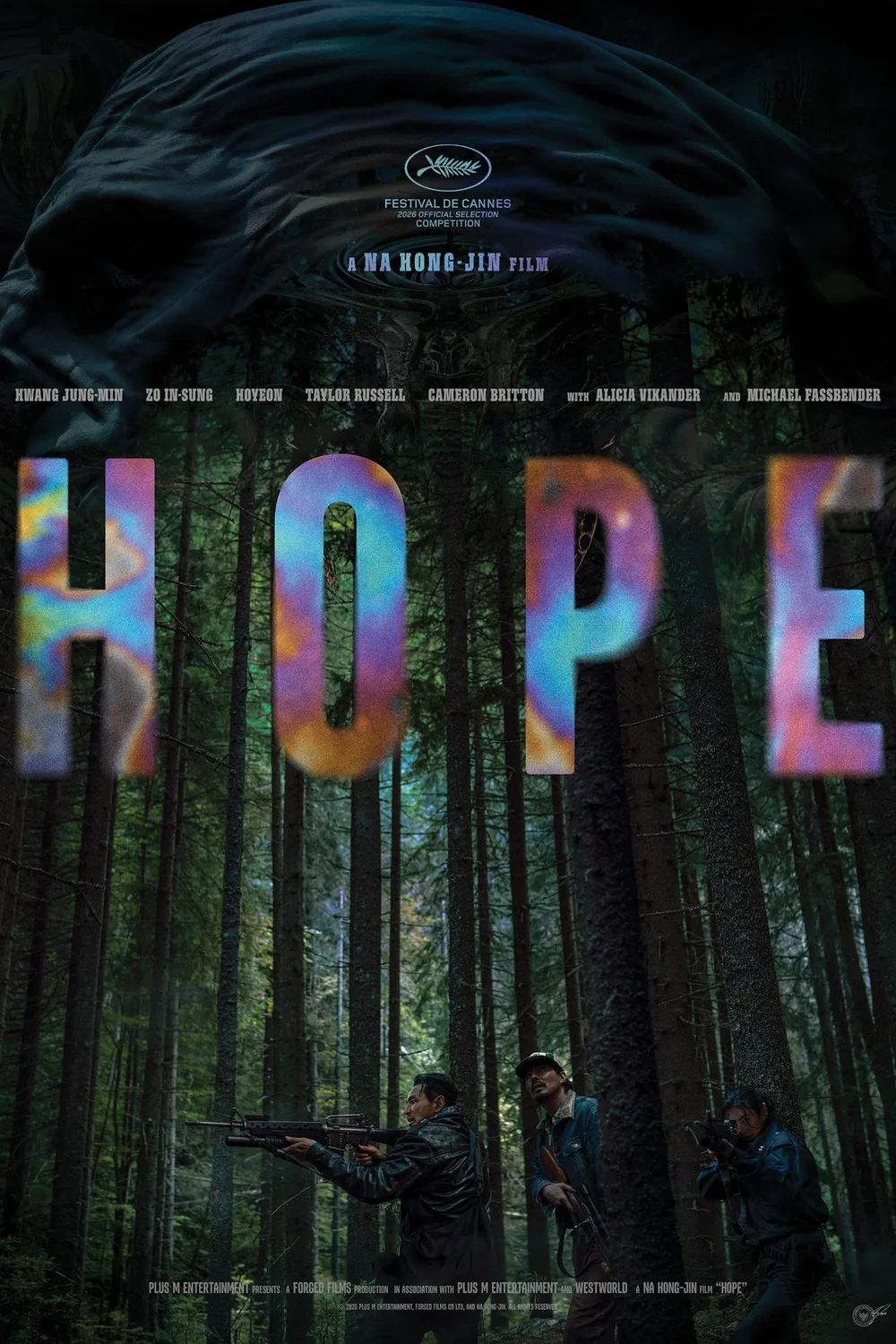
One of the screenplay’s strongest choices is how it presents its human characters, especially police chief Beom Seok, played by Hwang Jung Min.
At first, we expect a traditional action hero: a man responsible for protecting his town who will find a way to face the danger, whatever its scale.
The director deliberately breaks that image.
Beom Seok is not always brave and has no superhuman ability to handle crises.
He is afraid, gets confused by unexpected situations and sometimes makes wrong decisions. Despite that, he keeps trying to do his duty.
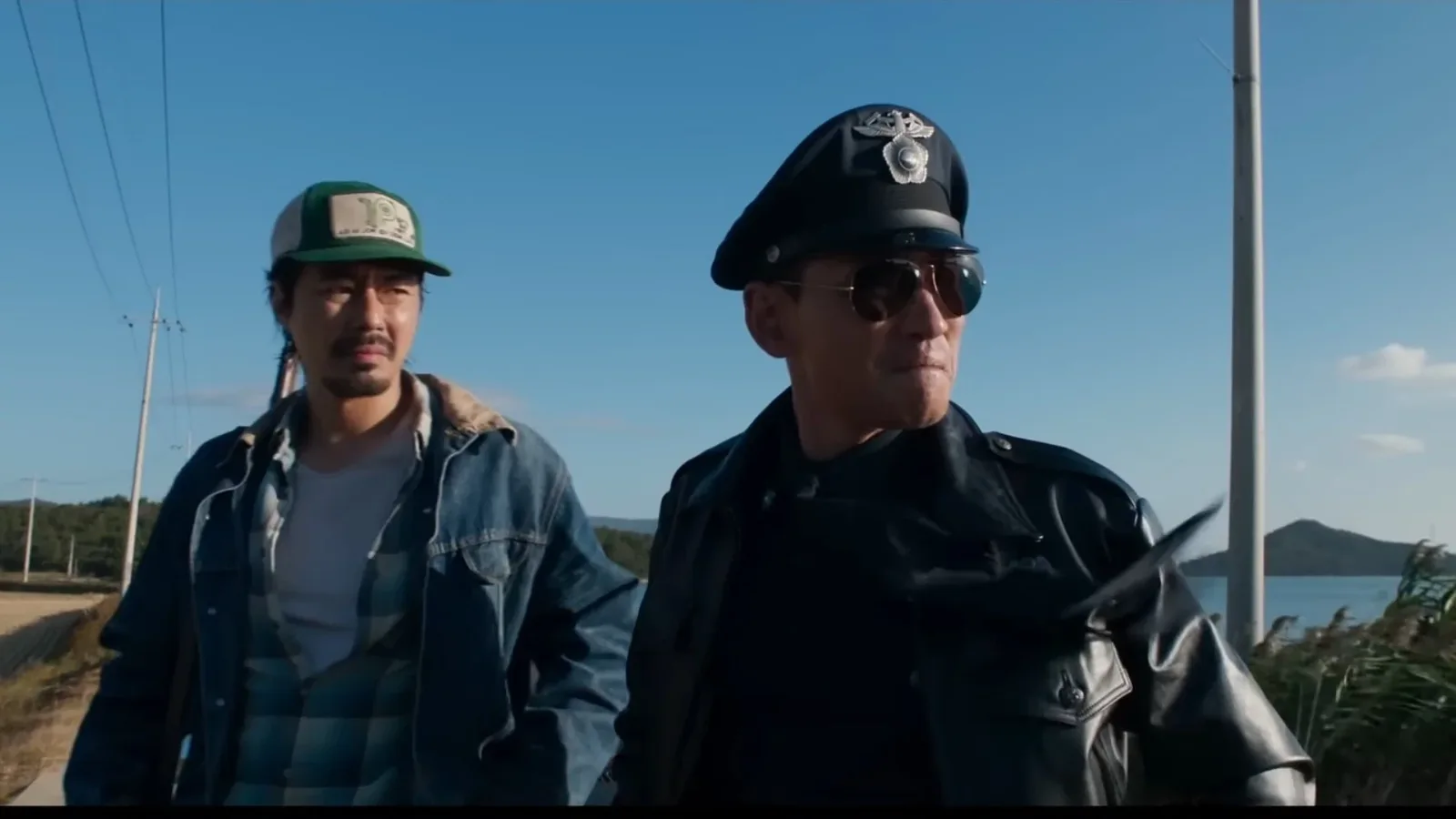
The contradiction gives the character a particular appeal.
He faces danger because he knows people need his help, even when he is unprepared, rather than because he feels no fear.
Hwang Jung Min gives a performance that naturally combines physical tension, comedy and emotion.
His expressions, movements and terrified reactions make some situations funny without allowing us to forget the disaster’s scale.
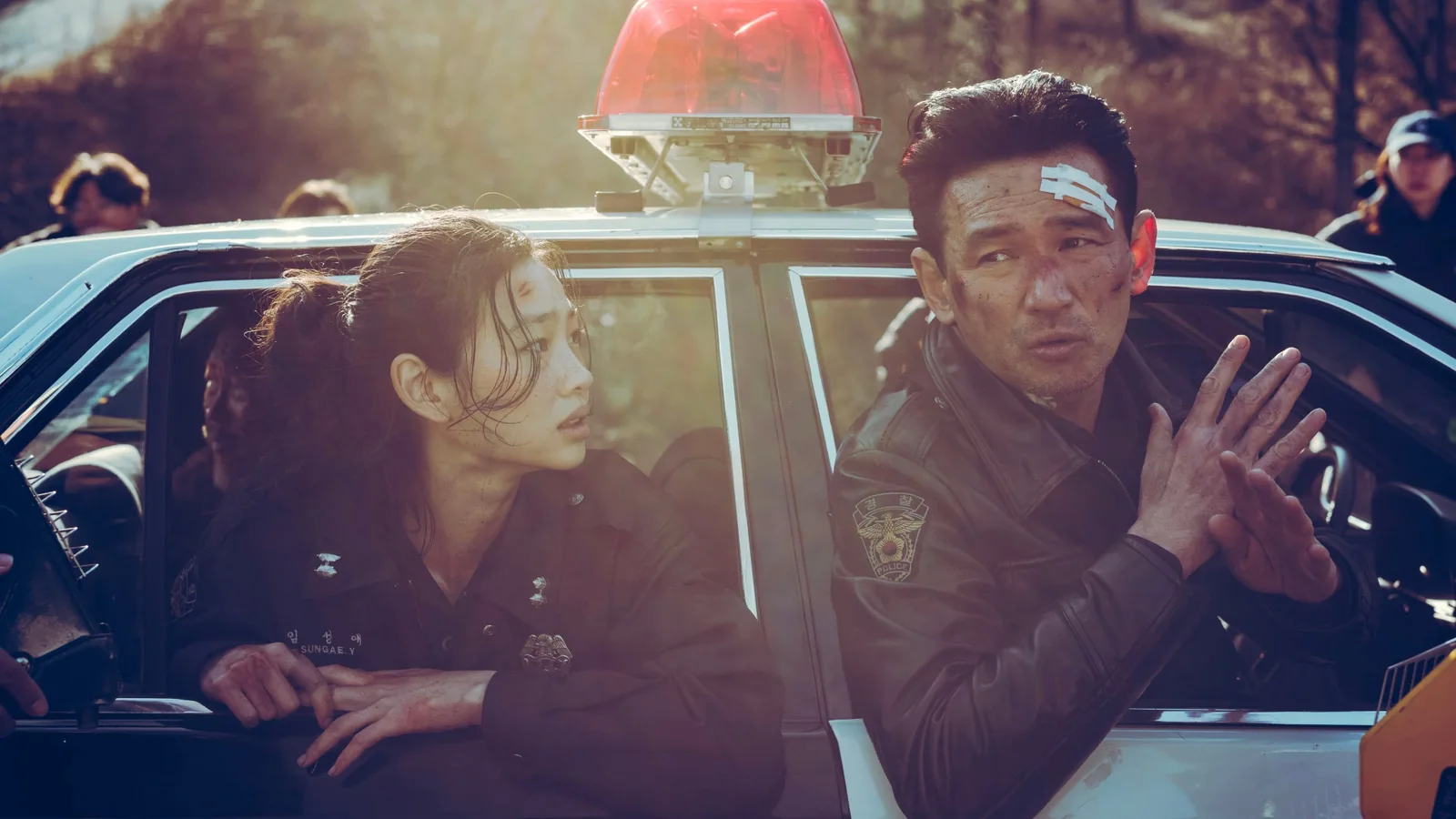
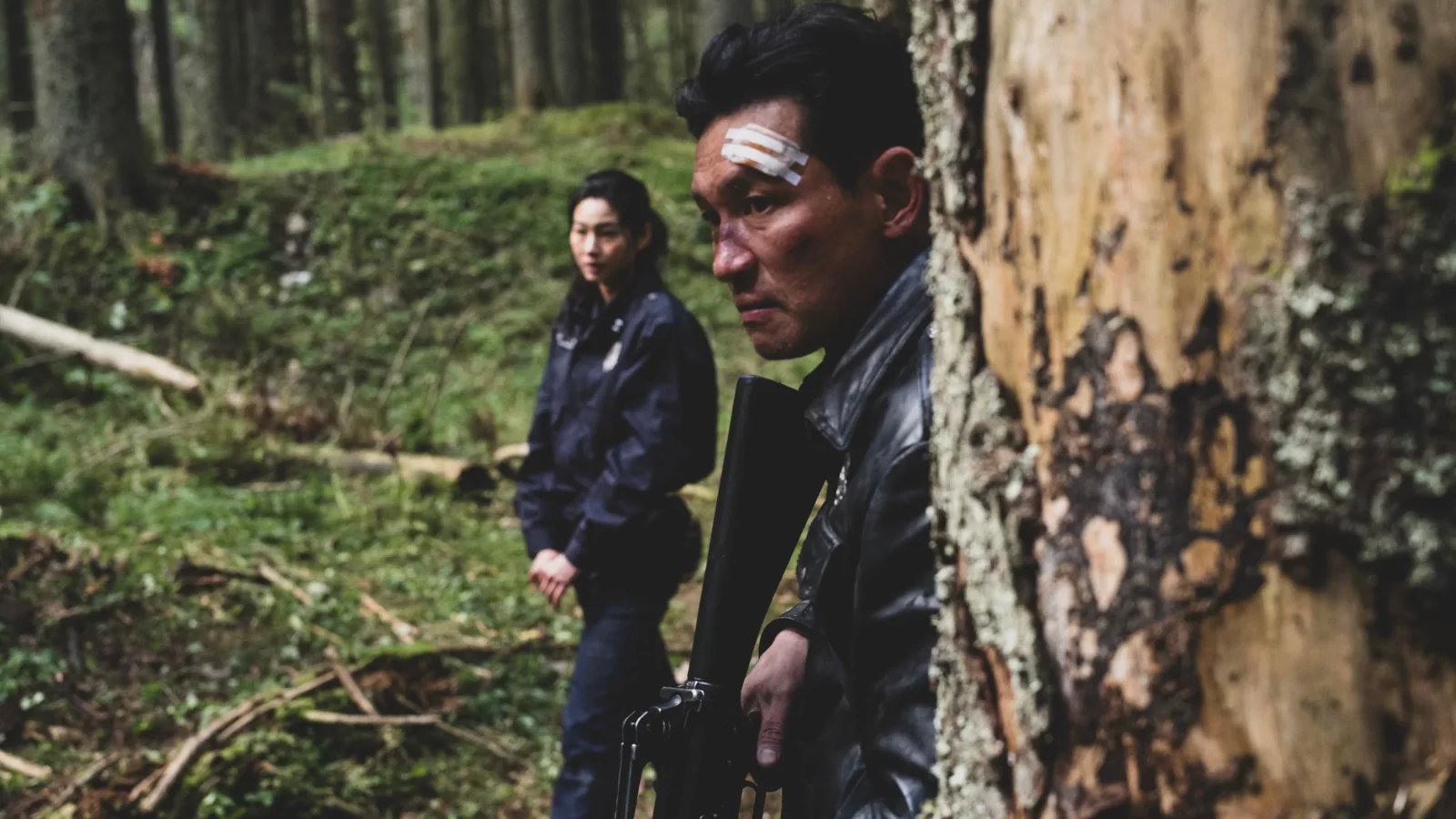
Alongside him is Seong Ae, the police officer played by Ho Yeon.
She is one of the characters who gives the film a different energy.
Calmer and more decisive than her chief, she seems better at handling weapons and making quick decisions amid chaos.
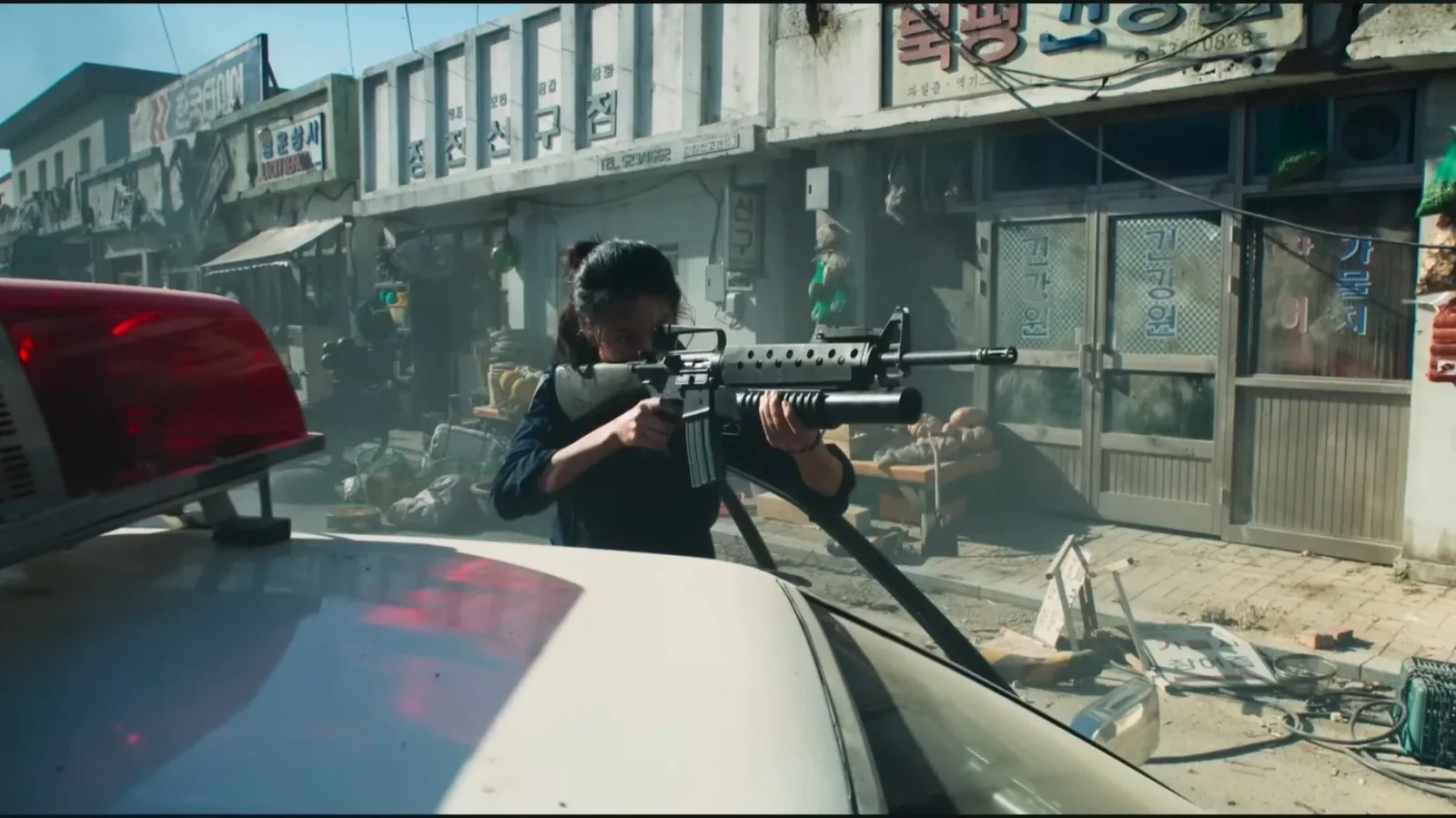
Their relationship’s appeal goes beyond one being brave and the other cowardly.
Their contrasting personalities create an enjoyable comic and dramatic interplay, particularly during chases that require them to cooperate despite their confusion.
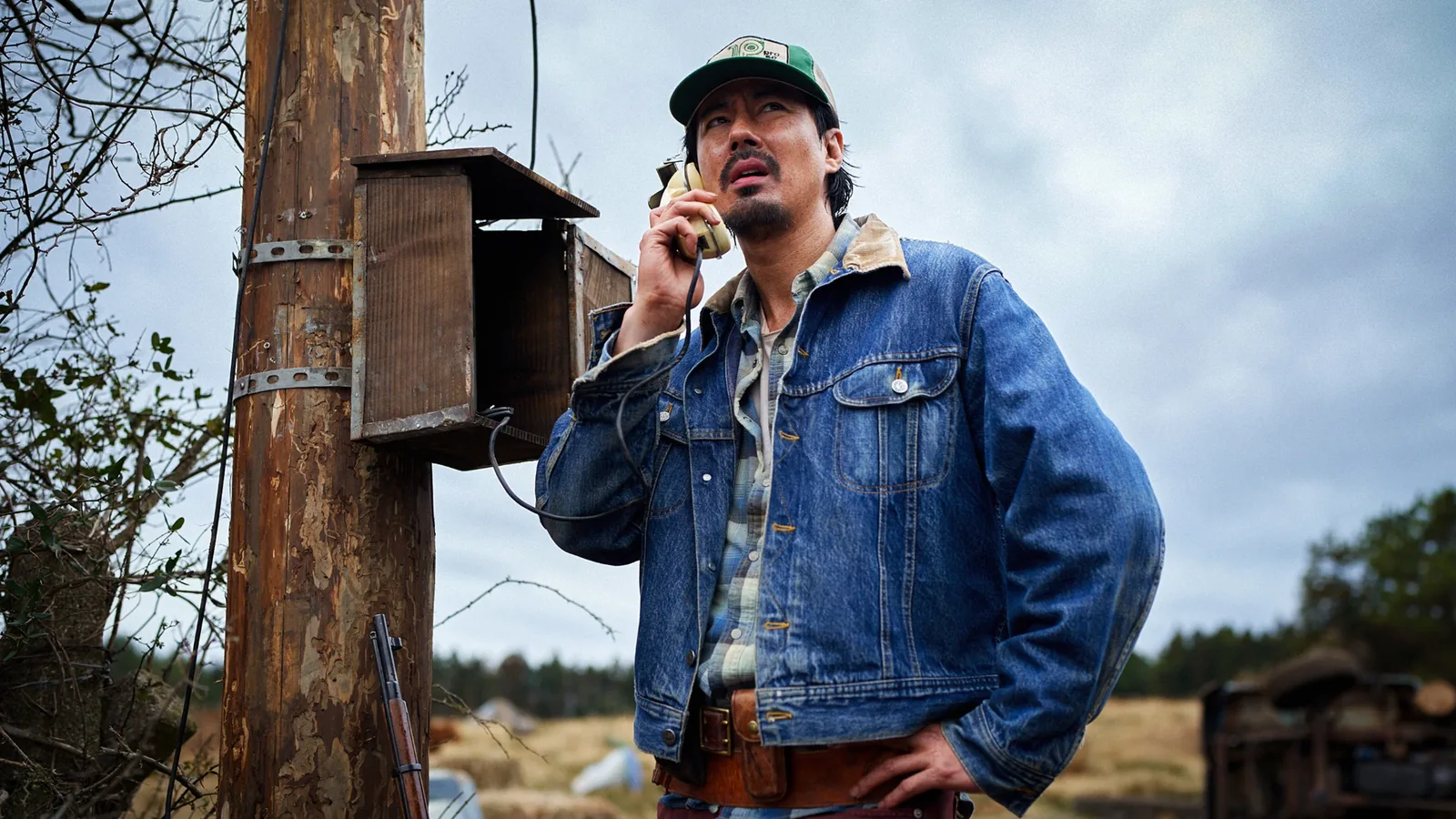
Jo In Sung also plays Seong Gi, a hunter highly confident in his abilities whom events confront with a threat far beyond his usual experience.
I think these characters work because the director does not try to make them perfect.
They act out of fear, instinct and responsibility, making their reactions more connected to the catastrophe they face.
Extreme violence and comedy that exposes confusion
One of the film’s distinctions is its strange way of combining extreme violence with comic situations.
It contains harsh killings and destruction on a large scale, yet also embraces absurd moments that make you laugh amid the tension.
This is far from easy.
Moving from horror to comedy can destroy the sense of danger if it is not carefully judged.
Na Hong Jin mostly uses comedy to reveal the characters, rather than simply add jokes.
We watch armed men trying to act as though they know exactly what they are doing, while their decisions expose confusion and poor judgement.
Fear sometimes directly causes catastrophic mistakes, such as firing without first establishing who is in front of them.
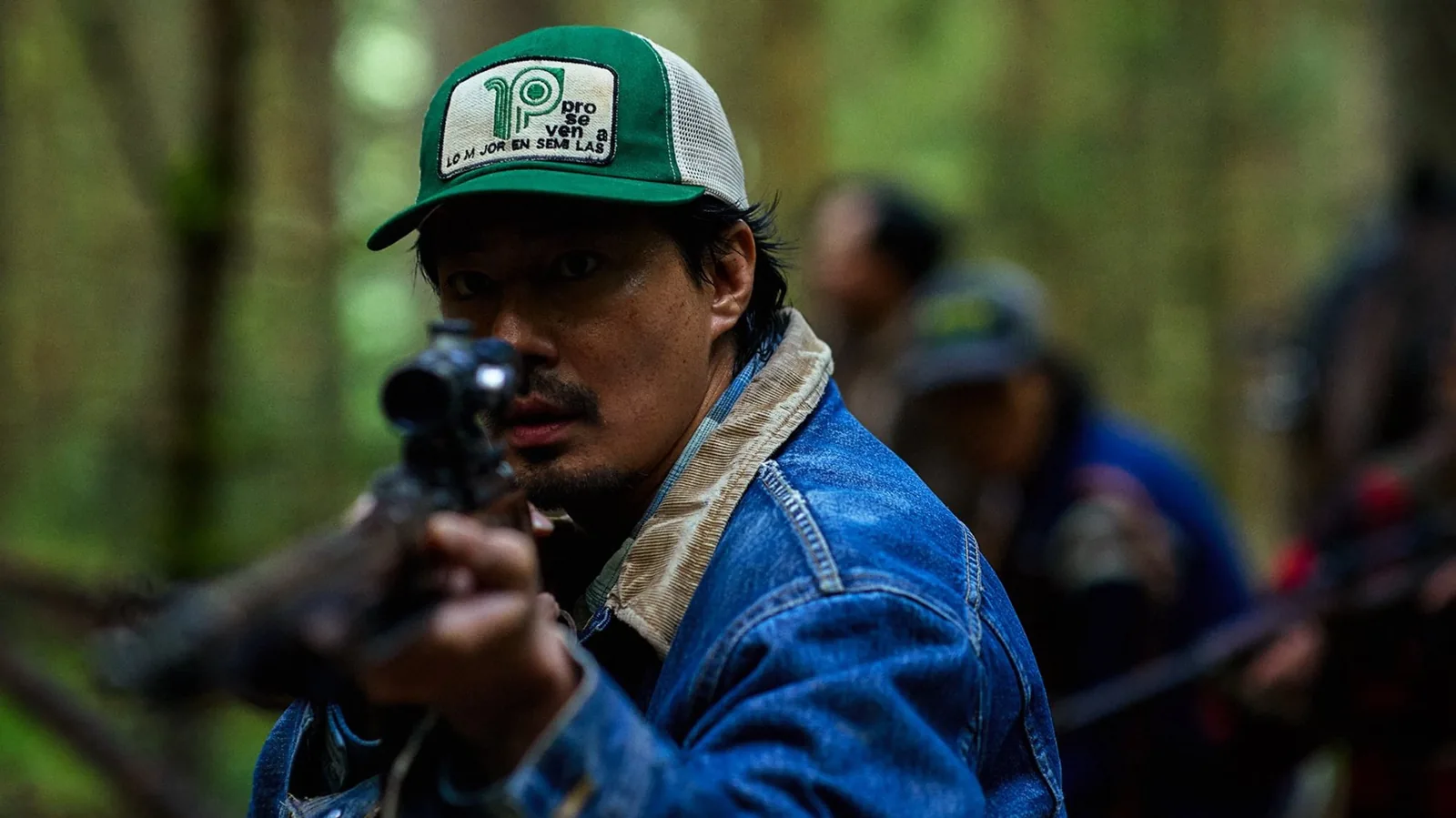
Comedy becomes a way of satirising how humans deal with dangers they do not understand.
Instead of stopping to understand the problem’s nature, everyone rushes to use force.
Even details of the town’s inadequate preparation and the police’s limited resources add a satirical edge.
Crucially, the film does not use humour to remove fear.
Laughter becomes part of the confusion itself: actions can be funny because they are so absurd, even when their consequences are tragic.
Some physical jokes and exaggerated situations do not work as well, however. I would have preferred some to be shortened so that the more serious scenes retained their impact.
Overall, I think the mix of comedy and violence gives Hope a character distinct from traditional monster films, making its tone difficult to predict from one scene to the next.
When the meaning of the monster changes
We reach the part that most changes the film’s nature, perhaps the director’s boldest decision.
After an opening that suggests a predatory creature attacking a small town, events begin revealing an entirely different world.
We discover that the threat involves beings from beyond Earth, and that the conflict is larger and more complicated than it first seemed.
But the crucial shift is not the discovery that the creatures are extraterrestrial.
It is the change in how we judge what we have watched.
At first, humans seem to be victims and the creatures simply monsters killing and destroying for no understandable reason.
When we learn that one being was searching for a missing child, and that a cruel human act helped ignite the confrontation, the picture begins to change.
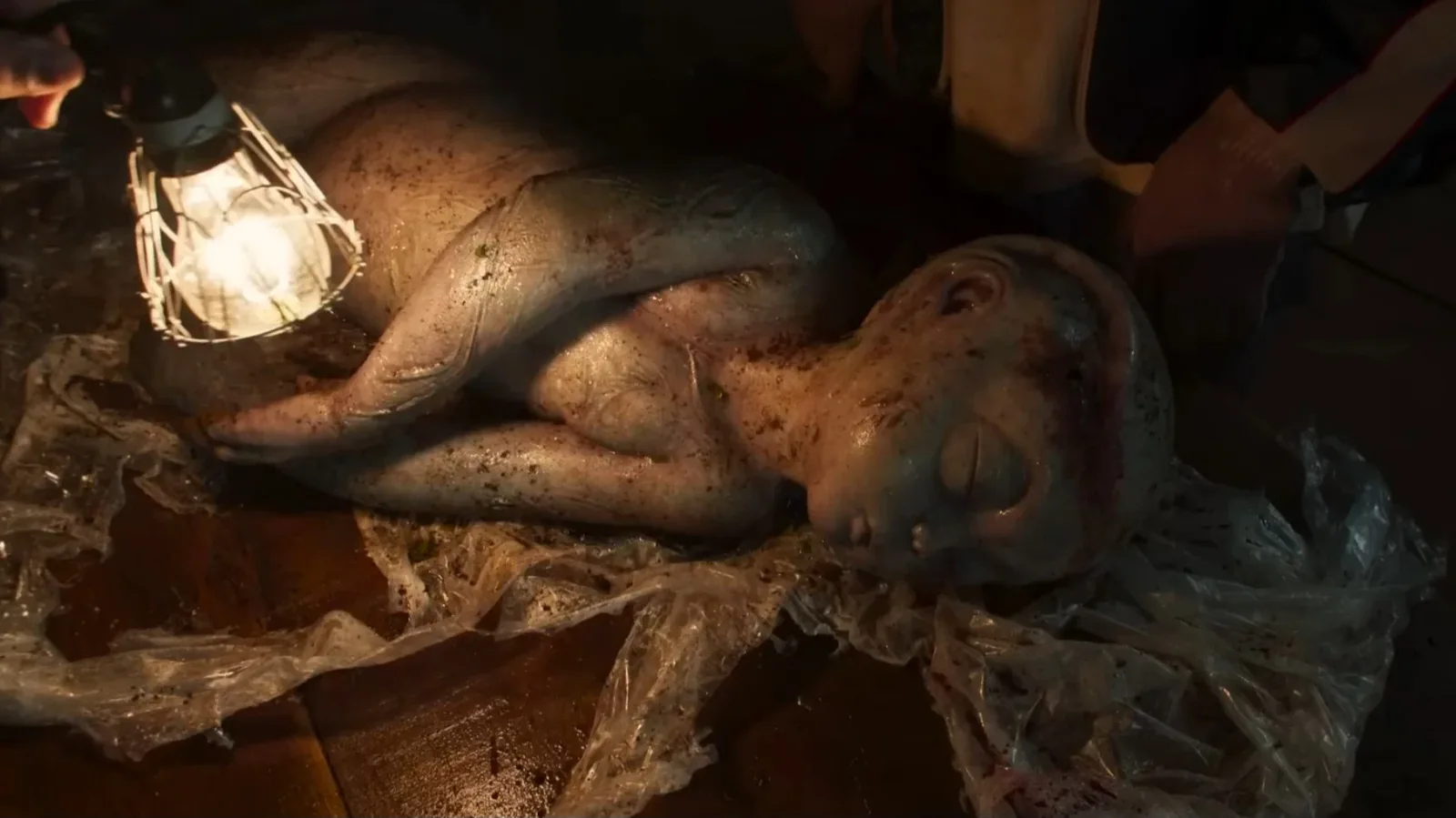
Suddenly, the very idea of the monster becomes a question.
Is the creature attacking humans inherently evil, or acting out of fear, anger and loss?
Are the humans defending their town entirely innocent, especially once we discover that some of their actions helped create the disaster?
For me, this is one of the film’s smartest ideas.
Na Hong Jin wants us not only to sympathise with victims, but to reconsider the judgements we made during events.
More significantly, the shift changes the idea of heroism itself.
Someone carrying a weapon and defending their land may look heroic from one angle, yet become the aggressor when we see the conflict from the other side.
Despite my strong admiration for the idea, its execution is not perfect.
The transition from monster horror to broader science fiction is relatively abrupt, sometimes making the film feel as though it has moved into another story.
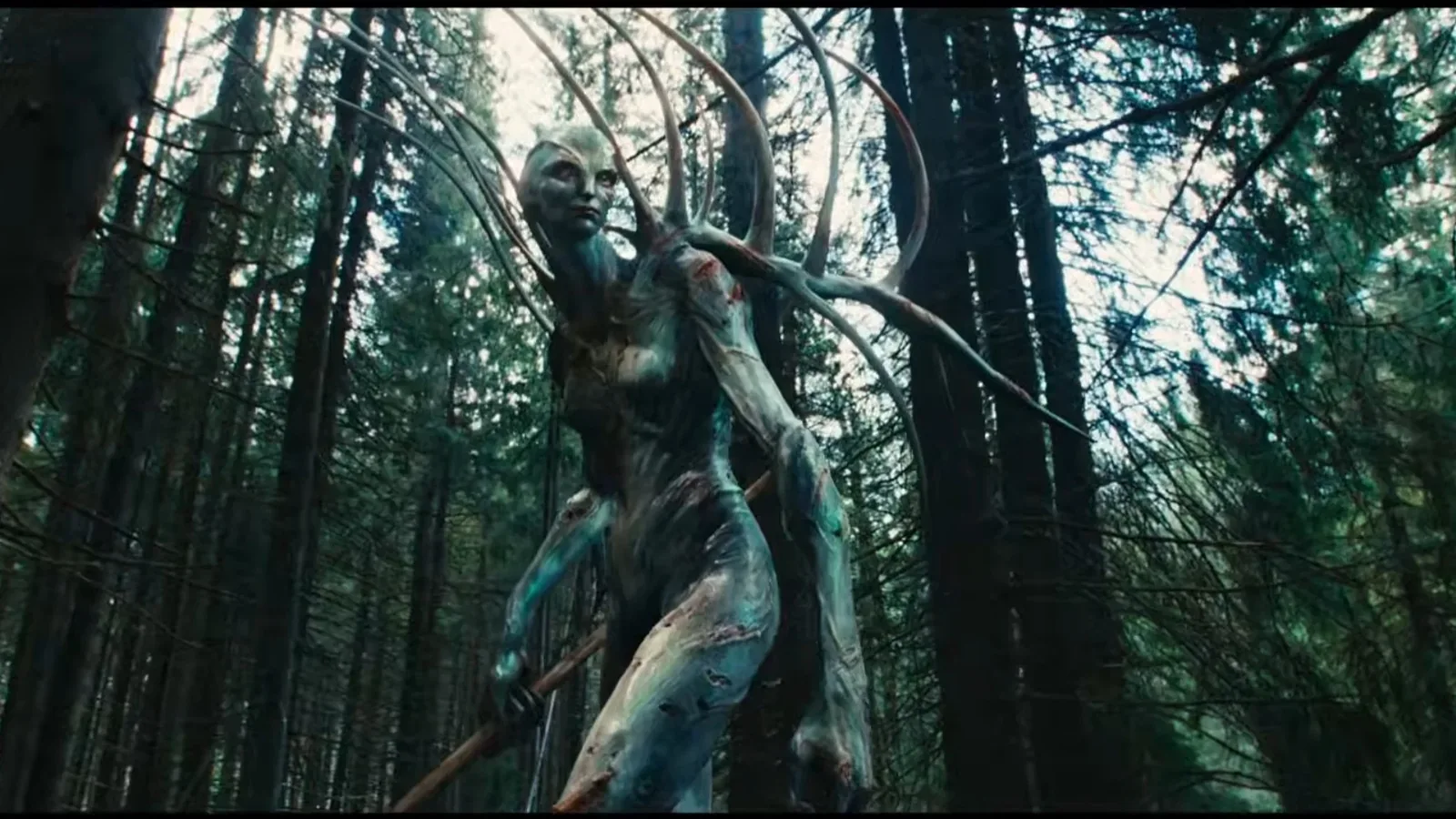
Nevertheless, I believe the shift gives Hope far greater ambition than simply making a conventional creature film.
Images, sound and the weight of destruction
Technically, the film reaches a very high level, particularly in filming destruction and chases.
The collaboration between director and cinematographer gives it a strong visual identity built on constant camera movement, wide shots and a real sense of the settings’ scale.
The town is more than a backdrop for events.
Its streets, buildings and narrow passageways become essential to the chase experience.
The film also pays attention to movement’s weight and physical impact.
When pieces of cars fly or buildings collapse, we feel the force of impact and the destruction’s scale, especially in scenes using real locations and practical effects.
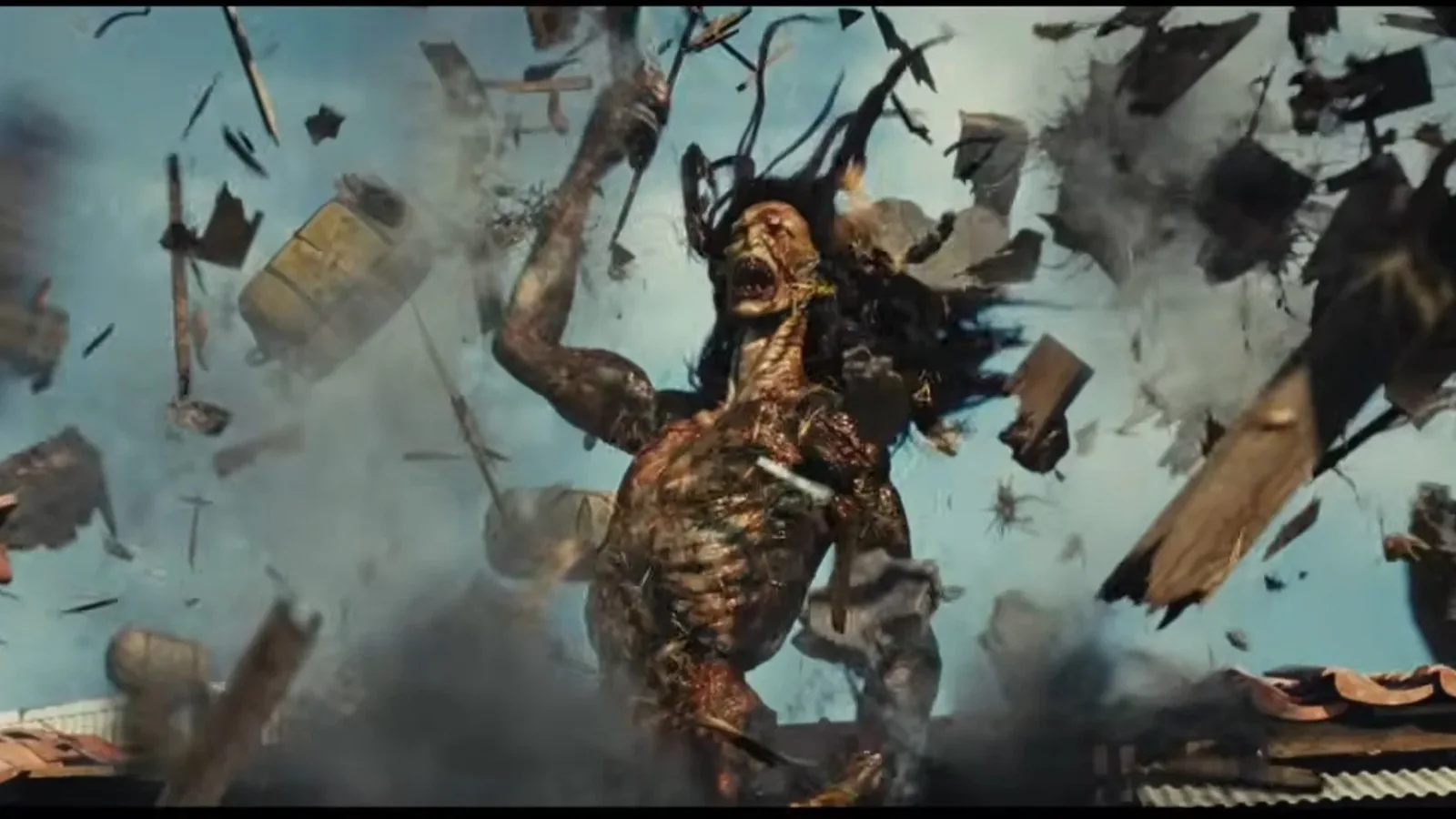
Sound design also plays a major role.
Crashes, gunfire and the creatures’ movements give the viewer a constant sense of danger, while Michael Abels’s music pushes the rhythm during the most tense moments.
Problems appear in some digital effects involving the creatures.
Their designs contain intriguing visual ideas, particularly their bodies and unfamiliar movements.
Some closeups expose weak integration with the real environment, however, occasionally making them look conspicuously digital.
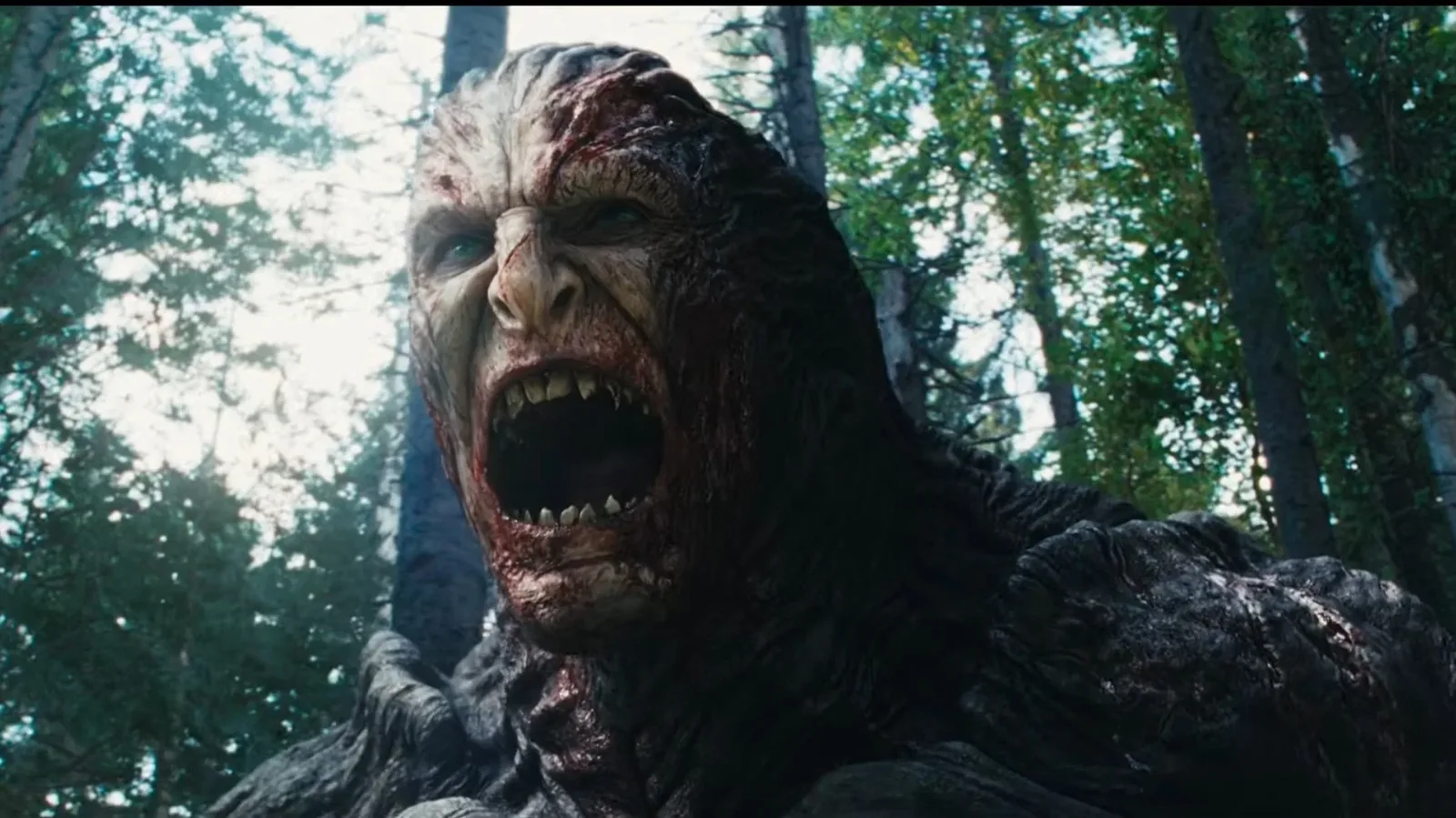
This creates unevenness between scenes where the real world’s weight is palpable and scenes where the creatures’ movements seem lighter than they should.
I do not think it ruins the experience, because the direction and confrontation design compensate for much of it.
It remains a significant observation about a film with such ambition and production scale.
Huge chases and pacing that needed a tighter cut
If you enjoy action built around large chases and continuing chaos, this film offers much of what you want.
It contains enormous confrontations, extensive weapon use and chases through streets, forests and open spaces.
The sequences bringing together horses, cars and fast moving creatures are among the clearest expressions of its ambition.
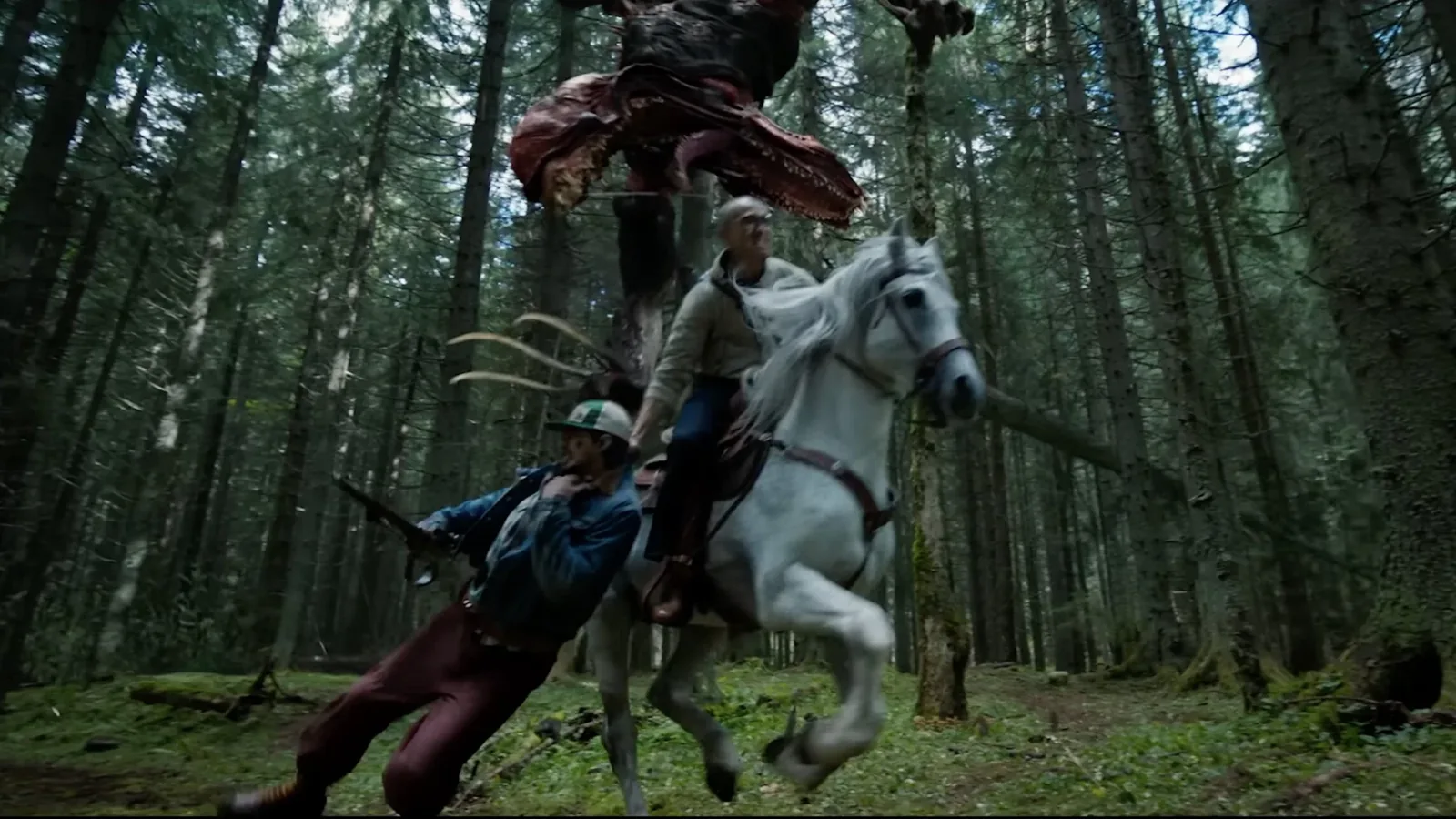
They show variety in action design and make some confrontations feel like a frantic race to survive.
One of the main weaknesses also emerges here.
A long action scene does not become better simply by being bigger.
After the excellent opening built around mystery and discovery, some later chases become similar in their dramatic purpose.
Characters try to escape or attack the creatures, without every confrontation necessarily adding information or developing the conflict in an important way.
The pace loses some strength, particularly given a running time of around 160 minutes.
I believe some cutting would have made the final section more powerful.
What makes me relatively forgiving is that the film remains enjoyable in its movement, and many scenes are executed to a high standard.
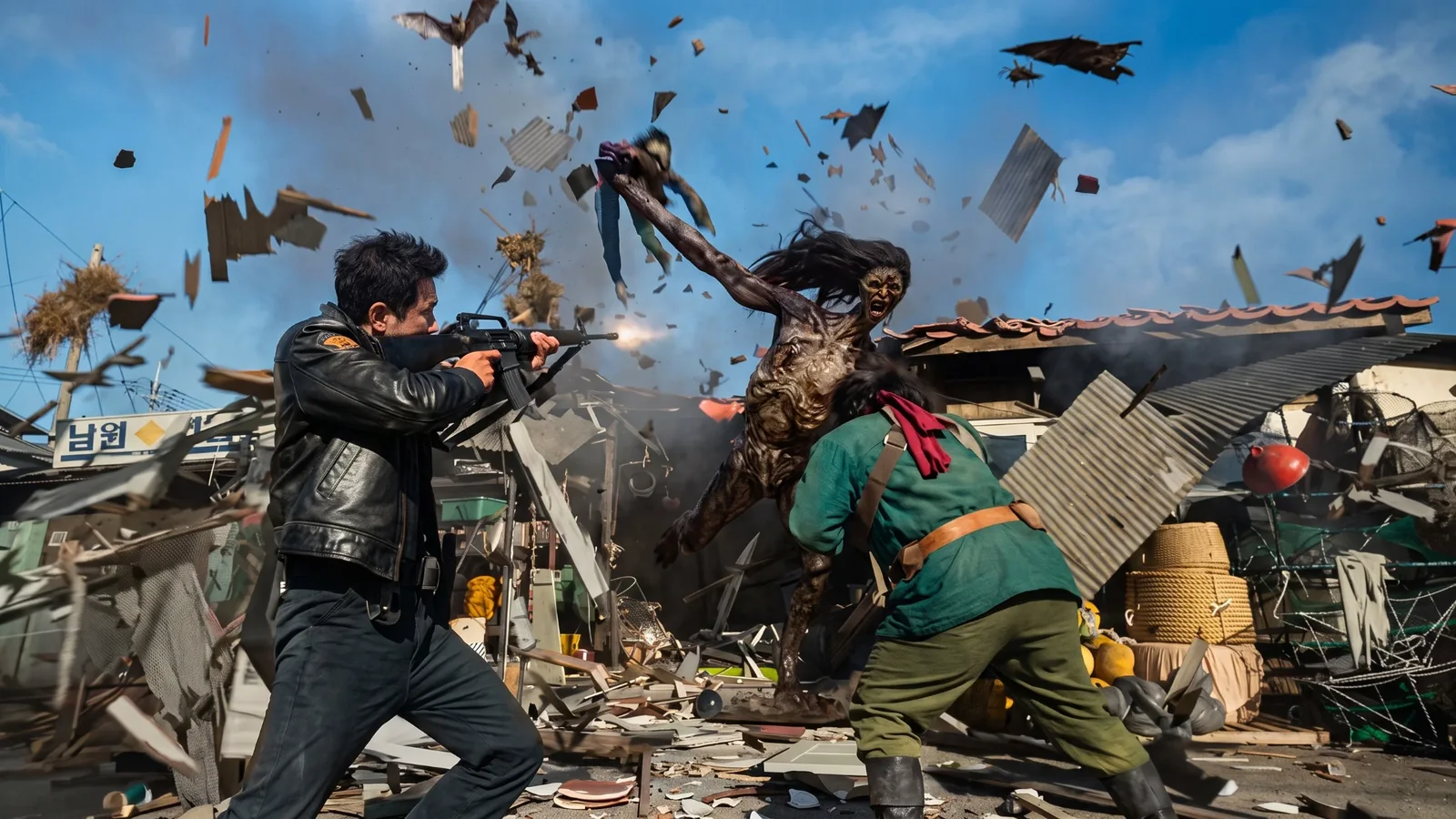
The problem is not weak action, but sometimes too much of it at the expense of the story’s progress.
A larger world and an open ending
In its last section, Hope introduces new characters and information that greatly expand the story’s scope.
Michael Fassbender, Alicia Vikander and Taylor Russell appear as extraterrestrial characters tied to the larger conflict.
The film does not use these actors in the conventional way audiences might expect from names of this size.
Their presence involves creature designs and digital effects, while their dialogue and dramatic development are relatively limited.
It is an interesting choice, but creates a problem.
Near the end, we discover relationships, losses and motives behind the creatures that deserve exploration. The remaining time cannot give all of them the depth they need.
The film consequently seems to begin a new story just when it should be concluding its first.
The ending clearly leaves the conflict open and prepares larger possibilities for a later instalment.
I can understand the decision, especially given the world Na Hong Jin is trying to build.
I would nevertheless have preferred more satisfying closure to the present conflict, even with some mysteries retained for the future.
Planning to continue a story does not remove the first instalment’s need for a strong ending of its own.
The ending does create real curiosity about where the story might go, particularly after our understanding of the conflict has changed completely.
I believe the film establishes a world with great possibilities, but future work needs to develop its extraterrestrial characters as much as it develops its confrontations.
Strengths and weaknesses
Hope’s main strengths are Na Hong Jin’s excellent direction, the highly suspenseful opening, cinematography and sound design, huge action, enjoyable performances from Hwang Jung Min and Ho Yeon, and the idea of changing the viewer’s perspective on humans and creatures.
Its main weaknesses are uneven digital effects, overlong chases, the abrupt change in the story’s nature towards the end, and an ending more concerned with preparing the future than closing every thread of the present film.
Final verdict
Final verdict
Ultimately, Hope is one of the most ambitious and interesting horror and science fiction films. It avoids a conventional experience, combining genres and using chaos, violence and comedy to create a world with a clear personality. More significantly, it does more than impress us with destruction and creatures: it leaves us questioning human fear and how ignorance of others can turn a confrontation into tragedy. A tighter edit and more space to develop the final shift would have made it more coherent, but it remains a powerful cinematic experience worth watching. Its real value is its willingness to take risks with ideas and structure, even when its choices do not all succeed equally. If you enjoy monster films, action and science fiction, and like works that begin in one direction then surprise you by changing the rules, I believe you will find an experience worth your time.
Your turn
Were the humans in Hope defending themselves against an unknown threat, or did fear and their rush to use violence make them responsible for a large part of the catastrophe?
AUDIENCE VOTE
Do you agree with the MB rating?
Choose once from this browser. You can change your answer at any time.