The review
Screenplay and dialogue: the aftermath of a war that has not ended
The story takes place in 1949, two years after the confrontation that ended with Godzilla sinking into the depths of the sea. Japan is trying to recover something of its normal life, while Koichi Shikishima lives with Noriko and Akiko as a family whose existence seemed impossible in the previous film.
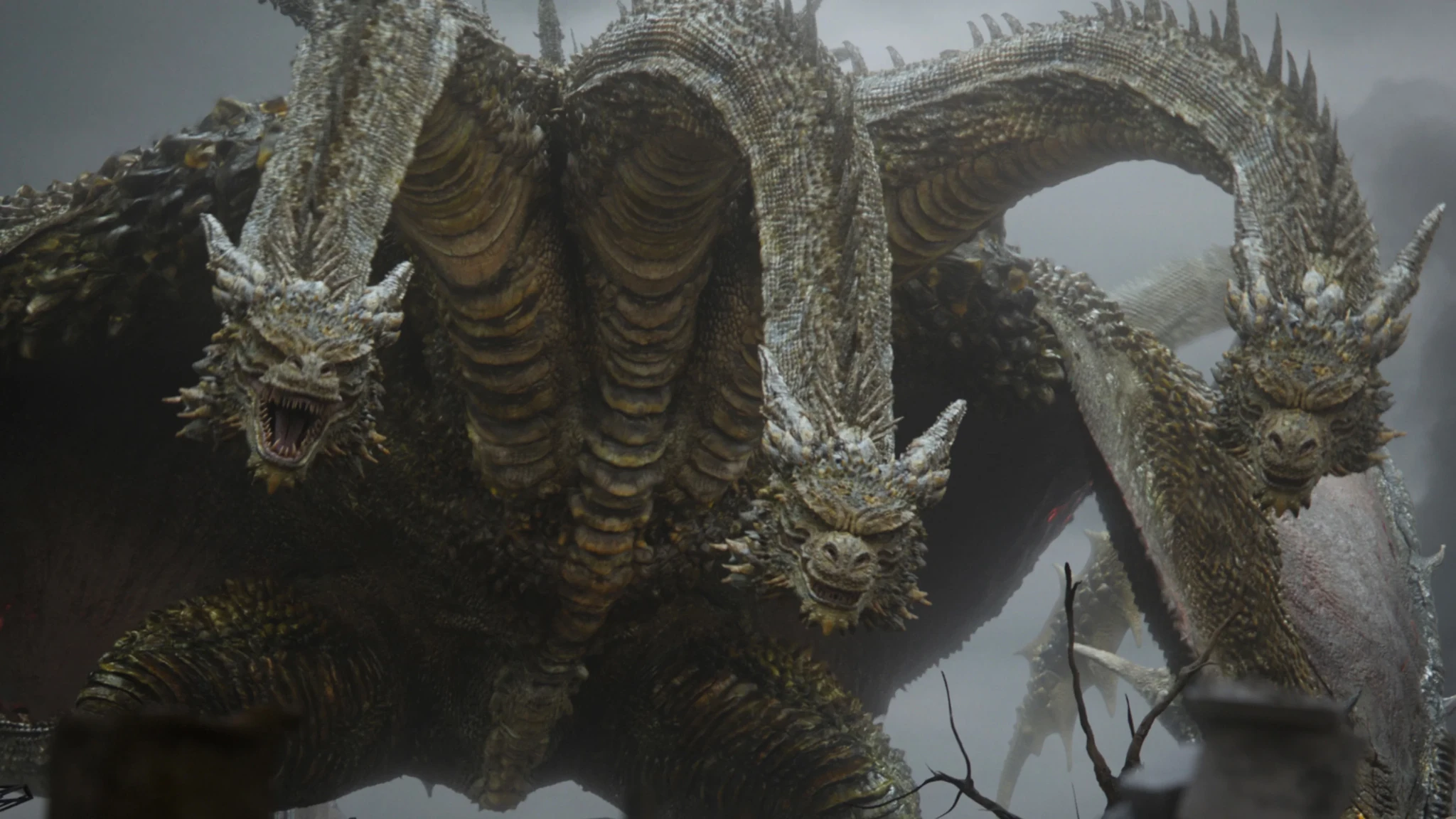
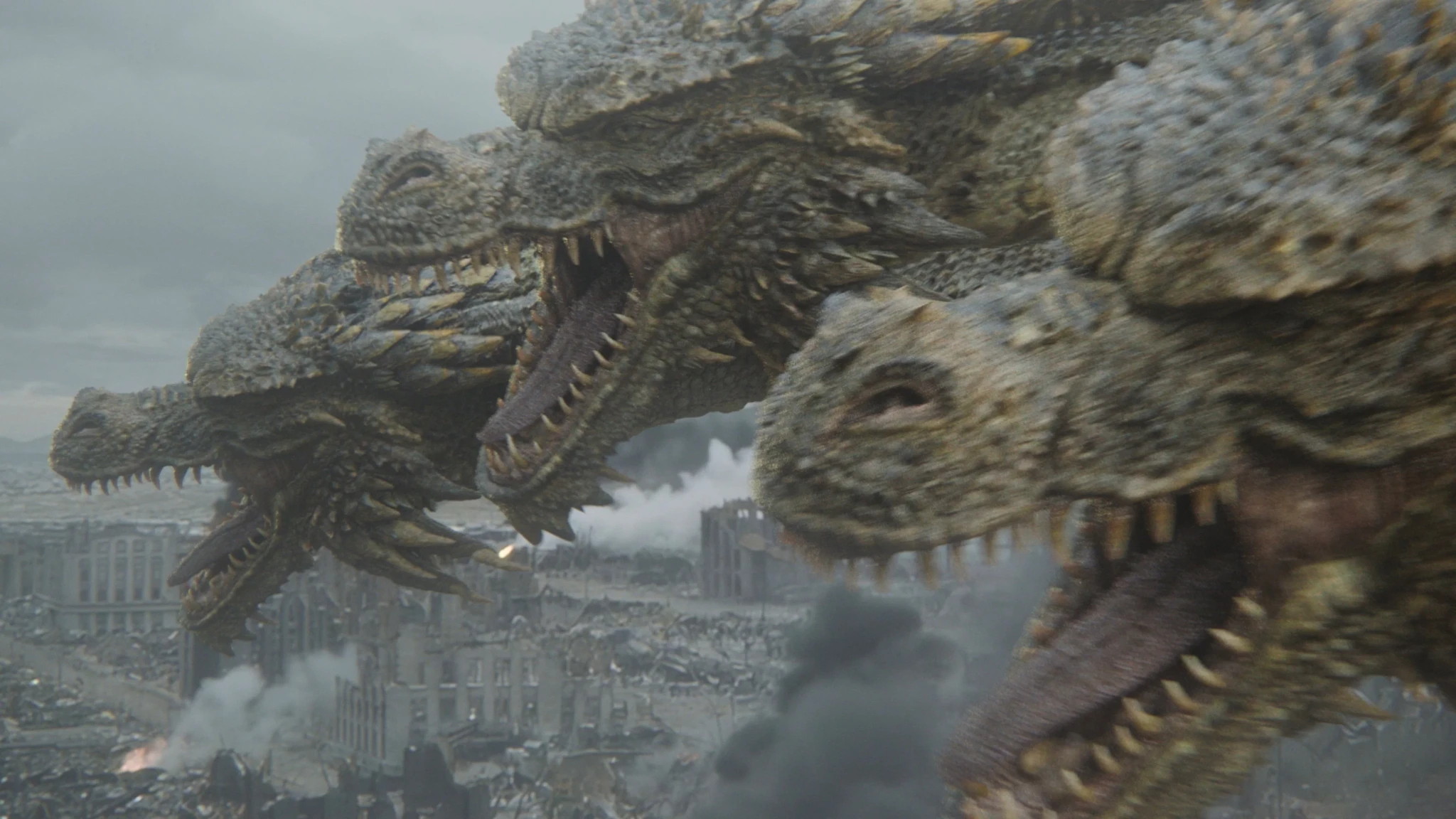
But that stability does not last. The city of Matsumoto is attacked by a new creature, Ghidorah, which can fly and fire destructive rays, as well as wielding a strange power that allows it to lift enormous buildings into the air and drop them from great heights.
From this opening, the film confronts its characters with a catastrophe beyond their defenses and reopens a question the first film appeared to have answered: how can life be protected when the power needed to save it exceeds humanity’s ability to control it?
The important difference is that Godzilla Minus One relied primarily on Shikishima’s journey through his guilt, as he moved from seeing death as a deserved punishment to discovering that survival itself was worth fighting for.
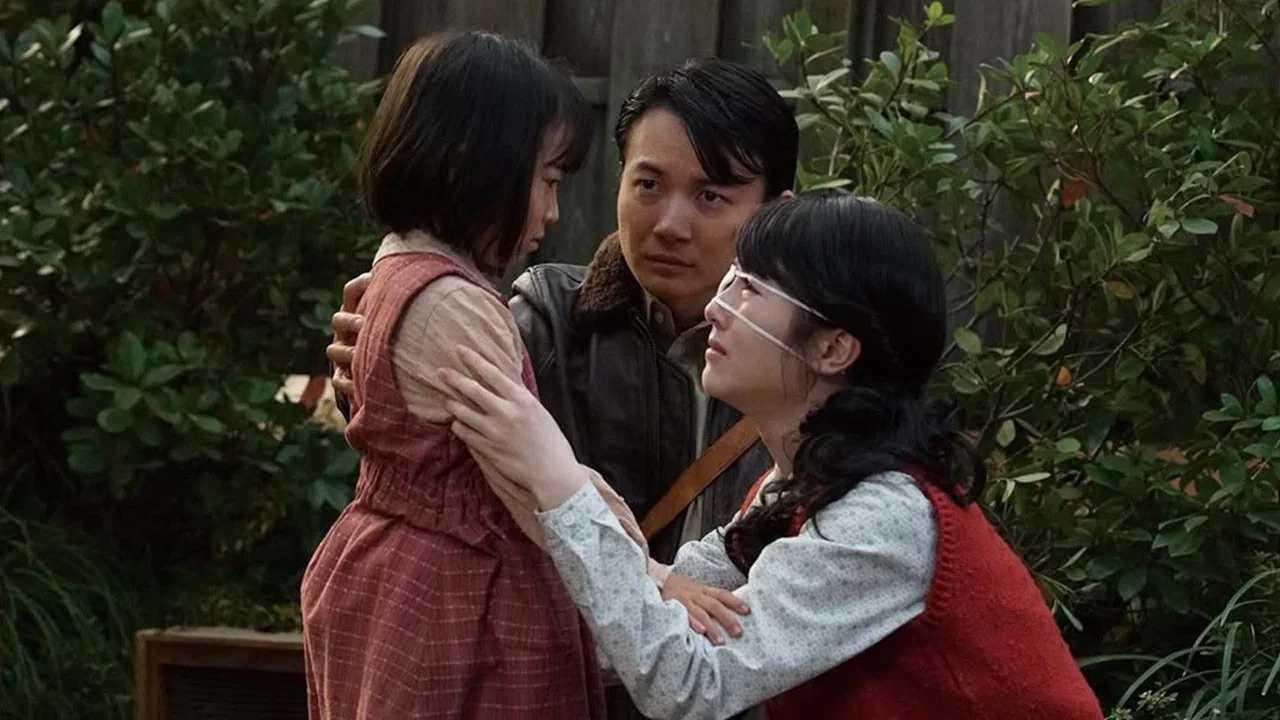
Here, the conflict expands to encompass an entire society. It is no longer only about a man trying to come to terms with his past, but about institutions, scientists, and families forced to make harsh moral decisions under the pressure of fear.
This is an interesting starting point because the film does not treat the end of war as the actual end of its effects. Cities can be rebuilt, but the decisions that produced the catastrophe, and the anger and loss it left behind, do not disappear so easily.
Still, having a strong idea does not necessarily mean developing it with the required depth. That problem becomes more apparent whenever the camera moves away from the monsters and closer to the human characters.
Ghidorah: when the city loses its stability
One of the film’s greatest strengths is the way it presents Ghidorah as a different kind of threat from Godzilla, rather than simply a larger opponent added to increase the scale of the battles.
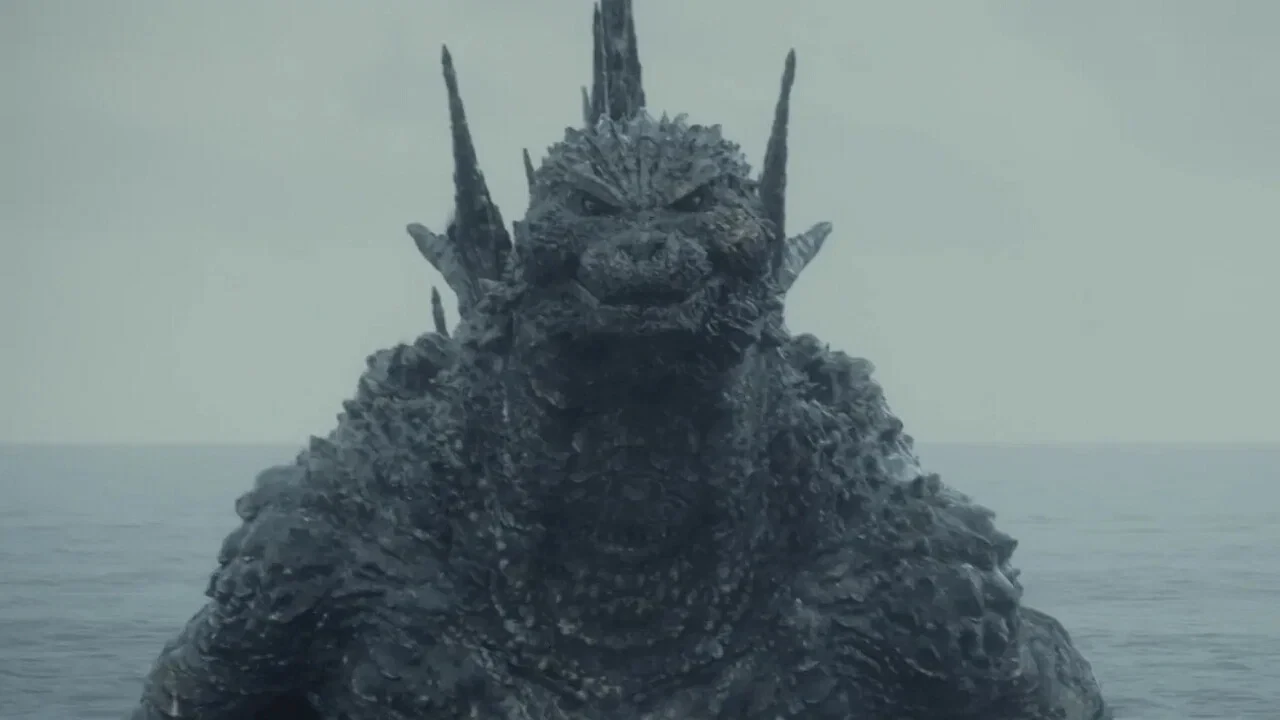
In the previous film, Godzilla was visually associated with the power of land and sea. Its heavy presence, movement among buildings, and emergence from the water all created the feeling that humanity was facing a natural force impossible to stop by conventional means.
Ghidorah changes the nature of the danger itself.
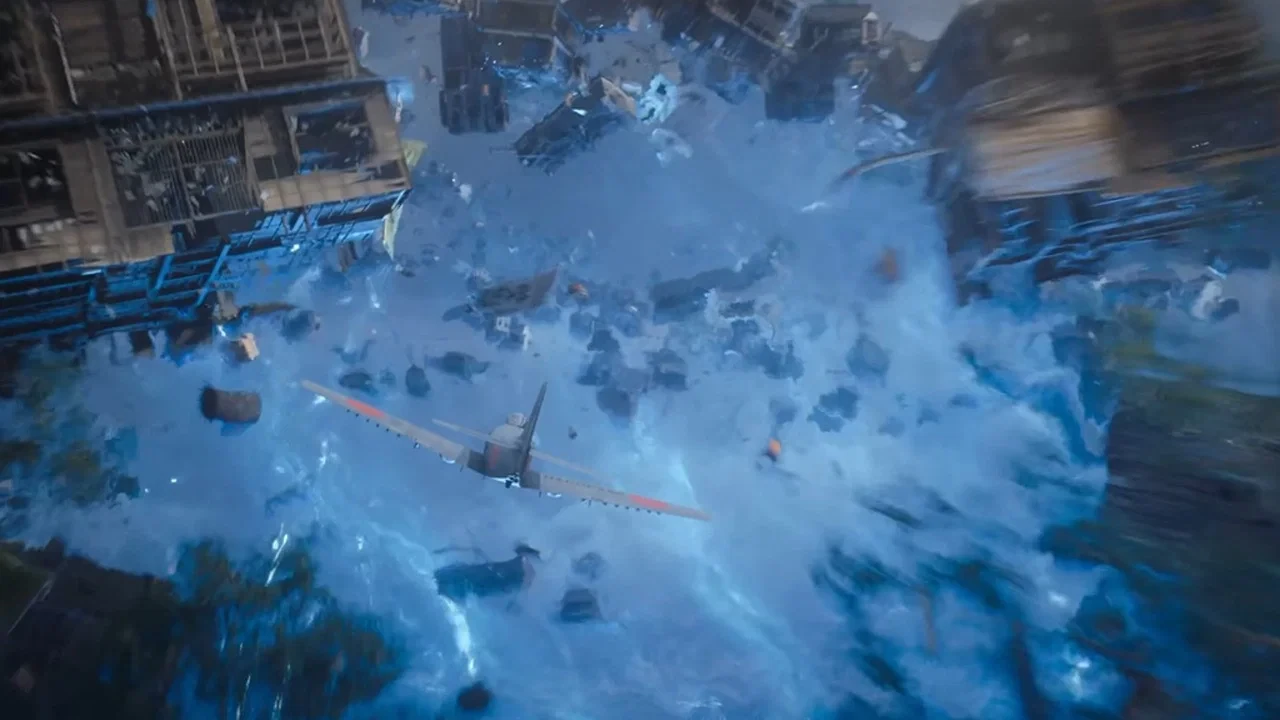
When buildings can rise into the air before falling onto the city, the setting loses its familiar stability. Danger no longer comes from a single direction, and streets and homes no longer provide even a temporary sense of safety.
This gives the early attacks their force. Destruction here depends on more than the size of an explosion: it turns objects that should remain fixed into sources of danger.
The aerial confrontations also benefit from the new creature’s nature. The planes trying to resist it are not fighting a conventional battle in open space, but facing an opponent whose freedom of movement and destructive abilities prevent them from relying on technological superiority.
The idea reaches its visual peak in the flights among buildings suspended in the air, where moving through space becomes part of the tension itself, rather than merely a display of effects.
The problem is that this strong opening raises expectations to a level the film cannot sustain throughout.
After establishing Ghidorah as a mobile, unpredictable danger, that feeling gradually recedes in some of the lengthy human passages. A gap begins to emerge between the energy of the disaster scenes and the slower rhythm governing other parts of the story.
Godzilla’s return and the rhythm of waiting
Godzilla’s appearance is delayed for a relatively long time, but I do not consider that a problem in itself.
The success of a film bearing Godzilla’s name does not depend on how many minutes the monster appears. The previous film proved that waiting can be more effective than constant presence when the human characters have conflicts capable of holding our attention.
Introducing Ghidorah first also gives the new installment an opportunity to create tension differently. We are not waiting for Godzilla because it is the only adversary, but because the scale of the new threat pushes the characters to seek a force capable of confronting it.
In this way, Godzilla’s return becomes more than a moment audiences are waiting for: it changes the nature of the entire conflict.
The problem arises in the gaps between the major moments of danger.
The film devotes a great deal of time to discussing plans, options, and the characters’ fears, without all of those scenes developing the situations or adding new dimensions to the conflict.
Some dialogue reaffirms feelings we already understand instead of pushing the characters toward more complicated choices.
The sense of slowness therefore does not necessarily come from a lack of battles, but from weak dramatic development in some of the spaces between them.
Waiting for Godzilla could have been more tense if every failed human attempt had changed our understanding of the danger or revealed something new about the people facing it.
Yet when the monster finally returns, the film recovers much of its strength. Its presence does not feel like a late addition to satisfy the audience. It gives the battle a new balance of power and exposes a larger dilemma: the people who had been trying to eliminate Godzilla are now considering using it.
This shift is one of the film’s most interesting ideas, even if its dramatic execution is not equally coherent.
Shikishima, Noriko, and Akiko: a family under renewed threat
One of the film’s biggest challenges was bringing Koichi Shikishima back after the ending he received in the previous installment.
His first journey was largely complete. The man imprisoned by guilt over his military past, who feared facing death as much as continuing to live, had finally found meaning in his survival.
Bringing him into another confrontation therefore required a conflict beyond simply fearing the loss of the people he loves.
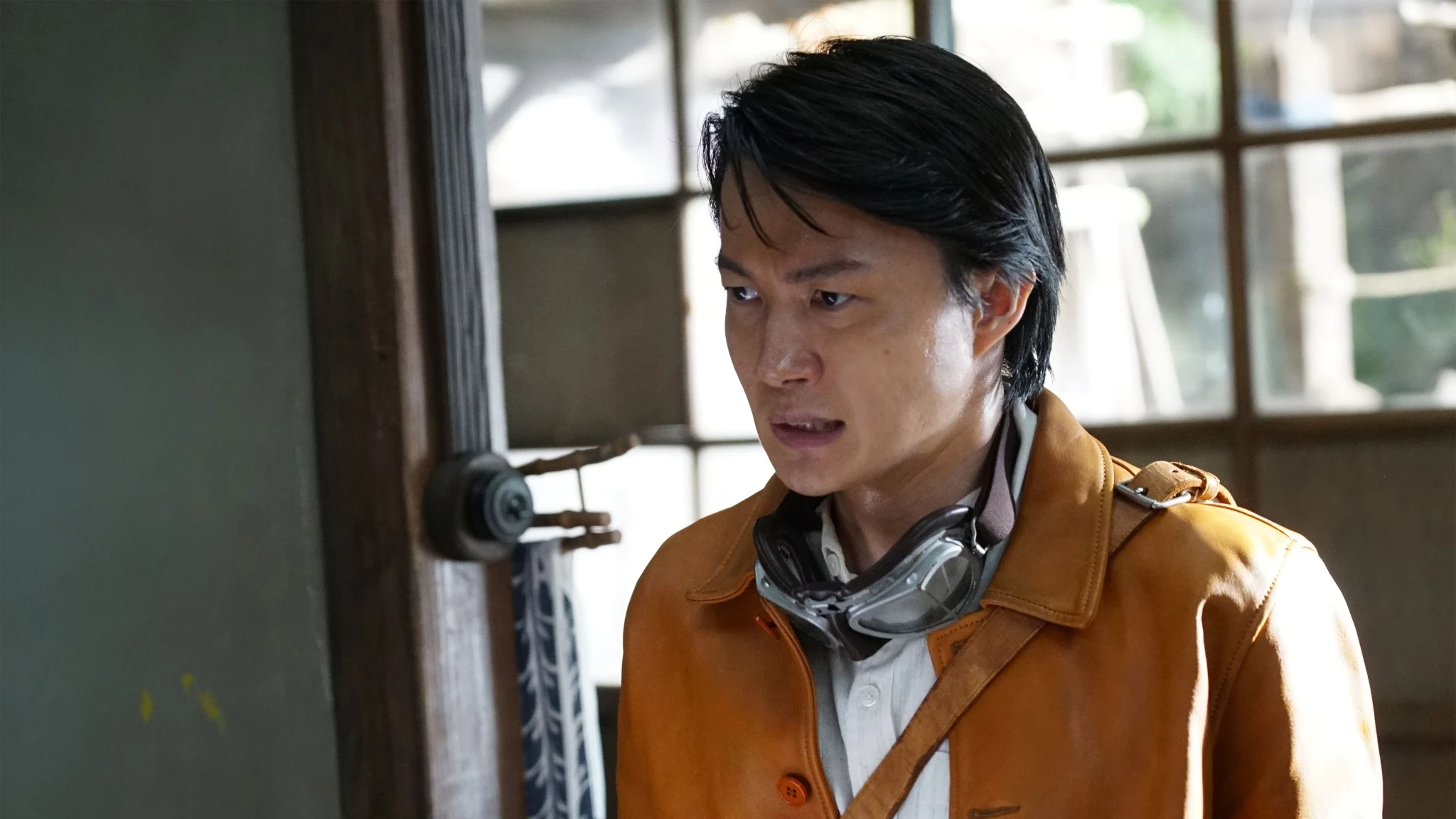
The film gives him an understandable motivation when Noda asks him to participate in confronting Ghidorah. He is now a husband and father, and his life no longer belongs to him alone. His hesitation about returning to flight is therefore tied to his responsibility toward his family.
But despite its logic, this conflict does not always develop enough. In several situations, Shikishima seems to express the same fears again, without his decisions revealing a psychological change equal to the importance of his earlier transformation.
Ryunosuke Kamiki delivers the required anxiety and emotion, but the writing repeatedly places the character within the same emotional range, limiting the impact of some scenes.
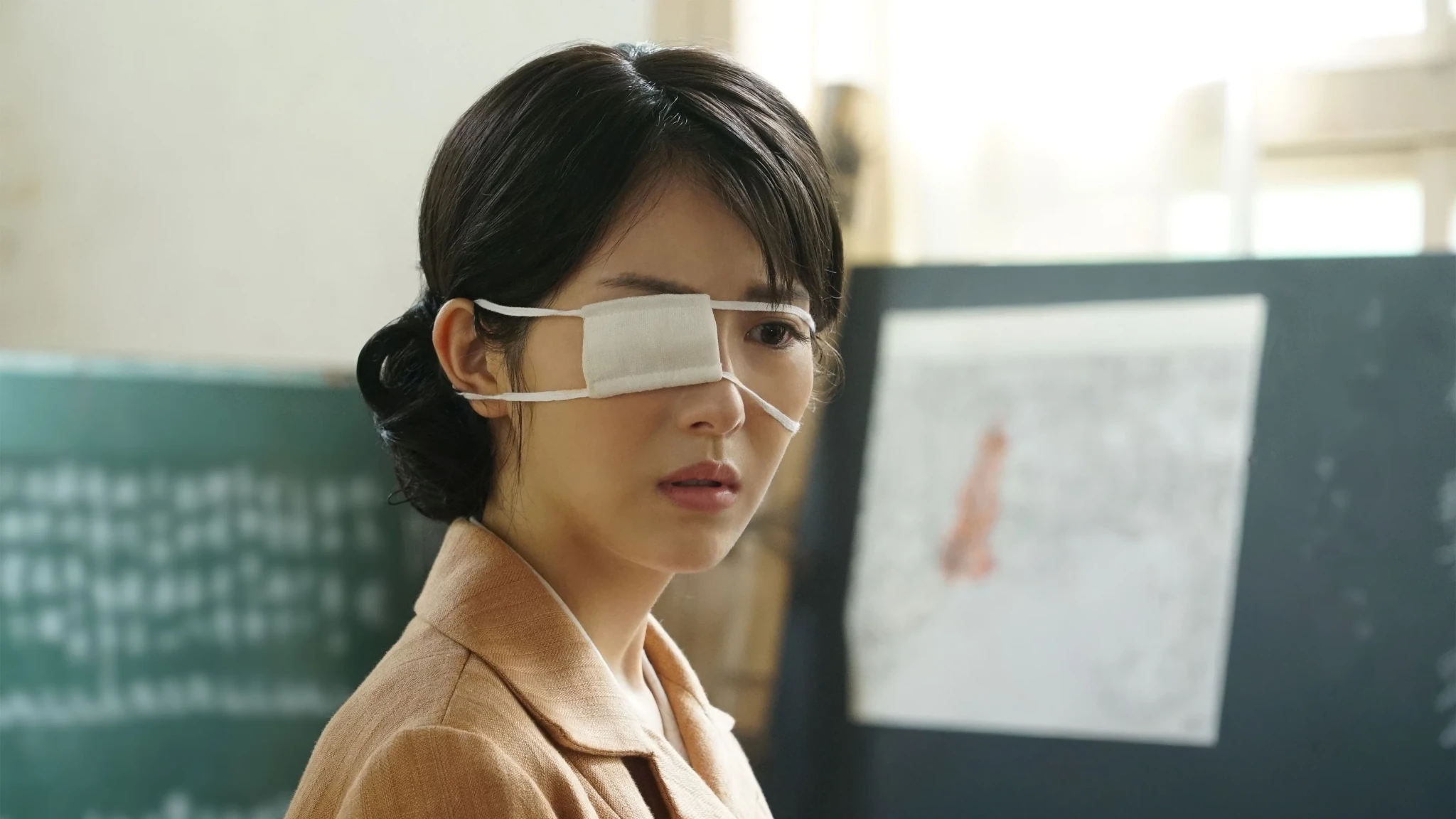
Noriko, played by Minami Hamabe, has a more interesting dramatic thread.
She survived the previous catastrophe, but survival left consequences. The mysterious condition affecting her body opens another path into the idea that the end of an attack does not mean the end of the monster’s influence on those who experienced it.
Noriko becomes more than someone afraid of losing her husband. Her personal life carries a continuing trace of the catastrophe, while her relationship with children who have lost their families reveals how much pain remains beyond the battlefield.
These elements offer significant dramatic possibilities, although the treatment sometimes relies on direct emotion more than on exploring the complexity of the situation itself.
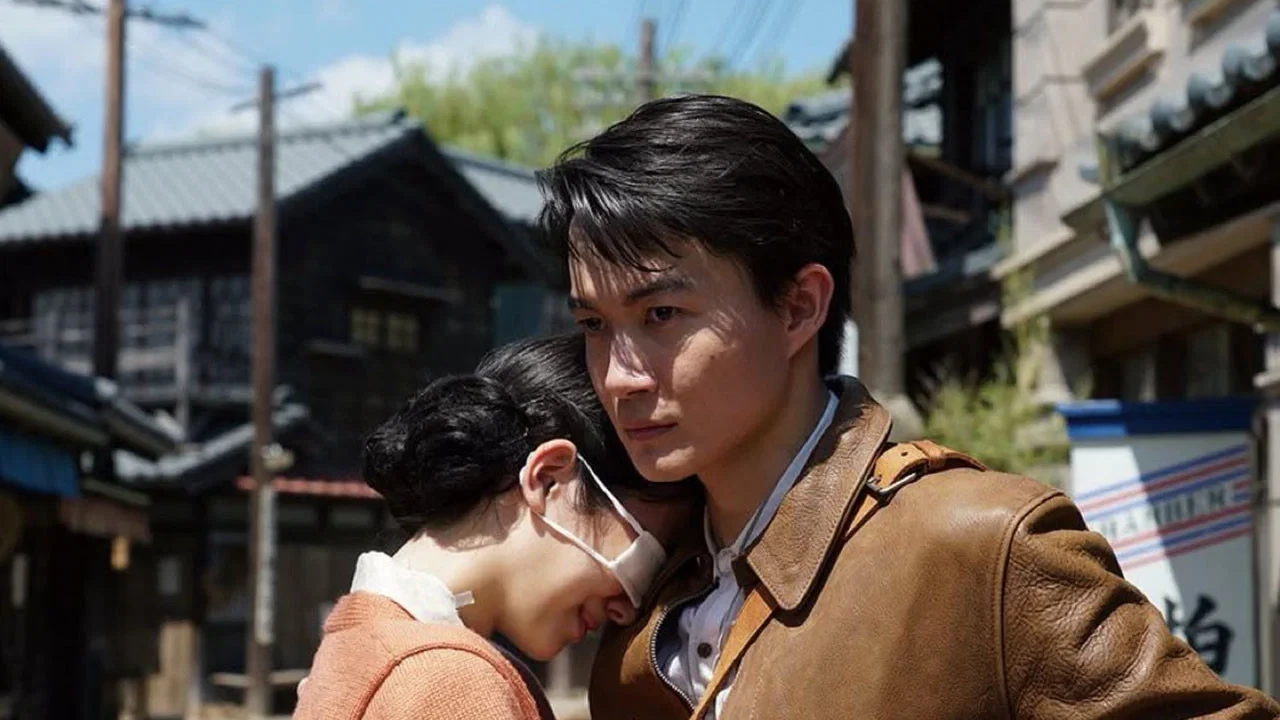
Akiko serves a clear emotional purpose within the family. Her fear for her parents and attachment to the hope that they will return safely connect the danger to the life of a child who does not understand the military calculations made by adults.
Some of these moments are indeed moving, but repeated cries, tears, and farewells make their impact uneven.
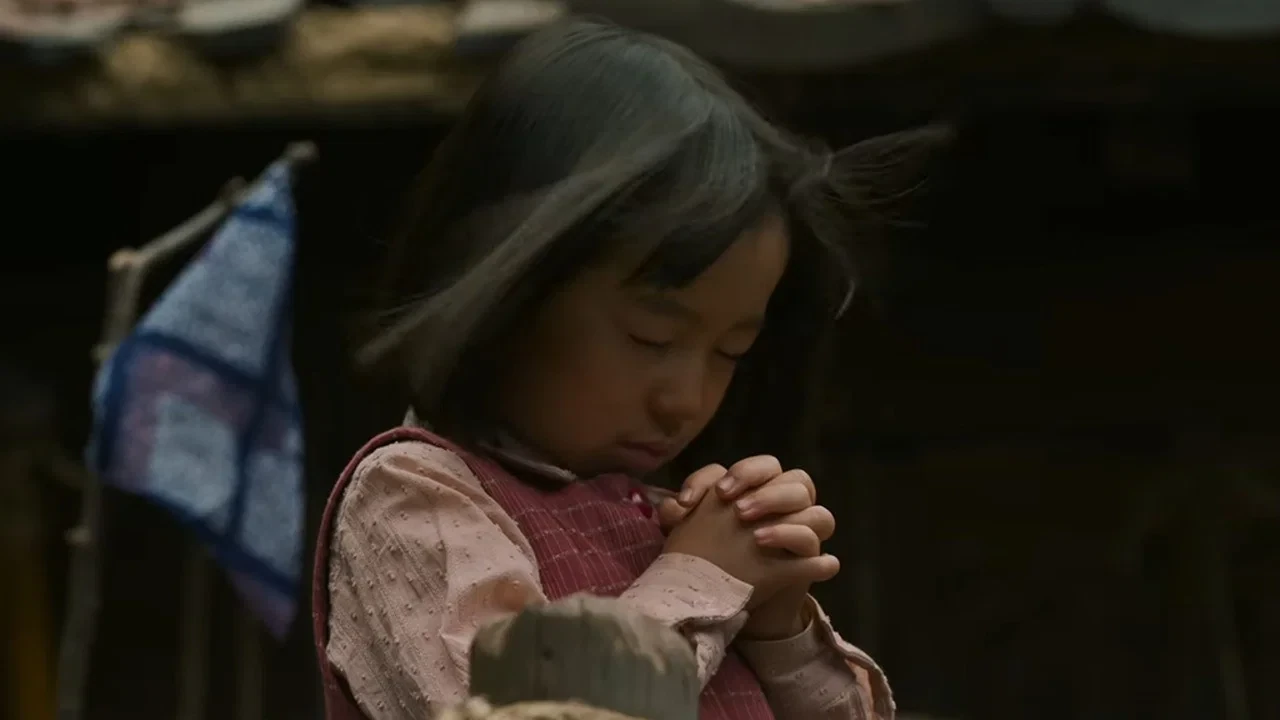
The problem is not the presence of emotion, but how much room the film gives viewers to feel it for themselves.
When a film repeatedly points toward a potential loss, its emotions become predictable before reaching their peak, and some scenes lose their power through excessive emphasis.
Science, revenge, and the limits of responsibility
One of the most compelling threads concerns the scientist Kanji Murakami, played by Min Tanaka.
Murakami is more than a new scientist with information that can help confront Ghidorah. His painful personal history is tied to the atomic bombing of Hiroshima, shaping his view of power, revenge, and the kinds of solutions that can be accepted.
His proposal to push Godzilla into confronting Ghidorah therefore goes beyond an unconventional military plan.
It reveals humanity’s willingness to use the very force that previously destroyed it when people feel they have no alternative.
More provocatively, Murakami’s motives are not entirely separate from his anger toward the United States. He sees the monster as a force that might be directed toward revenge, rather than merely a danger to be eliminated.
The film presents an important moral contradiction here: someone who suffered from the use of destructive power against civilians can find himself drawn to using similar power when the people facing its consequences change.
This paradox does not necessarily establish Murakami as evil. It makes his position more complicated because he is trying to protect the present through ideas that have not fully escaped the wounds of his past.
Noda offers a counterpoint. Now responsible for the disaster response agency, he tries to manage a crisis his institutions do not have sufficient means to contain.
What matters most is the human cost of decisions. The issue is not simply finding a successful plan, but how far those in authority are willing to endanger individual lives to carry it out.
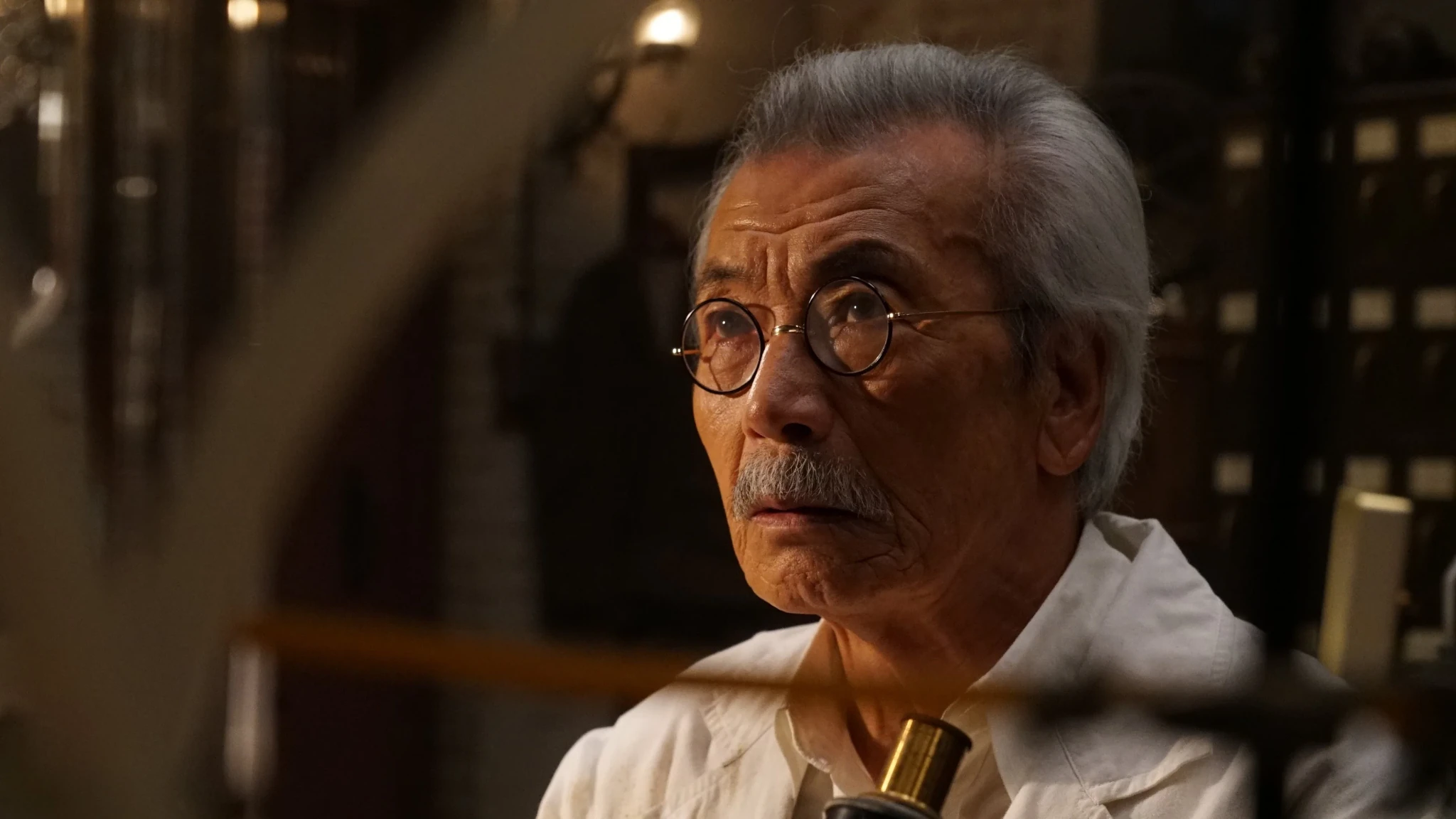
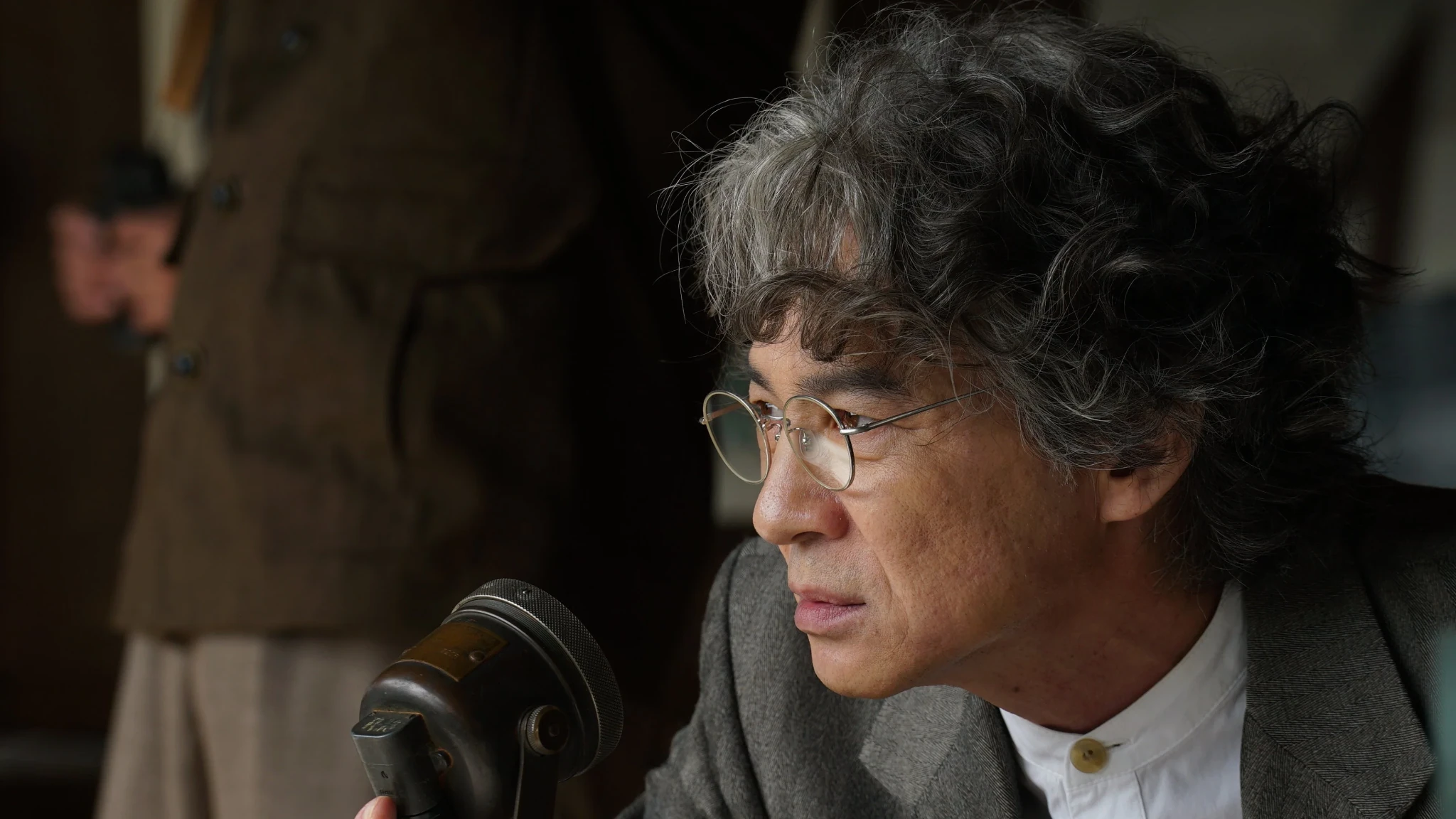
Makoto Oyama, played by Masami Nagasawa, introduces another direction within this group, seeking to apply her scientific knowledge and find alternatives beyond a direct reliance on destructive force.
Through these characters, the conflict can be read as a confrontation among three approaches: anger that wants to answer with force, calculations that seek a result however difficult, and science that tries to broaden the available options.
But the film does not always give these approaches the same dramatic depth. Some new characters occasionally seem closer to representations of particular positions than people with fully developed inner lives.
Nevertheless, this remains one of the film’s strongest aspects. It shifts the question from how to destroy the monster to what kinds of decisions humanity can justify in the name of survival.
Plans and confrontation: suspense needs clarity
There is an important difference between the construction of the final confrontation in Godzilla Minus One and the new film’s approach to its plans.
In the previous film, the plan to confront Godzilla was clear to viewers before it was carried out.
We understood the idea, the tools required, and the potential risks, then watched the characters try to put it into practice under changing conditions.
That knowledge did not spoil the suspense. It created a large part of it.
When viewers understand what characters are trying to achieve, they can recognize the danger of every failure, the importance of each decision, and what might follow if a single step goes wrong.
In Godzilla Minus Zero, Yamazaki sometimes chooses to shorten planning and preparation through montage, moving directly to results or revealing certain methods when they are needed.
This approach may produce quicker surprises, but it sometimes weakens our sense of how much effort the characters have invested in what we see.
Some major preparations and operations enter the confrontation without enough groundwork to explain how they were achieved. This makes the battle’s development less dramatically convincing, even when its visual execution is extraordinary.
This is important because a confrontation’s success depends on more than seeing a plan work. We also need to understand the difficulties the characters had to overcome.
The new film gives the monsters more room to drive events, while sometimes diminishing the human teamwork that was central to the previous installment’s strength.
The major confrontation amid Ginza’s ruins offers an enormous amount of destruction and movement, but does not always have the clarity that distinguished the first film’s battle at sea.
The ruined spaces, dark colors, and continuous exchange of blows between the two creatures make some stages of the fight visually similar, despite the scale of the effects.
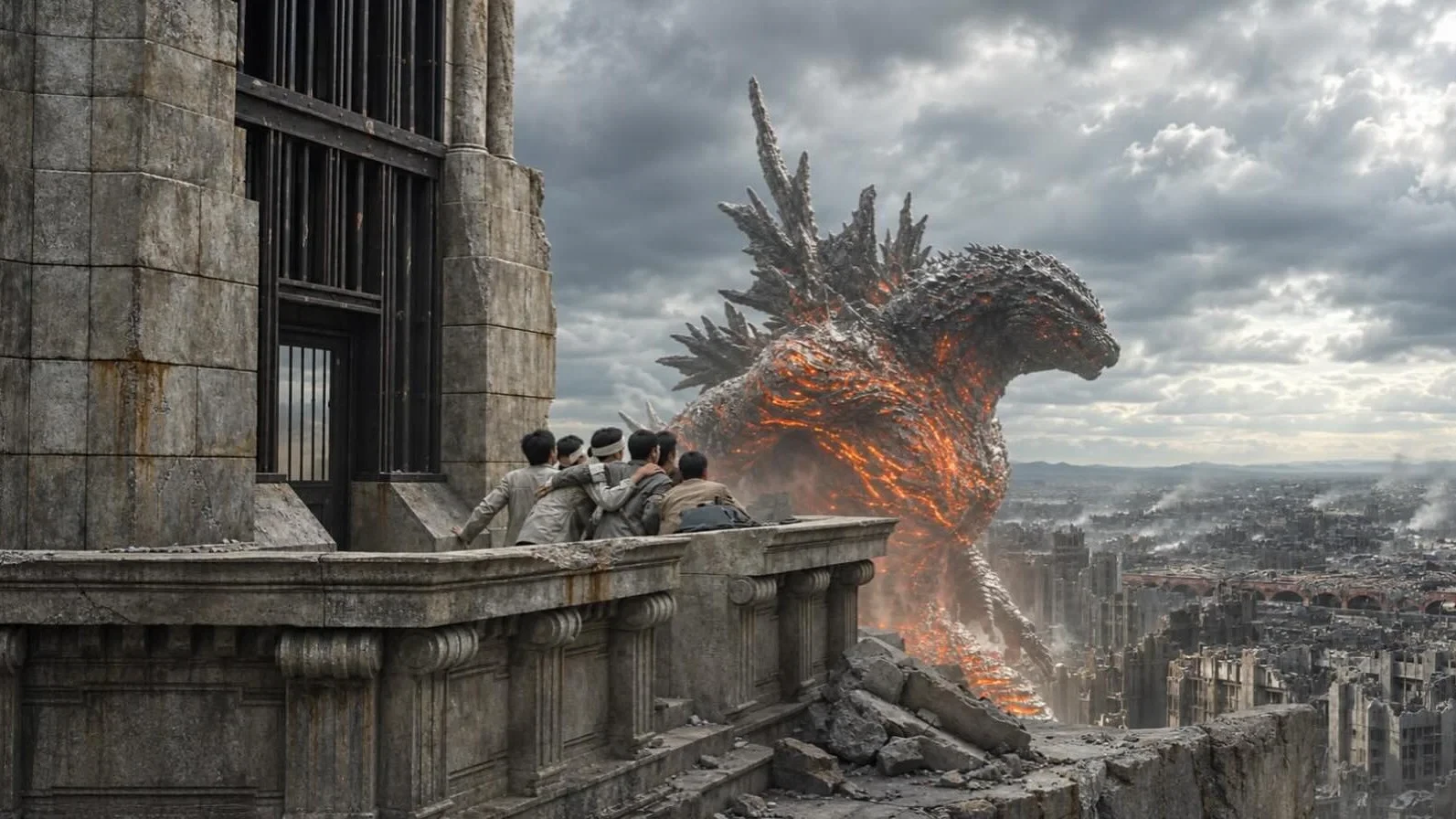
The result remains enjoyable as spectacle, but its construction of tension is less precise because viewers cannot always follow the relationship between human decisions and what happens in the confrontation.
Here lies the difference between a battle that displays the strength of two opponents and a battle that lets us follow how one of them might win.
Visual effects and sound: the monsters’ weight and the cost of spectacle
If the human drama is uneven, the visual execution offers compelling reasons to watch the film on a large cinema screen.
Yamazaki understands that convincing viewers of a giant creature’s existence requires more than an accomplished design. It also depends on how that creature affects the surrounding world.
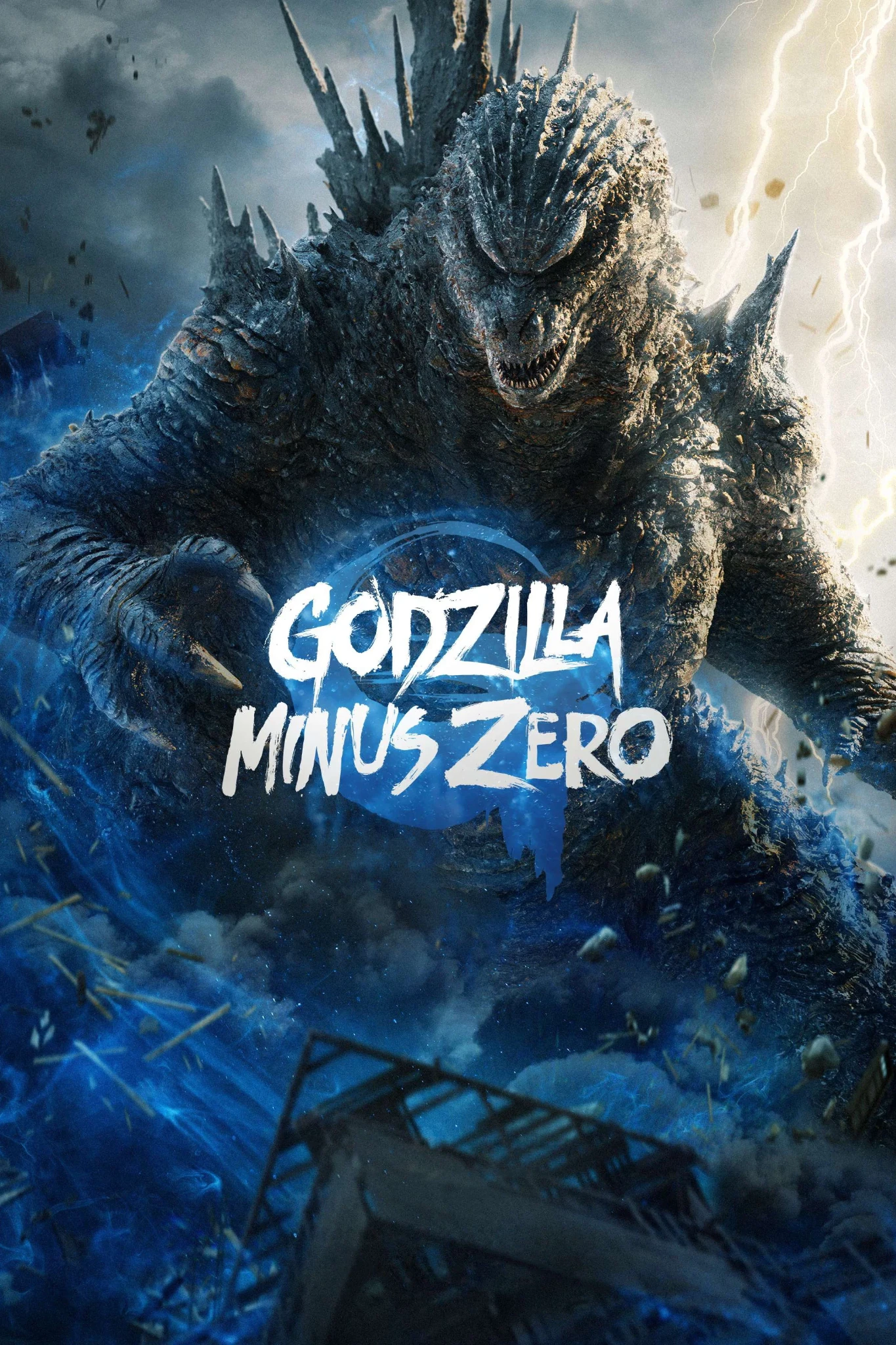
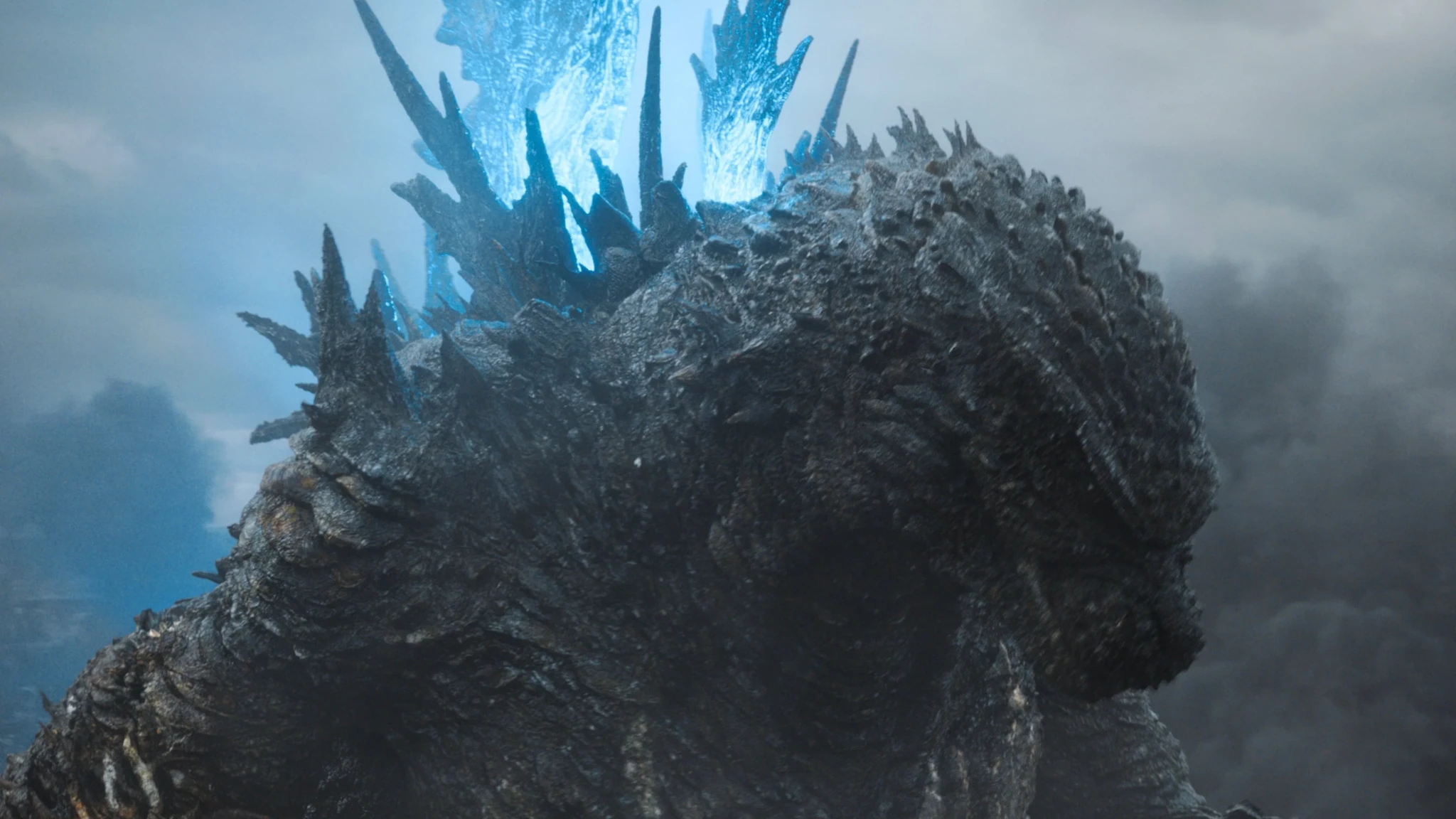
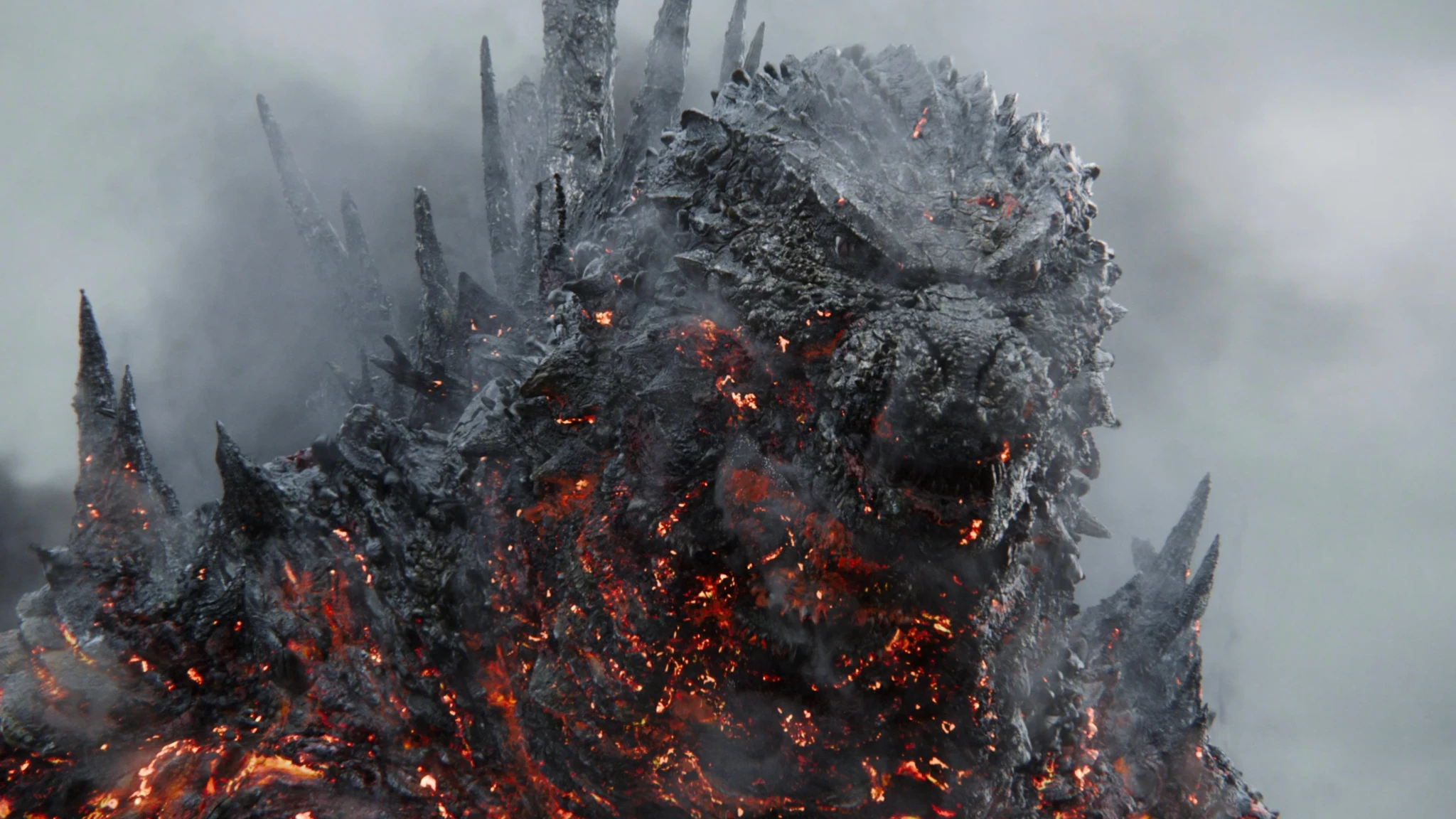
Godzilla and Ghidorah move with a clear sense of scale and weight, and the destruction of buildings does not feel like a digital backdrop detached from the battle.
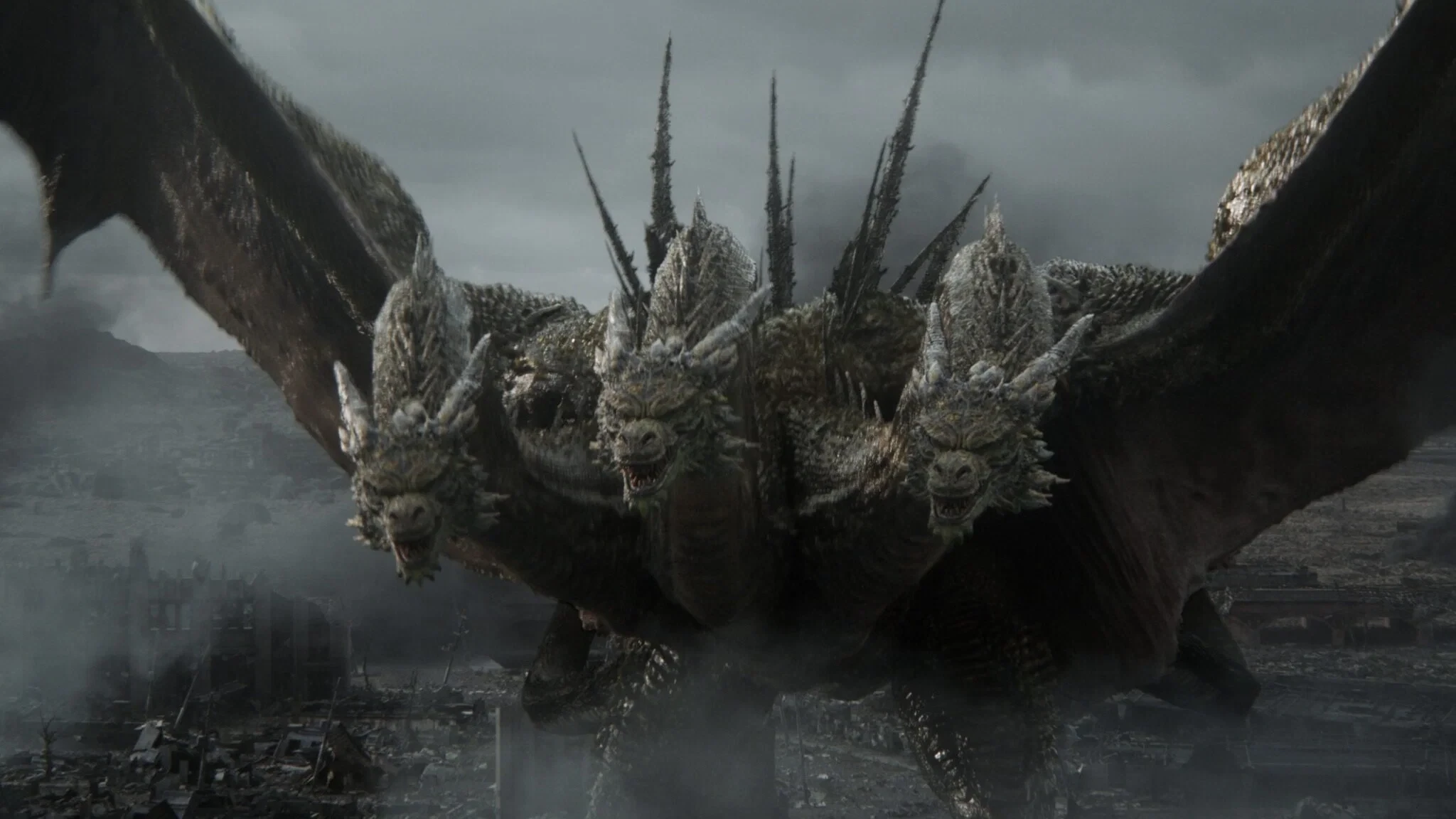
Falling masses of architecture, surging water, and the monsters’ physical interaction give these confrontations tangible force.
The contrast between Godzilla’s blue rays and Ghidorah’s destructive energy also provides a clear visual distinction within the dark scenes.
Sound design is no less important than the visual effects.
The monsters’ roars, rushing planes, explosions, and massive orchestral arrangements reinforce the feeling of a catastrophe beyond humanity’s ability to control.
The use of Godzilla’s famous theme remains one of the moments that gives its presence additional force, particularly after the long wait preceding its return.
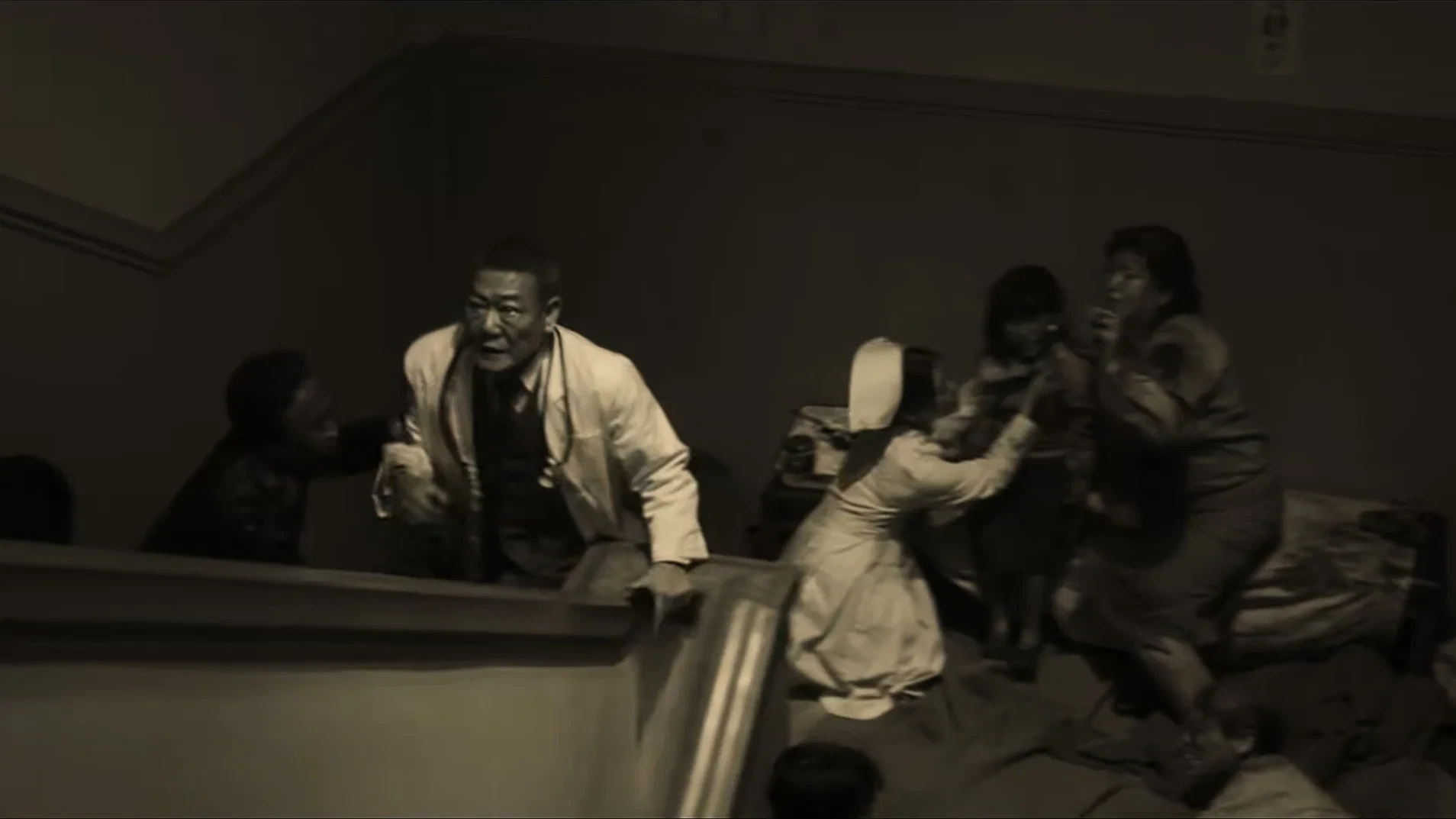
But the film does not rely on spectacle alone. Scenes showing war victims, burns, and destruction try to remind us that a catastrophe is more than collapsing buildings: human lives face loss and disfigurement.
The contradiction between visual excitement and the harsh human consequences is an important part of the experience.
The film faces another challenge here, however: the more exciting and enjoyable the battles become, the harder it is to maintain the horror these creatures are supposed to embody.
At times, watching the two monsters exchange blows becomes more engaging than following the human fate the story is trying to place at the center of our attention.
This paradox does not erase the scenes’ success, but it exposes the difficulty of combining a massive monster movie with a drama that wants to take a serious position on the effects of war and violence.
The ending: have we survived, or postponed the danger?
By its final stage, the film has assembled many elements that could have given it an extremely affecting ending.
We have a society trying to prevent another catastrophe, characters carrying old wounds, a family afraid of losing the stability it has achieved, and a conflict between two forces humanity cannot fully control.
But the strength of these elements does not carry into the ending equally.
The major confrontation provides considerable visual satisfaction, while some of the emotional moments afterward spend too long reaffirming what has already become clear.
As fear, loss, and farewell recur, the impact of some moments diminishes instead of multiplying.
The ending could have given more room to the consequences of the characters’ choices instead of relying so heavily on direct emotion.
Still, the film retains an idea worth considering: escaping a catastrophe does not necessarily mean escaping the logic that made it possible.
Humanity does not achieve complete control over the world here. People are trying to survive forces greater than themselves, sometimes relying on a power no less dangerous than the one they fear.
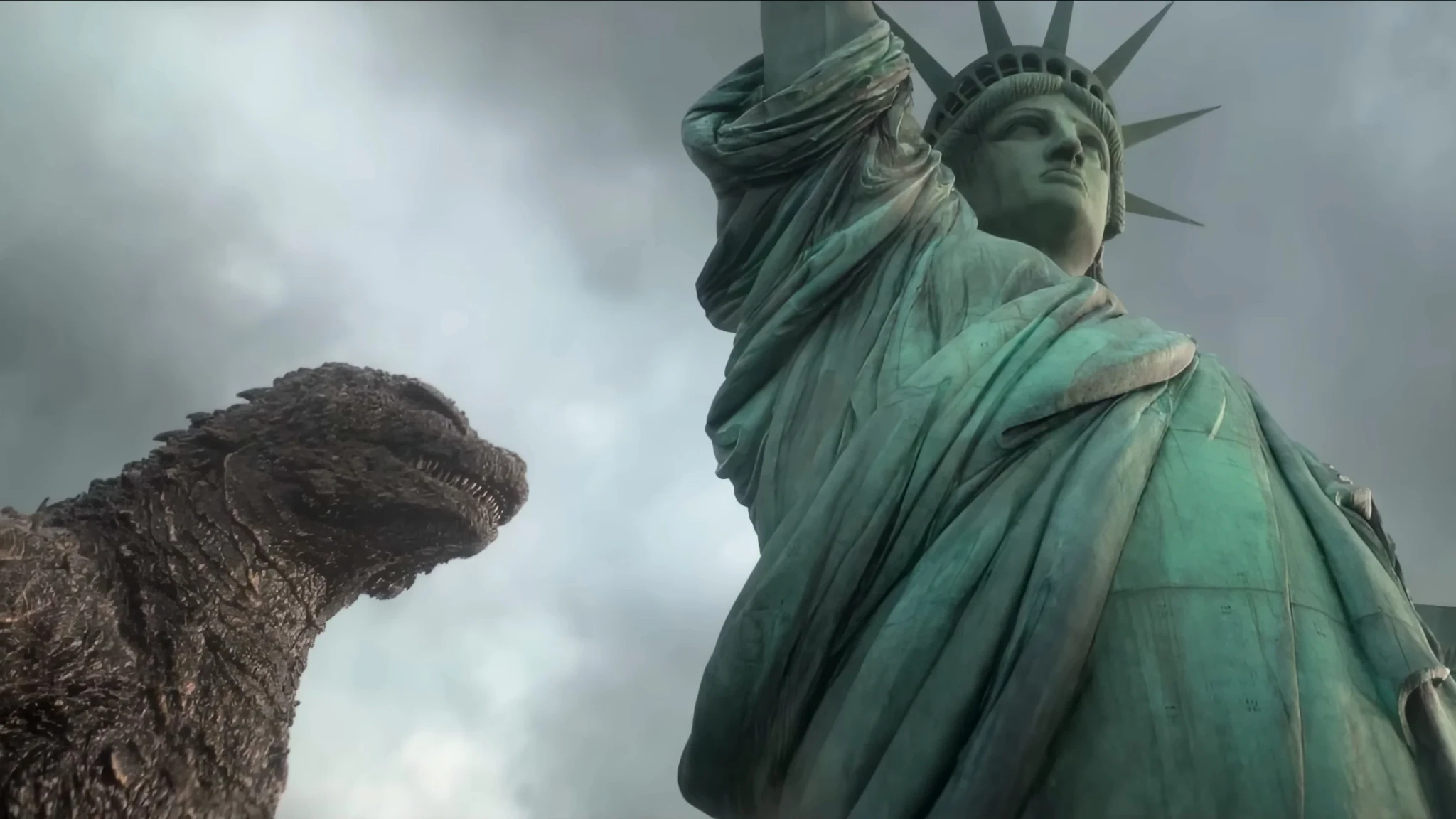
In this sense, victory itself remains open to question.
Have the characters really protected the future, or have they merely postponed another confrontation with danger?
Final verdict
Final verdict
The film offers a powerful cinematic experience through its visual effects, battle design, and sound. It succeeds in establishing Ghidorah as a threat that gives the series new possibilities for movement and destruction. It also has good ideas about the aftermath of war, the desire for revenge, and the limits of human responsibility when survival depends on decisions that carry moral risks. But those strengths do not remove clear reservations about the pacing, repeated emotional conflicts, and the failure to give returning and new characters all the development they need. The most important difference is that the previous film made the external battle a natural extension of its protagonist’s internal conflict, while the human drama and spectacle here feel less coherent in some stretches. Ultimately, Godzilla Minus Zero largely succeeds when it lets us follow the monsters’ power and danger, but is less convincing when it tries to achieve the emotional impact of its predecessor. It is an installment worth seeing, particularly on a large screen, but it does not consistently maintain the balance between spectacle and human storytelling that gave Godzilla Minus One its distinctive place.
Your turn
Our question for you: was using Godzilla against Ghidorah a genuine human victory, or an admission that people can no longer protect themselves without relying on a power they fear?
AUDIENCE VOTE
Do you agree with the MB rating?
Choose once from this browser. You can change your answer at any time.