The review
Screenplay and Dialogue: A Celebration Within the Limits of Power
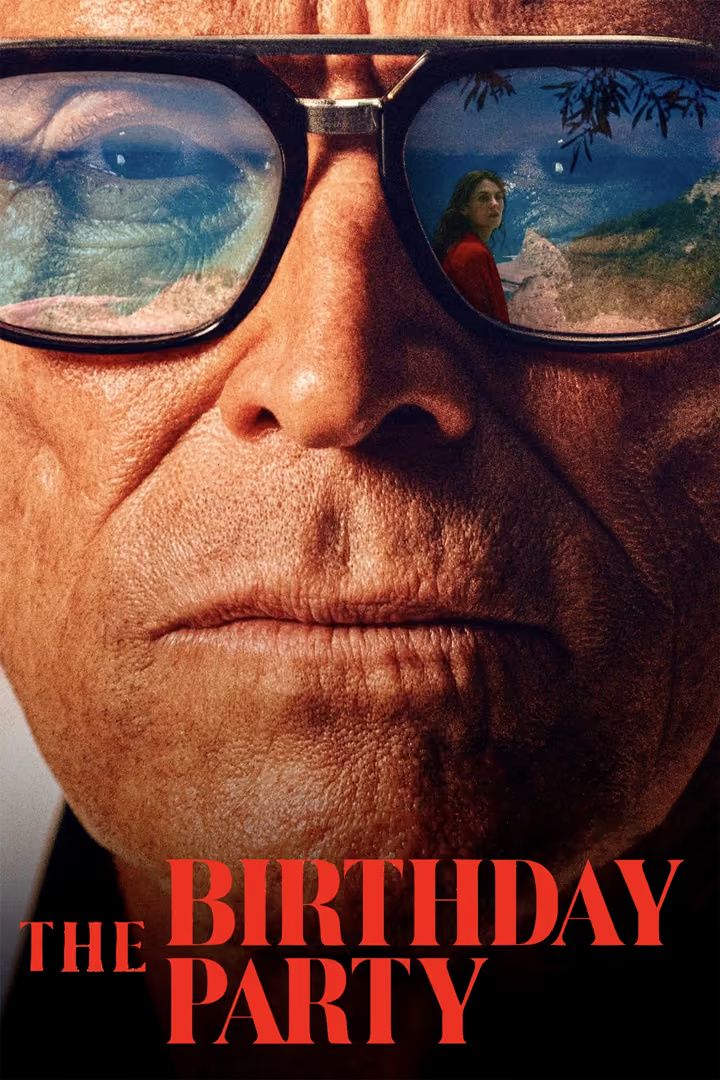
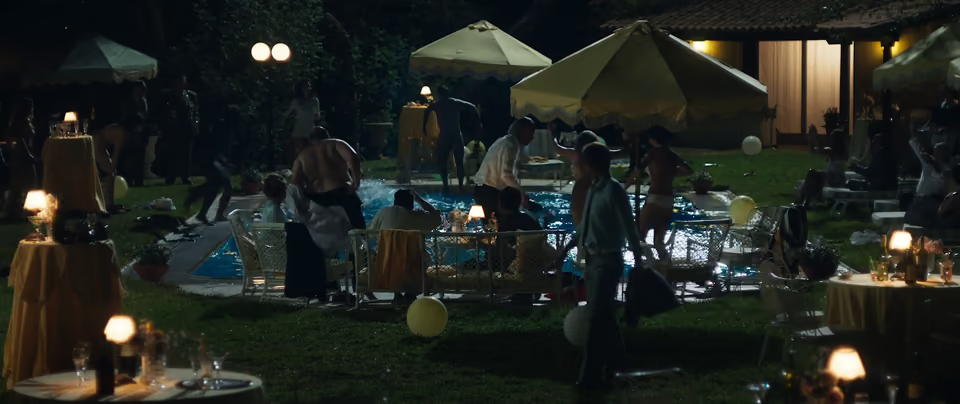
The story takes place in the summer of 1975 on a private Greek island, where industrialist Marcos Timoleon gathers close associates and acquaintances to celebrate his daughter Sofia.
From the beginning, the occasion carries tension between its announced purpose and what is happening within it. Hospitality, polite conversation and celebration bring people together in a place Marcos controls, placing their relationships under the influence of his will.

The loss of his son gives his obsession with the family legacy additional weight. We see him treating the future as something to arrange and secure, with Sofia entering these calculations as a possible continuation of what he wants to preserve.
This is important to the construction of the character. His grief helps explain his attachment to control, while his actions reveal how a person can turn pain into a justification for imposing terms on others. There is less and less room to acknowledge that his daughter may have a future different from the one he has imagined for her.
Willem Dafoe gives Marcos a presence built on economy of movement. The character does not need constant agitation for us to feel his capacity to hurt others; knowing his position within this place lends weight to his stillness.

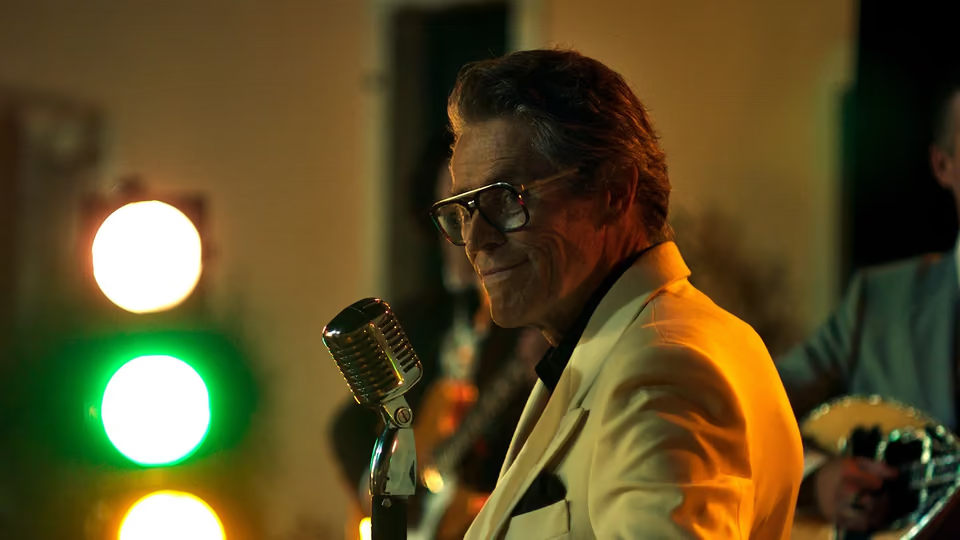
The performance nevertheless benefits greatly from Dafoe's familiar presence and his established ability to create unease. This serves the film effectively, but reduces the sense of discovery within the role. We are watching a precise deployment of tools the actor already possesses more than a transformation that surprises us with an entirely new image of him.
Surveillance and Silence: Every Word Must Be Weighed
One of the most effective details is a tape recorder in a back room. It introduces a disturbing possibility into these relationships: apparently passing remarks can be kept and then used outside the moment in which they were spoken.
We see the importance of recording as extending beyond whatever information Marcos may obtain. Simply suspecting that a conversation could be monitored changes the way people speak. Each person must calculate what to say, how it might be interpreted and who might benefit from it later.

This explains some of the tension inhabiting the pleasantries. The characters are at a celebration, but lack the security that would allow natural conversation. Every approach could expose a weakness, and every private space seems vulnerable to intrusion.
The film builds a convincing picture of control as behaviour others learn to anticipate. It is enough for them to believe Marcos can find out or intervene for them to begin adjusting their actions themselves. His power extends through the caution he instils in those around him.
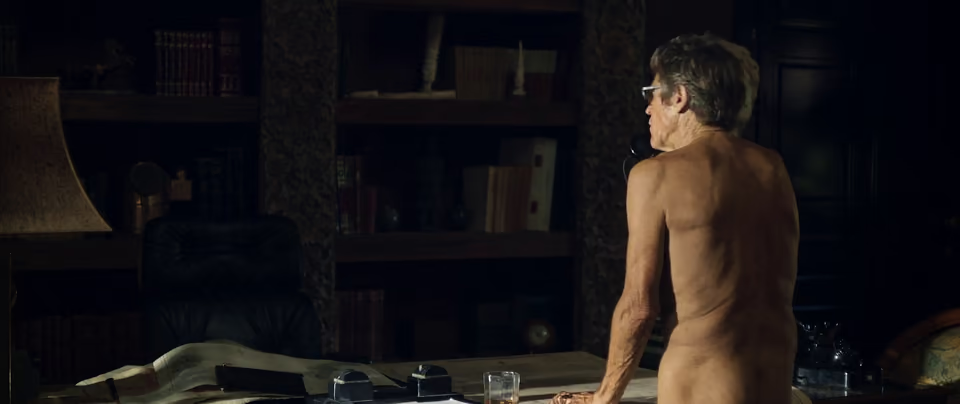
Moments of silence also acquire a clear purpose. After speech, the expectation of a reaction remains, and a pause becomes an opportunity to judge whether a phrase has crossed an allowable boundary.
For us, this is one reason the psychological suspense works. The source of danger is understood, but neither the timing nor the limits of its use can be taken for granted. We remain attentive to the relationships even when no major event occurs, because conversation itself may change the balance between them.
Sofia: The Right to Choose Within a Cage of Luxury
Sofia gives the film its emotional centre, carrying a history of addiction and family tragedy while trying to build a life she can attribute to her own choices.
The luxury surrounding her does not erase this need. Belonging to a wealthy family gives her access to many things, but leaves her independence subject to someone who believes he has the right to intervene in her fate.
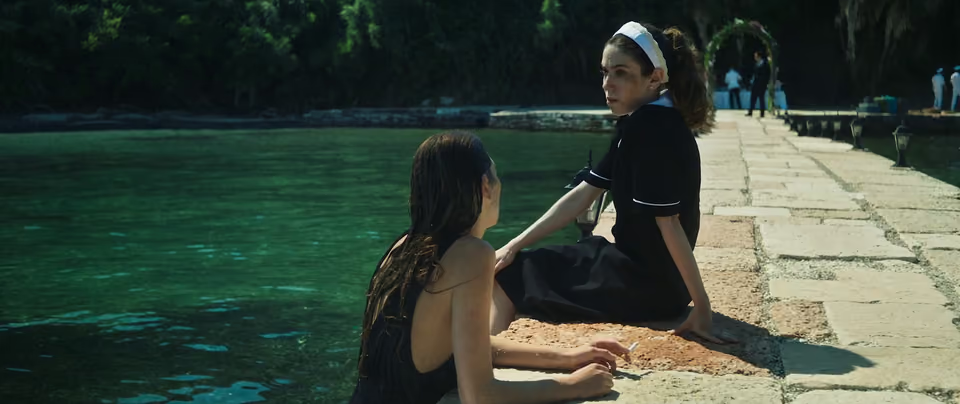
Her relationship with Ian, the biographer, gains significance within this context. It can be read as an attempt to reach a relationship and a life outside the calculations enclosing her. The attraction carries the possibility of becoming someone who chooses, after growing used to being the object of other people's choices.
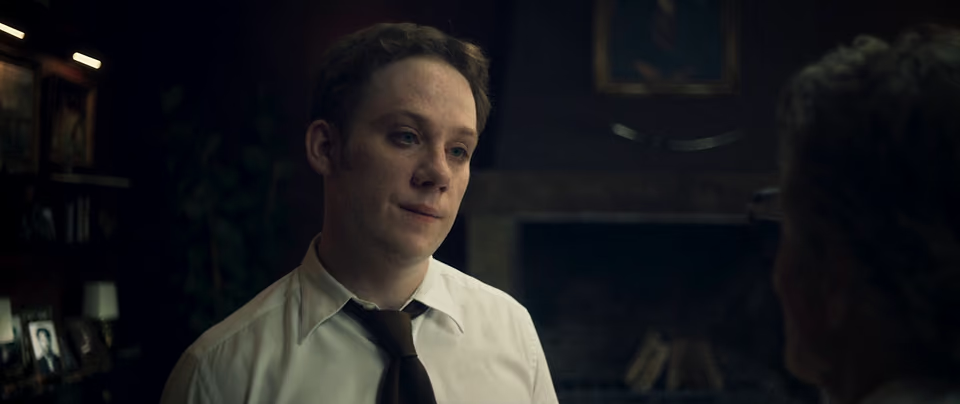
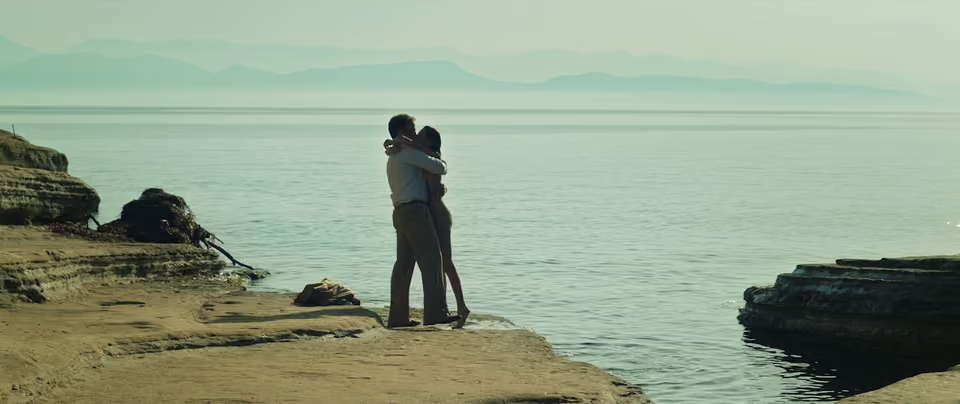
Vic Carmen Sonne conveys this struggle with remarkable precision. The shift in her posture from confidence and defiance to alert tension makes the pressure visible in her body. Her looks suggest that she is constantly reassessing the risks, even when trying to act steadily.
What we value in the performance is its ability to hold resistance and fear together. Sofia knows something of the world she moves within, so her attempts at independence carry an awareness of what she may face.
This prevents the character from being reduced to an heiress rebelling against a dull lifestyle. What is at stake is her ability to decide matters concerning her body, relationships and future.
We see Sonne as the film's strongest element, giving human experience a tangible presence within a structure deeply concerned with the mechanisms of influence. Through her, losing the freedom to choose becomes something we can feel within a scene.
Olivia: The Cost of Leaving a Relationship
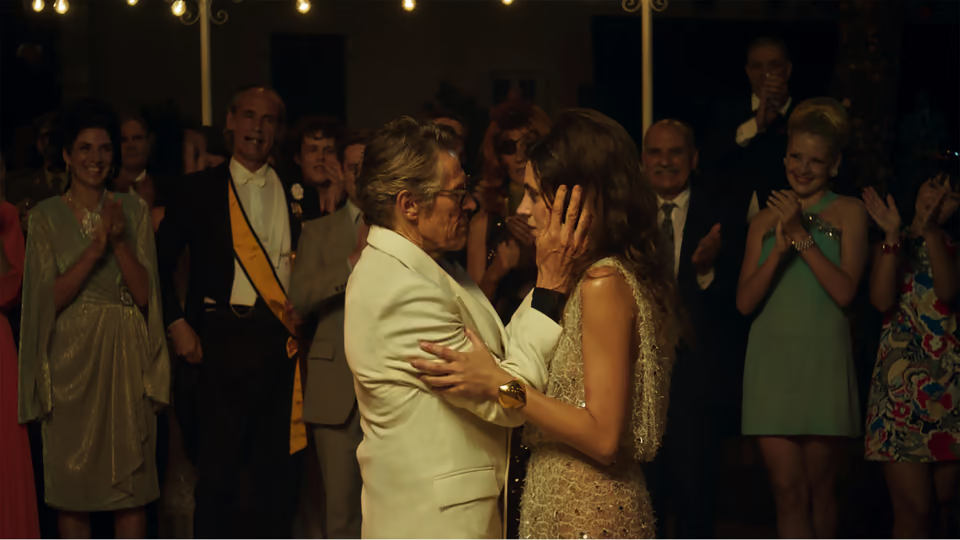
Olivia's presence broadens the meaning of resistance within the story. Marcos's wife arrives with a lawyer and tries to open a path towards divorce, entering the confrontation with a formal instrument and a more clearly defined intention.
This starting point gives her attempt particular importance. She has a specific demand and is trying to organise her departure from the relationship, but quiet threats and financial control redefine what she can actually ask for.
The film shows how resources become a means of emotional violence. Having the power to affect the other person's life makes negotiation unequal, even when its language appears calm and restrained.
Emma Suárez gives Olivia a sense of accumulated exhaustion. Her presence bears the effects of prolonged proximity to this power, and her attempt to break free seems bound to an awareness of what it might use against her.

Her scenes with Dafoe benefit from the meanings left behind the words. Their exchanges carry a history of power relations, and understanding the consequences becomes an essential part of following the confrontation.
Alongside Sofia, Olivia presents another stage in a relationship with the same influence. One is trying to author her future; the other is trying to reclaim her right to leave a present that has depleted her. Olivia can be read as a troubling possibility of what a life may become when resistance is delayed for too long.
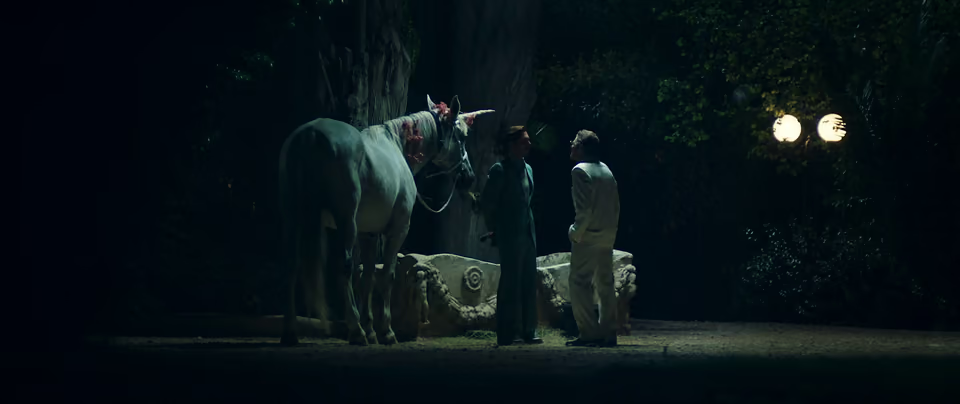
This connection gives the two characters a value beyond repeating an idea: each has her own tools, potential losses and way of trying to move within the boundaries imposed on her.
Image and Sound: An Exposed Island and Mounting Confinement
Gris Jordana's cinematography gives the island golden light, blue water and white walls, placing these beautiful elements within an experience charged with unease.

The strong lighting exposes the location and gives the sharp shadows a presence that cuts through the image's clarity. We feel that the characters are constantly visible, with little room to hide despite the expanse of the surrounding landscape.
Viewpoints tied to the characters also draw us into watching others. We search with them for a signal or reaction, and our gaze becomes part of the network of anticipation the film creates.
One striking shot shows Marcos dancing alone within a tight medium frame against a black background. His visual isolation grants his movement temporary independence from the world he controls. We read a withdrawal into the self, as though his harmony with his own self image could continue apart from his effects on others.
Confining the story to forty eight hours also helps the pressure accumulate. The characters keep returning to one another within the same occasion, with fewer chances to escape the effects of what has been said or done.
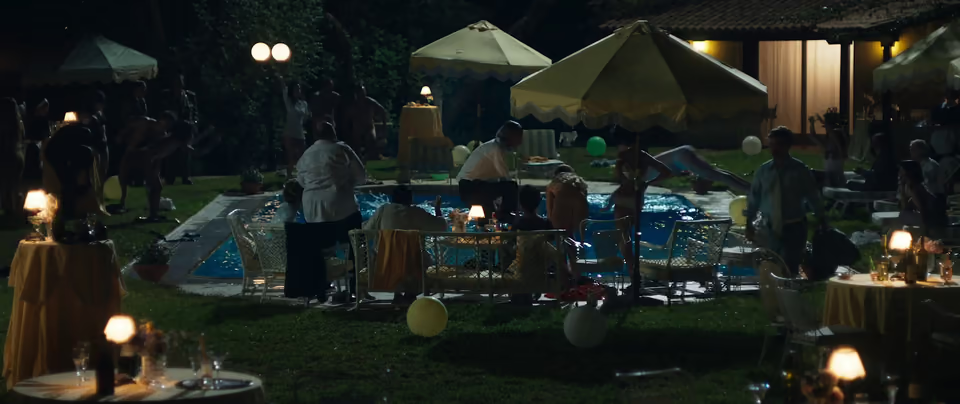
Sound reinforces this construction by placing the noise of celebration alongside tense silences. The shift to cool blue at dawn then gives a sense of exposing what lies behind the joy. The image's temperature changes while the night's effects remain present.
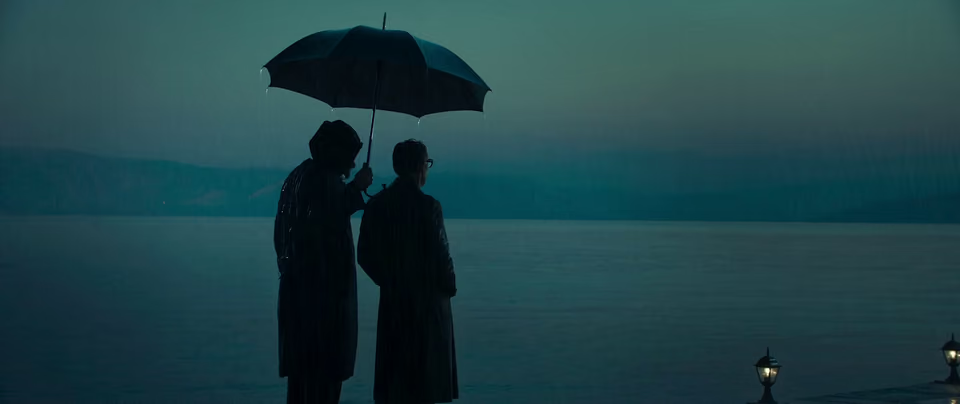
This is why we see the visual and aural form as one of the film's distinguishing qualities. The technical elements help construct the experience and give power a tangible effect within the location.
The Experience's Chill and the Limits of Emotional Closeness
The Birthday Party maintains a dark, restrained tone, giving tension ample space without offering much relief.
This consistency serves the sense of confinement. Relationships remain subject to suspicion and calculation, making it difficult to treat a moment of celebration as a safe exit from the conflict.
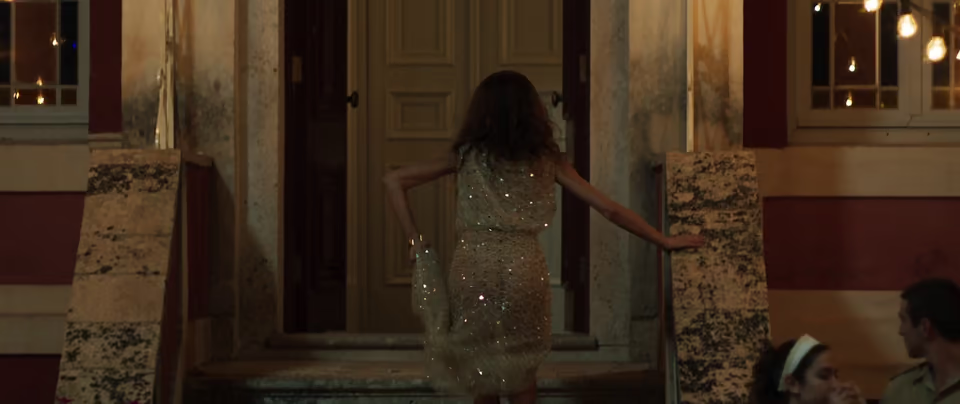
The persistent chill, however, has a cost for the viewing experience. Our attention may settle on understanding the mechanisms of control and noting the precision of the execution, while we sometimes need more room to connect with the characters outside their continuous state of resistance.
For us, this is the main reservation about the experience. Its harshness is understandable within the film's subject, but its persistence may make the emotional effect less varied, even with the strength of the performances.
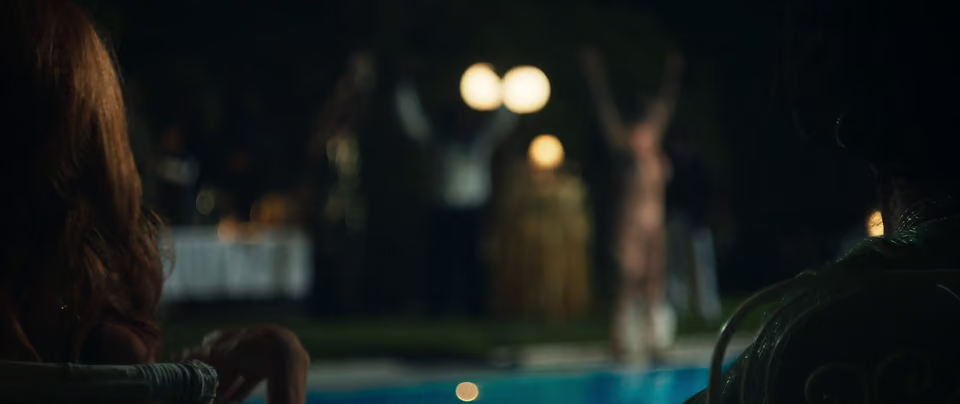
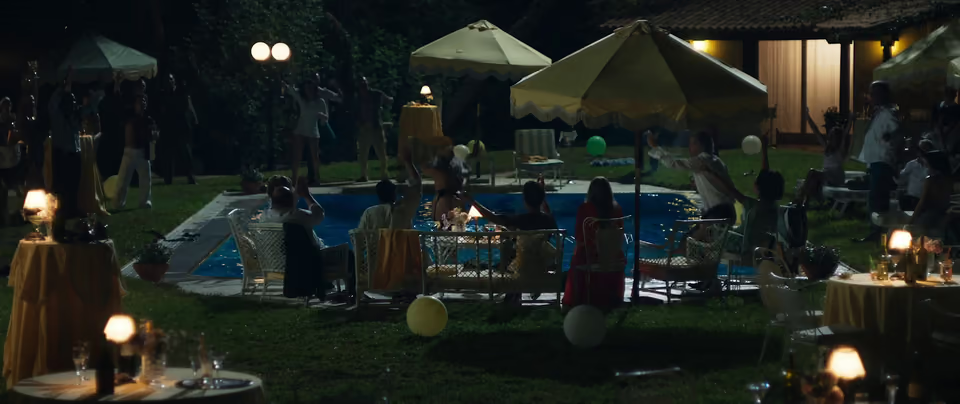
Towards the end, Dafoe's voice returning to words asking that their speaker not be misunderstood acquires an ironic meaning. We read it as an extension of Marcos's ability to maintain an explanation of himself that satisfies him. He can view his intentions in a way radically different from the effects his behaviour leaves on others.
The film leaves this distance painful, asking the viewer to carry the judgment away instead of offering a release that dissolves everything before it. The choice is consistent with the story, though it may make the ending less satisfying for those expecting a resolution that provides a clearer sense of relief.
Final verdict
Final verdict
A psychological film with a powerful atmosphere, using place, light and sound to build sustained pressure while offering a moving reading of control within family relationships. Its chief strengths are Vic Carmen Sonne's performance, the presence of Willem Dafoe and Emma Suárez, and the way surveillance and money become tools that determine what other people can do. Its continuous chill may, however, limit emotional closeness, while Dafoe's performance, effective as it is, remains within a familiar range of his presence. The continual refusal of relief makes the experience exhausting, even when we understand its purpose. The result is a precise, unsettling film suited to viewers interested in struggles for influence and suspense built on relationships. It leaves its mark through the clear sense that owning a place and its resources can become a claim to owning other people's lives.
Your turn
Did the film's chill make Marcos's power more convincing, or did it distance you emotionally from Sofia and Olivia?
AUDIENCE VOTE
Do you agree with the MB rating?
Choose once from this browser. You can change your answer at any time.