The review
A legal case born from a cartoon gag
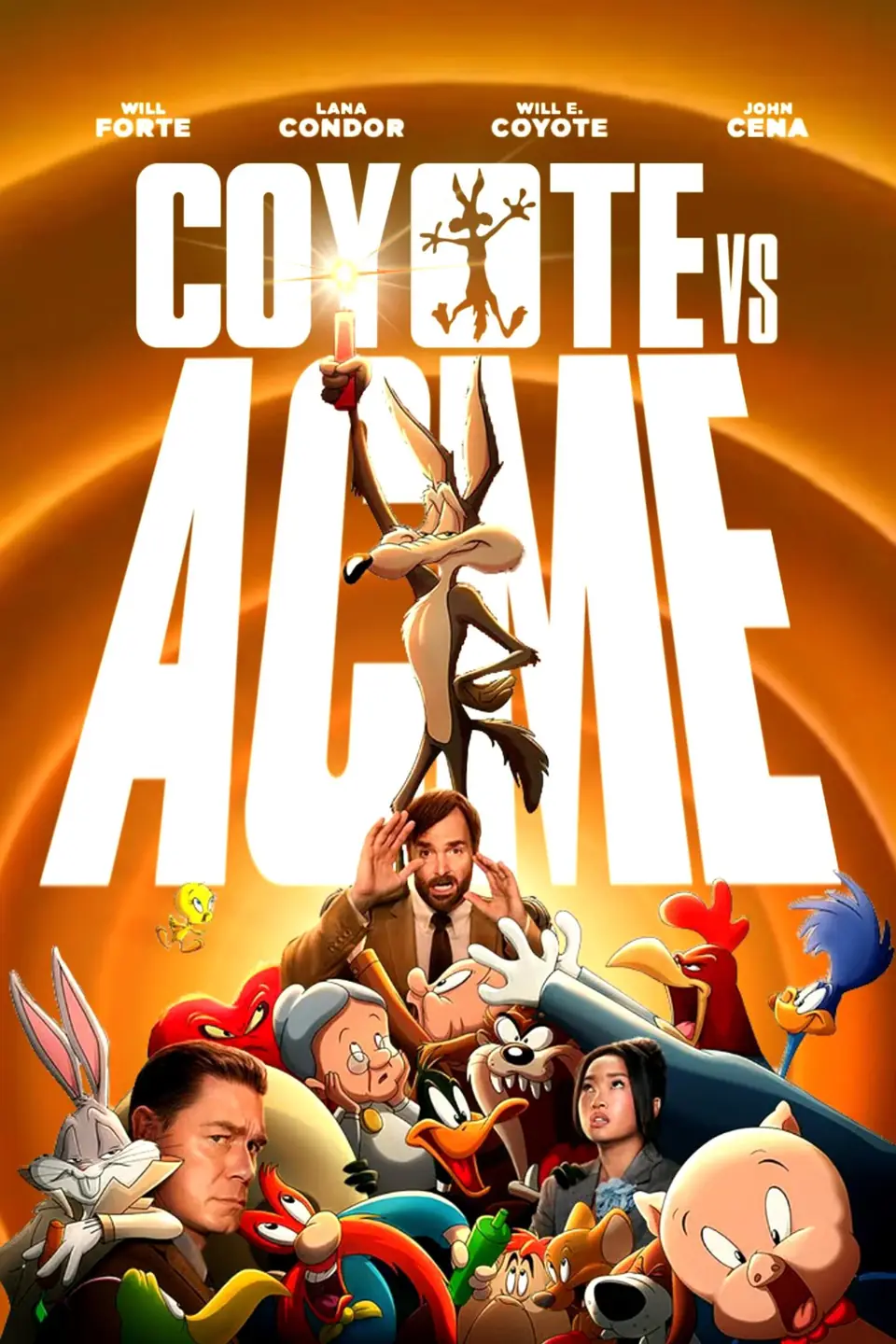
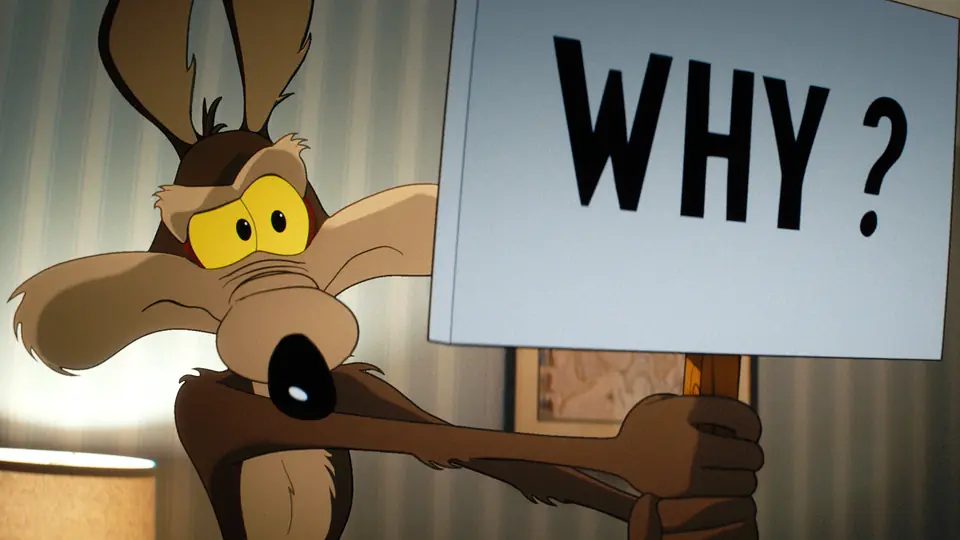
The screenplay's cleverest choice is to redefine Wile E. Coyote without breaking the character we know. He still chases Road Runner endlessly and still devises elaborate schemes that end in an explosion, a fall or a rock on his head. But what if those disasters were not entirely his fault? What if Acme's products were defective? A familiar running joke suddenly becomes a lawsuit.
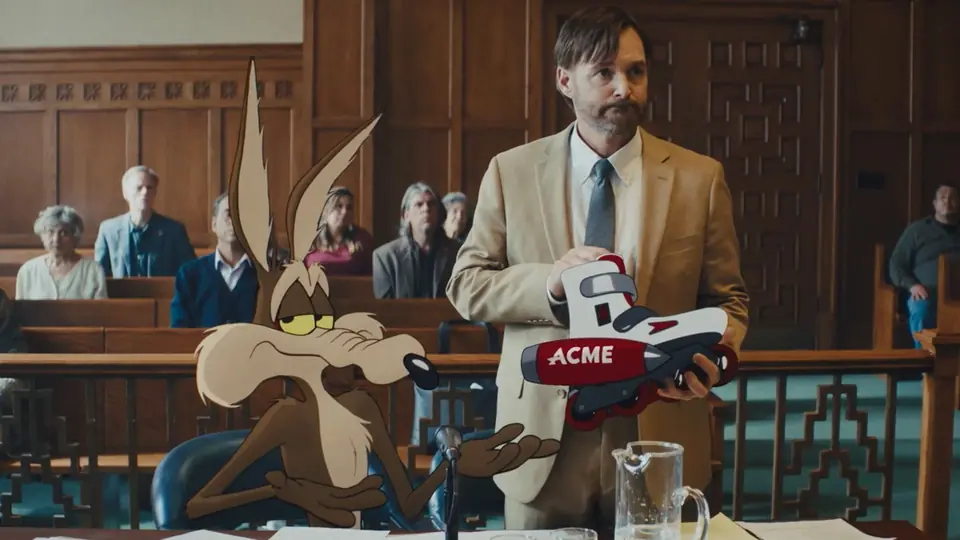
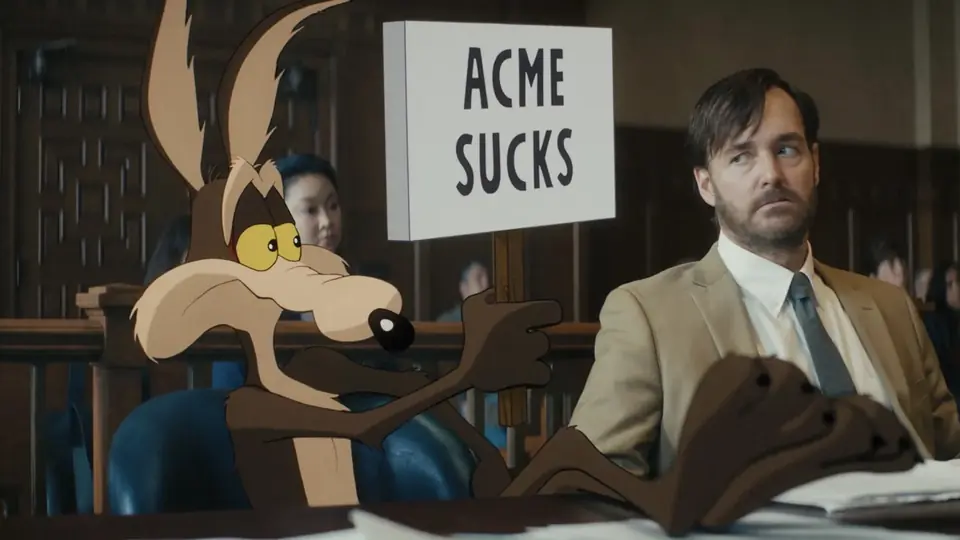
The film does not erase Wile E.'s absurdity. His obsession with catching Road Runner still contributes to his own misfortune. Yet a company that repeatedly sold him dangerous tools opens a much larger satirical question. The issue is no longer merely why the coyote keeps failing, but who profits when he does.
Looney Tunes still knows its comic rhythm
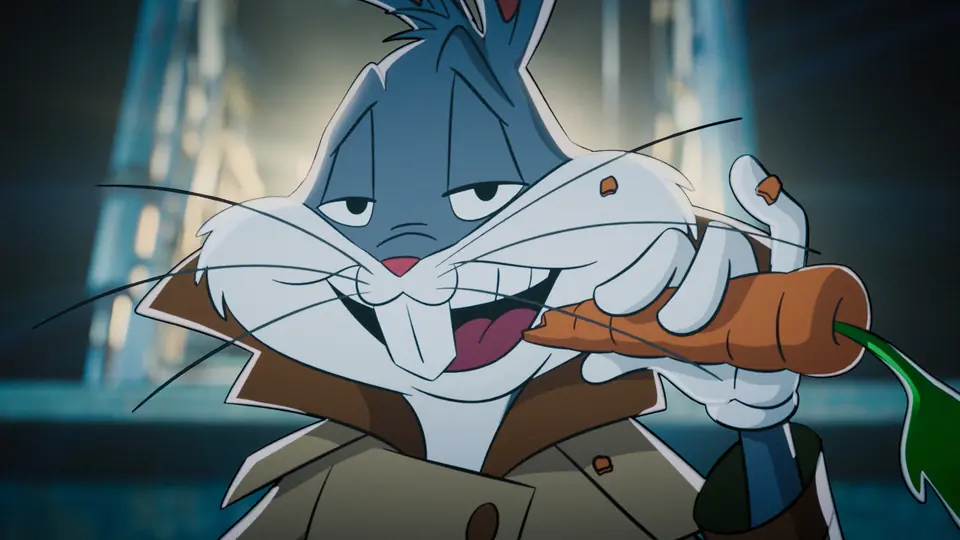
It is easy to spoil a classic character by forcing a contemporary update onto it. This film understands that Looney Tunes needs someone who knows its rhythm. A clever use of a gadget lasts seconds before a catastrophe. A carefully planned scheme ends in a ridiculous result. Animated characters follow their own logic while humans try to treat the situation seriously. Even a courtroom witness can be Road Runner, and the wider institutions of this world may include familiar cartoon figures.
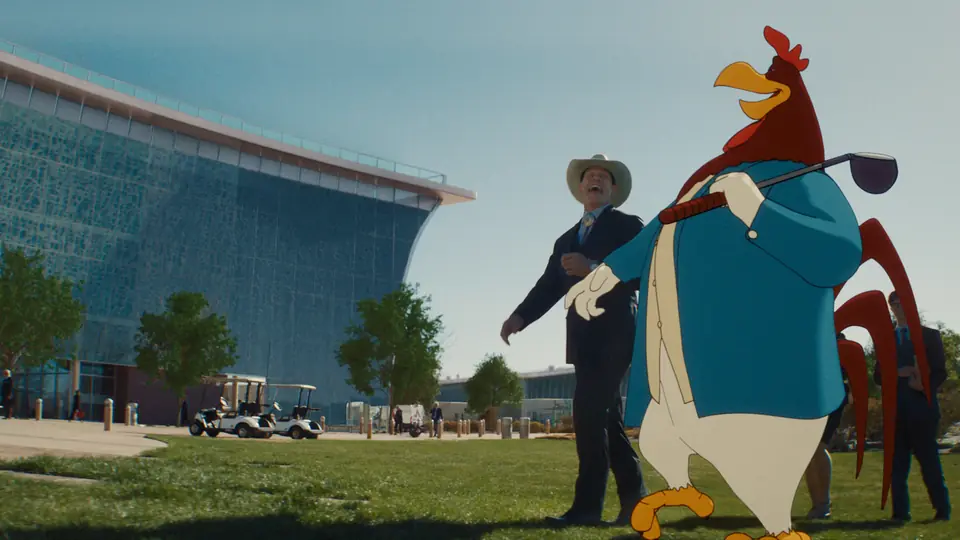
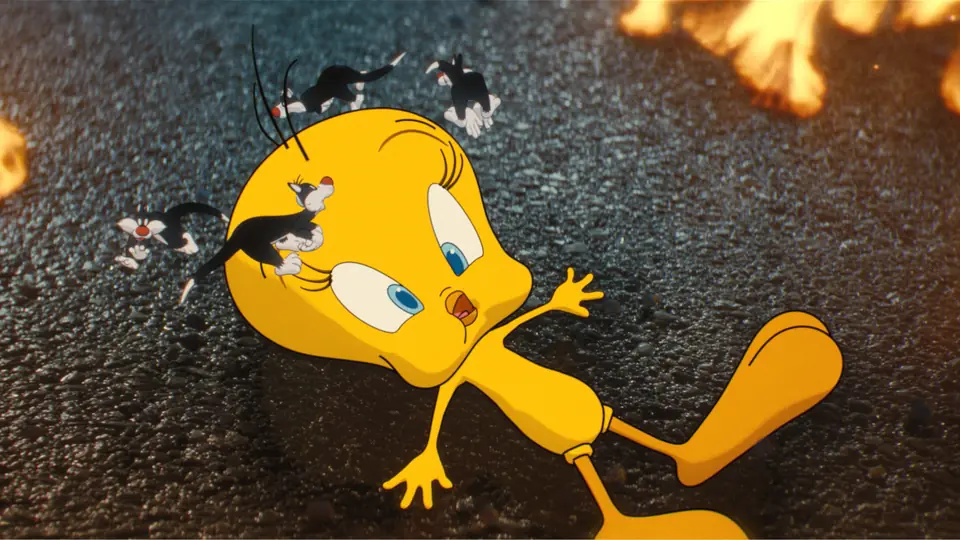
This mixture prevents a common trap of revivals: assuming a beloved character's mere appearance is enough of a joke. There are actual visual gags here, comic timing and small details that use the world rather than simply pointing to its history. The film can let familiar faces join the fun without making nostalgia the whole event.
Kevin Avery gives the chaos a human heart
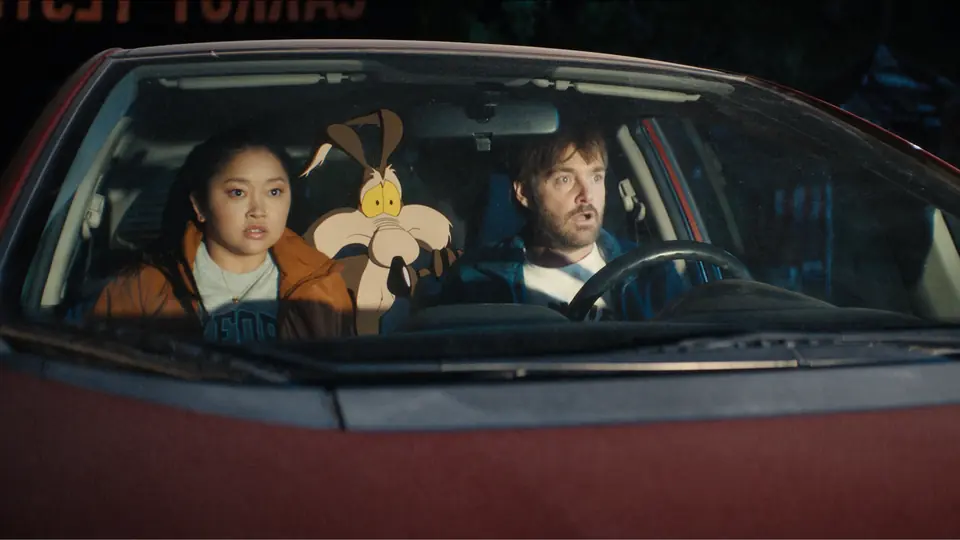
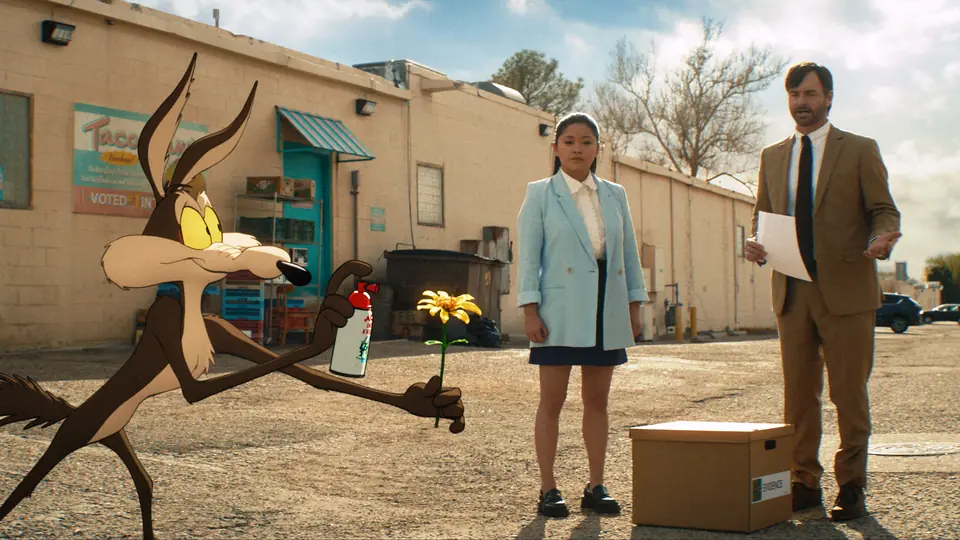
Kevin could have been the weakest part of the film, a human brought in merely to explain the cartoon world. Instead, he has a useful arc. He runs a small office, accepts settlements and aims for the least disappointing outcome before moving to the next case. Wile E. fails constantly but never stops trying; Kevin avoids the same kind of failure by giving up before he reaches it. One cannot surrender, while the other has surrendered far too often.
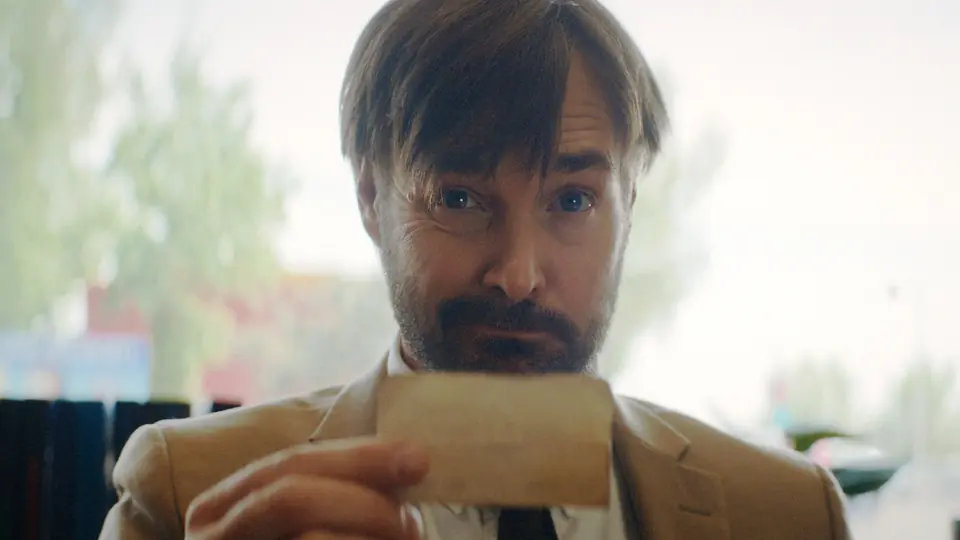
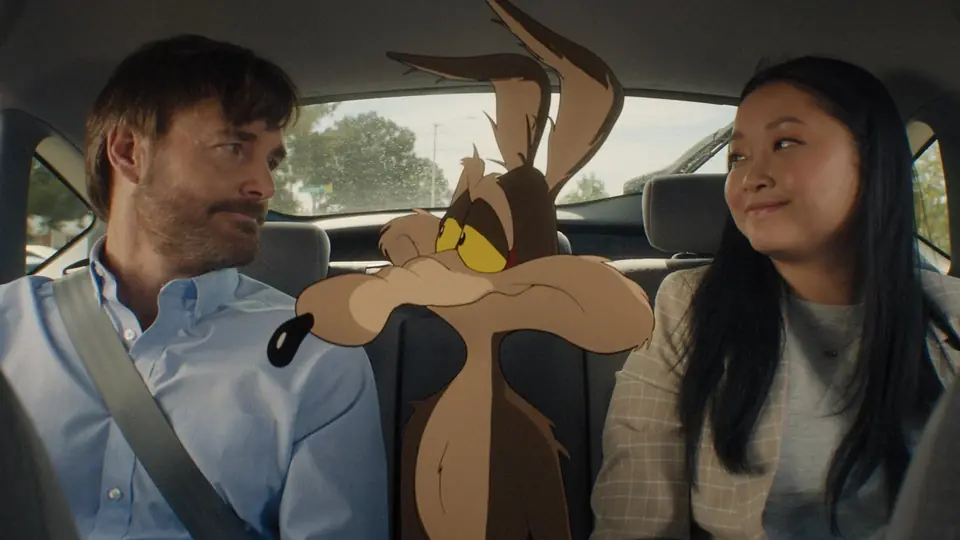
Will Forte does not compete with the animated cast for manic energy. He plays the confused person in the middle of it and gradually joins the disorder as Kevin recovers some courage. The film wisely avoids a grand speech about believing in himself. He simply begins to see Wile E. differently: if this creature can stand back up after every disaster, perhaps Kevin can stop accepting defeat in advance.
Acme's corporate logic is the sharpest joke
The corporate satire is stronger than expected. Acme is more than the shop that sells cartoon rockets, shoes and strange gadgets; it treats harm as an ordinary part of its business. Project Sisyphus makes the idea darker: cartoon characters are not just consumers but also subjects who bear the consequences of testing. The company can continue because it assumes they can survive anything. Being able to live through a falling rock or an explosion, however, does not make it acceptable to inflict that harm.
The film folds this idea into jokes instead of pausing for a lecture on monopolies. Marketing language, lawyers and the transfer of blame from institution to customer all do the work. Calling Wile E. a heavy user of Acme products sums up the mentality: instead of asking why the gadgets fail, the company asks why its customer keeps buying them.
Buddy and Paige on either side of Kevin
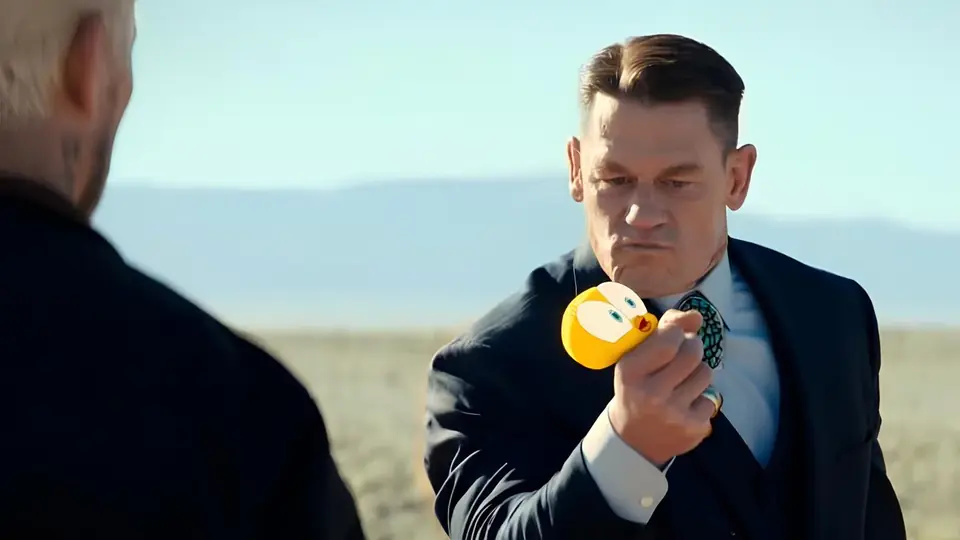
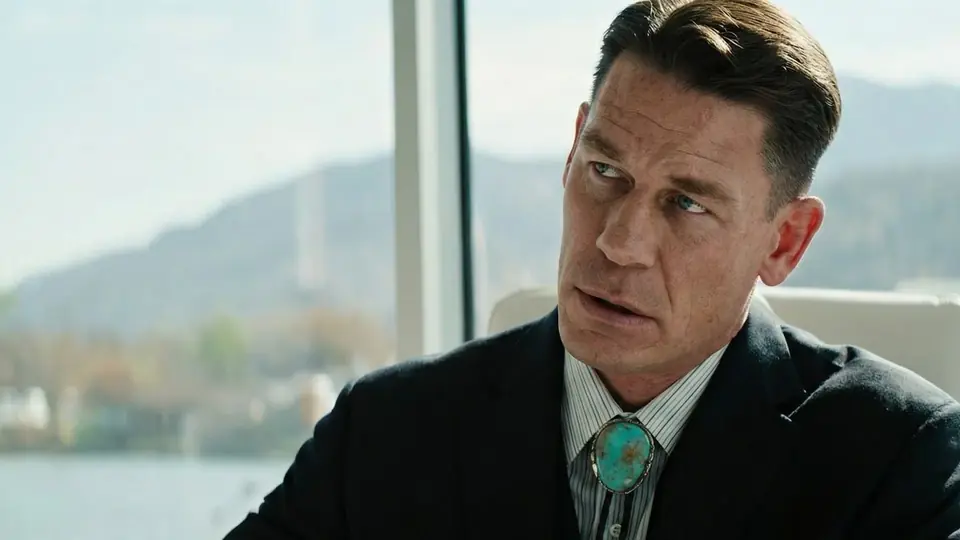
Buddy Crane could have been an ordinary evil lawyer. John Cena instead plays him with a perfectly silly kind of confidence. His smile, his manner of speaking and his certainty that he represents the unbeatable side make his presence irritating in just the right way. Cena goes a little larger than life without turning the man himself into a cartoon.
Lana Condor gives Paige a welcome lightness. She often encourages Kevin to stop running from confrontation, although I wish the script had given her a more developed personal line rather than leaving her, at times, as the moral force that moves him forward.
The chase means more without having to end
The most affecting moments are not the legal victories. They belong to Wile E. and Road Runner. For decades, one has chased and the other has fled. The film wonders whether that shared conflict is part of what gives both of them meaning. It could have treated the thought with too much gravity, but it finds a balance of strangeness and sincerity. Wile E. realizes Road Runner sees him as more than an enemy: he is a constant presence in the bird's life.
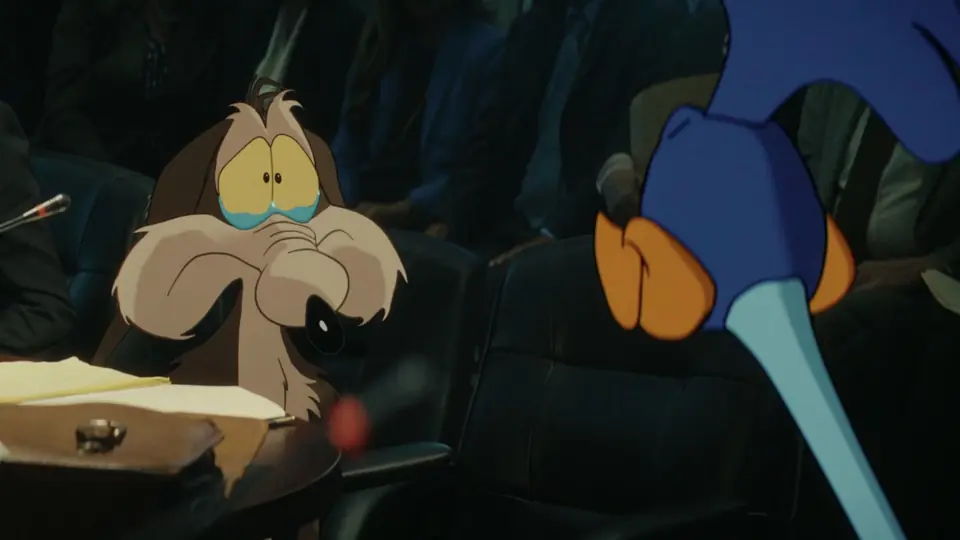
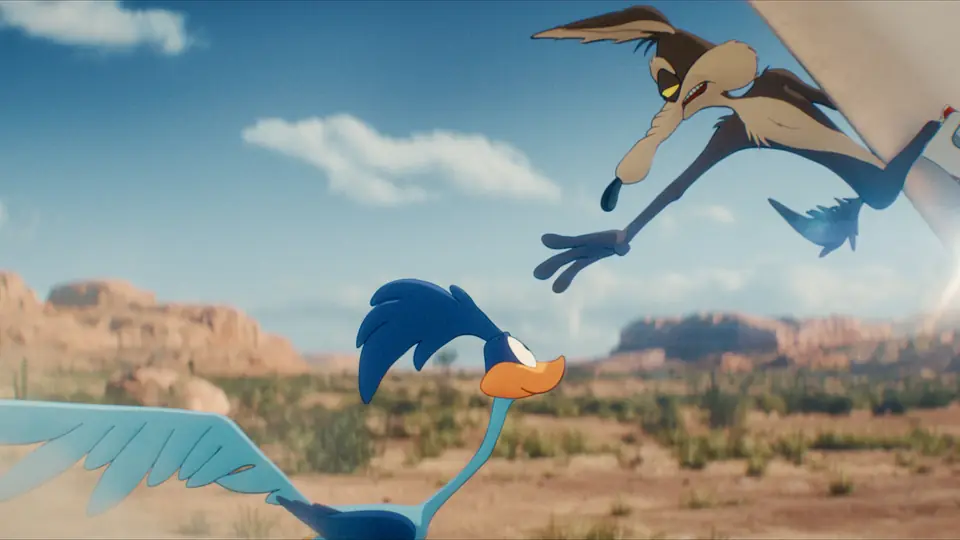
Crucially, the film does not spoil that by ending the chase. It offers no reconciliation that prevents either character from being themselves. The new meaning lets us see an old routine differently without canceling what made it work. That is one of the best ways to handle characters with such a long history.
The middle trusts the plot a little too much
The main weakness is that the film sometimes trusts its Acme conspiracy more than its comedy. As the investigation turns toward evidence and Project Sisyphus, the rhythm slackens. Information repeats, and some stages of the case take more time than they need. Looney Tunes is built around swift beats: an idea, an escalation, an explosion and the next joke. Asking that energy to carry a story longer than one hundred minutes works surprisingly well, but not without strain.
I would have shortened the middle and allowed more space for gags whose destination we cannot predict. When the film lets its comic imagination run free, it is at its best.
Strengths and weaknesses
Its greatest strengths are the genuine visual comedy, the clever premise that turns Acme's old gags into corporate satire, Will Forte's gentle human presence, Cena's comic antagonist and the surprising emotional dimension of the endless Road Runner chase.
The weakness lies chiefly in the middle, where the conspiracy and courtroom mechanics repeat information and slow a film whose best language is surprise and movement. Paige, too, could have had more room of her own.
Final verdict
Final verdict
Coyote vs. Acme does something harder than it looks: it brings back an old character without treating him as a museum piece. The film is not embarrassed by the absurdity of Looney Tunes, nor does it force seriousness onto it just to prove it has ideas. Its sharpest thoughts emerge from its wildest jokes. At its heart is a creature who has spent his life chasing an impossible goal, falling, burning and exploding, then standing up once more. Perhaps that is why the last idea is more moving than expected from a movie about a coyote trying to catch a bird. Sometimes the value of the chase is not in reaching the finish. It is in discovering that, after everything, you can still run again. My rating: 7.5 out of 10.
Your turn
Should Looney Tunes characters stay in the short comic chaos we have always known, or has Coyote vs. Acme shown that they can carry a longer, clever story without losing their spirit?
AUDIENCE VOTE
Do you agree with the MB rating?
Choose once from this browser. You can change your answer at any time.