The review
Joe Goldberg: the killer who controls the story
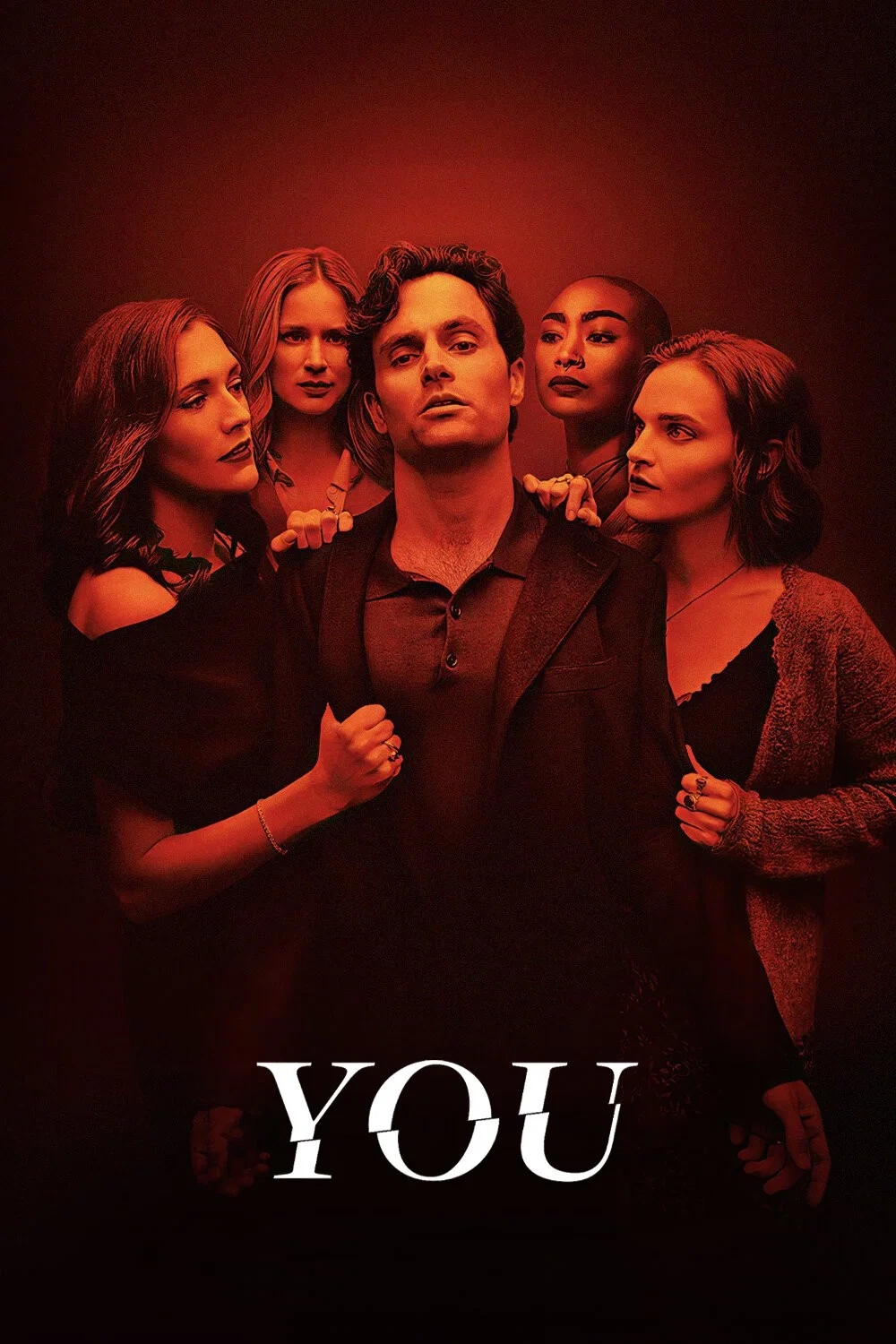
The series' smartest decision from the beginning was to let us hear Joe's thoughts constantly. We do not simply observe his actions from outside: we hear his interpretations, judgments of others and the reasons he gives himself before committing his most horrifying acts.
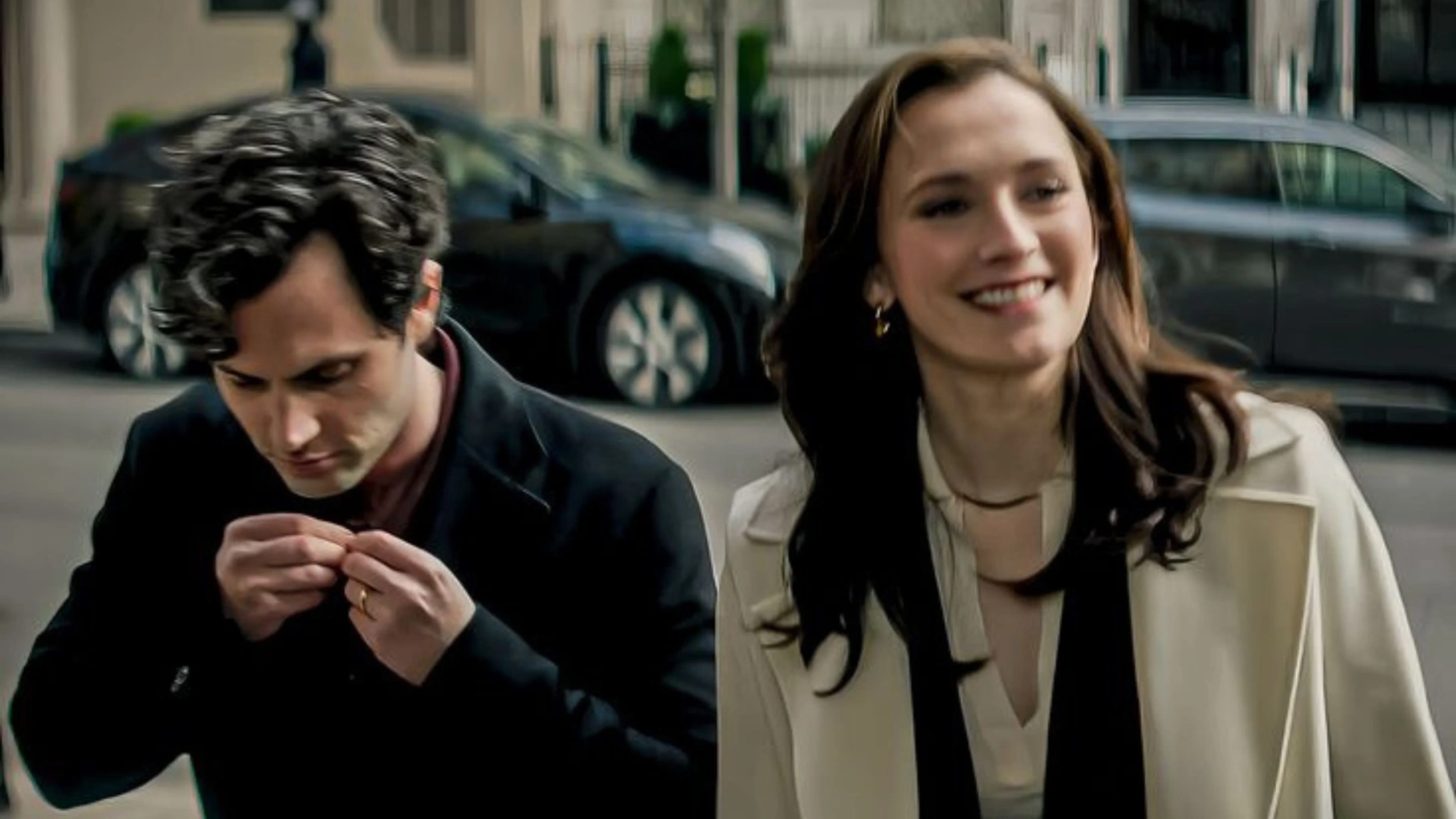
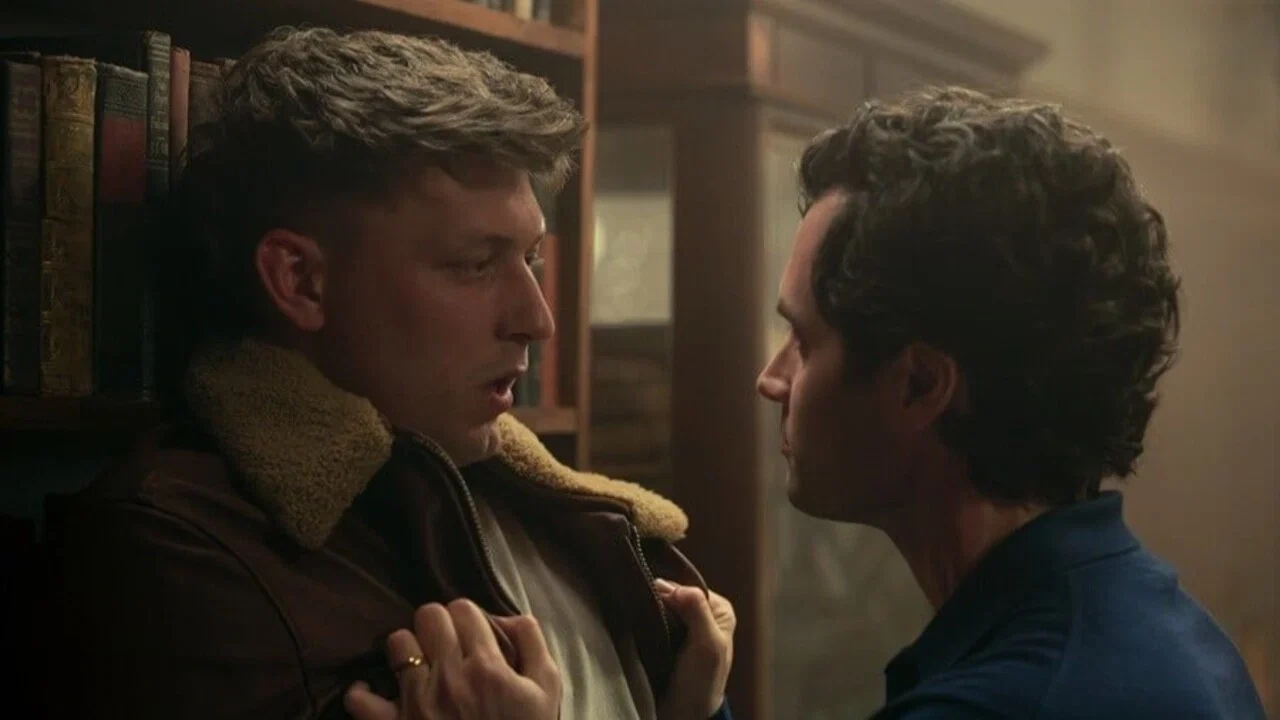
In season one, Joe meets the young writer Beck, played by Elizabeth Lail, in the bookstore where he works. What begins like a familiar romantic encounter becomes constant surveillance of her life, interference in her relationships and the removal of people he considers obstacles to reaching her.
What makes this beginning frightening is how the series reframes stalking and possessiveness through the language of romantic stories. Joe does not describe himself as an abuser, but as a man who understands the woman he loves better than anyone else and believes he knows what she needs even when her desires differ from his.
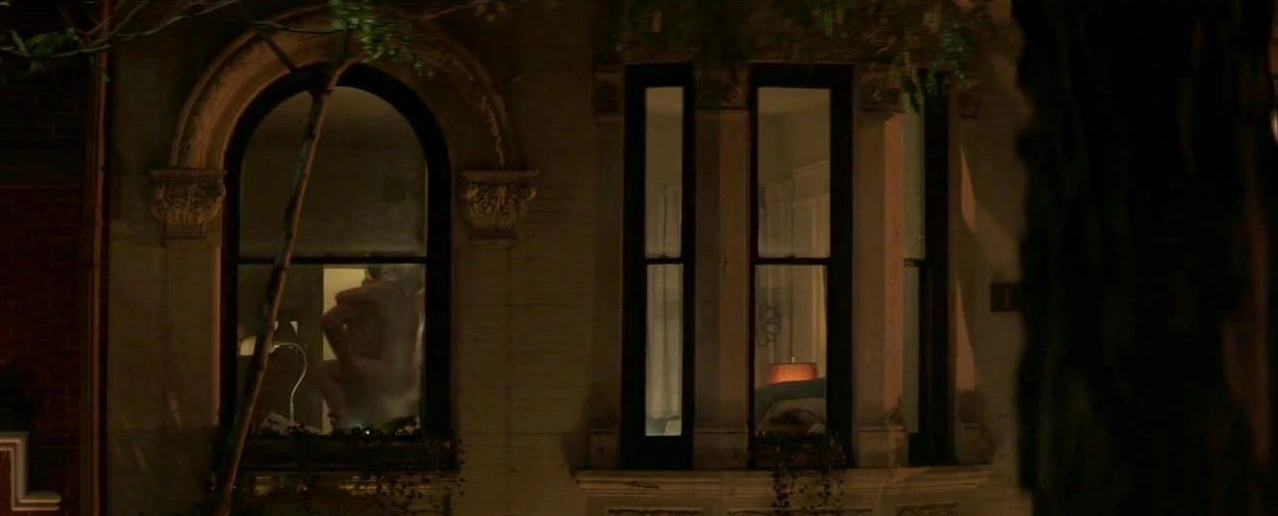
The screenplay uses social media and the privacy of personal information to show how easily apparent interest can become real surveillance. The details Beck posts about her life become tools Joe uses to reach her and manipulate her circumstances.
The series does not, however, make her inadequate personal precautions a justification for what happens to her. It reveals how a manipulative person can exploit ordinary information to grant himself authority the other person has never consented to.
Peach, played by Shay Mitchell, adds another layer of complexity. Her relationship with Beck becomes an indirect confrontation with Joe, partly built on possessiveness, jealousy and attempts at control. This relationship gives season one some of its most tense moments.
Above all, the voiceover makes us recognize the gap between Joe's image of himself and the reality of his actions. We know he lies, yet continue hearing his excuses, perhaps momentarily wishing his plans would succeed before remembering their consequences for his victims.
Here lies You's initial strength: it does more than present a killer who deceives those around him. Its storytelling itself tests the viewer's susceptibility to that deception.
Love Quinn: when Joe faces someone like himself
After his story with Beck ends, Joe moves to Los Angeles under a new identity, trying to leave his past behind, particularly with the return of Candace, who knows the truth about what he did to her.
There he meets Love Quinn, played by Victoria Pedretti. At first their relationship appears to offer another chance to a man who claims he wants to leave his previous mistakes behind. Love differs from Beck in an important respect, however: she expresses her desires more clearly and is better able to surprise Joe and disrupt his expectations.

Joe cannot control her in the same way he is accustomed to, making their relationship livelier than a repetition of the first story. Her brother Forty and their complicated family relationship also give season two supporting characters who have a real effect on the conflict.
The major surprise comes when we discover that Love herself is capable of murder and prepared to make violent decisions to protect her relationship with the person she loves.
This is one of the series' most successful twists because it confronts Joe with a version of the reasoning he uses all the time. He wants others to accept his justifications, yet cannot readily accept the same behavior from the woman he loves.

For the first time, the person who believes he controls the relationship becomes vulnerable to fear of his partner, rather than merely fear of his crimes being exposed.
Season two could have provided an appropriate ending for Joe, because its central irony had become clear: a man constantly searching for a woman who understands his true nature discovers that he cannot bear remaining with someone so much like himself.
The series chooses to continue, a decision that later allowed some of its best ideas but also introduced a question that would become increasingly important with every new season: how far can a character develop when he refuses to change?
The perfect marriage that became a nightmare
Season three moves the conflict into a different phase when Joe marries Love and they move with their baby Henry to the suburb of Madre Linda, trying to appear a stable family living a normal life.
The premise has strong dramatic possibilities. The series is no longer about a man pursuing a woman he wants, but two people who know each other's dark side and try to preserve a marriage besieged by jealousy, infidelity and fear of their crimes being uncovered.
The irony becomes powerful when Joe starts seeing Love as dangerous and impulsive while continuing the same behavior himself. He resumes his interest in other women, beginning with their neighbor Natalie, even as he treats his wife's conduct as proof that she cannot fit the life he dreams of.
The series gives this relationship a satirical quality by combining ordinary marital problems with attempts to conceal crimes. Some arguments almost resemble everyday family disagreements while concealing extremely dangerous consequences.

The premise loses some impact as events escalate excessively. The frequency of crimes, the ease of concealing them and repeated escapes from seemingly inescapable situations make certain developments less dramatically convincing.
Even so, the season benefits from the strong chemistry between Penn Badgley and Victoria Pedretti, making Joe and Love's relationship one of the most compelling in the entire series.
More significantly, season three clarifies Joe's real problem: he does not want a reciprocal relationship between people who know each other. He wants a woman who fulfills his imagined picture and remains within it regardless of changing circumstances.
Different cities reveal a world of masks
One quality that kept You lively was its ability to change the dramatic setting as the story developed, using each place to offer a different form of social satire.
New York offers a world of literature, social relationships and social media, where Joe hides behind the image of a cultured man who despises others' superficiality while using the same tools to manipulate their lives.
In Los Angeles, the satire turns toward celebrity culture, excessive concern with personal image and people's desire to reinvent themselves. The irony is that Joe mocks this environment while doing exactly the same thing, changing his identity and trying to escape his past.
Madre Linda presents seemingly perfect families, concern with social appearances and parenting, making family life another arena for deception.
The series then moves among London's wealthy before returning to New York in its final season, this time through money, influence and fame.
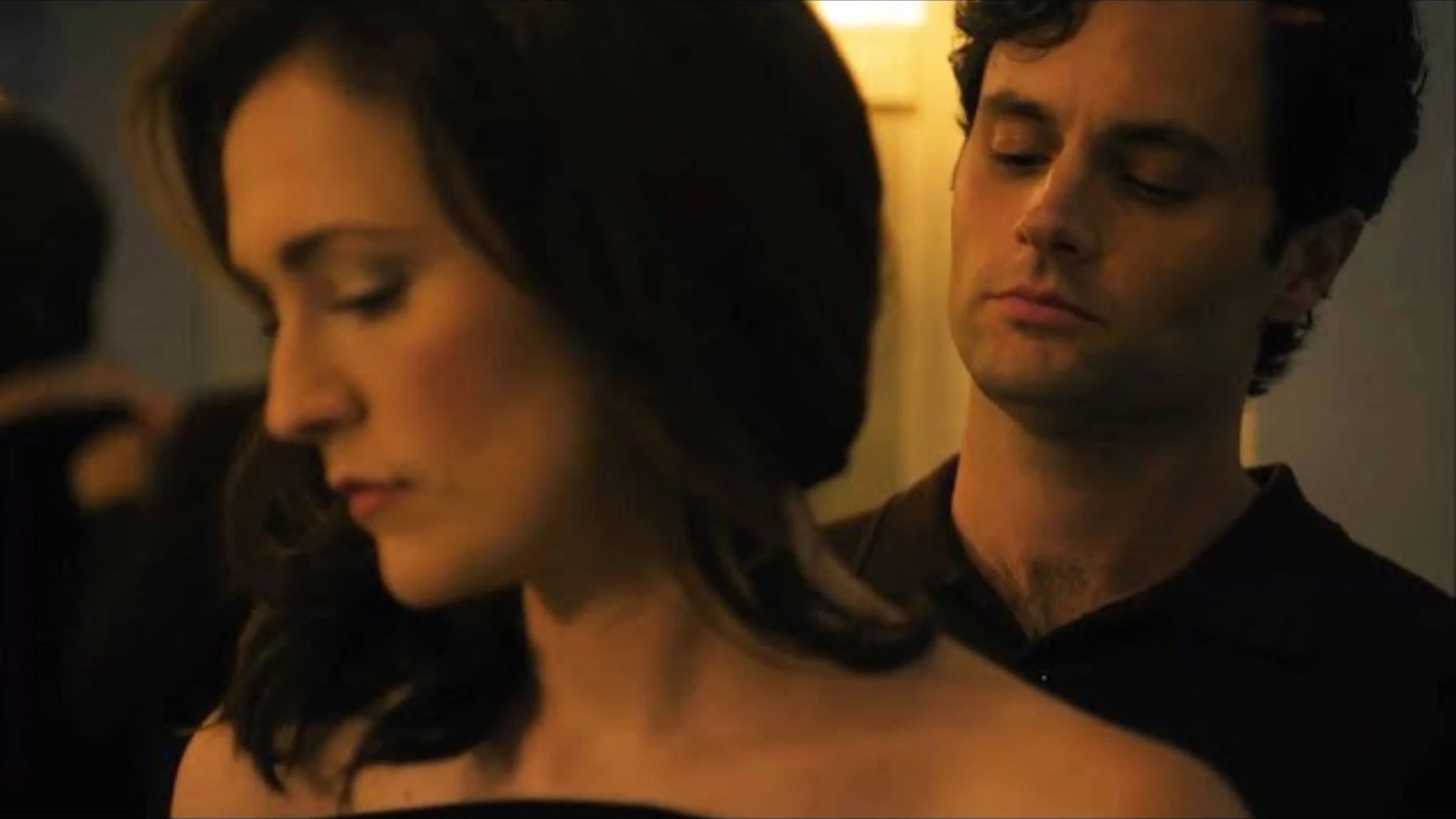
These changes offer clear variety and help renew the characters around Joe. They also reveal a creative limitation: however much the setting changes, the central character's fundamental motives remain similar.
The series successfully invents new worlds around Joe, but does not always allow those worlds to have a genuine effect on his psychological development.
London: when the killer investigates his own crimes
Season four makes one of the boldest attempts to change the series' nature. Joe moves to London under the name Jonathan Moore and works as a literature professor before finding himself among wealthy people targeted by mysterious murders.
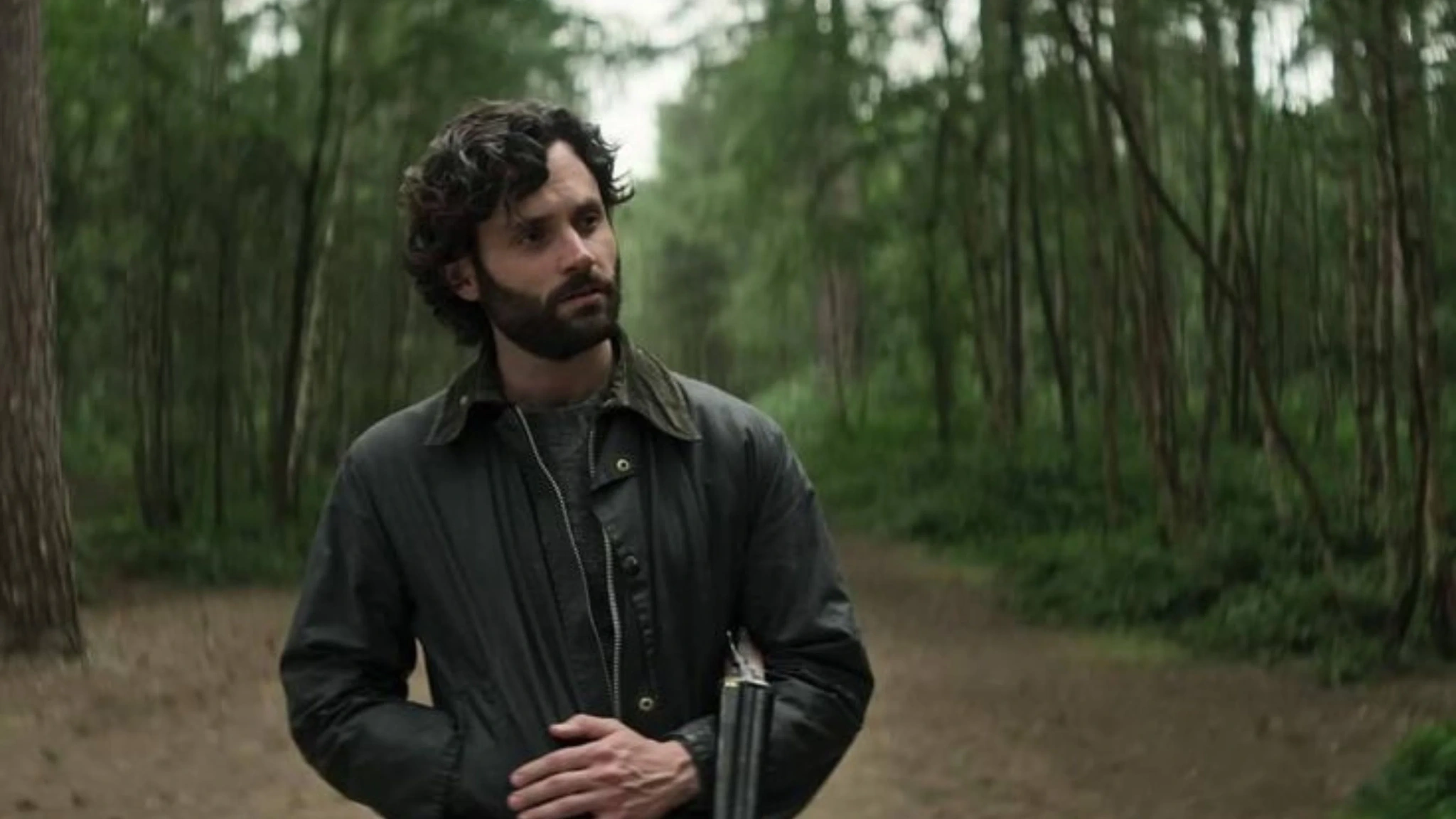
The series temporarily shifts from romantic pursuit to a murder mystery. Joe tries to identify an unknown killer while becoming close to new characters, including Kate and Rhys.
This shift was necessary to refresh the suspense, particularly after three seasons built on similar patterns of obsession, pursuit and concealed crimes.
The more significant development arrives when we discover that Joe has not understood the truth of some of his actions. The version of Rhys he has been engaging with is connected to his fragmented perception of events, and he is responsible for the crimes whose perpetrator he thought he was trying to expose.
The surprise reinterprets what we have watched and casts more direct doubt on the voiceover we have relied on throughout the series.
A bold surprise does not necessarily make every detail successful. The series moves further from the realistic logic that gave season one much of its terror. The psychological change presented in season four also needs a consistent exploration of its effect on the character, which subsequent events do not provide clearly enough.
We therefore think season four refreshed the experience by changing the form of suspense, but paid for this with exaggerations that made the story less believable.
Back to New York: did the final season do the journey justice?
Joe returns to New York in season five in entirely different circumstances. He is married to Kate, played by Charlotte Ritchie, and leads a public life protected by her family's wealth and influence. He is reunited with his son Henry and presents himself to society as an ideal husband and father.

These circumstances let him stop hiding behind assumed identities. That freedom quickly reveals, however, that escaping fear of his past being exposed does not mean escaping the behavior that created it.
When he returns to Mooney's bookstore and meets Bronte, played by Madeline Brewer, the first story's outlines reappear. The old setting, glass cage and obsession with another woman all return Joe to territory viewers know well.
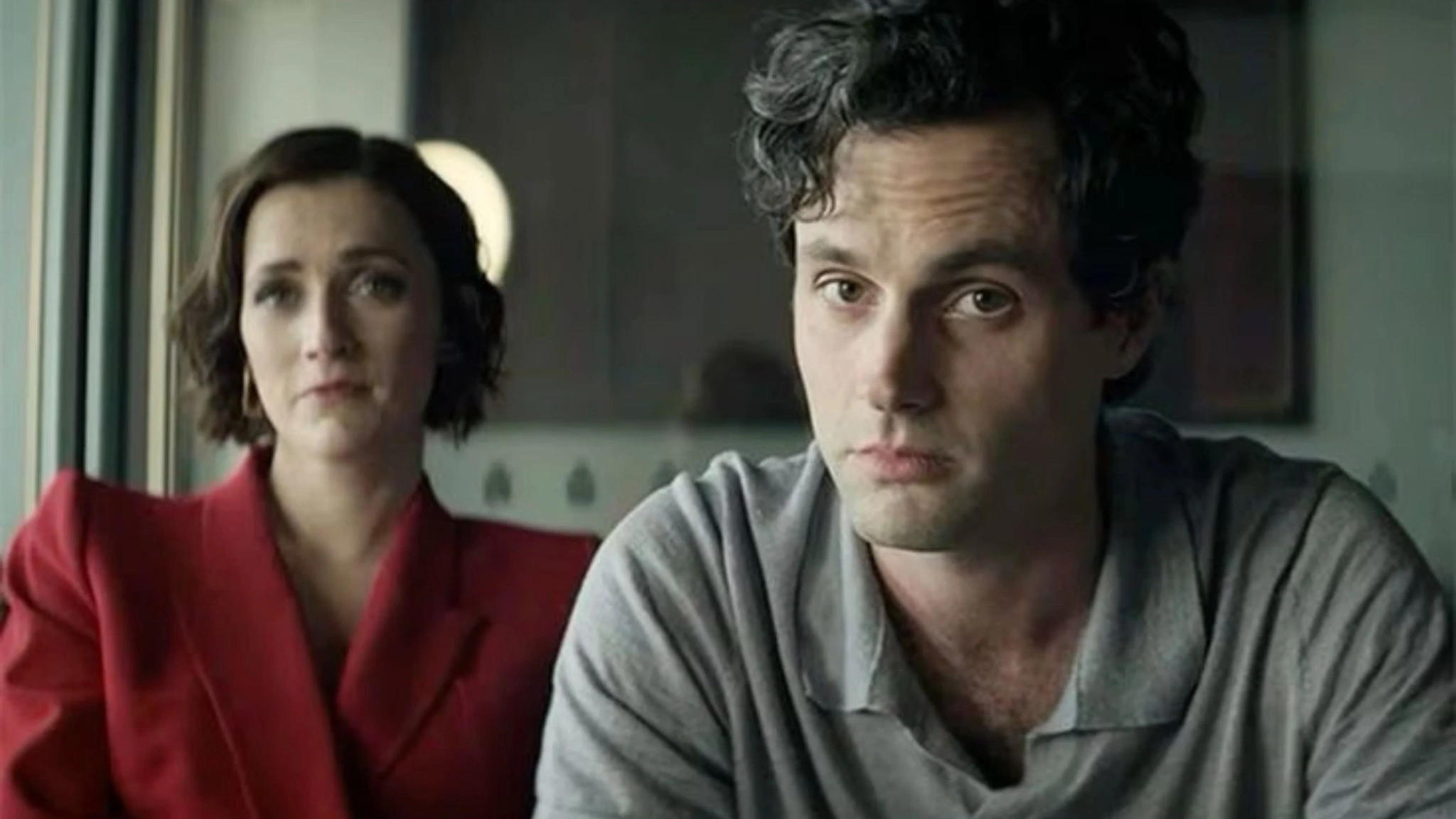
Here lies one of the final season's main problems. After every change the character has undergone, the screenplay returns to a pattern used repeatedly without giving it a sufficiently powerful new perspective from the beginning.
The first half is somewhat slow before events accelerate with returning characters and memories connected to earlier seasons. Some decisions also seem driven more by the demands of a surprise than by a natural development of the characters' motives.
The season regains strength when it begins reconsidering Joe through his crimes' effects on others rather than through his personal justifications alone.
Bronte becomes particularly important because giving her thoughts room provides a perspective Joe does not fully control. After years of hearing the abuser's voice, the voice of someone confronting his danger gains greater impact.

Revisiting earlier storylines successfully reminds us that the crimes did not end when Joe moved to another city, and that other people bore the consequences of acts they had not committed.
The ending appropriately concludes the character's path by confronting him with the consequences he tried to escape. It cannot conceal, however, that the route there was less tightly constructed than some earlier endings, or that season five did not fully develop the possibilities left by season four's major psychological revelation.
For us, the ending succeeds more as a conclusion to Joe Goldberg's journey than as the series' strongest suspense or writing.
Penn Badgley: the performance that carried five seasons
If one element maintained You's strength despite uneven seasons, it was Penn Badgley's performance as Joe Goldberg.
The role is difficult because Joe constantly presents two contradictory faces: one calm, courteous and capable of appearing interested in others; the other violent and manipulative, able to move from apparent tenderness to menace when he loses control.
Badgley combines both sides through facial expression, tone of voice and restrained reactions, making Joe frightening even when he is not being violent.
His performance also gives the inner commentary a function beyond explaining events. His delivery of Joe's thoughts helps us understand how this man reshapes reality to justify actions viewers know deserve no justification.
The variety of actresses opposite him also played an important part in renewing their confrontations, from Elizabeth Lail and Shay Mitchell at the beginning to Victoria Pedretti, who created one of the series' strongest dramatic relationships, then Tati Gabrielle, Charlotte Ritchie and Madeline Brewer.
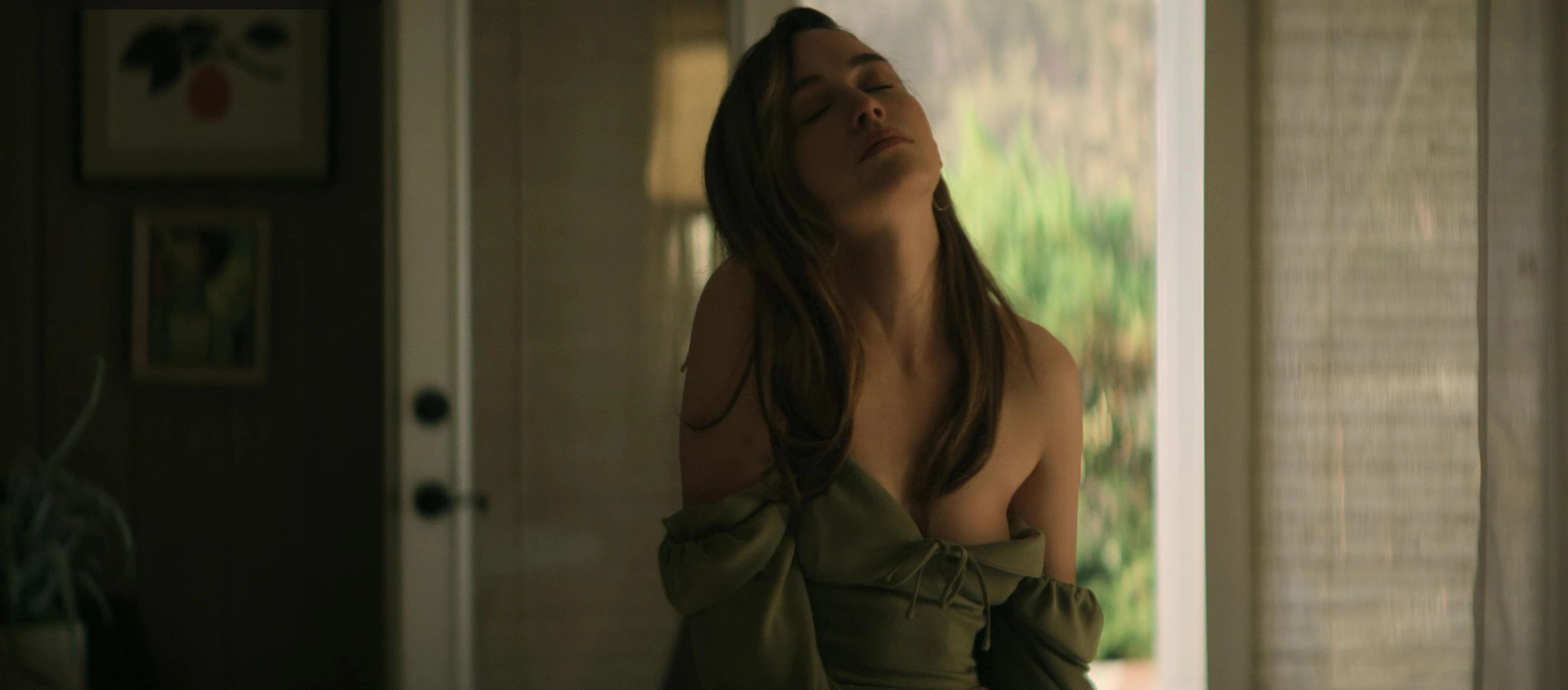

Anna Camp brings a different energy to the final season through the twins Reagan and Maddie, while Brewer gives Bronte a presence that helps redirect our attention toward Joe's victims rather than simply following him.
Not every supporting character received a satisfying ending. Some storylines, such as the fate of Ellie, played by Jenna Ortega, could have had clearer closure.
At the level of the central performance, however, we think Penn Badgley preserved the character's identity across five seasons even when the writing became more exaggerated or less capable of surprising us.
Final verdict
Final verdict: an entertaining journey that did not always sustain its strong beginning
Across five seasons, we think You delivered a distinctive psychological thriller built around an unreliable narrator, a protagonist who can deceive both others and himself, and events that keep viewers moving between curiosity and revulsion. Its greatest strengths are Penn Badgley's performance, the voiceover, the female characters who challenge Joe's image of himself and the ability to reshape the story's atmosphere with each new move. As the series continued, some strengths became constraints. The pattern of obsession, murder and escaping consequences grew more predictable, dramatic exaggeration increasingly undermined credibility, and some major psychological changes did not receive the exploration they deserved. Nevertheless, we do not think these flaws erase its entertainment value or the impact of its best moments. It remained capable of arousing curiosity, delivering bold surprises and raising questions about love, possessiveness, manipulation and the limits of sympathy. We therefore consider it worth watching for fans of psychological thrillers and dark comedy, with an awareness of its violent, disturbing content and the clear variation in strength between seasons. Our rating for the complete five seasons of You: 7.5 out of 10.
Your turn
Our question to you remains: did Joe Goldberg make us sympathize with him because he was skilled at justifying his crimes, or because we became more accustomed to hearing his story than listening to the people whose lives he destroyed?
AUDIENCE VOTE
Do you agree with the MB rating?
Choose once from this browser. You can change your answer at any time.