
The review
Screenplay and dialogue: a promising opening
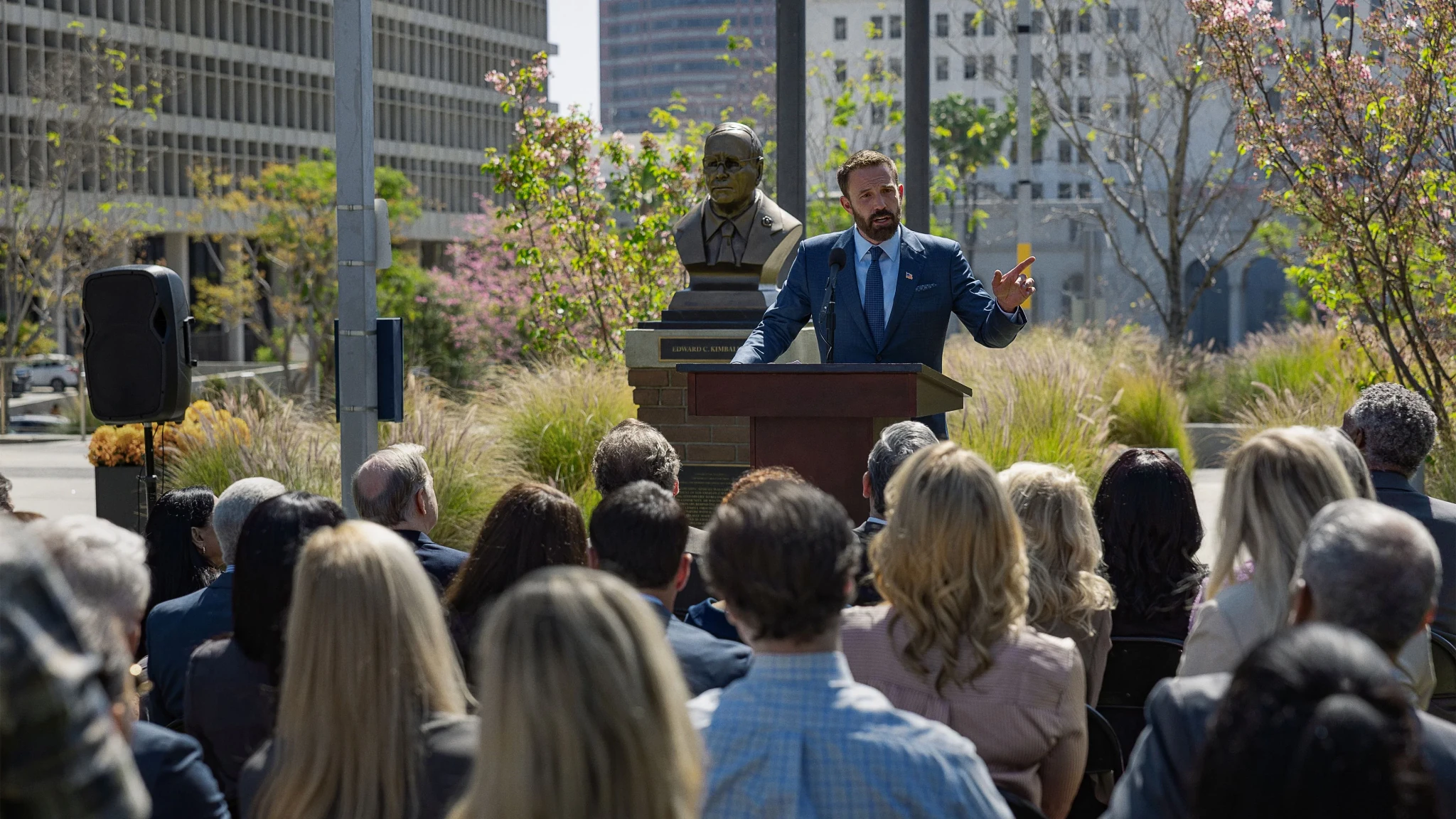
The first thing that stands out in Animals is the way it introduces Mark Kimball.
He is running for mayor of Los Angeles, has a varied professional background, and believes his previous experiences make him the right person to understand the needs of its citizens.
At the same time, he is risking almost everything he owns to win.
He has drained his savings into his election campaign and reached a point where his financial future depends on the result.
That makes him interesting from the outset.
He is no longer running simply to prove a point or fulfill a political ambition. He needs to win so that everything he has built does not collapse.
The opening sequence depicting his campaign is among the film's liveliest passages. The editing is brisk, movement and pressure are palpable, and Los Angeles seems like a broad arena where political, financial and personal interests can intersect.
Then comes the kidnapping call.
Suddenly, the man trying to convince an entire city that he can protect it becomes a father unable to guarantee his son's safety.
That is excellent dramatic irony.
But the film begins losing its strength afterward because it cannot maintain that same sense of danger.
Instead of escalating through difficult decisions and carefully constructed confrontations, the crisis gradually becomes a collection of changes that happen to the plot rather than arising from the characters themselves.
For me, roughly the first twenty minutes are the film's most promising stretch. Unfortunately, they raise expectations that the rest of it cannot meet.

When saving a child becomes a test of principle
The story's smartest turn comes when we discover that Mark's son Denny was not the child who was kidnapped.
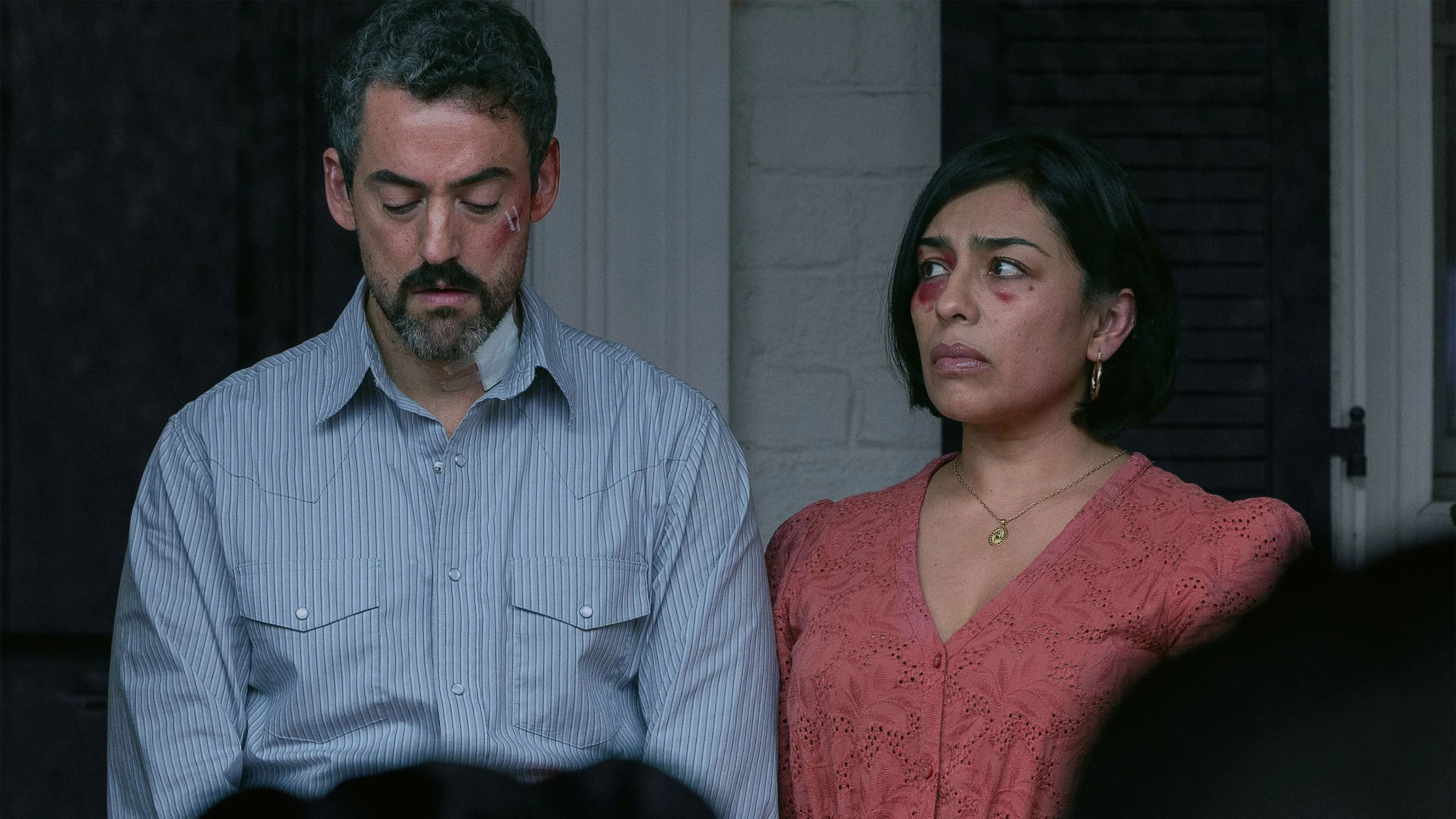
The kidnapped child is Hector, the son of Ramón, who is connected to the workers in the family's home.
At this point, the nature of the film should change completely.
While Mark believed his own son was in danger, there was no question about the need to save him, whatever the cost.
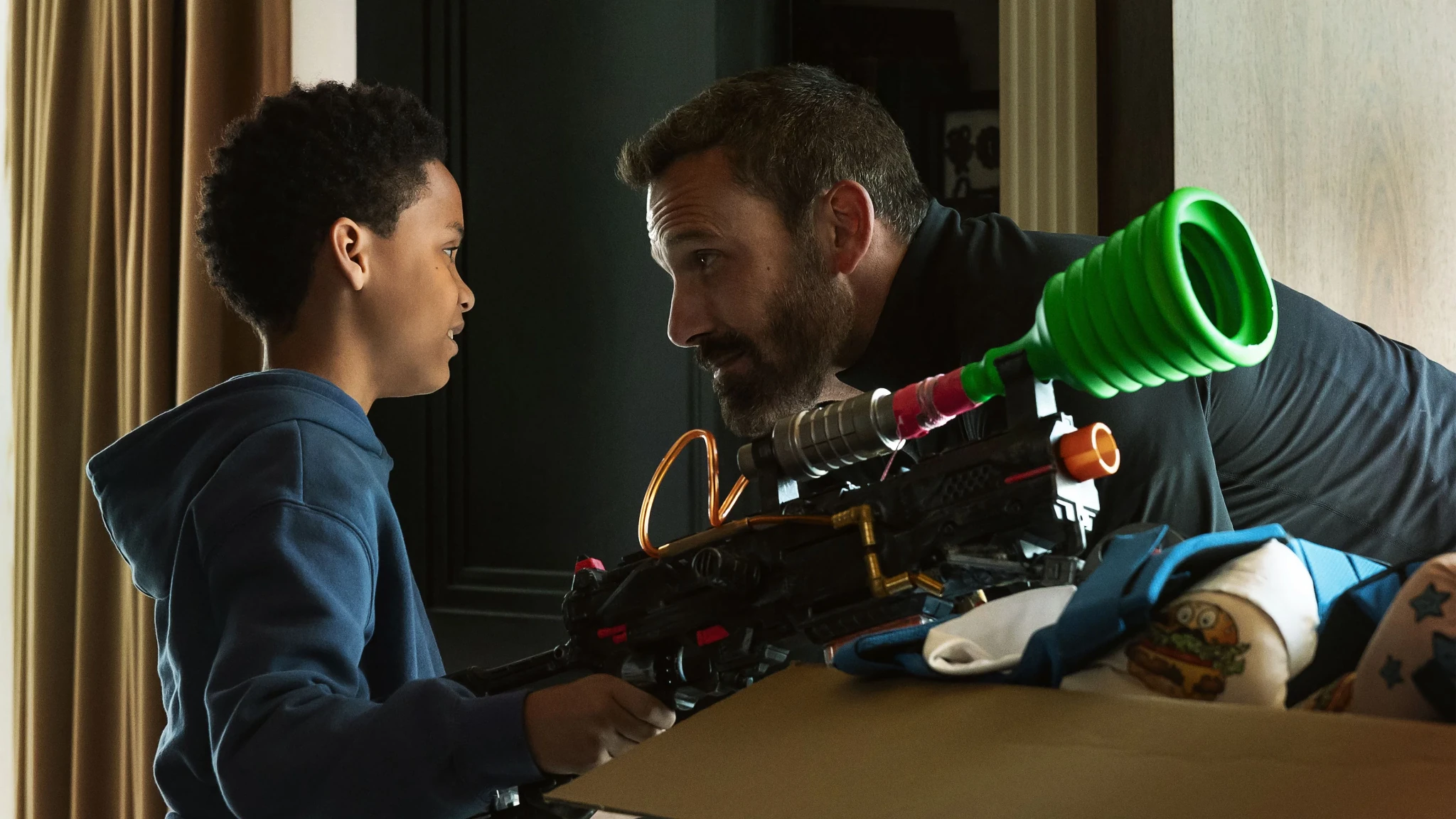
But when the victim turns out to be another family's child, the real dilemma emerges.
Will he still be willing to pay seven million dollars?
Does Hector's life deserve the same sacrifice he was prepared to make for Denny?
Will he try to save him because he believes it is his duty, or because he knows abandoning him could destroy his image among voters?
For me, this is the strongest question the film could have explored.
Especially since Mark's campaign depends on gaining the trust of Los Angeles's Latino community.
Saving Ramón's son could become an honest extension of his slogans, or simply a political opportunity he exploits when cornered.
But the screenplay does not give this dilemma the space it deserves.
Instead of a real psychological struggle between father, politician and opportunist, the film moves quickly to the plan for obtaining the money and dealing with the kidnappers.
Its best chance to turn Mark from a character with ordinary secrets into a man we genuinely have to reassess is lost.
Mark Kimball and Ben Affleck's performance
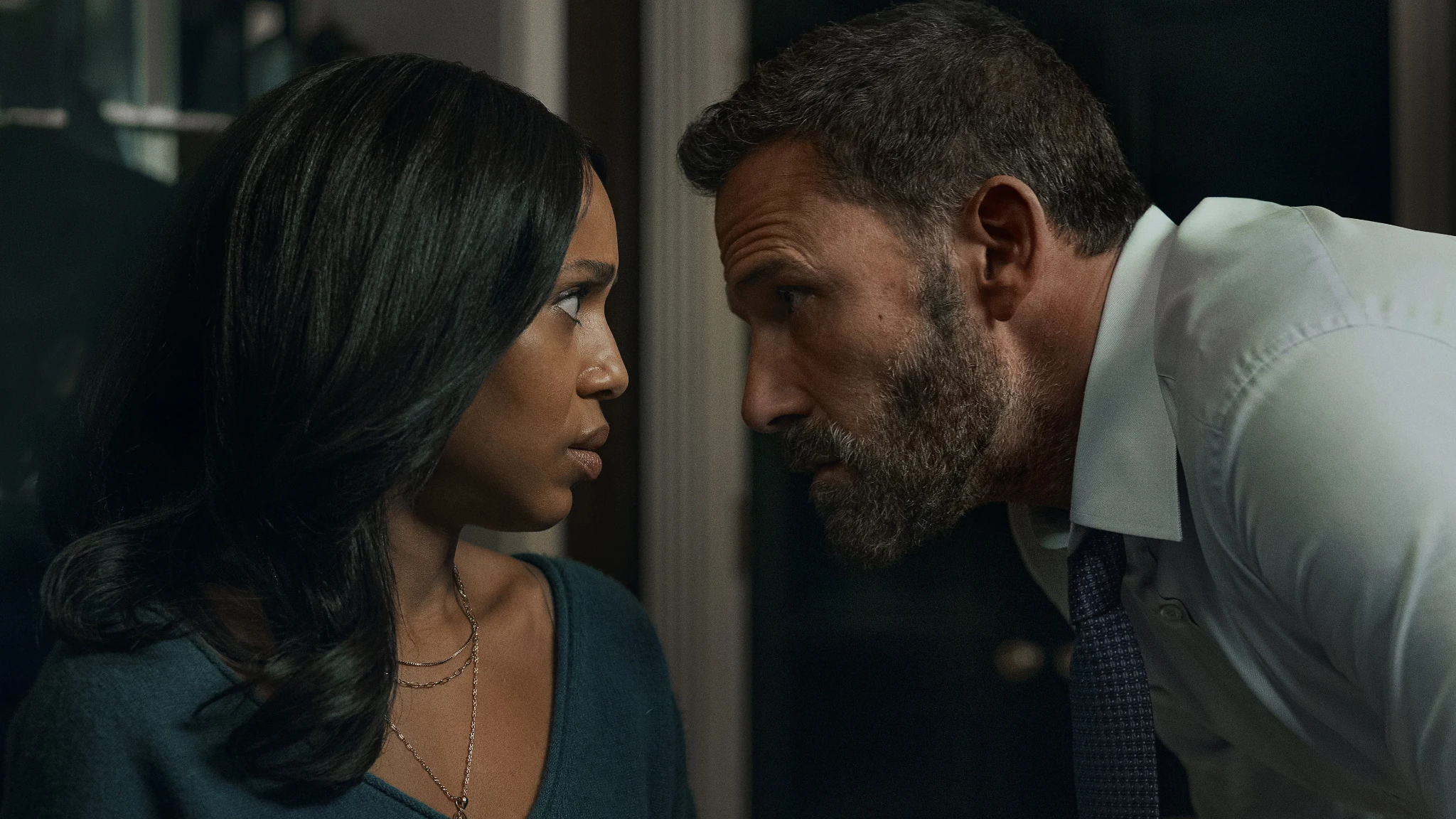
The fundamental problem with Mark is not that he is a hypocrite or an opportunist.
Those qualities could have made an extremely complicated and compelling protagonist.
The problem is that the film gives them no convincing dramatic development.
Mark presents himself as an honest man who understands people's struggles and constantly talks about justice and protecting the community. His actions, however, reveal someone ready to hide the truth when it conflicts with his ambition.
He conceals from his wife that he has spent the family's savings and treats his public image as his most valuable asset. The kidnapping crisis then begins exposing the distance between what he says and what he does.
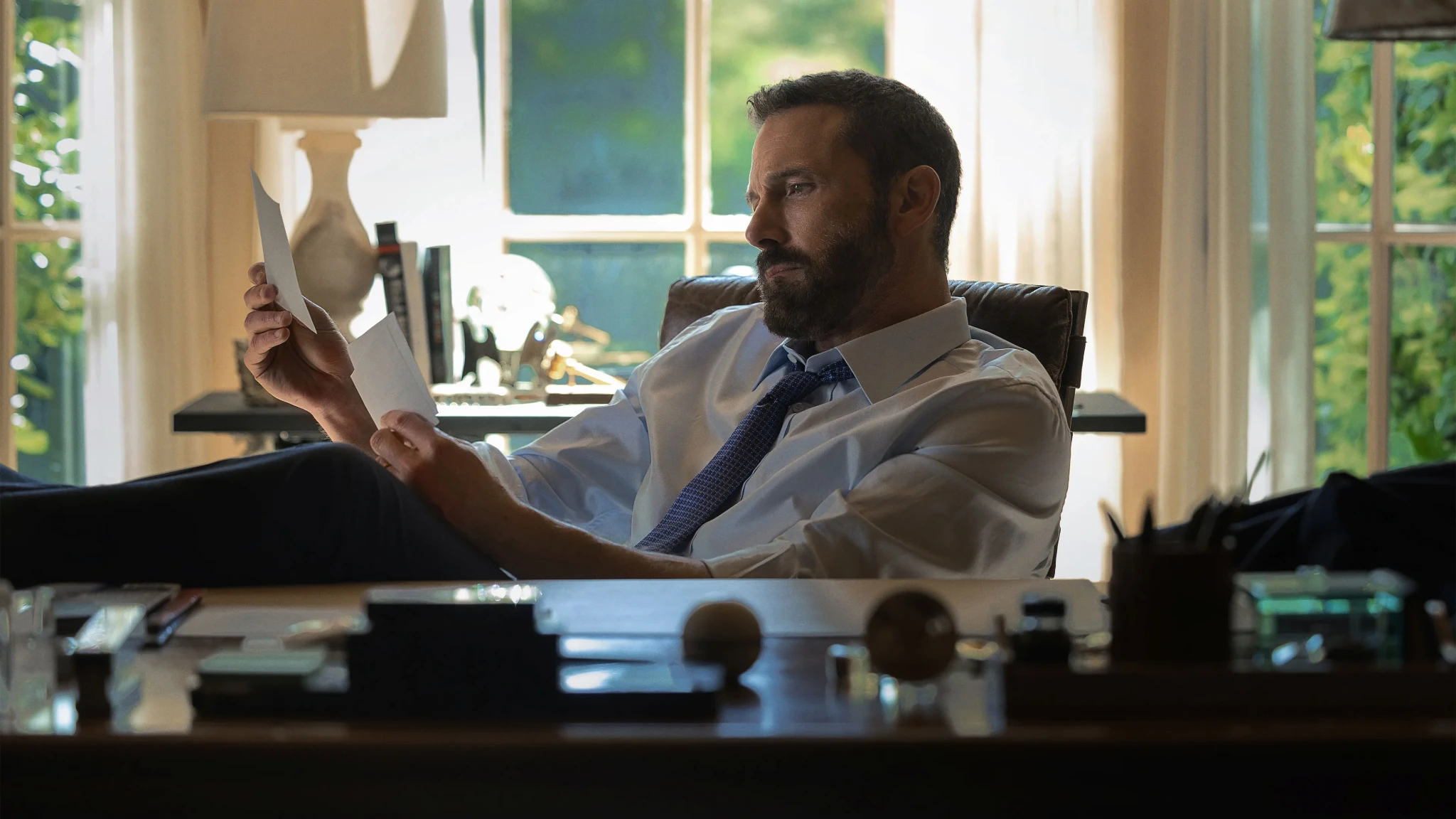
Yet the screenplay sometimes wants us to sympathize with him as a father facing tragedy, and at other times to see him as an opportunistic politician, without enough psychological development to connect the two.
This affects Ben Affleck's performance too.
Initially, he has a presence suited to a confident politician, particularly in the campaign scenes.
But when the film moves into fear, anger and breakdown, the performance becomes considerably more limited.
Many of the emotional reactions arrive in the same register.
The anger does not always make us feel we are watching a father afraid of losing his son so much as a man irritated that events have escaped his control.
That coolness could have revealed Mark's selfishness, but the film does not establish it clearly enough as a dramatic choice.
Dale and a plan without convincing escalation
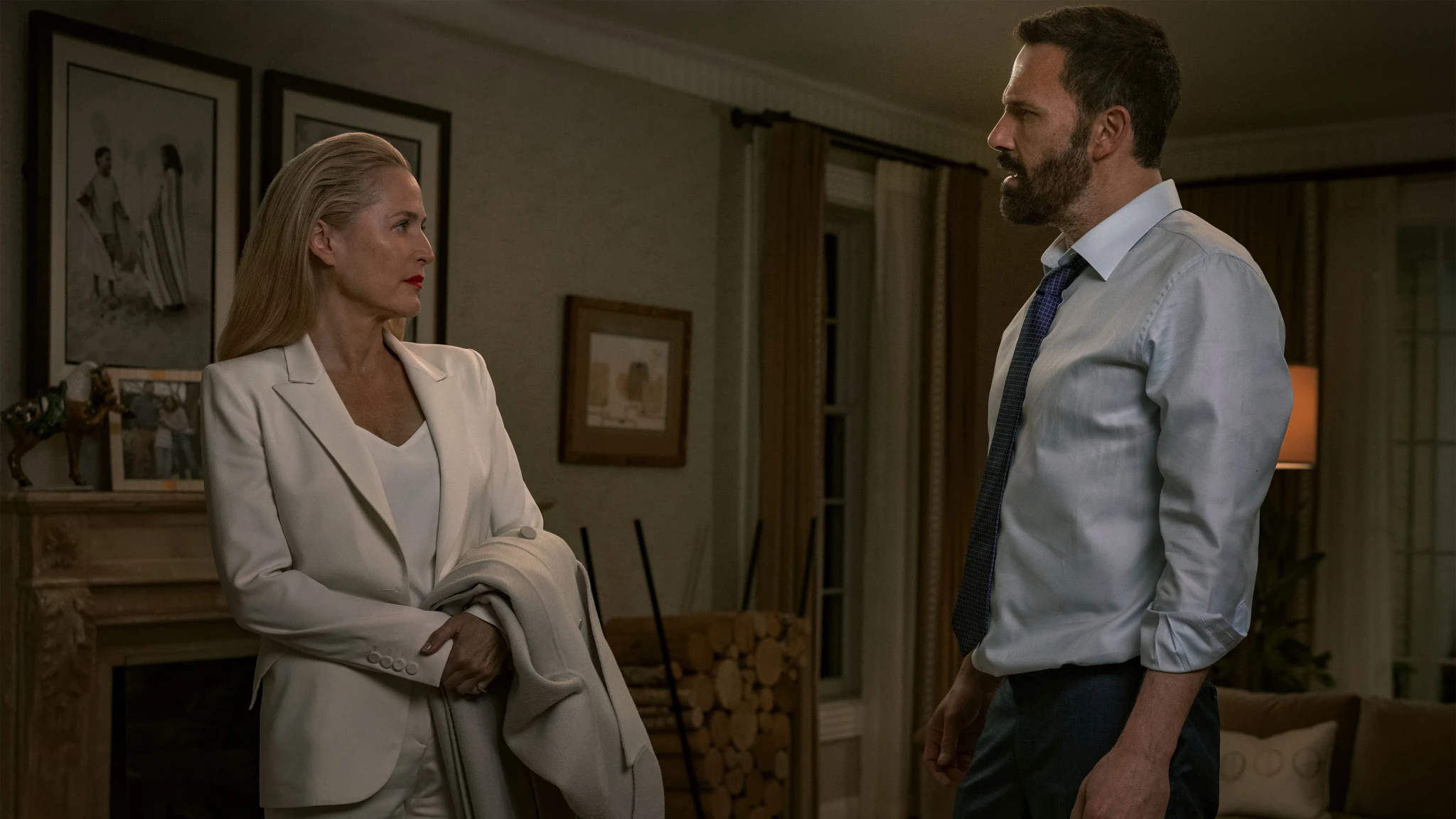
Dale Burton's arrival should raise the tension.
Here is a woman able to provide the ransom, who thinks differently from Mark and offers a solution that goes beyond handing over the money.
She proposes eliminating the kidnappers.
That opens an important ethical confrontation: does saving the child justify planning to kill people? Can Mark make that decision and continue presenting himself as a man who believes in the law?
But the film handles the plan hastily, as though it has suddenly moved from a kidnapping drama into a criminal operation that requires little preparation.
Then comes the confrontation and a series of twists.
The plan does not unfold as expected, an unforeseen danger appears, and the balance of power changes within moments.
In theory, this kind of reversal can create an intensely tense scene.
The problem is that characters sometimes move according to the plot's needs rather than through decisions that feel logically rooted in who they are.
Instead of the chaos directly resulting from clear mistakes in planning, much of it depends on coincidences and sudden interventions.
That is why I did not feel the confrontation delivered the climax the film deserved.
It changes events considerably but lacks the dramatic weight that would make those changes matter.
Actors stronger than their characters
One of the most frustrating things about Animals is that its cast could have delivered a much better film with more carefully written characters.
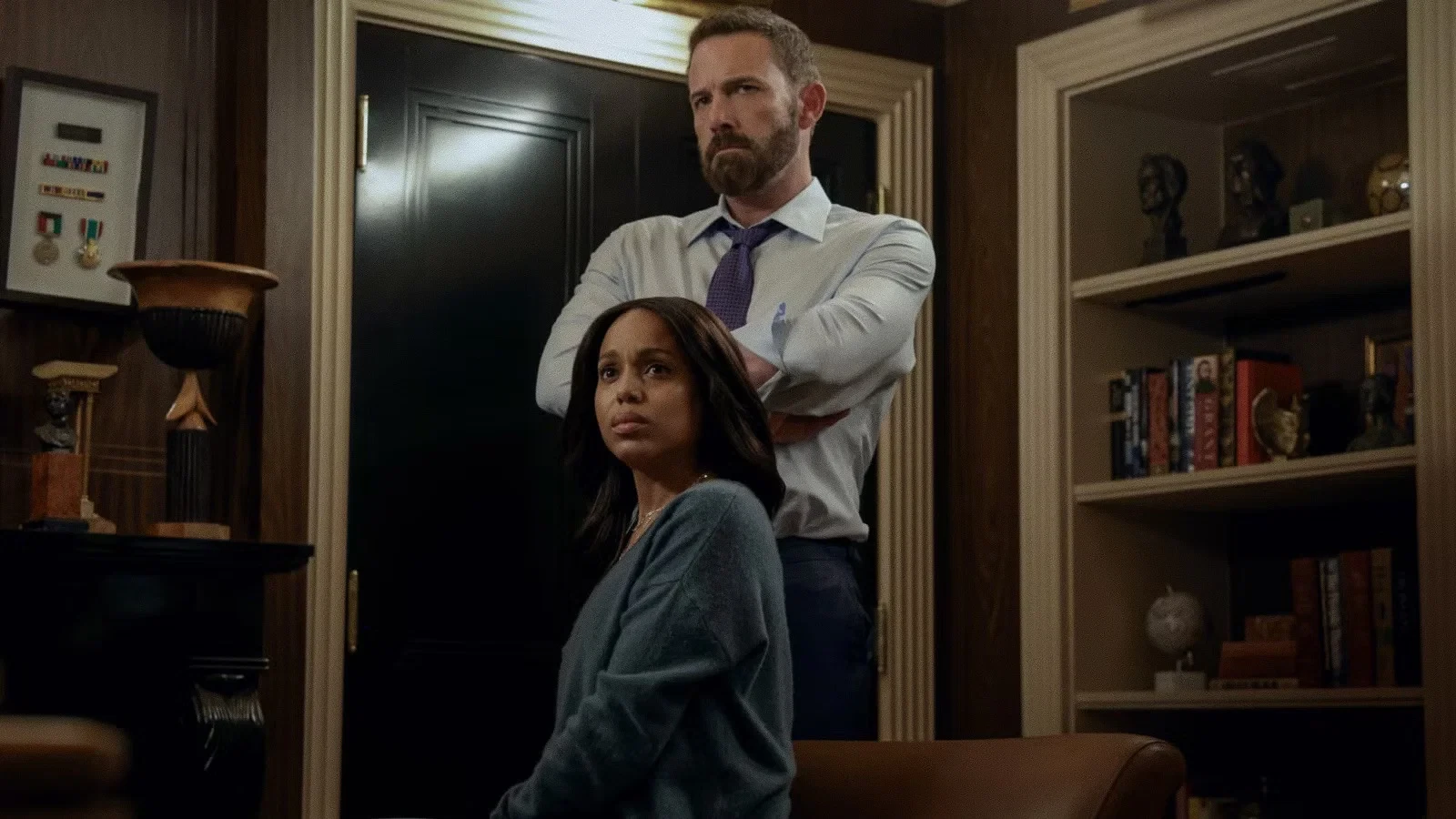
Kerry Washington plays Abigail, Mark's wife, whose marriage is deteriorating and who is hiding an affair from him.
But this marital crisis receives insufficient depth.
We know Abigail feels neglected and that Mark's ambition has taken over his life, yet their relationship remains closer to a set of facts the screenplay supplies to create additional tension.
The performance itself is not the problem.
Washington tries to give Abigail an honest sense of anxiety and anger, but the character is not given enough space for us to understand her outside her relationship with Mark.

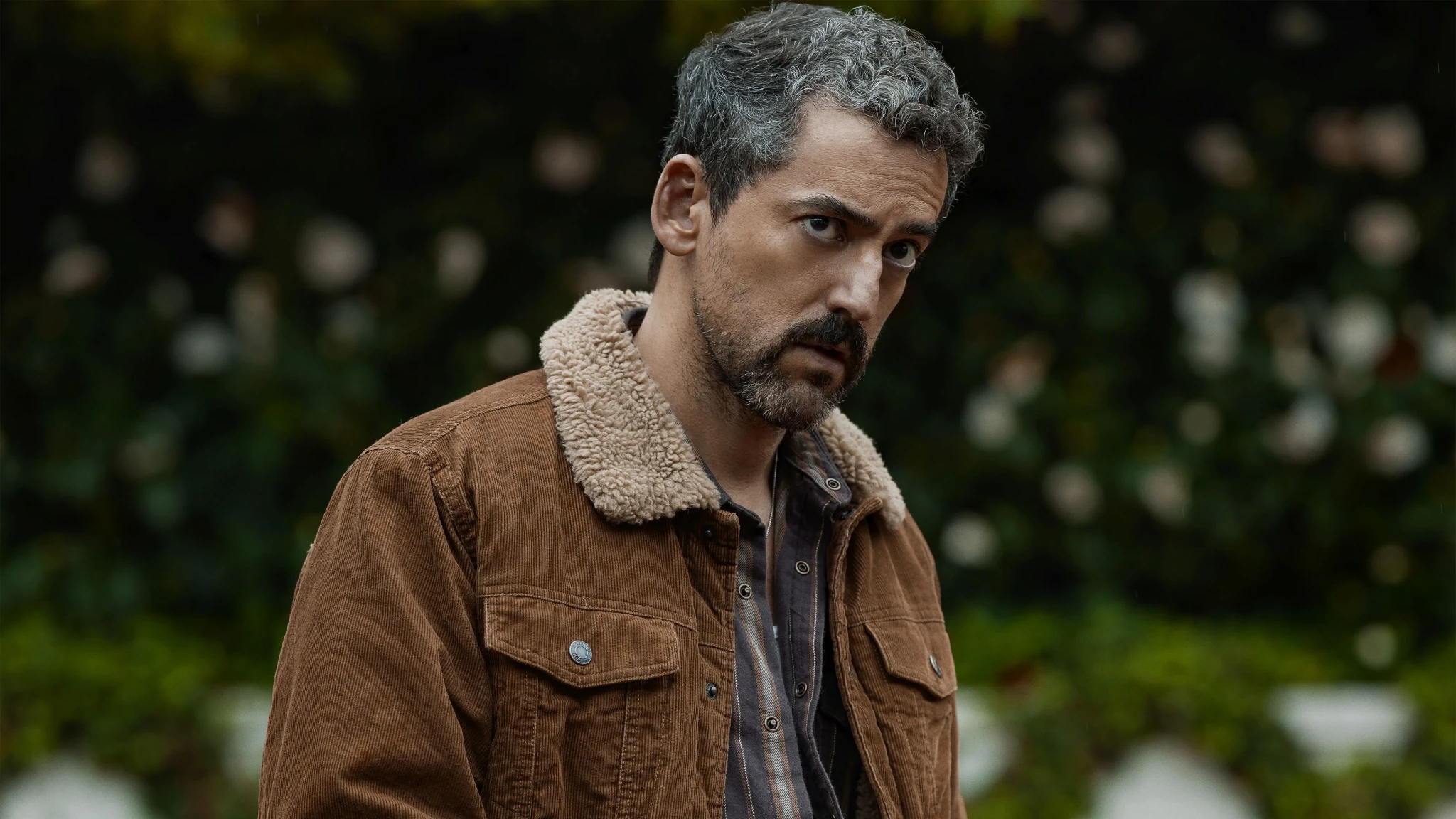
Steven Yeun plays Sam, the man who can find solutions and arrange contacts when things become complicated.
His presence initially invites curiosity because we do not know how far we can trust him.
But the screenplay does not make use of that ambiguity.
For much of the film, Sam remains simply a means of moving events forward.

The same applies to Gillian Anderson.
Dale enters the story with obvious confidence and control, but lacks the background or motivations that would give her the weight she should carry within the crisis.
Despite their importance to the story, Ramón and Cecilia are not given enough independent life outside their roles in Mark's narrative either.
As a result, supporting characters sometimes seem to exist to supply a problem or solution at the right moment rather than as real people with lives of their own.
A kidnapping motive and an undeveloped conflict
The motive behind the kidnapping is one of the film's most underused elements.
We learn that the kidnapper was harmed by an environmental law associated with Mark, and that its enforcement closed small businesses that were not all directly responsible for the problem it sought to address.
That is a very interesting background.
It creates a contradiction between a politician who sees an important achievement and a citizen whose life was destroyed by its consequences.
Mark believes he protected the community.
The kidnapper believes he lost everything.
But the film does not give this conflict enough room.
The motive exists, yet the character carrying it never becomes a strong dramatic antagonist.
We do not get to know the kidnapper in a way that explains how his sense of injustice became a decision to kidnap a child and demand a huge ransom.
He therefore becomes merely a threat to eliminate rather than a mirror exposing Mark's flaws and the consequences of his decisions.
This weakens the very element that could have distinguished the film from conventional kidnapping stories.
Visuals, direction and pacing
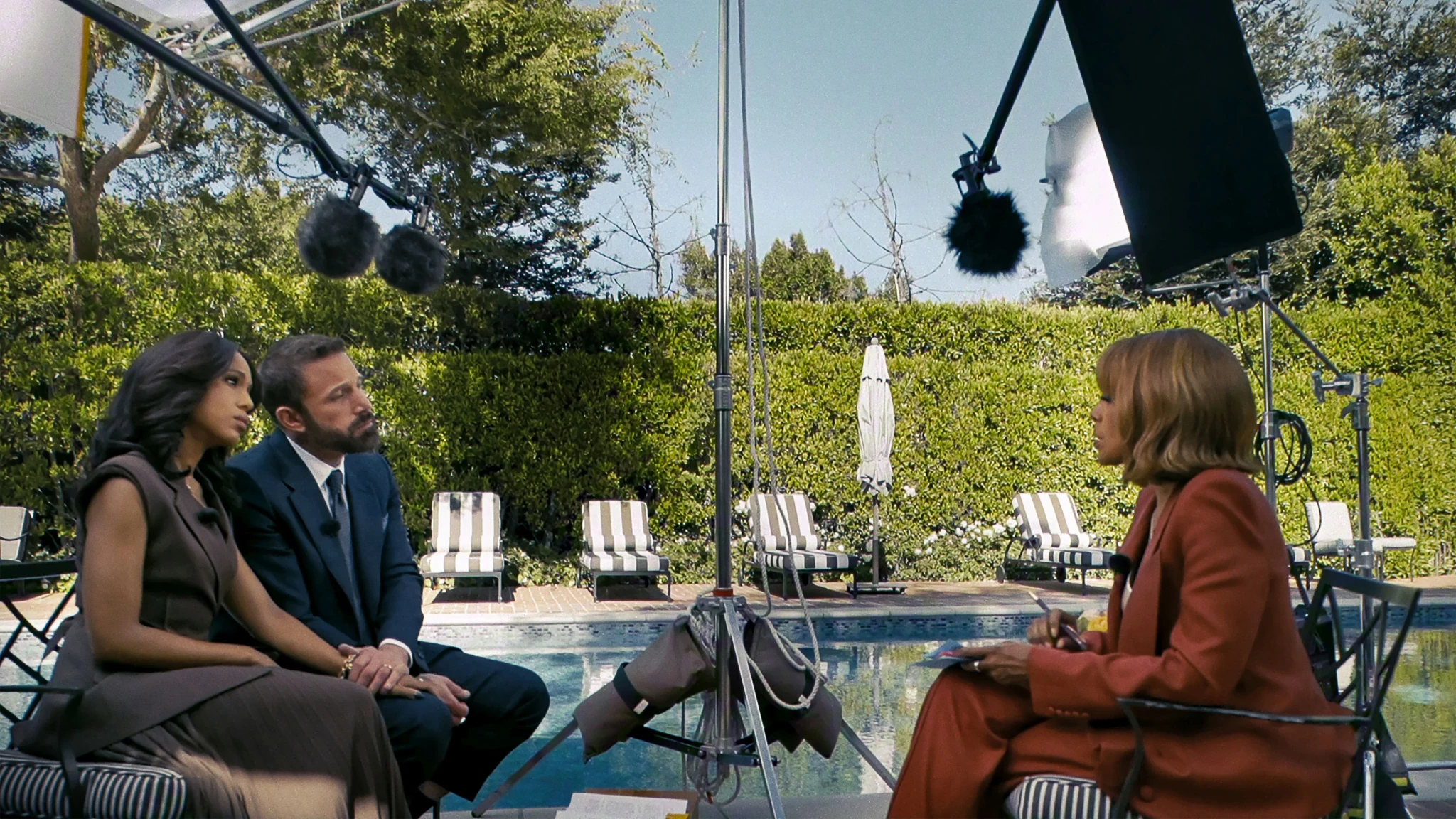
Visually, Animals does not look like a cheap production.
There is attention to its overall appearance, locations, clothes, and the presentation of Mark's political and social life.
But an expensive appearance does not necessarily amount to effective direction.
For me, what is missing is a visual identity that makes the city itself part of the tension.
This is a story set in Los Angeles and tied to politics, money and social inequality, but the city does not become as fully realized a dramatic space as those elements allow.
The editing, so lively at the beginning, also loses much of its impact later.
The problem is not that the pace slows down. Thrillers do not need constant movement.
The problem is that the quieter scenes do not build strong psychological tension to compensate for the absence of action.
When violent confrontations arrive, they do not always have the clarity or force needed to make the danger tangible.
That makes the viewing experience strange.
The events on screen are extremely dangerous, but the feeling of danger remains weak.

The ending: integrity as a manufactured story
The ending exposes Animals' problem most clearly.
Mark does not emerge from the crisis simply as a survivor.
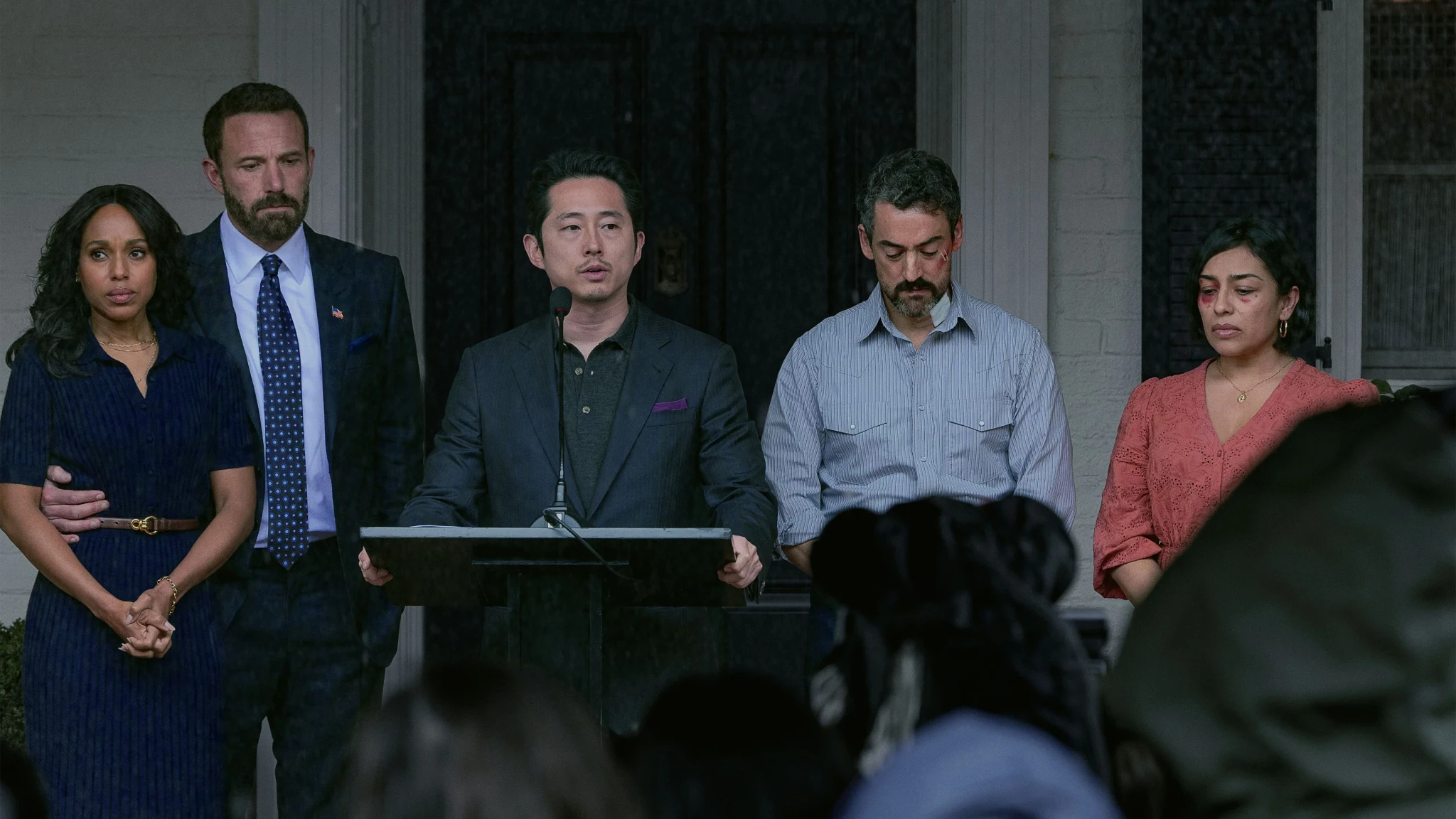
He turns what happened into a heroic story that serves his political future.
Ramón saves him during the confrontation, but the version that reaches the public rearranges their roles so that Mark appears to be the man who risked his life to save others.
There is a strong satirical idea here.
The man who built his campaign on integrity and transparency finds his route to success through lying and concealing the truth.
More interestingly, Ramón also benefits from the agreement and accepts a part in the fabricated account.
This is therefore more than a politician deceiving a vulnerable citizen. It becomes a deal from which both parties profit, even though it rests on a crime and a lie.
But the film makes the plan's success too easy.
There are important questions about the money, Dale's fate after being injured, evidence from the confrontation, and whether the new account could withstand a serious investigation.
The film does not address these gaps convincingly enough.
Even Mark and Abigail's relationship reaches a point where covering up the truth becomes part of keeping the marriage together. That shift needs stronger development than it receives.
Ironically, Mark achieves his ambition and becomes mayor while retaining even greater political aspirations.
This could have been a harsh, intelligent ending if it made us feel that Mark constructed his victory through a series of cumulative, understandable decisions.
As presented, however, it feels more like a chain of circumstances that all happen to end in his favor.
I do not reject the idea of the ending itself.
I reject the way the film reaches it.
Final verdict
Final verdict
Ultimately, Animals is one of those films that leaves me feeling its original idea was far better than the finished result. It has every ingredient needed for a successful thriller. A protagonist with clear contradictions. A crime that could destroy his life. An extremely difficult ethical decision. And a cast capable of portraying complicated characters. Yet it cannot bring those ingredients together into a coherent story. Worse still, it fails to compensate for the weak writing with strong suspense or effective confrontations. I can understand the desire to tell a story about a politician exploiting a human tragedy to create his personal mythology. But that idea needs a smarter screenplay, more complicated characters and more convincing consequences. The problem was not that Mark Kimball ended up victorious despite his lies. It was that the film did not make that victory feel dramatically earned, even if it was built on deception. That makes the film a disappointing experience, particularly considering the names involved. A good opening and an idea that deserves a better film, but the execution falls short of the promise. My rating: 5 out of 10.
Your turn
Do you think Animals' ending delivers an effective satire of a politician manufacturing his heroism through lies, or did the weak logic of the events make the ending itself unconvincing?
AUDIENCE VOTE
Do you agree with the MB rating?
Choose once from this browser. You can change your answer at any time.