The review
Screenplay and dialogue: stories that reframe one another
The film's most distinctive quality is that it does not present its three stories in a conventional parallel structure. Each part occupies an almost independent space, and we gradually discover that characters who seemed peripheral in one story become central to another. This encourages viewers to reassess moments they have already seen, because their meaning changes once we learn what was happening on the other side.
This approach works well when the film relies on visual clues or brief encounters between characters. Writer-director Götz Spielmann does not explain the relationships loudly; he allows viewers to pick them up through locations, glances and moments repeated from different perspectives. This gives the film a measure of suspense even though it is fundamentally a character drama.
Yet the same approach creates a clear problem: when the film moves from one story to another, it leaves behind characters we have already begun to care about for long stretches. There are therefore passages where it feels as though the film has interrupted its rhythm rather than developed it. Nonlinearity is not a flaw in itself, but it sometimes makes the film seem more fragmented than it needs to be.
Eva and Tomasz: a temporary escape
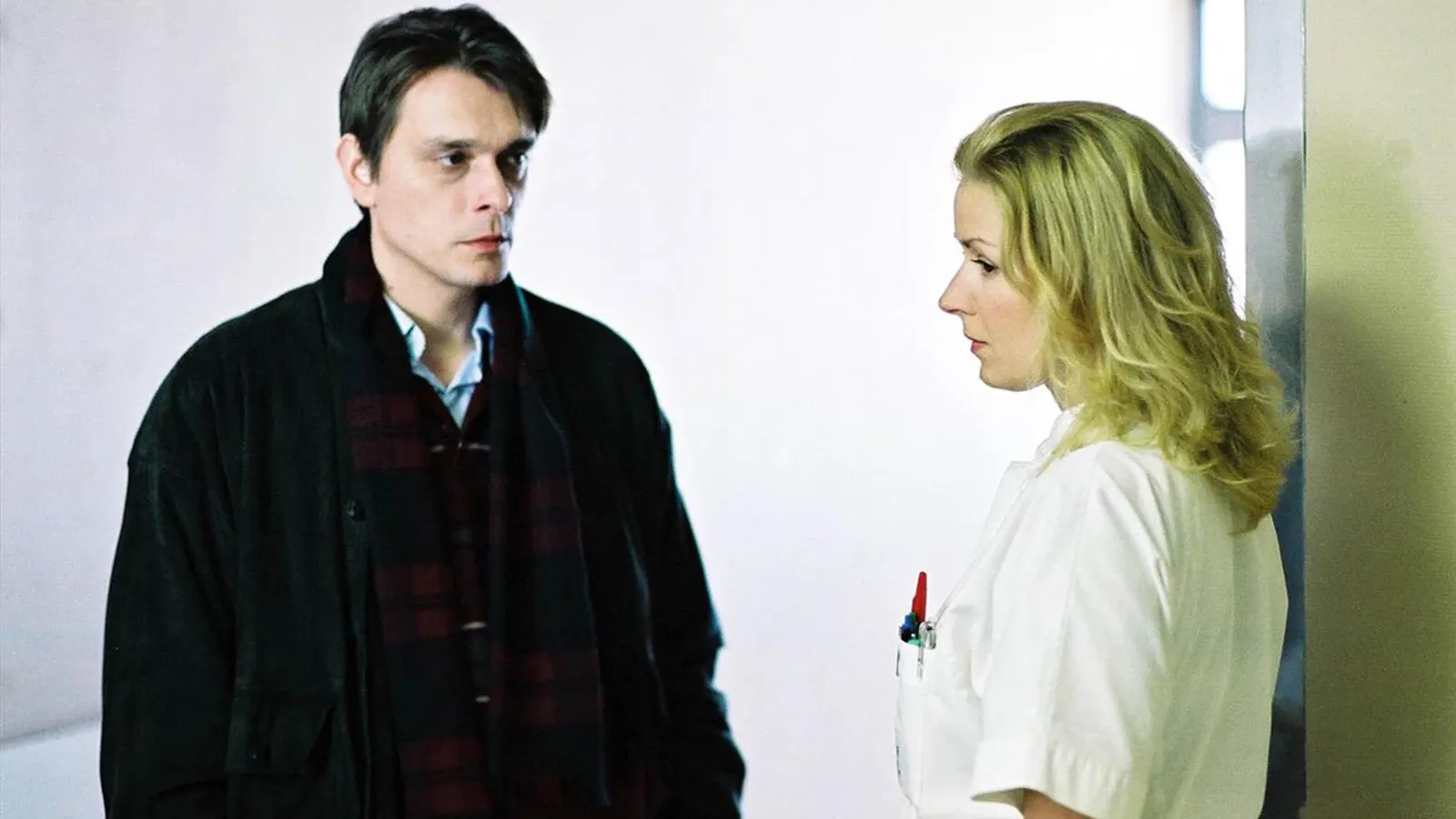
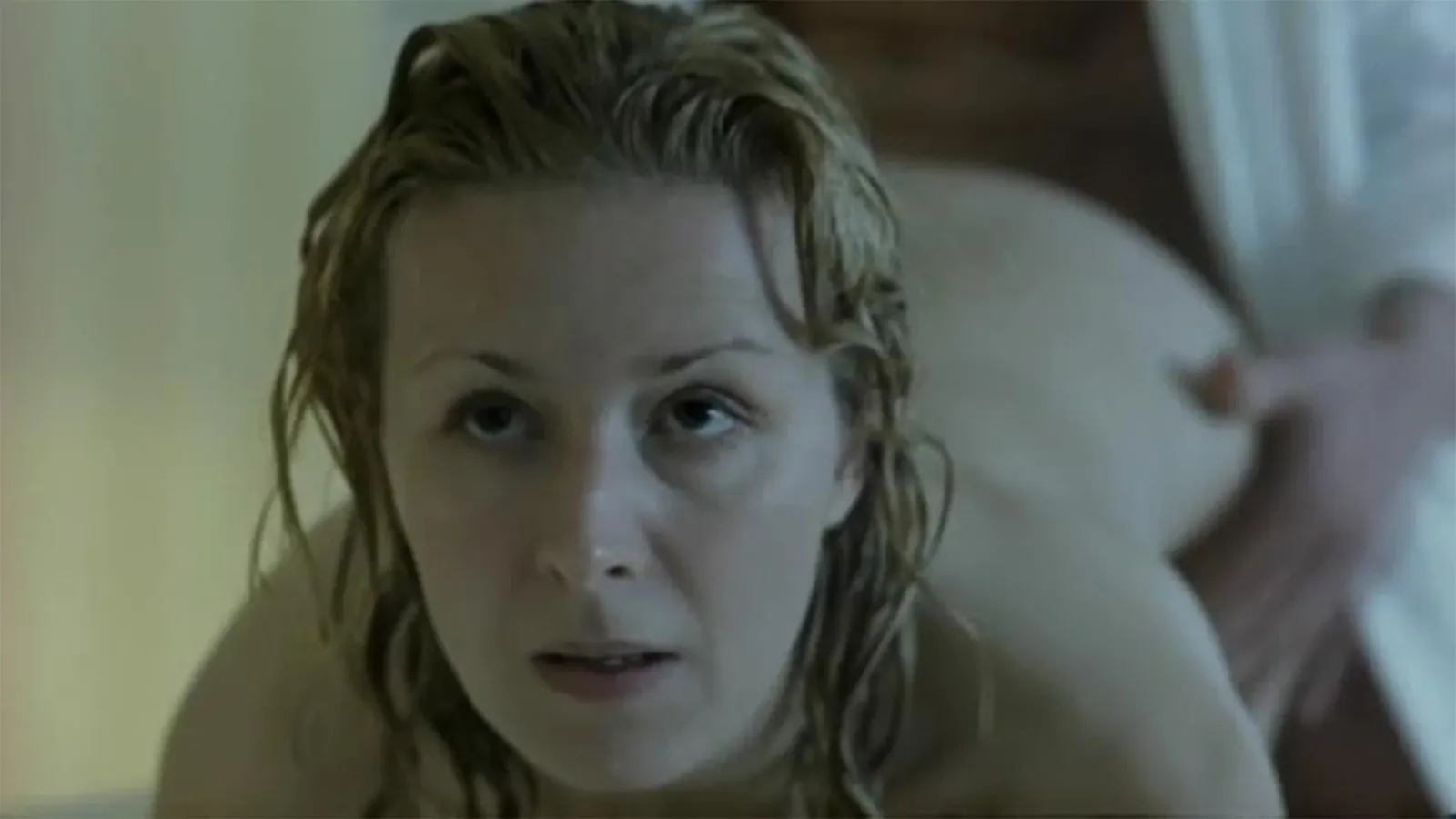
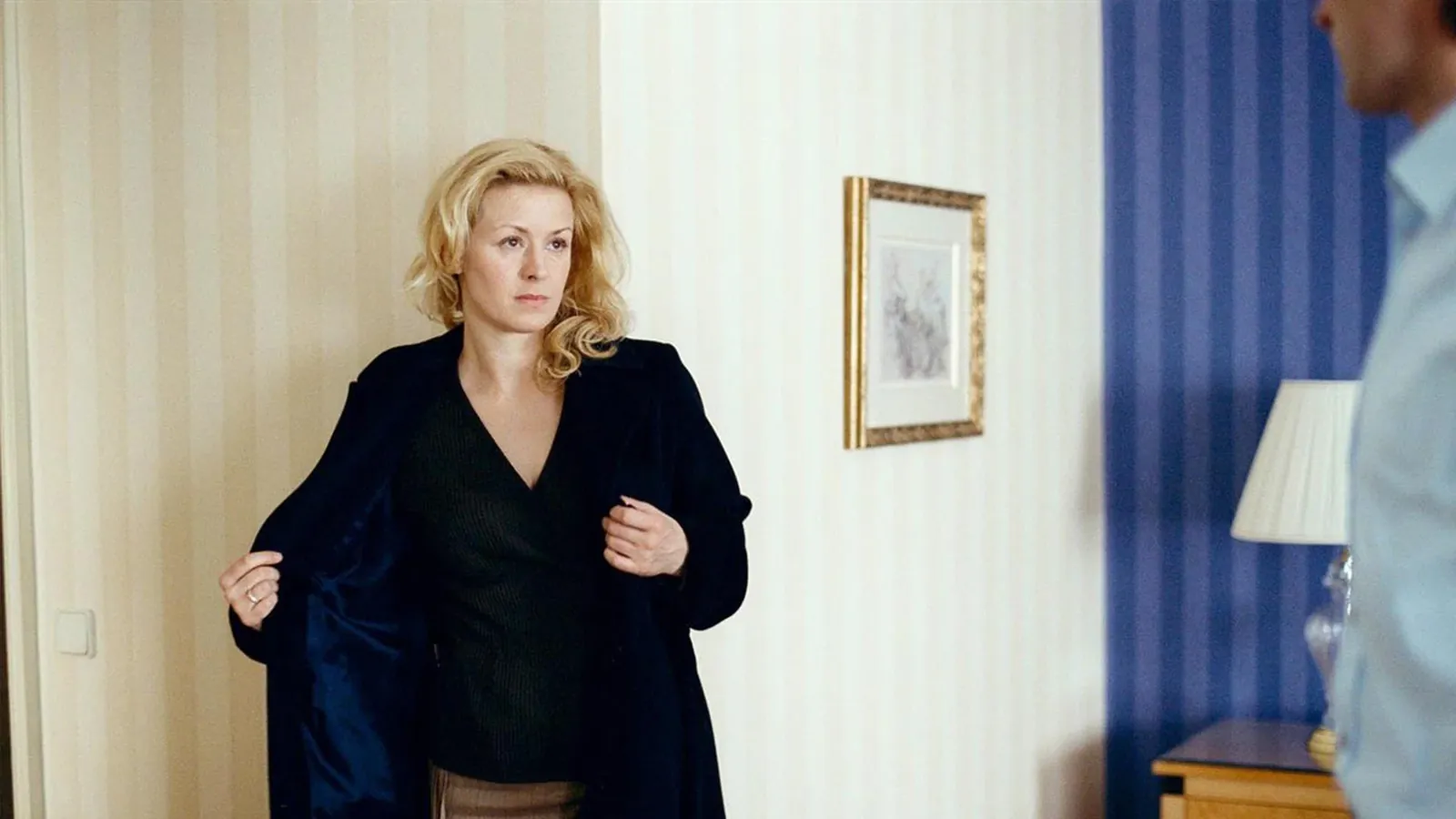
The section involving Eva and Tomasz is the most explicit in its content, but it does not exist merely to shock. Their relationship seems primarily physical and very temporary, as though each is using the other to step outside an ordinary life for a few hours. The film therefore presents it as a brief escape that exposes a greater emptiness, rather than as a grand romance.
Eva is married, and so is Tomasz. What interests me here is less the infidelity itself than what their behavior reveals about emotional disconnection. The film neither imposes a moral sermon on the characters nor tries to justify their actions. It simply observes two people looking for a temporary sense of being alive, before each returns to an unchanged reality.
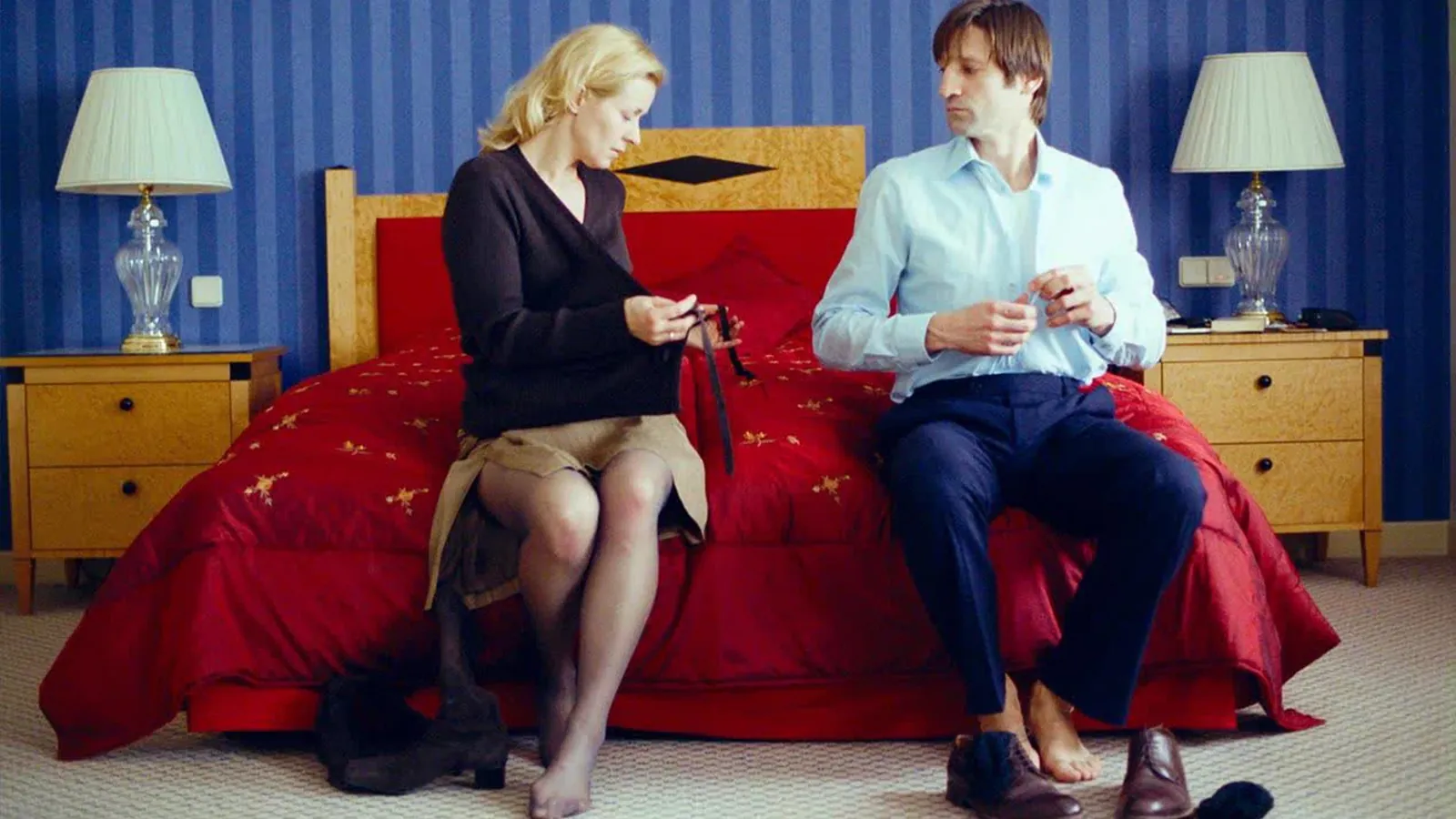
This section also illustrates the film's overall approach. Characters do not always say what they feel; a body, a look or a silence takes the place of dialogue. Even the explicit scenes therefore serve a clear dramatic purpose, although their level of frankness will make the film unsuitable for many viewers.
Sonja and Marco: suspicion and distrust
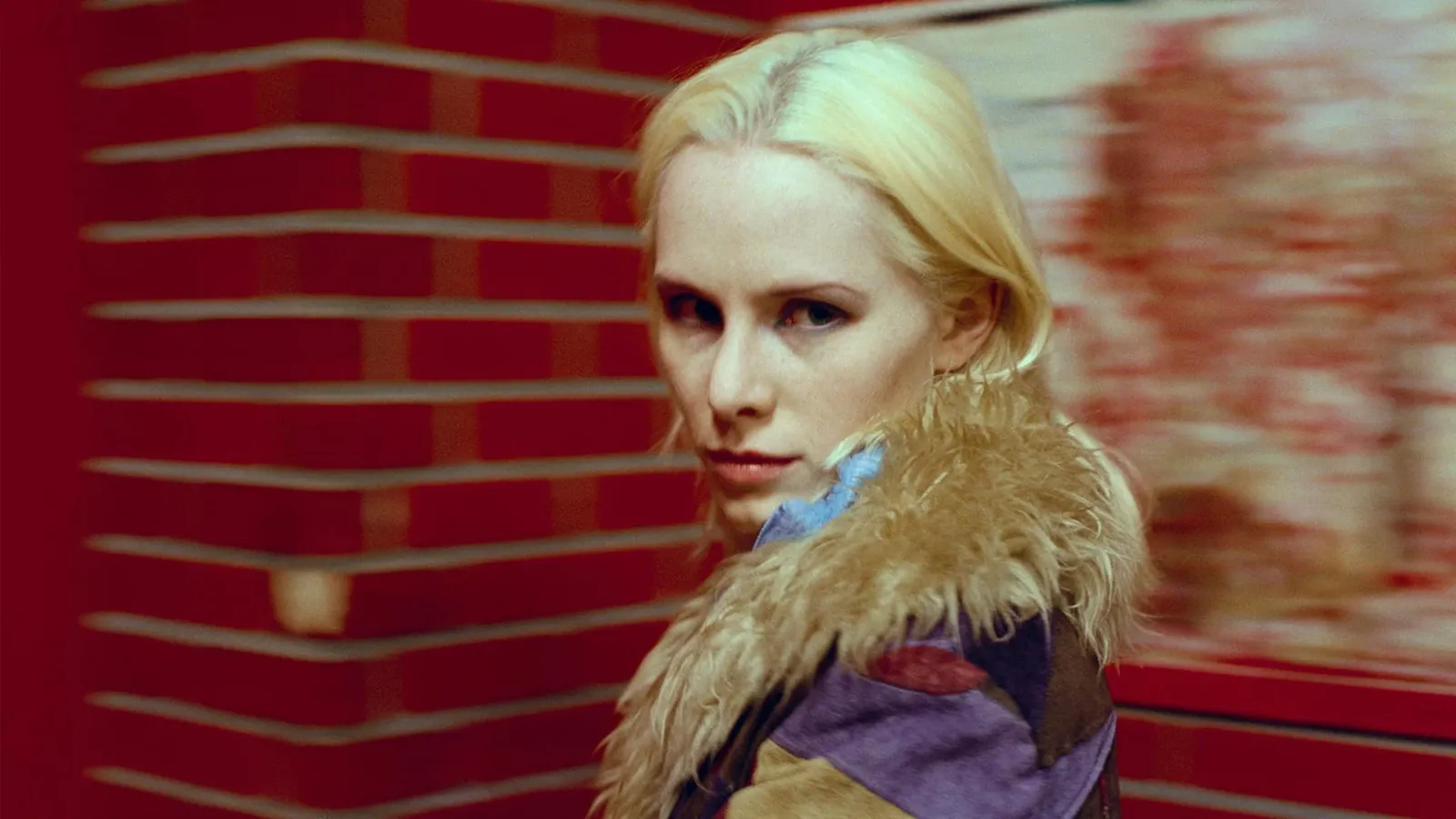
Sonja and Marco's story adds a different kind of tension. Sonja lives in constant suspicion, watching over her relationship in fear of betrayal. At first, her jealousy may seem exaggerated or shaped by her own imagination, but the film does not leave the picture that simple: Marco really is concealing another relationship.
What is interesting is that the film does not reduce Sonja to a jealous woman or Marco to an unfaithful partner. Their relationship is built on distrust before we know all the details. The story becomes a study of how the fear of losing someone can damage a relationship even before the whole truth emerges.
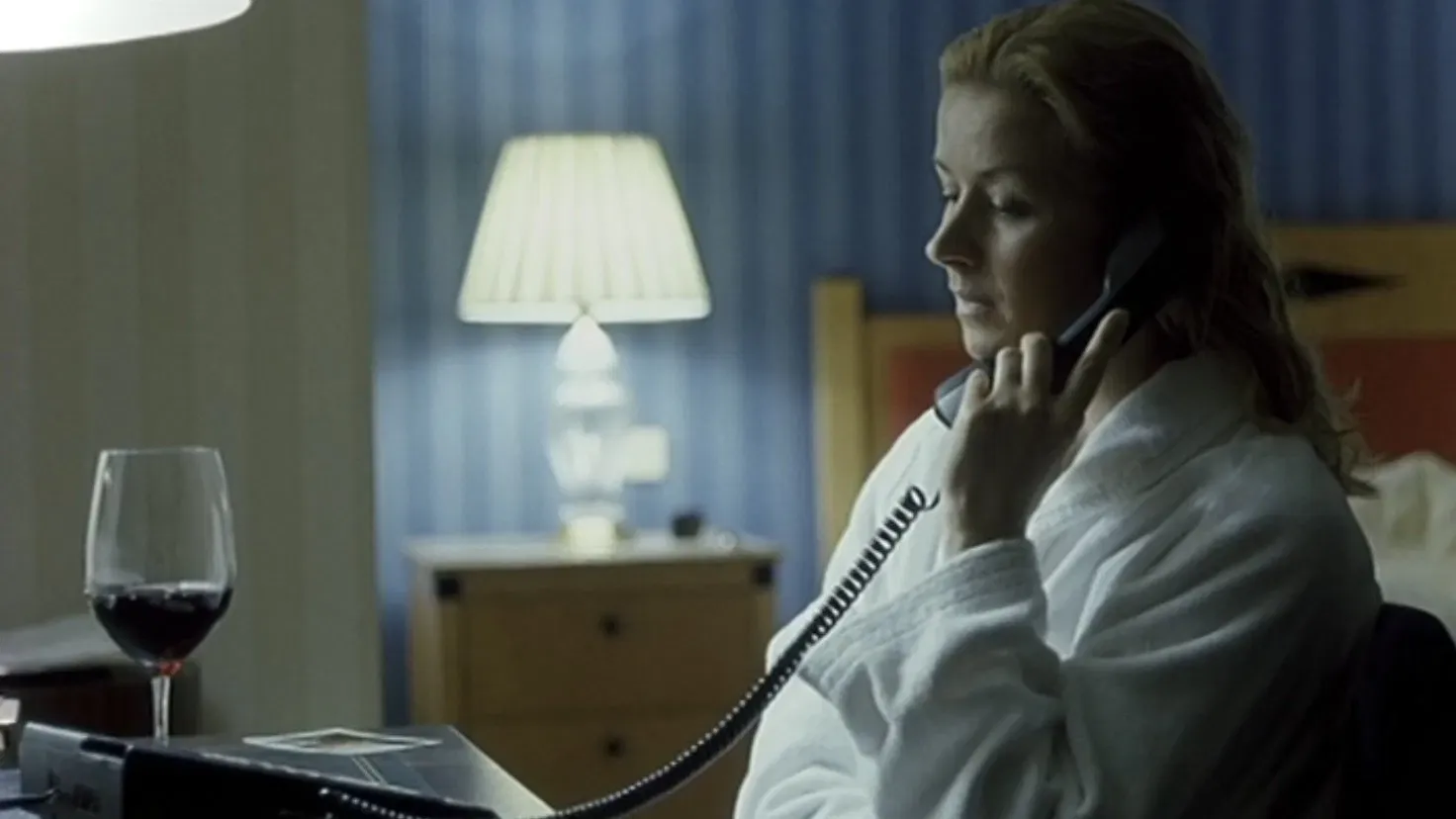
Susanne Wuest's performance is crucial here because she relies so much on facial expression and physical tension. Some moments need no lengthy dialogue: one look tells us that the character is constructing an entire scenario in her head. The performance can become unsettling, but that discomfort suits the character.
Nicole and Alex: anger beneath the surface
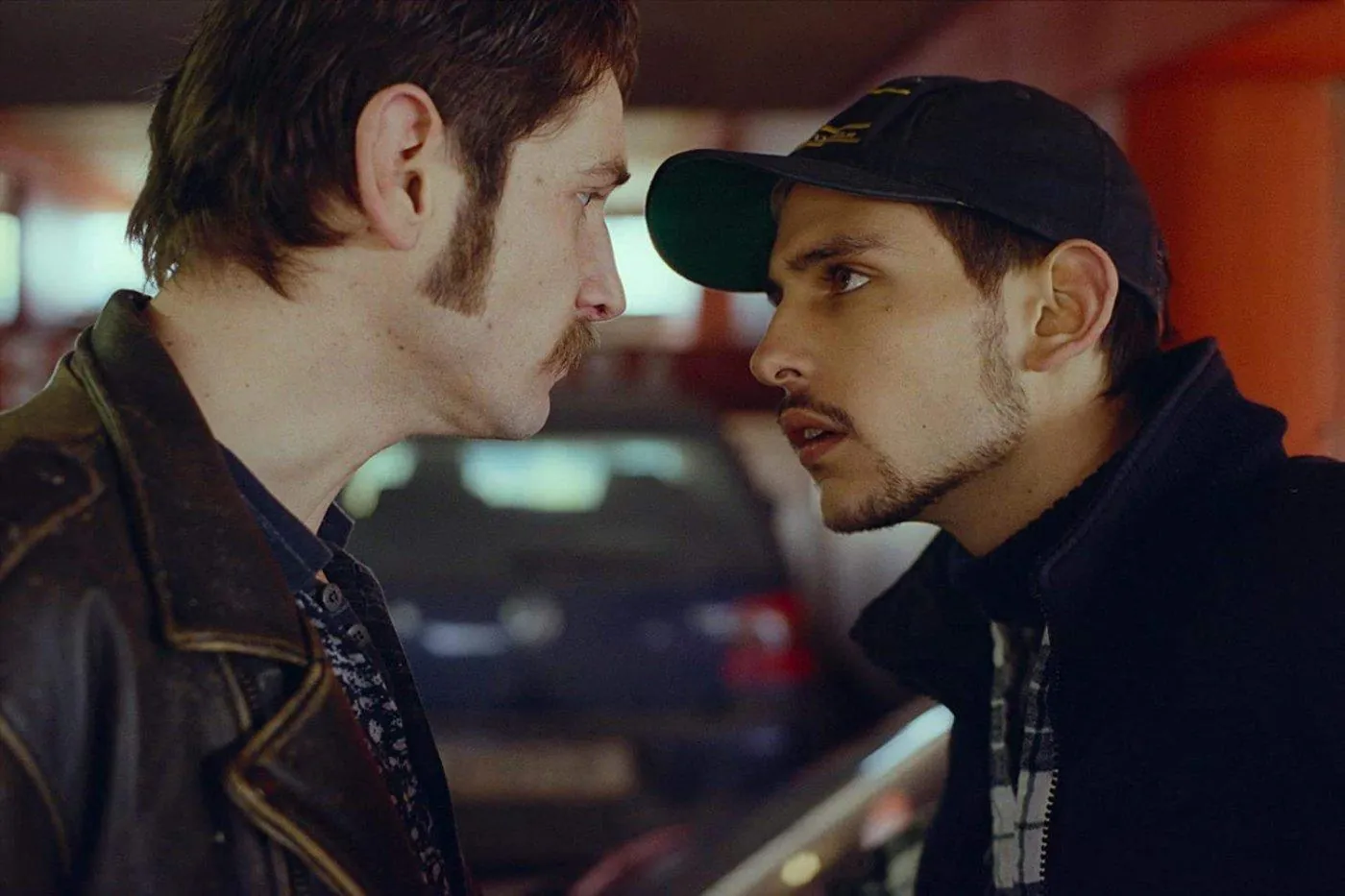
If Eva's story concerns escape and Sonja's concerns suspicion, Nicole and Alex's storyline is the most directly threatening. Nicole is trying to start a new life, while her former husband Alex cannot accept that their relationship has ended. His anger does not constantly erupt; it remains present beneath the surface, making him more dangerous.
Andreas Kiendl gives a strong performance because he does not play anger in only one way. The character often seems to be trying to maintain control, while we sense that control could collapse at any second. This suppressed tension is more effective than constant shouting and gives the third section an energy different from the two preceding stories.
Marco's role in connecting the stories also becomes apparent here. The film does not need a major event each time it reminds us that these people share the same space. Sometimes a secondary relationship or a brief confrontation is enough to change the meaning of what we have already seen.
The car crash: the path is stronger than the convergence
The film places the car crash at the beginning like a promise that everything will come together at the end. This is effective because it gives the everyday stories an ongoing question: how will we reach that moment? With each shift in time, the pieces begin to move closer together.
I do have a reservation here. Building the path toward the crash is stronger than the crash itself and the final point of convergence. There is real pleasure in noticing details and connecting times and characters, but when the threads come together, I do not feel the result adds an equally powerful new layer. The film seems better at creating anticipation than at rewarding it.
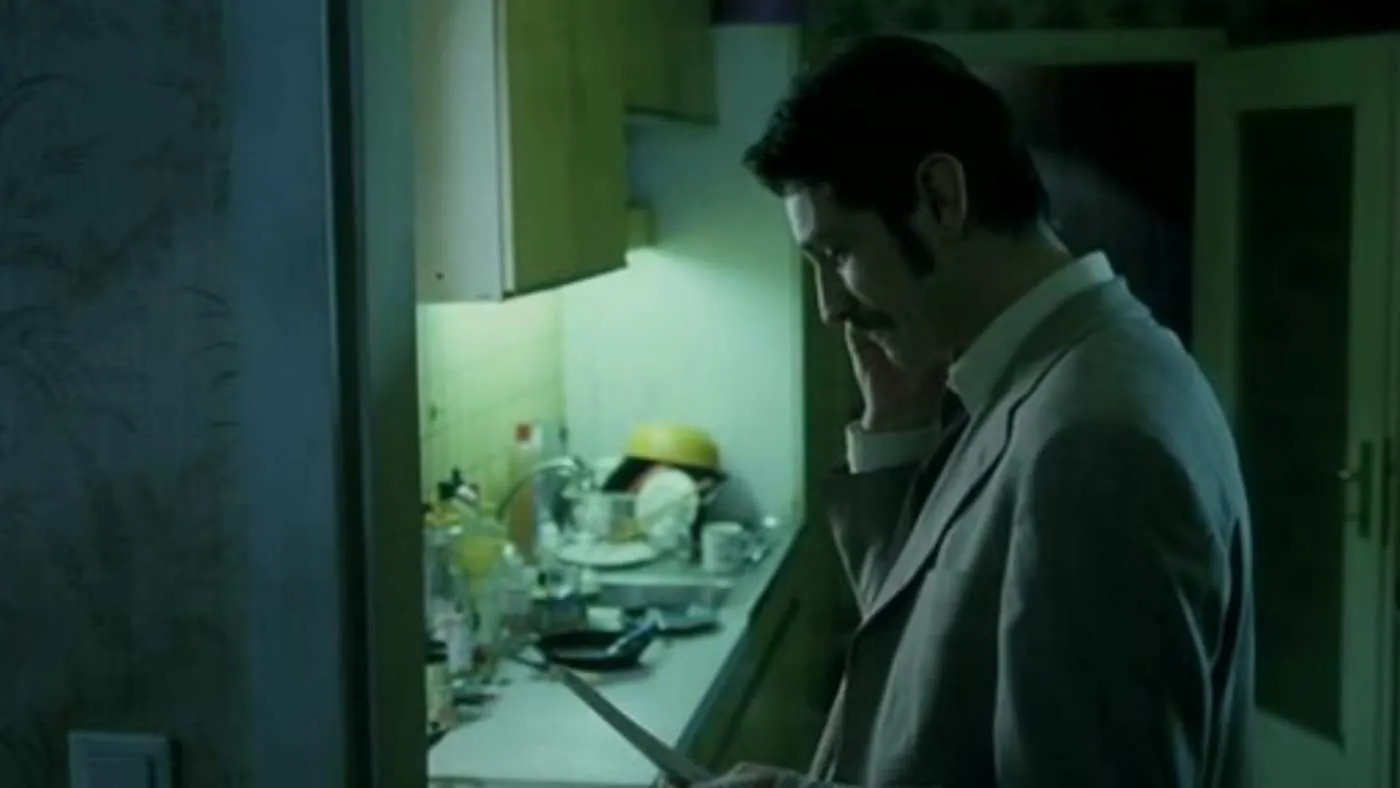
That does not make the structure a failure. On the contrary, it clarifies that Antares is not a puzzle film aiming for a shocking revelation. It is a character study that uses the crash as a framework connecting people who were already moving toward their own crises.
Performances: what the faces reveal
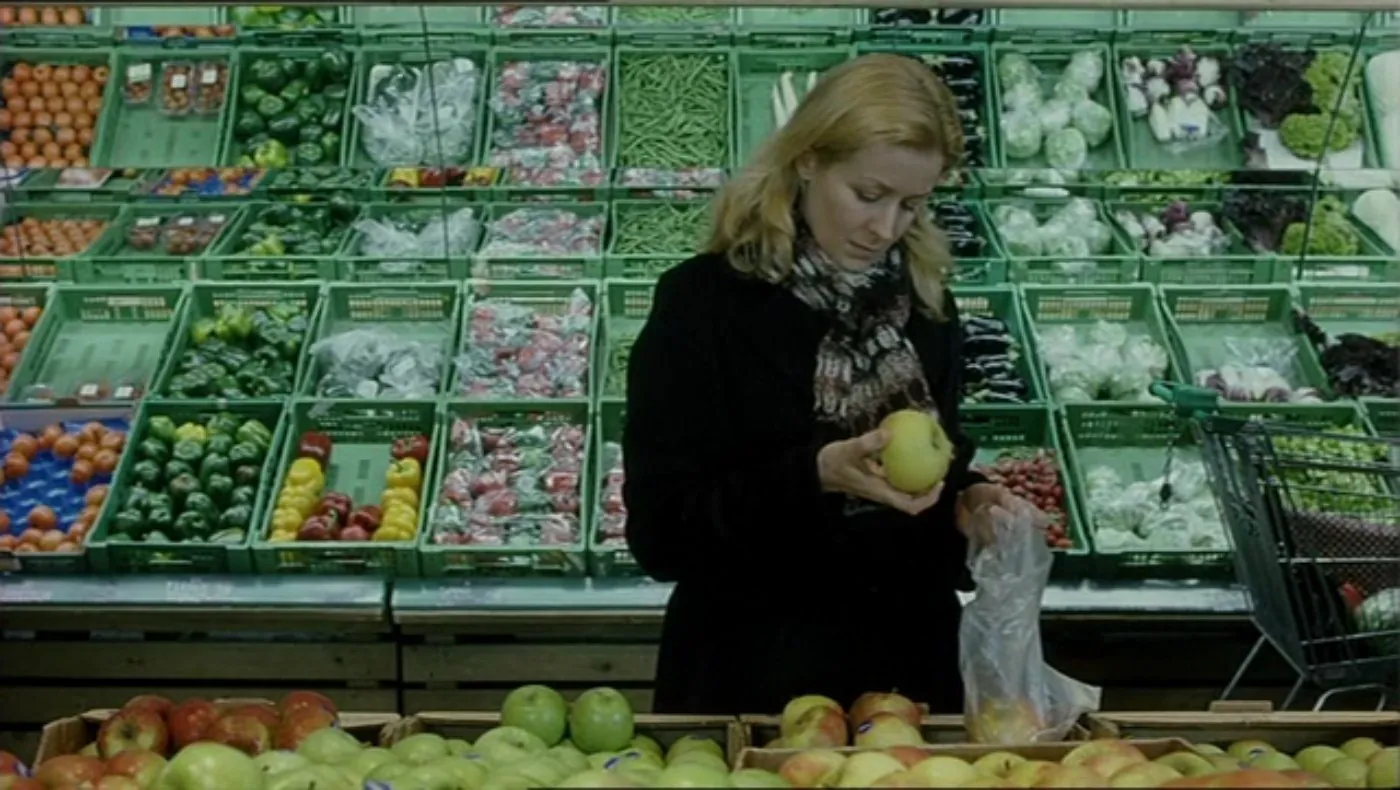
Acting is one of the film's strengths overall. Petra Morzé plays Eva with restraint, without trying to force the viewer to sympathize with her. The most important aspect of her performance is the vulnerability beneath the apparent confidence, especially when the moments of escape end and she returns to ordinary life.
Andreas Patton, as Tomasz, is more reserved and less varied. Part of this comes from the character's nature: he is elusive and present for only a limited time. Even so, his performance does not leave the same impression as the other characters.
Susanne Wuest stands out as Sonja, particularly in her silent expressions. Andreas Kiendl delivers one of the film's most tense performances, keeping Alex's anger present even when he is not doing anything obvious. Dennis Cubic and Martina Zinner are convincing in their roles, although the characters around them sometimes receive stronger acting moments.
Direction and editing: space and time
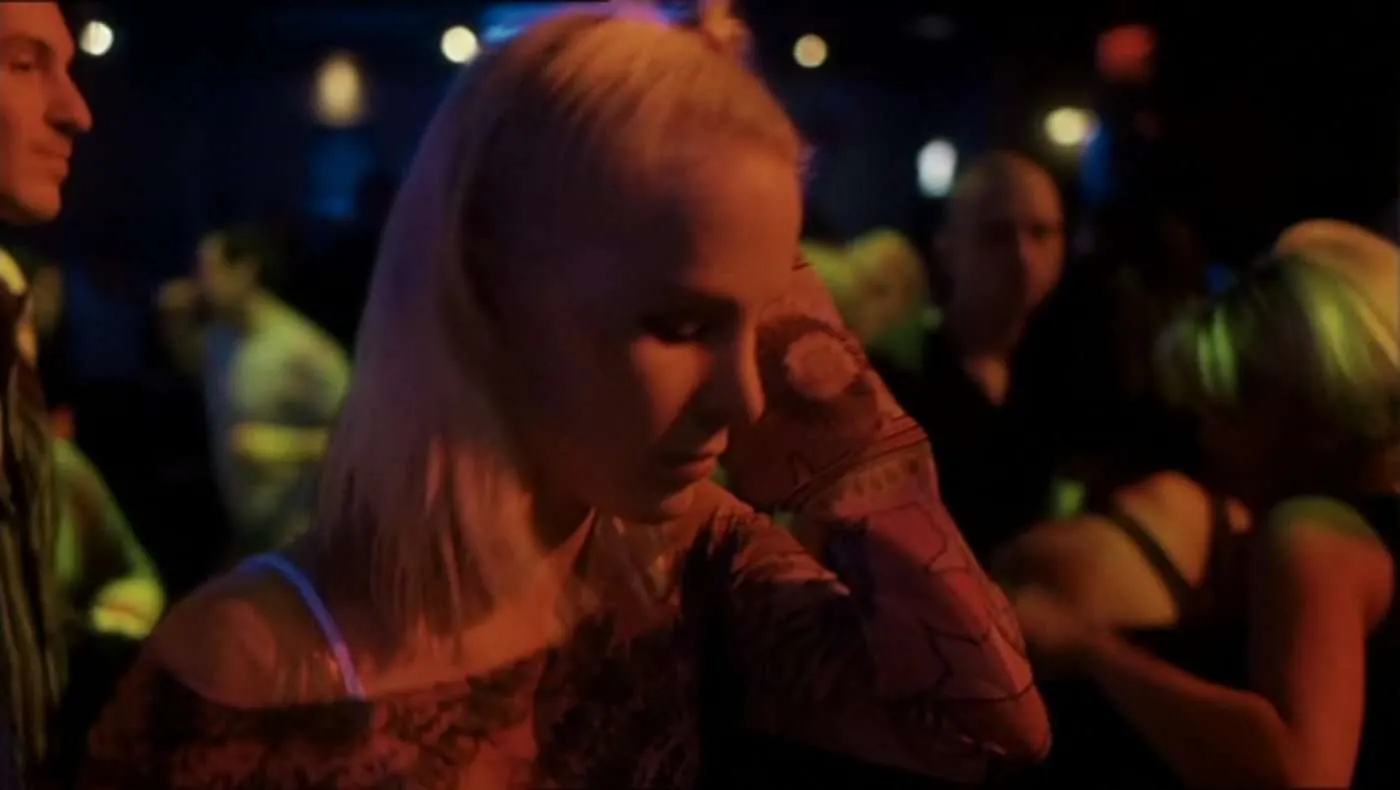
Spielmann's direction favors observation over spectacle. The camera does not seek beautiful shots simply for their beauty; it stays with the characters and the spaces they inhabit. Apartments feel cramped, corridors are ordinary, and the city at night never becomes a tourist image of Vienna. Place is a silent witness to secrets, rather than a decorative backdrop.
This choice serves the central idea well: everyone lives close to someone else, yet seems disconnected from them. The housing complex brings the characters together geographically without creating real intimacy. As the stories draw closer together, we see more clearly the loneliness within each relationship.
Editing is the most important technical element because it determines how information is arranged and what is withheld. When it succeeds, it draws our attention to small details we understand later. When it separates the stories too sharply, it contributes to the sense of fragmentation. It is therefore both a source of the film's strength and part of what weighs it down.
Loneliness: proximity without intimacy
The idea I find clearer than any direct message is loneliness. Almost every character wants something from someone else: attention, security, desire, a second chance or simply reassurance that they still matter. Most of these attempts, however, fail to create real intimacy and instead expose a greater distance.
The film does not present entirely innocent or entirely evil characters. There are clear mistakes and harmful behaviors, but Spielmann does not turn the film into a courtroom. He is more interested in how people reach this state, and how apparently separate decisions can suddenly intersect and affect other lives.
This perspective gives the film maturity, though some may find it cold. Anyone expecting a clear message or an ending that explains everything may feel that the film stops before saying what it wants to say. Viewers who accept a character study without ready-made answers will find more room for reflection afterward.
Strengths and weaknesses
The film's strongest qualities are its intersecting structure, its use of visual details to connect different moments in time, its restrained performances and an atmosphere that charges everyday life with tension. It also succeeds in making relationships feel complicated without explaining everything through dialogue.
Its main weaknesses are the disrupted rhythm between stories and the long absences of certain characters, along with a convergence that lacks the power of the path leading toward it. There is also a sense that the film opens up many subjects without exploring each of them to the same depth.
Content and age suitability
The explicit content needs to be clearly noted. The film contains graphic sexual scenes and full nudity, alongside violence, strong language, substance use and alcohol. These scenes are connected to the nature of the story, but remain highly explicit and may be reason enough for the film to be unsuitable for many viewers.
Closing thoughts: style and the rhythm of the stories
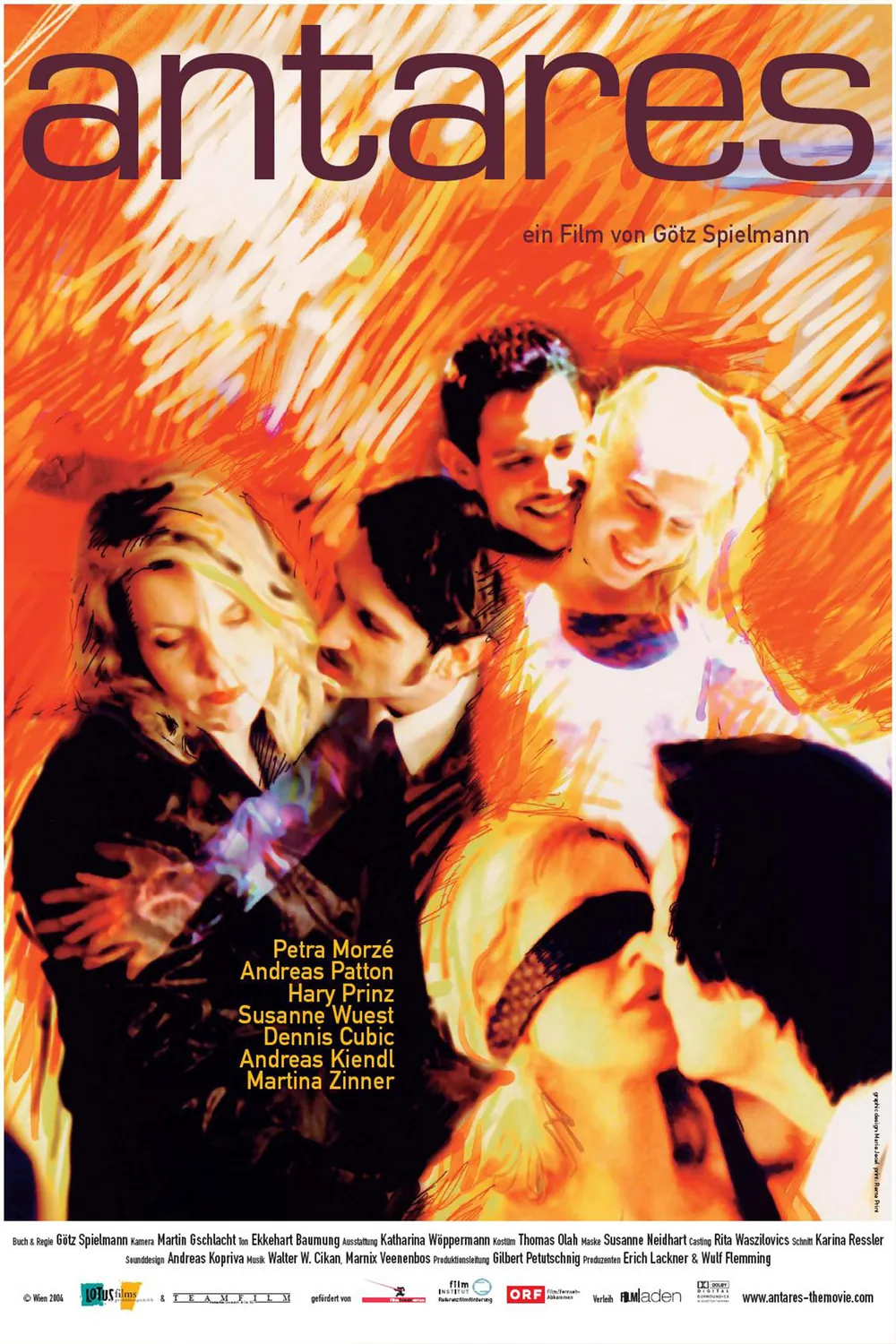
Antares is a film whose approach I appreciate more than I enjoy every part of it. There is clear intelligence in how it arranges its stories and uses space and time to show that neighboring lives can be intertwined without those living them fully realizing it. Its best moments come when it lets performance and imagery speak instead of explaining.
The rhythm is not consistently cohesive, however, and some transitions make us feel that we have begun a new film before finishing the previous one. The ending does not give the preceding structure an extra lift, so some viewers may leave feeling that the journey was stronger than the destination.
Final verdict
Final verdict
The experience remains interesting because of its characters, its quietly bleak atmosphere and the way it turns failed relationships into a single web of desire, fear and loneliness. It is a film that requires patience and rewards attention to detail more than the anticipation of surprises.
AUDIENCE VOTE
Do you agree with the MB rating?
Choose once from this browser. You can change your answer at any time.