The review
Batman starts to fall before Bane appears
What I like most is that the film never presents Bruce Wayne as a victim abruptly defeated by a stronger enemy. We watch him help create the conditions for his collapse. He studies opponents, plans for every possibility and trains without pause, yet can hardly admit that his body and mind have limits.
Those habits usually make Batman admirable. Here, persistence becomes stubbornness, independence becomes isolation and endurance becomes an unhealthy refusal to stop. Bane does not need to be better at everything; he only needs to understand the man who will not rest.
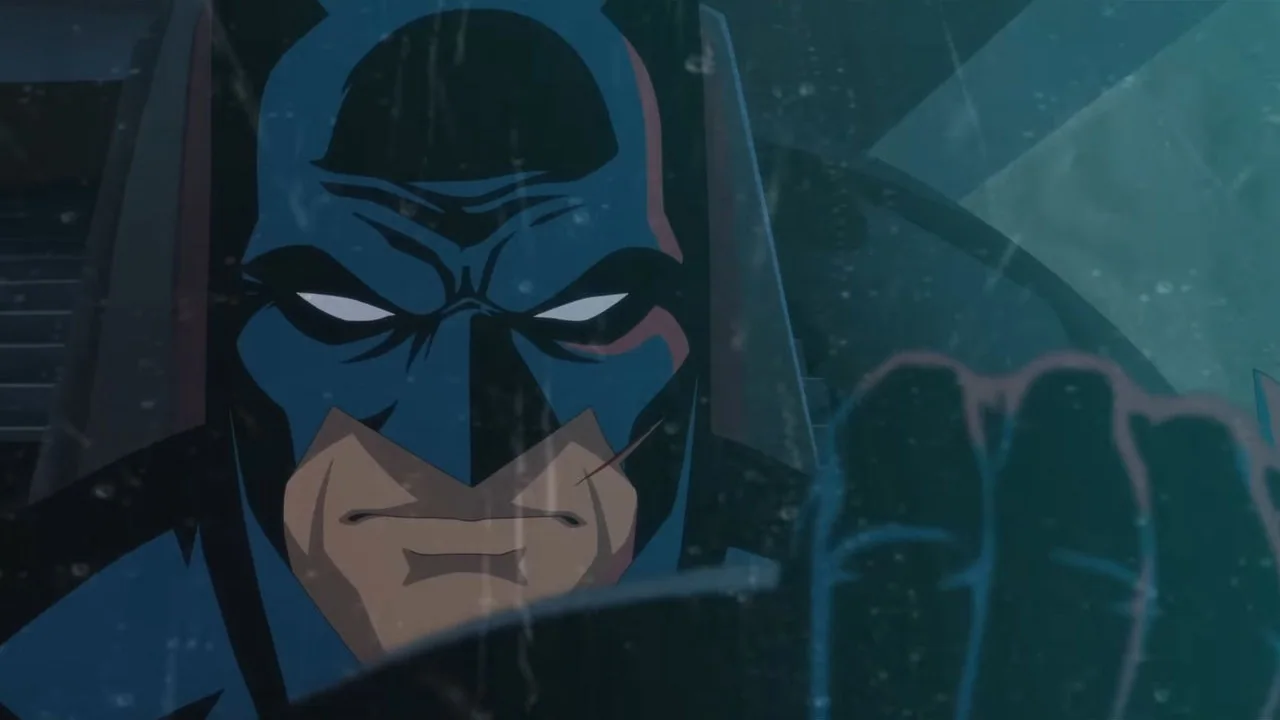
Bruce Wayne cannot tell when to stop
This Bruce is exhausted rather than weak, and he will not acknowledge the difference. He approaches every new threat as another problem that determination can solve. With Arkham's escaped criminals loose in Gotham, each night takes something more from him.
Scarecrow, Riddler, Victor Zsasz and Mad Hatter do not need to win their fights. They only need to drain a little more energy. Accumulation is the real enemy: one wound, one night and one postponed consequence after another.
Bane is a strategist before he is a bruiser
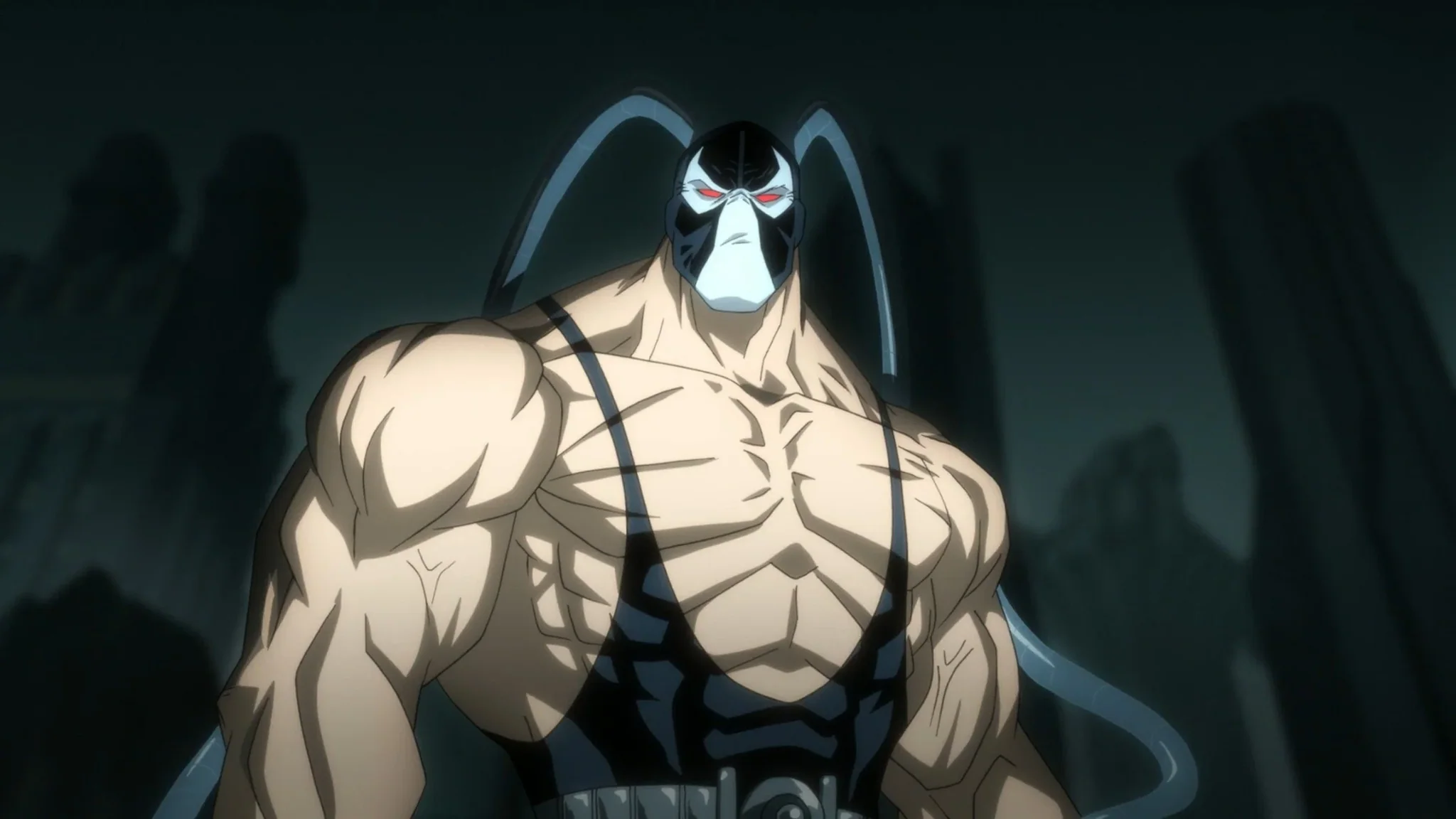
The strongest choice is to introduce Bane as a planner before treating him as a fighter. Too many versions reduce him to the huge man who hits Batman hard. This one understands the danger in his intelligence and patience.
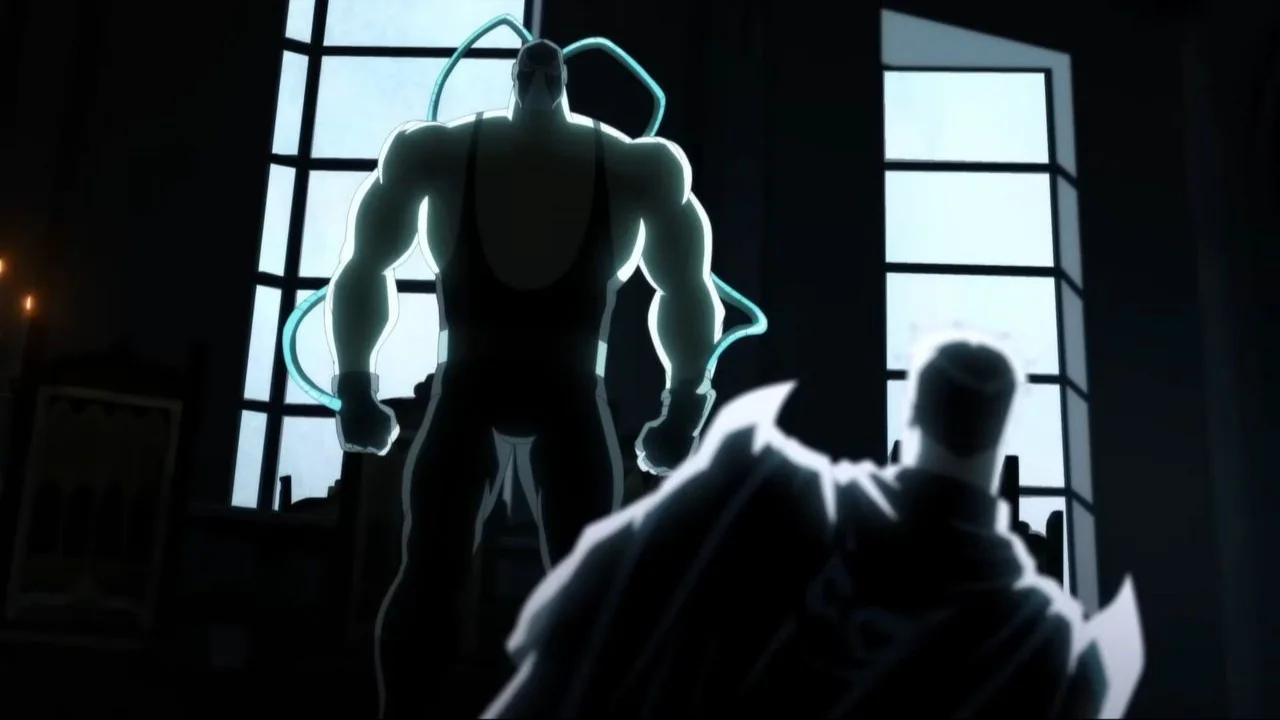
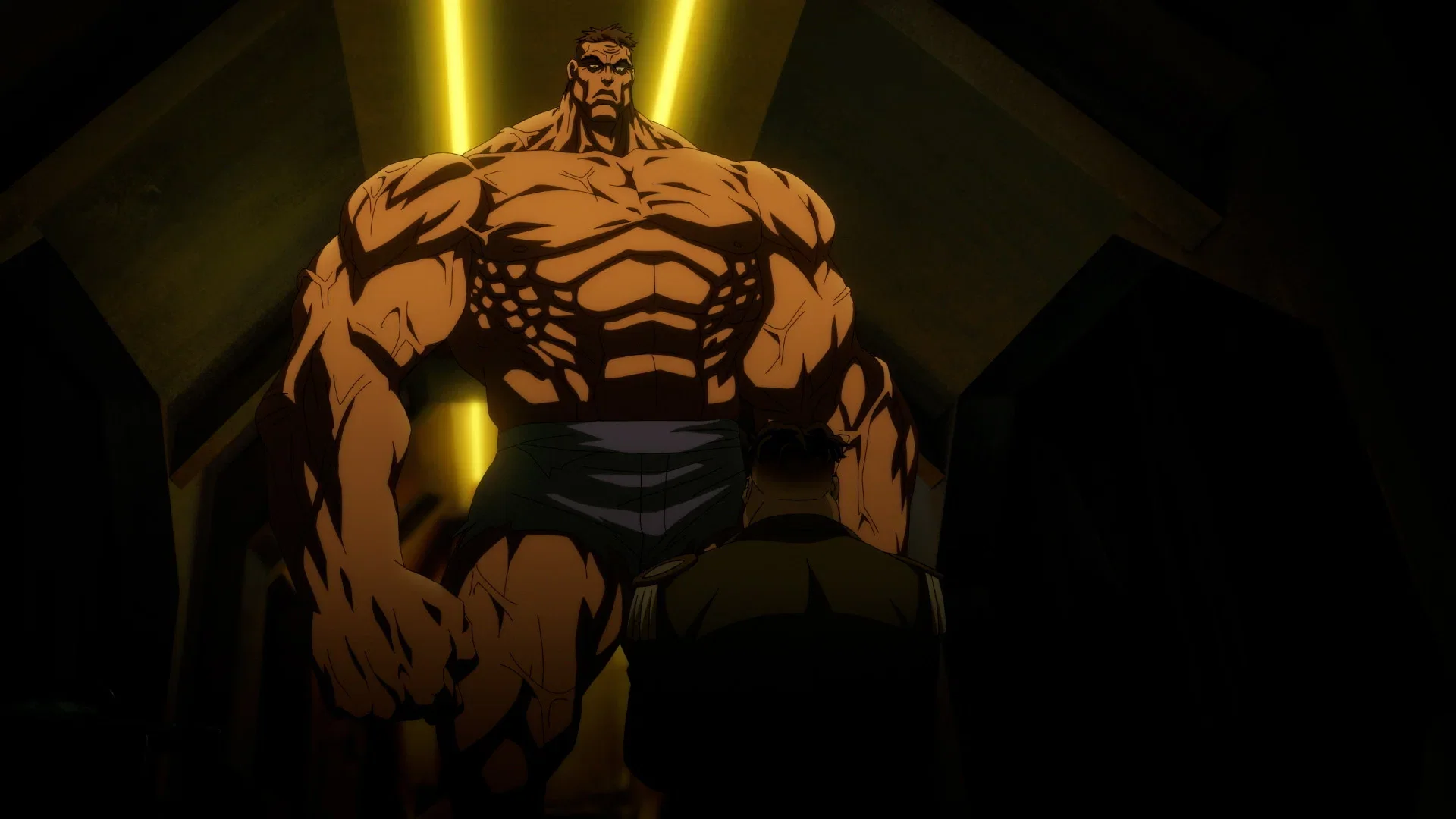
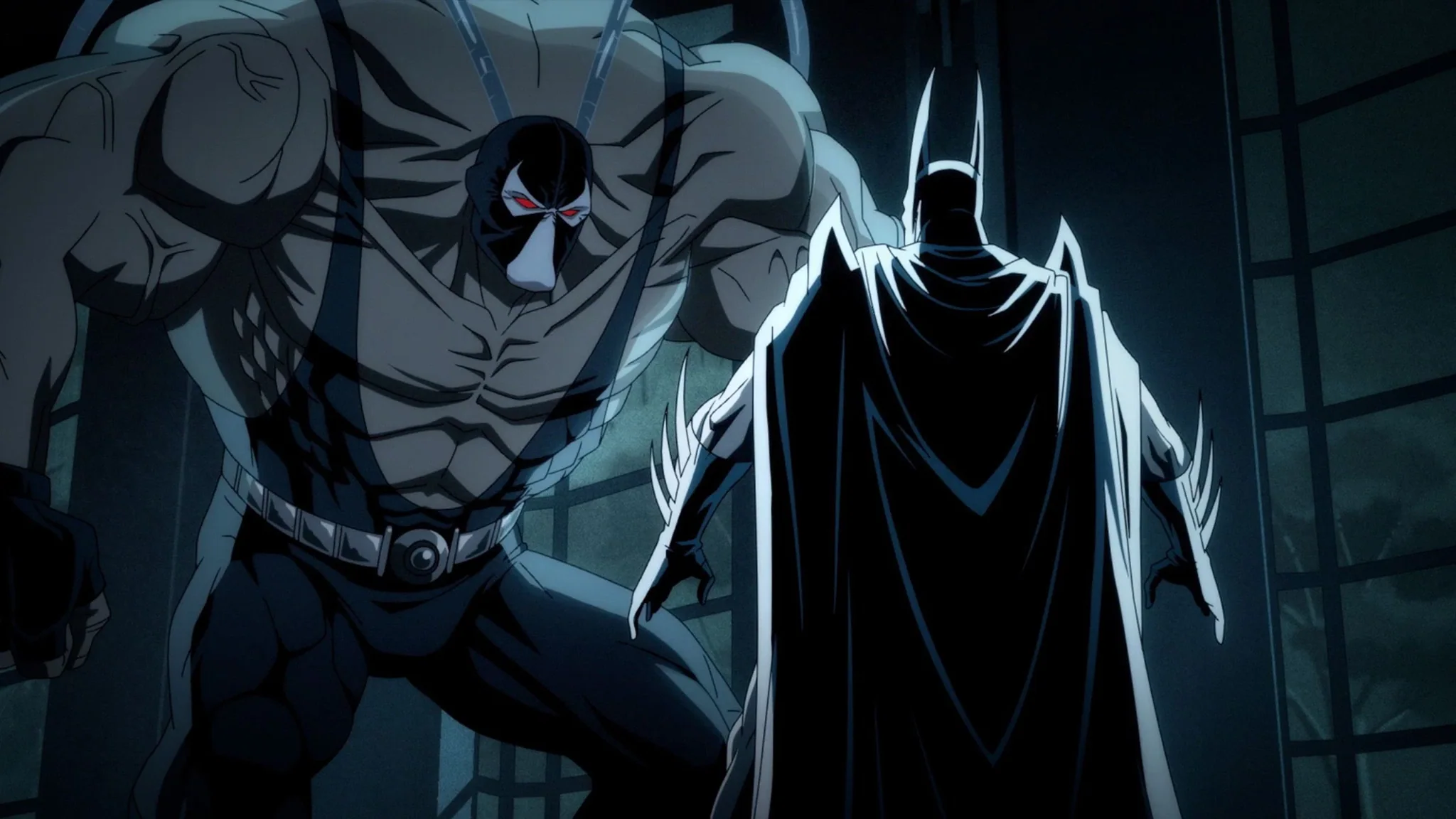
Bane watches and calculates. He knows a direct challenge against Batman at full strength is the wrong battle, so he turns the city against him, lets Bruce pursue its criminals and waits for fatigue to do its work. The confrontation feels earned because Bane engineers the Batman he can defeat.
Bane's past gives him more than physical menace
The time spent on Bane's childhood in Peña Duro matters. Growing up in that prison taught him to regard power as a means of survival, which gives his desire for control an internal logic without excusing it.
For me, this is one of the more faithful portrayals of Bane because it combines physical strength with history and tactical ability. A compelling antagonist needs more than an imposing frame.
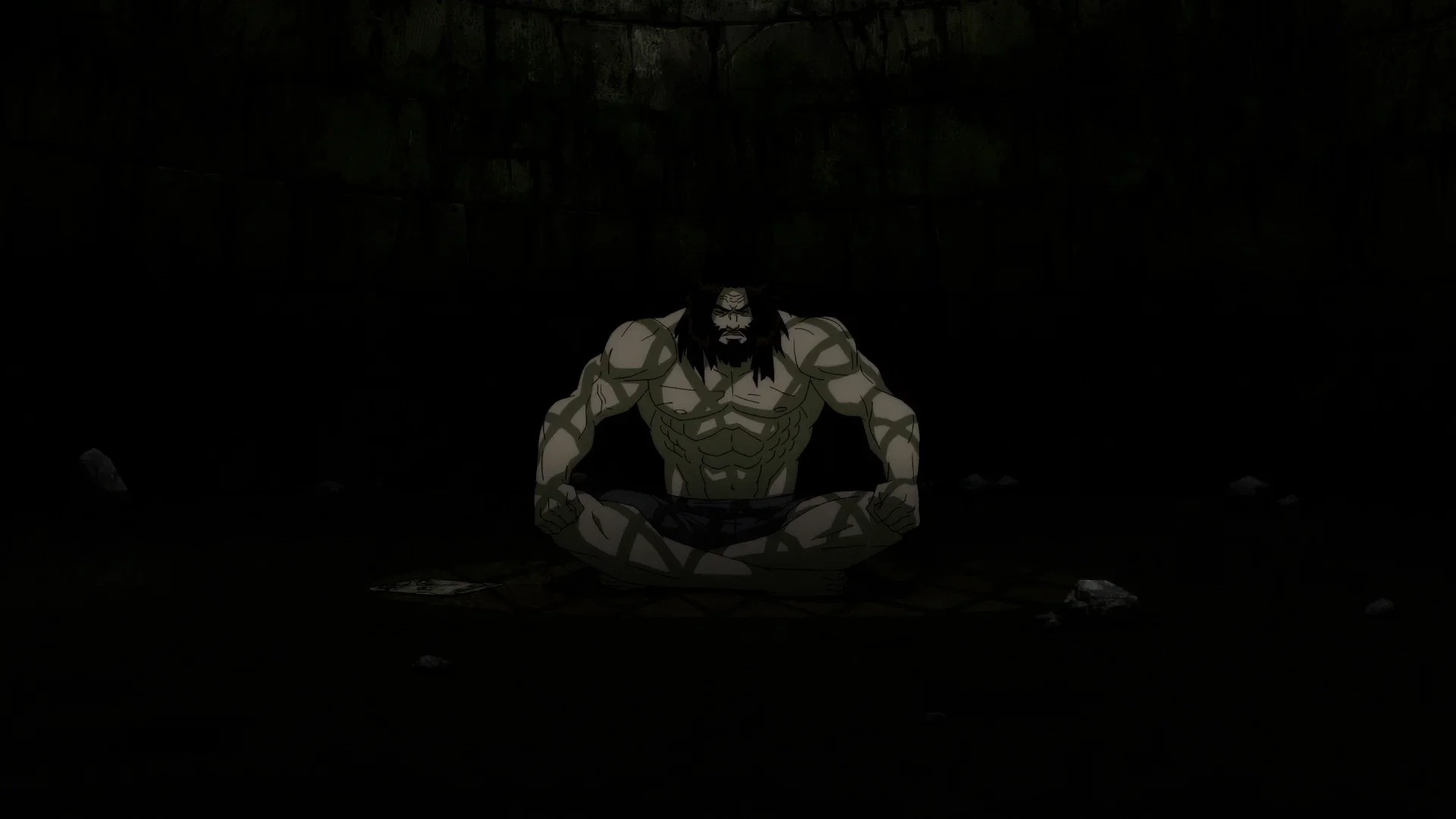
Michael Mando gives Bane the voice he needs
Michael Mando is excellent. His Bane sounds threatening without relying on constant shouting or theatrical displays. He knows how powerful he is and seldom feels the need to announce it.
When Bane speaks about Bruce or studies him, his respect seems mixed with the desire to break him. That is more interesting than simple hatred: he wants to prove that he understands Batman better than anyone else.
Venom makes transformation part of the idea
Bane using Venom is one of the film's striking visual moments. The change feels painful and troubling rather than like a new level of strength in a video game. Animation gives his physical transformation a visible cost.
This mirrors Bruce's story. Batman damages his body through sheer persistence; Bane pushes his body somewhere else through Venom. Both turn the body into a tool for their goal, by different means.
Tim Drake is more than an assistant
Tim Drake is not simply a child waiting for instructions or a side character in need of rescue. The film gives Robin investigative ability and something meaningful to contribute.
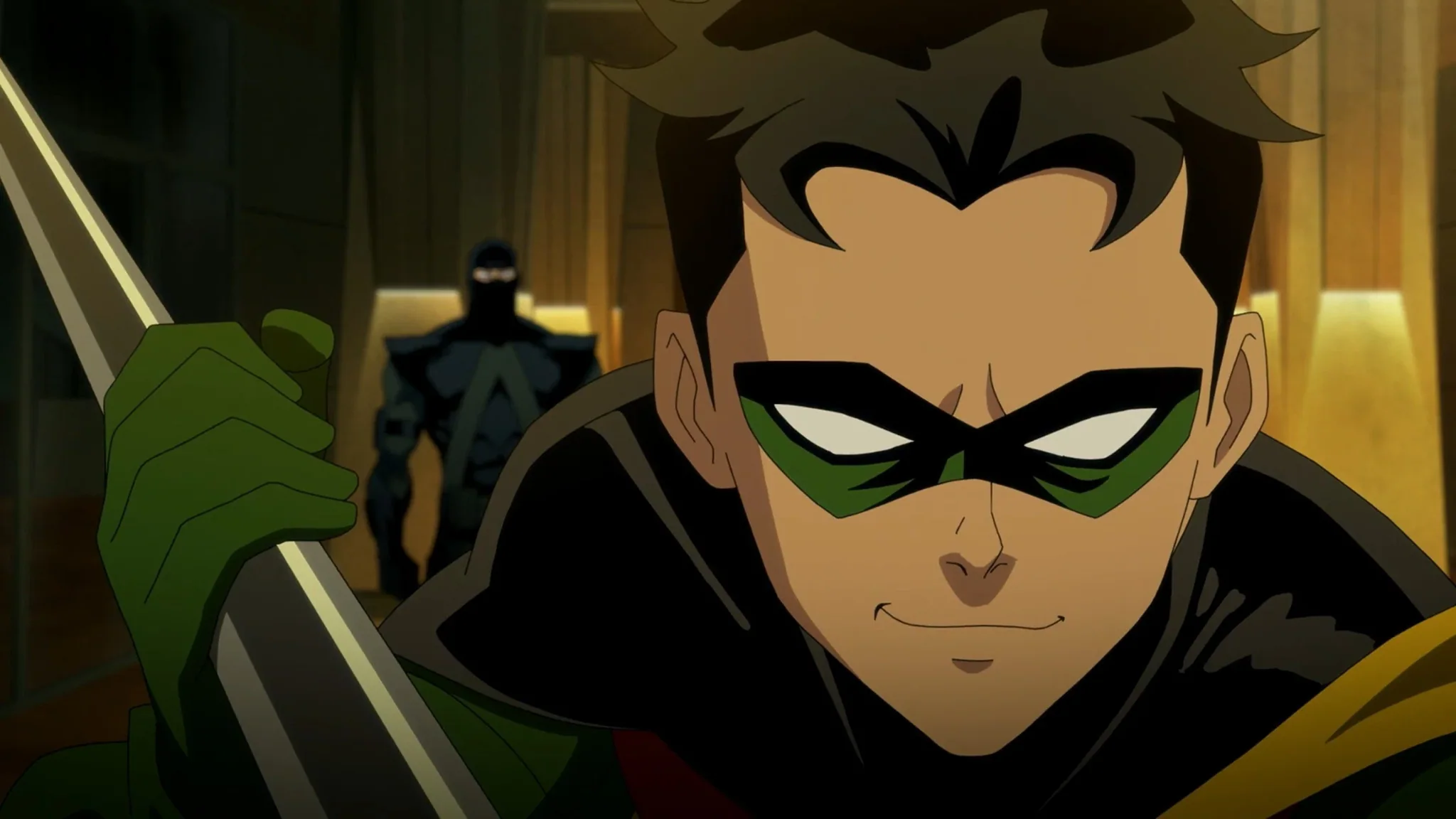
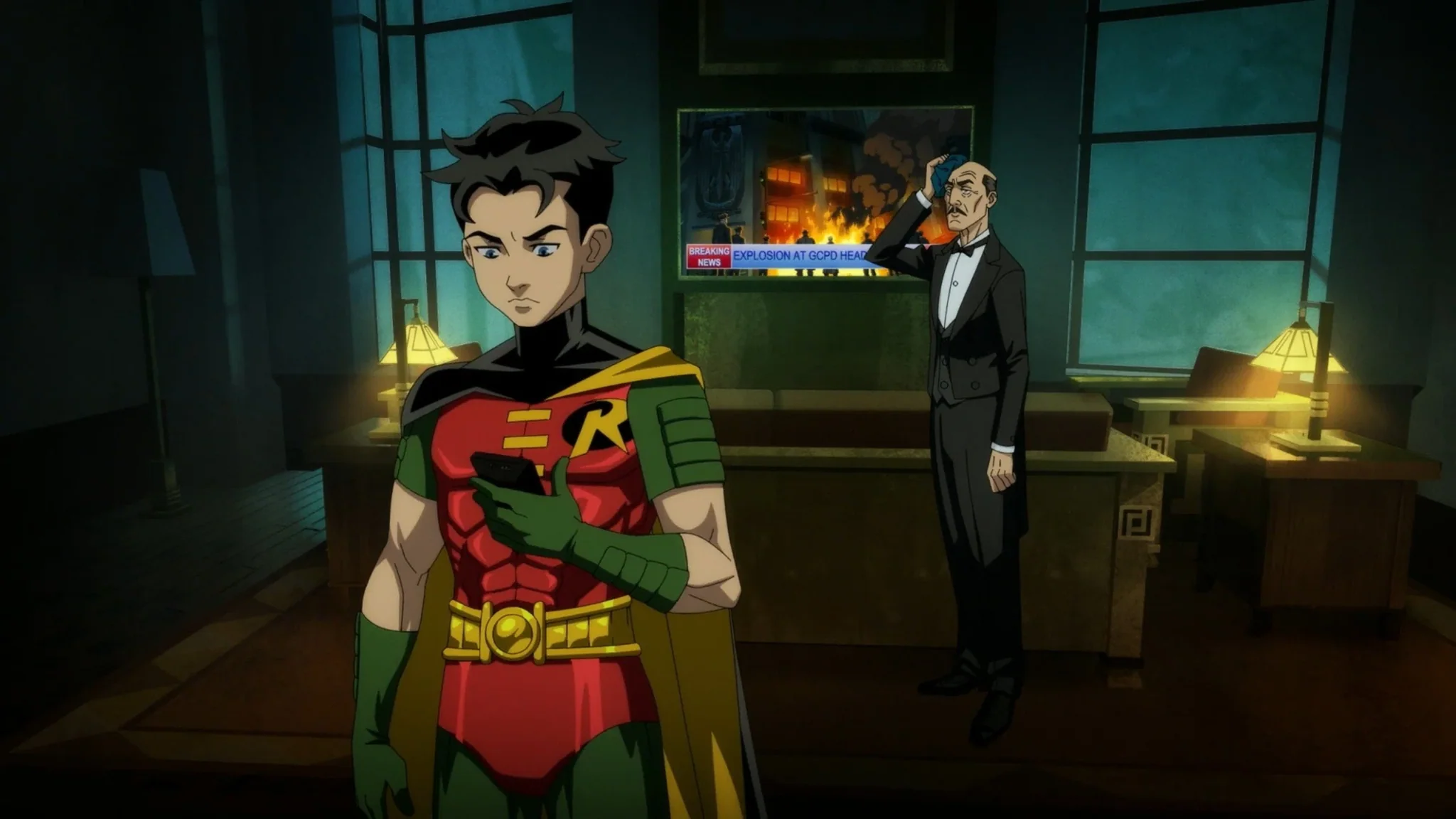
Bruce says he wants to protect Tim but does so by keeping him at a distance. That lack of trust does not make Robin safer; it weakens their partnership. Under pressure, Bruce slips back into the belief that only he can handle everything, precisely the weakness Bane exploits.
Bruce pushes people away because he cares
Bruce does not reject others because he feels nothing for them. He cares too much and mistakes carrying the burden alone for protecting the people close to him.
The result is still isolation. Knightfall is strongest when it suggests that sharing the burden might have been the one thing capable of saving him.
Jean-Paul Valley needs more room
Jean-Paul Valley is a consequential addition to the story. Bruce sees someone he might help, while the audience notices something unsettling beneath the surface. The conditioning of the Order of St. Dumas and his buried violence give him an uneasy presence.
Pablo Schreiber brings the right nervous energy to the role. Even so, this is one thread that needed more time than the film gives it.
The shortened Jean-Paul story is the adaptation's biggest loss
Knightfall is generally smart about distilling a vast comics saga into its essential dramatic lines. With Jean-Paul, however, the compression is particularly obvious. An approximately eighty-minute film must leave things out, but his Azrael background is too important to feel like a footnote.
His influence should grow much larger in the story ahead. I hope the second part gives this strand the space that the first installment cannot.
How do you compress Knightfall?
This is a difficult comic-book saga to adapt into one movie, or even three. Its original run contains too many issues, characters and incidents to reproduce without becoming a rapid list of events.
Focusing on Bruce, Bane, Tim and Jean-Paul is the right decision. The film mostly makes Gotham feel large without losing the central question: how much can Bruce endure before he breaks?
Gotham helps break Batman
Gotham is part of Bane's plan. It feels heavy, dark and overcrowded with criminals. The Arkham breakout is more than an excuse to gather familiar villains in a single film.
Each criminal becomes another round of physical attrition for Bruce. Even the brief encounters serve the story; the villains do not all need major arcs because their sheer presence is the weapon.
A nineties Batman comic comes to life
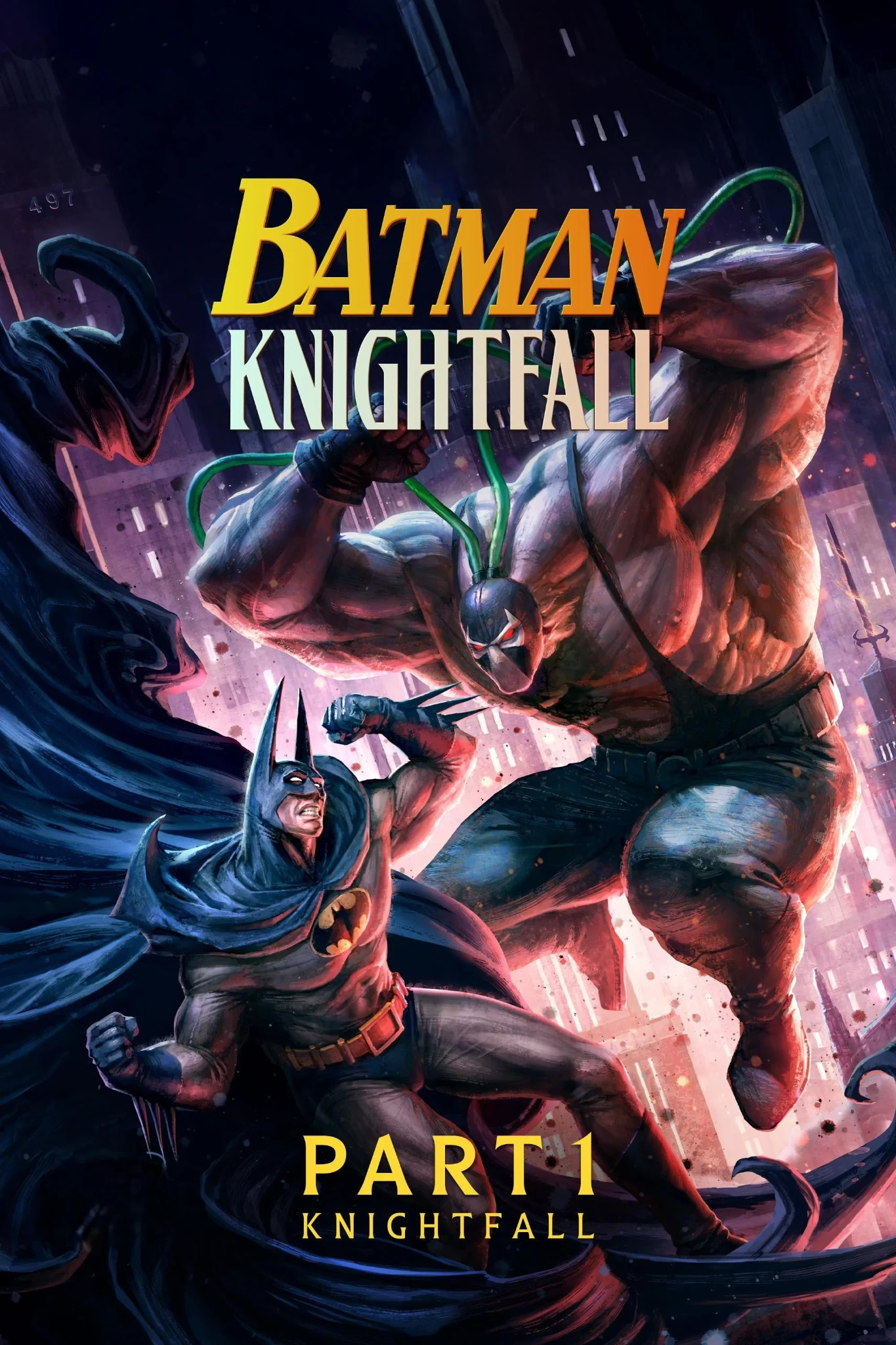
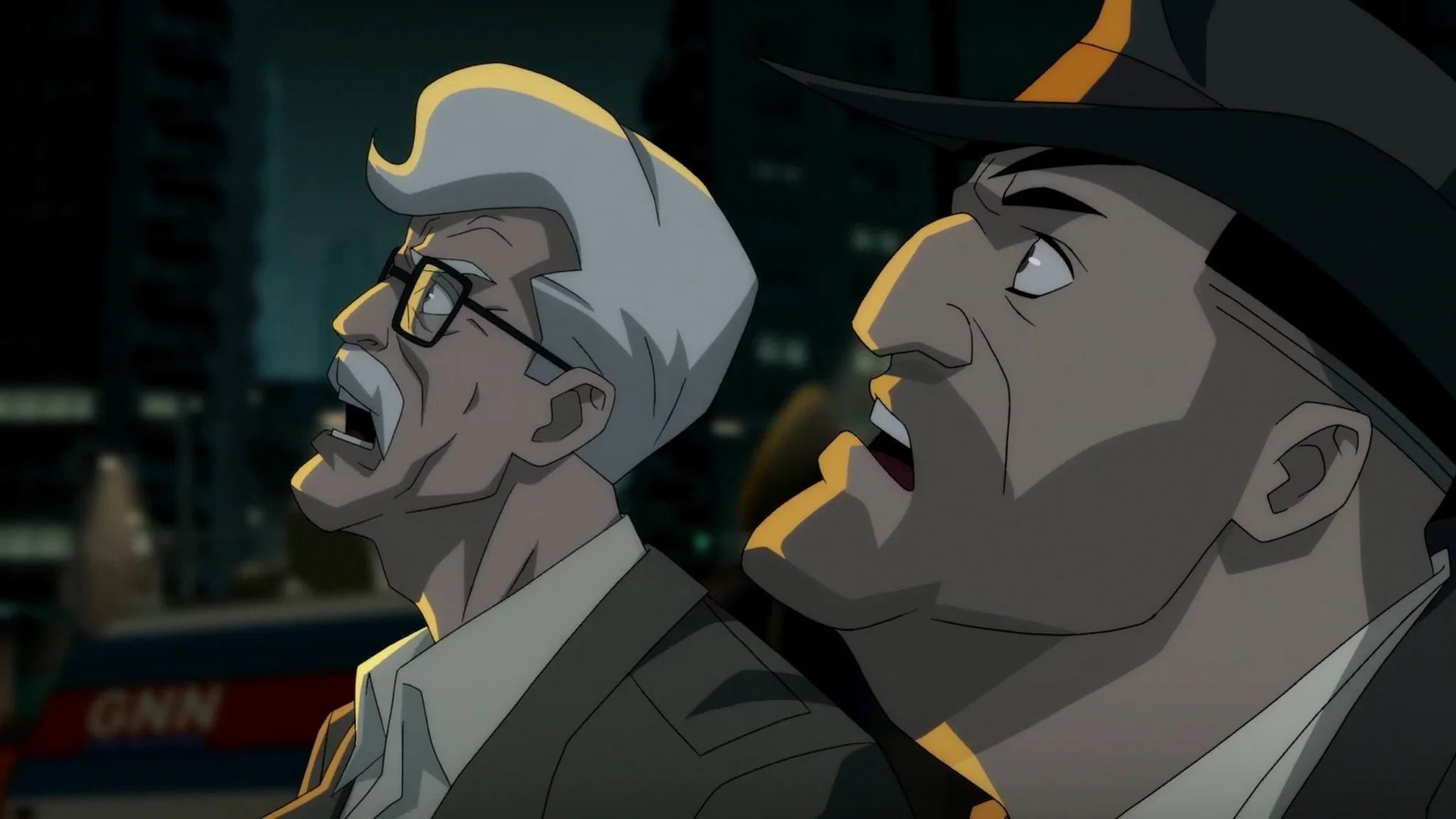
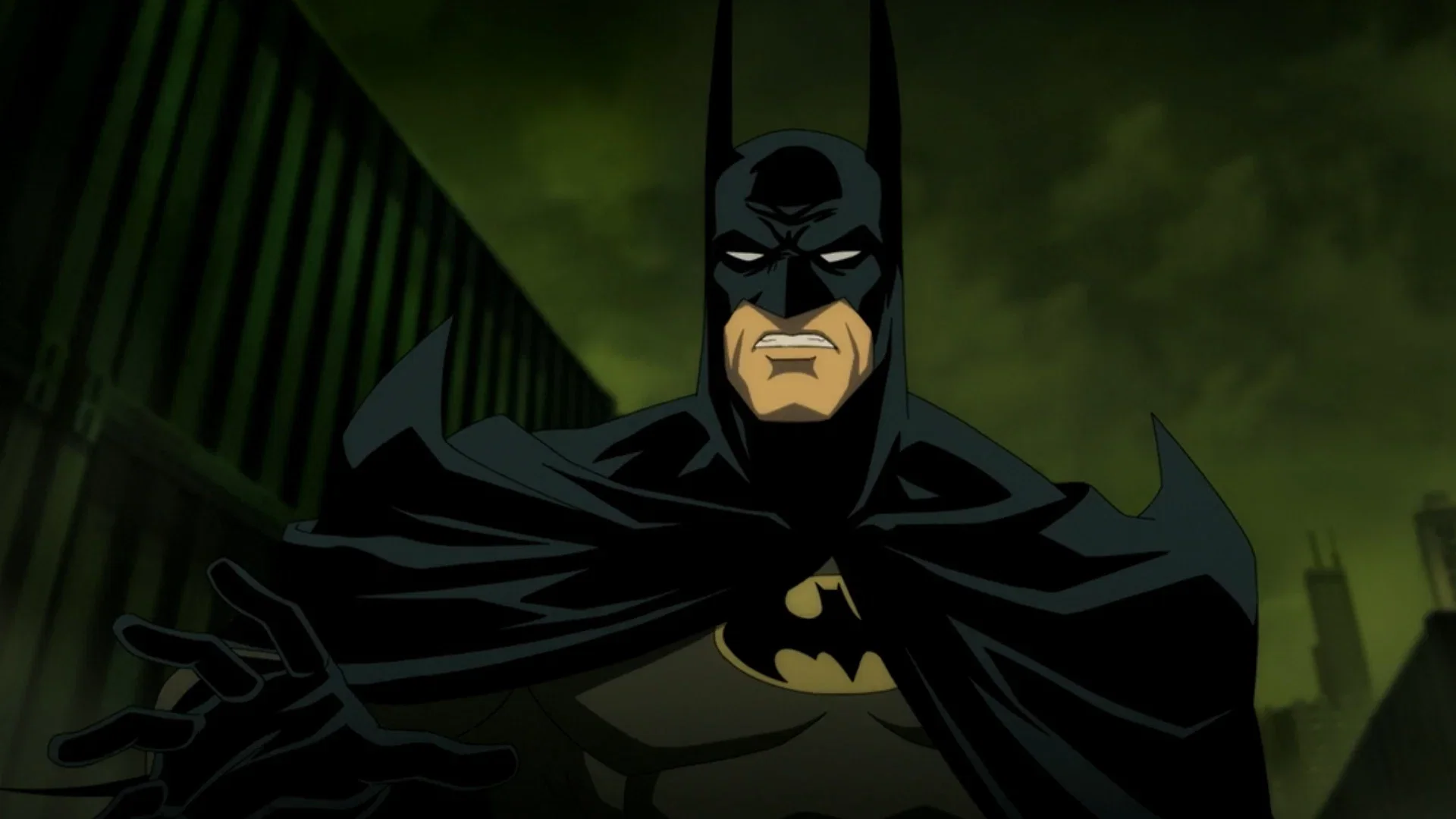
Visually, this is among the more attractive recent DC animated films for me. Its bulky figures, hard shadows and sometimes creature-like cape recall the look of Batman comics from the nineties. Gotham has a weighty Gothic character.
That style suits a story about exhaustion, violence and collapse. Heavy lines and exaggerated shadows communicate more here than a pristine, contemporary design would.
Studio Mir gives the action weight
The fights work because movement has impact. Batman's blows hurt, and Bane moves with a discernible difference in size and strength. The action does not give every body the same speed or force.
That distinction matters in a conflict built on physical disparity. As Batman tires, each later fight should feel harder than the one before it; the film usually achieves that progression.
Music and sound
The music by John Jennings Boyd and Eric V. Hachikian moves between tension, sorrow and action, and knows when to let a scene breathe. It does not try to turn every appearance by Batman into a triumphant entrance.
As the film goes on, the score takes on greater weight. We are no longer watching a hero walk into battle fully in command; we are watching someone press ahead when every warning says he should stop.
Anson Mount makes fatigue audible
Anson Mount finds the right sound for Bruce at this point in his life. Batman has the strength expected of the role, but the distinction between the masked figure and the exhausted man underneath is the more interesting performance.
In quieter moments, Bruce's fatigue becomes audible even while he tries to conceal it. As that exhaustion grows, the separation between the man and the mask begins to vanish. Batman feels less like a role Bruce enters at night and more like a state he can no longer leave.
Bruce knows he is tired and keeps going
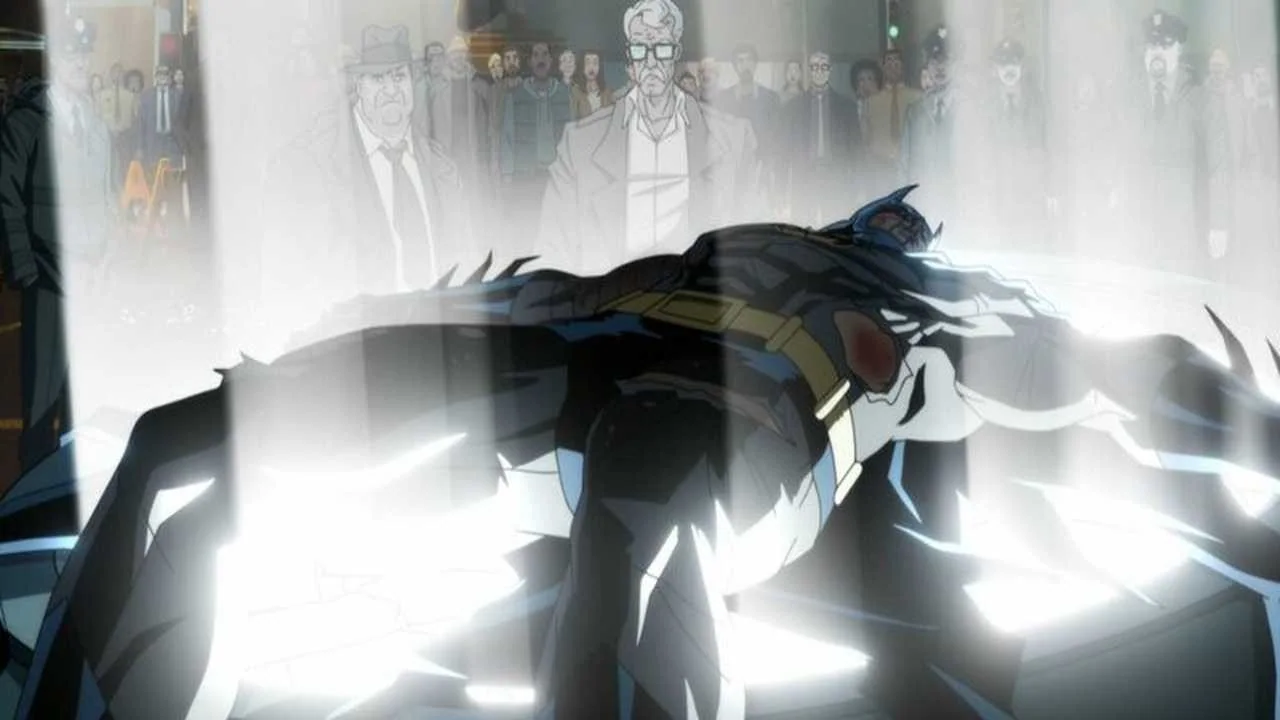
Bruce is not oblivious to his own fatigue. He knows his body is suffering and sees the warnings, but that knowledge never changes his behaviour. Psychologically, that is more compelling than a hero who simply fails to notice.
In his mind, stopping means someone else might get hurt, so destroying himself starts to feel like duty. The film does not treat that reflex as pure heroism. It is a real flaw in the way he thinks.
Bane understands Bruce better than Bruce does
Bane needs to learn more than Batman's identity: he needs to understand how Bruce will react. Release the criminals and Bruce will pursue them. Hurt him and he will carry on. Offer him help and he will refuse it.
The plan becomes almost mathematical. Bane does not force Bruce to make bad choices. He places him in situations where his habitual choices are predictable. That is the mark of a well-written strategist.
Faithful to the comics without reciting them
The film clearly respects the original saga, but fidelity cannot mean keeping everything. The screenplay removes material and reorganizes its focus around what this first installment needs.
Trying to fit dozens of characters into eighty minutes merely to satisfy readers of the comics would have produced a breathless summary. The stronger choice is to retain the story's spirit, and the film mostly does.
What the film leaves out
Compression leaves gaps. Jean-Paul needs a deeper foundation, and some links between Bane, Gotham and Bruce deserve more time in this interpretation. Several transitions arrive before the previous moment can fully settle.
Curiously, that haste is also part of the experience: the film itself feels tiring, as though another problem is always around the corner. Its pace brings us close to the pressure bearing down on Bruce, even as it limits some character work.
Does Part 1 stand on its own?
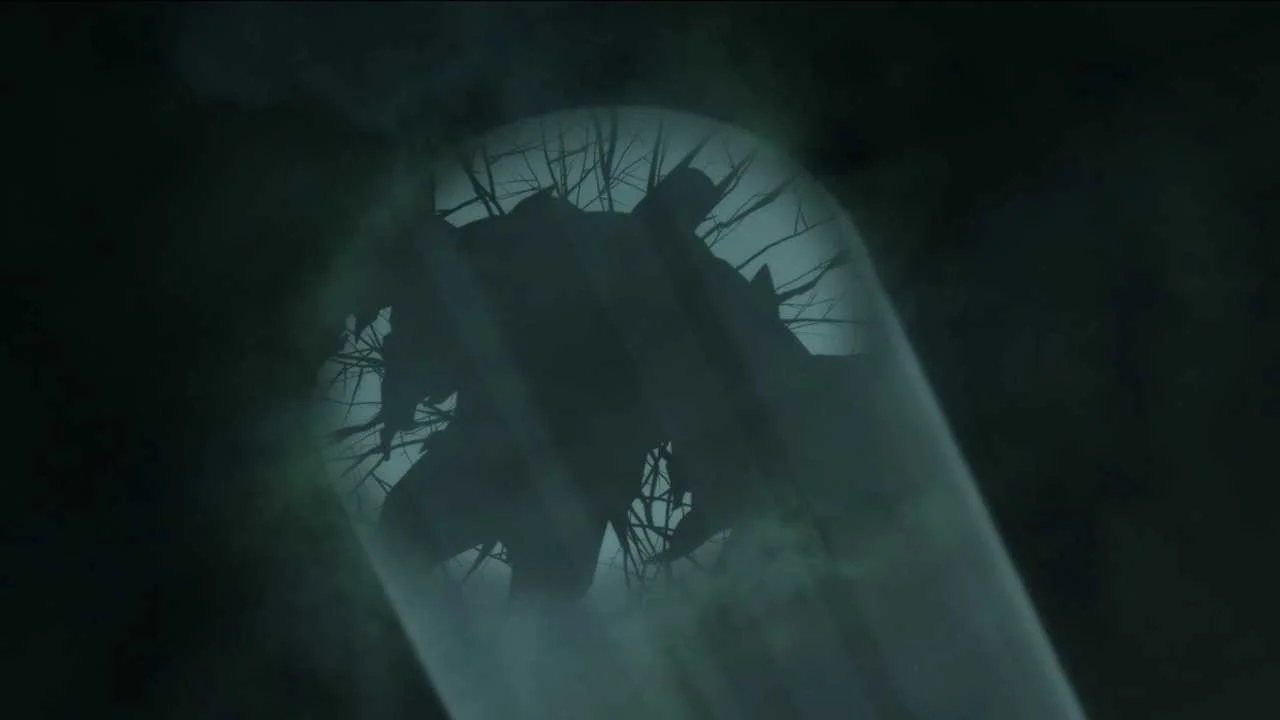
Part 1 does not pretend to close every thread. Its stopping point is a reasonable bridge to the next chapter of the planned trilogy, preferable to a false ending that would have to reopen immediately.
At the same time, viewers hoping for a completely self-contained story will find several important lines only beginning to develop. The title accurately describes the experience.
Strengths and weaknesses
The film's strengths are Bane as an intelligent antagonist, the gradual construction of Bruce's exhaustion, its handsome Gothic imagery and the performances by Anson Mount and Michael Mando. Bruce's inability to ask for help gives the conflict emotional weight beyond a simple hero-versus-villain match.
Jean-Paul's background is rushed, some necessary cuts remain visible and the short running time cannot fully serve such an expansive source. This is a strong opening to a larger story rather than a complete adaptation in itself.
Final verdict
Final verdict
Batman: Knightfall Part 1: Knightfall understands that its most famous moment matters because of the choices leading to it, not only what happens to Batman's body. Bane waits until Bruce has consumed himself, turning their conflict into a psychological battle as much as a physical one. The Gothic visual style, its nineties comics spirit and Michael Mando's strategic Bane make this a strong foundation for the trilogy. Jean-Paul Valley and some of Bane's background needed more time; I can accept some of those gaps if the later installments make good on this beginning. It is a compelling opening chapter, though not yet one of the very best Batman animated films. My rating: 7.5/10.
Your turn
Did Bane really defeat Batman, or had Bruce Wayne begun to defeat himself when he decided to carry all of Gotham alone?
AUDIENCE VOTE
Do you agree with the MB rating?
Choose once from this browser. You can change your answer at any time.