The review
Screenplay and dialogue: a missed opportunity
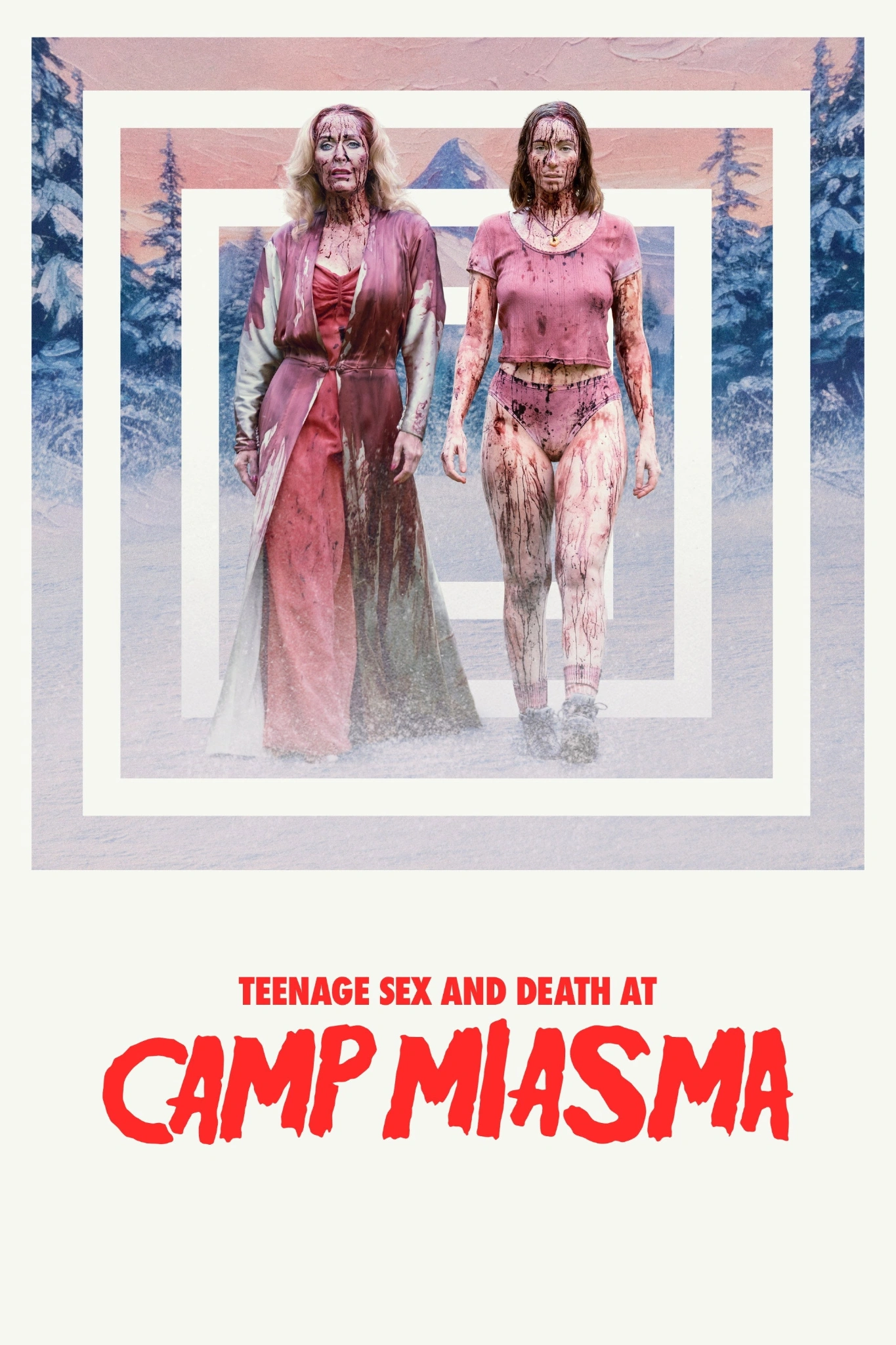
Chris Williams, a young director, gets an opportunity to revive the famous Camp Miasma horror franchise.
She travels to the original filming location to meet Billie Presley, the first film’s star and Final Girl, who disappeared after becoming famous and now lives alone near the old camp.
That premise alone could have made an excellent film.
A young filmmaker obsessed with a movie from her childhood confronts the real woman behind the character who helped shape her identity.
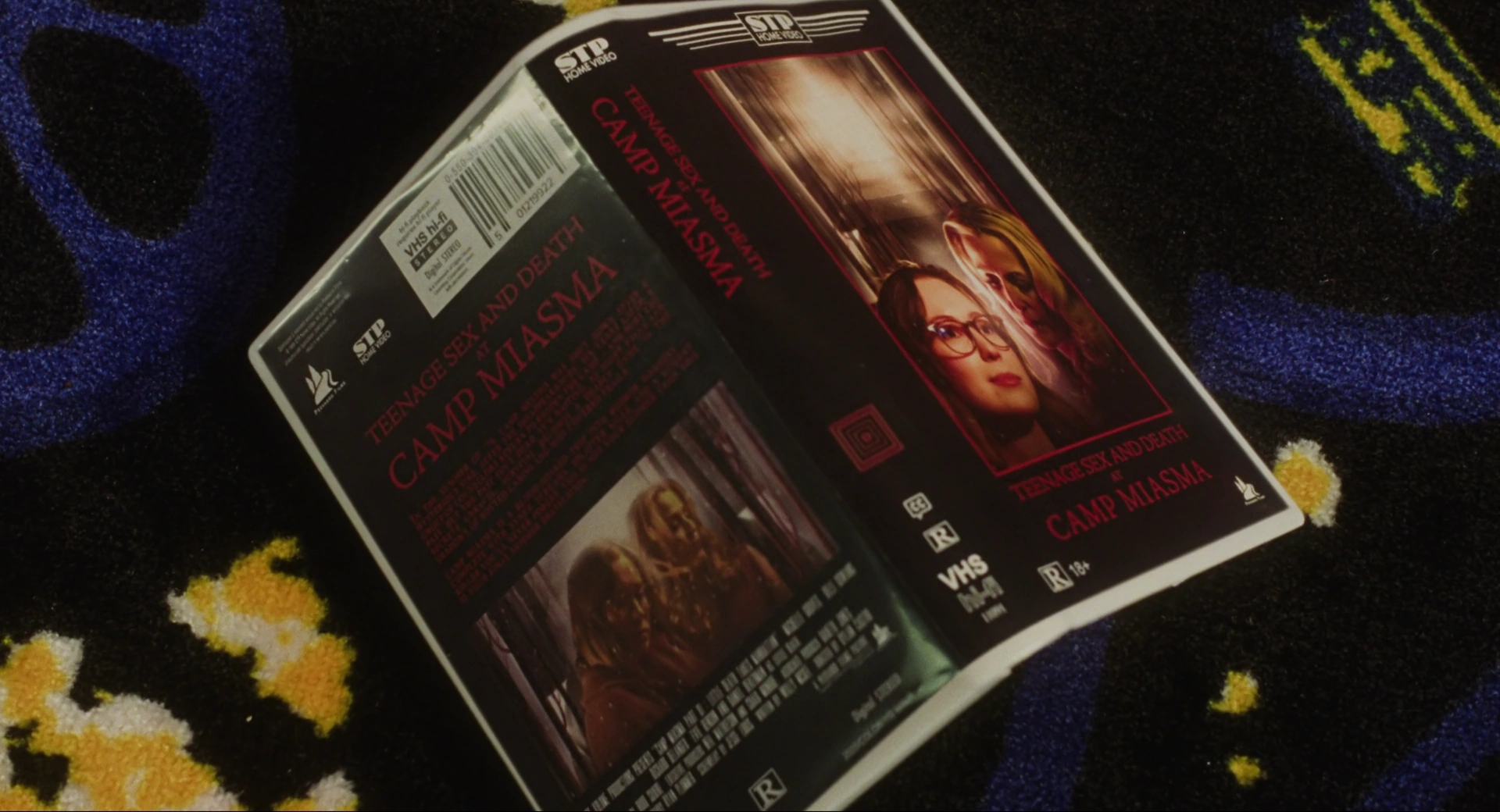
There is an opportunity to discuss the horror industry.
The exploitation of actresses.
How we reinterpret old slasher films.
And the difference between what audiences see on screen and what the person in front of the camera actually experienced.
All of that is present.
The problem is that the film does not trust any one of these ideas enough to explore it deeply.
Whenever a thread becomes interesting, it moves to another idea or a scene that lasts far longer than it needs to.
Billie Pressley: the image and the wound behind it
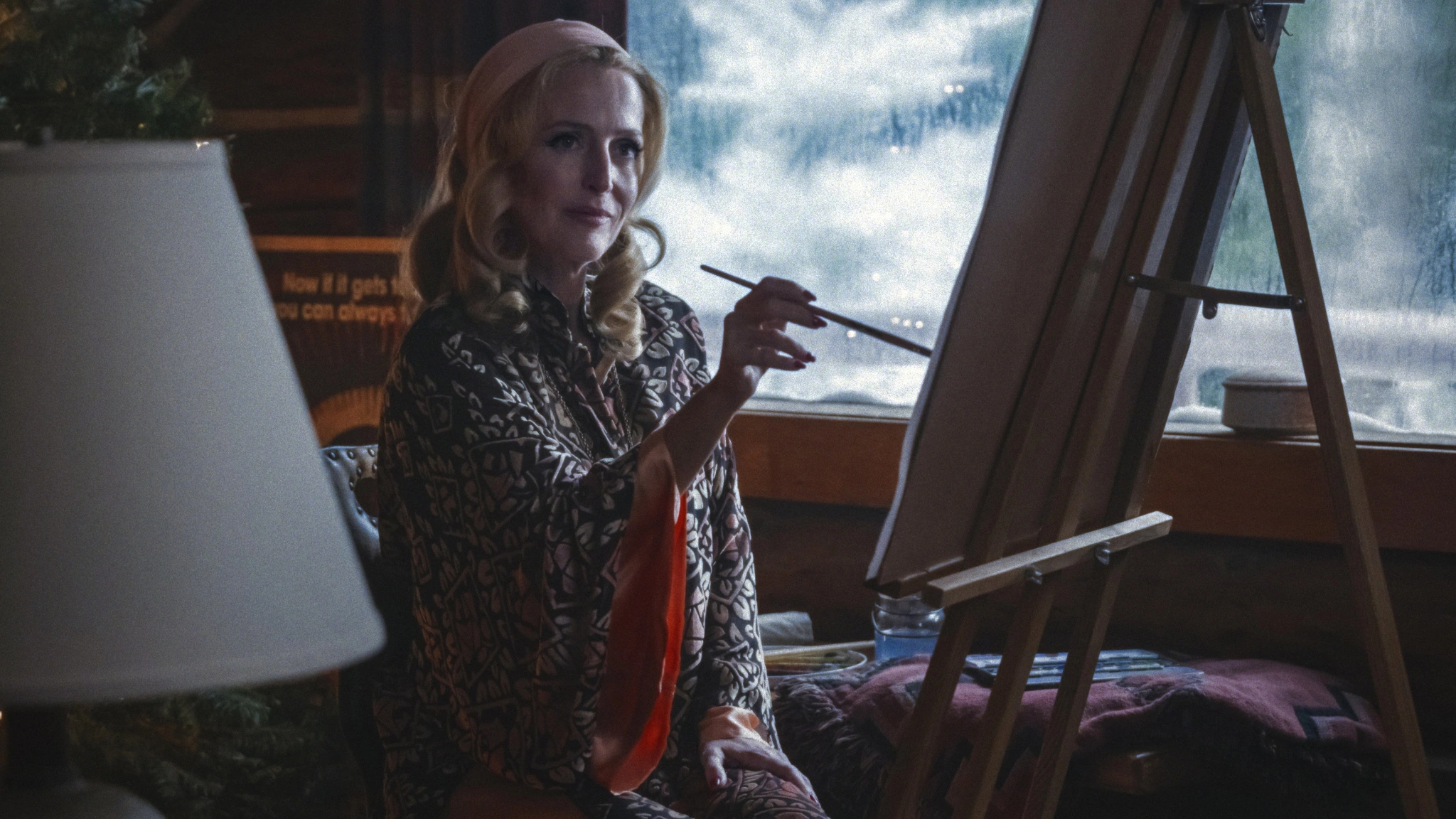
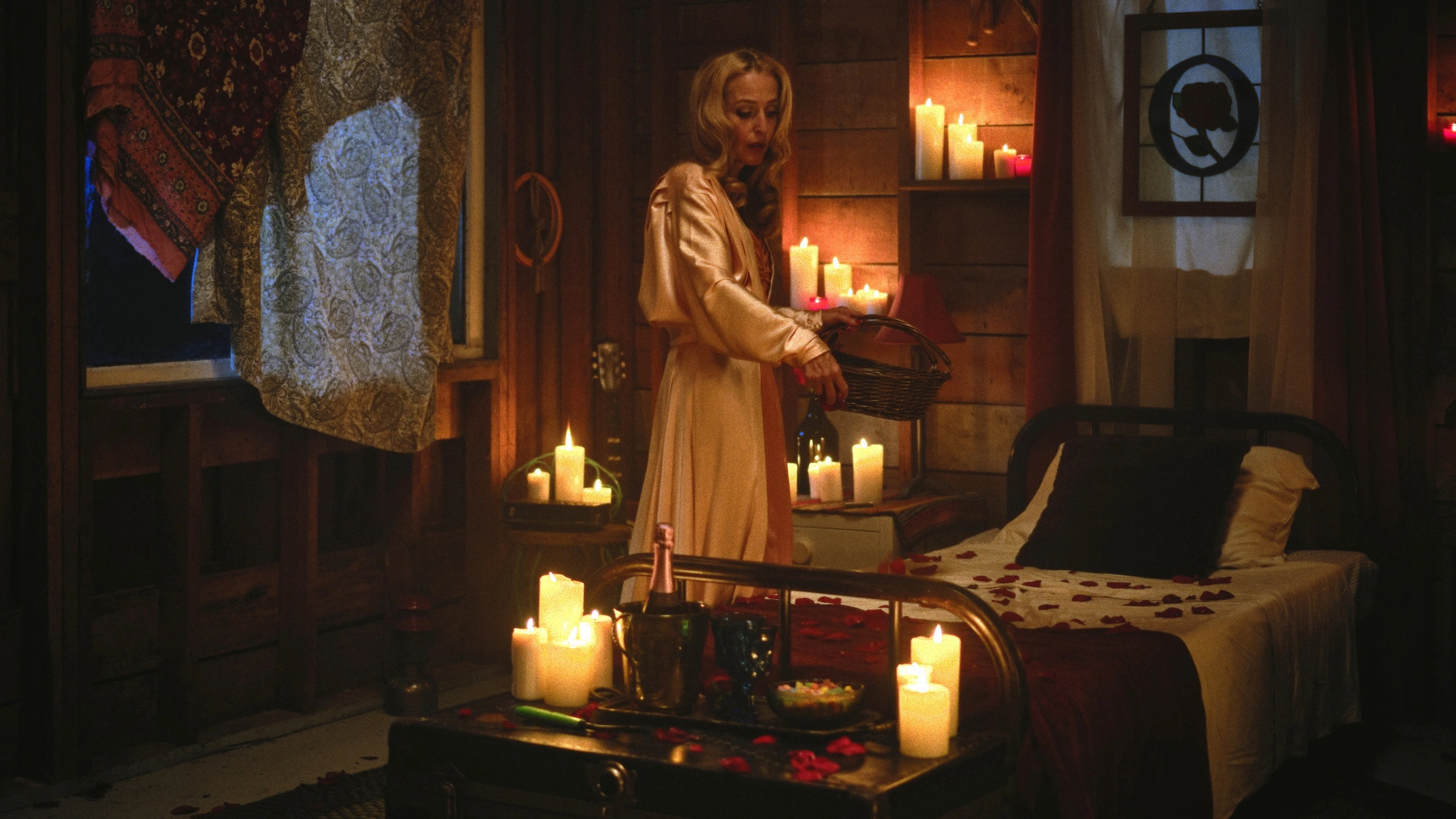
Gillian Anderson is the best thing in the film.
Not because the character is exceptionally written, but because she gives Billie a presence more interesting than most of what happens around her.
She is a woman who has spent years attached to a single image of herself.
Audiences remember her as the Final Girl.
Chris sees her as an icon.
The industry sees an old name it can use to relaunch the franchise.
Billie herself, however, carries an entirely different experience.
We learn that a scene in the original film is connected to an assault she experienced during filming. Watching that movie is therefore far more than the nostalgic revisit it is for Chris.
This is where the film becomes interesting.
Chris sees Camp Miasma as art that shaped her.
Billie also sees it as a place where something deeply painful happened to her.
That gap between the viewer and the person who made the image is an excellent idea.
Unfortunately, the film quickly leaves this territory to return to symbolism, sex, and hallucination.
Chris: ideas speaking through a character
The bigger problem is Chris herself.
Hannah Einbinder is not bad.
On the contrary, her presence and energy suit a young director who is confident in her vision.
I simply did not find the character as interesting as the film requires her to be.
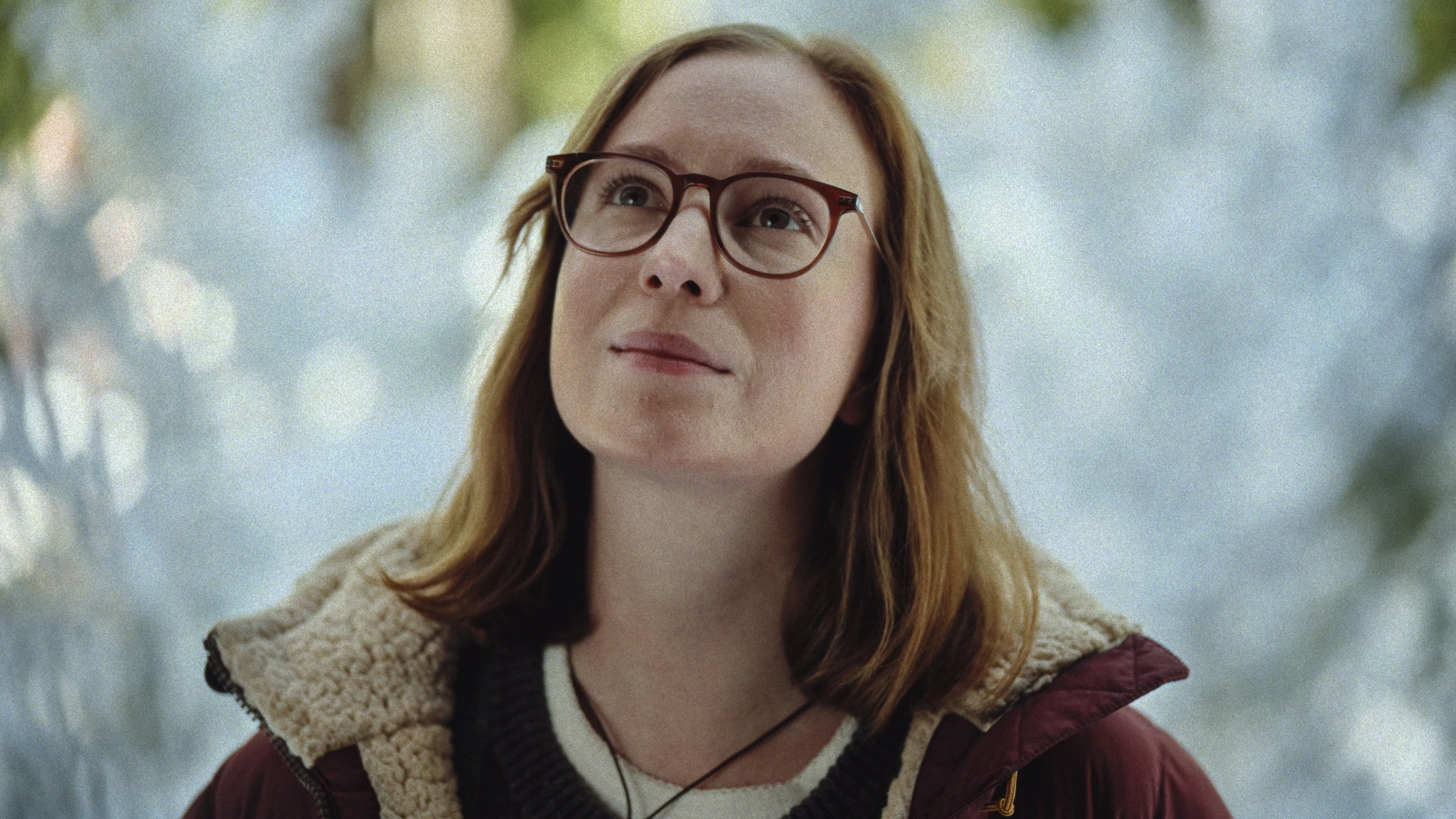
Almost everything about her turns into analysis.
Her relationship with the franchise.
Her relationship with her body.
Her relationship with Billie.
Her relationship with her partner, Mary.
Even her connection to the slasher becomes a long speech about what Little Death represents, how we should understand the franchise, and how she herself has become part of the film.
After a while, I felt I was no longer getting to know a person.
I was listening to the film’s ideas speaking through a character.
That destroyed much of my emotional connection.
When a film explains itself too much
The film explains itself more than it should, which is extremely frustrating.
It is full of ideas it wants us to understand.
Little Death is not simply a masked killer.
He is a symbol.
The Final Girl is not simply a cliché.
She is a symbol.
The camp is not simply a place.
It is a space between film, memory, and identity.
The body has meaning.
Desire has meaning.
The remake has meaning.
Even the film within the film has meaning.
I have no objection to symbolism at all.
The problem comes when I feel the film is afraid I might understand something differently from the way it wants me to.
So it starts explaining itself.
The conversation with the studio executives is a clear example.
Chris presents her new approach and starts talking about everyone being characters in Little Death’s film, and reality itself becoming part of the story.
That idea could have been terrifying if we had experienced it.
Instead, the film tells us first.
Then it shows us.
Where is the discovery?
Familiar slasher satire
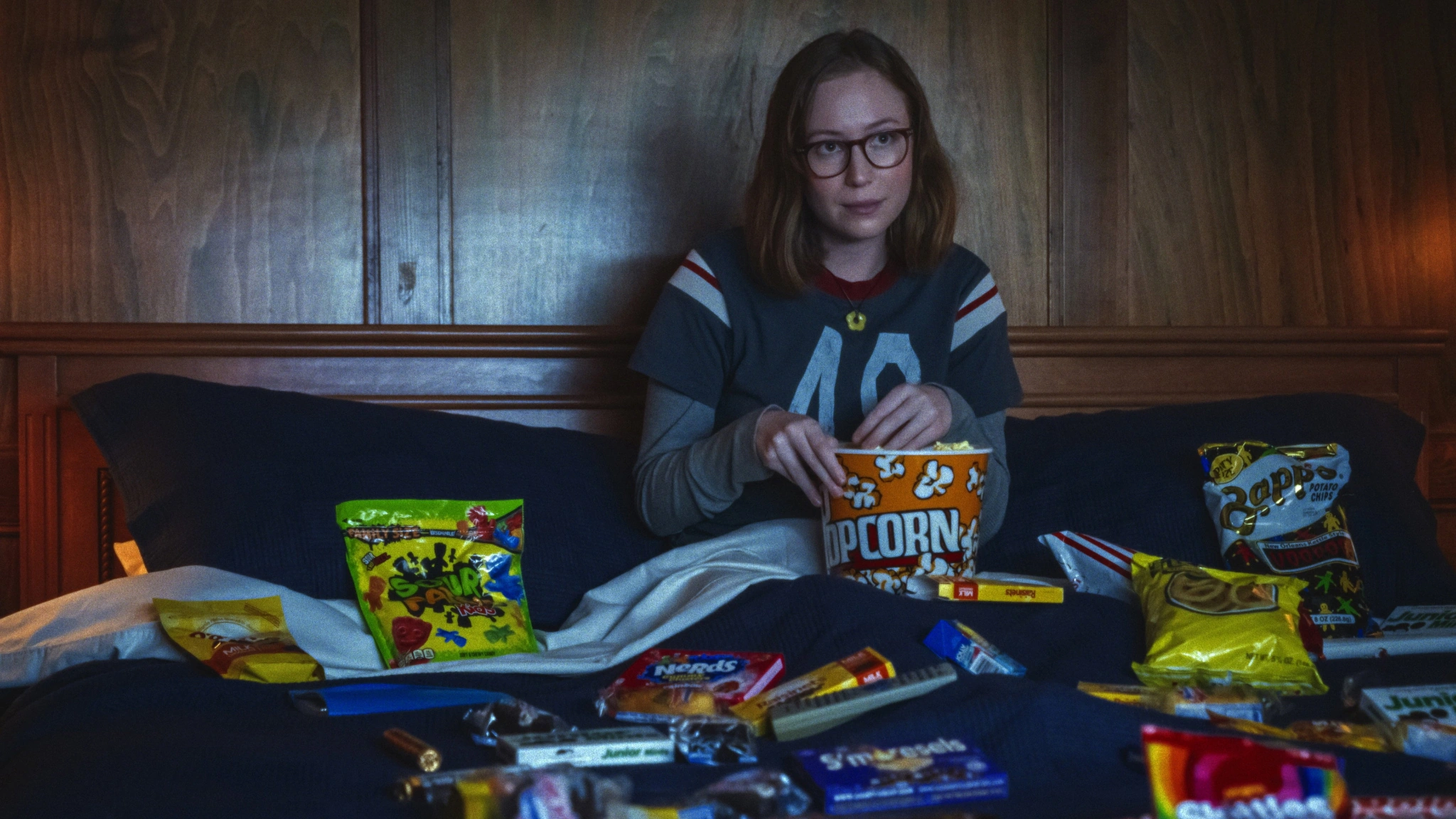
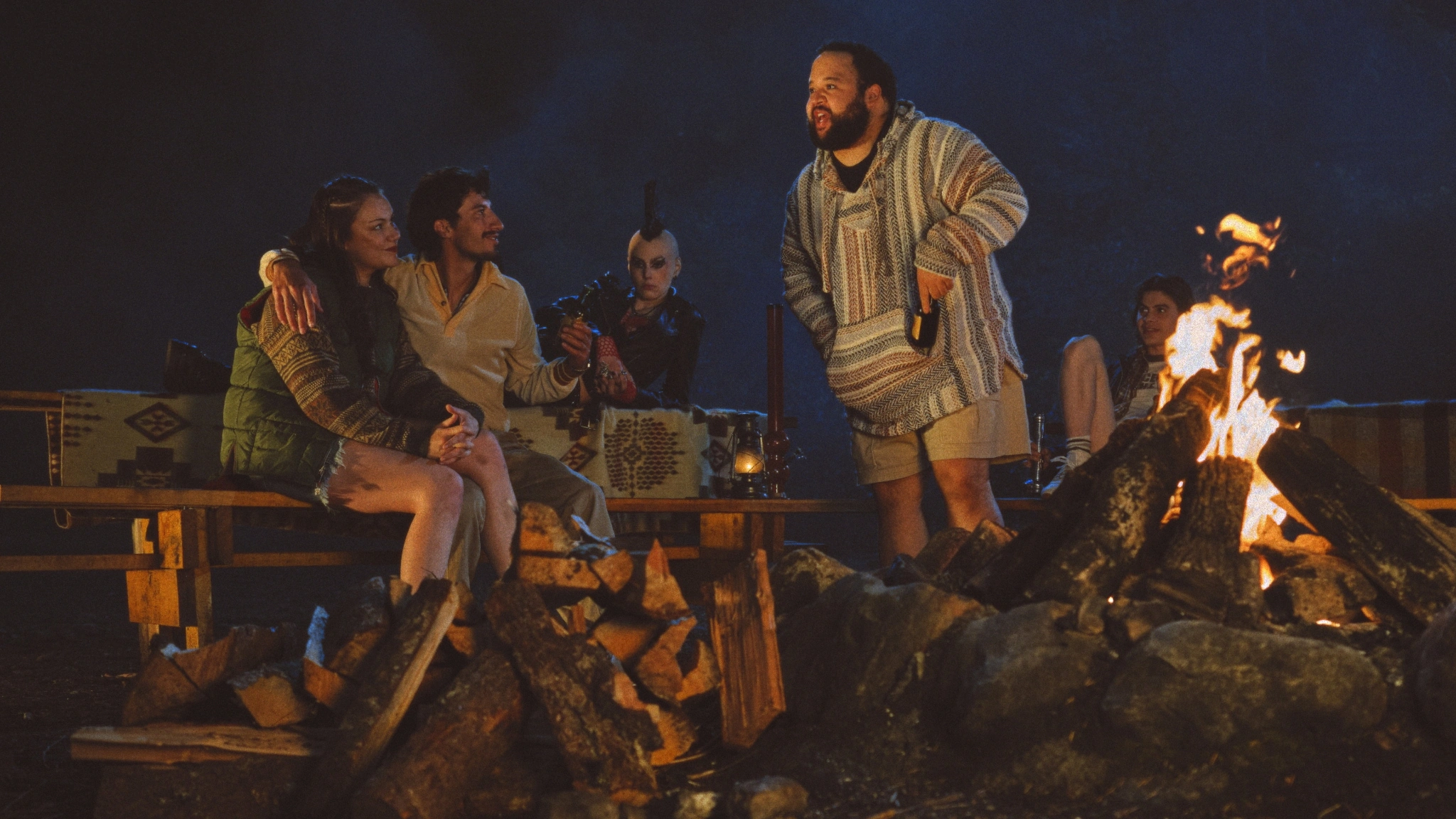
The opening overview of the Camp Miasma franchise is very clearly indebted to Friday the 13th.
A successful movie.
A succession of sequels.
A remake.
Attempts to exploit the name until the franchise loses all value.
It is an amusing idea.
But in 2026, is merely mocking endless slasher sequels still a new idea?
We have seen these jokes dozens of times.
We have seen films mocking the rules of slashers.
Films about remaking slashers.
Films about Final Girls.
And films whose characters know they are inside a story.
When this film presents those elements as though they were a new discovery, I do not find them nearly as clever as it seems to believe they are.
Little Death: more symbol than frightening killer
This brings me to Little Death.
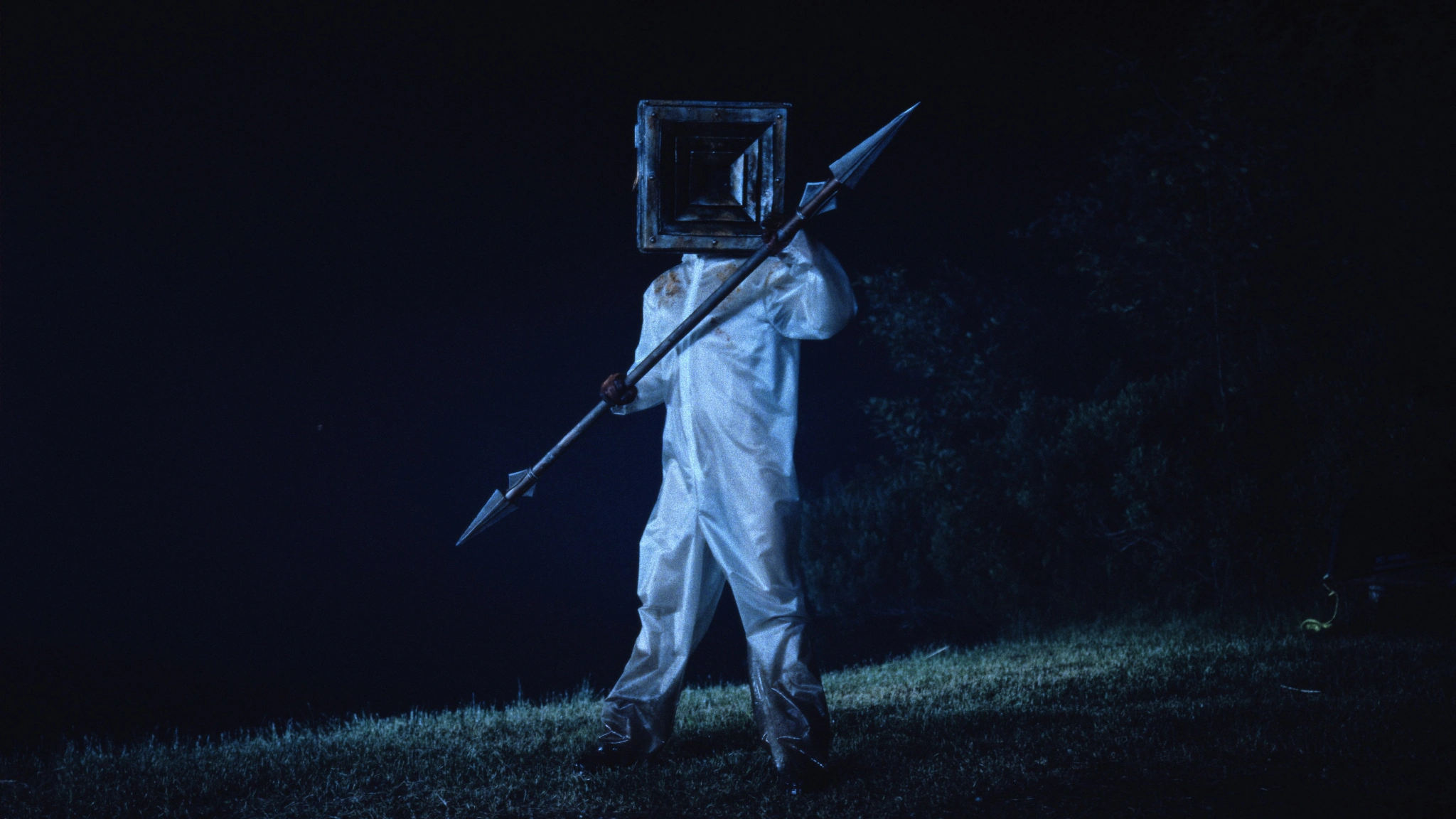
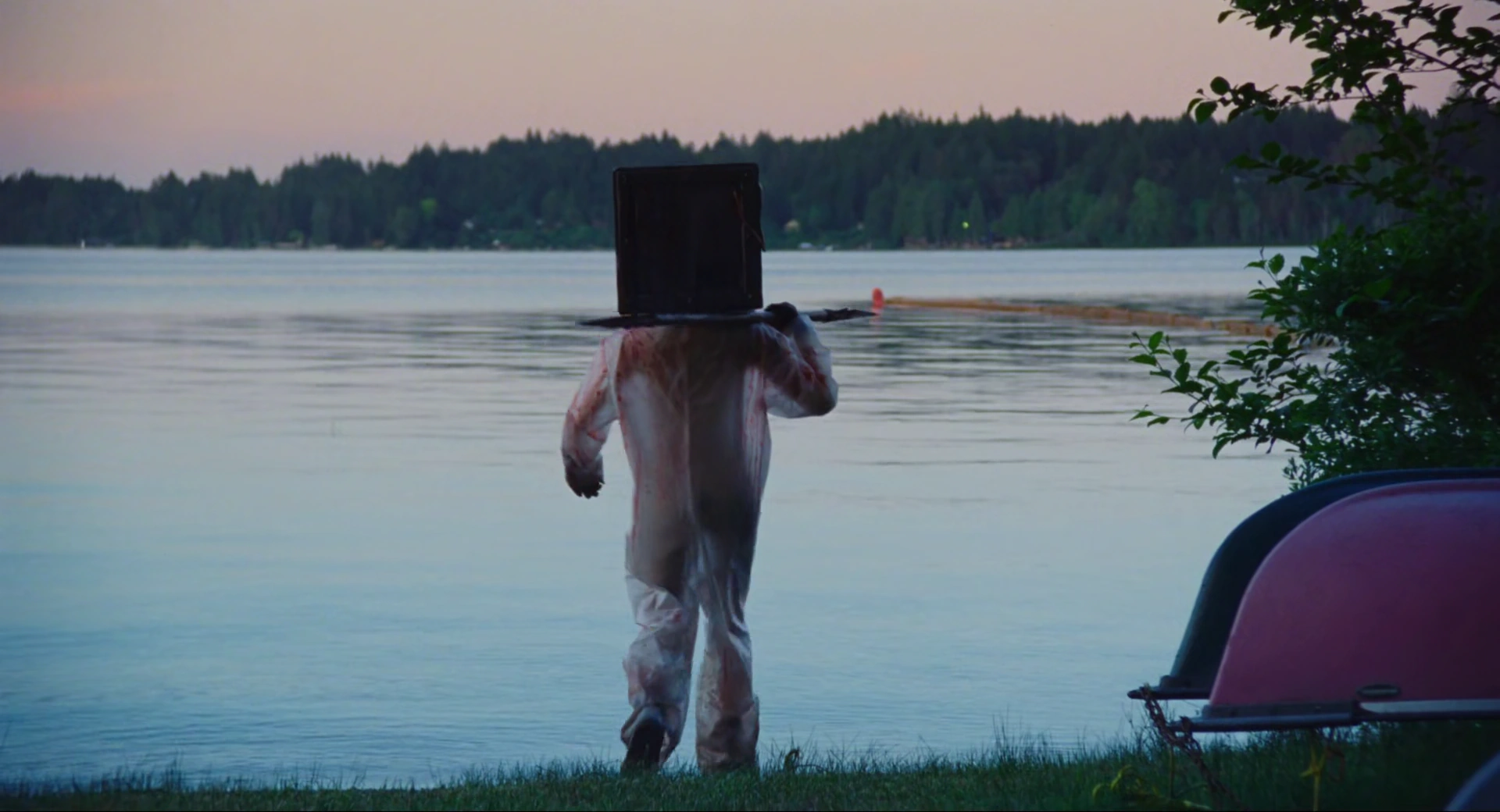
His design is strange.
The mask resembling a ventilation grille gives him a distinctive appearance, which I appreciate visually.
His backstory concerns someone bullied for their gender expression who becomes a vengeful killer within the franchise’s mythology.
But was I frightened of him?
No.
Did he feel like a new killer I could become attached to, like the best slasher icons?
Again, no.
The film is more interested in what he means than in what he does.
Little Death is an idea before he is a presence.
In a slasher, that is a problem.
The killer has to work as a threat first.
Then you can build as much symbolism on top as you want.
Here, I feel I am reading an analysis of the character before finding a reason to fear him.
Horror without tension
Despite the title, blood, and massacres, I did not find the film genuinely frightening.
That is not because I was only waiting for jump scares.
Horror can be psychological, slow, or even surreal.
But there has to be tension.
A sense of danger.
Something that puts you under pressure.
Here, the blood is plentiful.
The killings are exaggerated.
Limbs fly.
But everything is heavily designed as part of the spectacle and satire.
The horror elements seem more concerned with serving the film’s ideas than with frightening the viewer.
That was very apparent to me.
I am watching a slasher, yet I do not feel the film wants to be a slasher.
It wants to use the form to talk about other things.
That is its prerogative.
But those other things did not engage me enough to compensate for the absence of fear.
Chris and Billie: is this really the point?
The relationship between Chris and Billie is the film’s center.
Chris has been fascinated by Billie since childhood.
Billie sees someone who reminds her of herself and the questions she has carried for years.
Their growing closeness gradually becomes a physical and emotional relationship.
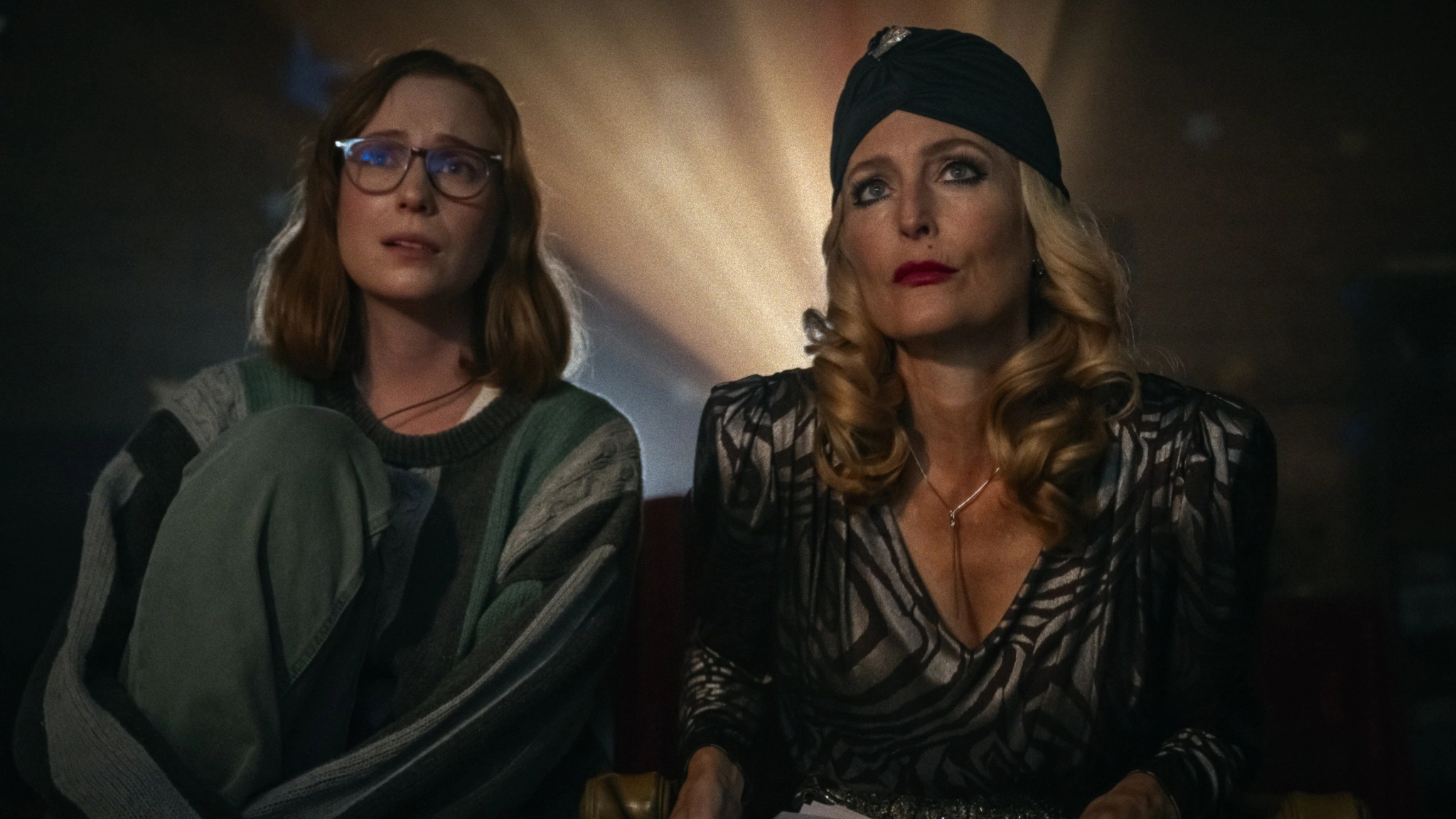
The chemistry between Hannah Einbinder and Gillian Anderson is good.
But I did not feel the relationship developed enough to justify all the weight the ending places on it.
The film wants their intimacy to become a moment of liberation.
Chris stops analyzing everything from the outside and begins to experience life through her body.
Billie finds someone who shares something she has kept hidden.
For me, though, the idea is clearer than the emotions.
I understand what the film wants to say.
I do not feel it with the same force.
That is a major difference.
Desire and symbolism: boldness alone is not depth
The film constantly connects sex, horror, liberation, the Final Girl, and Little Death.
Even Little Death’s name refers to an old expression for orgasm, which the film uses to build its symbolism around killing, desire, and physical liberation.
Again: understood.
Clear enough.
After a while, however, it began to feel forced.
Everything has to symbolize something else.
Even scenes that should feel intimate between two people sometimes seem like part of the film’s thesis rather than a natural experience between them.
I have no objection to boldness.
My problem is not with sex.
It is with the film sometimes treating it like a magic button that automatically makes an idea profound.
No, that is not enough.
The ending: where the film loses me completely
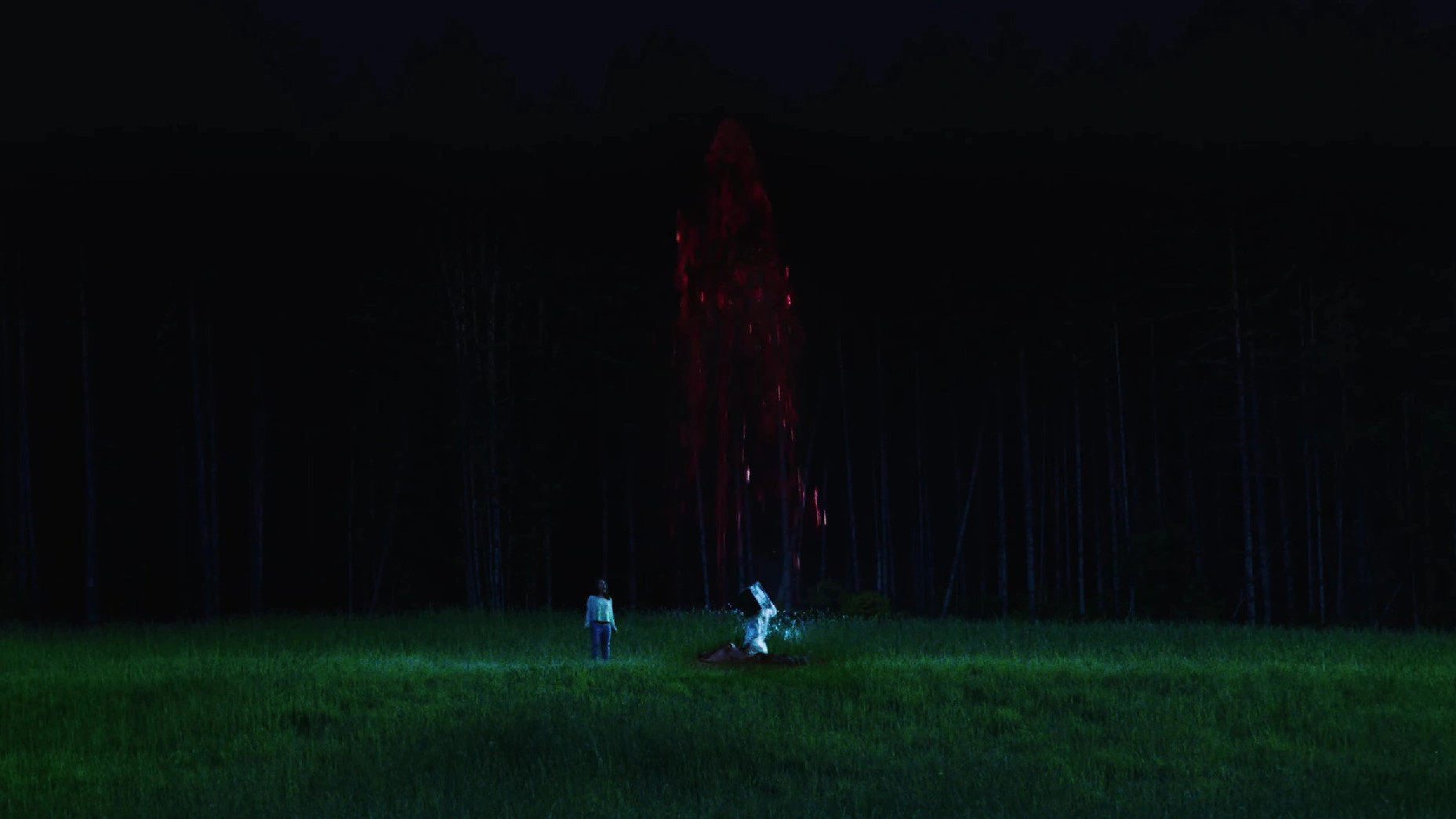
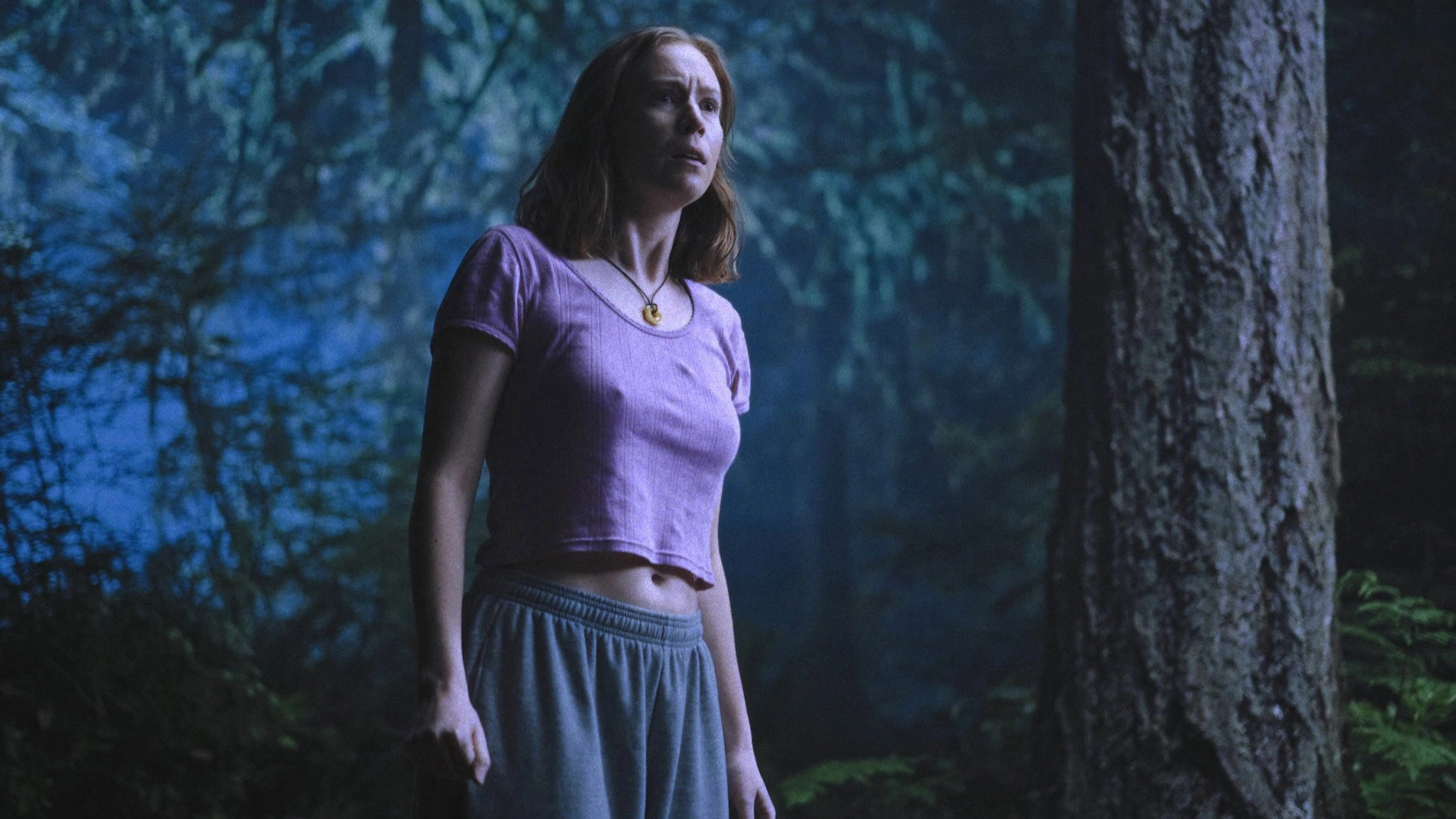
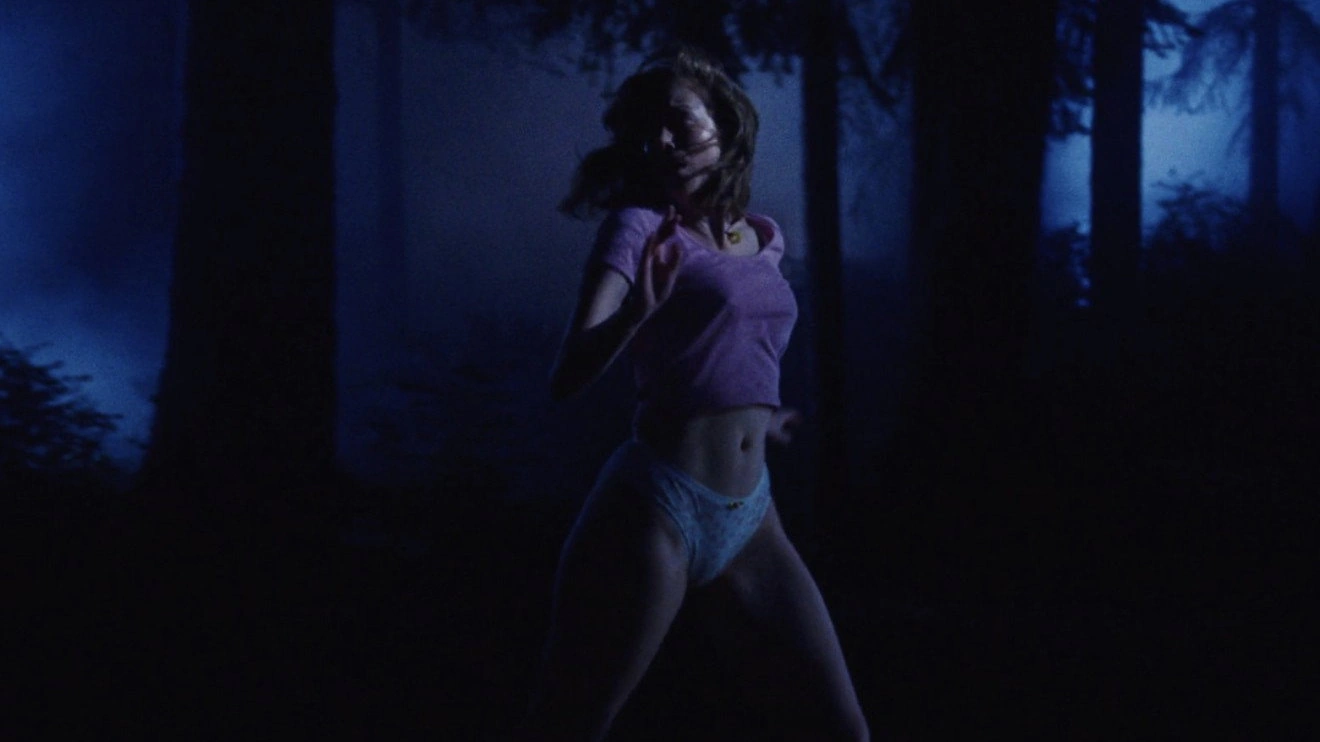
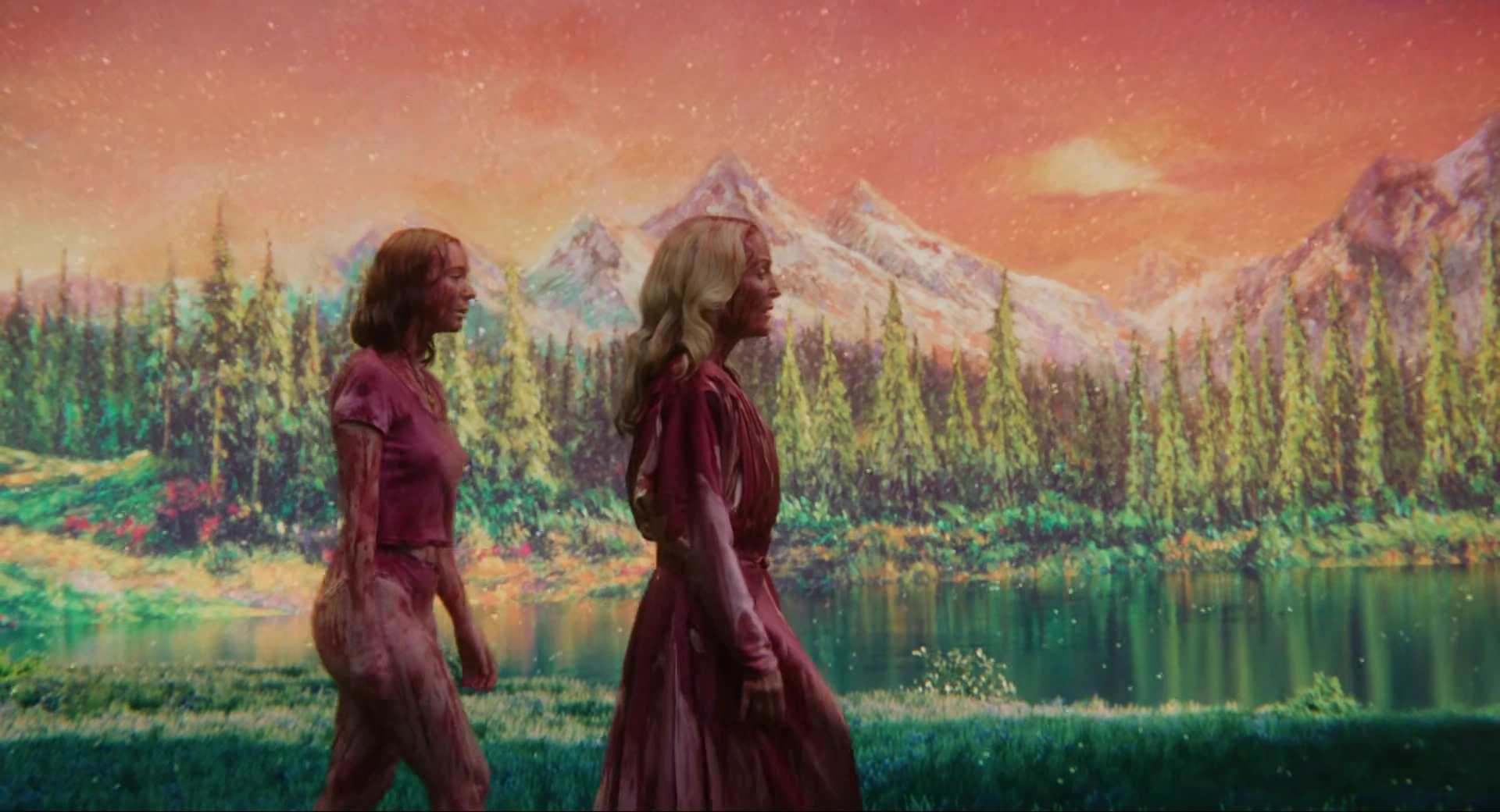
Then we reach the part where reality and the old movie merge completely.
Chris enters the world of Camp Miasma.
The setting becomes summery.
People from her life appear.
Little Death starts killing everyone.
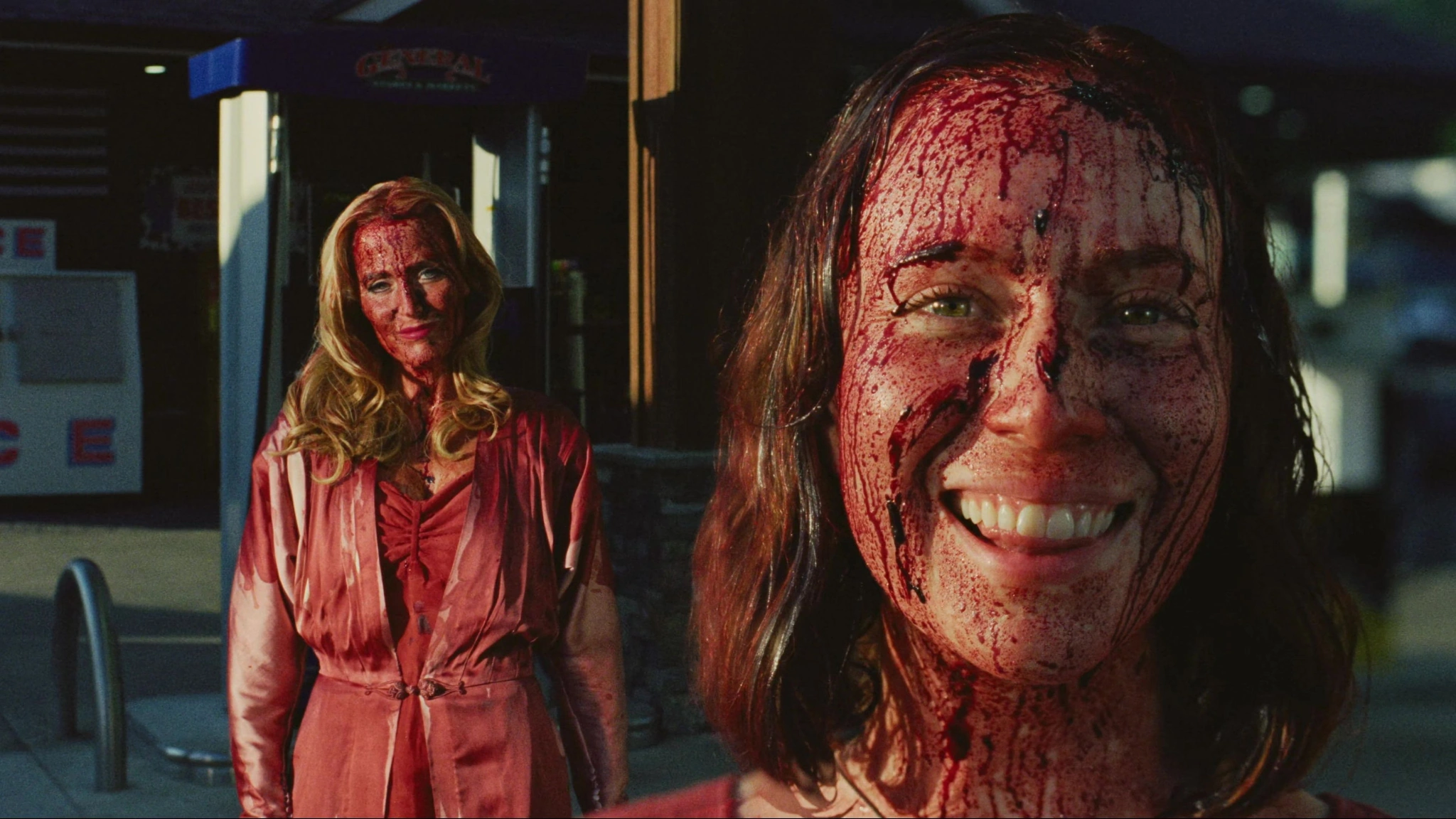
Chris then lies down with Billie to await his arrival. They reach orgasm as Little Death kills them, before waking up alive and covered in blood.
I understand what the film is aiming for.
I understand the shift from analysis to the body.
I understand that Chris is no longer merely a spectator watching herself.
And I understand that Little Death has become part of her liberation, rather than simply a monster.
Understanding an idea does not make its execution good.
For me, the ending became a mixture of symbolism, imagery, and provocation without delivering a real dramatic climax.
It felt as though the film was saying:
Look how meta and surreal everything has become.
Meanwhile, I was thinking: why does all of this take so long?
Pacing: two hours that outlast the ideas
Here is another problem for me.
The film runs close to two hours.
I see no reason it needs to be that long.
Many scenes continue after they have made their point.
Shots linger beyond what they need.
Conversations dwell on the same meaning.
Entire stretches bring the pace to a standstill.
There are repeated lulls, and I think a shorter version would have been more effective.
I would go further than that.
The film needed much more ruthless editing.
The slowness here does not build tension.
Nor does it develop the characters sufficiently.
It simply makes the film seem longer than its ideas warrant.
The film’s problem with the industry
There is also an obvious satire of Hollywood.
The studio wants to relaunch an old brand.
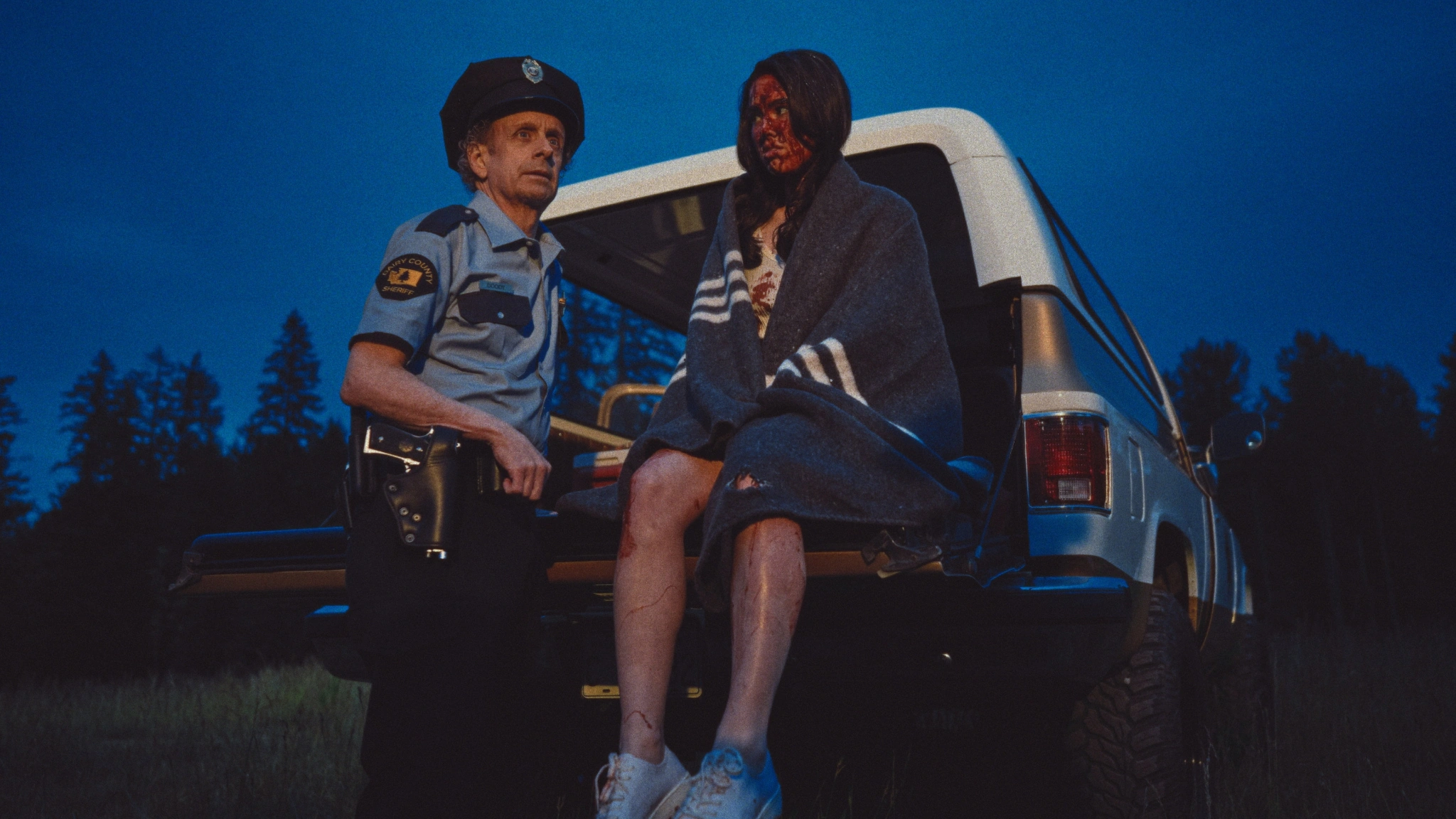
Chris learns that she was chosen partly to help the project sidestep criticism associated with the old franchise.
Her agent thinks commercially.
The producers want something easy to market.
The satire is understandable.
It is also very direct.
Corporations are shallow.
Management does not understand art.
The artist has a vision.
Is any of this new?
Not particularly.
Strangely, the film itself belongs to an industry that uses names, imagery, slashers, and self-reference to attract audiences.
It could have been harsher on itself, too.
Can I understand why some people might love it?
Yes.
I have to be fair here.
There is an audience that will love this kind of film.
It has a clear visual identity.
It has a discourse about sex, gender, and cinema.
It has a film within a film.
And it reinterprets slasher clichés.
All of these things can easily make a work attractive in a festival or critical context.
Having a list of interesting ideas does not necessarily mean making a good film.
For me, it was too preoccupied with what it wanted to represent, and less concerned with making me care about what was happening in front of me.
That is my central problem with it.
Cinematography: beauty is not enough
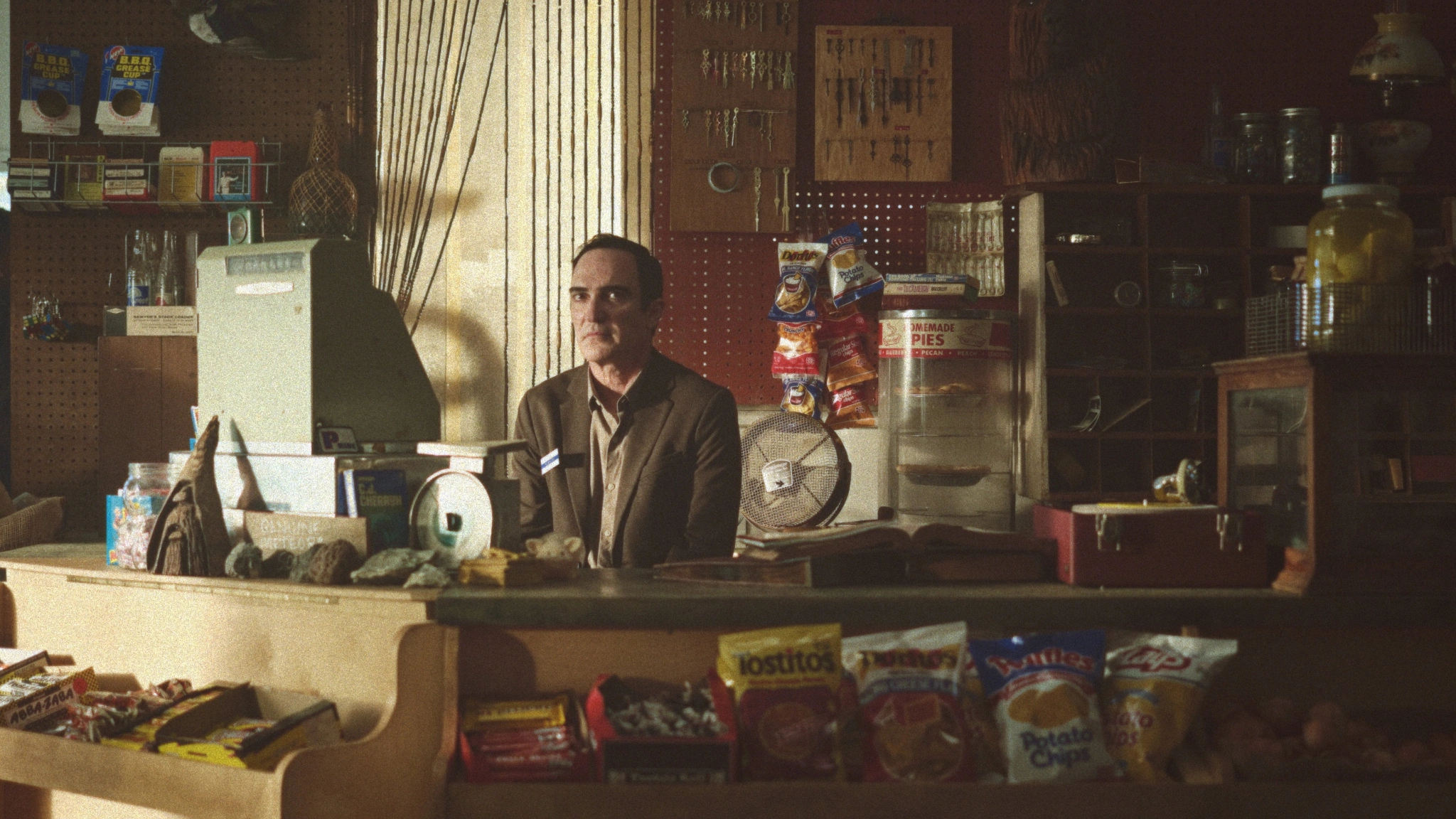
Visually, I cannot deny that considerable work has gone into it.
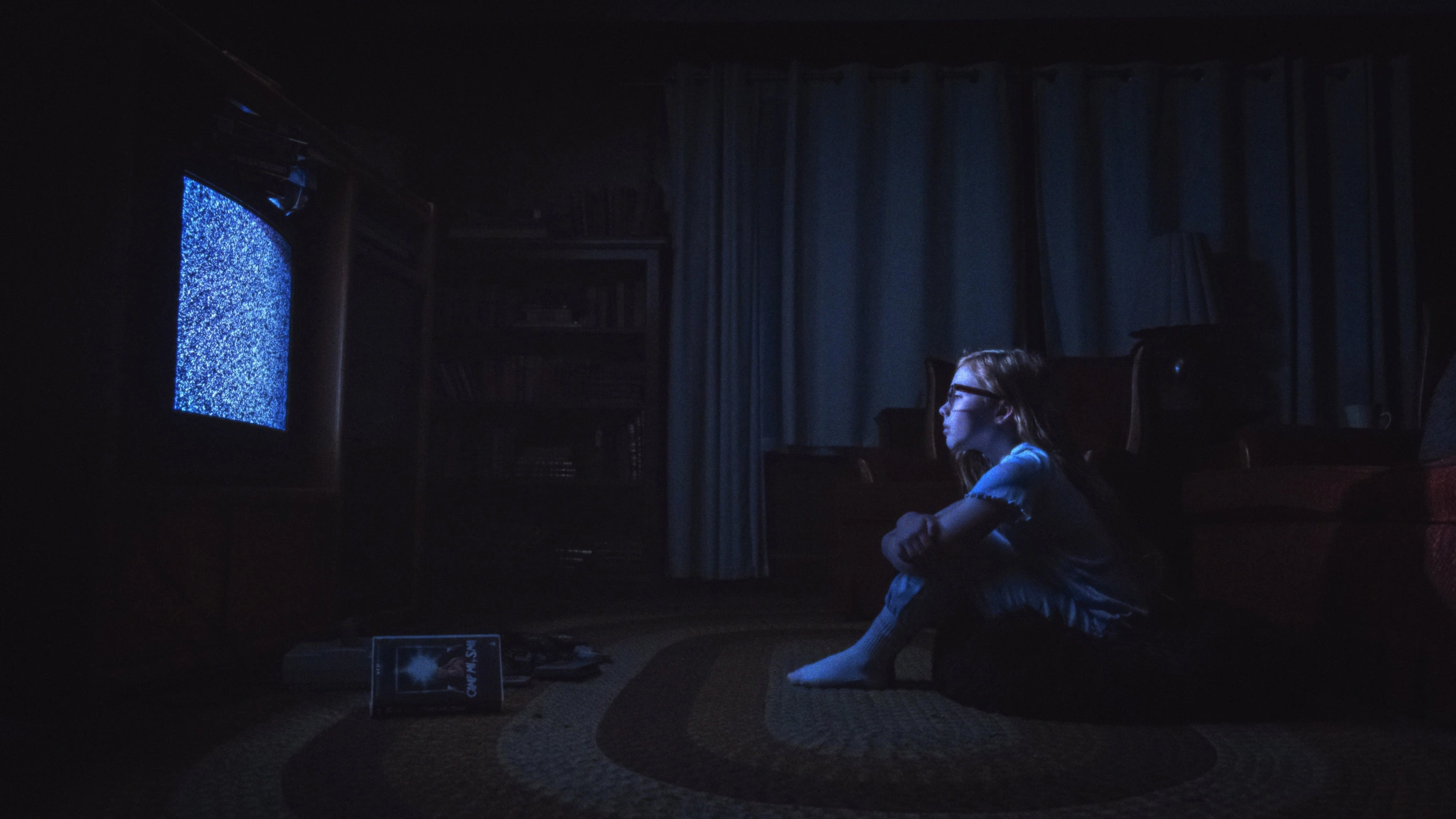
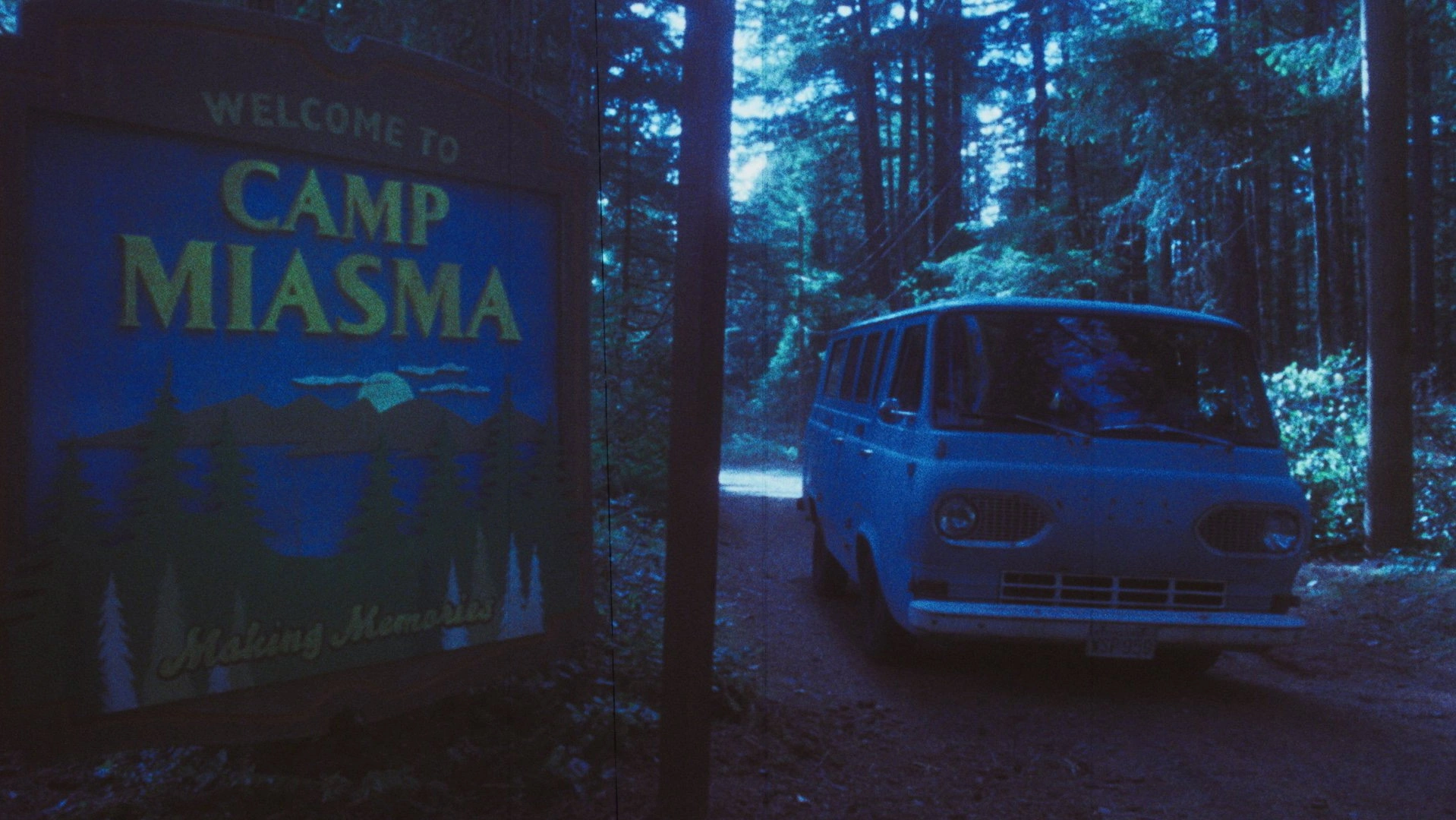
The scenes recreating the old film use a texture close to VHS tapes and low-budget 1980s horror.
The present, meanwhile, is cleaner, dreamier, and more surreal.
The contrast works.
The production design is good.
Snow around the camp gives some scenes a beautiful isolation.
But this is one of those cases where I ask:
Yes, the film is beautiful. What then?
Images alone cannot sustain two hours.
Especially when the story repeatedly stops to contemplate itself.
Music and atmosphere
Alex G’s music and songs by REM and Counting Crows give the film a specific, recognizable mood.
Even the music, however, contributes to the same feeling.
Everything has been carefully considered to create a “mood.”
The film wants you to feel that you are watching something alternative, strange, and full of cinematic memories.
For me, that mood never became an experience.
It remained just a mood.
Hannah Einbinder and Gillian Anderson
The performances are among the few things I do not blame for the result.
Hannah Einbinder is good at portraying Chris as nervous, intelligent, and full of contradictions.
Gillian Anderson is even better for me, giving Billie allure and mystery even in scenes where little happens.
The chemistry between them is genuinely there.
If the screenplay had been less infatuated with its ideas and more interested in these two people, I might have left with a completely different impression.
Good acting cannot rescue writing that sometimes reduces characters to vehicles for ideas.
Strengths and weaknesses
I will start with the positives, because there are few for me.
Gillian Anderson is excellent.
Hannah Einbinder is good.
The cinematography and production design are strong.
The idea of confronting the real Final Girl with a director who grew up with her image is wonderful, and could have produced a much better film.
But the negatives outweigh all of that.
The pacing is far too slow.
The film explains its symbols too much.
The horror lacks real tension.
The central relationship is clearer intellectually than it is affecting emotionally.
And the metacinema gradually turns from a clever idea into a display.
For me, the ending is less a climax than an accumulation of all the symbols the film has been placing in front of us.
Final verdict
Final verdict
I did not like the film. What frustrated me most was how clearly I could see the good film inside this premise. A young director remaking a slasher she has been obsessed with since childhood. A Final Girl living near the filming location, carrying a truth entirely different from the one audiences know. A killer whose image is tied to identity and exploitation. A film industry that wants to sell all of it again to a new generation. Excellent material. For me, however, the film suffocates it under layers of symbolism, self-reference, slowness, and a constant desire to appear profound. I was not frightened. I did not connect sufficiently with the characters. I did not feel the ending rewarded the time I had invested. Even when I liked an image or Gillian Anderson’s performance, I quickly returned to the same problem: I understand what you want to say, but I am not enjoying how you are saying it. For me, that is one of the worst kinds of cinematic frustration. It is not an empty film. It has plenty of ideas, yet I could not find enough reason among them to love the experience itself.
Your turn
Did you find the film genuinely clever in its reinterpretation of slashers and the Final Girl, or did you feel, as I did, that it piles symbols and ideas onto a story that could have been much simpler and stronger?
AUDIENCE VOTE
Do you agree with the MB rating?
Choose once from this browser. You can change your answer at any time.