The review
The screenplay and dialogue: why return to Carrie?
The first challenge Flanagan faced was that the story of Carrie is not new to audiences.
Brian De Palma's 1976 film, starring Sissy Spacek and Piper Laurie, still holds an important place in horror cinema. Other attempts to retell the story followed, but the existence of a new adaptation alone is not enough to justify returning to it.
Flanagan therefore needed to offer something different beyond simply extending the running time.
I think his most important decision was changing the circumstances through which Carrie enters the outside world.
In this version, her father Ralph White's death in a workplace accident leads to the discovery of his isolated family. Carrie is forced to attend school for the first time after spending years removed from society.
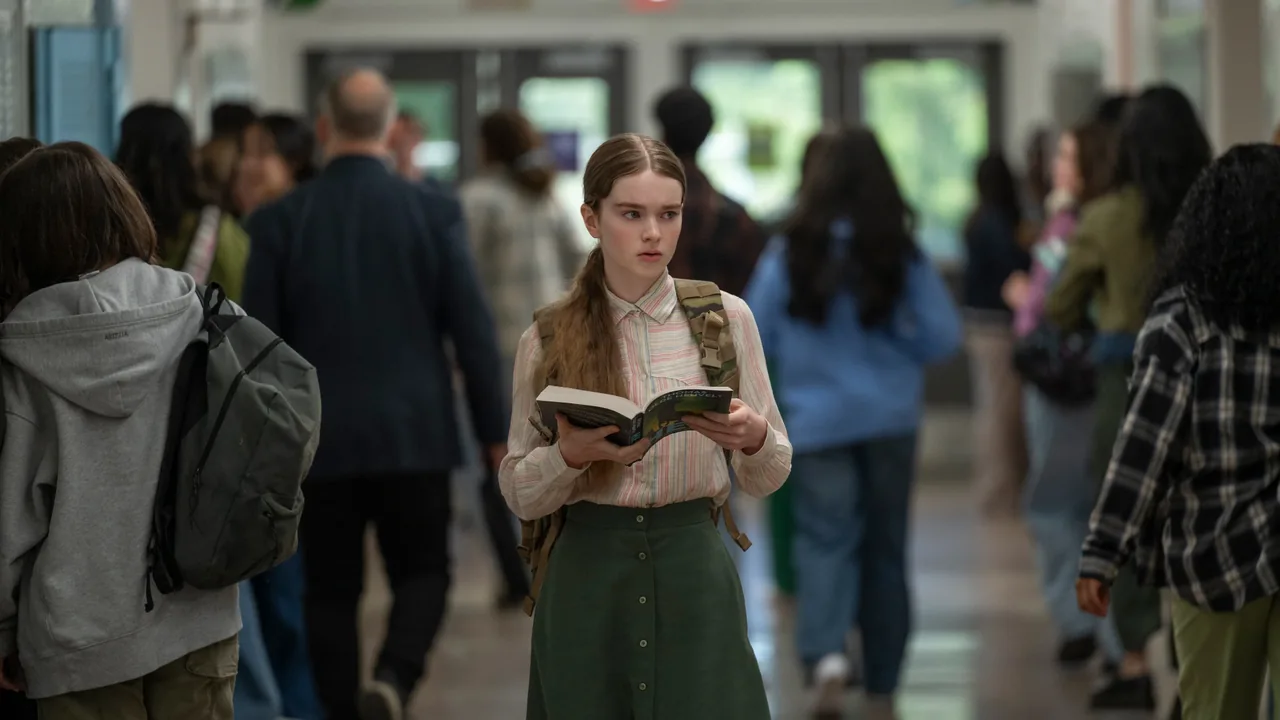
This change seems simple, but it completely alters how we understand the character.
Carrie is not merely an eccentric teenager being bullied. She is a girl who knows almost none of the social rules that other people take for granted. Everything is new to her, from making friends to using a phone and the internet.
More importantly, she does not have the experience that would help her recognize other people's intentions or defend herself.
Flanagan uses the space afforded by eight episodes to rebuild this experience from within, expanding the roles of the town, school, family and people surrounding Carrie.
Here, I think the series succeeds in answering an important question: why retell a story whose ending everyone already knows?
Because knowing the ending does not mean that we have understood every reason the characters arrived there.
When bullying follows its victim beyond school
One of the series' most successful changes is bringing bullying into the present without treating it as a superficial update.
In earlier versions, humiliation was usually tied to a specific place, such as the school or locker room.
Here, humiliation can follow the victim anywhere.
Social media and smartphones change the nature of the danger Carrie faces. The problem is no longer just what classmates say in front of her, but what they can publish about her, circulate and turn into material for a much larger group to ridicule.
The anonymous Instagram account Chris Hargensen uses to spread rumors is more than a modern addition. It extends a central idea in the story: cruelty becomes more dangerous when it turns into collective behavior.
The most painful detail is that Carrie does not understand this world well.
She is harmed in a digital space whose rules she does not know. She does not fully grasp how rumors spread or how her image can escape her control.
But Flanagan does not place responsibility solely on the students.
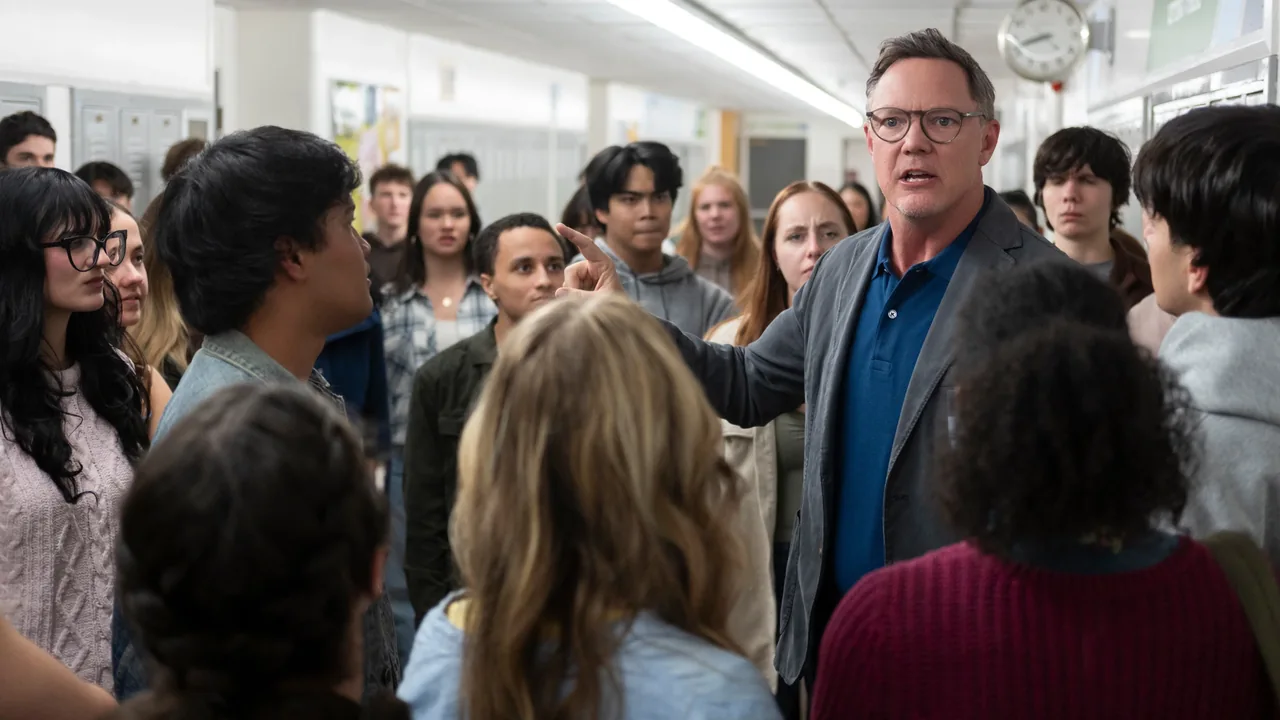
We have teacher Rita Desjardin, who tries to address what is happening, alongside principal Henry Grayle, who hides behind procedures and administrative restrictions instead of taking decisive action.
The principal, played by Matthew Lillard, matters because he represents a form of passive responsibility.
He does not need to bully anyone himself to help bullying continue. It is enough to know about the problem and fail to address it in a way that protects the victim.
This is one of the ideas the series presents convincingly: a catastrophe is not always created by the person who begins the harm. Everyone with the power to stop it who chooses not to act may also contribute.
Summer H. Howell: anger grows from fear
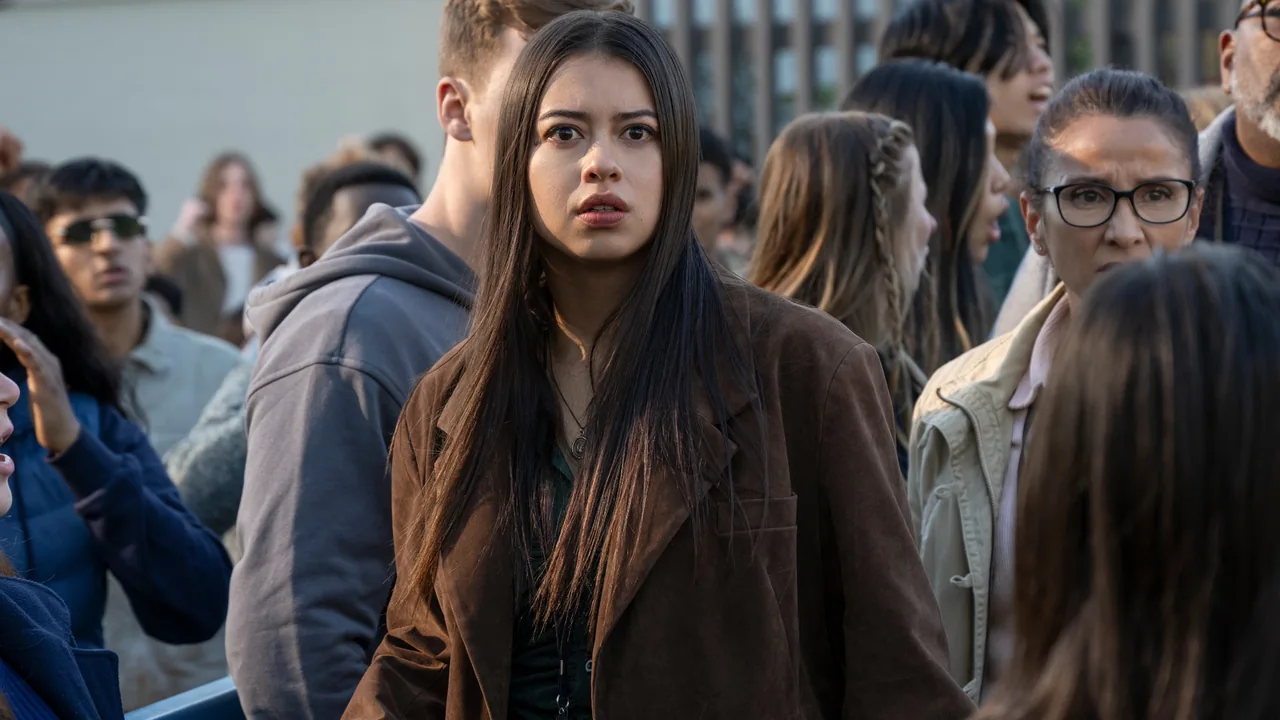
The series' success depends heavily on how Summer H. Howell portrays Carrie White.
This character requires an extremely difficult balance.
We need to feel her vulnerability and isolation without seeing her as entirely helpless. We also need to believe her growing anger without feeling that the change occurred suddenly just because the story required it.
Howell achieves that balance.
In quiet scenes, her performance is very restrained. The way she interacts with others, her hesitation and lack of confidence all make Carrie seem constantly engaged in trying to understand something no one can explain to her.
This choice gives the character a clear human presence.
The most important aspect of the performance, however, emerges when suppressed emotions begin to change.
Carrie does not turn from an innocent girl into an angry person in a single moment. We watch painful experiences accumulate within her as fear gradually becomes a desire to gain control over her life.
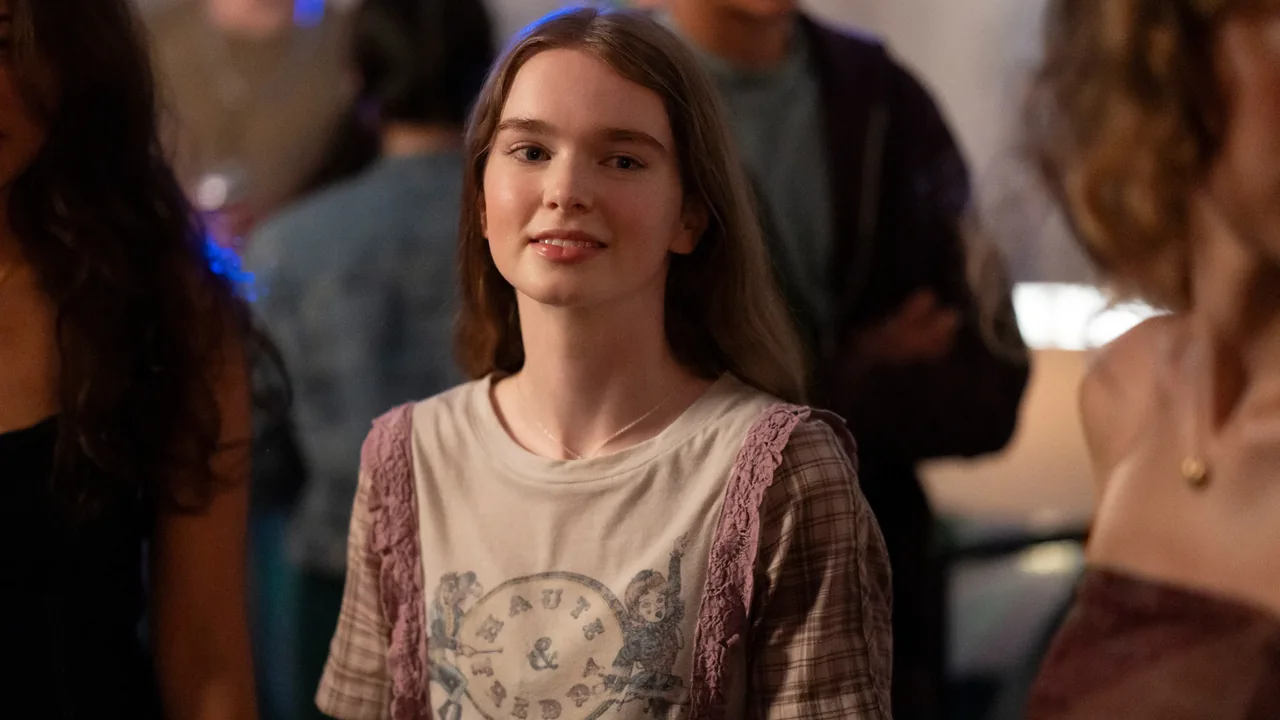
Her supernatural powers therefore become more than a device for creating horror scenes.
These powers give a girl who has spent most of her life under other people's control a new sense of strength.
But power does not necessarily come with the ability to make the right decisions, especially when it arrives after years of isolation and humiliation.
That is the character's tragic dimension.
The series does not want us to see Carrie as an innocent victim at all times, nor to reduce her to the image of a girl taking revenge.
She carries both sympathy and anger, and she can hurt others even though we understand what pushed her to the edge of an explosion.
I consider Summer H. Howell one of the work's greatest strengths because she makes this transformation painful before making it frightening.
Margaret White: when protection becomes harm
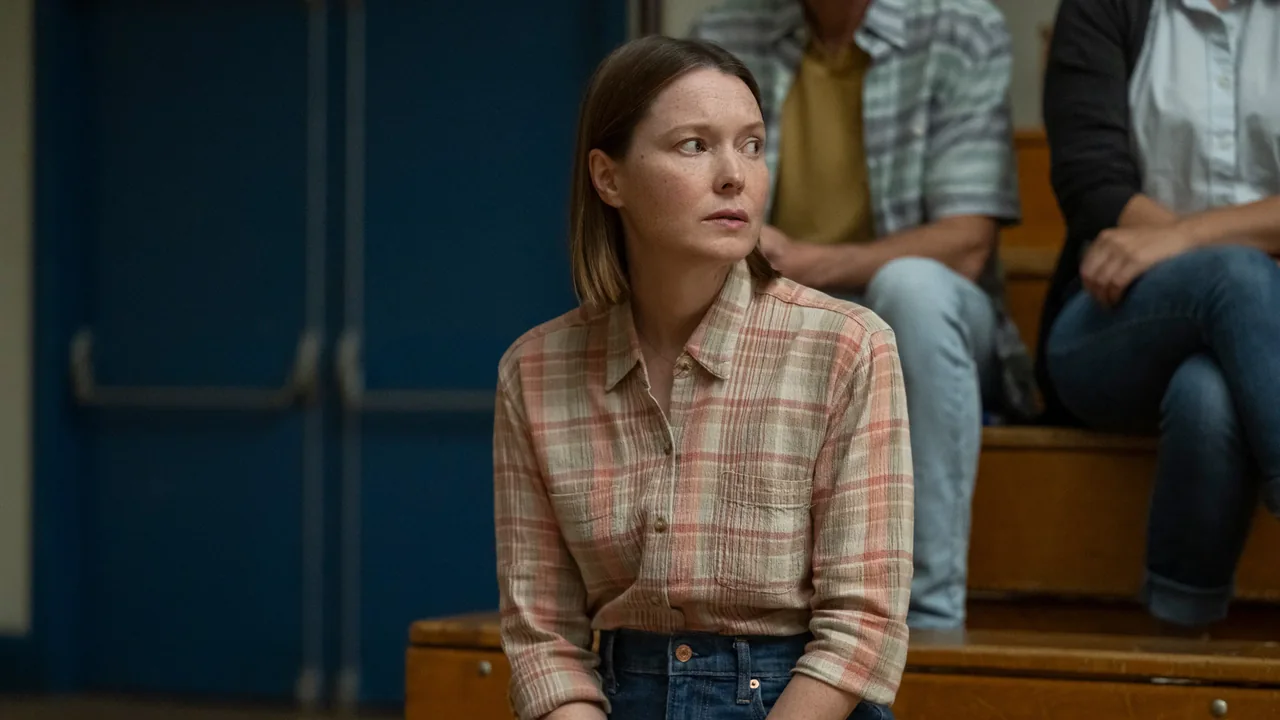
If Summer H. Howell is the series' emotional heart, Samantha Sloyan, in my opinion, gives its most complicated performance as Margaret White.
Here we see one of Flanagan's smartest decisions.
It would have been easy to portray Margaret as a cruel mother who controls her daughter, with the primary function of making Carrie's life more miserable.
Instead, the series gives her much more space.
We see her outside her relationship with her daughter and watch her attempts to deal with a society she no longer understands well. We also discover that her fear of the outside world is connected to her own prolonged isolation.
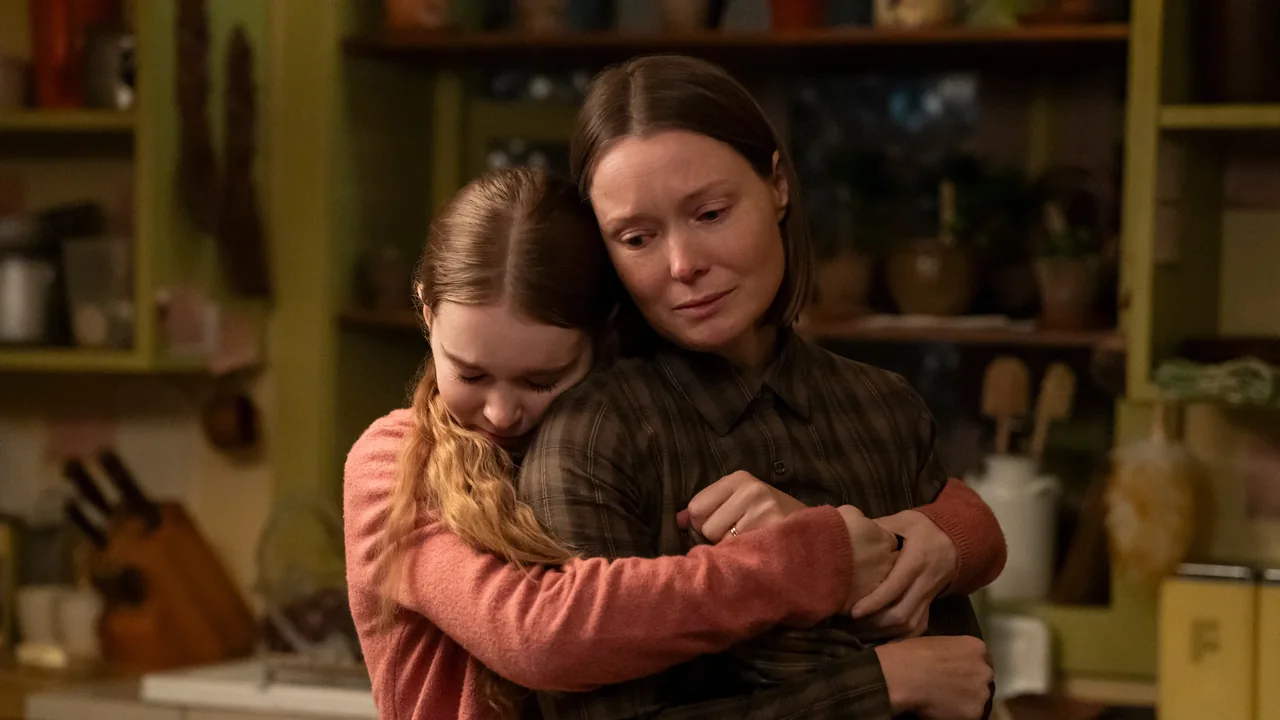
This makes her a character with real contradictions.
She tries to protect Carrie using methods that damage her psychologically. She fears the cruelty of others while becoming one of the most important sources of that cruelty herself.
The performance makes these contradictions convincing.
Samantha Sloyan does not rely constantly on screaming or large emotional outbursts. She gives the character quiet moments that reveal fear, helplessness and a desire for control at the same time.
In some scenes, she makes us feel that Margaret is genuinely afraid of losing her daughter, even though we reject how she treats her.
That distinction matters.
Understanding the reasons behind a character's behavior does not mean justifying it.
On the contrary, I think giving Margaret human motivations makes her actions more disturbing. We are not watching a simplistically evil character, but a mother who allows her fears to become real harm.
Through Margaret's relationship with Carrie, the series presents one of its strongest ideas: sometimes the desire to protect someone we love can become a means of destroying their confidence in themselves and the surrounding world.
The surrounding characters: a shared responsibility
One aspect I liked in Flanagan's writing is his refusal to portray every harmful character as an evil person without motivations.
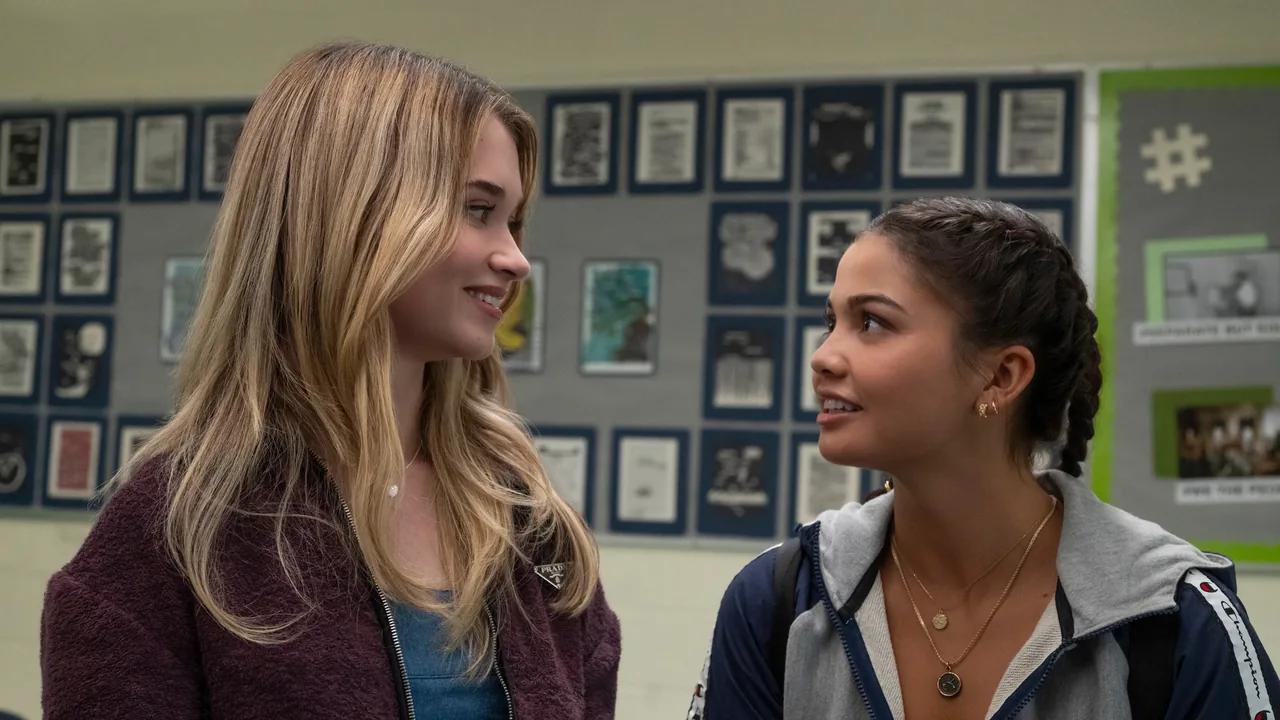
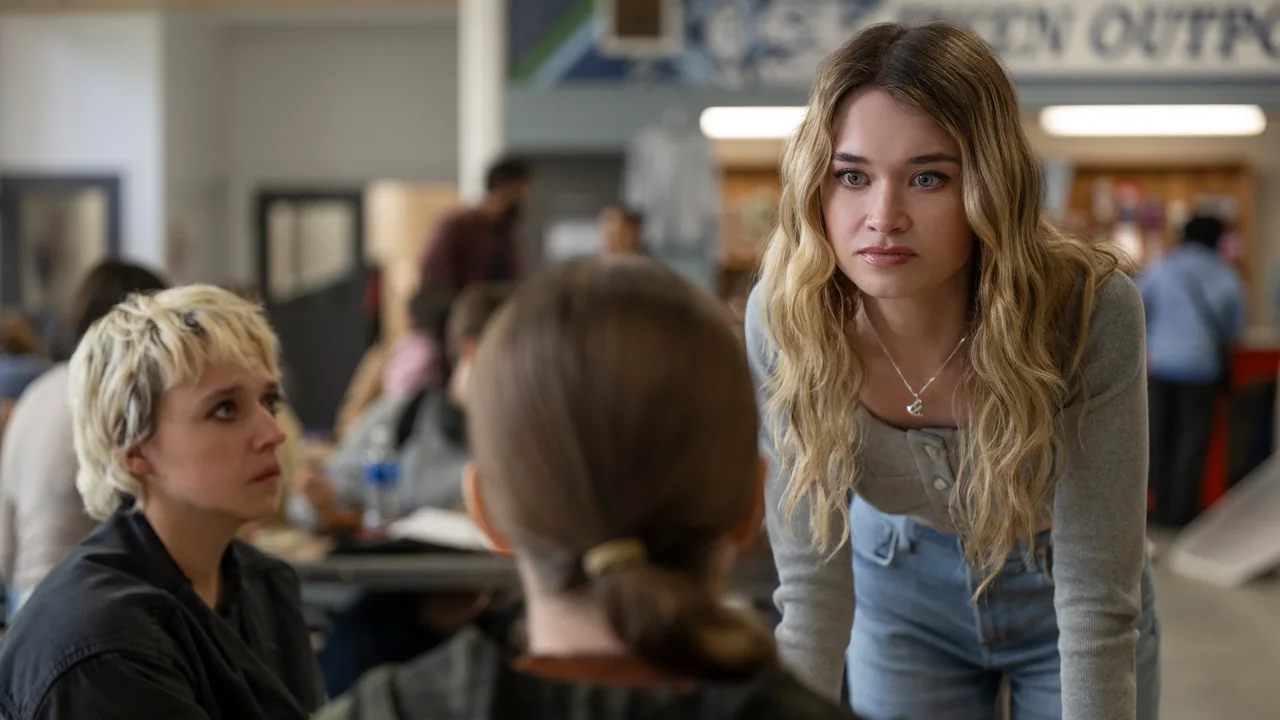
This is particularly clear with Chris Hargensen.
Chris is responsible for a substantial part of Carrie's suffering at school, and her actions are difficult to defend. But the series lets us see what lies behind her aggression.
We discover that she, too, lives with anger and neglect, and that her relationships with the adults around her have left a clear mark on how she treats other people.
This is where the expansion has value.
Flanagan does not try to make Chris a victim whose situation justifies everything she does. He wants us to understand how someone who has been neglected can become a source of harm in turn.
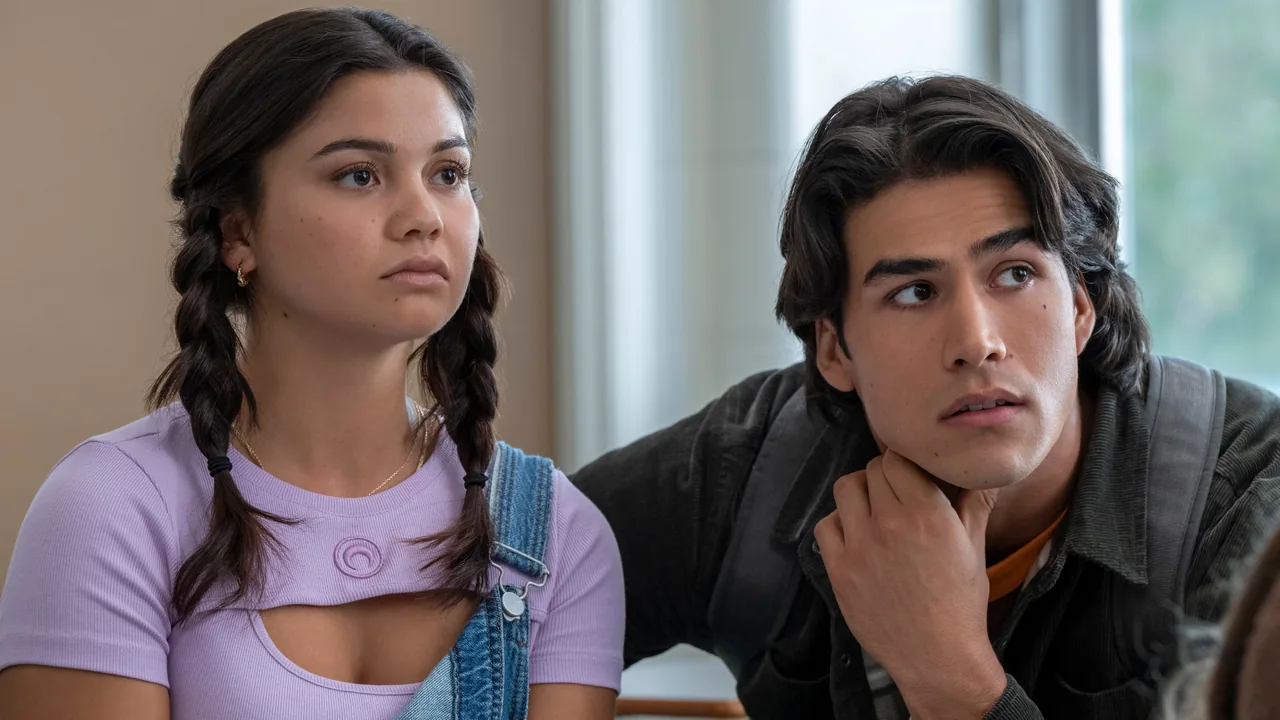
In contrast, characters such as Sue Snell and Tommy Ross offer a different picture of how people respond to another person's suffering.
Billy Nolan's presence helps reveal the cruelest side of these relationships.
Through these characters, the issue becomes larger than a conflict between an innocent girl and a group of bullies.
The series indirectly asks why some people choose compassion when they see someone vulnerable while others choose to exploit that vulnerability.
I think this human dimension was necessary because it makes Carrie's tragedy the result of a collection of human choices, rather than merely a supernatural incident.
Pacing: when the path to catastrophe grows too long
Here we reach one of the series' most noticeable problems.
Flanagan is known for his interest in developing characters psychologically and giving human relationships considerable time before the dramatic explosion.
This approach suits Carrie very well, especially because events become more affecting when we understand the characters they will touch.
Even opening the series with interviews recalling the disaster on prom night serves this idea.
We know from the beginning that something terrible will happen. The tension comes from discovering the path that brought everyone there.
The problem is that the series does not always maintain the strength of this construction.
Especially in the middle episodes, there are moments when some relationships and ideas seem to receive more space than they need.
A storyline involving Rita Desjardin and another teacher also seems less convincing than the main storylines, although its role becomes important later.
We need to distinguish between slowness that adds depth and slowness that postpones arriving at the same information.
Not every quiet scene is a problem, and not every long conversation proves that the pacing is weak. But when a scene does not add a new understanding of a character or conflict, its duration becomes a burden.
For me, parts of the middle could have been shortened without sacrificing the characters' value.
Even so, the series clearly regains its strength in the final two episodes, when the details accumulated throughout the story begin to take on their full meaning.
Prom night: horror inseparable from tragedy
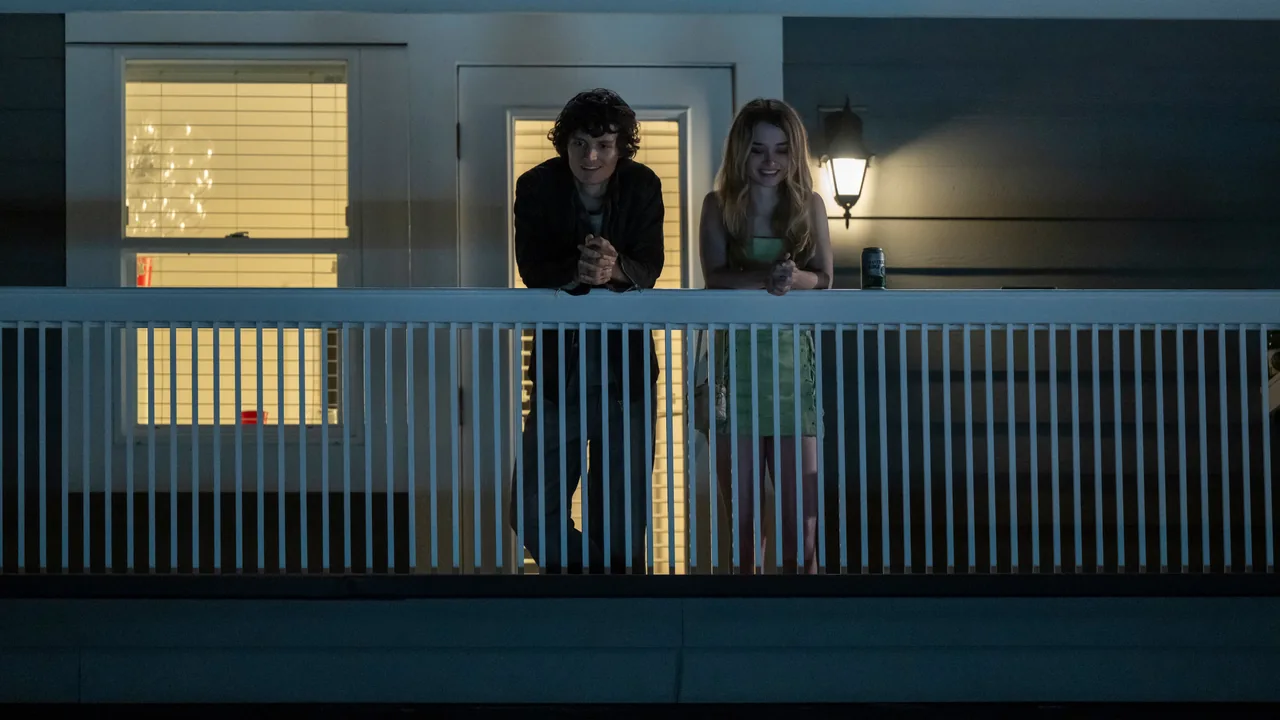
Prom night is the series' strongest directorial achievement and one of the standout moments Mike Flanagan has delivered in his television work.
This scene presents an extremely difficult challenge.
The audience knows that the catastrophe is coming, so its impact cannot depend solely on surprise.
The journey toward this moment needs to be strong enough to make the outcome painful even though we expect it.
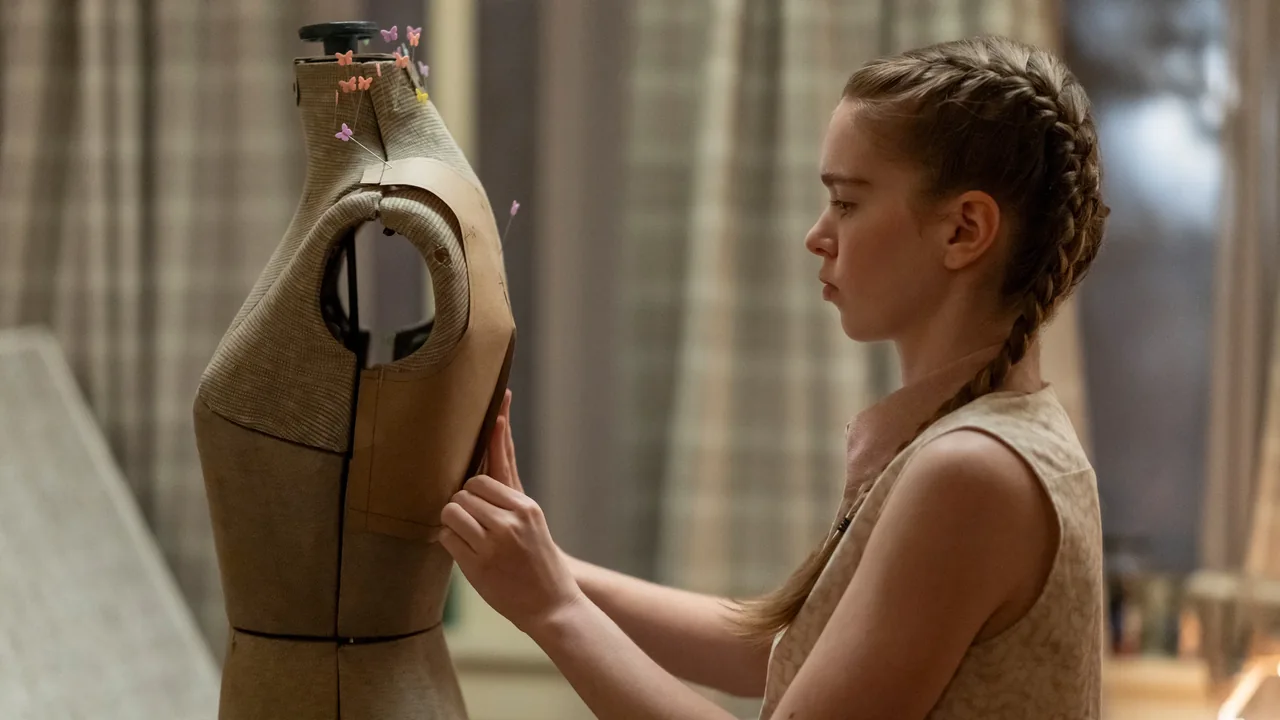
The series achieves that.
The expanded characterization, relationships formed across the episodes and tension accumulated between Carrie and those around her all give this night greater emotional weight.
In terms of direction, the scene's scale and visual execution make the climax feel like a major event that suits everything preceding it.
But its best quality is neither the scale of the destruction nor the spectacle.
Its best quality is that the horror does not exist separately from the human tragedy.
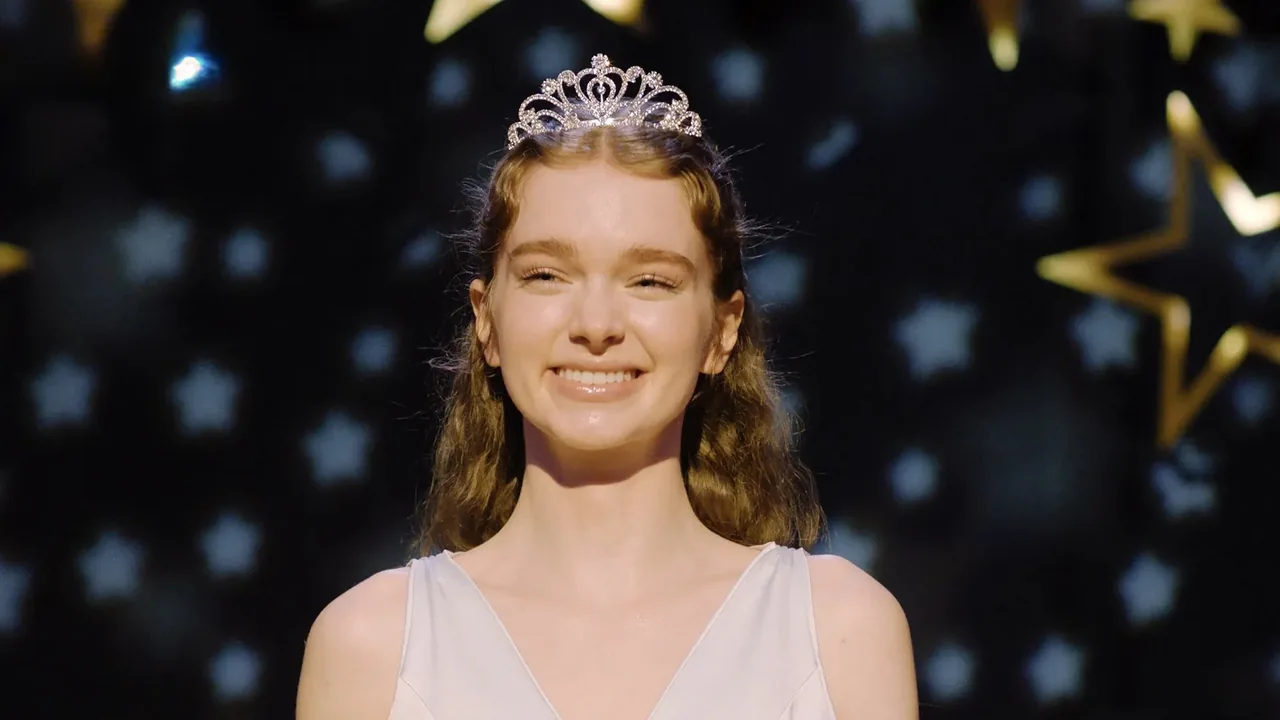
When Carrie reaches the point of explosion, we are not simply watching a display of supernatural powers. We are watching the result of years of fear, neglect and humiliation.
That is an extremely important distinction.
Large horror scenes can be visually astonishing, but they become stronger when they have a clear dramatic meaning behind them.
Flanagan understands this. He relies not only on escalation, but also on our knowledge of the characters before they reach this moment.
Despite earlier pacing problems, prom night gives the series a powerful climax and proves that adapting the story into eight episodes was not a decision without benefits.
The supernatural world: expansion at the ending’s expense
Despite the series' success in developing its characters and delivering the climax, I have a clear reservation about the direction it takes in expanding the supernatural dimension.
Flanagan does more than explore Carrie's powers and their development. He tries to connect them to other phenomena and characters with similar abilities, broadening the links to Stephen King's world.
The idea itself is interesting.
Its execution, however, does not always work as intended.
Some additions connecting supernatural abilities to historical figures and events reduce, in my opinion, the mystery that gives Carrie's story part of its appeal.
There is also a subplot with effective moments of horror that does not receive development as complete as that given to the main characters.
The biggest problem emerges near the ending.
Some decisions seem designed to prepare the way for new seasons instead of giving the current story an independent conclusion with the strength it deserves.
Flanagan does leave the door open to expanding this world in the future, but having a plan for additional seasons does not guarantee that it will be realized.
Most importantly, the current season should retain its value even if the story does not continue.
For me, Carrie's story was strongest when it focused on the personal tragedy and the relationship between fear, cruelty and compassion.
When it tried to become a larger supernatural world, it lost some of its individuality.
Here lies the work's most important contradiction: expansion gave the characters real depth without giving the surrounding mythology the same strength.
Strengths and weaknesses
Carrie's principal strengths are the excellent performances by Summer H. Howell and Samantha Sloyan, the humane development of the characters, the convincing modernization of bullying and the powerful direction of prom night.
Its principal weaknesses are the decline in pacing during some middle episodes, incomplete side storylines and an excessive expansion of the supernatural world at the expense of a strong independent ending.
Final verdict
Final verdict
Ultimately, this is a very successful adaptation worth watching, especially for those who enjoy psychological horror built around characters rather than a succession of surprises. Mike Flanagan did not try to surpass Brian De Palma's film by repeating it on a larger production scale. He chose to reconsider the characters' motivations and the world that pushed them toward their fate. This choice allowed him to offer a different version with an identity of its own despite its reliance on a familiar story. The series is not perfect, and its ambition to build a larger world weakens some of its final decisions. But it succeeds in the most important test: it makes us care about Carrie's fate as a human being before making us afraid of what she can do. Perhaps the series would have been more cohesive if it had given its central story a stronger ending instead of becoming preoccupied with what might come next. Nevertheless, the quality of the performances, depth of the characters and strength of the climax make this one of the noteworthy attempts to retell a classic horror story for a contemporary audience. My rating for season one: 8.5 out of 10.
Your turn
Do you think Carrie would have become a source of horror if she had found people who accepted and protected her from the beginning, or would possessing this power have led her to catastrophe regardless of how the circumstances changed?
AUDIENCE VOTE
Do you agree with the MB rating?
Choose once from this browser. You can change your answer at any time.