The review
A brotherly relationship becomes a psychological prison
I think Half Man's most distinctive quality is that it relies neither on a conventional crime story nor on a mystery that needs an explanation at the end.
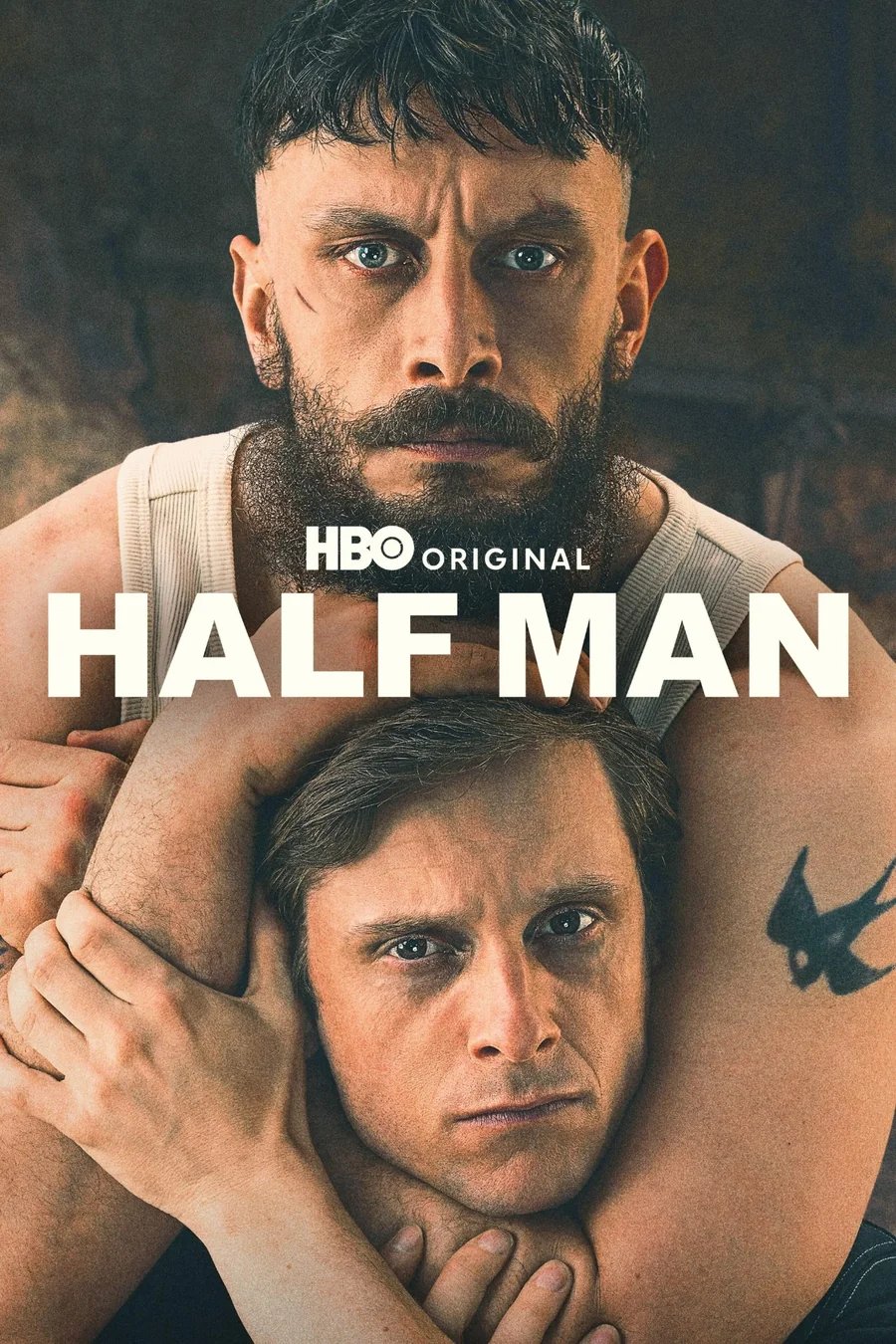
The real story is the relationship between Niall and Ruben, two men who grew up together after their mothers began living under the same roof.
Niall is a quiet, shy child who is mocked and bullied and struggles to defend himself. Ruben is his complete opposite: impulsive and violent, with no hesitation about confronting anyone.
From the beginning, the series creates an interesting contradiction.
Ruben can protect Niall from bullies, but he can also frighten and hurt him far more intensely.
Their relationship begins taking an unhealthy shape as Niall becomes attached to the person who gives him a sense of safety, even though he is also one of the main sources of danger in his life.
This idea is the foundation of the entire series.
The relationship cannot be reduced to love or hate, nor treated simply as a conflict between a strong person and a weak one.
There is attachment, need and fear, alongside moments when their brotherhood seems real before suddenly becoming a painful confrontation.
More importantly, this contradiction follows them through different stages of their lives.
For me, the series succeeds in portraying one of the most difficult human relationships: knowing that someone is hurting you while being unable to separate from them easily because you have built a substantial part of your identity around their presence.
This makes Half Man closer to a psychological study of emotional dependency and violence than simply a series about two men connected by memories of a troubled childhood.
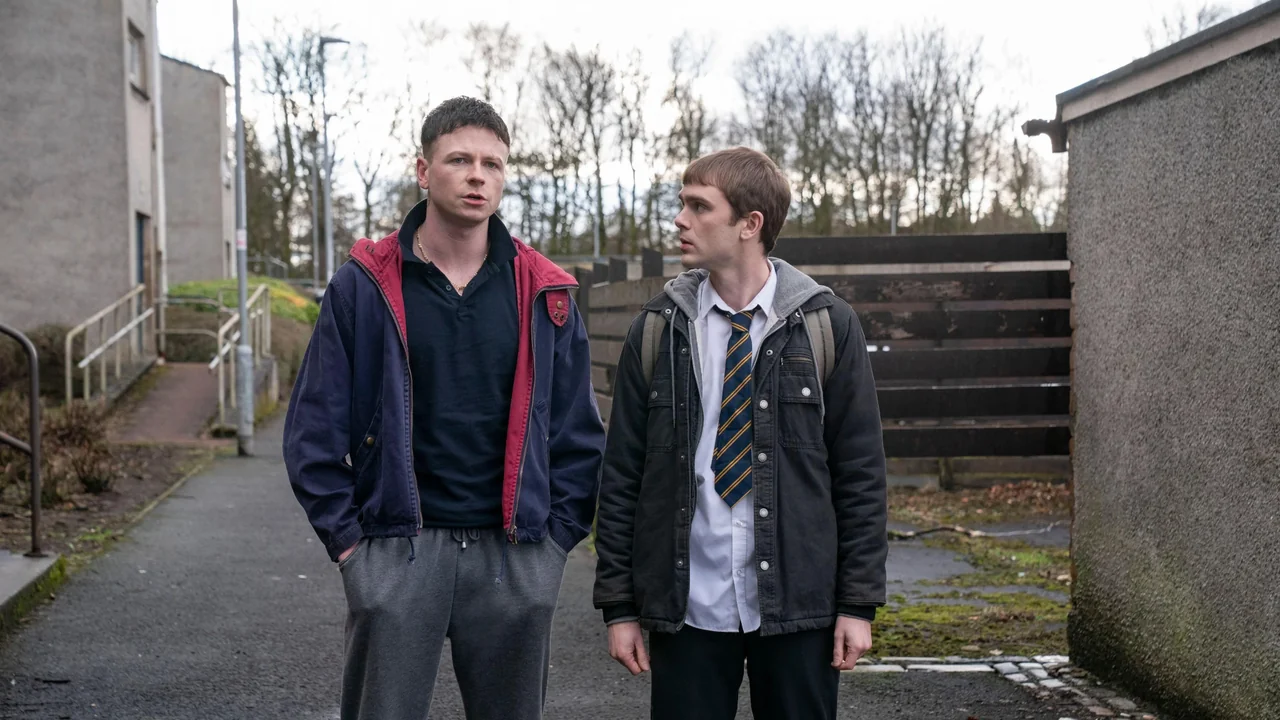
Niall: the fear of confronting himself
Niall is the most psychologically interesting character because his fear is not only of Ruben, but also of other people discovering who he really is.
Niall grows up in an environment that constantly makes him feel different.
He is ridiculed for his quietness and sensitivity, suffers under other people's judgments and does not always find the support he needs at home.
As he grows older, his struggle with his identity becomes clearer, particularly as he tries to conceal his attraction to men and fears the reactions of those around him.
This makes his relationship with Ruben more complicated.
Ruben represents strength, boldness and the ability to face the world without fear.
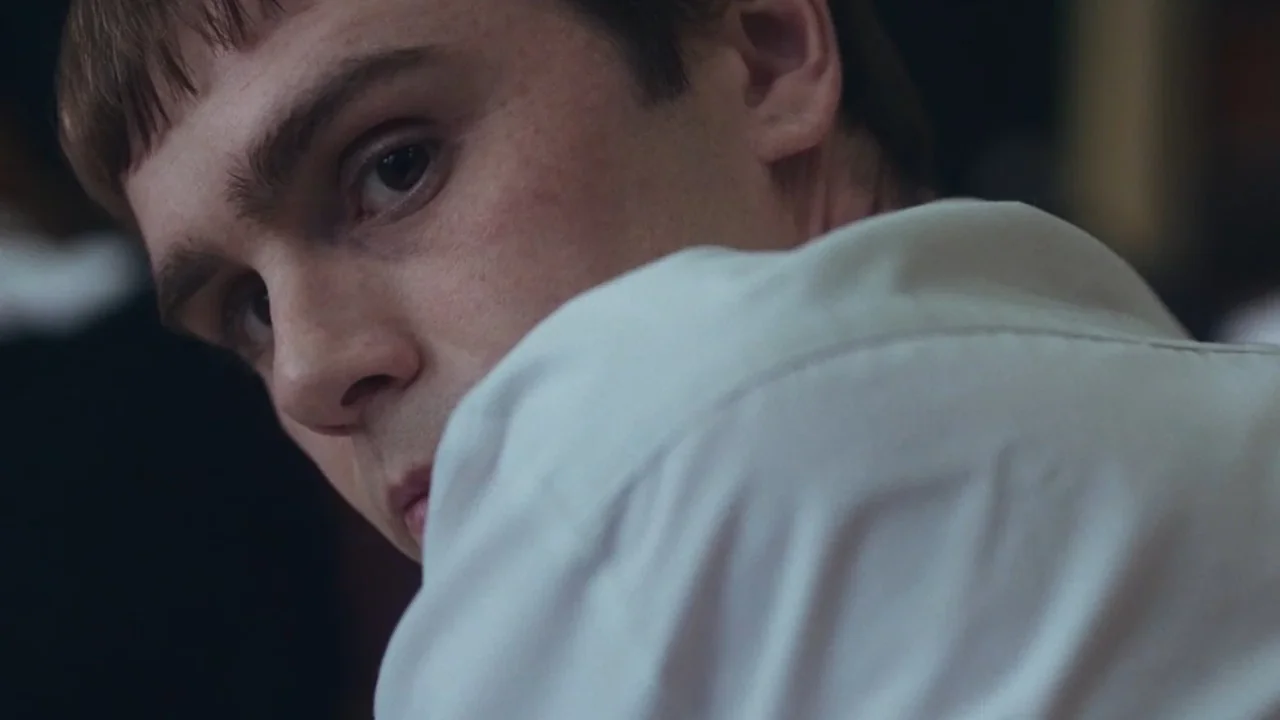
The problem is that Niall sometimes tries to move closer to this model at the expense of his true nature.
Instead of helping him gain confidence, Ruben's presence gives him another reason to feel unable to accept himself as he is.
This is what makes Niall's journey painful.
He is fighting not just one person, but the image he believes other people want to see in him.
I think the series successfully shows how fear of rejection can push people toward decisions that increase their suffering, even when they have real opportunities to build a different life.
However, I wished the screenplay had given Niall more space to make decisions reflecting his development, instead of keeping him within the same circle of fear and hesitation for so long.
Understanding why a character cannot change does not necessarily mean that repeating this inability remains dramatically interesting all the time.
Ruben: a man who confuses strength with violence
Richard Gadd presents Ruben as a ticking bomb that could explode at any moment.
He lives in an almost permanent state of anger, treating many situations as challenges from which he must emerge victorious.
The problem is that this victory usually comes through threats, harm or imposing control.
What makes Ruben truly disturbing is that we cannot always predict when he will change from someone who seems friendly into someone violent.
Even his attempts to express care for Niall sometimes carry a sense of threat.
The series offers a bleak picture of someone who cannot separate love from control.
For Ruben, protecting someone also seems to grant him the right to interfere in their life, decide what they should do and even punish them when they fail to meet his expectations.
But this does not make his actions acceptable or justified.
It reveals that having real feelings for another person does not necessarily mean being able to build a healthy relationship with them.
I consider Ruben one of the characters who gives the series its tension. Sometimes his presence alone is enough to make us feel that something bad is about to happen.
Nevertheless, the constant reliance on his anger raises an important problem: do we actually discover new sides of Ruben as the episodes progress, or do we watch the same qualities recur at different levels of violence?
This question becomes more important when we consider the construction of the series as a whole.
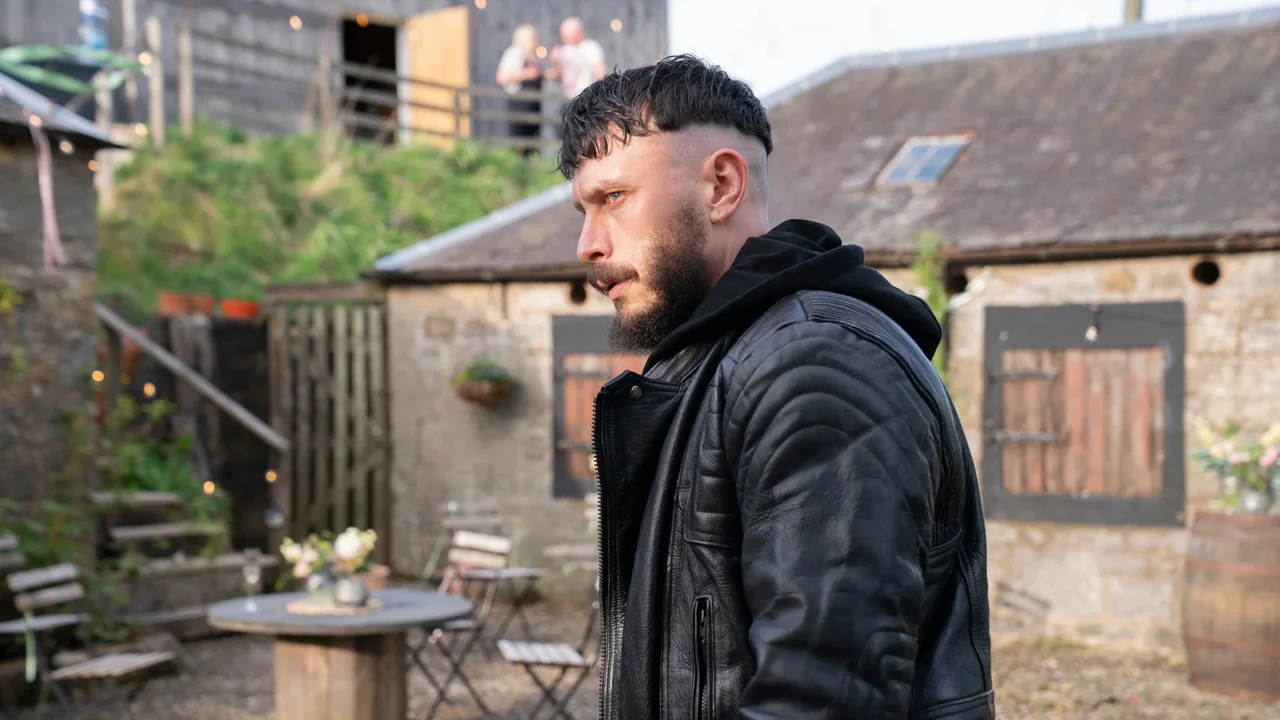
Jamie Bell and Richard Gadd: performances that make the relationship convincing
The acting is one of Half Man's greatest strengths, particularly because the series requires performers who can express contradictory emotions without constantly relying on dialogue.
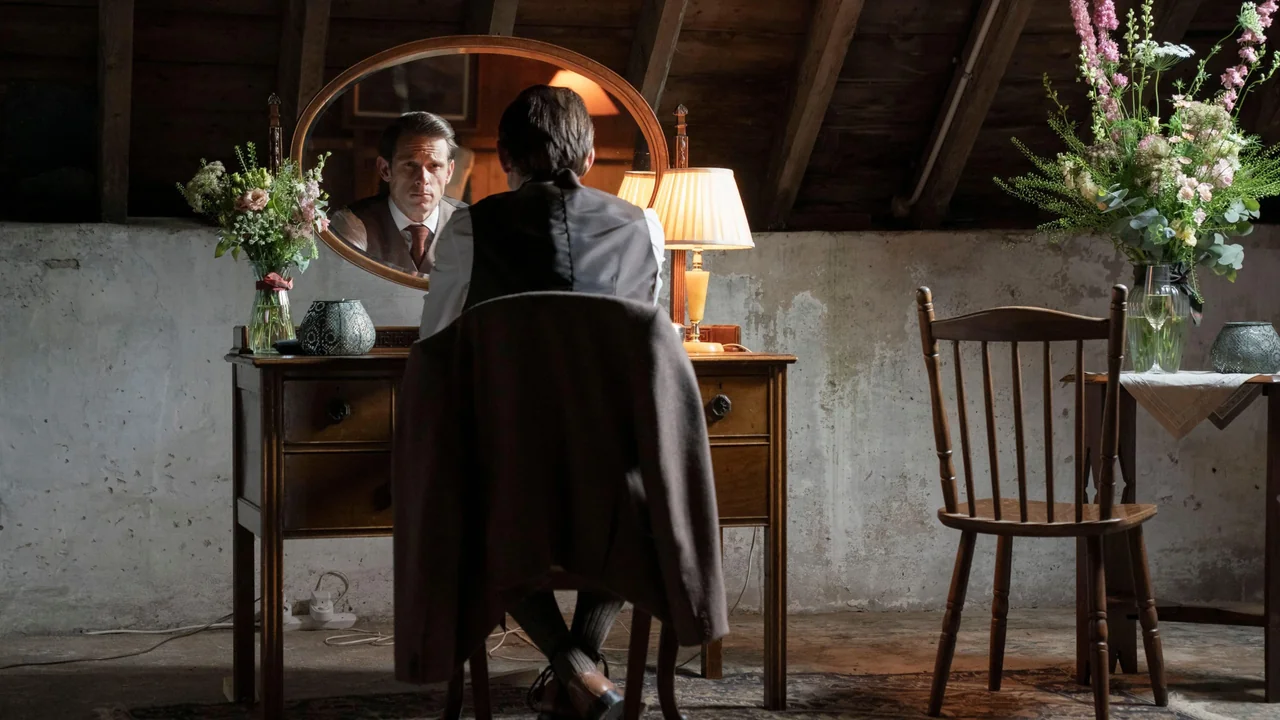
Jamie Bell portrays the adult Niall through a performance that depends heavily on small details.
There is a constant sense that the character carries years of fear, regret and embarrassment, trying to hide it all behind an apparently calm exterior.
Even when he says little, you can notice the tension in his eyes and how he interacts with other people.
Richard Gadd presents Ruben very differently from the character that made him famous in Baby Reindeer.
He relies on a violent physical presence, sudden emotional outbursts and an energy that makes viewers feel the character could lose control at any moment.
But what I liked most was not the angry explosions themselves. It was the moments before them.
Those moments when Ruben tries to act normally while we notice that his anger has not disappeared and that his calm may be temporary.
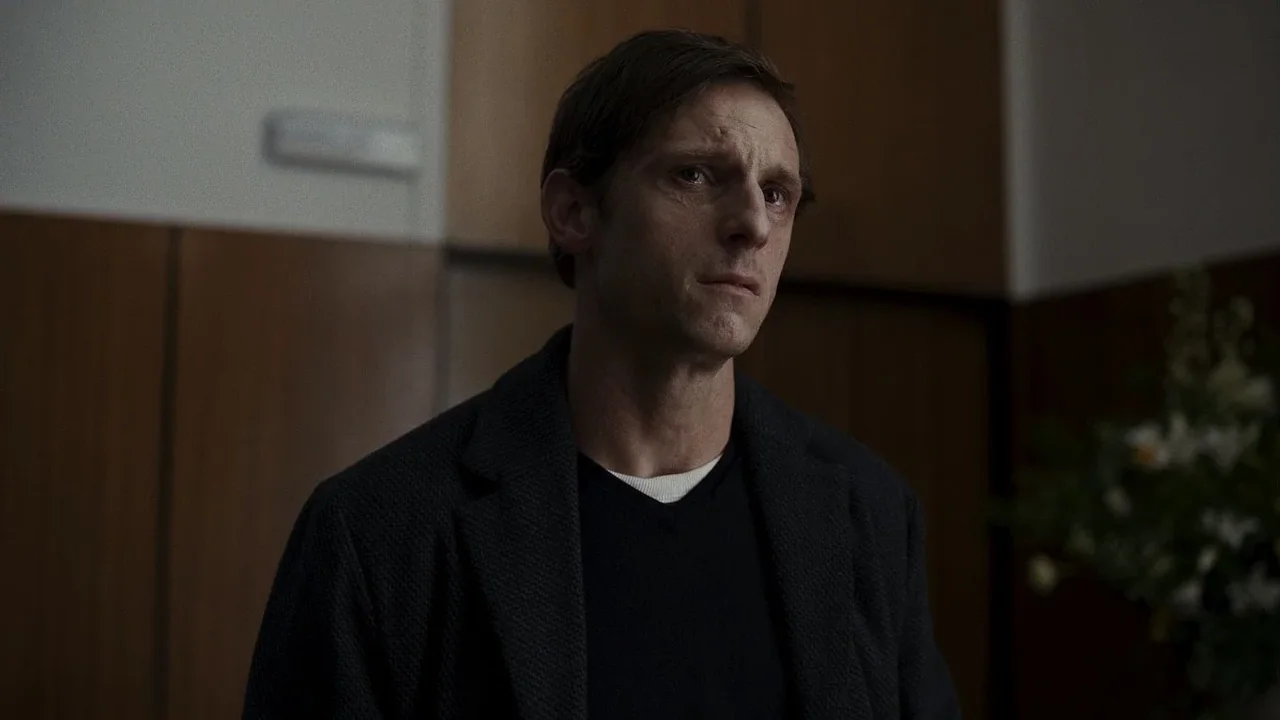
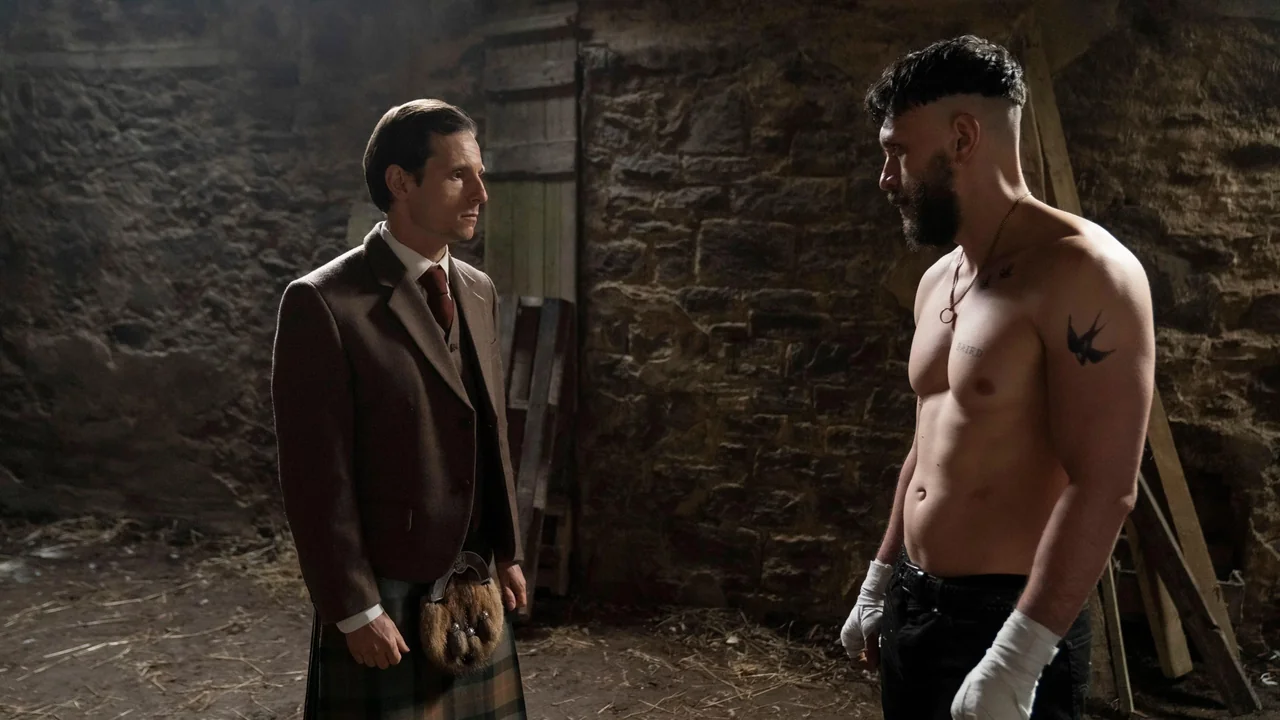
Mitchell Robertson and Stuart Campbell also deserve praise for their performances as the teenage Niall and Ruben.
Robertson gives Niall an innocence and sensitivity that make his later transformation more painful.
Campbell presents Ruben with unstable energy, combining the character's appeal with his ability to instill fear.
These actors make the transitions between ages convincing because we can see the effect of the years on the characters, rather than merely a change in their ages.
For me, the acting is one of the main reasons the series retains its power even when the screenplay becomes less cohesive.
Thirty years of pain: does moving between eras serve the story?
The series constructs its story by moving between past and present, using Niall's wedding as a central point to which the events return.
From the beginning, we know that Ruben's appearance on this day carries considerable tension, but we do not understand every reason their encounter has become so dangerous.
This construction creates clear curiosity for viewers.
We are not simply following what happened between them. We are trying to understand how their relationship reached this point after so many years of attachment and conflict.
I think the use of the past works extremely well in some moments.
Situations that seem simple during adolescence gain a different meaning when we see their effect on the characters years later.
The problem emerges when the series conceals information in order to postpone revealing it.
Not every mystery creates suspense, particularly when the overall outcome is predictable early on.
Sometimes it feels as though the work is delaying a confrontation we know is coming instead of using the time to develop the characters more deeply.
The time jumps also leave some important psychological changes without enough space.
This weakens some later developments because we know the characters have changed but do not always see the stages that explain the change.
Even so, the chronology remains suited to the story. It keeps the past constantly present in the characters' lives, just as memories can retain a hold on people who cannot escape their influence.
A series that makes discomfort part of the experience
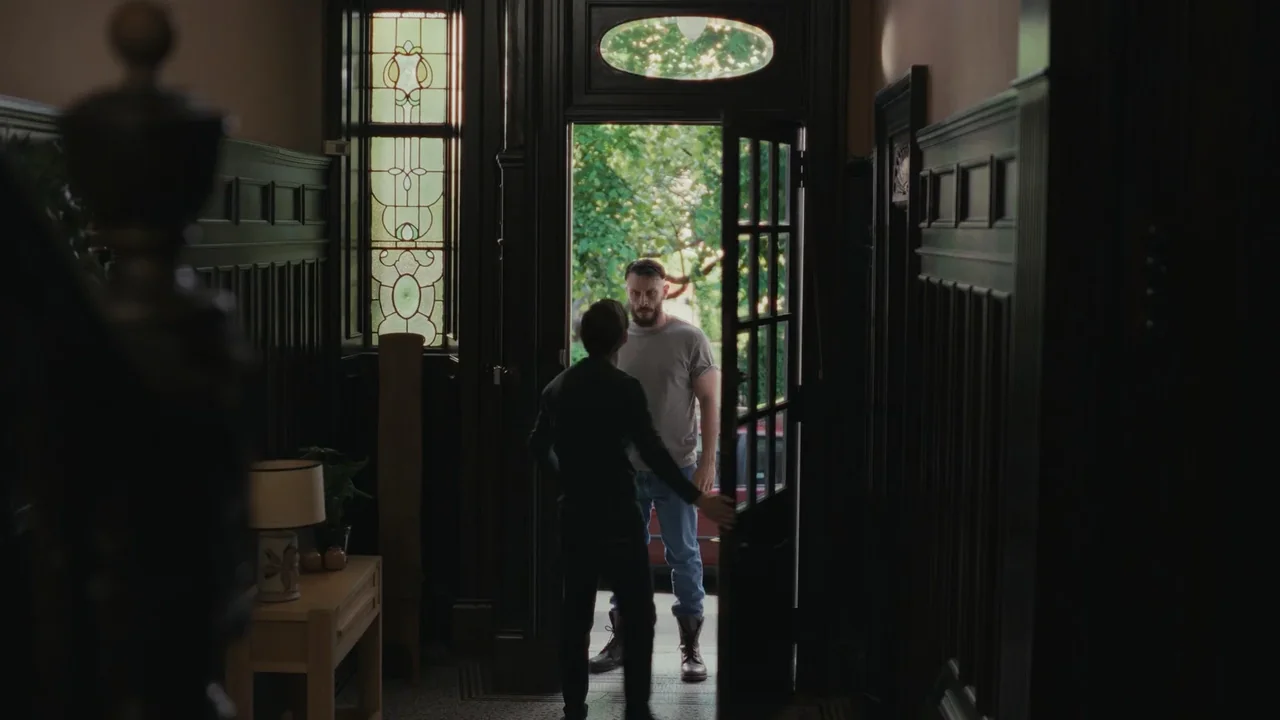
Some works try to frighten viewers through surprises, and others rely on mystery. Half Man uses a different method.
It makes you uncomfortable.
This feeling comes not only from physical violence, but also from the psychological tension within the relationships themselves.
A scene may begin with an ordinary conversation, yet the way the characters look at each other or a change in tone makes us anticipate a painful confrontation.
This is one of the series' most successful ways of creating tension.
It does not present violence as entertaining spectacle. Instead, it focuses on the psychological consequences and the helplessness left within the characters.
Some scenes are genuinely harsh, not only because of what happens, but because we understand the relationship between the people inflicting harm and those suffering it.
I think Richard Gadd succeeds in offering an experience different from many works that use violence merely to provoke shock.
But we have to acknowledge that this choice makes the series psychologically exhausting.
The six episodes offer little room for relief and use comedy to lighten the atmosphere only in limited moments.
This may make the experience difficult for some viewers, particularly because it addresses violence, psychological abuse and troubled relationships.
For me, this is not a flaw in itself.
A work discussing painful subjects is not always required to make viewing pleasurable in the conventional sense.
But harshness needs a clear dramatic function. Otherwise, its effect begins to diminish regardless of how powerfully it is executed.
The problem of repetition: when the idea becomes too obvious
Here we reach my greatest reservation about the series.
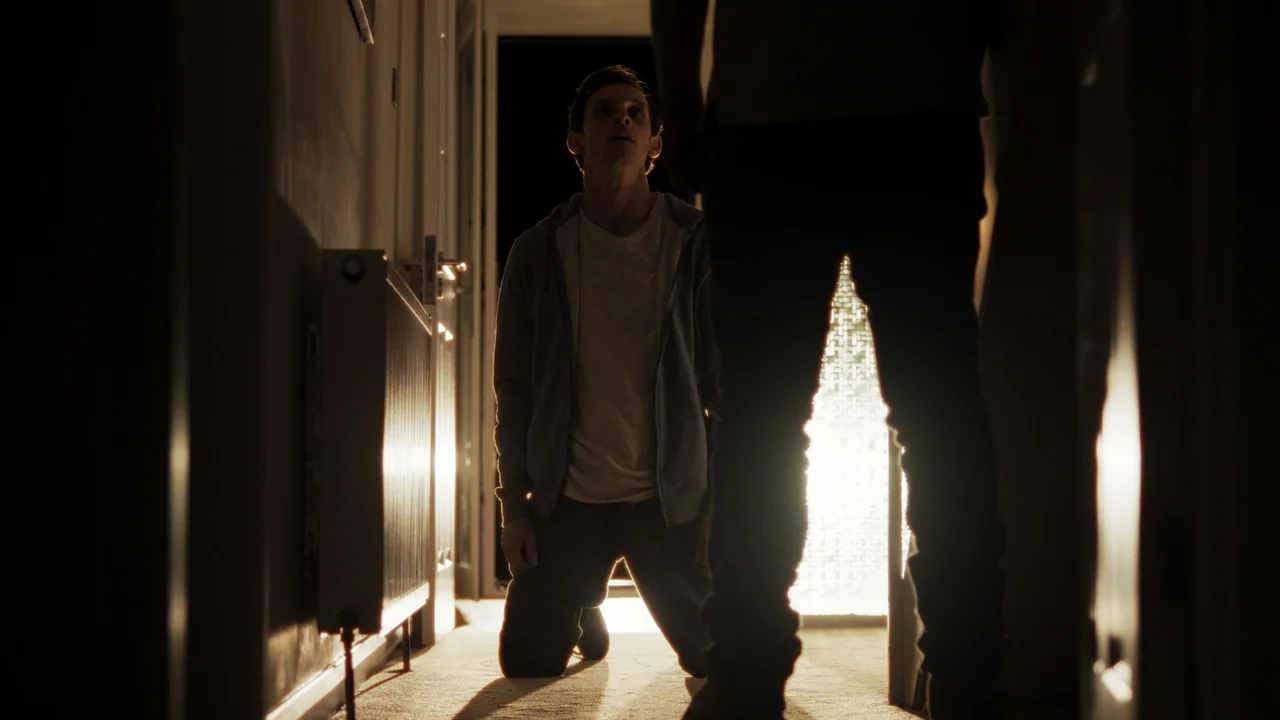
Half Man has a powerful psychological premise, but sometimes repeats the same dramatic pattern more than it needs to.
We watch attempts to leave a harmful relationship, then a return to its old influence, followed by another escalation in tension.
Psychologically, this repetition is understandable.
Relationships based on fear and emotional dependency do not always end easily. It is natural for characters to regress after trying to change.
Dramatically, however, each repetition needs to offer something different.
It should reveal a new side of the characters, change the relationship or make us reinterpret what we saw earlier.
The problem is that the series does not achieve this equally throughout its episodes.
Sometimes we already understand why the relationship continues, yet the screenplay keeps reinforcing the idea instead of moving to a deeper level.
This is particularly evident with Ruben. Anger remains his most prominent quality without development that always matches the considerable span of time covered by the events.
I think this is what prevents Half Man from reaching a higher level despite the strength of its premise and performances.
The series helps us understand the pain, but does not always turn this understanding into new dramatic development.
The ending: a powerful confrontation that does not settle everything
By the final episode, the central question is whether the characters' journey will lead to a real confrontation with the past or reproduce the same conflict in another form.
I think the ending preserves the tragic character that distinguishes the series.
At the same time, it feels more abbreviated than I wished, especially after all the time we spent following a complicated relationship spanning decades.
Some important changes could have benefited from clearer preparation to make their ultimate impact more convincing.
The ending also suggests that the series was more interested in communicating its central idea than giving every aspect of the characters a complete conclusion.
This does not mean I expected a happy ending or thought the series had to resolve every problem.
I wanted an ending that gave the psychological developments the same weight the events gave to violent confrontations.
Nevertheless, the work leaves a strong impression because it captures how difficult escaping the past can be, even when people fully recognize how much damage they have suffered.
Strengths and weaknesses
The principal strengths are the excellent performances by Jamie Bell, Richard Gadd and the younger actors, the bold psychological writing, the sustained tension and the treatment of the relationship between violence, fear and emotional dependency.
The principal weaknesses are the repetition of some patterns of conflict, limited dramatic development in parts of the story, some time jumps and an ending that could have been more convincing in its psychological construction.
Final verdict
Final verdict
Ultimately, Half Man is difficult to describe as an enjoyable experience, but it is certainly a powerful one worth watching. Richard Gadd delivers a bold and painful work that does not try to please audiences or offer idealized characters with whom it is easy to sympathize. He chooses to enter the most complicated side of human relationships. Although the series suffers from some repetition and its ending does not quite reach the level I hoped for, the performances, psychological honesty and sustained tension make the experience affecting. I recommend it to viewers who enjoy demanding psychological drama and seek unconventional treatments of characters and relationships, while noting that its harsh content may not suit everyone. For me, Half Man's value is not in providing comforting answers. It lies in helping us understand how a relationship that began with need and protection can gradually become something difficult to escape. My rating for Half Man: 8/10.
Your turn
My final question for you: was Niall truly unable to free himself from Ruben's influence, or was he so afraid of confronting his own identity that he held on to a relationship he knew was destroying his life?
AUDIENCE VOTE
Do you agree with the MB rating?
Choose once from this browser. You can change your answer at any time.