The review
Charlie and Max: when the impossible becomes a human longing
For me, Charlie's journey is the episode's strongest element.
The series has countless worlds and different versions of the same people, but here it uses all that science fiction to serve a painful, very simple desire.
Charlie wants to meet his twin brother Max.
Max died when they were four, so Charlie is not looking for someone he knew well and recently lost. He is searching for an entire life he never had the chance to live.
That is a beautiful detail in the writing.
Parallel universes suddenly become more than a means of travel or escape.
They offer a chance to confront the possibilities we were denied.
But what makes the journey compelling is the question of whether meeting another Max will actually give Charlie what he is looking for.
Even if Max is alive in a different world, Charlie cannot recover their lost years. Nor will that version necessarily be the brother he has imagined all his life.
The episode does not answer that, but helps us understand why Charlie risks entering the Box alone.
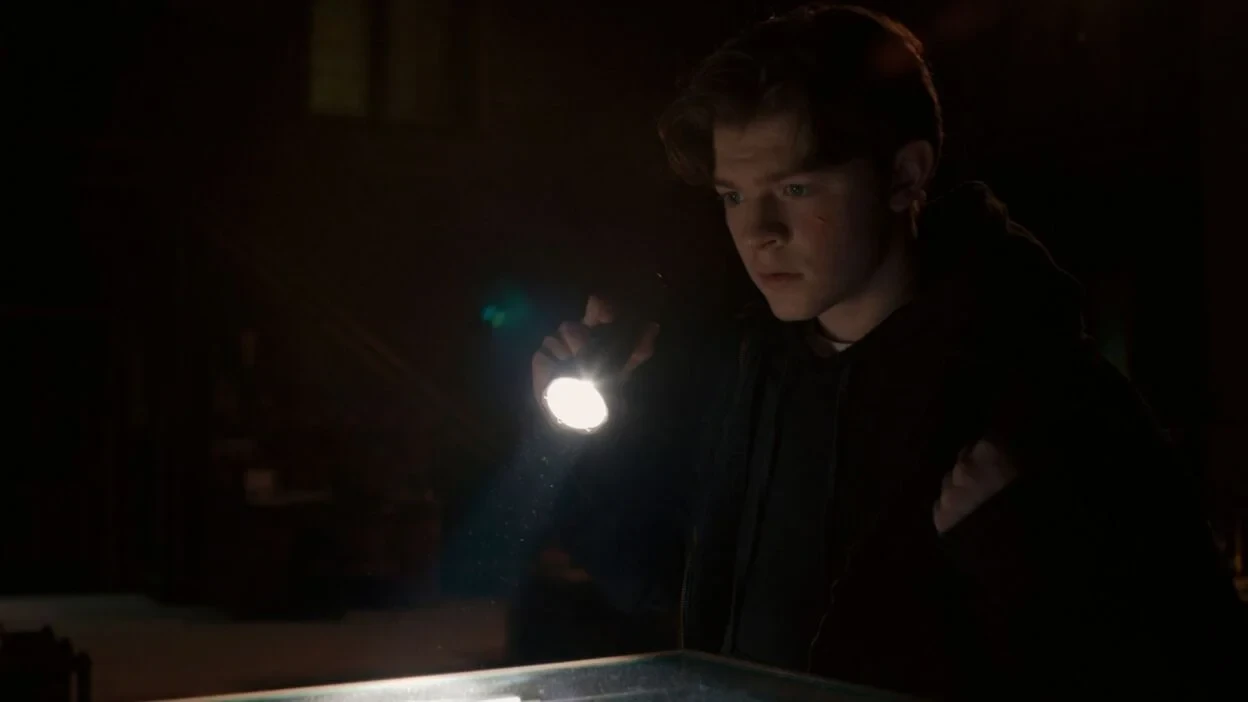
Oakes Fegley's performance serves the idea well.
He does not treat the journey as an exciting adventure. He shows fear, exhaustion and attachment to a hope that may be impossible.
That is particularly clear when he reaches the point of asking for help before opening one of the doors.
These are the moments when Dark Matter truly works: when a large scientific idea becomes an extension of a small human feeling.
Laurel: the quietest door may hide the biggest secrets
Charlie's arrival at Laurel's house is one of the episode's most intriguing moments.
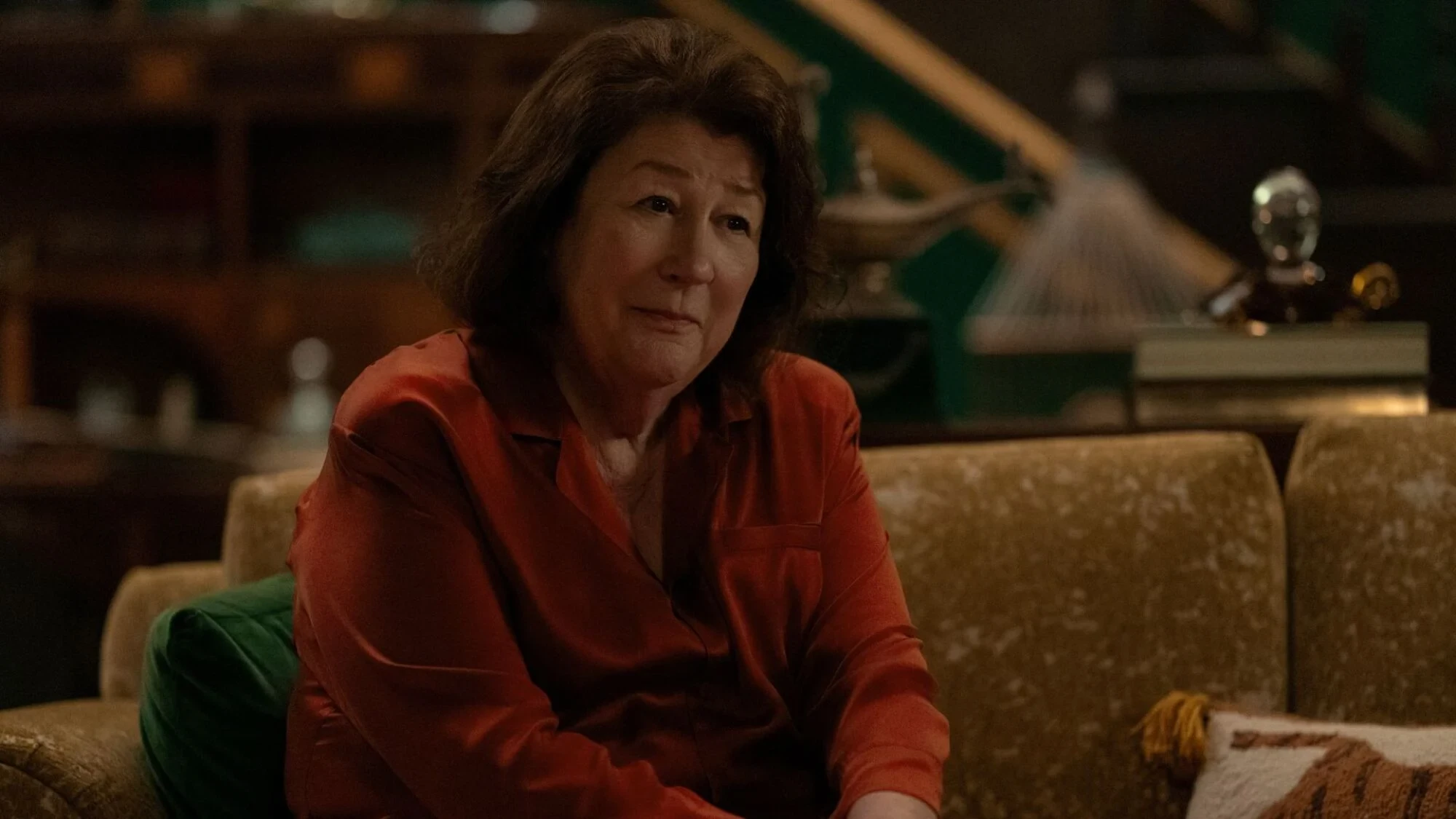
After dangerous worlds and mysterious corridors, we suddenly find an apparently safe home, a library and a woman who welcomes travelers as though visitors from different universes were entirely ordinary.
Small details, however, make this calm feel strange.
The Box is inside the house.
Laurel has notebooks bearing the names of different travelers, from Jason and Amanda to Ryan, Blair and Leighton.
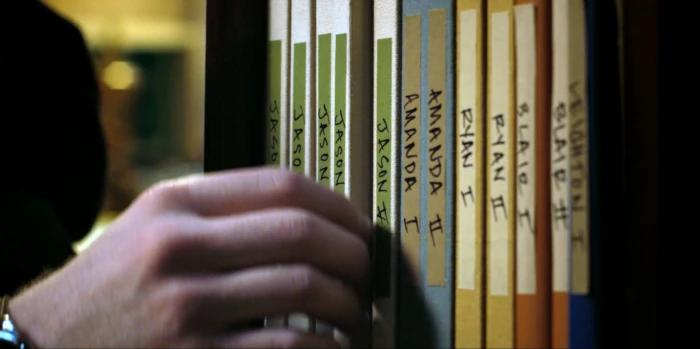
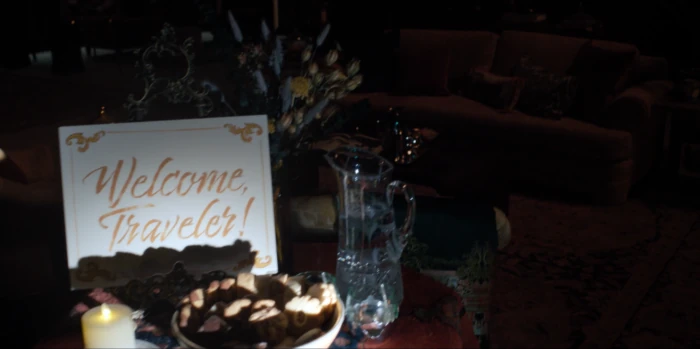
She does more than offer help. She collects the stories of people passing through her world.
This opens a fascinating possibility: is Laurel simply a woman who decided to help strangers, or are her house's location and her knowledge of the travelers connected to something larger that we do not yet know?
There is not enough evidence to decide, and that is the character's strength at this stage.
Margo Martindale plays Laurel with a calm warmth that invites trust without entirely removing the sense that she knows more than she says.
Then someone enters whose identity the camera does not reveal.
Charlie sees the visitor and is moved, but we do not know who it is.
The series creates curiosity effectively, although once again it conceals important information simply to postpone an answer.
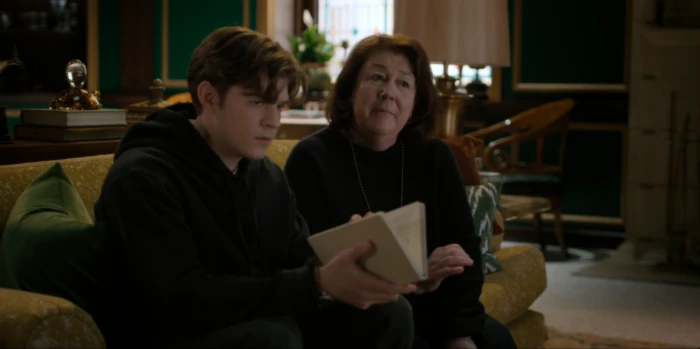
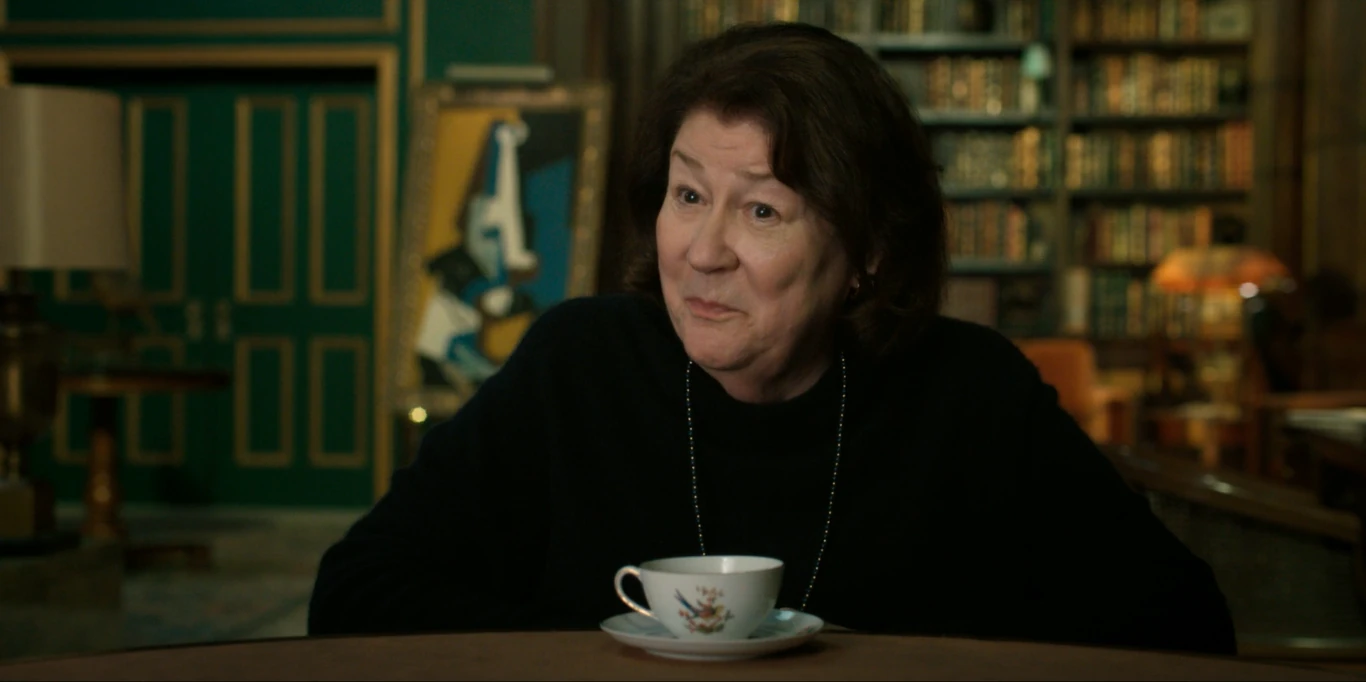
The difference this time is that Laurel is interesting enough to make us want to return to her even apart from the mystery visitor.
Amanda and Ryan: when travel between universes destroys a whole world
Amanda and Ryan's storyline offers a very different rhythm from Charlie's relatively quiet journey.
Their world initially seemed a better place to live, but the Black Iris epidemic has turned it into a catastrophe.
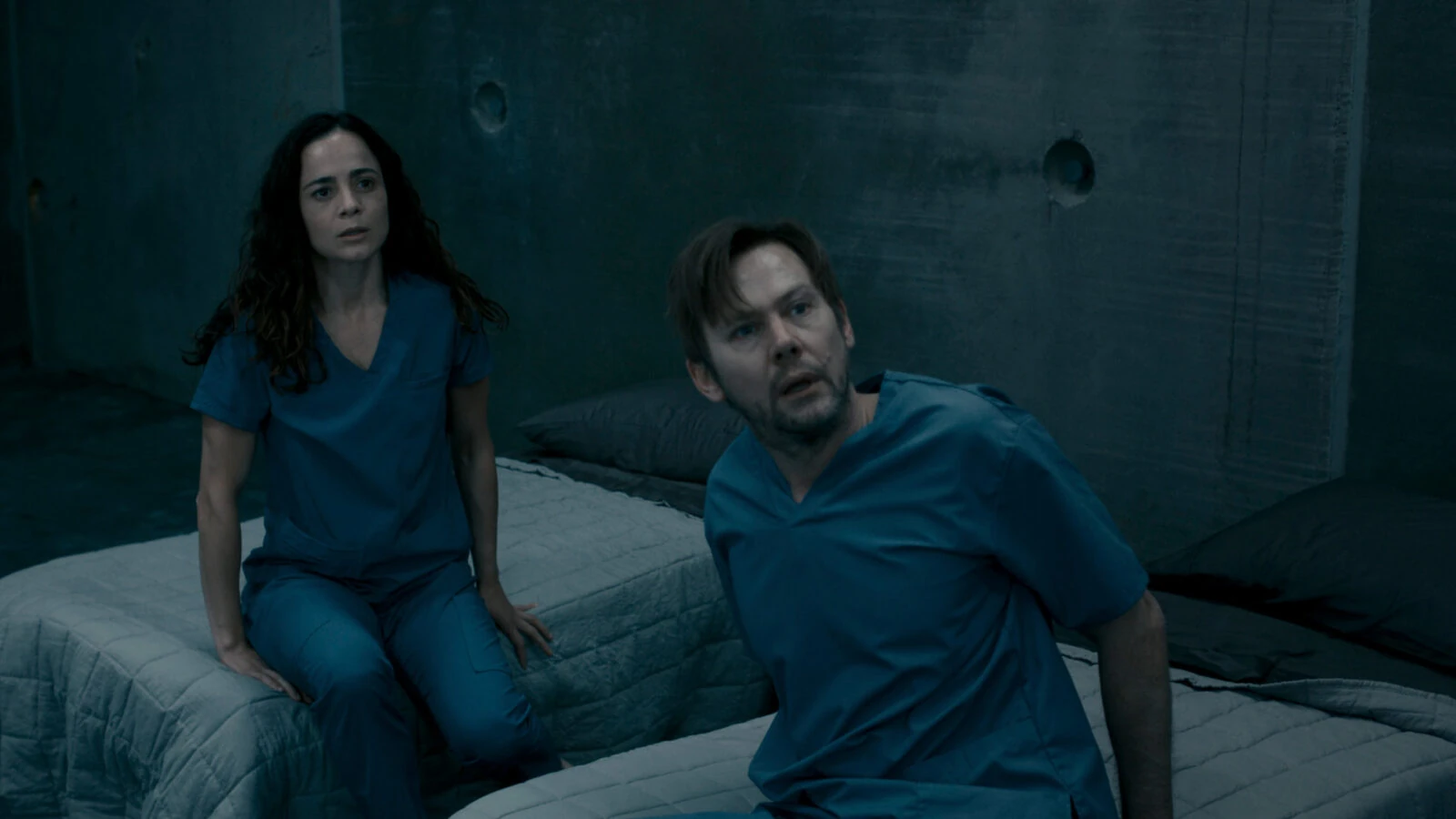
More troubling still, other versions of Ryan and Amanda were connected to the infection's arrival in that world.
The series presents a terrifying consequence of its central idea.
Travel between universes does not transport only people.
It can carry diseases, dangers and things that did not previously exist in the destination world.
Ryan feels responsible even though he was not personally the version who introduced the epidemic.
He recognizes that the ability which opened a route to this world made the catastrophe possible.
That is more powerful than simply presenting a world full of disease and soldiers.
But I do not think this storyline gets enough room to establish that world before its collapse.
We hear about the disaster's scale and see security measures, panic and restrictions, without spending long enough with the society coming apart.
The place consequently feels more like a dangerous arena to escape than a complete world whose loss we can feel.
Even so, the escape itself successfully raises the tension.
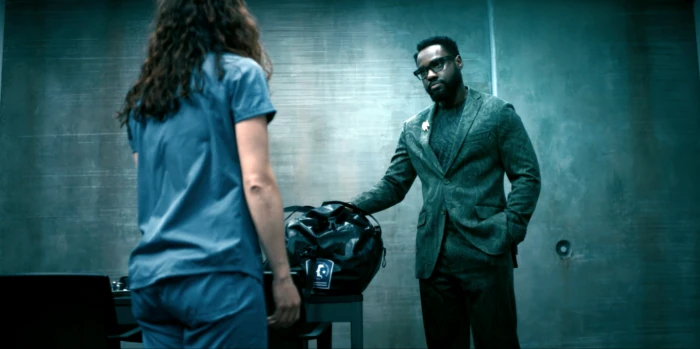
Help from this world's Leighton gives them a chance to return to the Box, and the pace suddenly shifts into a direct pursuit.
Then Amanda is injured at the last moment.
The episode does not confirm her death, leaving her fate open.
I find that threat affecting precisely because Alice Braga has been one of the series' most grounding presences since season one.
Amanda is not simply another traveler in the corridor.
She gives the journeys a human dimension. The possibility of losing her makes the ending more tense than merely adding another Jason to the story.
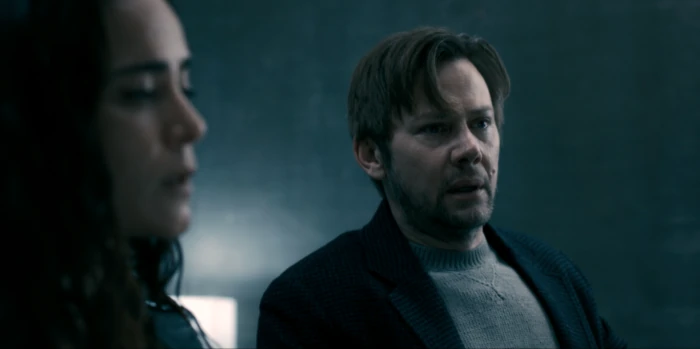
Daniela: when multiple versions reopen an old wound
Daniela's storyline has little action, but adds an important psychological layer to the episode.
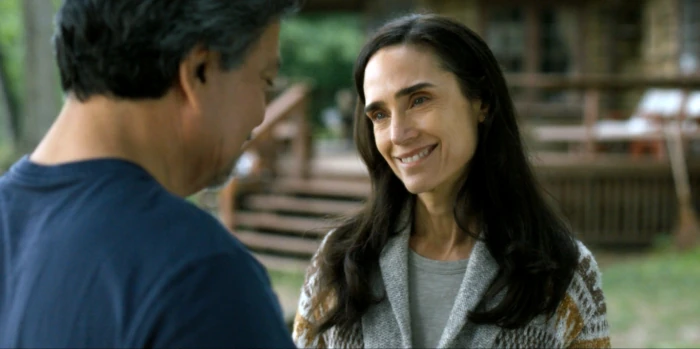
Meeting another Gabriel gives her a rare quiet moment and a chance to discuss what she can no longer understand within her family.
The existence of multiple versions touches an old wound.
She previously struggled to understand the contradictions in her father, between cruelty and moments when he seemed different. That experience now returns in a stranger form through the multiple versions of her husband.
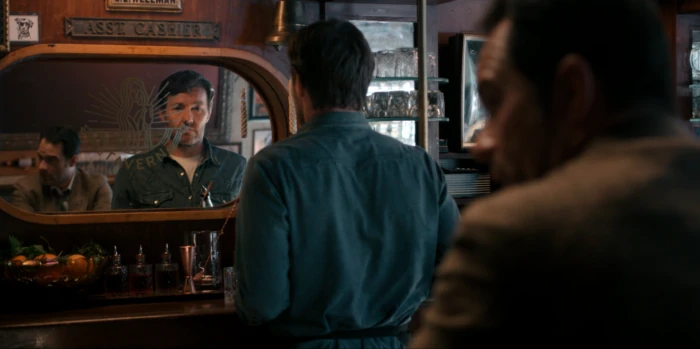
Daniela no longer knows how to deal with Jason. Charlie feels he has lost his world, and every attempt at stability seems threatened by another door opening.
When she discovers that Charlie entered the Box to look for Max, she decides to follow him.
The choice makes emotional sense but further complicates the problem.
More troublingly, she leaves Jason a message that he does not see.
The series uses coincidence and poor timing to raise tension. This has begun to recur enough that I wish some crises would arise solely from the characters' decisions, rather than someone leaving moments before another person arrives.
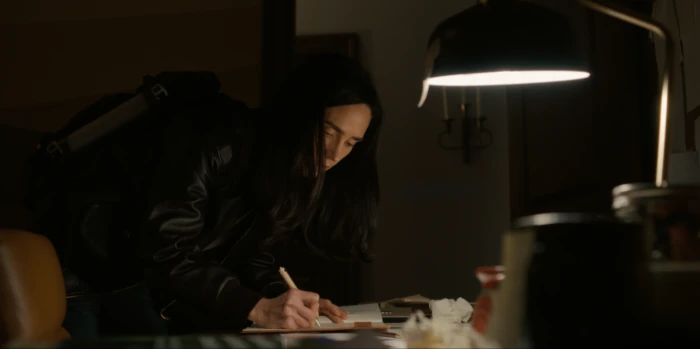
The Pyramid: an ambition that could swallow universes
Leighton's new project is the episode's biggest development in building its world.
The Box is no longer enough for him.
He wants a larger version capable of transporting more people, perhaps even vehicles and entire loads of resources between universes.
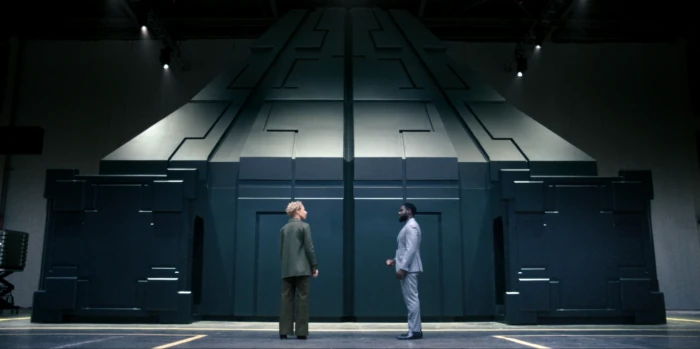
He already has exploration teams and a map of dozens of worlds they have reached.
From his perspective the project seems a natural step toward a better future. To me, it carries the season's most dangerous possibility so far.
The original Box's problem was that even a small number of people could cause a catastrophe in another world.
What happens when travel becomes broader and easier, perhaps available to whole groups?
The series moves beyond personal identity to ask about the limits of scientific progress.
Leighton sees the worlds that can be saved.
He does not give equal weight to those that could be destroyed.
Worse, the project is not technically complete, yet he seems ready to continue because its positive possibilities tempt him more than its risks trouble him.
I appreciate that the series does not portray scientific ambition as inherently evil. It does show that good intentions do not give someone the right to ignore consequences.
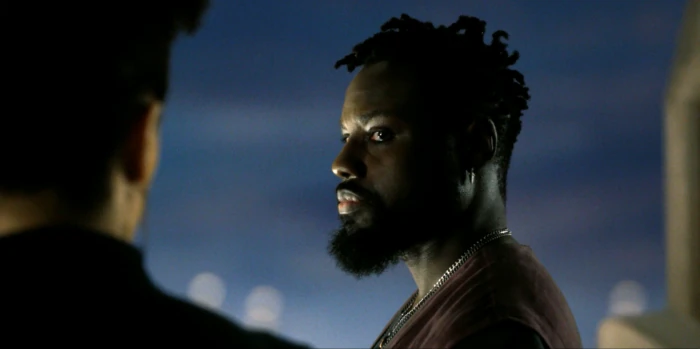
Blair and Jason Two: admitting a mistake does not erase its consequences
The episode's best debate comes when Blair faces Leighton and Jason Two.
Jason Two says he is trying to repair what he did and become someone he can look at without self hatred.
Blair does not readily offer that forgiveness.
She is right not to.
Acknowledging regret is one thing. Returning to work on the technology that allowed the catastrophe is something else entirely.
Blair knows this because she carries enormous guilt herself.
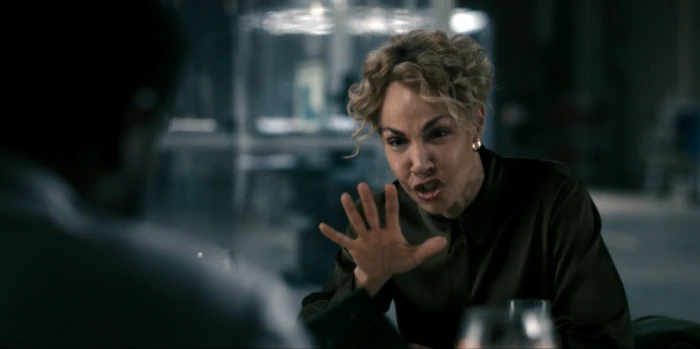
She has seen how a scientific experiment can become a tragedy, and refuses to help develop a project giving people even greater power to tamper with universes.
The confrontation works because it is not between a good person and a bad one.
These people have made mistakes, but differ in how they understand their responsibility for them.
Jason Two wants another chance to repair his image of himself.
Leighton wants to keep pursuing his dream.
Blair believes some mistakes cannot be repaired by repeating the experiment on a larger scale.
Jason One: is he becoming what he once hated?
What Jason One does to Mitchell McNamara made me rethink the central character more than anything else in the episode.
Jason has spent much of the series as the victim of another version's decisions.
His life was stolen, and he was forced to face worlds he never wanted to enter.
Now we see him use the Box to dispose of someone threatening his life.
Mitchell is investigating and approaching the truth. Jason tries to push him away, then makes a dangerous decision: he tricks Mitchell into the corridor and leaves him there.
We do not yet know Mitchell's fate.
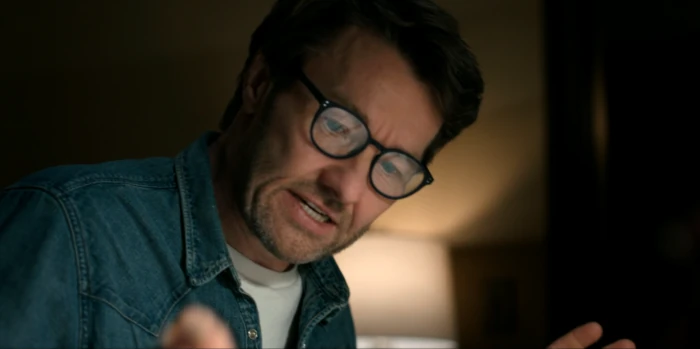
We do know that Jason has exposed someone else to enormous danger to protect the world he wants to keep.
The series cleverly returns to its original conflict.
What is the real difference between Jason One and Jason Two when both start using the Box to shape their lives at other people's expense?
That does not mean they are morally identical. But Jason One can no longer think of himself only as the victim.
He is now responsible for actions that could destroy other lives.
The episode ends this thread with an unexpected confrontation between the two versions.
Jason Two appears at the door while Jason One is occupied with a new discovery, unaware that Daniela and Charlie have entered the corridor.
The episode has not yet confirmed what Jason Two wants from this meeting.
It puts them face to face at a moment when the differences between their choices have become more interesting to debate.
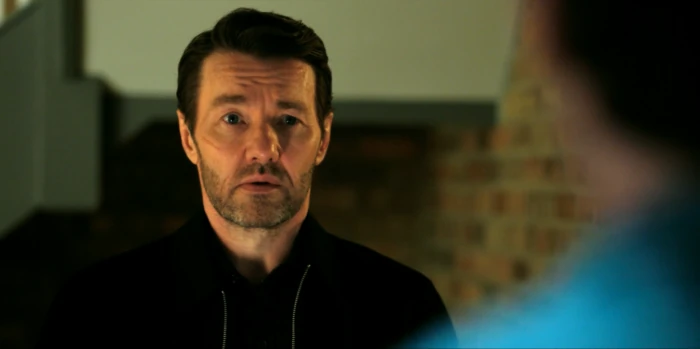
Fragmented worlds: has the series become too complicated?
Episode seven is narratively very ambitious, perhaps more than its running time allows.
The editing moves between Charlie's quiet journey, Amanda and Ryan's escape, Leighton's project, Jason's family crises and confrontations involving the different versions.
These shifts create welcome variety in the pace.
Some scenes rely on silence and mystery, others on action and tension, and others on psychological confrontations.
But the sheer number of storylines sometimes begins to weaken the scenes themselves.
Just as we begin to connect emotionally with someone, we move to another world and another character, having to recall which version we are following, what they know and what previously happened to them.
That complexity is not inherently a mistake.
On the contrary, it is one reason Dark Matter stands out.
The problem comes when tracking information takes more effort than following emotions.
Episode seven approaches that problem more than once.
It also relies on many postponed answers, particularly the identity of Charlie's visitor, Amanda's fate and Jason Two's reason for returning.
These are compelling cliffhangers, but place substantial responsibility on the coming episodes.
Opening mysteries is relatively easy. Offering answers that make all this groundwork feel necessary is the real test.
Strengths and weaknesses
The strengths are Charlie's human journey, Laurel's mysterious presence, the tension of Amanda and Ryan's escape, the debate over the Pyramid project and the troubling moral development of Jason One.
The weaknesses are scattered storylines, too little time with the epidemic world and an increasing reliance on delayed answers, alongside transitions that make tracking versions and relationships more complicated than the drama needs.
Final verdict
Final verdict
Episode seven is not the season's most coherent hour, but it is among its most important in clarifying where the story is going. The series no longer uses parallel universes only to ask what would have happened if we had made a different decision. It also asks what happens when we possess the ability to change everything without the wisdom to bear the consequences. That shift gives the season greater ambition and takes the conflict beyond Jason and his family to the future of whole worlds. I think the episode is worth watching for those who have followed the season and invested in its characters, especially for the strong moments within all this branching. But I hope the remaining episodes begin bringing the threads together rather than adding more. Dark Matter now has enough ideas and secrets to build an affecting ending. More than anything, it needs to let its characters pay the real price of their choices, rather than merely surprising us with what lies behind the next door.
Your turn
Has Dark Matter's expansion into so many characters, versions and worlds made season two more exciting, or is it losing the human focus that distinguished its first season?
AUDIENCE VOTE
Do you agree with the MB rating?
Choose once from this browser. You can change your answer at any time.