The review
A new chapter and an old threat
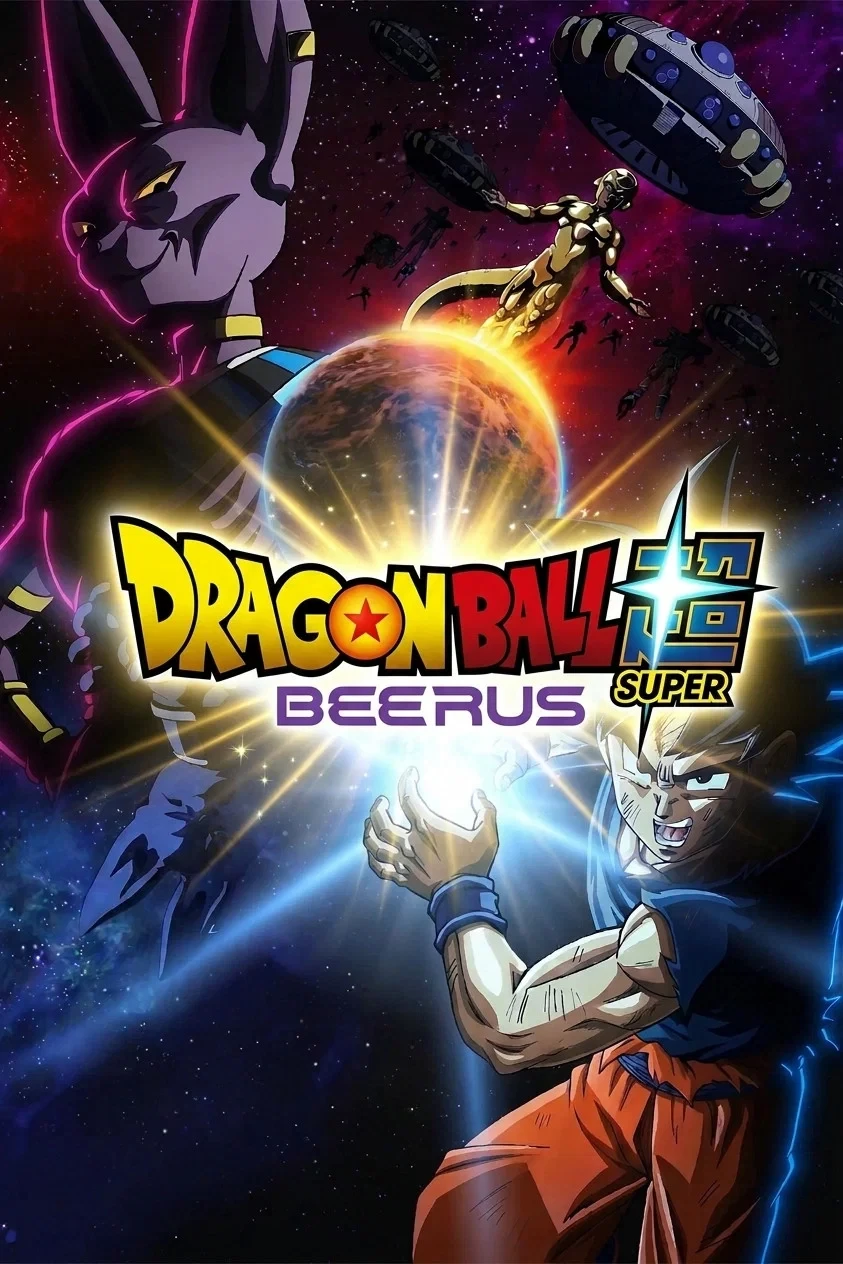
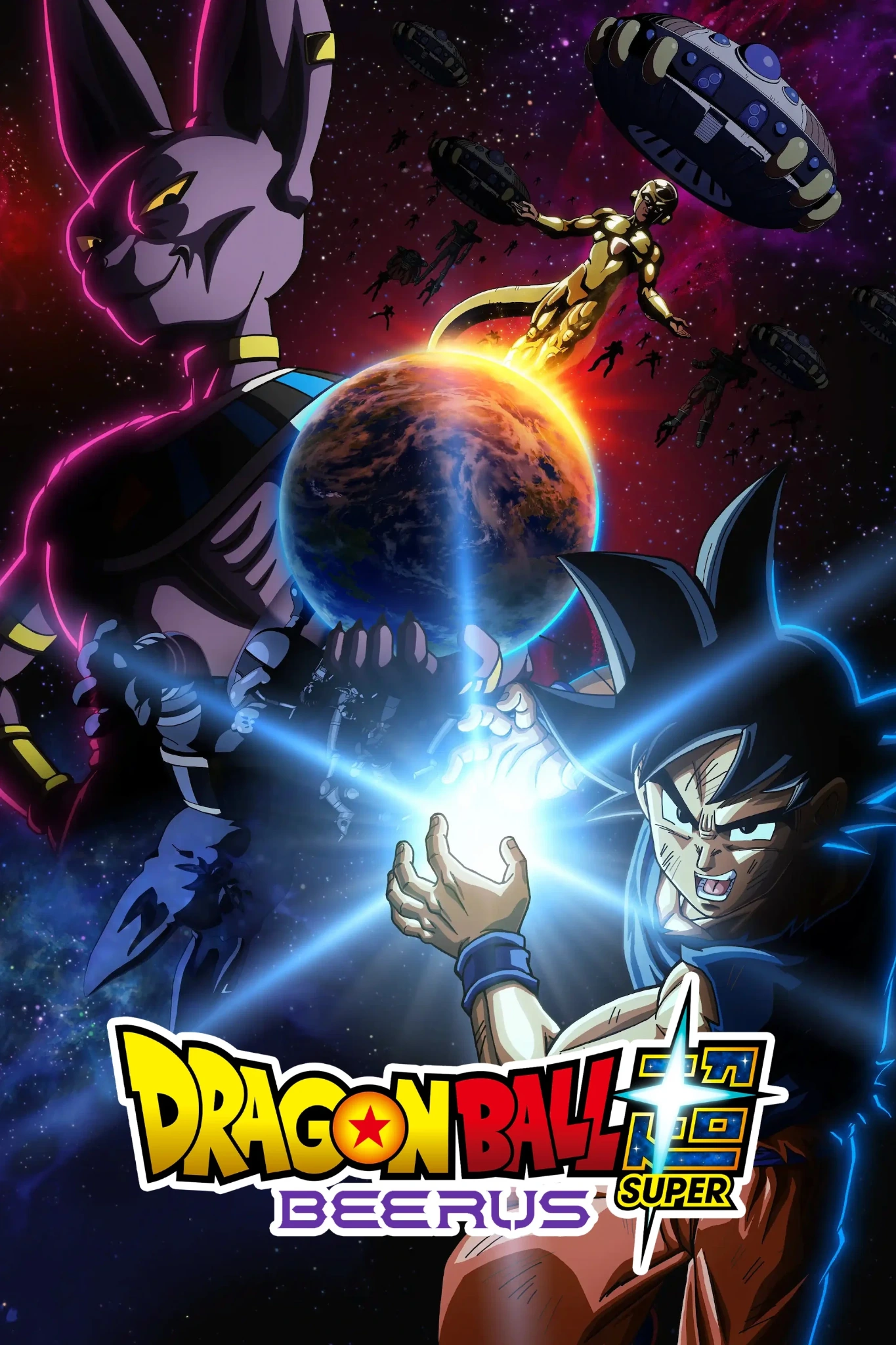
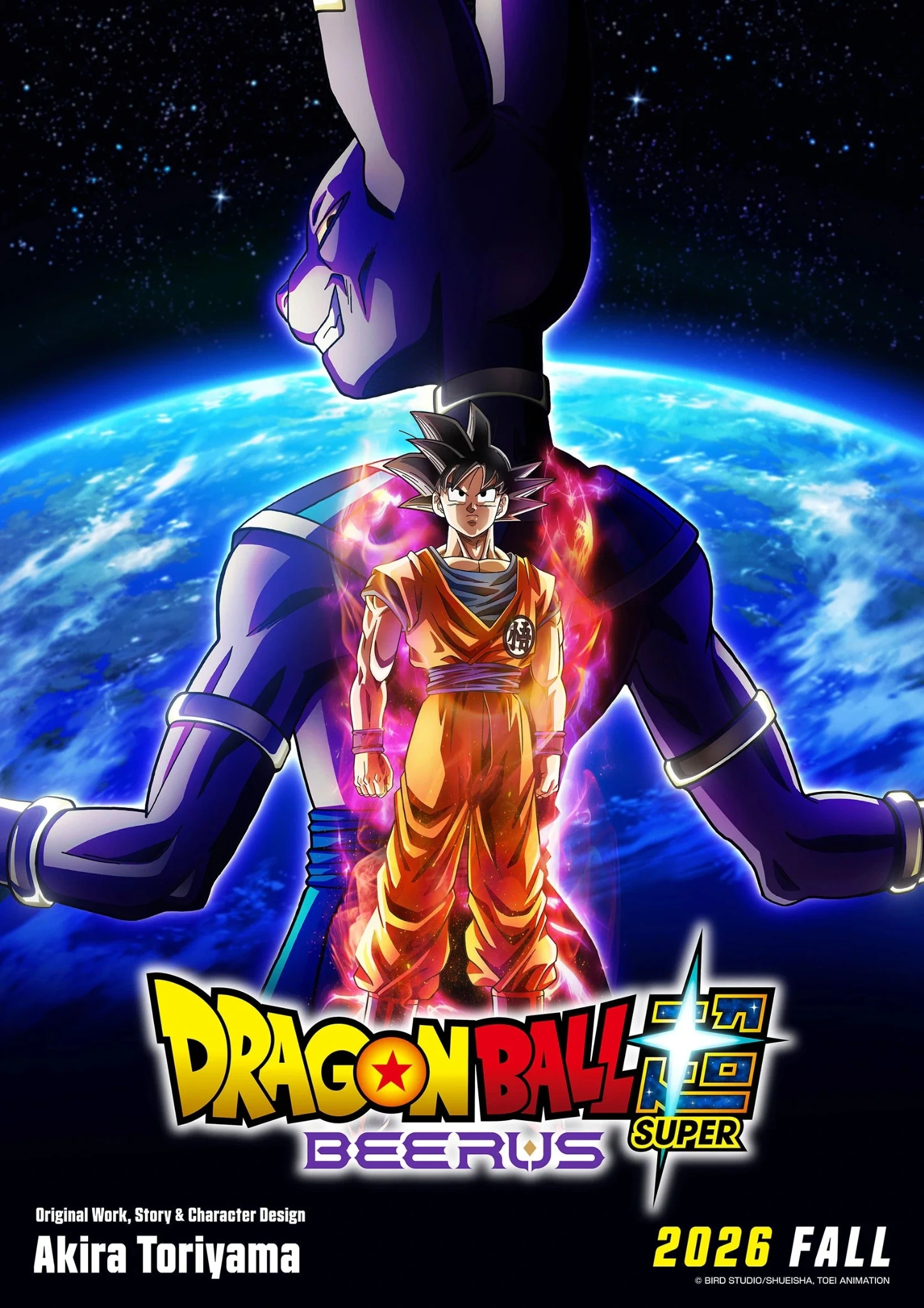
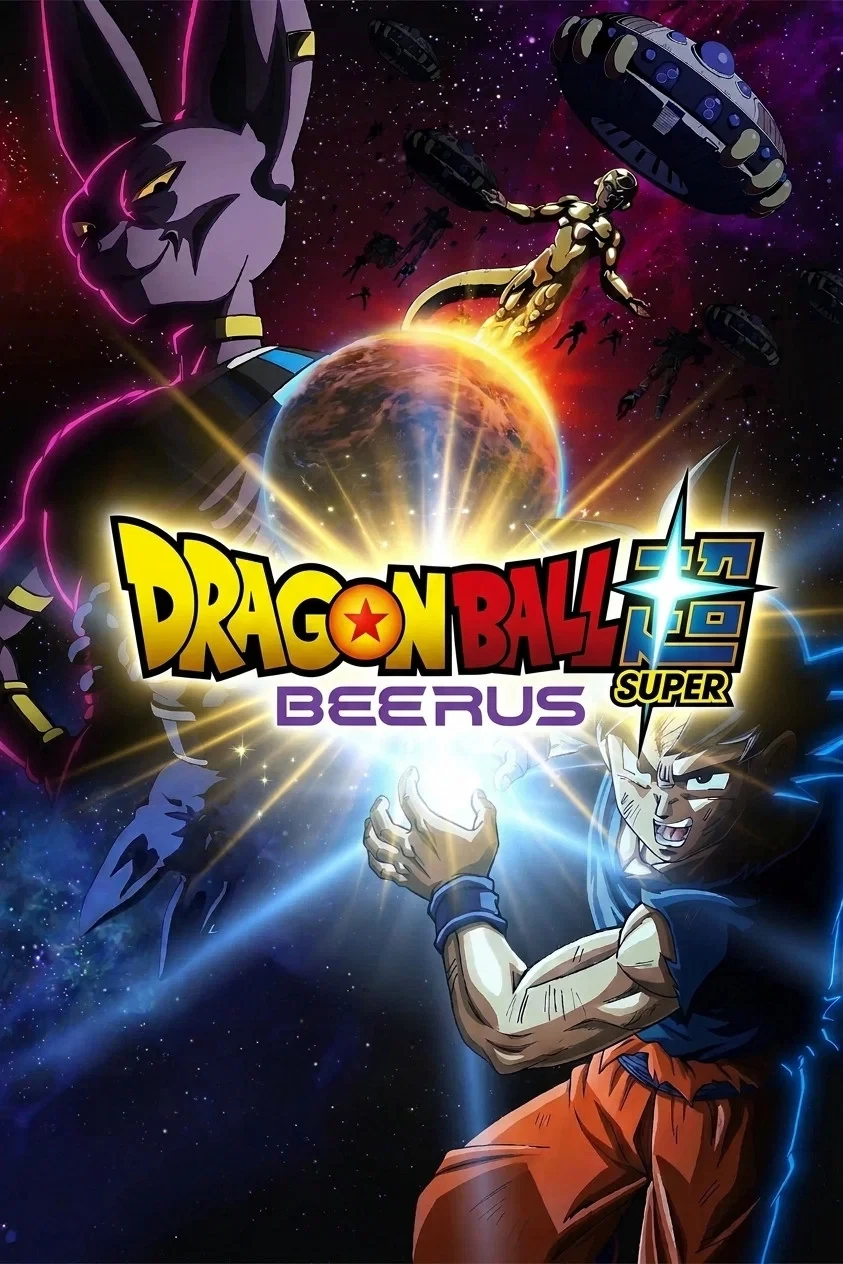
Episode seven of Dragon Ball Super: Beerus moves into a new part of the story and gives us little time to enjoy the journey there. While Goku and Vegeta continue training under Whis, what remains of Frieza's army heads to Earth to bring its leader back to life.
The episode is trying to do two things at once. It wants to reach the new conflict sooner and revisit details from the original with the benefit of what the series developed later. The result has good ideas and some sound directorial choices. It also raises the question of what goes missing when getting through the story quickly takes priority over its personality.
Reaching the conflict before building up to it
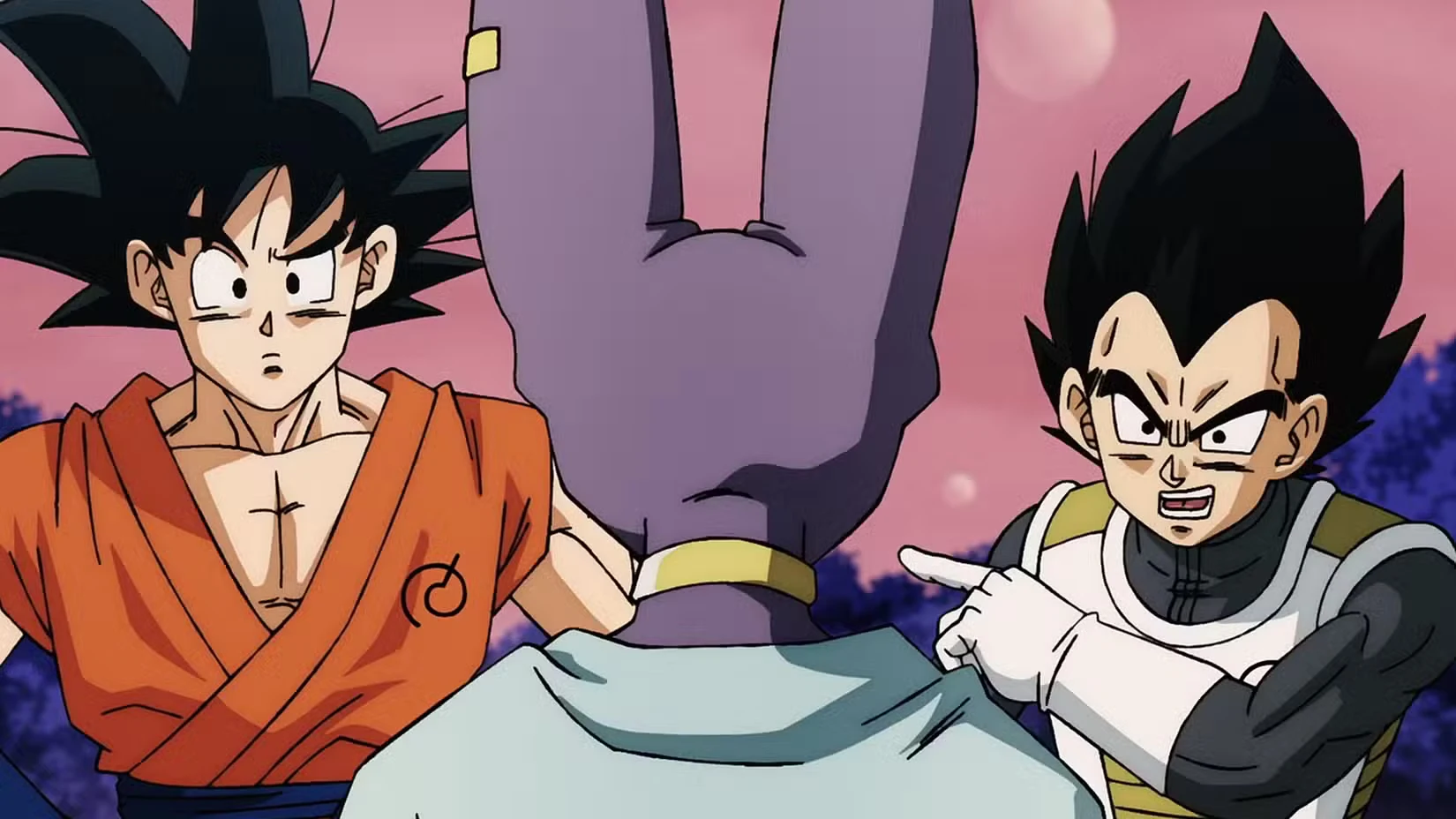
The first thing that stands out is how the episode gets to Frieza's return. It skips much of the lead-up in the original version and puts us straight into Goku and Vegeta's training with Whis on Beerus's planet.
The practical reasoning is clear. The episode wants to start Frieza's story without spending too long on the setup, and some of what it removes consists of comic situations that do little to alter the direction of the plot. It gives the main conflict priority over the many small events that preceded it.
The real question is which scenes can be spared and which ones the story needs.
Cutting a scene that adds little is one thing. Cutting a string of encounters that show how the characters relate to one another has a different cost. At times the episode treats those details as expendable even though they gave the events context and personality.
The training with Whis is a clear example. Most of it focuses on sparring and physical drills. Missing are the moments that showed how Goku and Vegeta got here and how their relationship with their new teacher began.
We get to the result sooner and lose part of the journey that made the result matter.
To me, the episode moves the plot forward successfully. The transition itself feels abrupt and dramatically incomplete.
Vegeta loses the most in the cuts
Vegeta is the character I think is most affected by this compression.
One of the developments worth keeping was the way Vegeta came to accept training under Whis. He is used to relying on his own strength and treats getting stronger as a matter of individual effort and determination. Seeing him accept a teacher who can surpass him tells us something important about how he is changing.
Cutting the steps that got him there makes his presence in the new training scenes less rewarding.
We see him train beside Goku and watch them spar. We get less of the context that could make those scenes feel like the continuation of a clear change in his character.
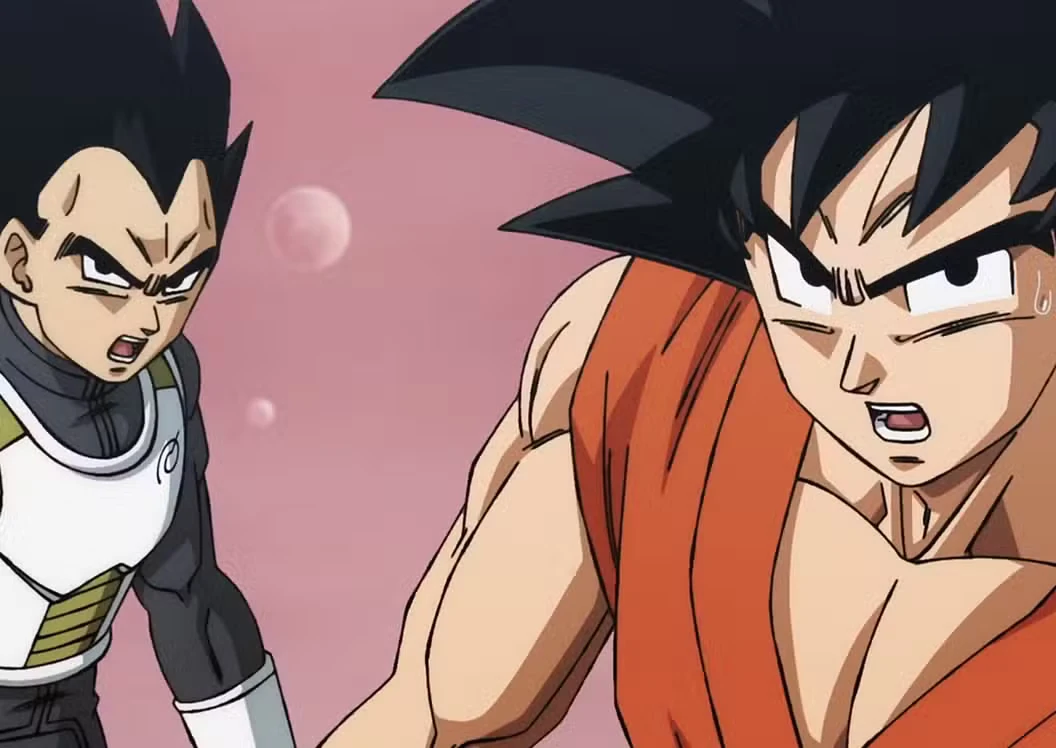
The problem is that more fighting alone cannot keep Vegeta compelling. His pride, his relationship with strength and how he treats others when he has to change his usual approach are just as important to him as a character.
Cutting the early stages of their training also takes away some details about Whis and his relationship with Beerus, along with parts of the story behind Goku's new clothes.
Some of those details needed little screen time. Keeping even a few could have made the jump feel less sudden.
Vegeta needs room to grow beyond the moments when he gets to fight.
Has the episode lost some of the spirit of Dragon Ball?
Another reason the compression matters is what it does to the humor.
Comedy was part of Dragon Ball's identity. It shaped the way the series introduced its characters, made room for unexpected situations and eased the intensity of a conflict when needed.
The depiction of Frieza's hell shows how the balance has shifted.
The scene has an unsettling atmosphere, with red eyes, images that suggest a sinister threat and the sight of Frieza trapped in something like a cocoon. The original scene drew a distinct humor from the juxtaposition with cute, doll-like creatures. Here the joke has less of an impact.
The images are deliberately stranger and darker, as if the aim is to get closer to Frieza's state of mind and show how deeply his surroundings irritate him.
That choice can work visually and gives us a different version of the scene. Its cost is a shift in tone that diminishes an important part of the series' personality.
The balance between action and comedy matters more here than the survival of every old joke.
That feeling is stronger in the scenes with Goku and Vegeta, where the focus is almost entirely on fighting and the everyday encounters and comic surprises that came with spending time around Whis have largely disappeared.
A whole facet of the work has less space, and little in the new material fills the gap.
Frieza's army and the start of the conflict
The remnants of Frieza's army give the episode a more intriguing storyline.
Since its leader's defeat, the army has lost much of what it once had. Some still believe that bringing him back can restore its strength and give it a leader again.
That sends Sorbet and his remaining forces to Earth in search of the Dragon Balls.
Their plan crosses paths with the Pilaf Gang, which has found the final Dragon Ball. Frieza's soldiers take control of the group and force it to summon Shenron so they can wish their leader back.
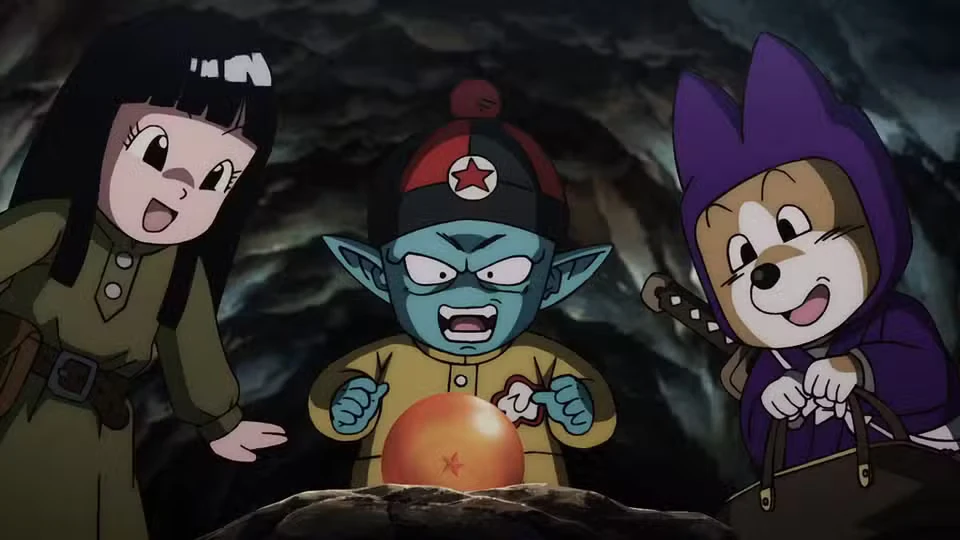
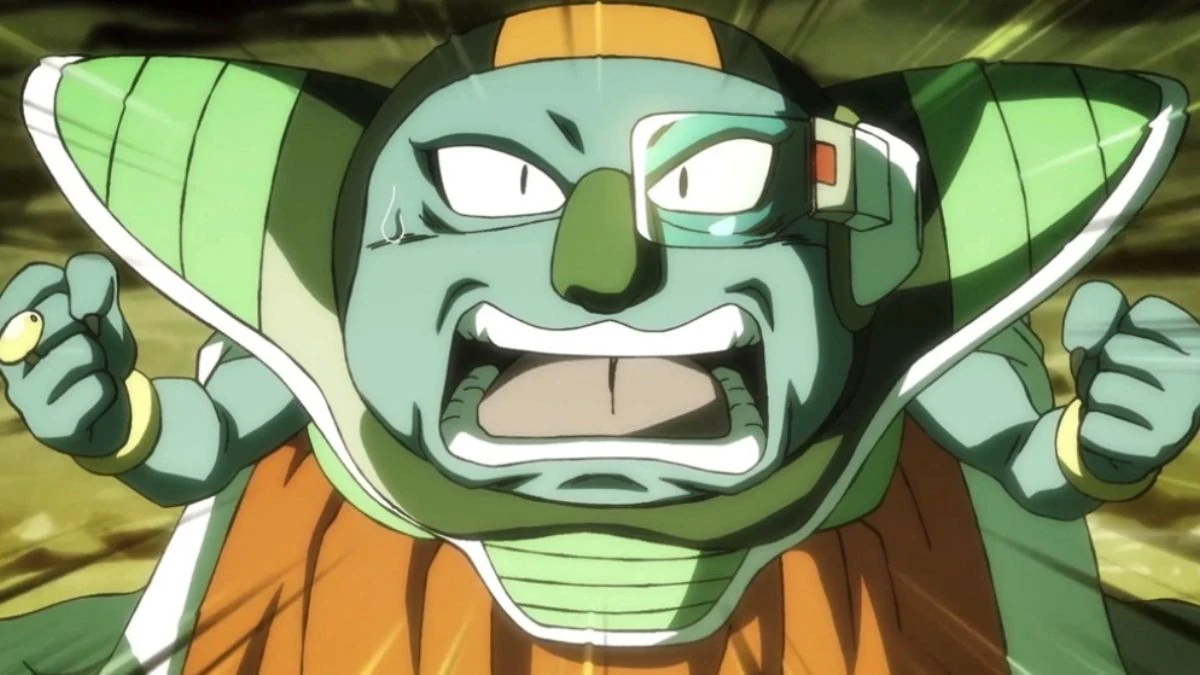
This gives the episode a direct transition from the training on Beerus's planet to the threat on Earth. It has a clear goal beyond showing one fight after another.
What I like most in this storyline is the way Frieza is brought back.
The wish takes a few extra steps. Reviving him proves more complicated than his soldiers expect.
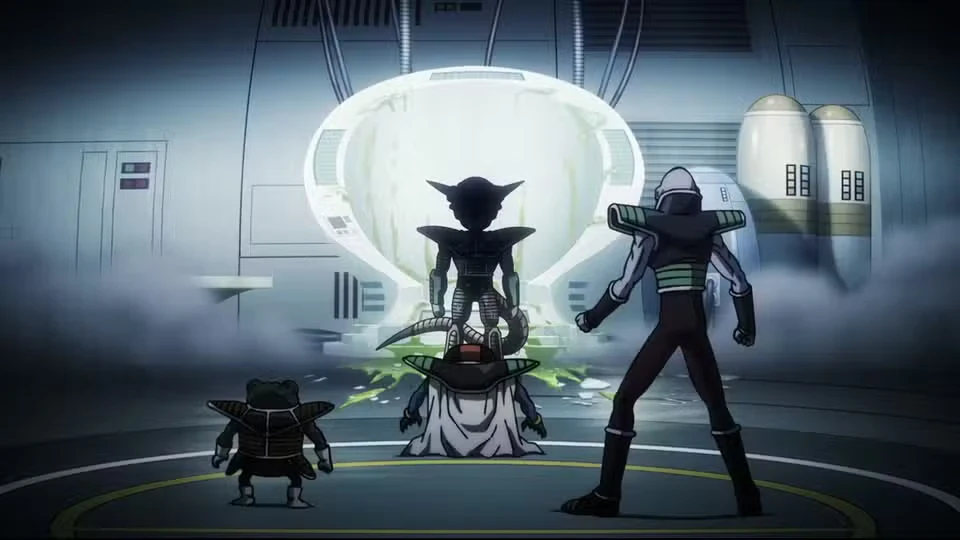
There is a small comic touch in the way Shenron carries out the wish. The rules bind him to grant their request, and the experience falls well short of the one they had in mind.
The moment brings some levity to the plot. It reminds us that Dragon Ball can use the rules of its world and its ideas about power to create comedy while the story keeps moving.
Frieza's return is the beginning of a new threat. For the soldiers it marks the end of their mission, while the other characters have a conflict ahead of them.
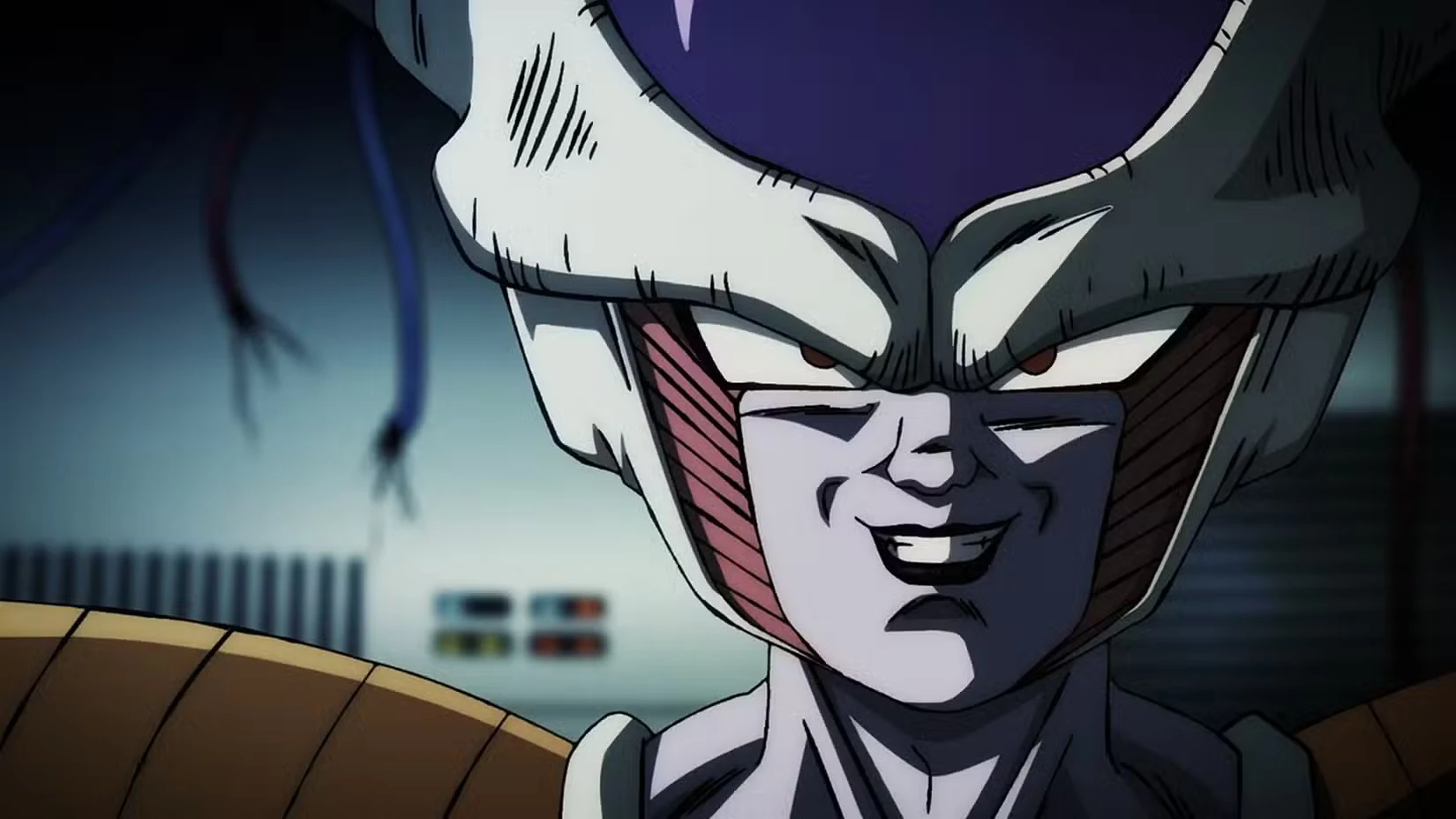
The episode ends as Frieza reappears with his familiar, sinister smile. The prospect of the coming confrontation is what stays with us.
Rearranging scenes brings the episode together
One of the episode's best choices is the way it rearranges some of Goku and Vegeta's training scenes.
The episode alternates between Beerus's planet and Earth. The original approach kept the training in a block and then moved on to the army's plan.
The change gives both strands a more balanced presence. We feel that the two developments are happening in parallel. Goku and Vegeta keep trying to reach a higher level of strength as the plan to revive Frieza moves closer to completion.
The episode also moves Beerus's awakening earlier, so we see his reaction to finding the Saiyans on his planet sooner.
Whis's conversation with the Oracle Fish returns in a different place in the sequence as well.
These changes are small and affect the flow of the entire episode.
Scenes drawn from different places now connect more clearly. The training feels like one part of a larger change in circumstances as Frieza's return takes shape elsewhere.
This is where rearranging scenes can achieve something that cuts alone cannot.
Cuts can lead to sudden transitions. Rearranging the material gives the episode a chance to recover some of the coherence that compression can take away.
I think this is one of the most successful directorial decisions in the episode. The training has a stronger place in the story even with less of its detail intact.
Piccolo and the timing of the threat
Another change worth looking at is the way Piccolo senses a threat on Earth.
In the original, Piccolo sensed an evil presence associated with the Pilaf Gang, before Sorbet and the other members of Frieza's army arrived. That made it difficult to see why he would stay away, especially once the danger became clear.
Here he senses the dangerous energy when Sorbet fires a beam at the Pilaf Gang, after Frieza's army has already arrived.
It shortens the time between Piccolo sensing the threat and the summoning of Shenron. There is less of a gap in which we would expect Piccolo to act.
One continuity question remains.
Why does he stay away after sensing those enemies and before Shenron has been summoned?
I think the timing is still an improvement. The revised point at which Piccolo learns of the threat makes the characters' behavior easier to follow.
It shows how a retelling can learn from the first version and refine the scenes it revisits.
Foreshadowing Ultra Instinct with hindsight
One of the most interesting things in the episode is the way it handles Whis's explanation of movement and speed.
He tells Goku and Vegeta that strength is only one part of the problem. There is also the time it takes the brain to send its signals and commands to the body.
He explains that reaching a higher level requires training the parts of the body to respond independently, without having to think through every movement in advance.
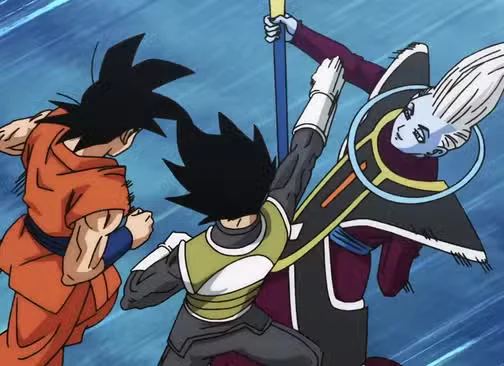
The conversation has a different resonance in the new version.
Moving instinctively was already an idea in the earlier material. What Dragon Ball went on to reveal gives this advice about fighting a more specific meaning.
The key visual addition is a white flame that appears as Whis speaks about a fighter's ability to avoid danger.
The image enriches the existing dialogue without opening a separate storyline. It makes the hint at Ultra Instinct clearer.
To me, this is one of the best ways of using knowledge developed later when revisiting an older work.
One well-timed image can give an ordinary scene more weight as foreshadowing. The scene needs no new dialogue or events.
The episode makes that hindsight part of the scene by connecting the idea of independent movement to a visual cue that helps the meaning register.
It gives the episode something worthwhile beyond reorganizing old material.
Strengths and weaknesses
The strongest choices are the organization of the scenes, the use of hindsight to clarify important hints and the improved timing of Piccolo sensing danger on Earth.
Running the training alongside the movements of Frieza's army also gives the opening of the story a stronger connection. Frieza's return feels part of a larger development.
The cuts leave gaps, especially in Vegeta's relationship with Whis and in the moments that explained how Vegeta changed. The reduced space for humor also makes some parts of the episode feel less closely tied to the series' familiar identity.
For me, the pace is only part of the problem. Some of the missing material mattered to the characters and the tone of the work even when it contributed little to the main plot.
Final verdict
Final verdict. A good beginning that comes at a cost
I think episode seven gives Frieza's return a good opening and shows how another version of Dragon Ball Super can build on what the series has learned. It has sound directorial choices, clearer placement of key information and a smart visual hint at Ultra Instinct. The start of the army's plan also gives the story a direction and sets up the threat to come. The faster pace comes at a visible cost. In moving so quickly into the heart of the story, the episode gives up details that once gave the characters depth and leaves less room for humor that was central to Dragon Ball. For me, the success of this version will depend on knowing which details can go while keeping the story's personality intact. The seventh episode opens Frieza's return successfully. It still leaves us asking whether reaching the confrontation faster is worth giving up part of the journey that led to it.
Your turn
Do you prefer the faster version with its focus on the main conflict, or do you think losing the comic scenes and some of Vegeta's development makes it less rewarding than the original?
AUDIENCE VOTE
Do you agree with the MB rating?
Choose once from this browser. You can change your answer at any time.