The review
Screenplay and dialogue: the world through a child’s eyes
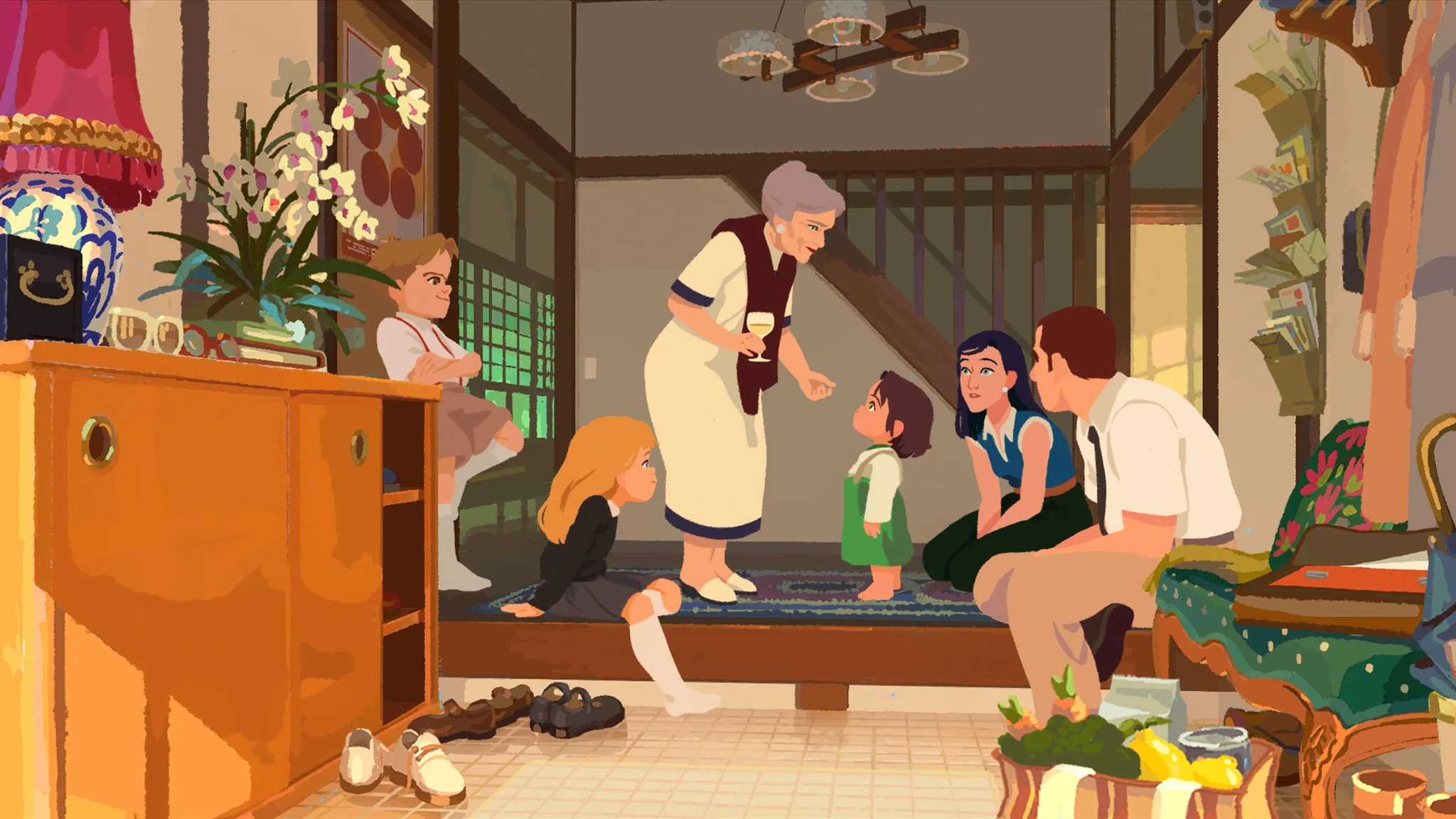
The story unfolds through a very young girl's consciousness, before adult ideas have made the world ordinary. Amélie observes everything as if it were happening for the first time. Born to a Belgian family with a diplomat father and musician mother, she experiences late-1960s Japan as a new world of sounds, colors and traditions.

The film turns learning to walk and speak into a simple meditation on existence, identity and memory. A small earthquake and a piece of white chocolate from her Belgian grandmother prompt Amélie to respond differently to the world. Ordinary details carry enormous weight for a child encountering life for the first time, without requiring a complicated plot.
Nishio-san: the story’s human heart
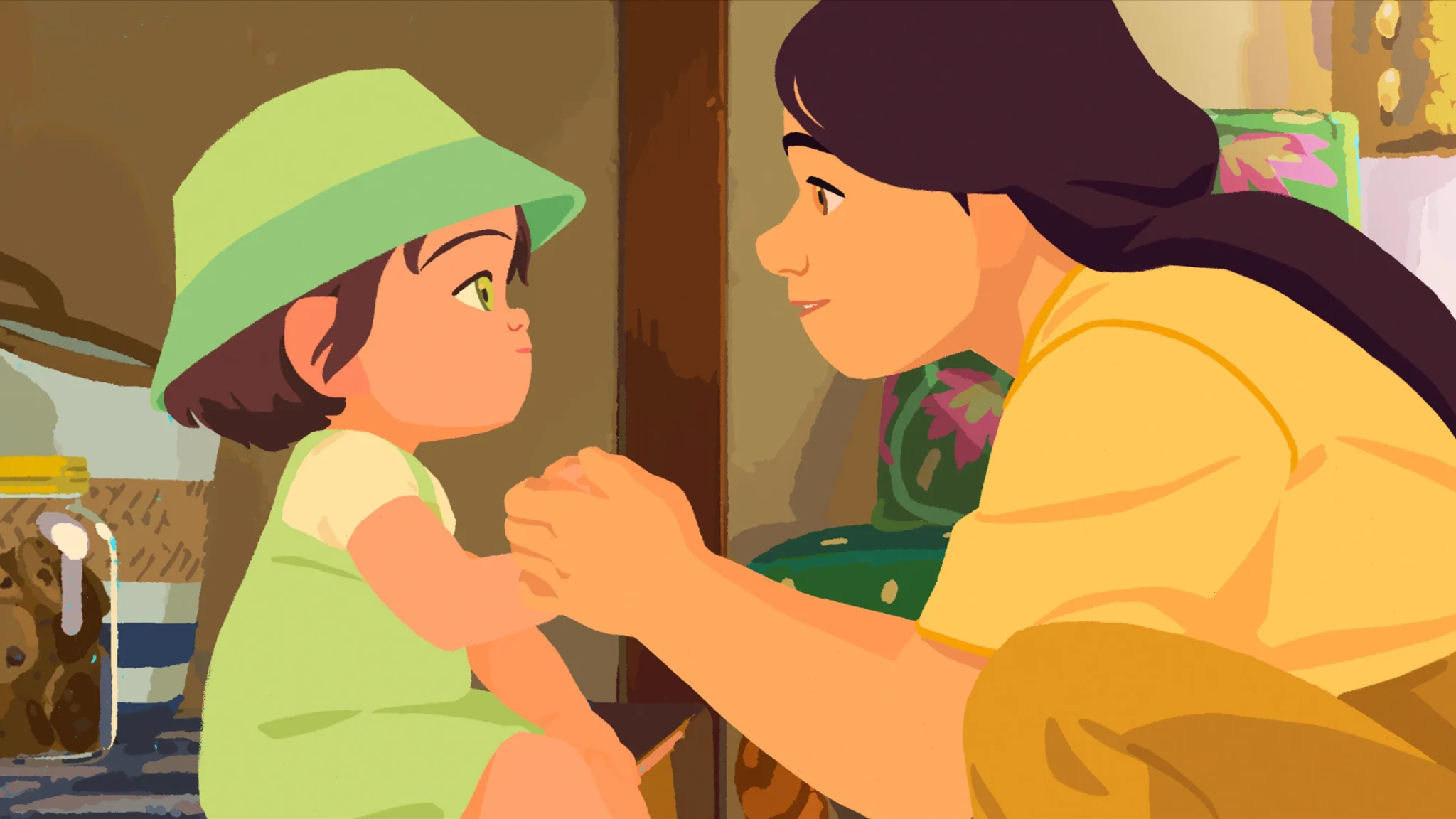
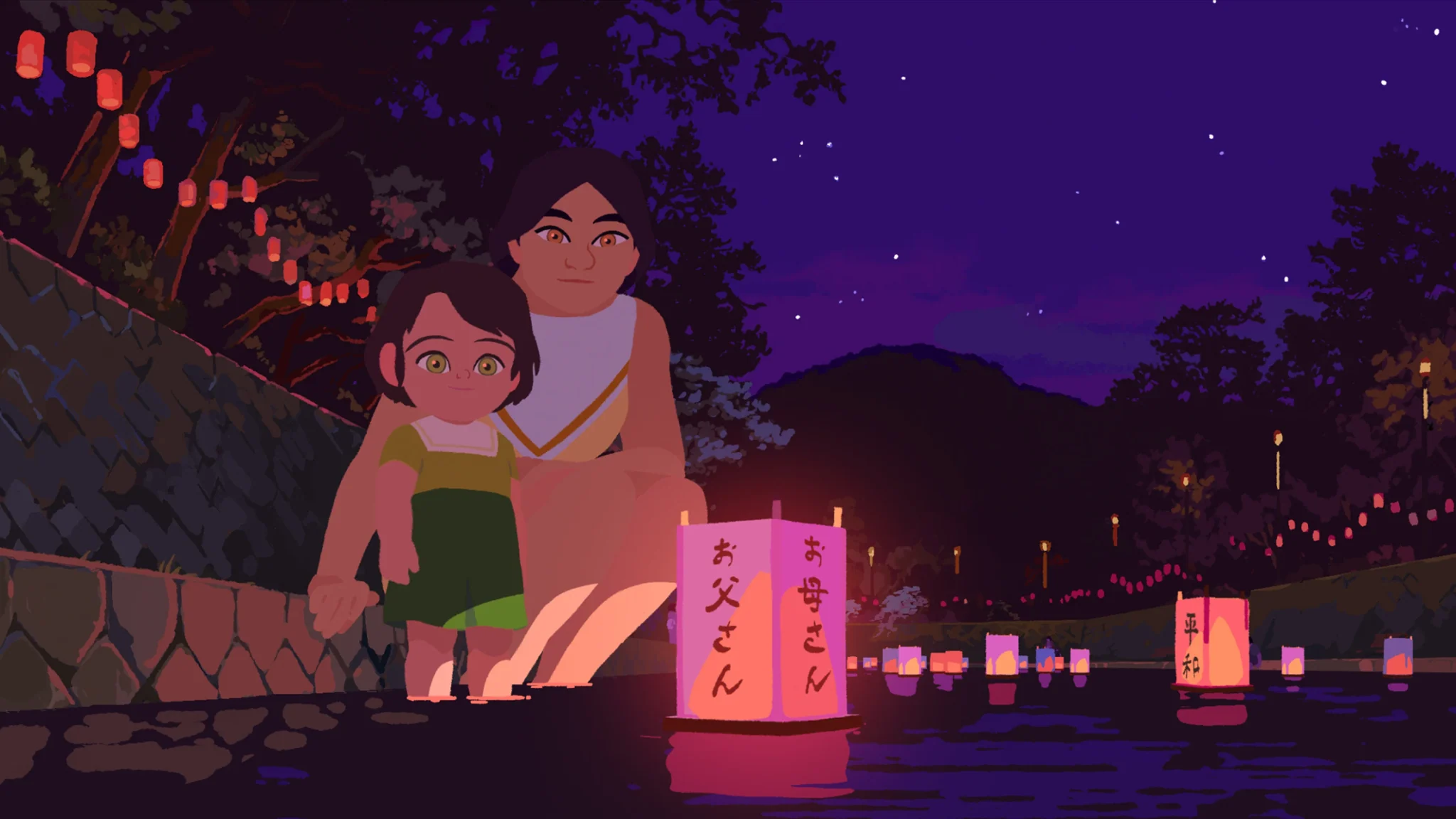
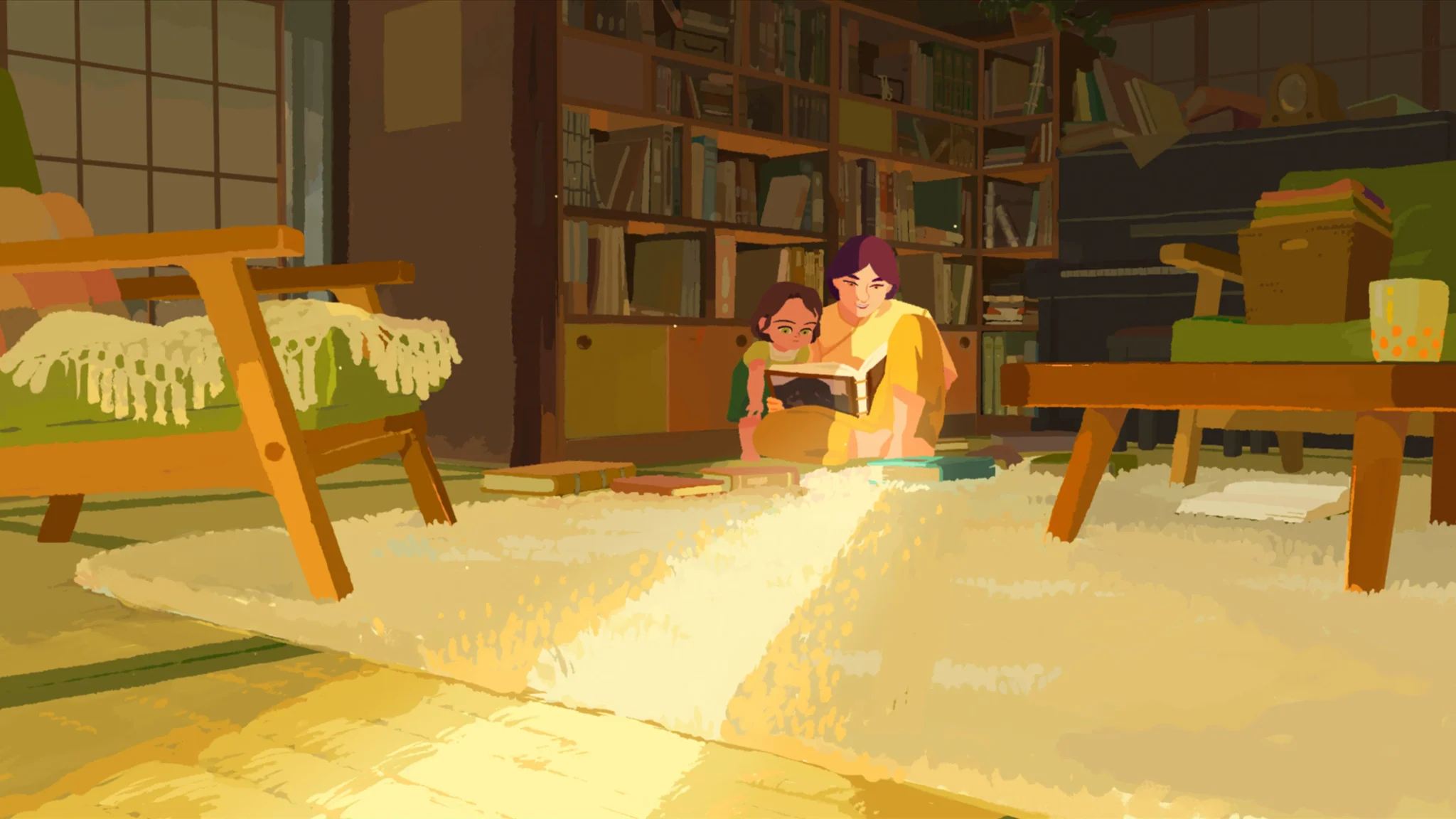
Amélie's relationship with her Japanese caregiver Nishio-san is the film's emotional center. More than a caretaker, she opens a path into Japanese stories, folklore, spirits, the Obon festival and the meaning Amélie finds in her own name. Their bond changes both people, bringing Amélie closer to her surroundings and Nishio-san closer to another person.
Their connection needs no contrived conflict. Its power comes from daily details and the importance this woman acquires in Amélie's life. Culture is learned through a person living it, rather than a lesson. Identity, the film suggests, is shaped by people and experiences as much as the place of one's birth.
An identity between Belgium and Japan
Amélie's identity forms where two worlds meet. Her Belgian family and history give her roots she can barely remember, while Japan is the place where she learns how to live. Her grandmother's white chocolate becomes a small but meaningful connection to her family; Nishio-san connects her to her new home.
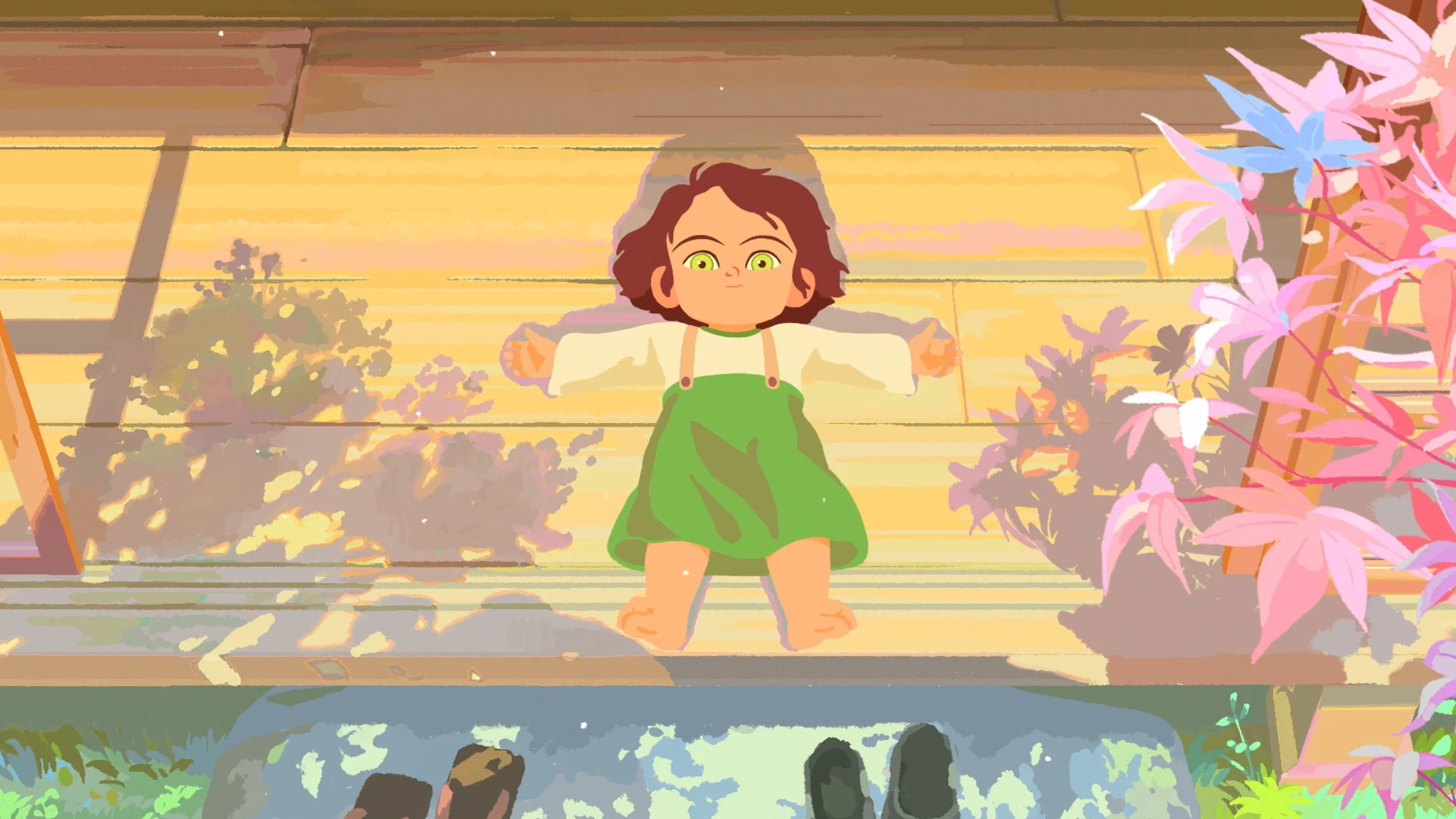
The film lets these influences complement each other. Amélie does not have to choose between being Belgian and experiencing Japan. Her growth is the natural result of both, and cultural difference becomes a chance to discover more of life rather than a problem to solve.
Animation shapes the way Amélie sees
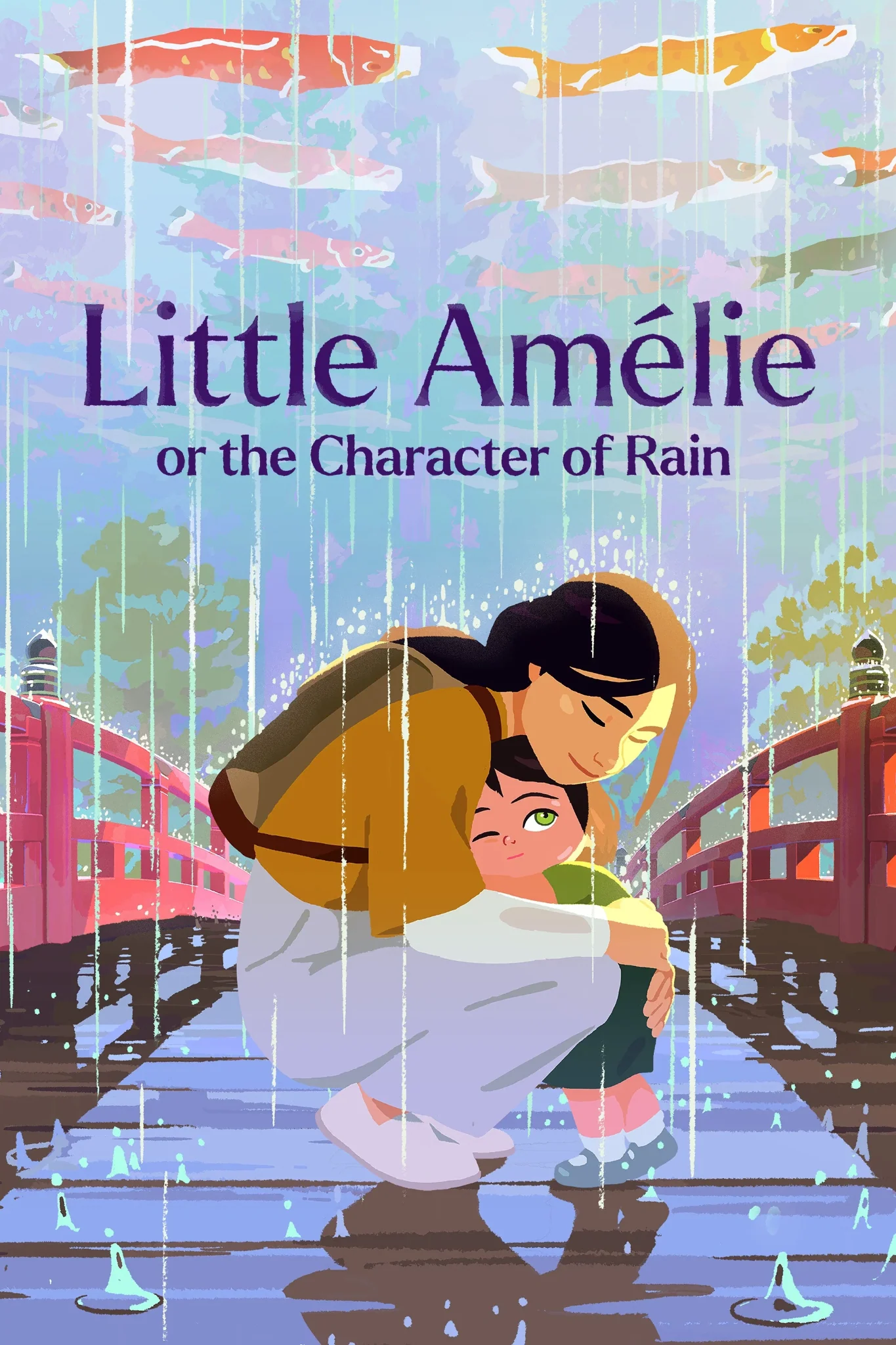
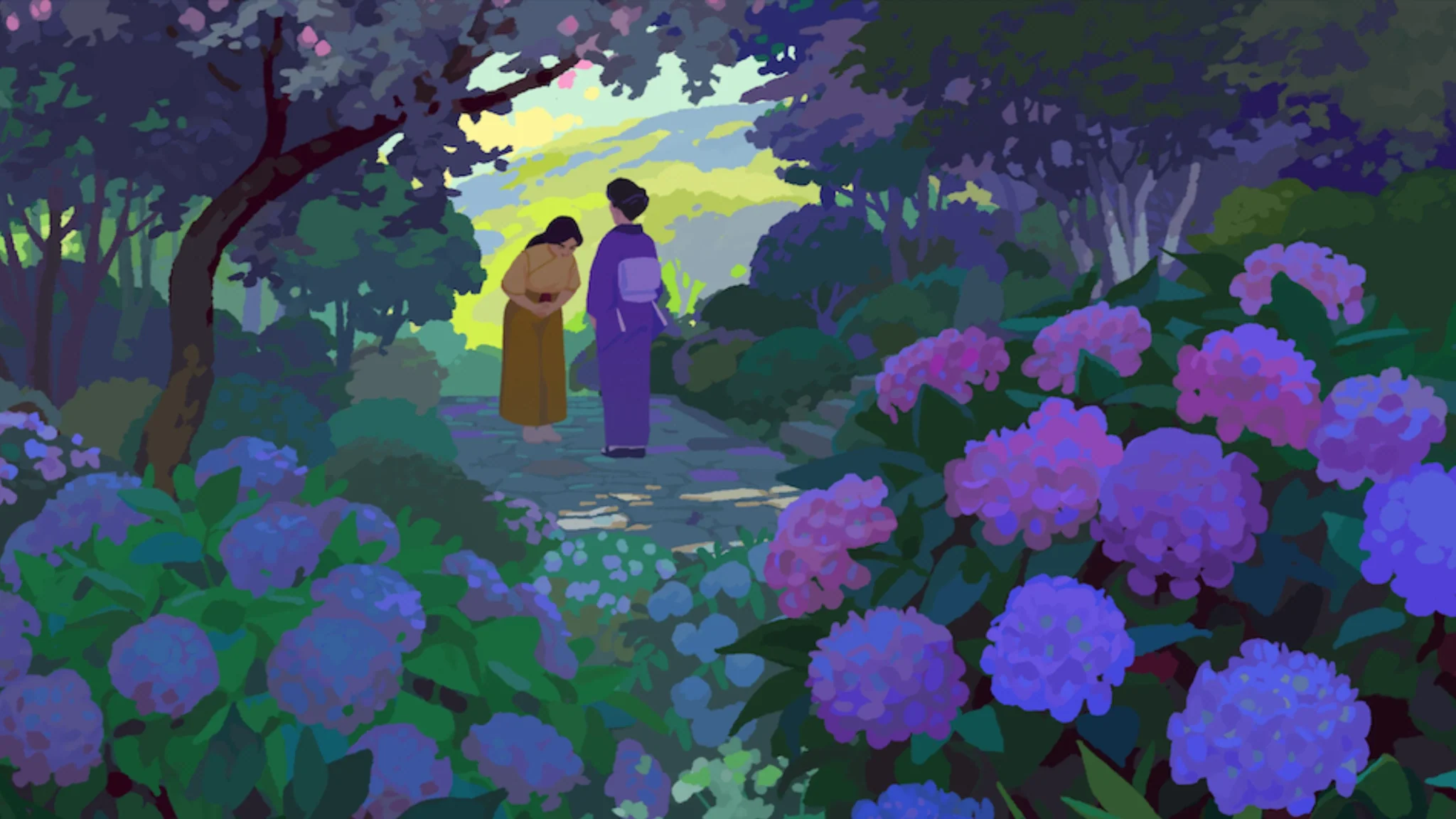
The film's two-dimensional animation is part of its storytelling, not mere decoration. Gentle colors and picture-book compositions turn Amélie's emotions into visible forms. Reality bends toward a child's perception: a vacuum cleaner becomes a frightening monster, showing how something mundane to an adult can astonish or terrify a small child.
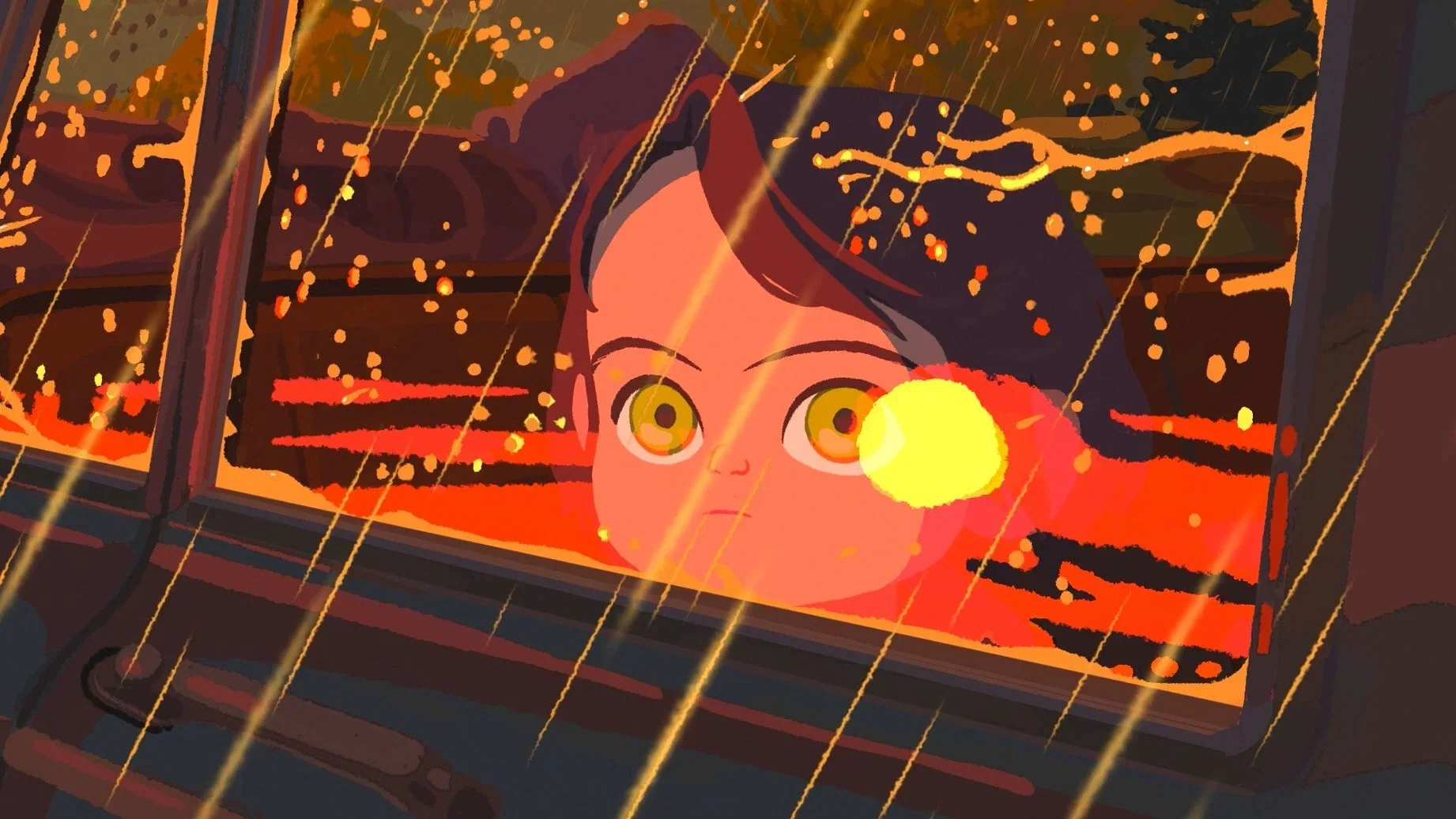
Rain becomes another visual language. When Amélie discovers the Japanese word for rain, drops of water reflect her small image and her bond with the world. The image communicates feeling, rather than simply making the scene pretty.


The opening's changing shapes and colors suggest Amélie's awareness before she has words. We experience the world from inside her consciousness. This is an argument for drawn images and simplicity over a technical imitation of reality: animation can express sensations that realistic images might miss.
Childhood encounters grief and memory
Beneath the playful fantasy, Amélie begins to notice loss, death and painful memory. Seeing her father cry for his mother is confusing because she cannot yet name the feeling. Nishio-san also carries memories of wartime destruction in Kobe. Amélie learns that the people she loves have inner histories she cannot always see.
Children can notice more than they can explain. The film approaches death and memory quietly, allowing recollection to exist as images, impressions and feelings rather than a perfect record. It becomes a journey back toward the sensation of childhood, not merely the story of a little girl living in Japan.
When emotion overwhelms simplicity
For all its warmth, the film's emotional touch is uneven. Some scenes press the viewer to feel their importance when image and relationship might have done enough on their own. The problem is not sadness itself, but the distance between tender simplicity and excess.
Nishio-san's wartime memories are recalled while she prepares food, putting devastation beside the ordinary work of daily life. The idea is visually and dramatically sound, yet the film sometimes approaches this past and retreats before giving it the emotional room it deserves.
Kashima-san and the less developed characters
Kashima-san, the landlady who helps the family arrange care, has a wartime history and a colder view of Nishio-san's closeness to Amélie. But the film gives too little space to her motives and past. We see her behavior without enough to understand how she became this person, leaving the audience to imagine a complexity the film does not show.
The imbalance is sharper because the central relationship is so fully realized. The older siblings' occasional cruelty adds a believable edge to family life, but likewise does not become a major strand. The film contains affecting people and bonds, yet they do not all receive equal depth.
Pacing and a reflective ending
This is a journey of growth from Amélie's birth to age three, not a conventional conflict with steadily escalating events. Its small encounters and slowly developing relationships create a calm tone. Repeated variations on her wonder help establish her character, though not every repetition moves the story forward.
A better balance of quiet and emotional scenes might keep the film from remaining in one register too long. Slowness itself is not the issue; a scene falters when it adds nothing to our understanding of Amélie or her relationships. The contemplative ending holds on to the thought that discovering life's beauty and pain is a profound adventure.
Strengths and weaknesses
The strengths are the expressive two-dimensional animation, the warm bond between Amélie and Nishio-san, a natural treatment of cultural identity, and a child’s perspective on grief, death and memory.
The weaknesses are occasional emotional excess, an uneven balance between playfulness and pain, too little depth for Kashima-san, and repeated situations whose emotional impact varies.
Final verdict
Final verdict
Little Amélie succeeds at its central idea of rediscovering the world through a child's eyes. Its animation expresses feelings that words can scarcely hold, and Amélie's bond with Nishio-san gives the story its human heart. Some scenes overplay their emotions, some characters deserve more development, and transitions from playful wonder to pain can feel uneven. Those flaws do not erase the film's visual identity or its lasting human idea. It is best suited to viewers who enjoy animated films built on emotion, imagination and small details rather than fast-moving plots. My rating: 7.5 out of 10.
Your turn
Does childhood innocence help children understand life and other people's emotions more keenly, or does the film make that innocence too philosophical?
AUDIENCE VOTE
Do you agree with the MB rating?
Choose once from this browser. You can change your answer at any time.