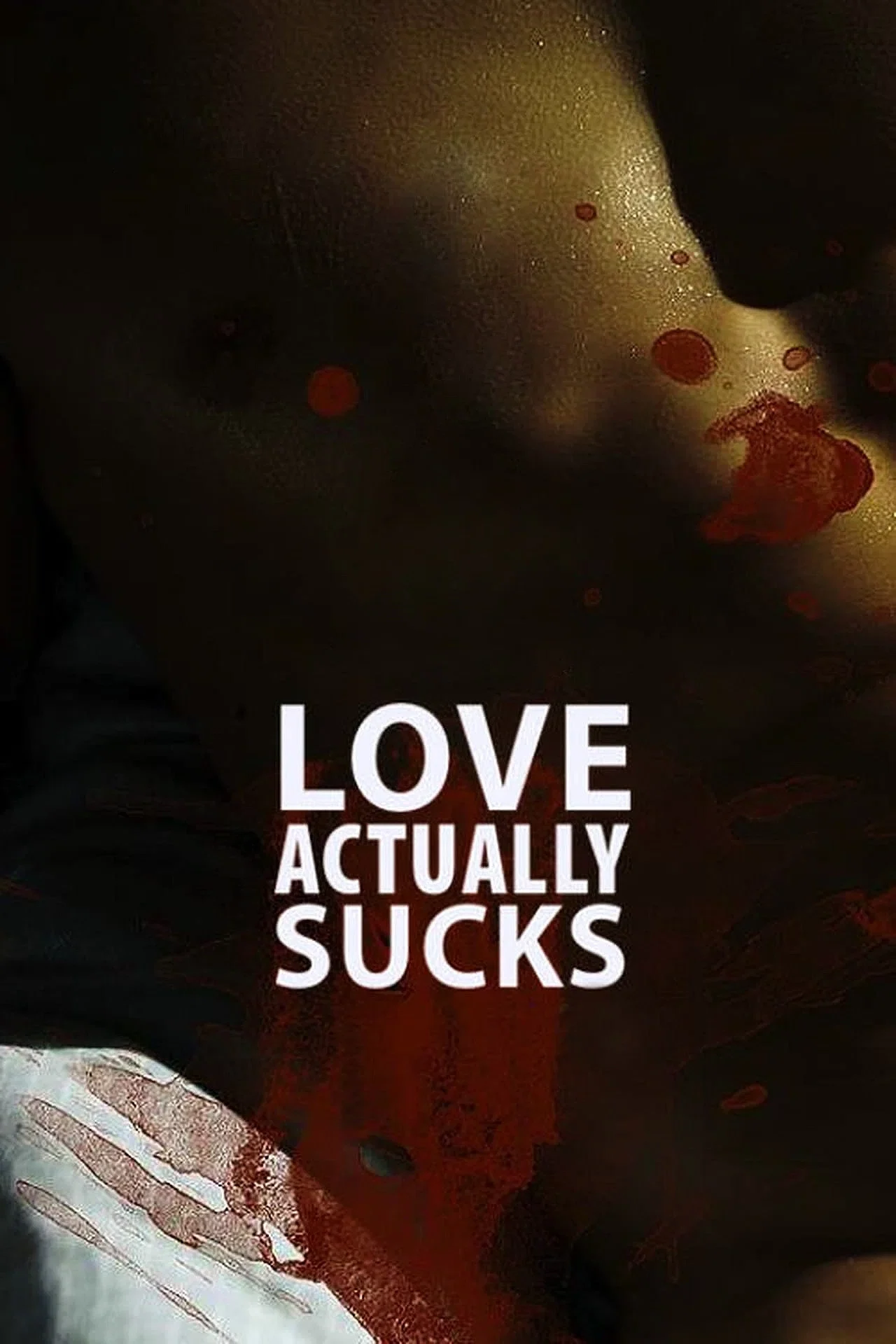
The review
The screenplay: a wedding reveals the film's intentions
The screenplay announces its shape immediately. A wedding seems to promise a conventional romance, then the atmosphere turns dark and uncomfortable. The opening states the director's purpose: to examine what happens when desire becomes possession and attachment overrides respect for another person's choices.
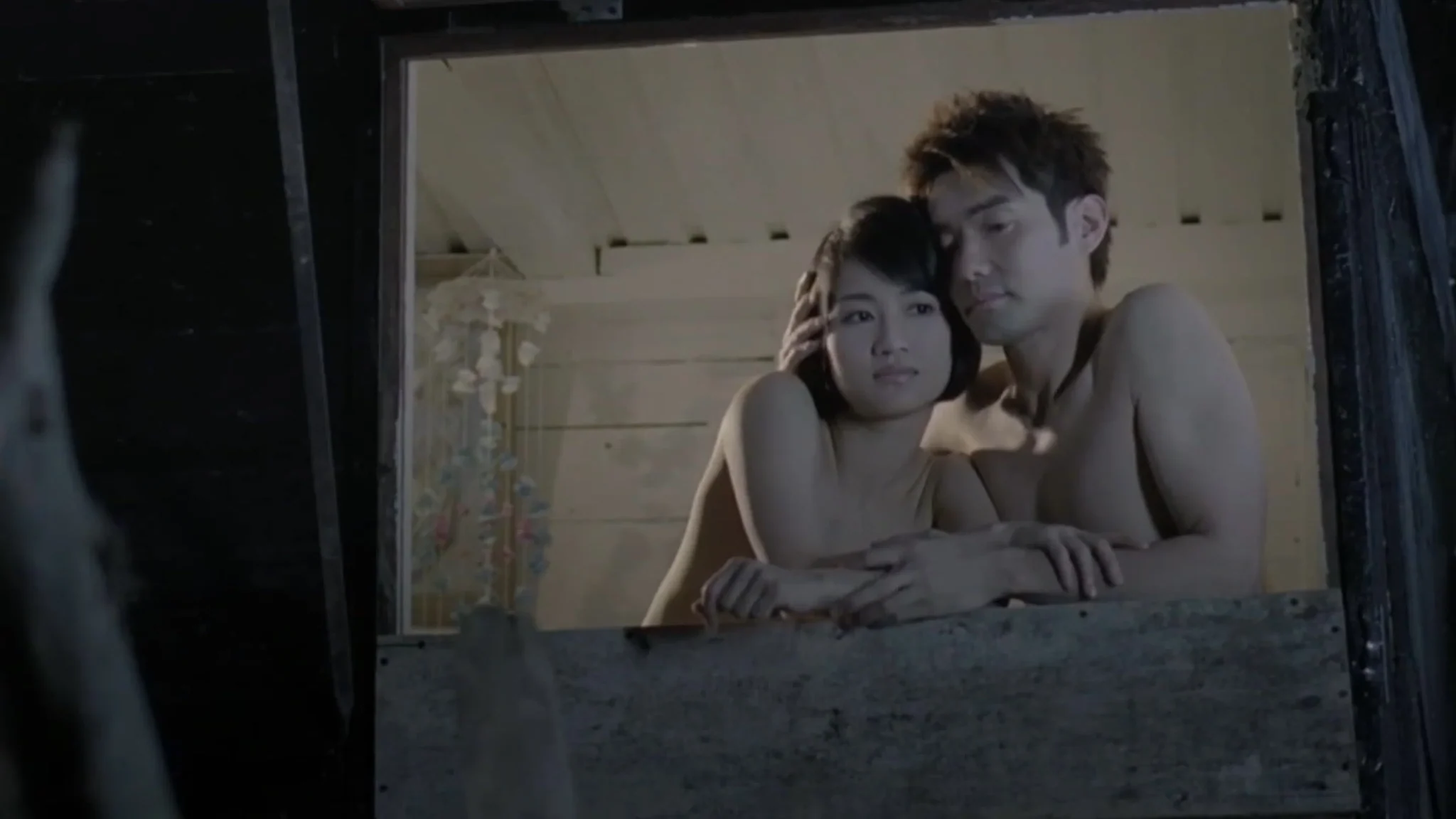
It then links people whose relationships express different kinds of love, longing, betrayal and destruction. It refuses to force them into one template: there are heterosexual and same-sex relationships, as well as a taboo bond between siblings. The range makes the film a sprawling portrait of human desire rather than a conventional love story.
The problem is how the many stories are handled
Interwoven stories can be exciting, and the moments when these characters' paths begin to cross have real appeal. But the connections take too long to become clear. So many relationships arrive at once that the middle stretch makes it easy to lose the thread.
A strong beginning and ending surround a much messier middle. The writer seems to have more ideas than the film can develop; some threads feel designed to add another mood or shock rather than to deepen the central construction. It is possible to enjoy the concept while remaining unconvinced by its execution.
When attachment turns into obsession
Few relationships here are simple. Attraction crosses ages and expectations, and some people push their desire into dangerous territory. The film is strongest when it treats love as a choice involving two people, rather than a feeling that entitles one person to the other.
One thread most clearly shows attachment becoming obsession, then assault and revenge. Early signs tell us that a boundary is being ignored. The film does not mistake persistence for proof of love or frame obsession as romance. Crime brings the consequences of refusing to accept another person's no into focus, giving that story more weight than a mere shock.

Sexual candour: dramatic purpose and excess
Its sexual explicitness is impossible to ignore. The film contains extensive nudity and frank scenes, and at least tries to connect them to desire, identity, jealousy, power and relationships. Their presence is not, by itself, the weakness.
Boldness does not make every scene effective. Some reveal a character or a relationship; others feel like a test of the viewer's endurance. The film did not need to be less frank. It needed greater discipline about when that frankness disclosed something new, especially in an already crowded story.
Direction and abrupt changes of tone
The director can turn celebration into discomfort, quiet into violence, and dark humour into something heavier. From its opening minutes, that ability keeps the film from settling into familiar romance. Even apparently tender moments suggest that something unsettling may follow.
That same strength becomes a weakness when the narrative cannot support the shifts. It is clever at creating surprises, less assured at moving smoothly among its stories. A tonal jolt may work in the moment without advancing the people involved.
Hong Kong and the film's visual identity
Visually the film is more persuasive than its crowded storytelling might suggest. Hong Kong's high-rise exteriors and cramped interiors carry a tactile quality. Places echo the characters' states of mind. The details in the women's apartment and the dog-obsessed character's surroundings make those spaces feel lived in rather than generic sets.
The cinematography does not polish away every rough edge. Its direct, sensual texture suits an uncomfortable film. The visual approach preserves its personality even when the storytelling loses focus.

Brave performances, uneven characters
The performers face considerable physical and emotional exposure. Moments of vulnerability, confusion, shame and guilt can feel genuine, especially when desire shades into fear or love into possession.
The uneven stories produce uneven characters. Some become clear enough for us to care about what happens to them; others feel like dramatic ideas walking through the film. A large network of relationships needs time to give each bond weight, and this film cannot do that evenly.
A powerful ending after a troubled journey
Despite the messy middle, the ending is one of the film's strongest parts. It offers neither tidy resolution nor reassurance. Its strange and violent imagery follows the course the opening established: this is more an attempt to pull the idea of love apart than to tell a comforting love story.
Its force does not erase the structural problems. The final images stay with you, but they arrive after a stretch that needed more organisation. The ending works; the route to it is far less assured.

Strengths and weaknesses
Its strengths are its fearless treatment of desire outside conventional romance, its cinematography and production design, and its sudden tonal turns. The intersecting stories also provide satisfying moments when their threads finally meet.
Its weaknesses are the overstuffed middle, underdeveloped stories and explicit scenes that sometimes add little new meaning.
Final verdict
Final verdict
Love Actually... Sucks! is a daring film with a distinct identity, willing to see love turn into jealousy, obsession, betrayal and destruction. Daring alone is insufficient. It has more ideas than it can contain, and its middle is especially unstable. Yet the visual detail, tonal risk, unexpected moments and strong conclusion make it worth discussing. Its problem is not that it is wild or shocking; it cannot always organise that wildness into an equally strong story.
Your turn
Does the film's bold disorder feel essential to its identity, or do its many stories and ideas weaken the experience more than they enrich it?
AUDIENCE VOTE
Do you agree with the MB rating?
Choose once from this browser. You can change your answer at any time.