
The review
Maya… between attraction and the search for a story
Maya is a Canadian journalist visiting a friend in Athens, where she meets Samar during a night out.
Their attraction is immediate.
But the film does not let the relationship remain simply a romance.
Maya discovers that Samar is an Afghan woman living in Greece after a difficult journey and working in a nightclub. Her desire for Samar quickly becomes another kind of desire: to write her story.
This is where the central problem emerges.
Maya never truly separates the woman she wants a relationship with from the journalistic subject she wants to turn into a story.
The film knows that this behavior is unethical.
The problem is that it spends far too long inside Maya's perspective before it really begins to confront her with what she is doing.
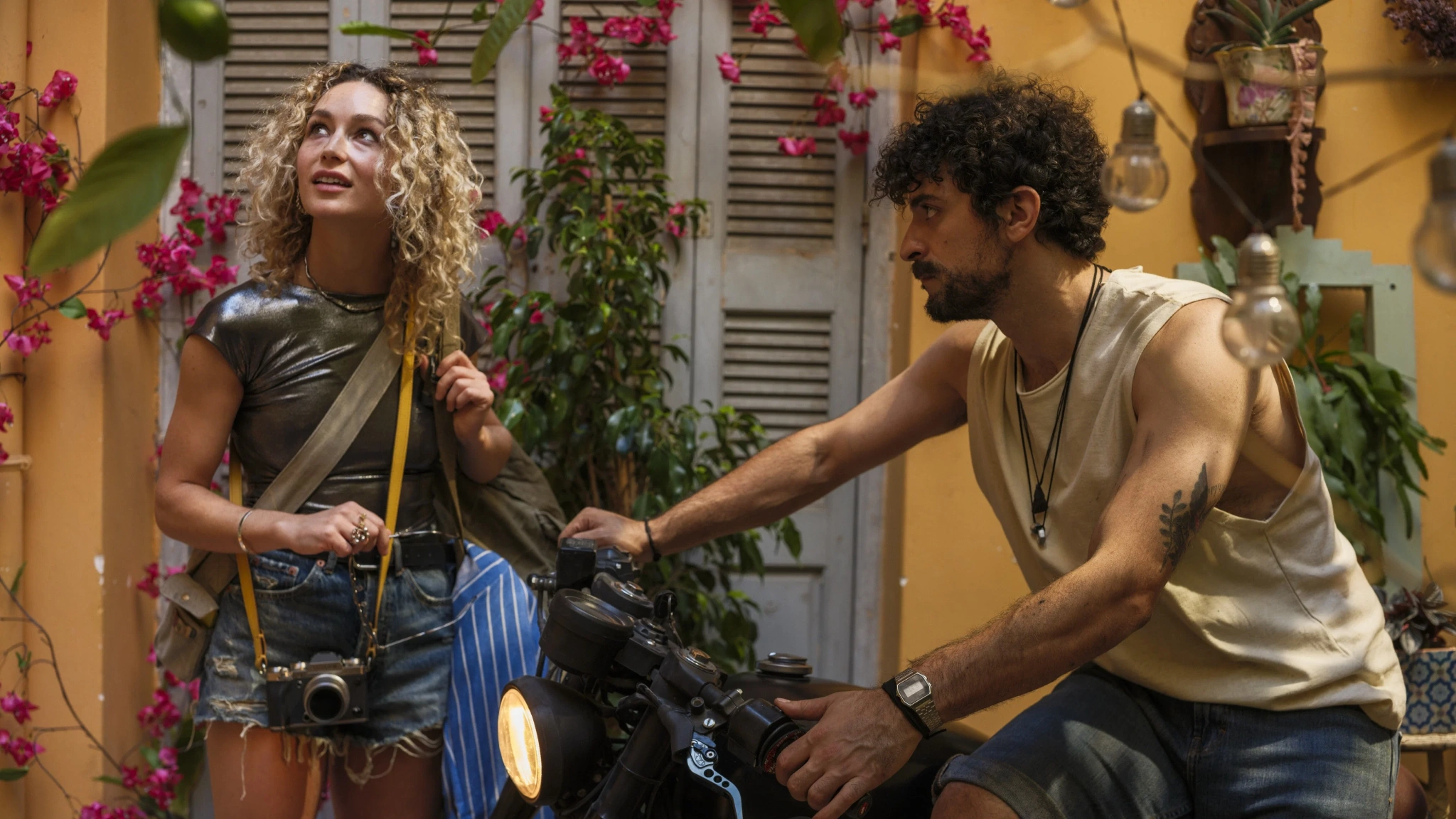
Good intentions do not confer the right to tell someone else's life
I do not think the film wants us to like Maya unreservedly.
She is written with clear flaws.
Impulsive.
Overconfident.
Sometimes behaving as though good intentions give her the right to make decisions about another person's life.
There is something genuinely interesting here.
Maya sees herself as a journalist giving a voice to someone without the same platform.
The film gradually makes clear, however, that the question is not whether Samar's story deserves to be told.
Of course it does.
The real question is:
Who has the right to tell it?
Does Maya's interest come from a real desire to understand Samar, or from wanting to possess a powerful, distinctive story?
This is the best idea in the entire film.
The problem is that the film falls into the same trap
Here is where the irony begins.
The film criticizes Maya for seeing Samar as a fascinating story waiting to be discovered.
Yet for much of its running time, it presents Samar to us through Maya's eyes.
We get to know her because Maya asks questions.
We understand her history when she recounts it to Maya.
We discover new aspects of her only insofar as Maya's story needs them.
This creates a real problem for the film.
It wants to criticize reducing Samar to 'the refugee with the moving story,' but does not always give her enough room to become a complete person beyond that description.
That is exactly why I feel it would have been much stronger with Samar at its center, or at least with the perspective shared more evenly between the two women.
Samar is the more interesting character
That is unfortunate, because Samar is the person I want to know more about.
Amanda Babaei Vieira plays her with great restraint.
There is a palpable weariness in the way she talks about her life.
Not because she is helpless.
But because she is used to having to explain herself to people living in an entirely different reality.
That matters.
Samar does not need someone to save her.
She made it to Athens.
She built a life for herself.
She understands how to navigate the world around her better than Maya assumes.
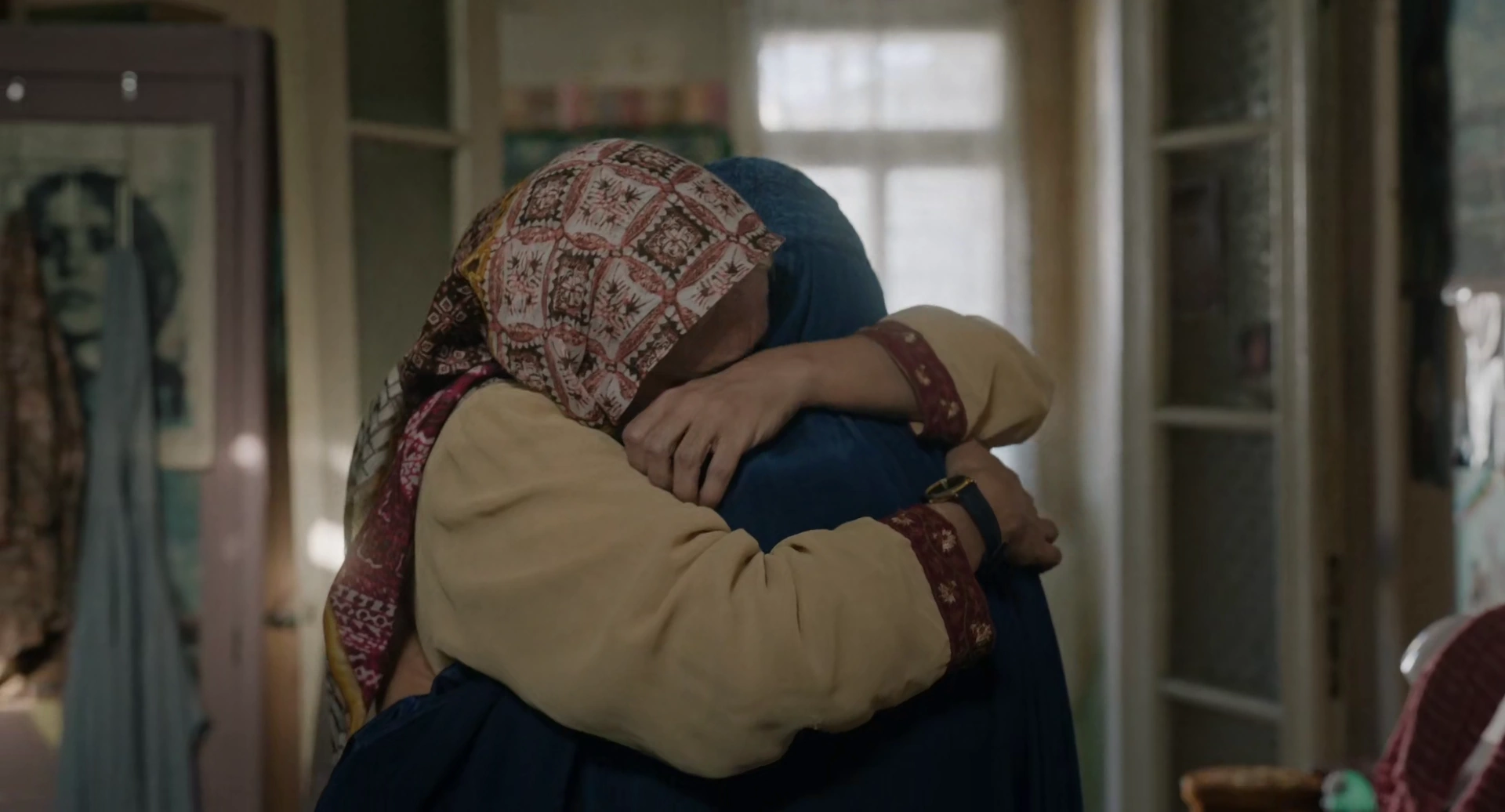
The film is at its best when it lets Samar speak without immediately turning her words into information that serves the plot.
In those moments, you sense another, quieter and deeper film that could have emerged from within this one.
The romance… love, or an extension of the problem?
The film relies heavily on the chemistry between Maya and Samar.
Their relationship is both physical and emotional, and director Anita Doron approaches the intimate scenes with clear visual care.
Crucially, she does not film these moments as decoration entirely separate from the characters.
There is an attempt to make them express freedom for Samar and a real attraction between the two women.
But I have a problem here too.
Sometimes the film relies on the power of these scenes to compensate for insufficient emotional development between the characters.
We see the attraction.
We understand the desire.
The relationship itself, however, does not always get the time it needs to become as deep as the film wants it to be.
At times, the passion feels present before the screenplay has convinced us that there is an equally strong human bond.
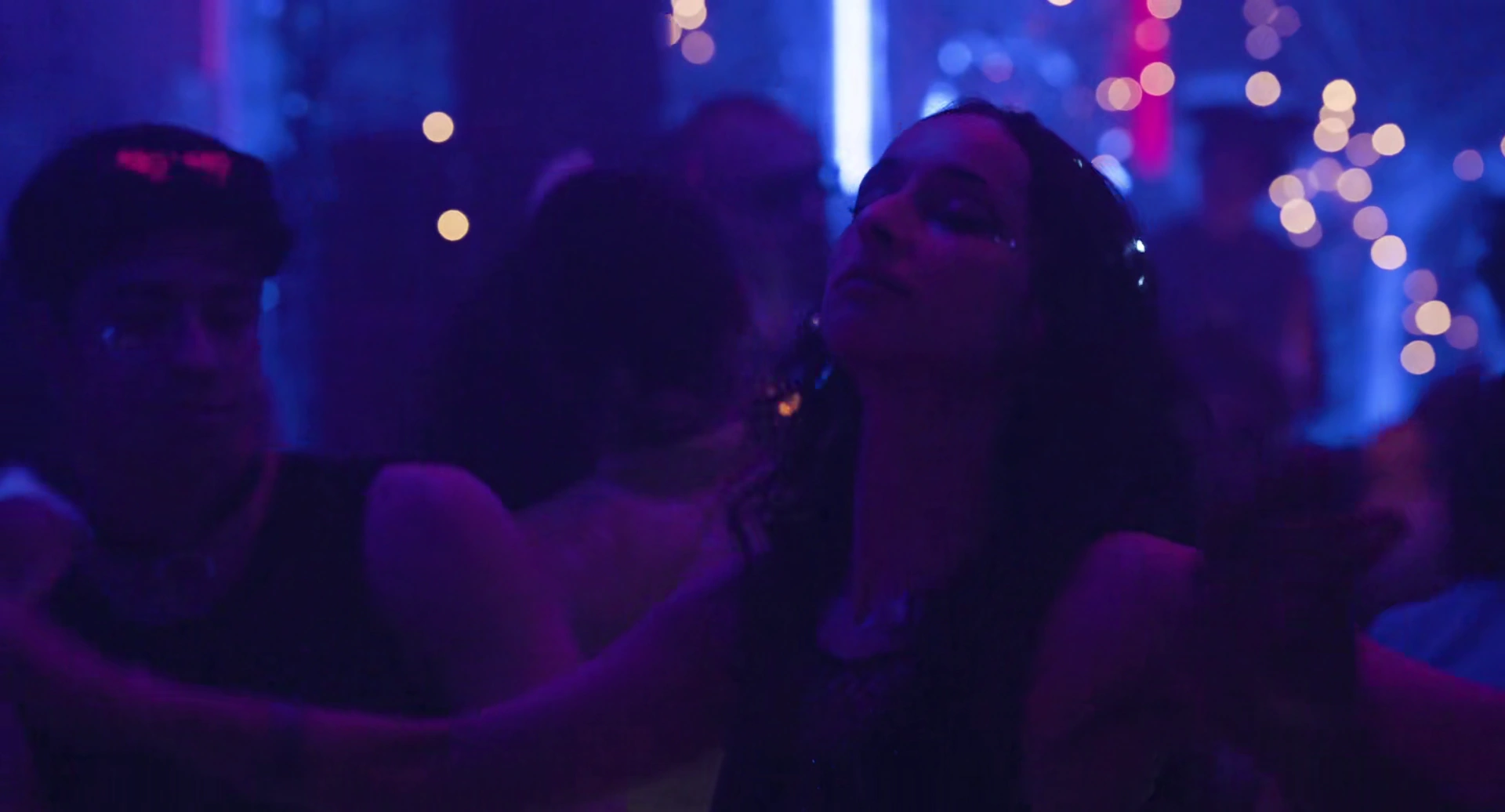
Bold images and the balance of attention
The most important question is not whether the scenes are bold.
It is what they add.
At their best, they add something real.
We see Samar taking ownership of her choices, her body and her freedom in a space previously unavailable to her.
At other times, the film seems to linger here longer than necessary, while other aspects of Samar's character deserved that same time.
The problem is not boldness.
It is the way attention is distributed.


Journalism becomes the relationship's most dangerous element
The journalism storyline makes this more than just a love story.
It also makes Maya a more frustrating character.
She is warned about the risks.
People around her understand that publishing Samar's story is not simply a matter of an article attracting views or starting a discussion.
There is a real person on the other side.
And information that can have real consequences.
For a long time, Maya remains convinced that the story's importance gives her a kind of moral right to publish it.

This is troubling behavior, intentionally so.
My problem is that the film sometimes makes her far too naive.
To the point that its criticism of journalism loses some of its complexity.
Instead of asking whether even a good, well-intentioned journalist can exploit someone without realizing it,
the issue sometimes becomes:
How did Maya not recognize from the start that what she was doing was dangerous?
That is a less interesting question.
Freedom does not cost everyone the same
One of the film's strongest points is that the two women can do the same thing without paying the same price.
Maya can experiment.
She can take risks.
She can return to her life.
Samar's decisions are tied to a more complicated past and a more precarious situation.
That makes Maya's understanding of freedom very limited.
She believes freedom means having the courage to do what you want.
For Samar, freedom is not an abstract idea.
It has a cost.
It has risks.
It has consequences.
The director herself has discussed the relationship as a confrontation between the illusions of a 'savior' and the reality of the person that savior believes she is helping. The idea is very clear within the film.

Why does Maya's perspective weaken the message?
I completely understand why the film chose Maya's perspective.
We see Samar as Maya sees her, then discover that the image we have constructed is incomplete.
In theory, that is a smart choice.
But the execution does not entirely work.
To conceal certain information, the film has to reduce Samar's presence as an independent human being.
The result is that the surprise driving the final stretch comes at the expense of the film's most interesting character.
I do not need the film to deceive me to understand that Maya does not know Samar well.
I could have known Samar better than Maya does, then watched Maya make her mistakes.
For me, that would have made the criticism harsher and stronger.
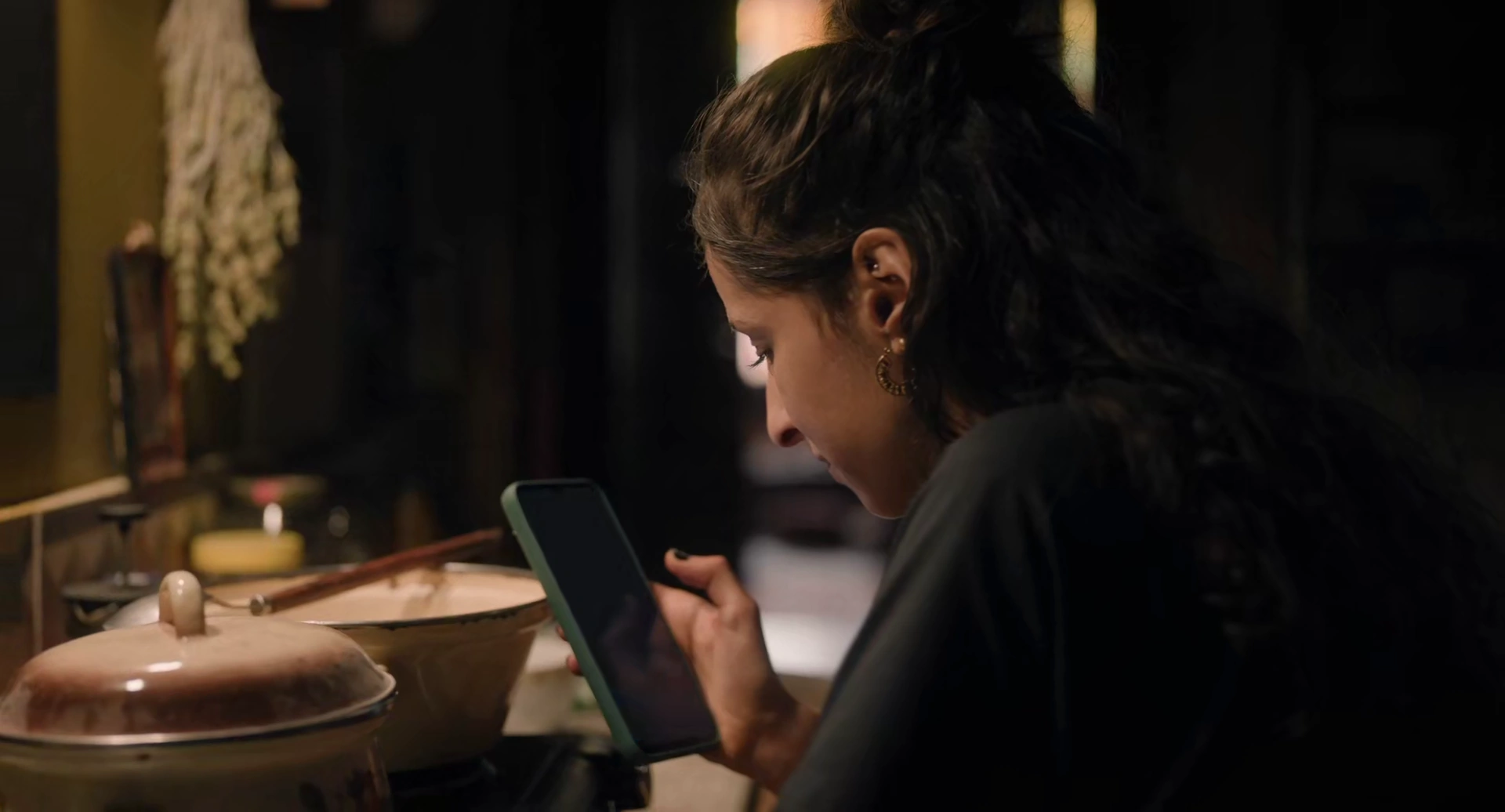
The ending… a surprise that does not solve the perspective problem
The ending tries to overturn our understanding of certain events.
As a plot device, the surprise works.
The film knows where to hide information and when to reveal it.
The problem is that the ending also wants to correct our perspective on the two women.
Here, I am less convinced.
The film spends most of its time within Maya's experience, then wants to redistribute responsibility and sympathy quickly in its final stretch.
Some of its closing choices consequently feel more forgiving toward Maya than they should.
At certain moments, they can even be read as pushing Samar into a more antagonistic position just to let Maya emerge from the experience in a less harsh light.
That sits uneasily with the criticism the film has been building throughout.
Does the film exploit Samar while criticizing exploitation?
This is the question that stayed with me after the ending.
I do not think the answer is simple.
The film's sincere intentions are very clear.
The production consulted refugees and cultural advisers during preparation, and there is real concern for Samar's background and the reality it tries to represent.
Good intentions do not automatically solve the problem, though.
Choosing Maya as the main gateway into the story means that much of Samar's experience passes through the lens of a Western person trying to understand her.
The film itself knows that this lens is incomplete.
Recognizing the problem does not mean it has entirely overcome it.
For me, this is the work's central contradiction.
Nicolette Pearse… Maya's energy and the limits of the writing
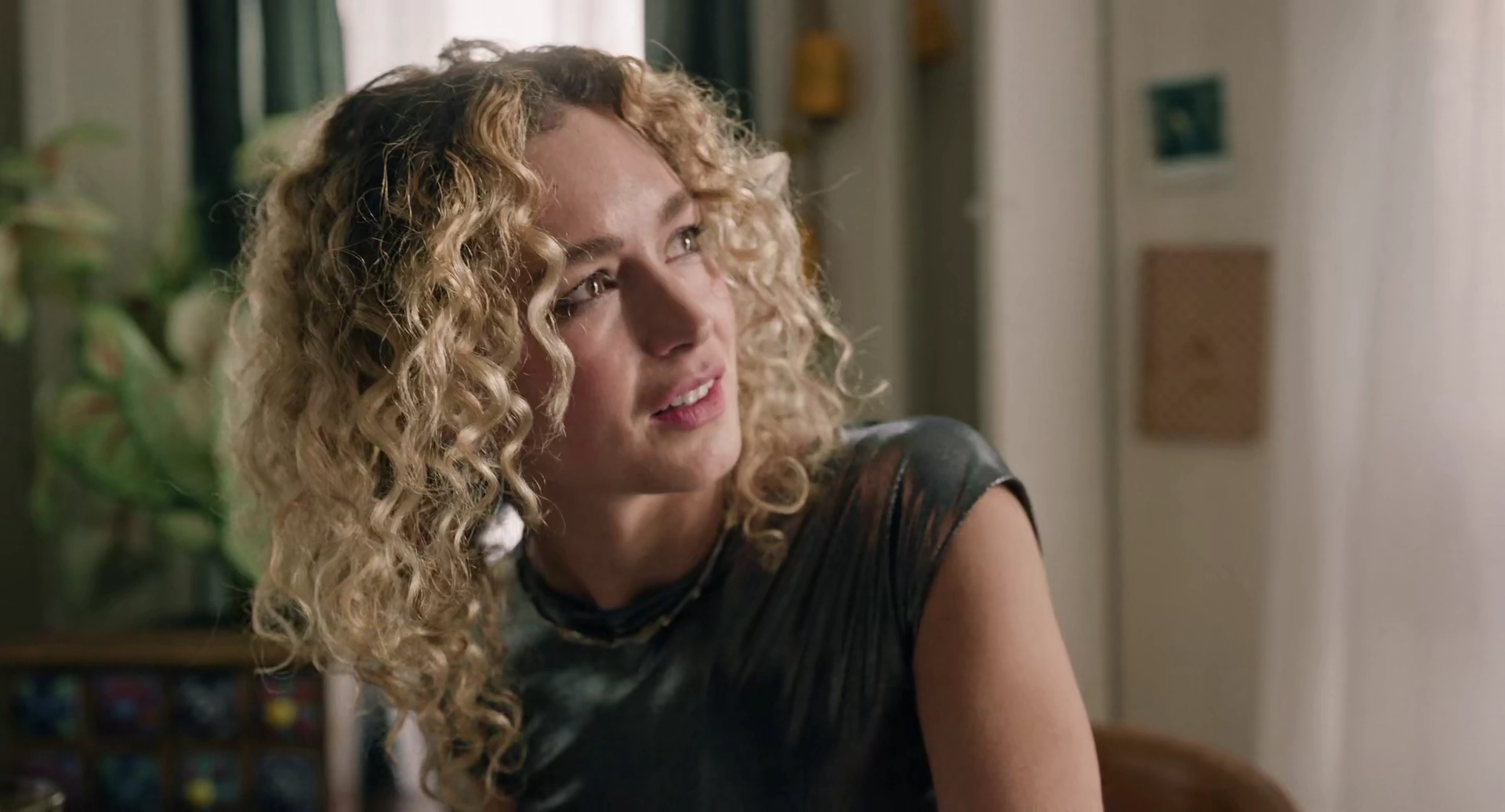
Nicolette Pearse gives Maya an energetic, impulsive quality that the film needs.
If she played her as constantly apologetic or fully aware of her mistakes, the conflict would collapse.
We need to believe Maya really can convince herself that she is doing the right thing.
Pearse succeeds at that.
The character herself, however, is sometimes written more bluntly than I would like.
Her unprofessional behavior is very obvious.
Her impulsiveness is very obvious.
Her belief that she knows what is best for Samar is very obvious.
I would have preferred more ambiguity.
I wanted to understand how a genuinely intelligent person could fall into this trap, rather than sometimes feeling that the screenplay deliberately pushes her toward a wrong decision to make its point.
Amanda Babaei Vieira… the power of looks and silence
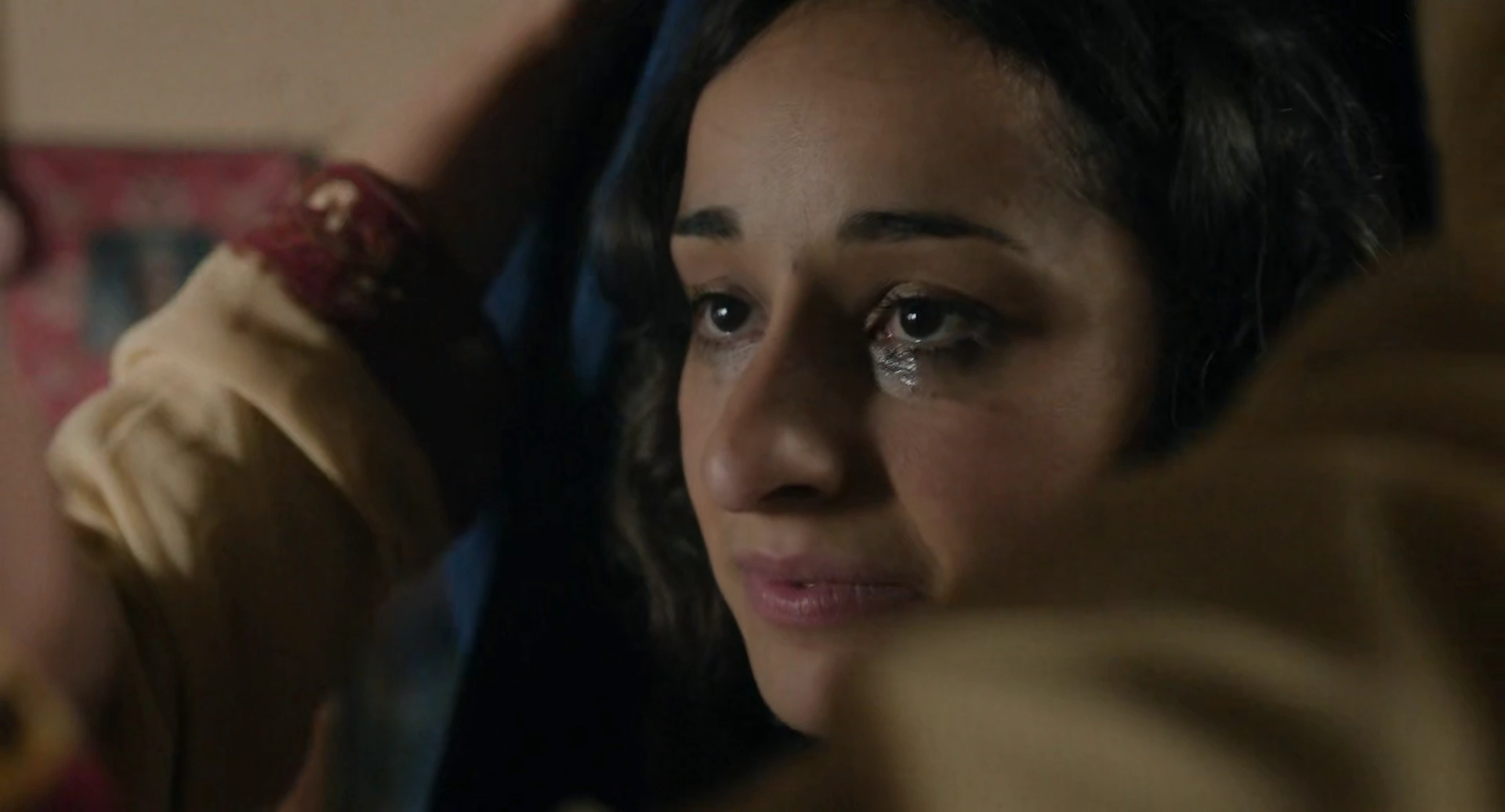
For me, Amanda Babaei Vieira gives the film's strongest performance.
Her portrayal of Samar is less showy.
She does not explain the pain all the time.
She uses looks, silence and hesitation more than dialogue.
That suits the character extremely well.
There is always a sense that she knows more than she says.
Not necessarily because of the plot twist, but because she lives in a reality Maya cannot fully understand.
Whenever the film lets her become the center of a scene, it immediately improves.
That brings me back to the same problem:
I wanted more of her.
Direction and imagery
Visually, the film is very beautiful.
Athens is more than a tourist backdrop.
For Maya, the city sometimes appears as an open space for living and enjoyment. In Samar's storyline, it becomes somewhere harsher and more complicated.
That contrast matters.
Anita Doron has a very good eye, particularly in the nighttime and intimate scenes.
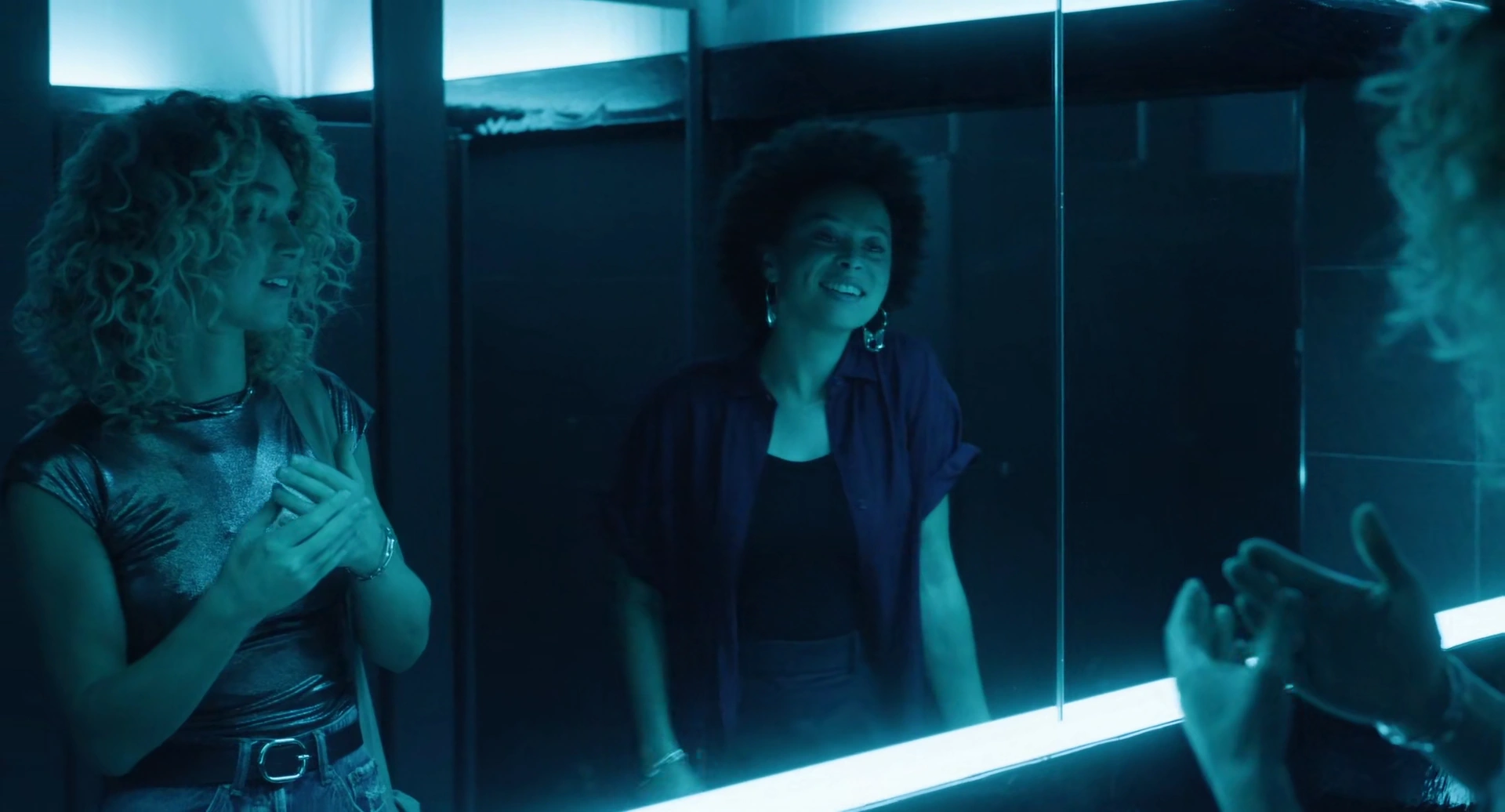
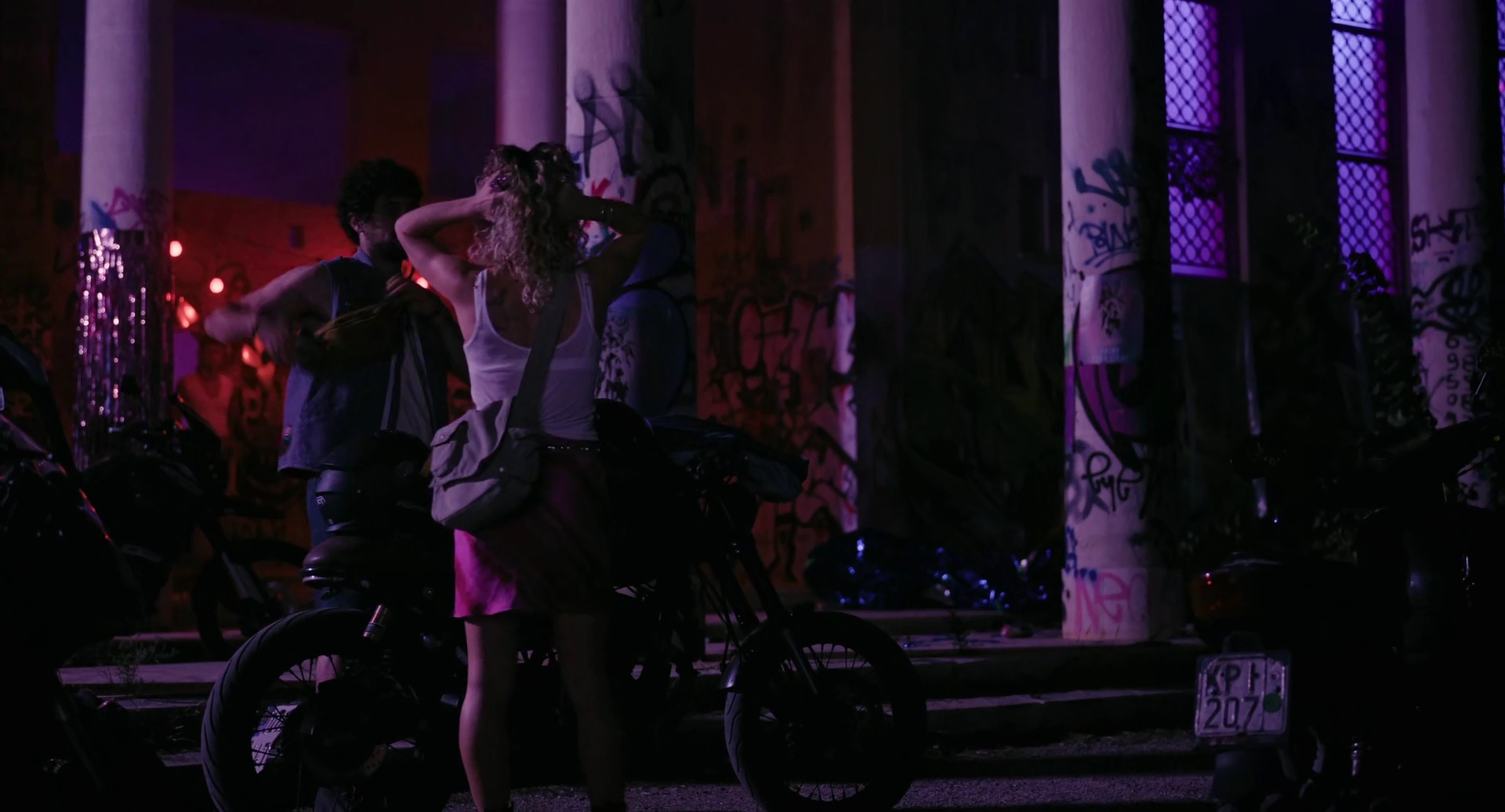
The camera stays close to the characters without losing the space around them.
The romantic scenes are filmed with clear confidence.
The film knows how to create an attractive image.
The problem is that the image sometimes feels clearer than the idea beneath it.
Pacing and editing
The first half's rhythm relies heavily on the attraction between the two women.
The parties.
The city.
The relationship.
Then the interviews and the information Maya gathers.
This gives the opening a good energy.
In the second half, as the consequences of Maya's decisions become more serious, the rhythm changes quickly.
For me, that transition needed a slightly slower buildup.
Especially since the ending asks us to reassess a large part of the relationship.
More independent scenes for Samar in the middle would have made the shift more affecting and less dependent on surprise.
Strengths and weaknesses
The strongest thing about Maya & Samar is that it attempts something harder than a conventional romance.
There is a real struggle over power within the relationship.
Who has the money?
Who has the platform?
Who can leave?
Who will pay the price if things go wrong?
Amanda Babaei Vieira is excellent, the visual direction is strong, and the intimate scenes are carefully filmed without feeling entirely detached from the film's central idea.
But the main weakness is substantial.
Choosing Maya's perspective leaves Samar, whose humanity and complexity the film supposedly wants to defend, with less presence than she deserves.
The journalism is also written with excessive naivety at times, and the ending does not fully resolve the contradictions the film has constructed.
Final verdict
Final verdict
This is a film whose intentions are better than the result it achieves. It wants to discuss love, freedom, and the difference between empathizing with someone and believing you understand her life or have the right to tell it on her behalf. At its best, especially when Samar becomes the center of a scene, it is moving and honest, with something real to say. Whenever it returns to Maya's perspective, the central problem reappears. The film criticizes an outsider's reductive view of Samar, but does not always manage to free itself from that same gaze. With beautiful direction and good performances from both leads, particularly Amanda Babaei Vieira, the experience remains more worthy of discussion than entirely successful.
Your turn
Do you think making Maya the main character was necessary to criticize exploitation and the Western gaze, or would the story have been much stronger if we had experienced it primarily from Samar's point of view?
AUDIENCE VOTE
Do you agree with the MB rating?
Choose once from this browser. You can change your answer at any time.