The review
The screenplay and dialogue
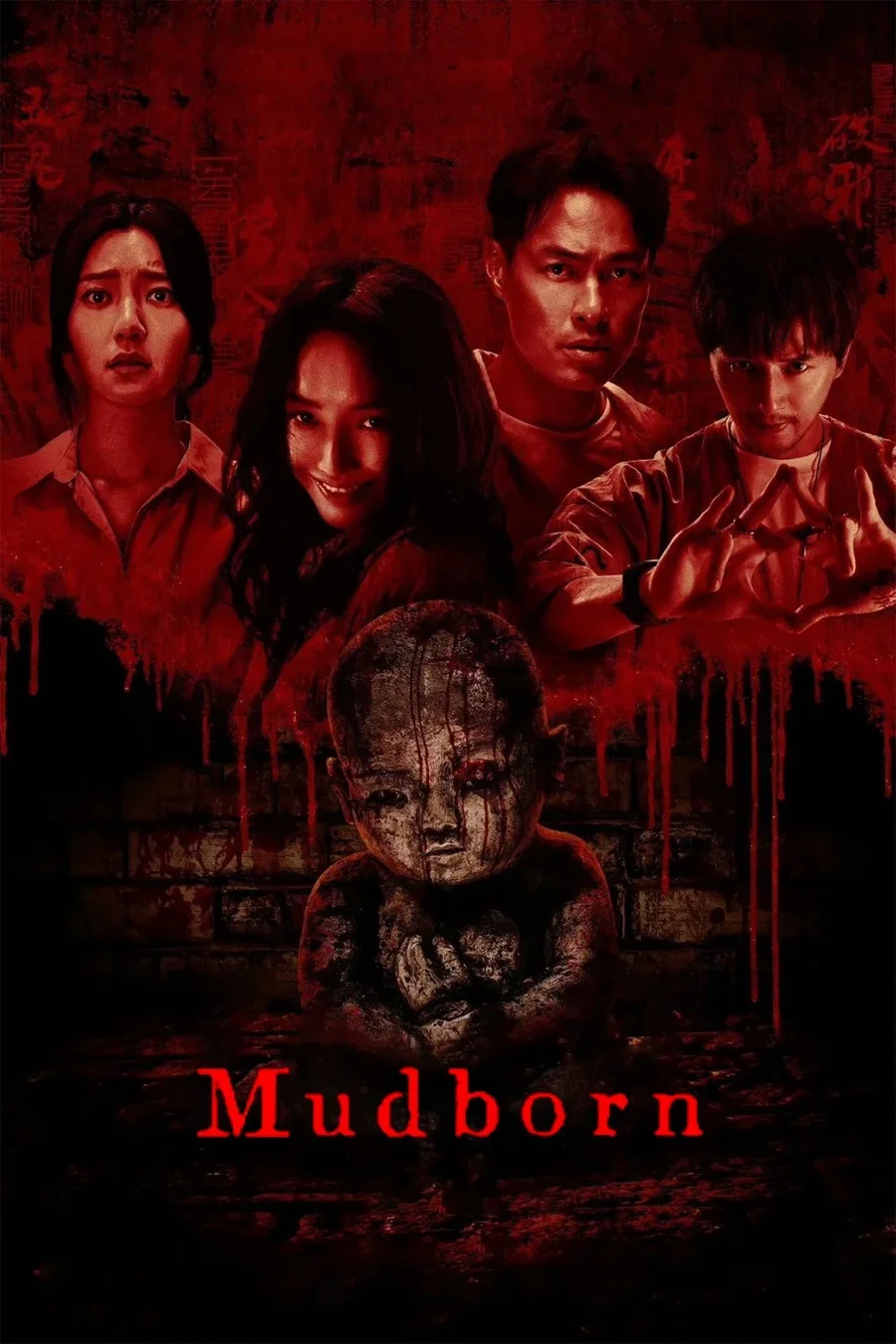
What first stands out in Mudborn is how it takes a familiar horror premise, a mysterious object connected to an old curse, and tries to give it a different identity through Taiwanese folklore.
Hsu Chuan is a video game designer working on a virtual reality project that recreates a house where a pregnant artist was horrifically murdered. She had been making clay statues using soil from graves.
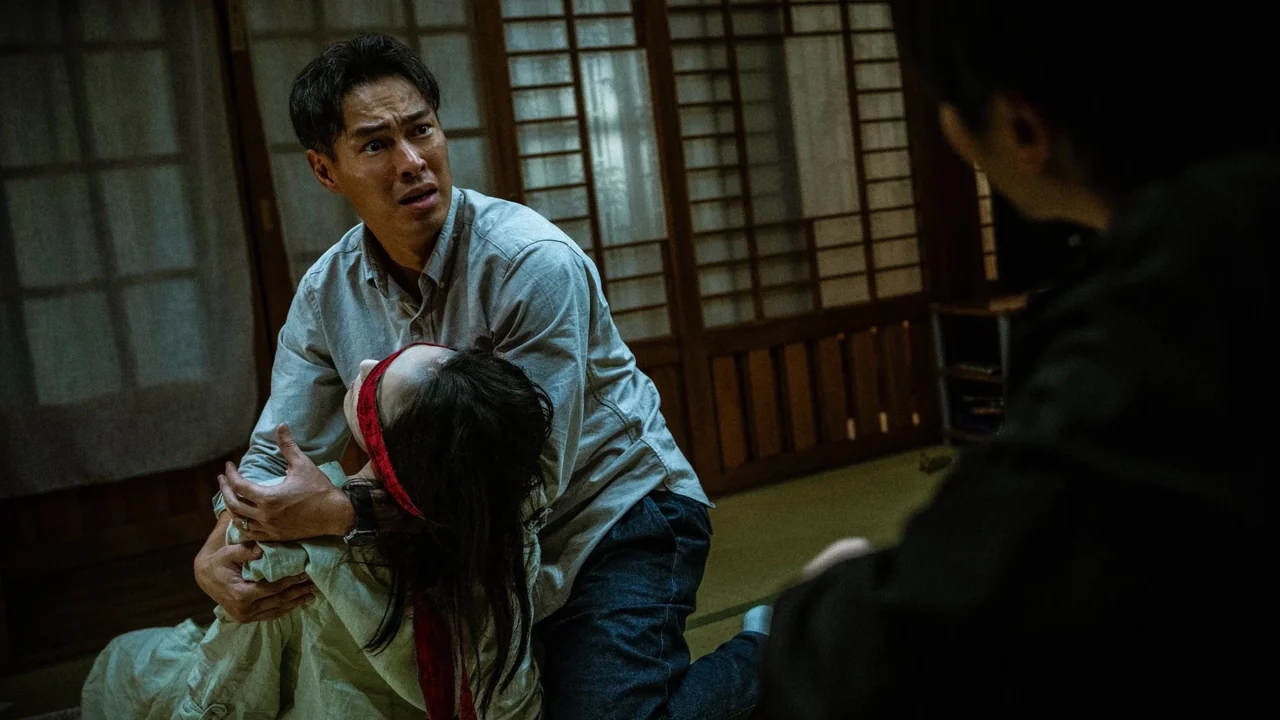
When one of these statues reaches his home and attracts the interest of his pregnant wife Mu Hua, a series of supernatural events begins threatening the family's stability.
This setup is not entirely new to horror cinema.
We have seen many films in which an unfamiliar object enters a home before its danger is discovered to exceed ordinary understanding.
What distinguishes Mudborn is the object's nature and its connection to clay, death and statues, alongside a cultural background that gives familiar elements a different character.
More importantly, the film connects the danger to a family awaiting a new child.
This choice gives the events clear emotional stakes. It is not only about surviving a curse, but also about fearing for the future of a family that is not yet complete.
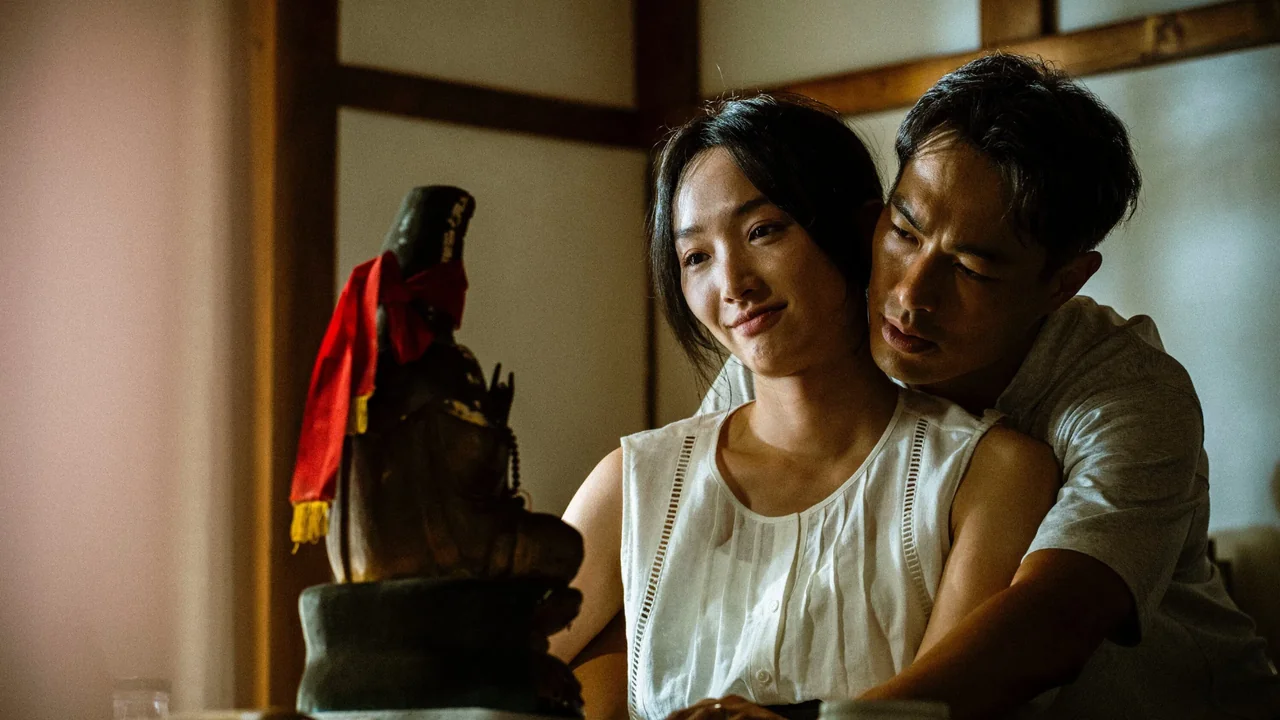
I think this idea suits the atmosphere extremely well, particularly through the connection between the murdered artist's story and the pregnant wife's situation.
The problem is that the central structure remains largely predictable.
As soon as the statue appears, we can almost guess the overall direction the events will take.
The film's success therefore depends on how it creates tension, rather than the originality of the premise alone.
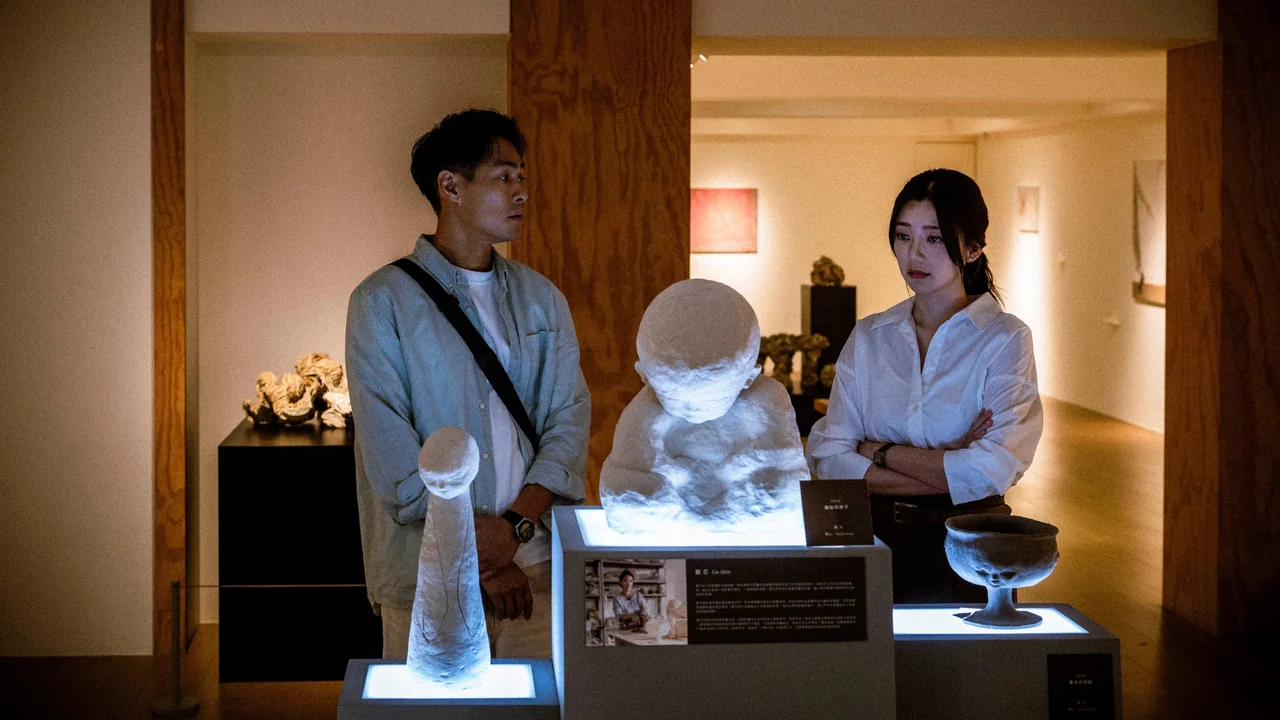
Virtual reality: the most exciting and least explored idea
This is the film's greatest missed opportunity.
Combining virtual reality with supernatural phenomena gives the filmmakers considerable room for unconventional visual and dramatic ideas.
Imagine a digital space reproducing a location where a real crime occurred, while the danger within that space begins affecting the real world.
This alone opens interesting questions about the boundary between the two worlds and the possibility of using technology to understand what happened or uncover what people cannot ordinarily see.
The film does begin with this idea.
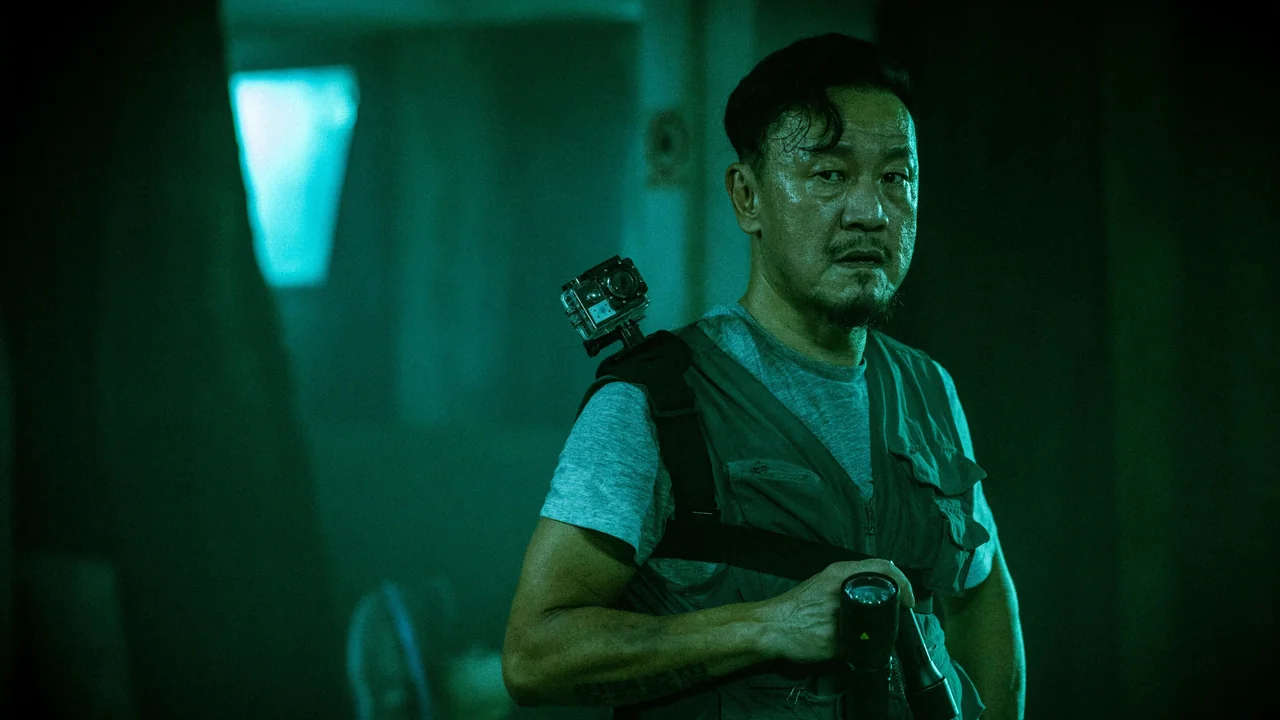
As events progress, however, virtual reality becomes less prominent and the focus shifts to the curse and its direct effect on the characters.
The technology returns later and plays an important role in trying to deal with the danger, but it does not drive the experience as strongly as I expected.
An important distinction needs to be made here.
The problem is not that the film abandons virtual reality entirely, but that it does not sufficiently explore its possibilities.
It could have played more deeply with the difference between the real and digital worlds, or made the game itself central to the escalating horror.
Instead, the film returns to a more conventional approach involving possession, cursed statues and attempts to confront spirits.
This is not necessarily a bad choice, because these elements create powerful moments.
But it sometimes makes the technology seem like an attractive way to begin the story rather than the foundation of the entire film's identity.
I think Mudborn could have offered a more distinctive experience if it had maintained this conflict between the two worlds until the end.
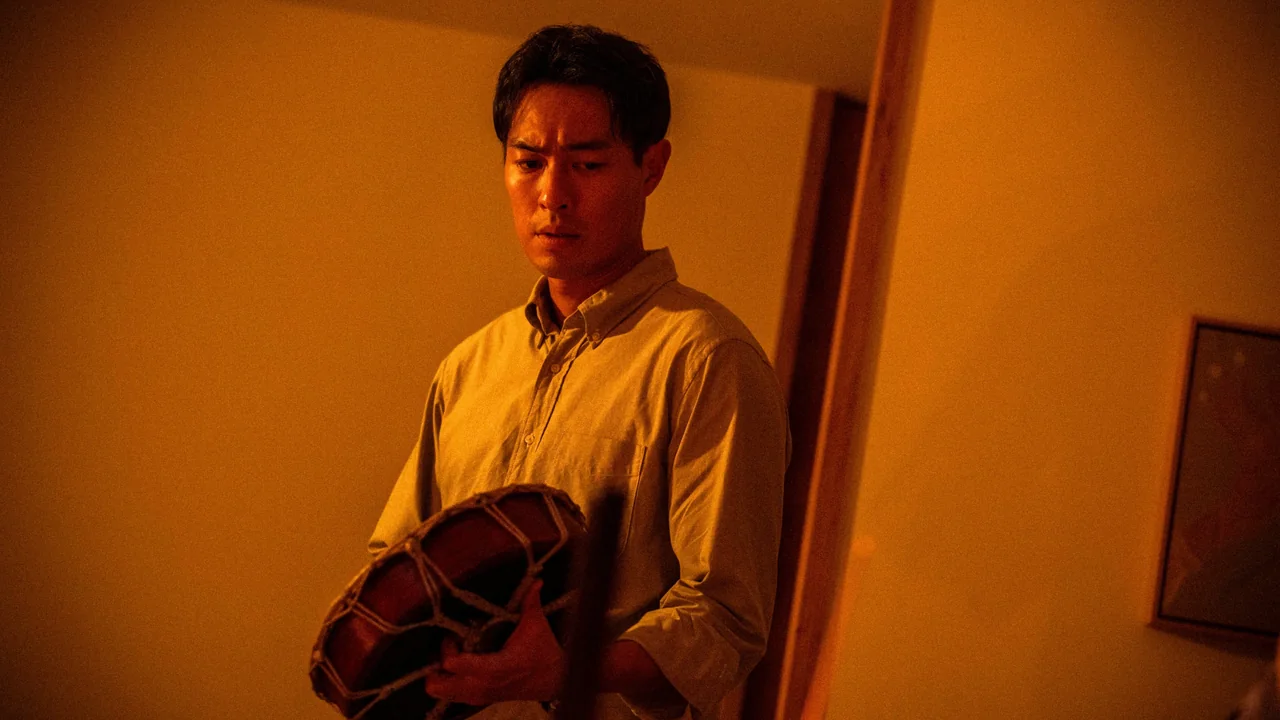
Atmosphere: horror begins before the threat appears
One of Mudborn's clearest successes is its understanding that horror does not always require something frightening to appear before the camera.
Sometimes waiting for something terrifying to happen is more affecting than its actual occurrence.
The film uses this effectively in many moments.
The statues, mysterious objects and atmosphere charged with danger create a constant sense that something unnatural is approaching the characters.
What works is that the film gives this feeling time instead of relying on a succession of surprises.
We do not simply watch characters being attacked. We experience the anticipation that precedes the confrontation.
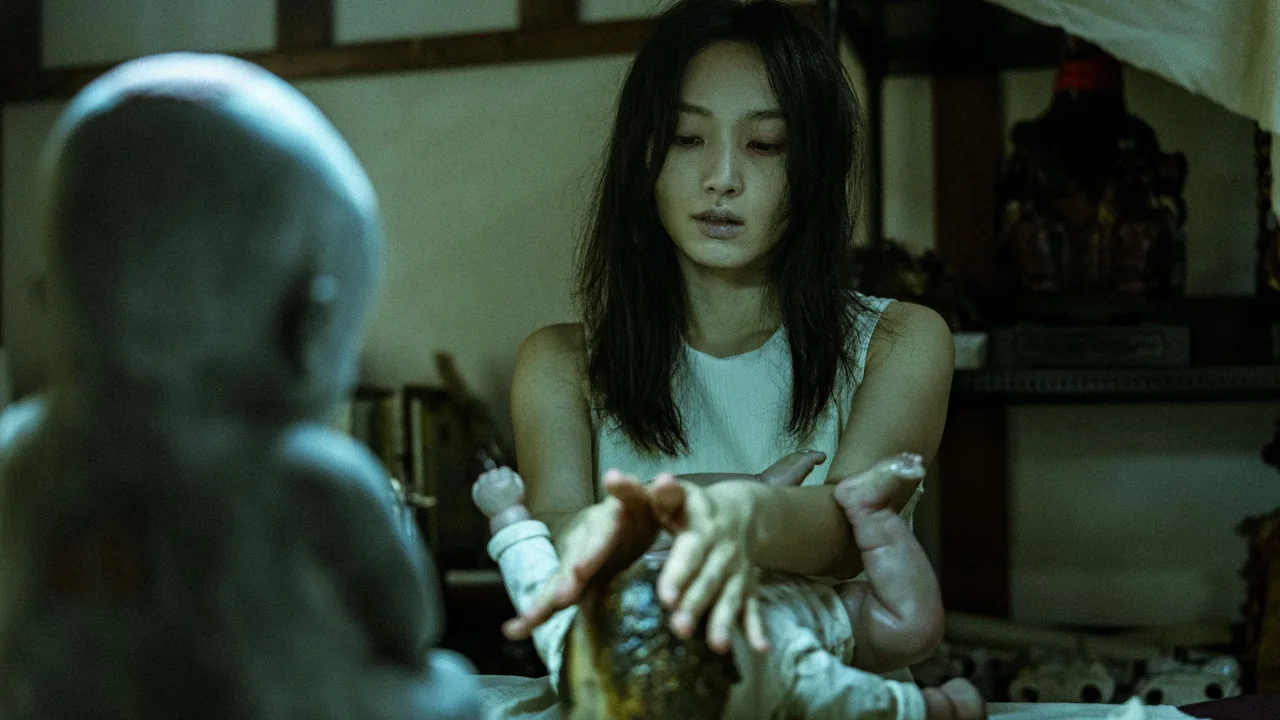
This gives small details great importance.
When a familiar object in the home becomes a possible threat, the place that should provide safety becomes uncomfortable.
The visual identity associated with clay statues and folklore helps considerably in achieving this effect.
The horror does not depend only on designing a strange creature, but also on transforming inert objects into elements that carry a sense of danger.
Sound effects reinforce this feeling, particularly when the film needs to convey a disturbing physical sensation without relying on dialogue.
For me, this atmosphere is what most clearly gives the film its character.
Even when the plot becomes predictable, the execution still creates tension that makes viewing enjoyable for fans of supernatural horror.
Body horror and effects
When Mudborn moves from atmosphere to direct horror, it does not hesitate to use harsh and disturbing scenes.
The film contains clear violence, and some images involving injuries to bodies and eyes may be difficult for viewers who do not enjoy this kind of horror.
But I liked that it does not constantly rely on jump scares to frighten audiences.
These moments are distributed so that each retains its effect instead of becoming a repeated device that robs viewers of surprise.
Visual effects also embody the supernatural phenomena, particularly the movement of spirits and their influence on bodies.
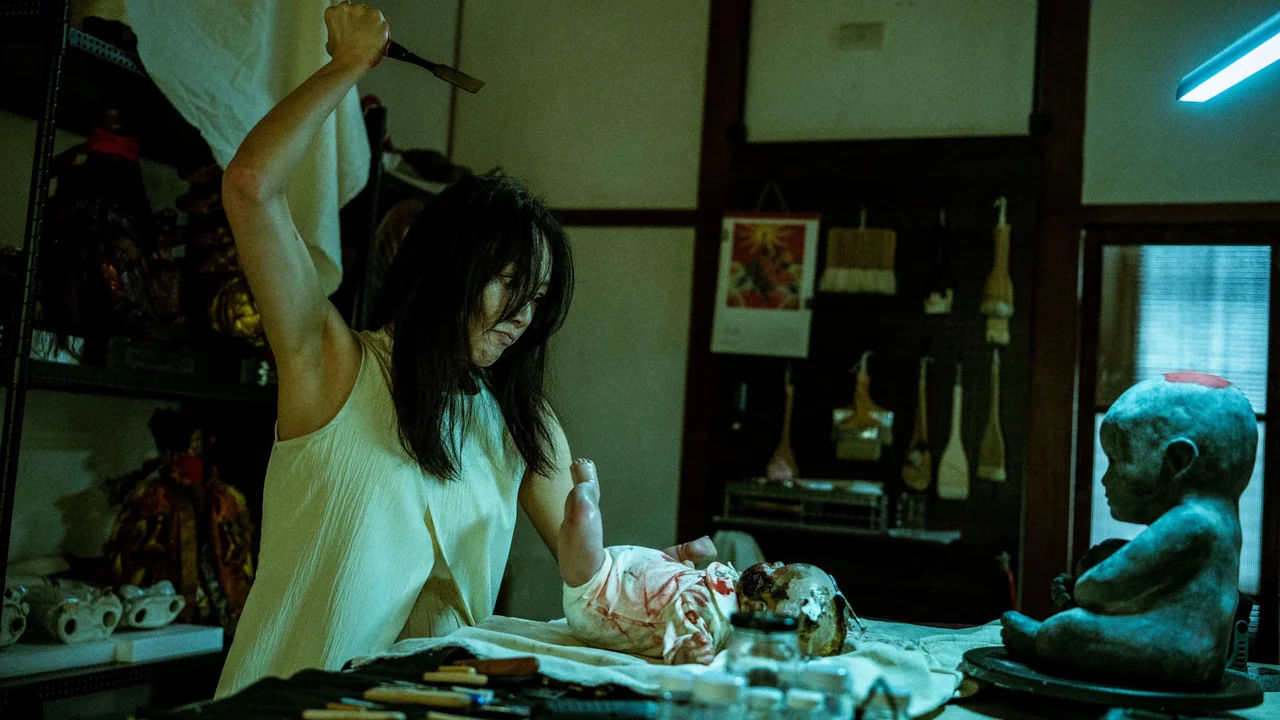
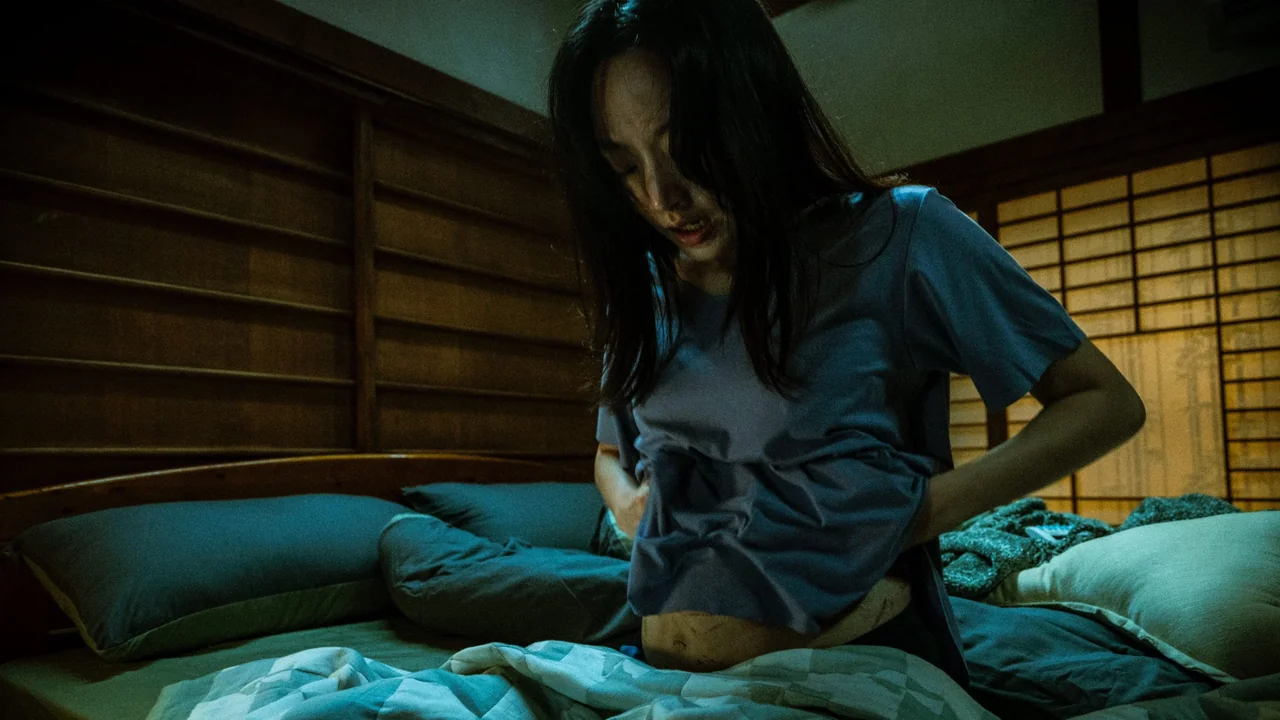
These effects serve scenes that need to reveal an unnatural force without turning the film into a continuous digital spectacle.
More importantly, violent scenes are not the film's only tool.
It clearly takes care to communicate pain and danger through movement, sound effects and the characters' responses.
For me, Mudborn's horror generally succeeds by offering variety between quiet tension and harsh confrontations, even if not all its scenes are equally inventive.
Performances: Mu Hua’s transformation and the surrounding characters
One of the film's strongest elements is Cecilia Choi's performance as Mu Hua.
This kind of role requires an actress who can move between contradictory psychological and physical states, particularly as supernatural forces exert more influence over the character.
Cecilia portrays this transformation convincingly.
At first, we see a woman who seems ordinary and vulnerable to the approaching danger. Her performance gradually changes, making the character stranger and more disturbing.
This is where the performance is strongest.
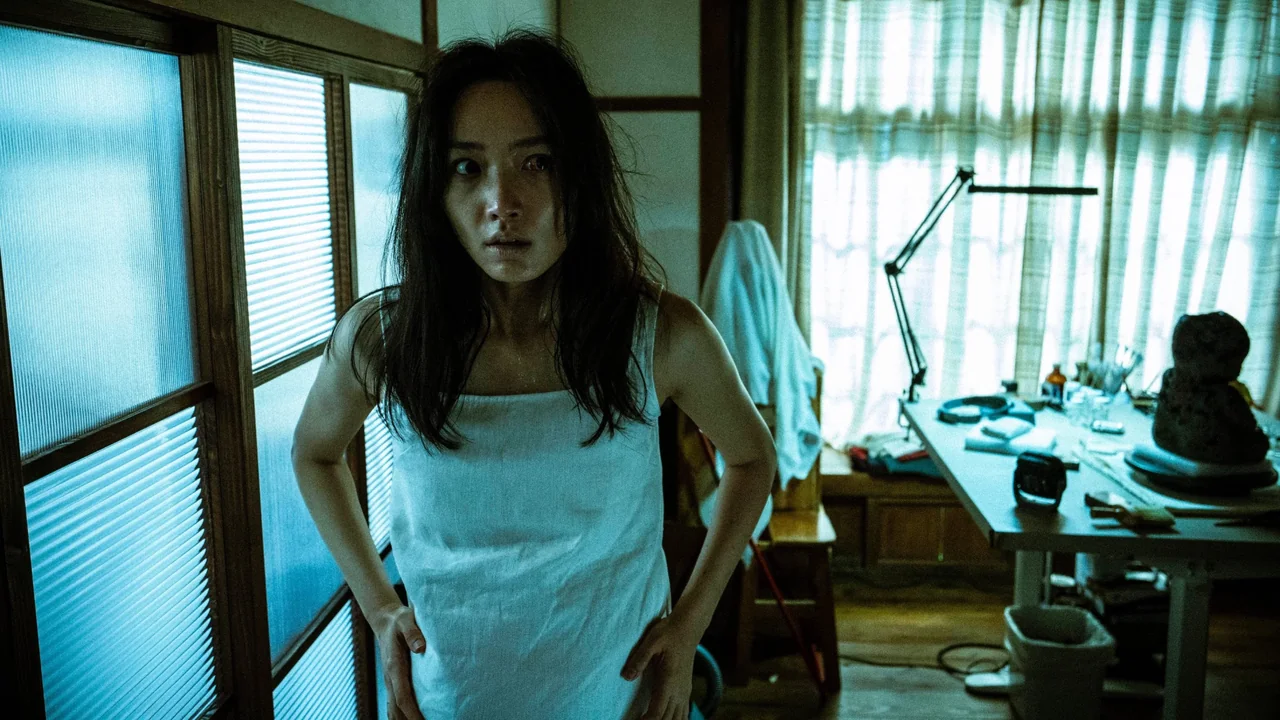
The actress does more than use frightening facial expressions or unnatural movements. She retains a human feeling that lets us recognize a suffering woman behind what is happening to her.
This gives the character a tragic dimension instead of reducing her to a means of frightening audiences.
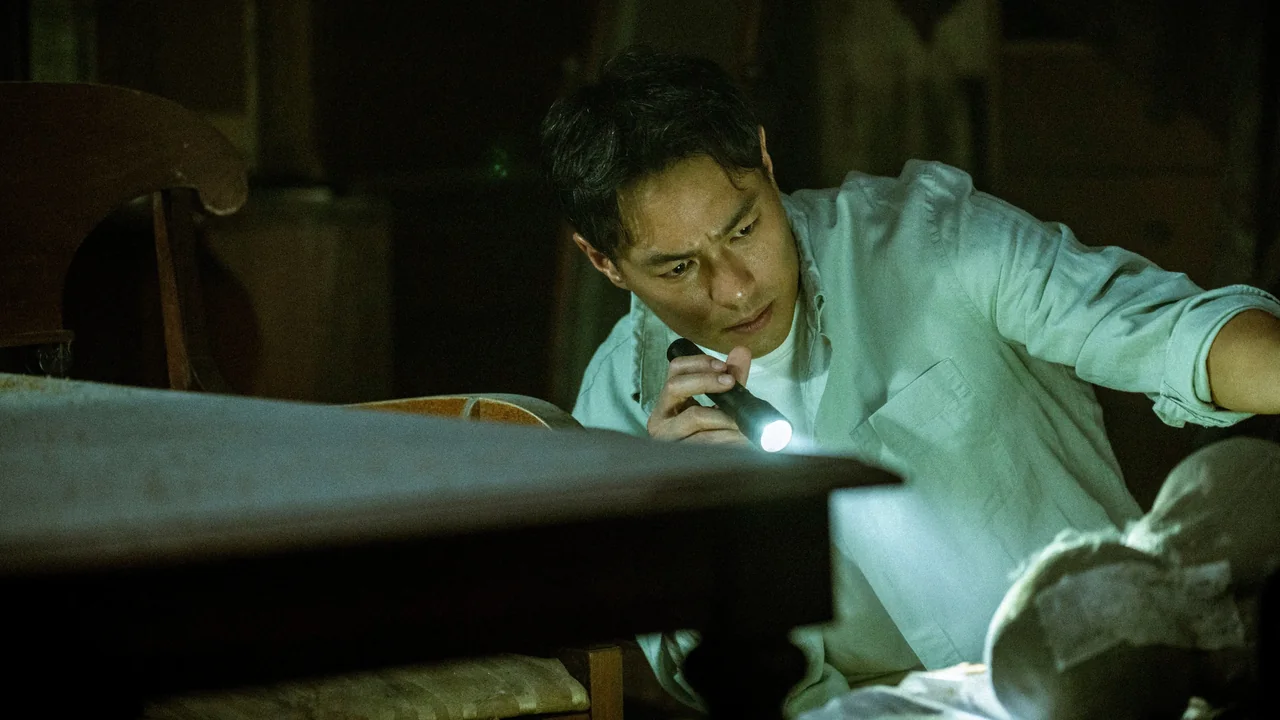
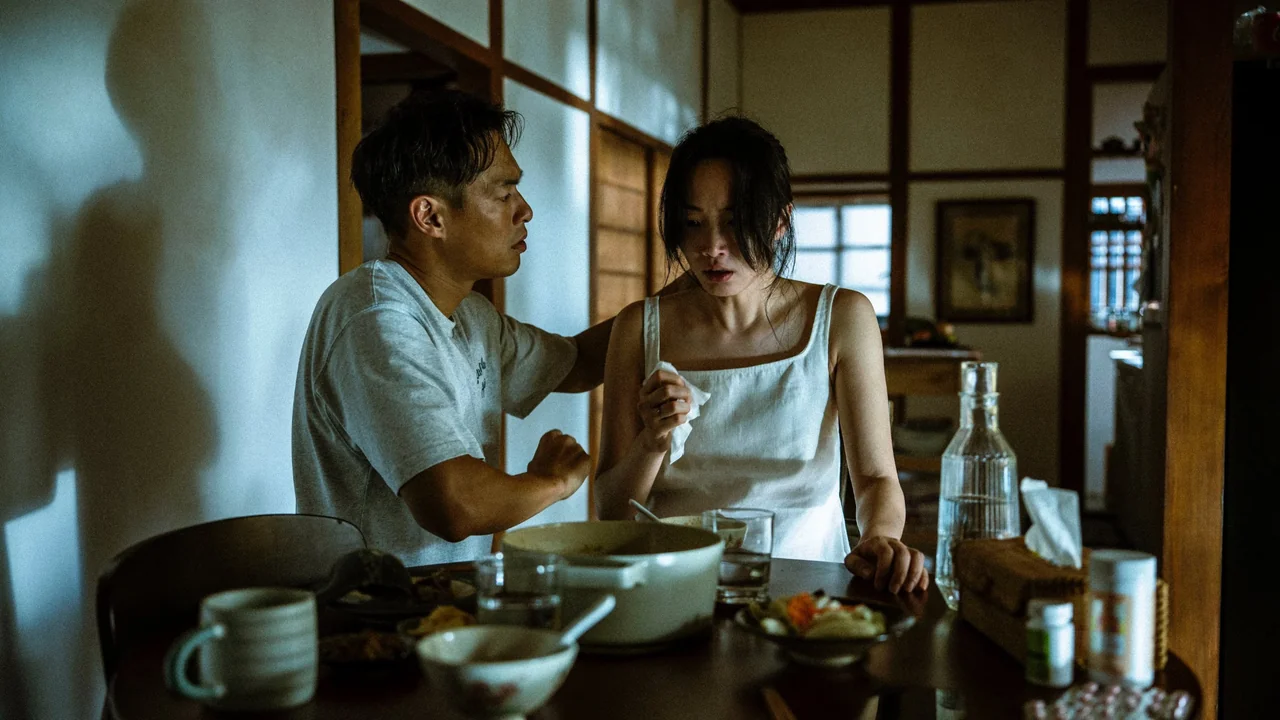
Tony Yang, who plays her husband Hsu Chuan, gives a suitable performance, particularly when he tries to understand what is happening and save his family.
His character does not have the same depth, however. He remains largely tied to his main function within the story: seeking an explanation for the danger and trying to confront it.
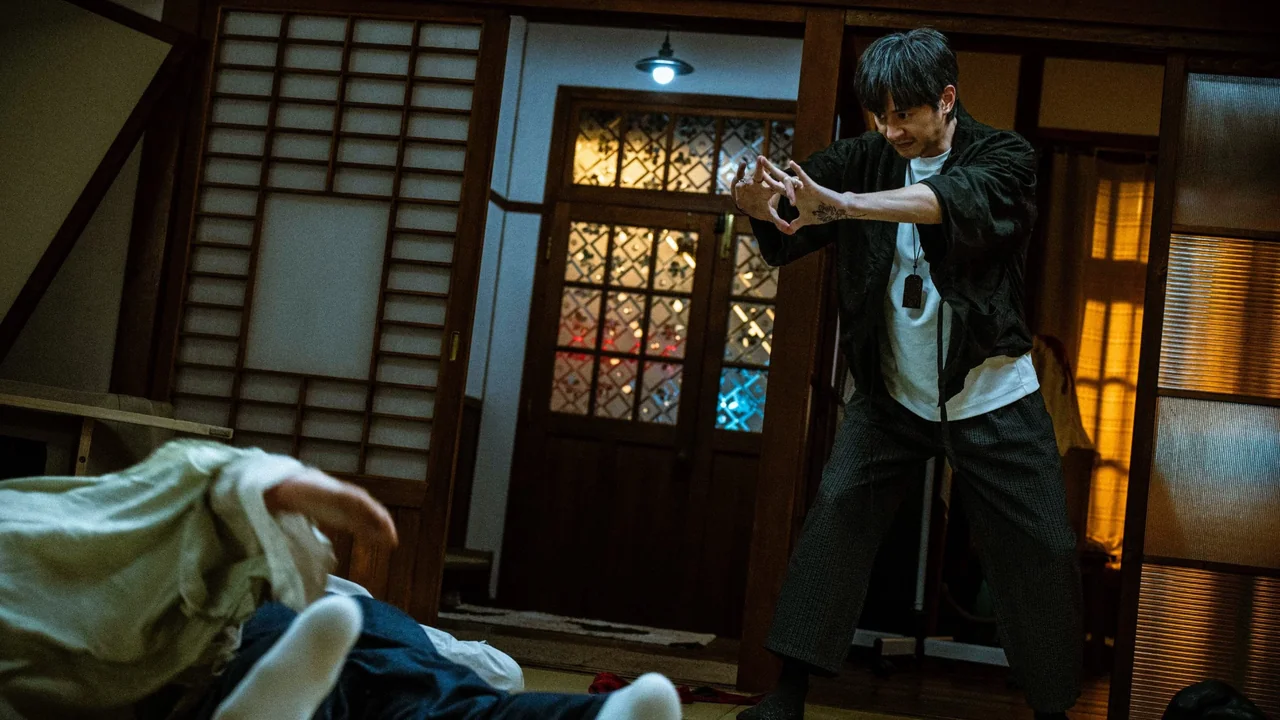
Derek Chang gives Ah Hsing a livelier and more confident presence.
He adds a different energy to some scenes because he seems more capable of dealing with the danger the characters face.
I think this unevenness largely comes from the writing rather than weak performances.
The film gives Mu Hua enough space to show clear changes, while some other characters remain limited to what the plot needs from them.
Mystery: distinctive folklore and familiar developments
Despite the film's success in building frightening atmosphere, its mystery does not retain the same strength until the end.
As events progress, details about the curse's origins and the tragic incident connected to it begin emerging.
This background gives the story an emotional dimension, but also takes it in a direction familiar to fans of Asian horror.
An old tragedy connected to the appearance of spirits and the spread of their influence to other people is not a new premise.
The problem is not using this idea, but that some discoveries can be anticipated before they are revealed.
This reduces the impact of surprises connected to the curse's history.
Nevertheless, details drawn from Taiwanese folklore give the story a distinctive quality that makes it more interesting than a conventional haunted object narrative.
I wished the screenplay had relied more heavily on the contradiction between modern knowledge and ancient danger instead of settling for a familiar explanation of supernatural events.
Pacing and editing
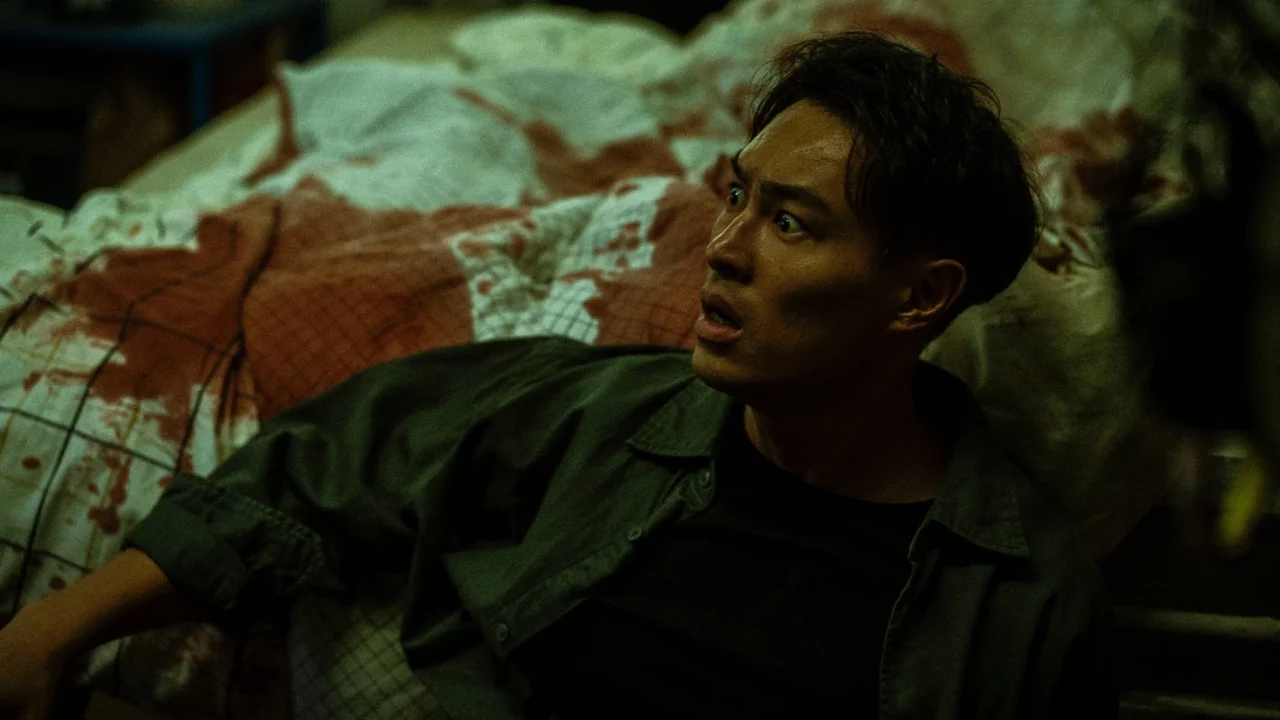
One of Mudborn's clearest weaknesses is that it is slightly longer than its story needs.
It has enough material for a complete horror experience, but some sequences continue too long without adding important development to the characters or events.
This affects the pacing, particularly when we have understood the situation and are waiting for the story to move into its next stage.
There is also a problem with the placement of a scene involving virtual reality.
We watch a character explore a dangerous location with the help of Hsu Chuan and virtual reality technology. The film then moves to a scene explaining how to use the technology, even though viewers already understand what is happening.
This order makes the explanatory scene feel as though it has arrived after its natural place in the narrative.
The problem is more than a temporal transition. Its information is no longer equally necessary after we have already seen the practical application.
I think removing or rearranging some of these details would have made the events more cohesive.
Horror films need precise control over pacing because tension depends on the timing of revelations and confrontations, rather than merely extending scenes.
Mudborn could have been stronger with tighter editing.
The ending: familiar rules and an open door
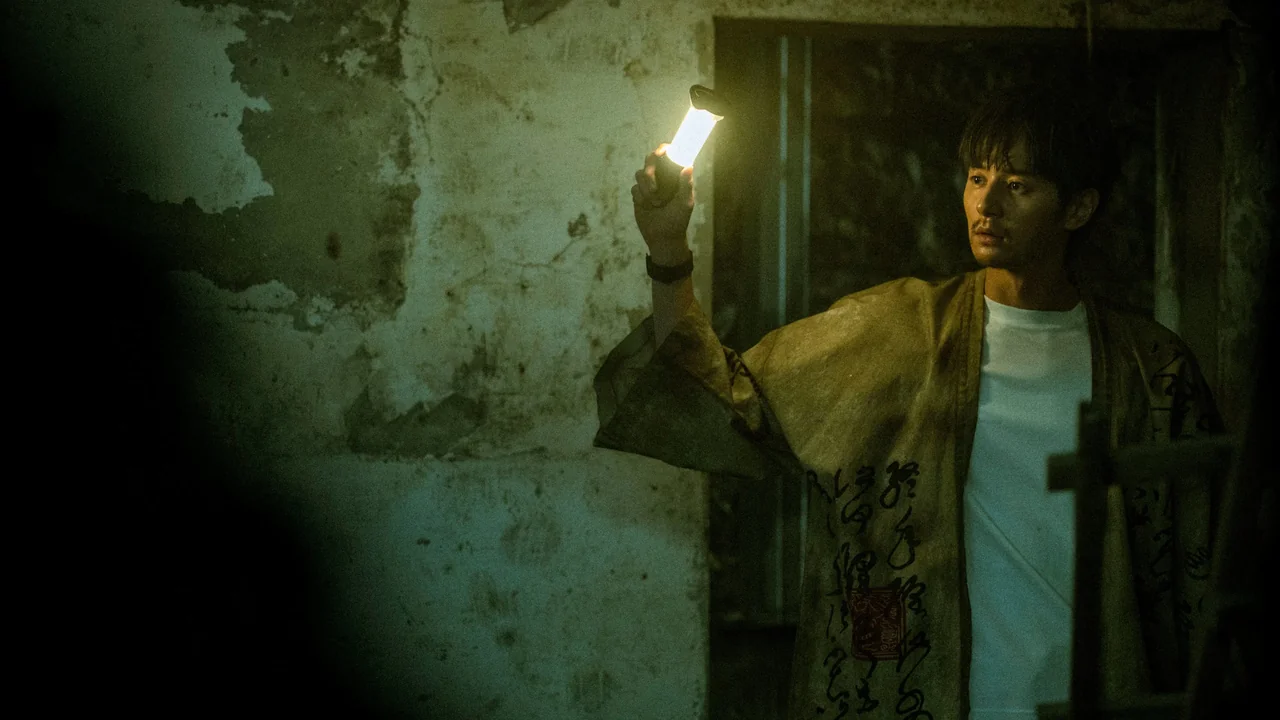
By the ending, the film has delivered a generally cohesive horror experience, but does not offer a surprise that completely reshapes our understanding of the story.
Some final developments are logical extensions of what came before. This is acceptable, but makes the ending less affecting than some of the earlier scares.
The film also clearly signals that the story could continue in another installment.
This choice is understandable as an attempt to expand the world, but it is relatively direct.
For me, the ending would have benefited from greater mystery instead of clearly confirming that the danger might continue.
Sometimes horror becomes more affecting when it leaves us facing a disturbing possibility we cannot settle.
Nevertheless, the ending does not ruin the experience. It reflects the film's nature: a work that delivers conventional horror effectively but does not venture far beyond familiar rules.
Strengths and weaknesses
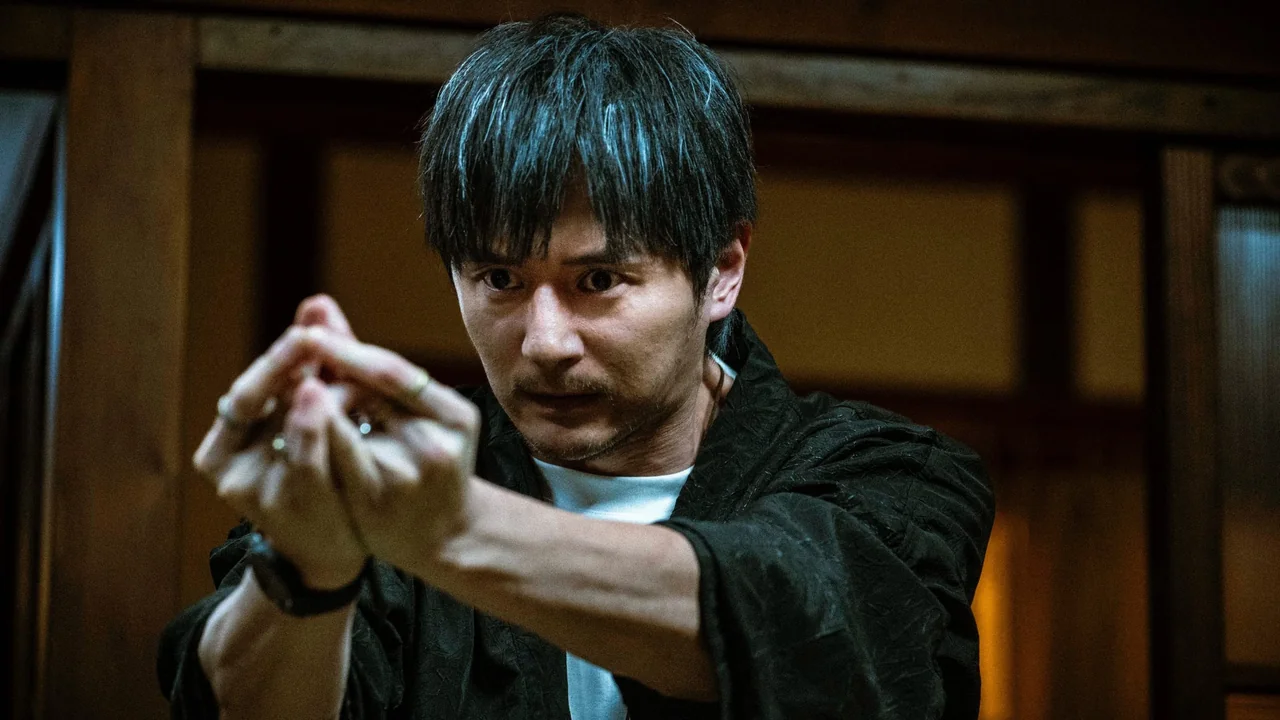
The principal strengths are the frightening atmosphere, the visual identity associated with statues and Taiwanese folklore, Cecilia Choi's performance and the balanced use of surprises and body horror.
The principal weaknesses are the insufficient exploration of virtual reality, predictable developments in the curse, scenes that could have been shortened, some editing problems and an ending that prepares for a continuation too directly.
Final verdict
Final verdict
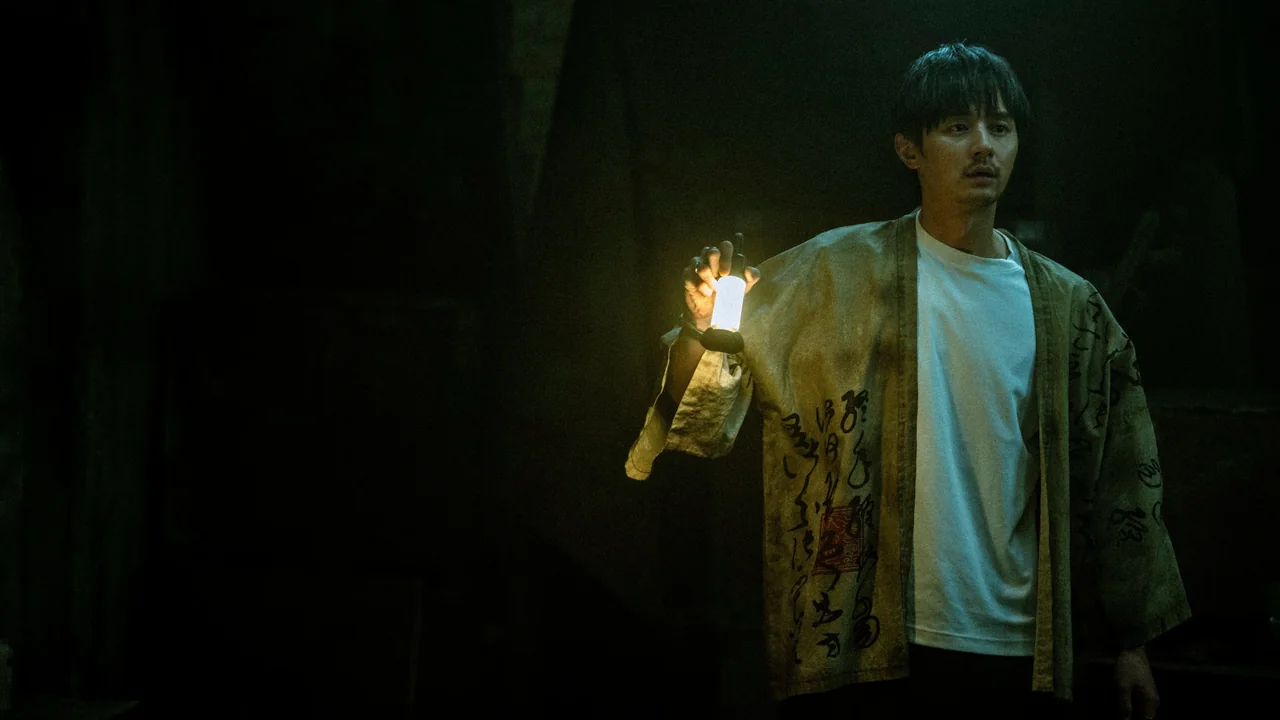
Ultimately, this is a good horror film worth watching, particularly for fans of Asian horror and stories built around curses, mysterious objects and supernatural phenomena. It delivers a disturbing experience filled with effective scares, using its folklore to give a familiar story a different character. At the same time, it does not achieve the distinction its premise allowed, particularly in the relationship between modern technology and ancient danger. I therefore consider it enjoyable within what it offers, but not a work that reinvents this kind of horror. If you are looking for frightening atmosphere, mysterious statues, violent scenes and a clear, direct horror experience, Mudborn deserves a chance. My rating for the film: 7 out of 10.
Your turn
My final question for you: would Mudborn have been more distinctive if virtual reality had remained central to the horror throughout, or was relying on traditional folk horror the better choice for this story?
AUDIENCE VOTE
Do you agree with the MB rating?
Choose once from this browser. You can change your answer at any time.