The review
The family dream begins to fracture
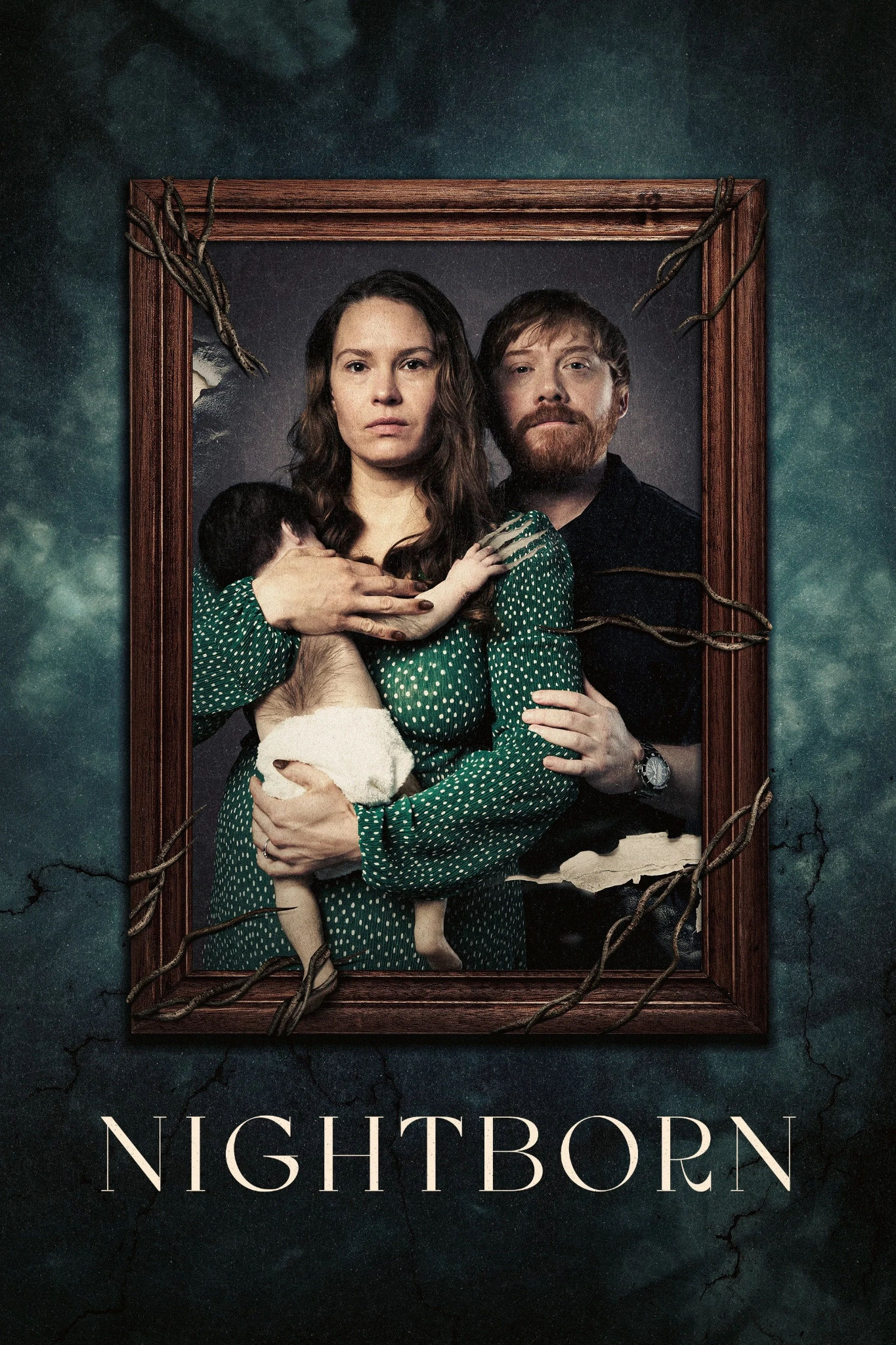
At the beginning, Saga moves with her husband Jon into an old house in rural Finland, inherited from her grandmother.
Their idea is very simple: leave the city, live close to nature, repair the house, and build a large family.
That matters because the film deliberately begins with an almost ideal image of family life, then gradually tears it apart.
Everything changes from the moment their son Kora is born.
Saga does not feel what she or the people around her expect her to feel toward her child. There is none of the immediate bonding that films so often depict after childbirth.
Instead, she looks at him and feels that something is wrong.
Here the film begins to ask its best question: what if the mother whom everyone believes to be psychologically unwell is the only person who sees the truth?
Saga: motherhood as bodily and psychological horror
The strongest element in the film is Saga herself.
The film does not try to present motherhood in its usual gentle form. It turns almost the entire experience into bodily and psychological horror.
Childbirth is painful, the body is exhausted, sleep is almost impossible, and breastfeeding itself becomes violent when Kora starts biting and injuring her.
Even the way Saga talks about her child matters.
At first she treats him less as her son than as something strange that has entered her life.
That makes the film uncomfortable, because initially we do not know how far we can trust her perception.
Is the child really abnormal?
Or are we seeing the world through the mind of a woman who has just endured a difficult birth and is suffering a psychological breakdown?
For a good stretch, the film preserves the space between those possibilities, and that is one of its greatest strengths.
Kora: from suspicion to understanding
As events progress, it becomes very difficult to explain Kora as an ordinary child.
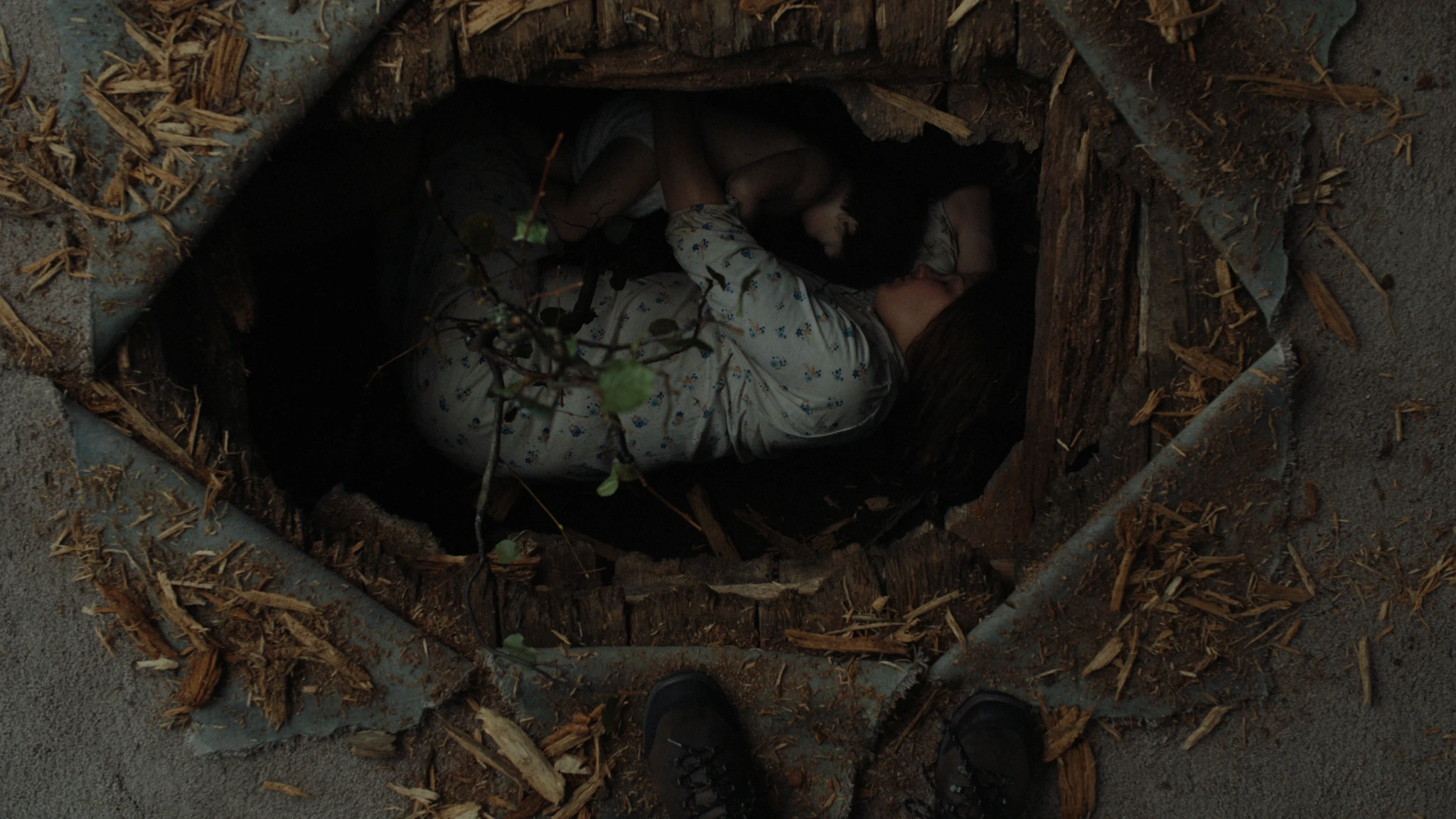
His sensitivity to light, attraction to blood, the growth of plants around him, and his strange reactions to certain things gradually move the film from psychological uncertainty into explicit fantasy.
The clever thing is that discovering the truth about Kora does not end the problem.
Quite the opposite.
As Saga starts to understand the nature of her child, their relationship begins to improve.
Here the film reverses its idea.
Initially, Saga rejected Kora because she wanted a normal child.
Later, she begins to accept him as he is.
She stops trying to force him to eat the food he rejects or behave the way other people want. Instead, she starts to communicate with him through his own language and nature.
Interestingly, the relationship that looks most monstrous from outside becomes, from the film's perspective, the only one that truly understands the child.
Jon: when optimism becomes denial
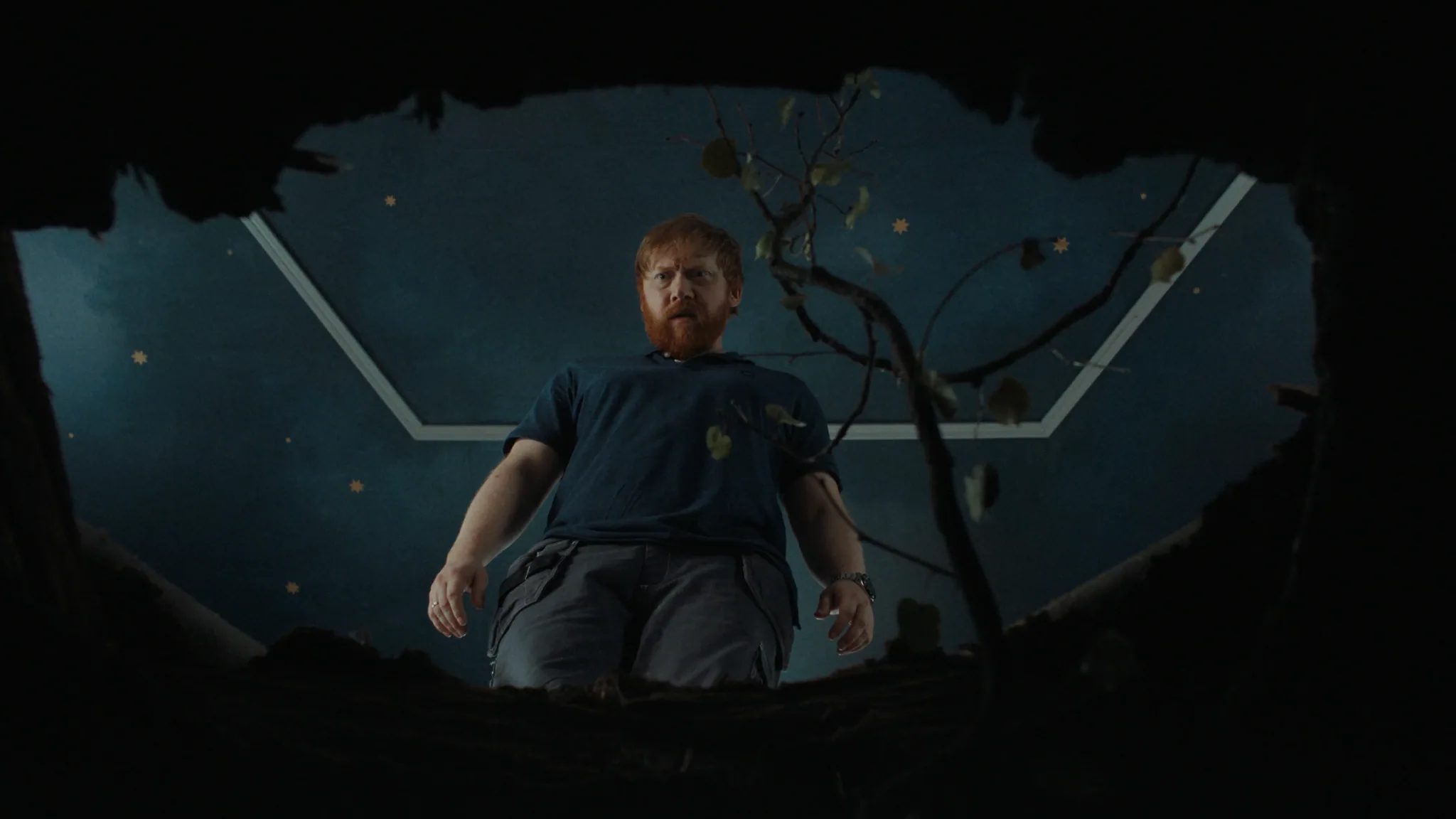
Jon is one of the most interesting characters in the film.
That is because Rupert Grint does not play an evil husband.
On the contrary.
For much of the film, he is trying to do what seems reasonable.
He wants to check that his son is healthy, tries to help his wife, and attempts to preserve their home and the normal life they wanted.
This makes the problem more complicated.
Saga sees a truth that Jon cannot see.
At the same time, her behavior in front of him becomes stranger and more violent.
From his perspective, his wife is breaking down psychologically, feeding their son blood, and treating him like a wild creature.
So I do not see Jon as merely a foolish character who refuses to believe what is happening.
The film gives him real reasons to doubt.
The problem begins when his attachment to normal life becomes a complete rejection of any other explanation, even as the signs accumulate in front of him.
The optimism that initially seemed like an admirable quality gradually turns into a form of denial.
Rupert Grint and the weight of ordinary logic
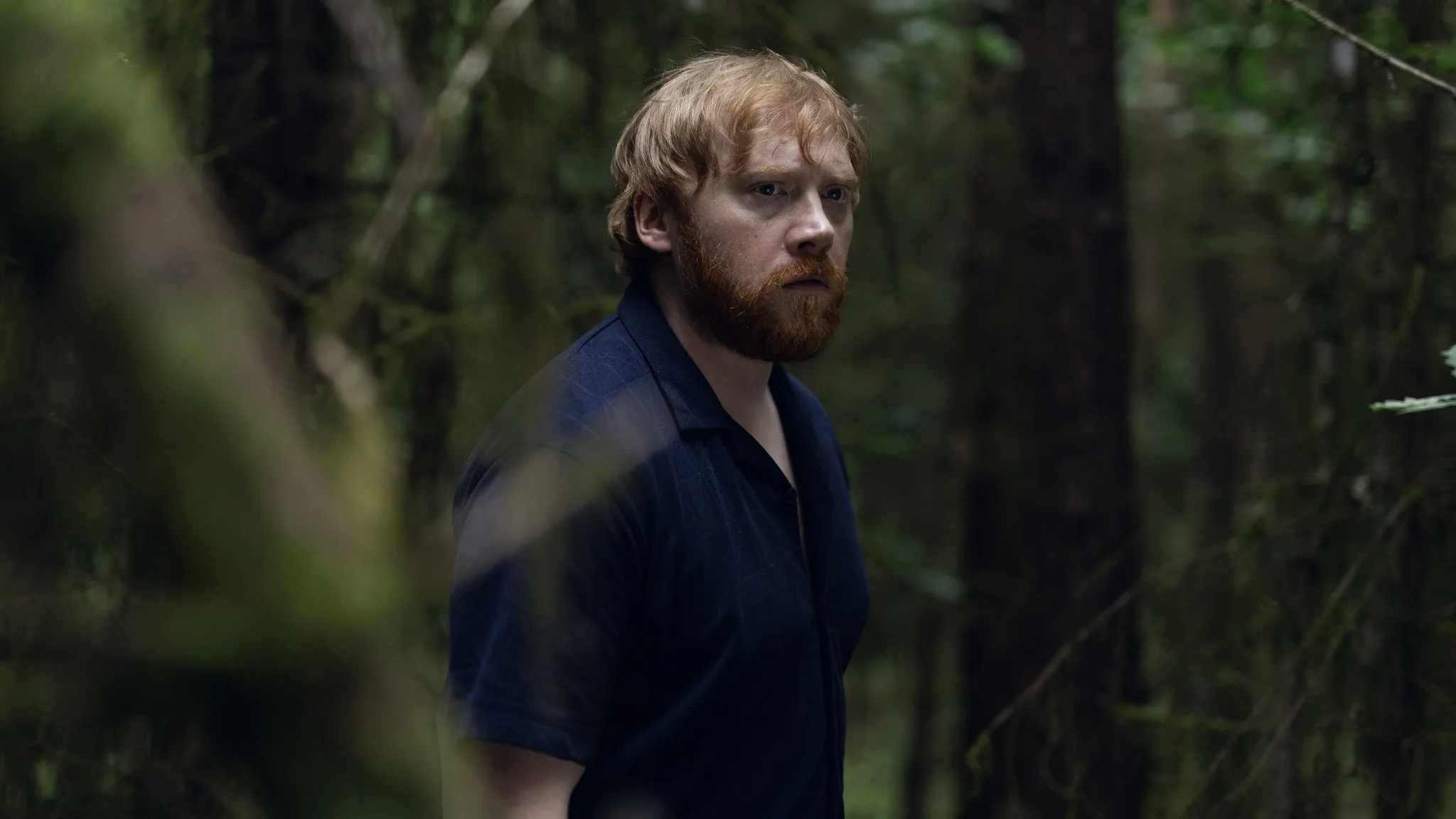
In terms of performance, Rupert Grint gives one of the most balanced turns in the film.
He does not try to compete with the horror around him by overplaying his role.
For most of the film, Jon is an ordinary person caught in an extraordinary situation.
As the pressure mounts, we see the optimistic husband become an exhausted, angry, frightened man.
Even when he makes mistakes, you can understand why he acts as he does.
That matters enormously, because the film would have been much simpler had Jon merely been a bad husband from the beginning.
Seidi Haarla: the power of exhaustion and the limits of excess
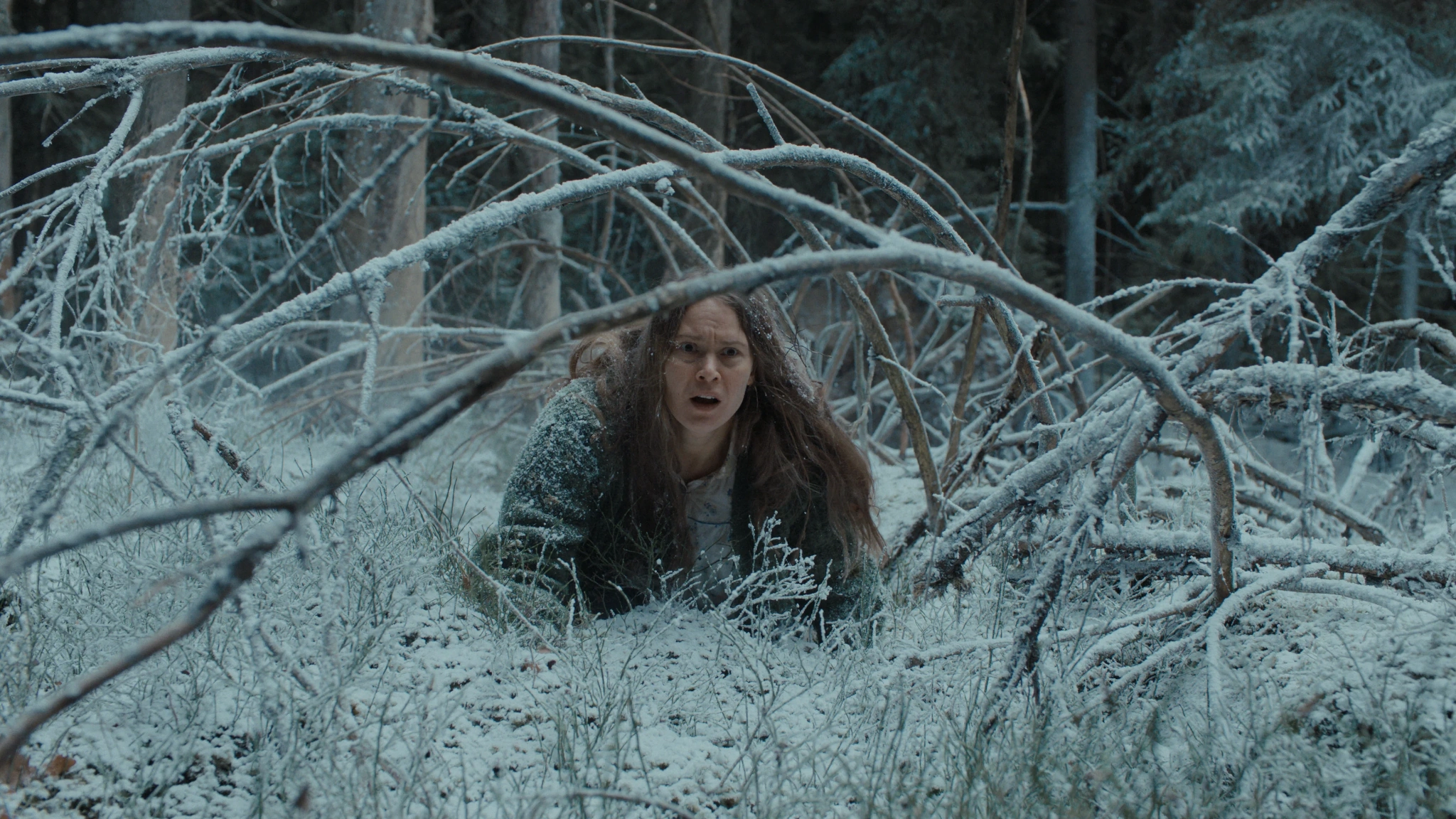
Seidi Haarla undoubtedly carries the most difficult part of the film.
For me, her best moments are not the screaming or animalistic behavior.
They are the moments when she seems completely empty.
The exhaustion in her face, the way she looks at Kora, her fear of her own body, and her sense that she alone sees something others refuse to acknowledge.
Those moments are very powerful.
But I have a problem with some stages of the performance, when the film pushes her further toward hysteria and animal behavior.
Sometimes the result is effective; at other times, the performance feels bigger than the scene itself.
The problem is that the film already had enough horror in its small details. It did not always need to raise the performance to that intensity.
Accepting the child, transforming the mother
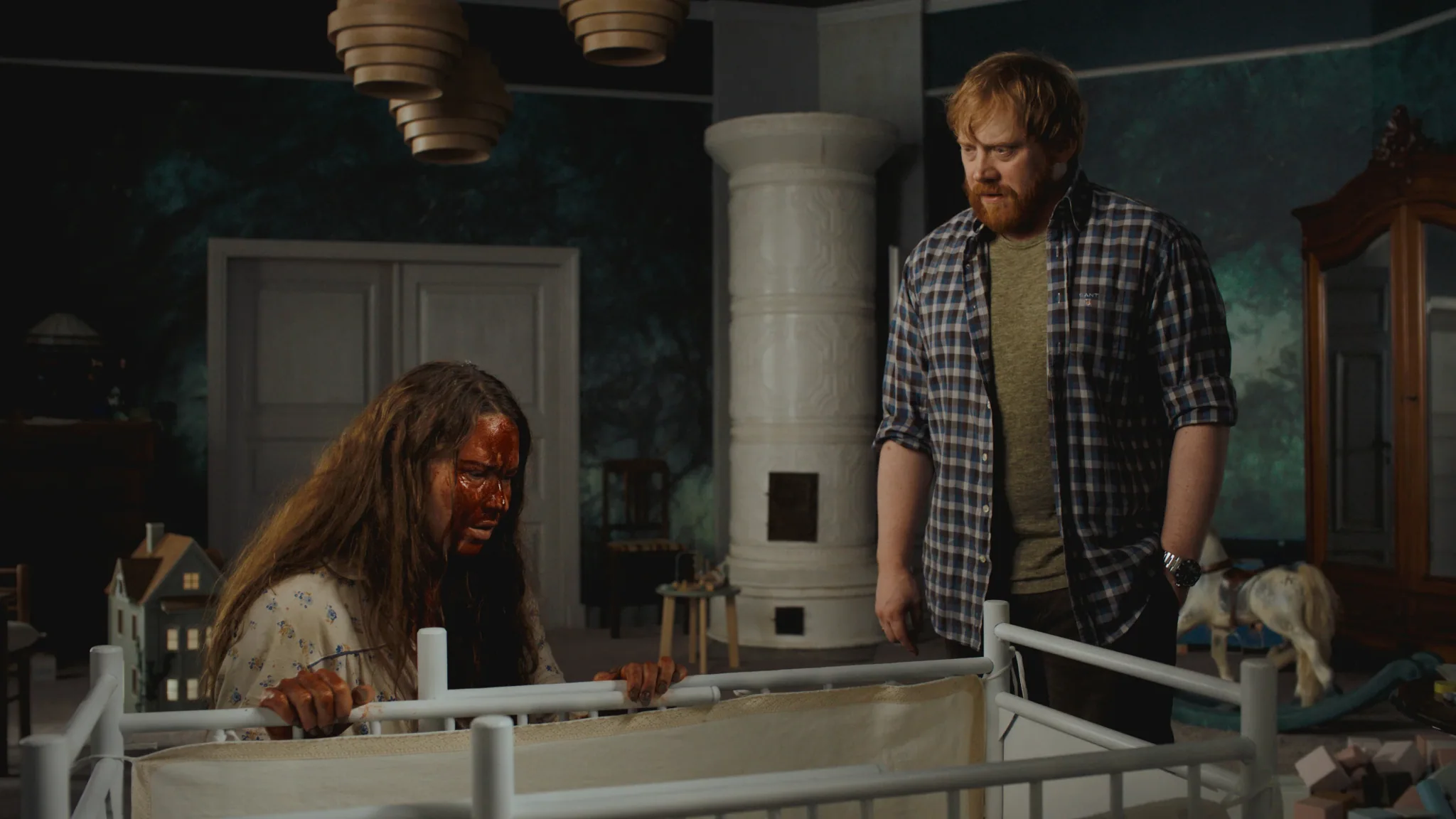
The best development in the story comes when Saga stops trying to change Kora.
At first, she fears him.
Then she tries to understand him.
Eventually, she begins to see herself in him.
That makes their relationship more complicated than simply a mother and a monstrous child.
The film makes clear that trying to force Kora to be a different child only increases the conflict.
But when Saga starts to engage with him according to his nature, a real relationship develops between them.
The problem is that the film then takes this idea to its furthest possible extreme.
Saga does not merely accept her child. She herself begins to move further and further away from the normal world Jon has been trying to preserve.
The question is therefore no longer whether a mother can accept a child who is different.
It becomes: how much can she change herself for that child?
The final clash and the loss of ambiguity
The final confrontation between Saga and Jon was predictable, but it makes perfect sense given the direction of their characters.
Jon reaches the point where he sees Saga as the real danger to Kora, while she believes Jon is trying to take the child away from the only person who understands him.
When Jon decides to take Kora and leave, everything collapses.
Here the film also settles one of its biggest questions.
We are no longer considering whether everything we have seen might be Saga's psychological perception.
Kora really does possess an unnatural power, and nature itself responds to him.
Jon's death in this way gives a tragic ending to a character who has spent the entire film trying to explain events through ordinary logic.
But I have a small reservation about this ending.
The film was more frightening when I was not certain of what I was seeing.
Once every supernatural element becomes clear and explicit, it loses some of the ambiguity that made its best passages work.
The real ending: Kora chooses his mother
The most important moment is not Jon's death itself.
It is what happens to Saga afterward.
When she offers Jon's heart to Kora and then joins her child in eating, it becomes clear that Saga herself has passed the point of no return.
She is no longer trying to bring Kora back into the human world.
She has chosen his world.
In the final scene, when Kora heads toward the forest and the creatures there, their relationship faces its most important test.
For a moment, Saga fears that he will choose this new world and leave her.
But he looks at her and returns.
For me, this is the story's true ending.
Saga has spent the entire film unable to feel a connection with her son.
In the end, after she accepts him completely, he is the one who chooses to connect with her.
The idea is very powerful, even if the route the film takes to reach it is intensely violent.
The house and forest become part of the horror
Visually, Nightborn has a very distinct identity.
The old house, the floors that nature begins to break through, the surrounding forest, and the dim lighting all make the environment part of the horror rather than a mere backdrop.
The forest, in particular, has a constant presence.
The film treats it almost as a creature watching the characters.
You do not need to see something moving all the time. The shapes of the trees and shadows alone create a sense that the place itself is unnatural.
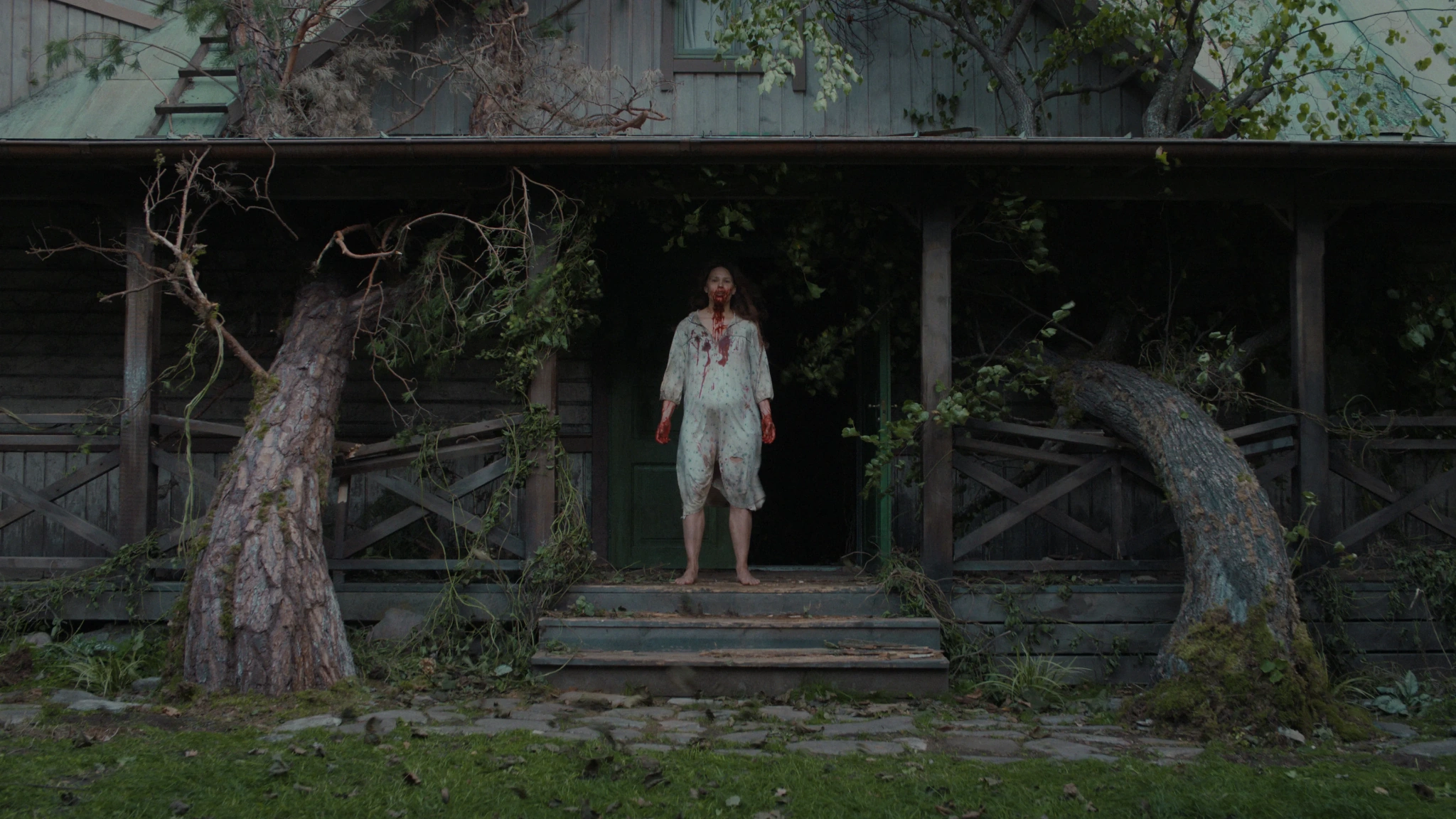
Hanna Bergholm knows how to use these kinds of images.
Sometimes, though, she does not trust a simple image enough.
Some supernatural elements are emphasized more than necessary, when they would have been more frightening left in the shadows or shown less clearly.
Strong ideas, less consistent execution
The film's greatest strength is its central idea.
It uses horror to address aspects of motherhood rarely presented so openly: exhaustion, fear of failing to bond with a child, bodily changes, and the guilt of finding the experience less beautiful than everyone says it should be.
Saga and Jon's relationship is also written in a way that allows us to understand both sides for a long time.
The Finnish atmosphere, forest, house design, and sound give the film a very clear identity.
On the other hand, the film struggles whenever it tries to become more explicit.
The ambiguity of the first half is stronger than the answers in the second.
Some excess in the performances or effects occasionally reduces the horror instead of increasing it.
The ending is also powerful as an idea, but raises everything to an extreme level of brutality that may not sit as successfully alongside the quieter psychological horror that made the opening work.
Final verdict
Final verdict
A very good horror film in its ideas and atmosphere, but less consistent in execution. Its best element is neither Kora's appearance nor the violent scenes. It is the relationship between Saga and her child: the movement from rejection and fear toward understanding and complete attachment, even when that attachment becomes frightening in itself. Rupert Grint gives a balanced, convincing performance, Seidi Haarla is excellent particularly in the quieter moments, and the direction creates extremely strong images and atmosphere. Still, the film would have affected me more had it trusted ambiguity, shown less, and avoided some of the excess in its final stretch. A strange, disturbing film with something real to say, even if not all of its choices succeed.
Your turn
Do you think Saga ultimately succeeds as a mother because she accepts Kora as he is, or does she lose herself entirely and become part of the monster she feared at the beginning?
AUDIENCE VOTE
Do you agree with the MB rating?
Choose once from this browser. You can change your answer at any time.