The review
Japan after the collapse: A world worth exploring
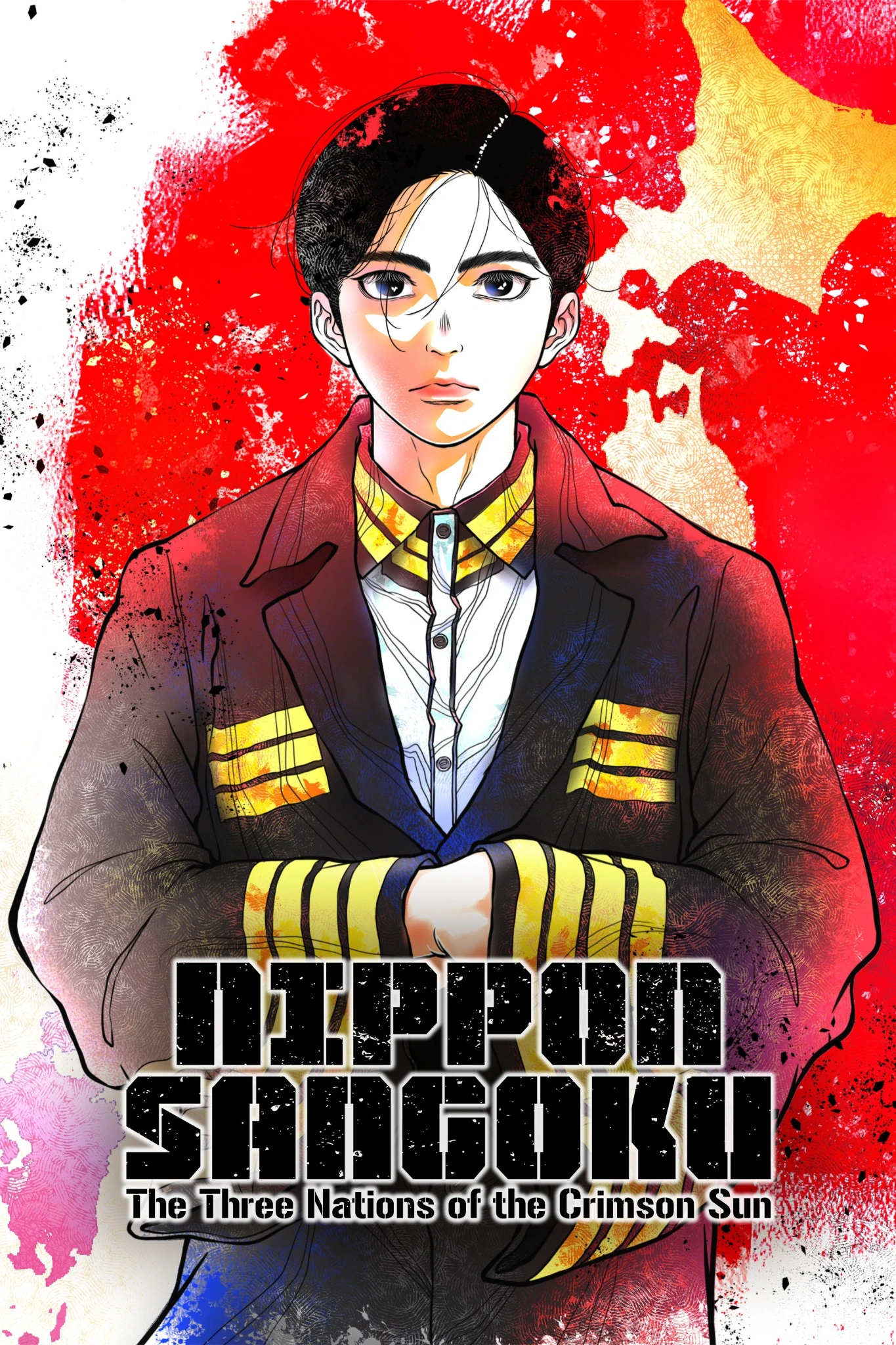
Nippon Sangoku takes place in an alternate future Japan after a series of disasters has brought the country down, reducing its population and damaging its economy, education system, and infrastructure. Nuclear wars, devastating earthquakes, economic crises, and heavy taxes are followed by a violent revolution that topples the old order.
Japan loses most of the features of modern civilization and returns to conditions closer to the early Meiji era. It then splits into three rival states, Yamato, Buou, and Seii, opening a new struggle for control and reunification.
What makes this setting compelling goes beyond the idea of dividing a country into three competing powers. The series connects the collapse of civilization to the return of military authority.
In this world, people can no longer count on laws and institutions to protect them. Their lives depend on who holds power and influence. Those in authority can impose taxes, abuse their positions, and commit violence against civilians without anyone stopping them.
The anime builds a world in which violence feels like the consequence of a political order where civilian authority has collapsed and the military has the final word. It has a purpose beyond adding excitement.
The title itself is telling. Sangoku refers to the Three Kingdoms era, while Nippon means Japan. Put together, the words suggest a Japan living through its own version of that historical period.
This gives the anime a clear identity. It makes us want to understand what drives the conflict between the three states and how one person might change the balance of power in a world like this.
More importantly, the series connects that broad political backdrop to the lives of people who are simply looking for a safe place to live.
Aoteru Misumi: A man who understands power without holding it
Aoteru differs from the conventional hero of a war story.
He begins with no military command, political influence, or fortune that might bring him to power. He works as a clerk in agricultural planning and tries to live quietly away from conflict.
What sets him apart is his knowledge of history and war, his ability to read maps, and his skill at thinking, planning, and speaking in front of others.
Aoteru doesn’t have to be the strongest man in the room to have an influence there. His real strength lies in understanding circumstances, thinking through consequences, and looking for solutions that don’t always require direct confrontation.
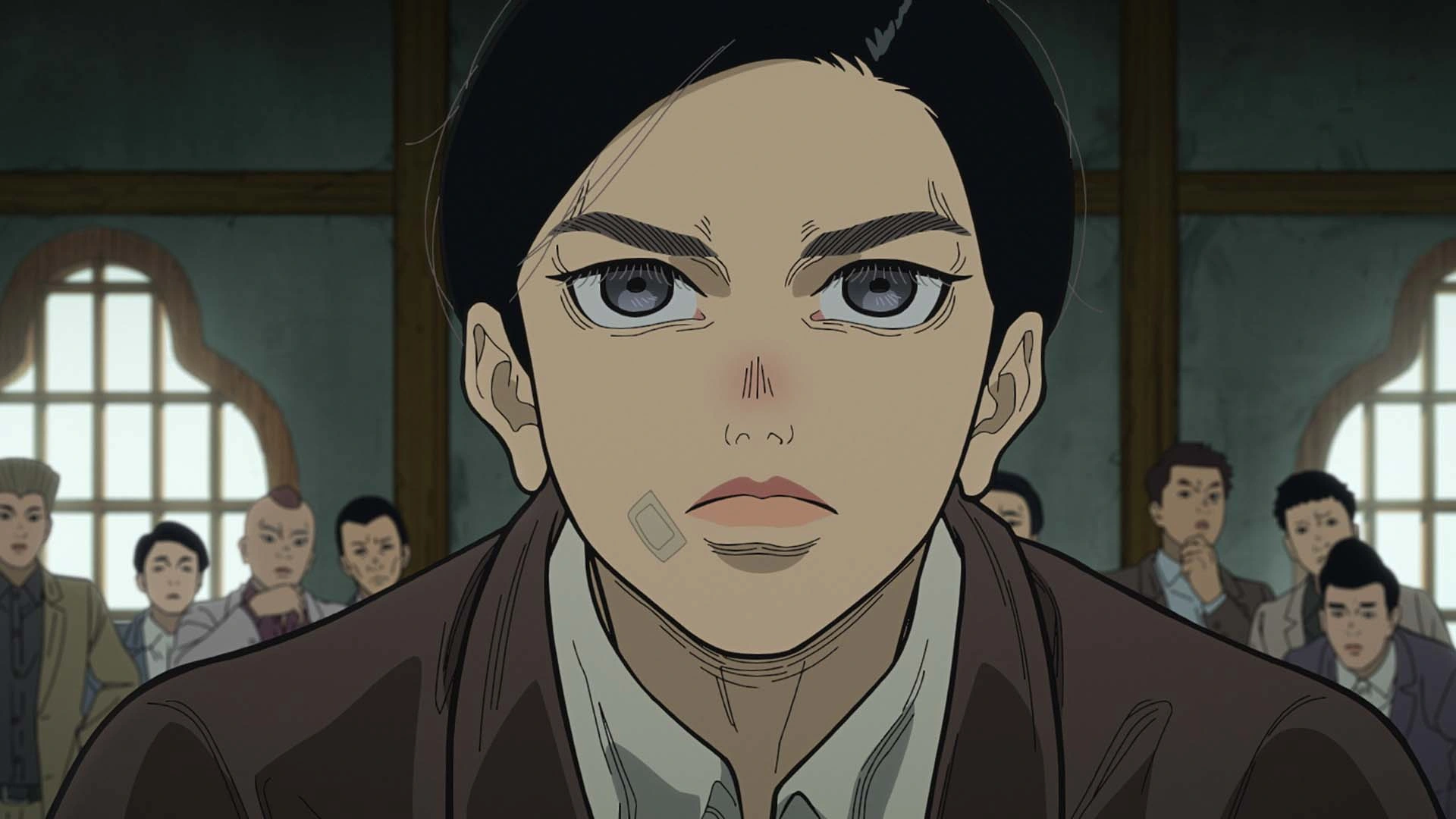
That choice gives the military conflicts a different character. Information, timing, and an understanding of an opponent’s moves become as important to victory as physical strength.
There is also a human side to the beginning of Aoteru’s journey.
His relationship with Saki represents the life he wanted to protect and has a purpose beyond romance. Saki is brave and impulsive, and urges him to aim beyond his modest job because she sees abilities in him that he doesn’t recognize.
When Denki Taira intervenes in the couple’s life and civilians suffer violence at the hands of a tax collector, Saki decides to confront the injustice. Her decision has harsh consequences that change the course of Aoteru’s life.
This exposes an early weakness in the writing: Saki’s fate quickly becomes the motive for the hero’s larger journey. Their relationship gives events an emotional foundation, but using the loss of a wife in this way is a familiar dramatic choice, particularly when the character is sacrificed to set the hero’s story in motion.
Aoteru’s agricultural background matters beyond biography. It gives his abilities a different dimension, showing someone who thinks about resources, land, and circumstances. His intelligence amounts to more than knowing the names of military strategies.
It’s one of the ideas that gives him promise, even if the series doesn’t make full use of it.
Military intelligence: When plans matter more than swords
One of the main draws of Nippon Sangoku is its interest in military planning and political maneuvering. War has more to offer here than a series of bloody confrontations.
The characters try to anticipate their opponents’ next moves, identify weaknesses they can use, and turn deception or a calculated retreat into another chance at victory.
One of the series’ better ideas is that a sound plan guarantees nothing. People aren’t tools to be controlled, and one impulsive act can undo calculations that took a long time to work out.
That makes for some of the season’s strongest drama. The outcome depends on who has the better plan and on how each side handles developments it didn’t anticipate.
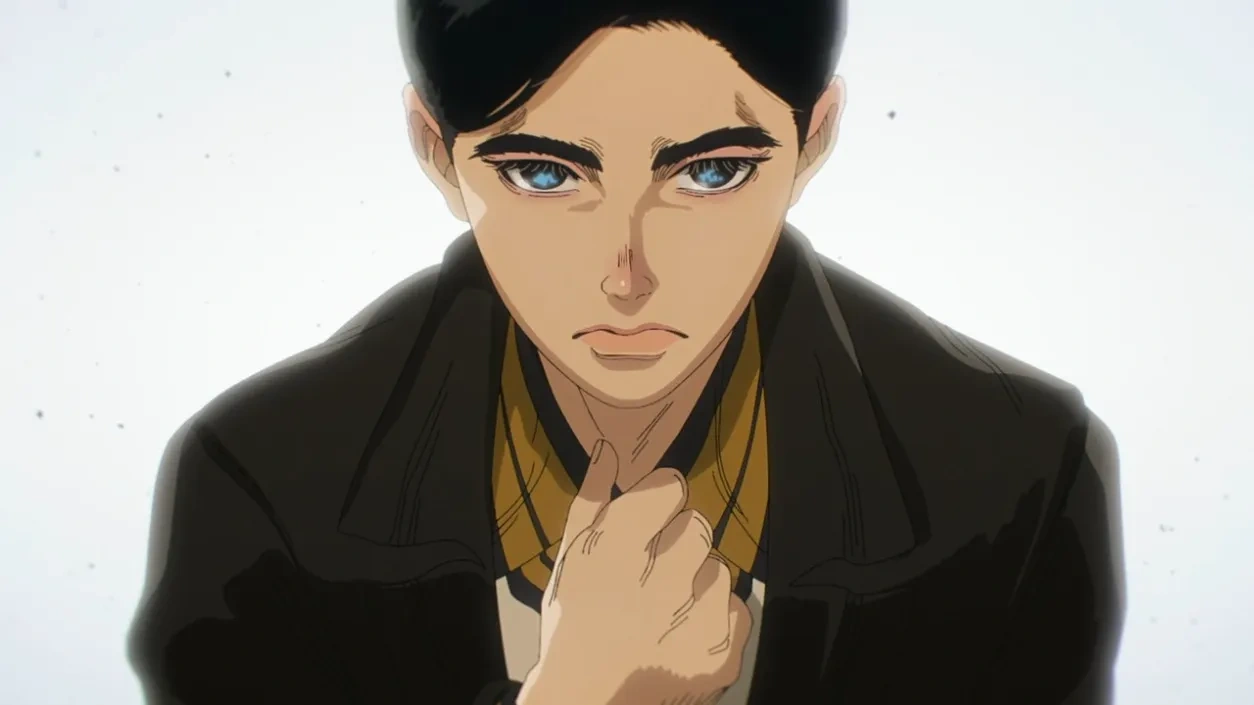
Political maneuvering adds another layer, especially in the conflict between Taira and Raimon. Influence can be settled through decisions, alliances, and dealings with those in power as readily as on the battlefield.
This brings us to a recurring problem: the series keeps trying to tell us how intelligent its characters are when it could let their actions show it.
They cite Sun Tzu, name particular military strategies, and spend long stretches discussing what plan the enemy might carry out. The terms themselves are fine; the repetition makes the dialogue feel at times like a display of knowledge rather than a dramatic confrontation.
When the characters have to keep explaining their intelligence, it loses some of its effect. Viewers don’t need to hear the name of every strategy several times to recognize a maneuver in progress.
Some of the plans also aren’t as convincing as the dialogue would have us believe. Certain decisions raise questions about their logic, and a simpler action could have resolved some situations without all that complexity.
The difficulty, then, isn’t that the military plans are complicated. It’s that the series doesn’t always make their complexity convincing.
Taira and power: An antagonist who needs no reintroduction
Taira embodies power without limits, exercised by people who treat others as tools to be controlled.
He matters because he gives the political conflict a face and sets Aoteru against a force that good ideas and a broad knowledge of history can’t overcome on their own.
The problem is that the series presents Taira in much the same way over and over.
In the palace scenes, we repeatedly see his cruelty, the deference of those around him, and characters who do little but endorse his decisions without thought or real objection.
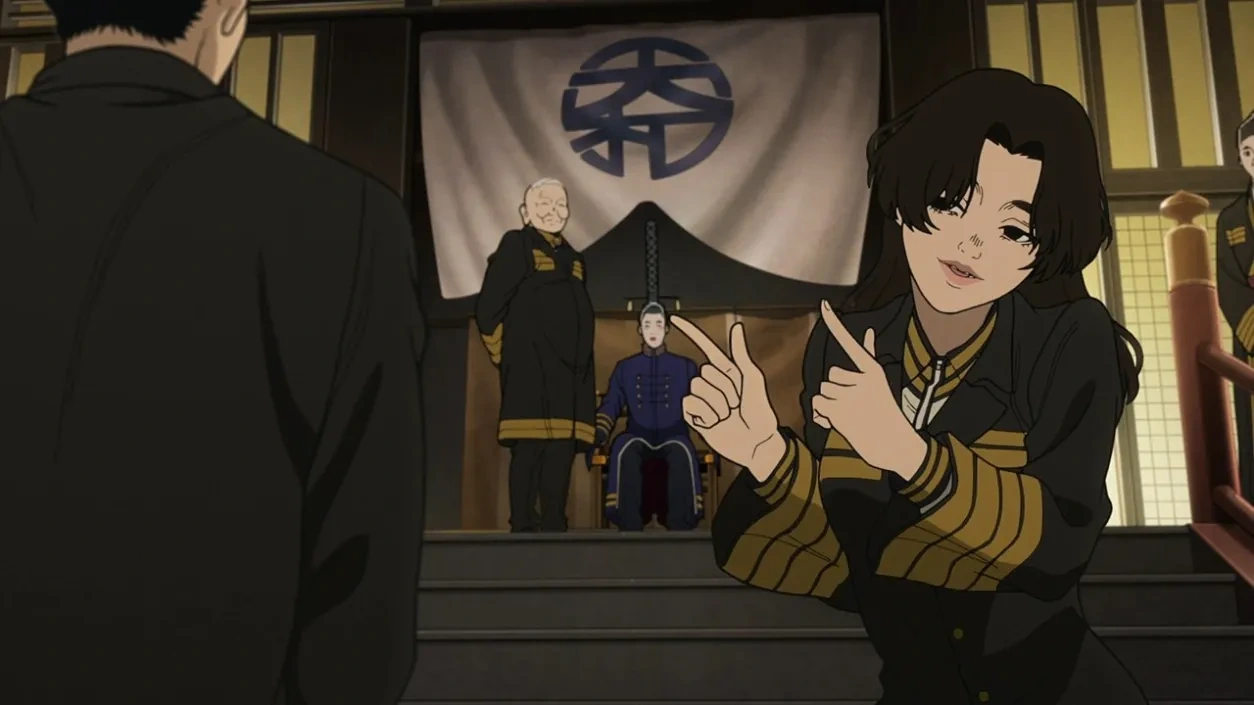
In time, these scenes tell us little more about Taira or the system he governs. We already know he is cruel and the authority around him is corrupt. The series keeps making that point instead of developing the conflict around it.
That time could have revealed more complicated sides of the political struggle or introduced new challenges that made Taira’s influence more interesting.
There is a difference between repeating information and building on it. Watching those in power crush their opponents again doesn’t necessarily make them more frightening, especially if the scenes bring no new consequences to the story.
Supporting characters and comedy: A problem of pacing
Nippon Sangoku tries to combine war drama with satirical comedy, a choice that can work when the tone holds together and the timing is right.
The series does have some success here. Some conversations between Aoteru and Tsune are funny, and the satire gives it room for lighter moments that still feel like part of the same story.
Many jokes don’t land as well as they should, however. The recurring gag about Wajima being a valuable figure does little to change how we relate to her.
Comedy also goes beyond the dialogue at times and shapes the ways events are held up.
That leads to one of the season’s clearest problems. Characters suddenly appear to object to Aoteru, drawing him into long arguments that accomplish little before somebody else comes along to settle the matter.
It is especially noticeable late in the season, when Aoteru is assigned a secret plan and we are meant to wait for him to reveal his next steps.
Instead of moving straight to the main confrontation, he is stopped by a guard and drawn into a lengthy argument. Once that is resolved, someone else appears to accuse him of corruption, and the delays repeat.
The series spends a great deal of time on obstacles that feel less significant than the plan we are waiting to see.
The presence of obstacles or palace bureaucracy isn’t the issue. Repeating the same device makes the interruptions drain tension instead of raising it.
The real confrontation could have tested whether Aoteru could persuade an emperor under Taira’s influence to act against him. The series spends much of its time getting there, and the result isn’t entirely convincing when it arrives.
What is meant to test the hero’s intelligence turns into a string of delays that doesn’t always justify the time it takes.
Art and animation: A visual identity stronger than some of the writing
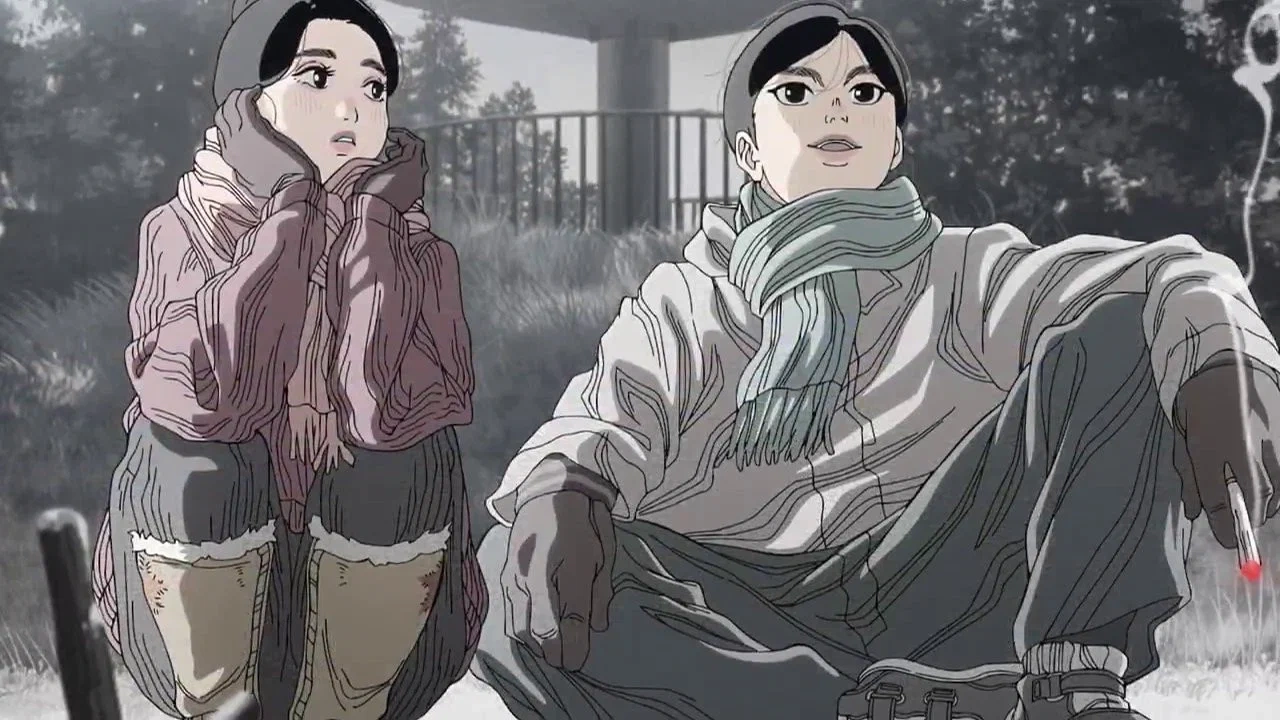
The art is among Nippon Sangoku’s greatest strengths.
The drawing and backgrounds give the world a clear visual identity. They show the contrast between the open landscapes people live in and the cruelty that war and conflict bring to their lives.
Some scenes have a painterly quality. The backgrounds are more than a space for the characters to move through; they help give the world its texture.
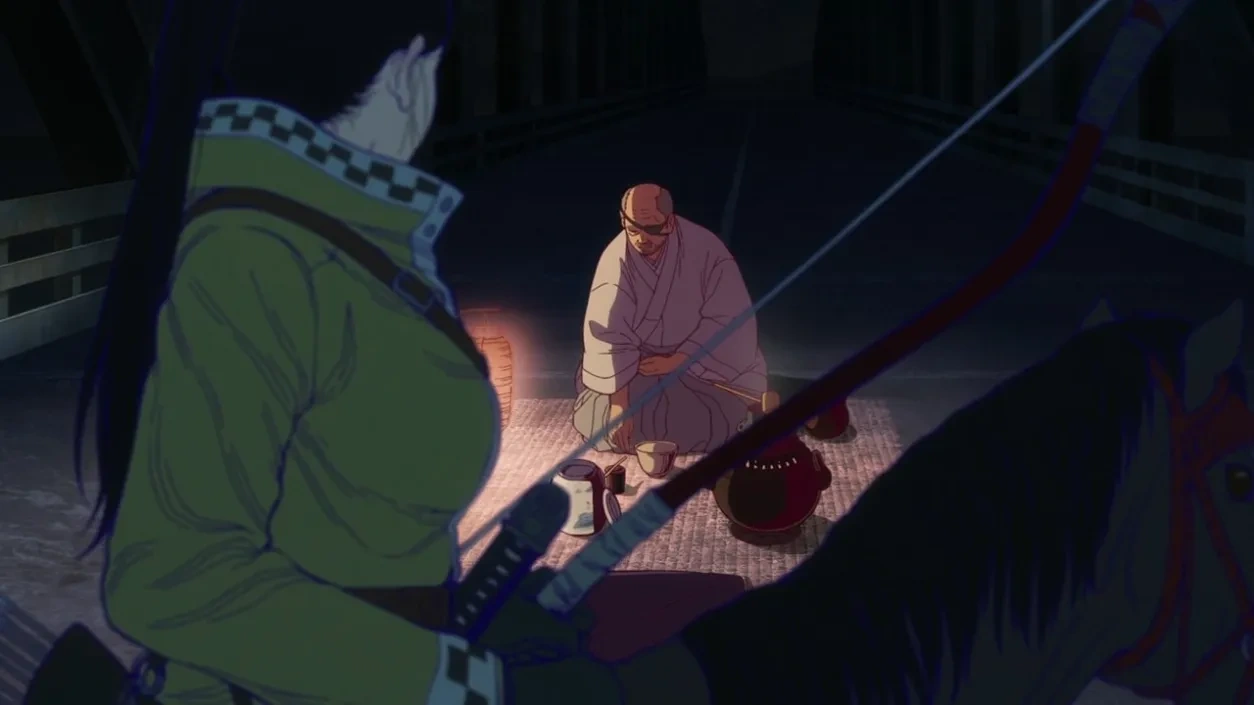
The execution is especially strong in the battles, where the characters’ movements play against the scale of the setting and the nature of the confrontation.
The unflinching violence also gives the wars a weight appropriate to this world. Seeing civilians subjected to repression and witnessing the consequences of battle makes it difficult to treat war as a strategy game between clever leaders.
This matters because the series needs to remind us that decisions made in palaces have real consequences for the people who live beyond them.
The voice performances serve the characters well, from the narration about Japan’s collapse to the portrayal of Aoteru and those around him. The voices distinguish the calm characters from the impulsive ones and moments of reflection from moments of heightened emotion.
The opening theme, “Hidane,” also stands out as a part of the series’ musical identity.
Overall, the visuals and sound do much to keep the season engaging when some of the writing falters.
The ending: More ambition than room to develop it
The season finale is full of political and military developments.
After Seii’s forces are defeated, the series moves quickly from the outcome of the battle to the negotiations and their aftermath, then to Wajima’s assassination, the ensuing arrests, the collapse of the emperor’s influence, and Taira’s military moves against Seii.
These developments hold real dramatic promise. Aoteru’s imprisonment at the end, as he contemplates rebelling against Taira, gives the story something it can build on.
But the series doesn’t give these events enough time to register with viewers.
Instead of feeling like the natural culmination of a long conflict, the ending presents a series of turns that narration and dialogue rush to explain.
Wajima’s assassination and the end of the fragile peace could have made a strong closing point. Alternatively, Aoteru’s imprisonment could have had more space so we could feel the weight of the change.
The desire to put Aoteru in a new position before the season ends crowds the finale and blunts the impact of developments that ought to matter.
A familiar problem returns: the ideas are there and the developments have promise, but the execution doesn’t always give them the room they need.
Final verdict
Final verdict: A good anime that leaves some of its potential unrealized
In the end, I think the first season of Nippon Sangoku is worth watching, especially for viewers who enjoy war stories, political conflicts, and characters who rely on thought and planning as much as on strength. Its greatest successes are the world it builds, its premise, and the visual identity that makes it stand out. Aoteru is also a promising lead for a long conflict, particularly because his background and abilities give him a different way to approach war and power. The writing, however, doesn’t always live up to the idea. The series can overplay its characters’ intelligence, repeat information and situations, and spend too long on debates and delays that add little to the conflict. The finale also needed more room for its developments to have a greater impact. Its central strength is the combination of a political and military world, distinctive art, and a hero who relies on his mind and knowledge. Its central weakness is that it sometimes cares more about telling us how intelligent its characters are than making their choices and plans convincing. I don’t think those problems spoil the experience. Nippon Sangoku still has a compelling world, a conflict worth following, and a lead who can carry plenty of interesting developments. I rate the first season 7.5 out of 10. It is a good season that offers a visually and intellectually distinctive take on war and politics. Tighter writing, better pacing, and more confidence in letting the characters’ actions demonstrate their intelligence would have made it stronger.
Your turn
Does the series really need all those conversations and strategies to establish that Aoteru is a genius, or would he be more convincing if it let his plans speak for themselves?
AUDIENCE VOTE
Do you agree with the MB rating?
Choose once from this browser. You can change your answer at any time.