The review
The screenplay and dialogue: art and freedom
What interests me most is the relationship the film tries to build between art and freedom.
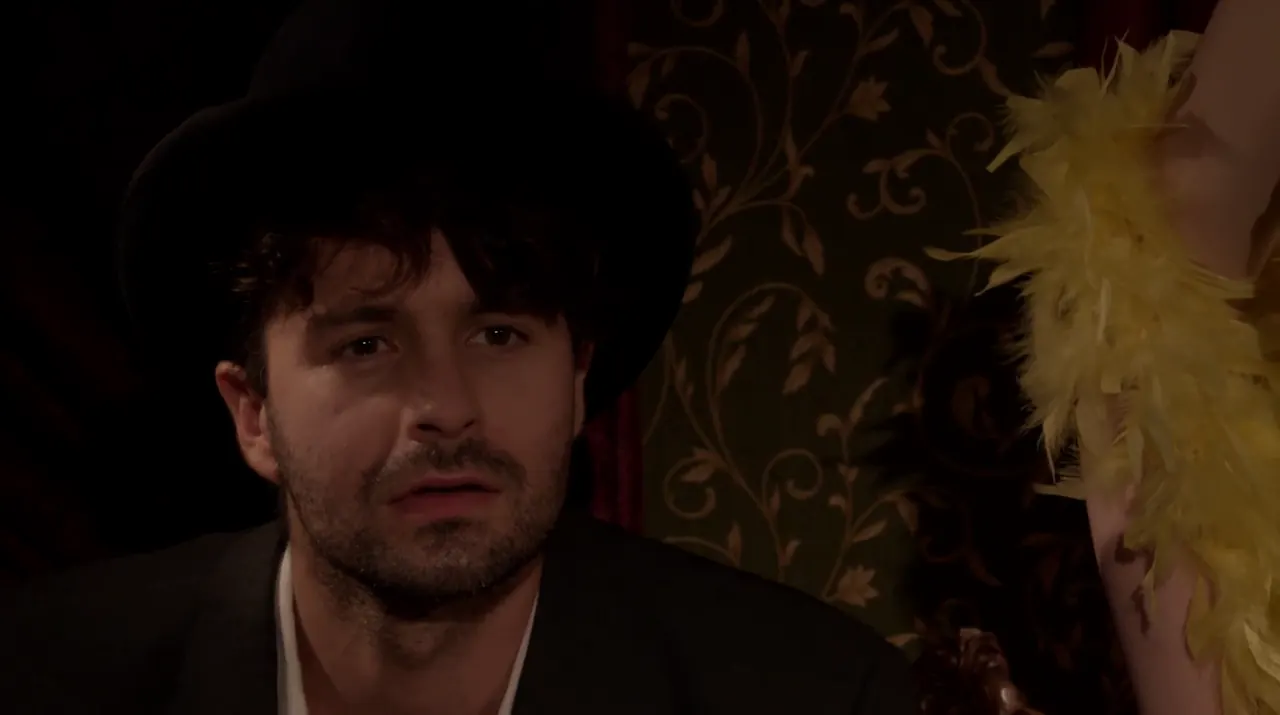
Frank is a talented painter who also copies paintings. The owner of a brothel commissions him to create a work that might attract more customers. From that moment, there is an important contradiction between an artist who wants to make something beautiful and the person financing his work, who sees it as a means of commercial gain.
It is a fitting starting point for a film interested in turning the body into an image.
Does Frank paint women because he sees them as people deserving contemplation and understanding, or because he regards them as beautiful subjects he can control within a painting's frame?
The film tries to make the answer more complicated than a choice between those two possibilities.
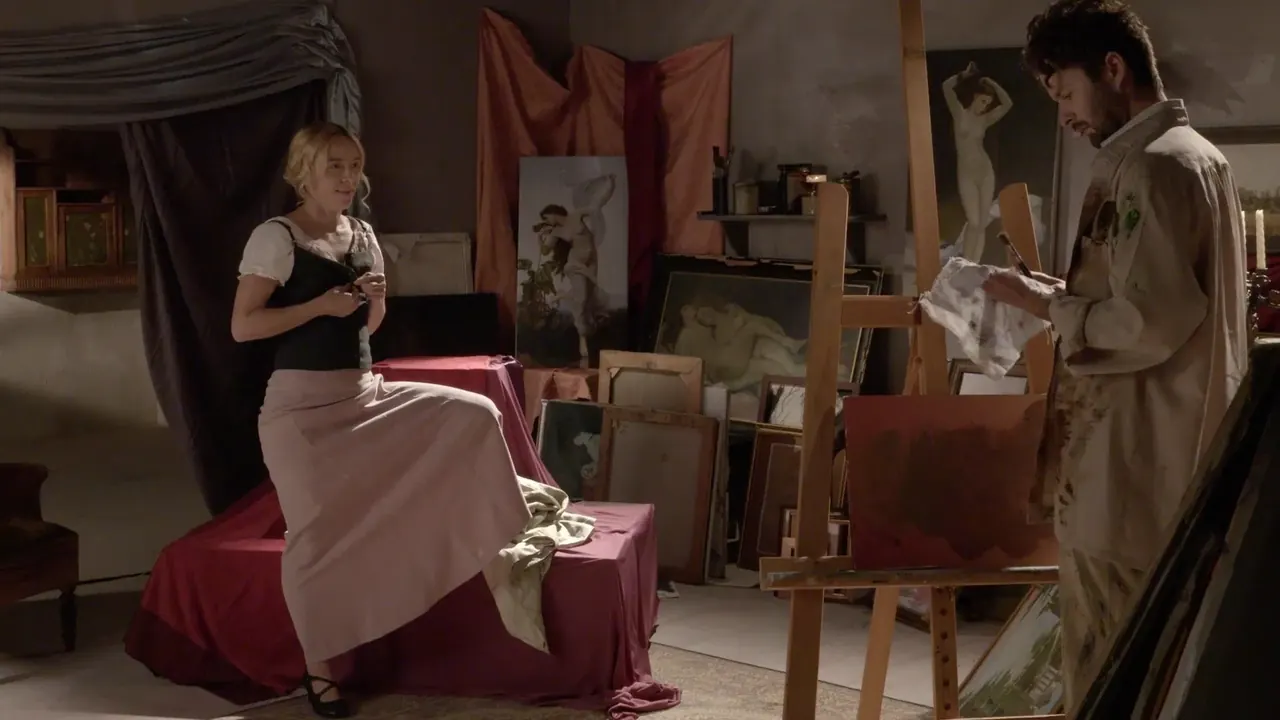
Painting is more than a profession for Frank. It lets him deal with feelings he struggles to express directly. He can look at someone for a long time, but he is less capable of building a real relationship with that person.
That makes the painter a suitable character for the idea of repression on which the film depends.
But the screenplay does not explore this contradiction with the depth it deserves.
We understand that Frank wants to move beyond commercial work and find something more honest in his paintings. Yet that ambition sometimes remains an idea the film announces rather than a psychological conflict developing before us.
The relationship between a painter and the woman he paints could have become the basis for examining who owns an image and who decides how other people appear within it.
Instead, the film often prefers to settle for the image itself.
Frank: watching instead of participating
Frank is not a conventional hero who imposes himself on others.
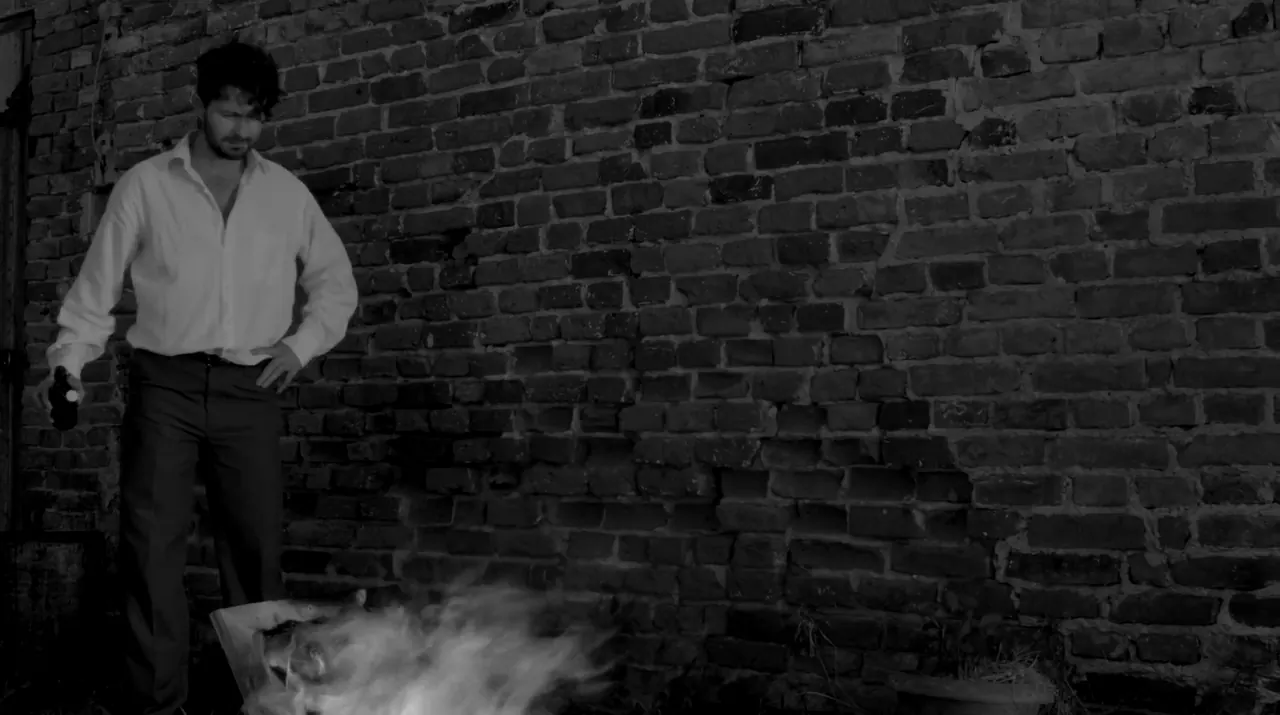
His personality depends instead on hesitation and quiet attraction, as though watching life makes him feel safer than participating in it.
This suits the work, because it makes his gaze toward women part of the problem the film is examining.
But there is a difference between a character observing within the story and a film becoming an observer interested in nothing beyond appearances.
Some scenes clearly try to show Frank searching for emotional connection rather than simple physical admiration. This attempt becomes more evident when Stephanie enters his life and begins breaking down the distance he places between himself and other people.
His shyness becomes an understandable dramatic element here.
But I wanted to see a greater change in the way he understands art and relationships.
Moving from admiring beauty to recognizing the humanity of the person before you requires a real confrontation with yourself. A romantic relationship that simply makes a character more open is not enough.
From this perspective, Frank has a good starting point, but he is not always the most interesting character in a film supposedly built around his art.
Stephanie and Julia: freedom against authority
What makes the film worth engaging with most is the women it tries to place in conflict with the restrictions imposed on their lives.
Stephanie is an independent young woman with political ideas. She has been expelled from university because of her positions, but she does not seem willing to give up her personality to gain society's approval.
When she enters Frank's world, their relationship offers an opportunity for a different kind of connection, based on curiosity and gradual closeness rather than direct control.
Julia faces a harsher situation.
She is trapped in a marriage imposed on her to an older man with influence within the police. When she tries to escape, she finds herself confronting a power capable of punishing her.
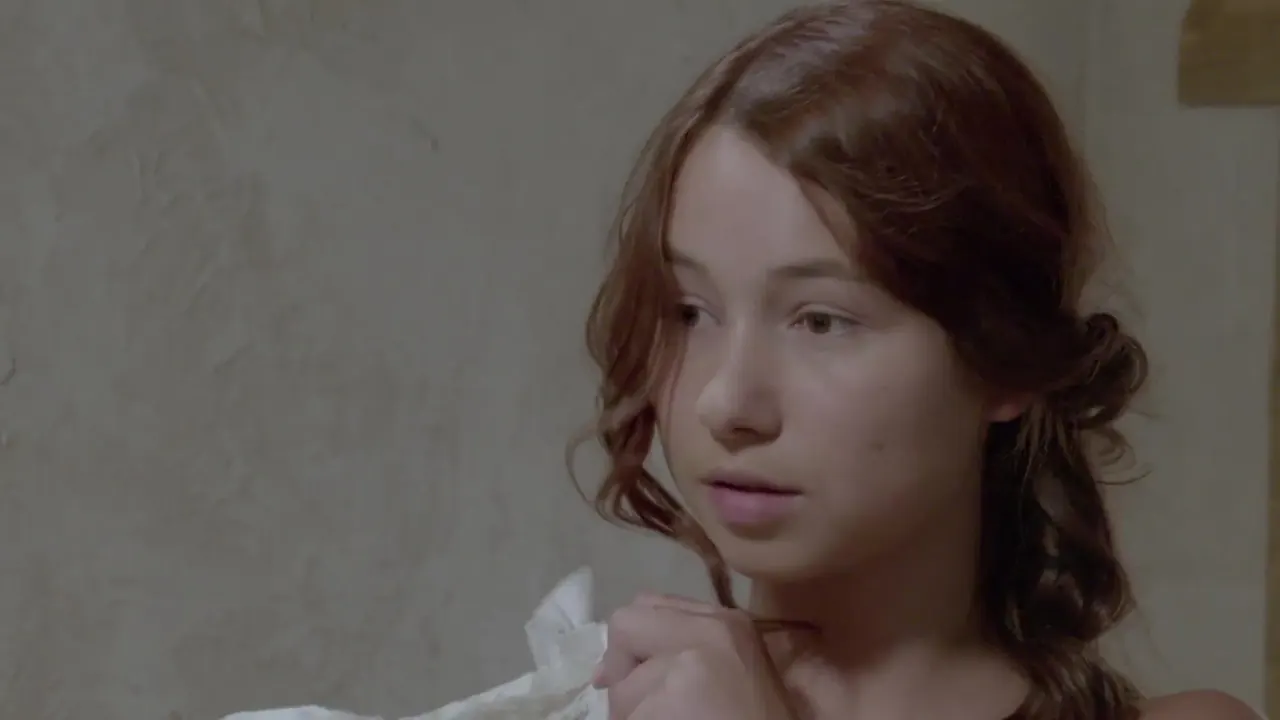
Freedom gains a meaning here that extends beyond release from personal restrictions.
Julia does not merely need to make a decision about her life. She also needs the ability to carry it out without being crushed by people with influence.
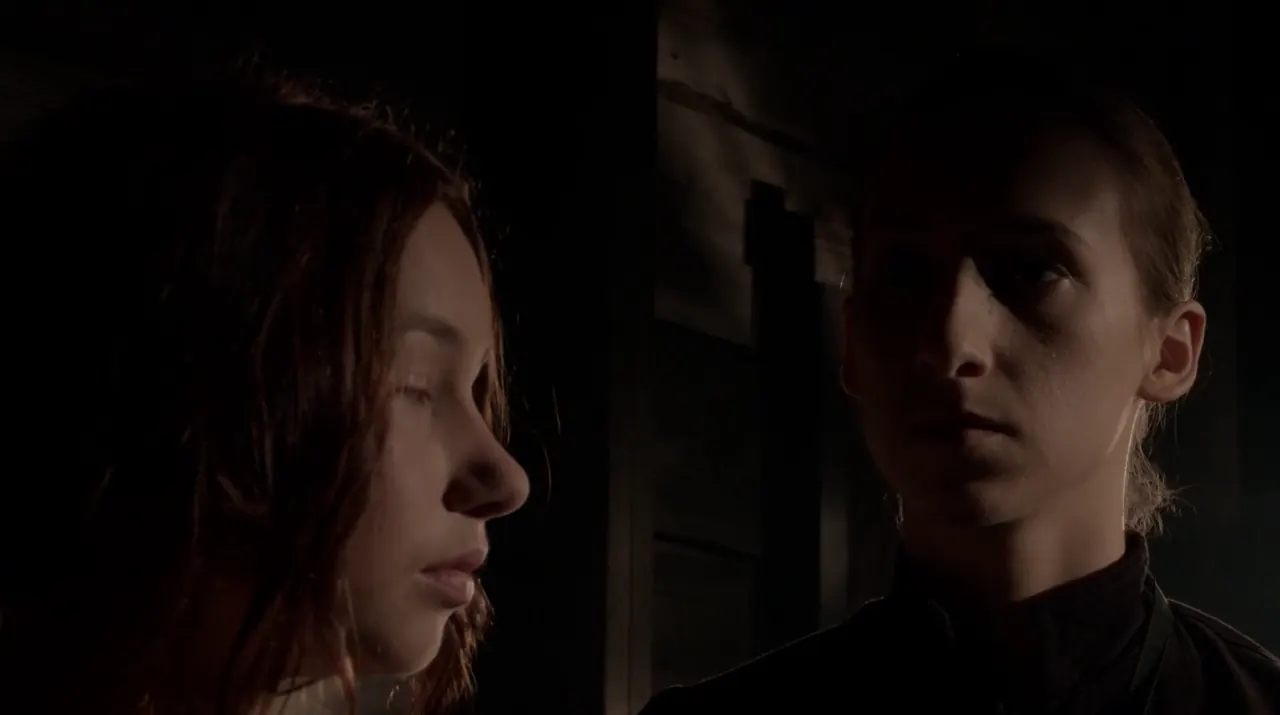
Her relationship with Stephanie gives the film some of its most tender moments. Their closeness does not depend entirely on physical attraction, but also on trust and the desire to find somewhere safe from the pressures surrounding them.
The problem is that the screenplay does not give these two women the depth their underlying idea promises.
We understand what they are trying to escape, but we do not learn enough about what each of them wants to build once she has gained her freedom.
Some emotional developments consequently happen faster than they need to.
The film's attempt to affirm women's independence in its later stages also seems larger than the groundwork laid for it throughout the story.
The message is understandable, but its dramatic expression is not equally strong.
Hazel: talent left in the background
Another character deserves attention: Hazel, Frank's assistant.
She is more than someone who helps him arrange his work or find models. She is also a talented artist.
That makes her presence interesting in a film about the relationship between art, freedom and recognition of talent.
But the film does not make enough of her.
While Frank gets space to express his artistic vision, Hazel often remains tied to serving his journey.
Their relationship could have created an additional conflict about artistic standing, particularly in a society that does not give everyone the same opportunities.
A talented female artist standing beside the painter at the center of the story is an obvious dramatic opportunity.
The film leaves that possibility in the background. It is one example of its ideas extending beyond the characters it has actually written.
A beautiful world governed by restrictions
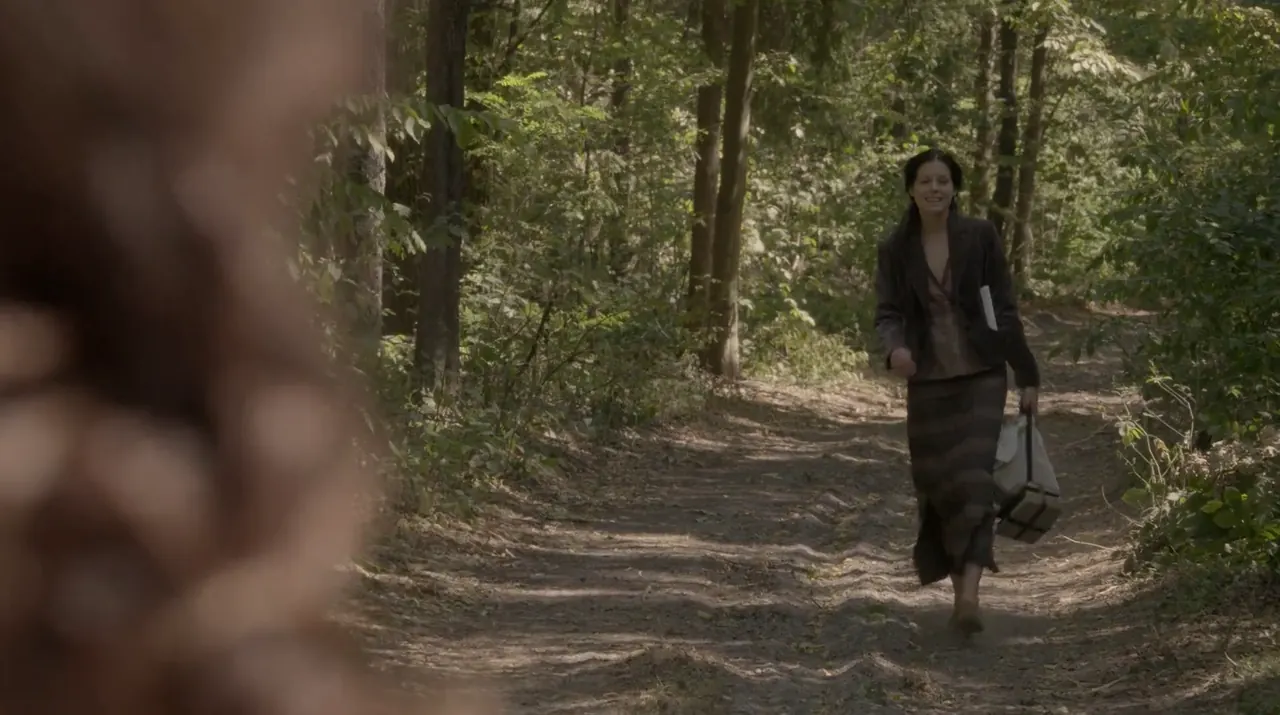
The historical period allows the film to create a clear contradiction between the beauty of outward life and the restrictions governing individuals.
The clothes are elegant.
The houses are decorated.
Art is present in the details of the setting.
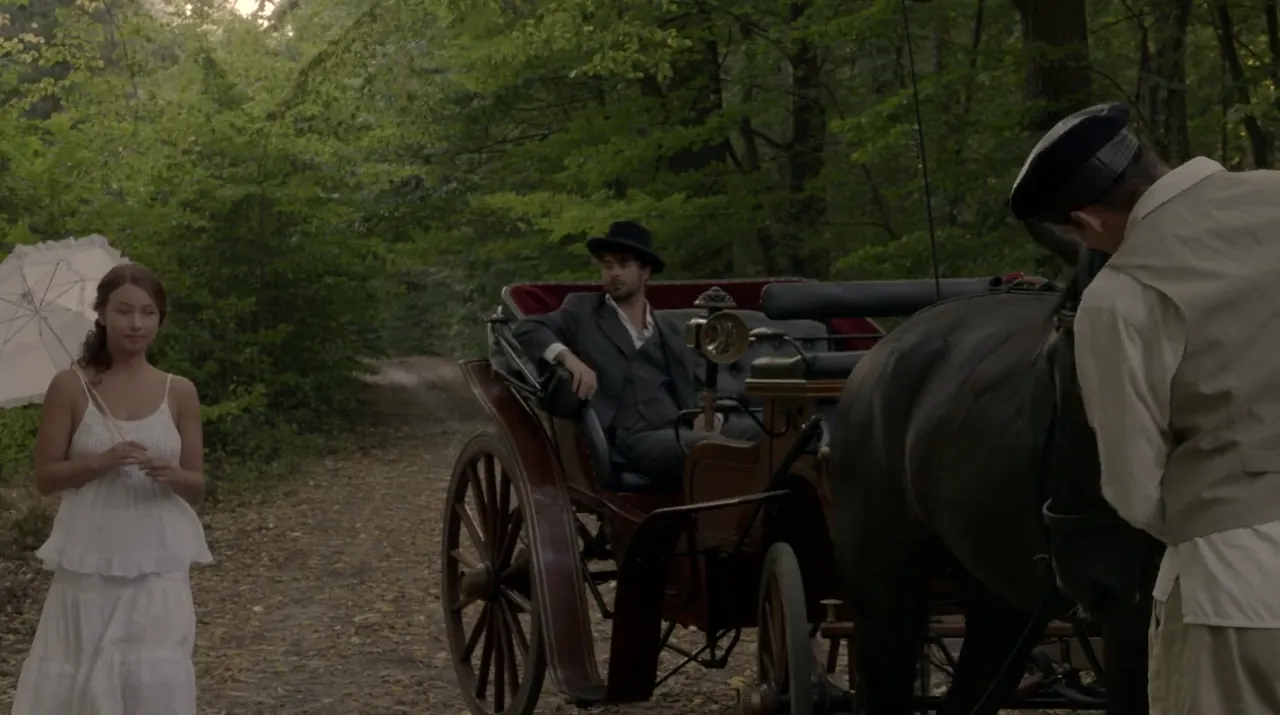
Behind that appearance, however, are relationships determined by money and influence, marriages that do not necessarily involve a choice, and people able to use their social position to impose their will on others.
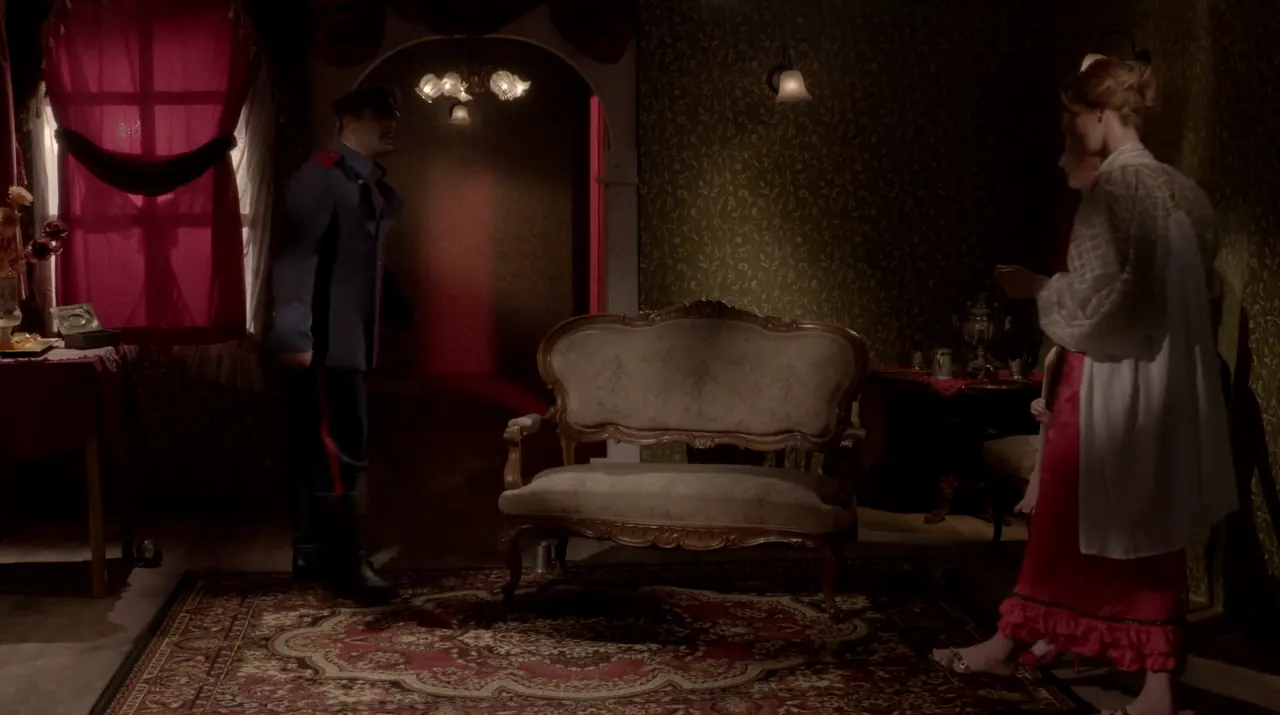
Julia's husband being part of the police makes this conflict clearer. A personal problem becomes a confrontation with a power that is difficult to escape.
I think the film succeeds here in creating a general sense of suffocation.
It is less successful at turning that feeling into sustained dramatic tension.
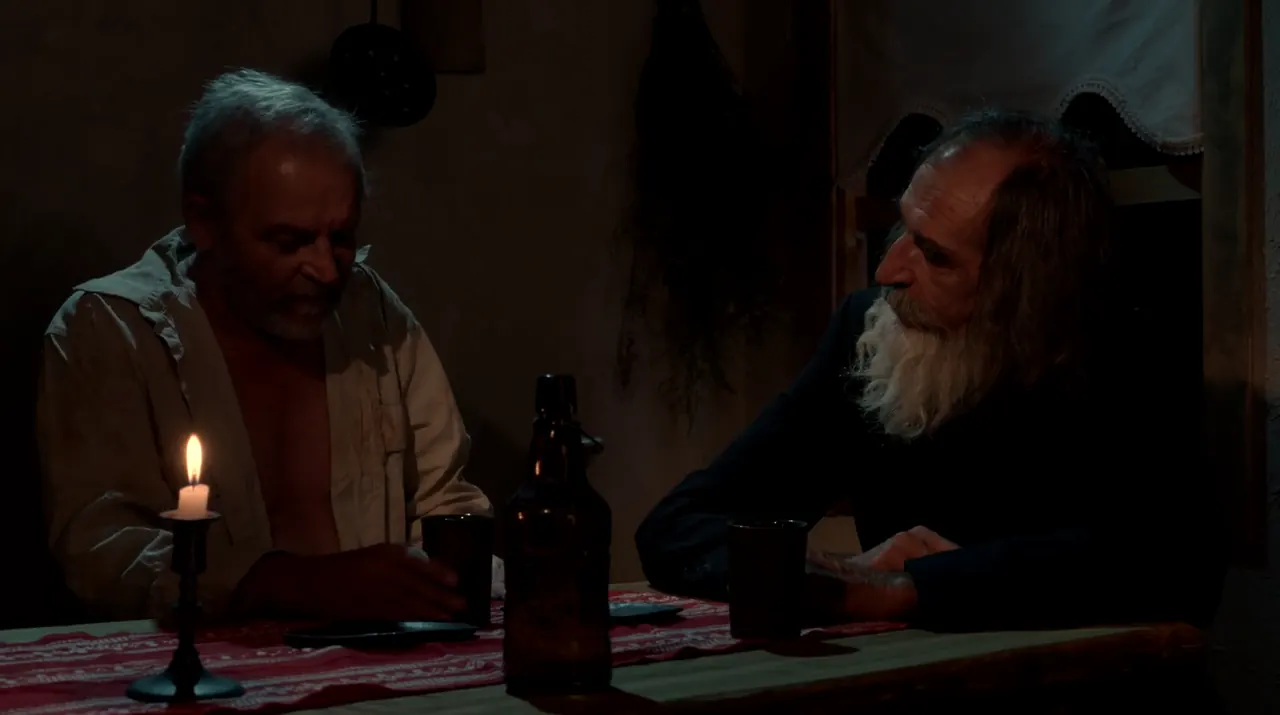
The characters representing authority sometimes seem closer to symbols of oppression than people with motives, calculations and contradictions.
This makes confronting them simpler than it should be.
I wish the film had given these relationships more room. The conflict between individual freedom and social influence could have carried the story without constant reliance on its daring scenes.
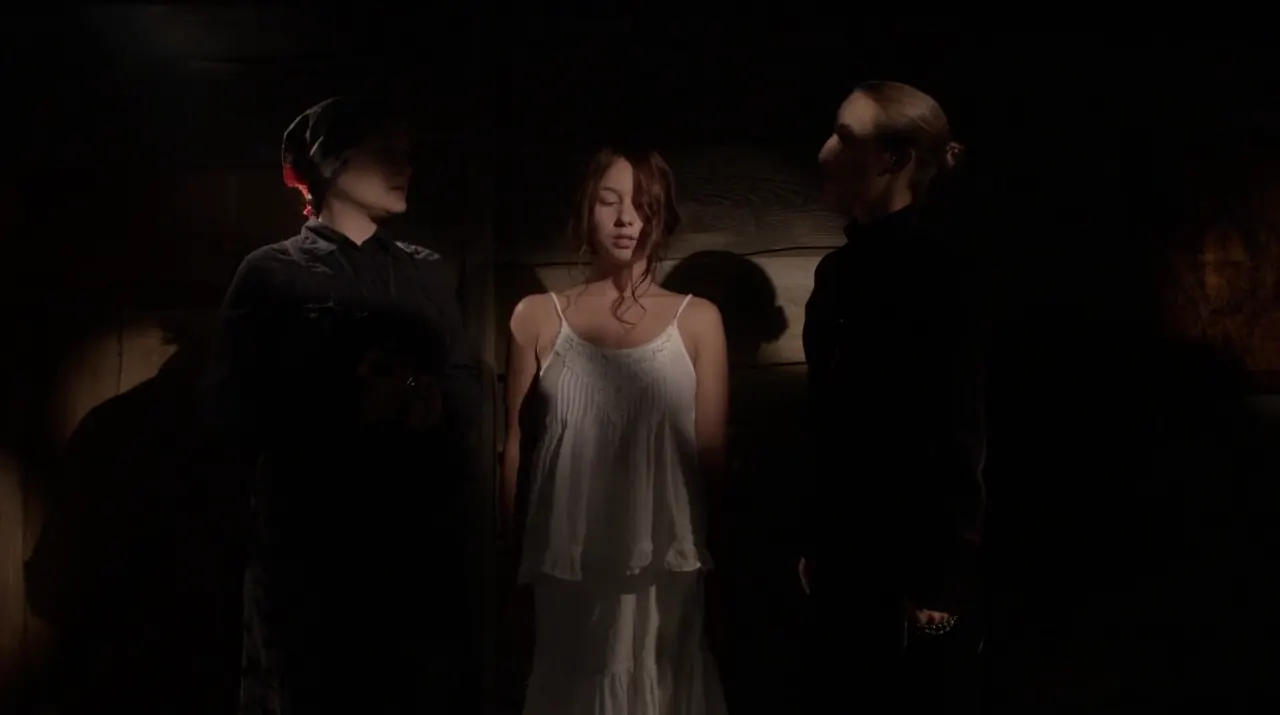
Explicit scenes: daring and its purpose
Picture of Beauty cannot be reviewed without addressing its sexually explicit nature.
This is not a film that settles for suggestion or limits intimacy to a few scenes. It makes intimacy an essential part of its identity.
The critical question is not the extent of that daring, but its function.
I think some scenes successfully express the relationships between the characters, particularly when they give human closeness a space beyond words and use the body as part of trust and emotional openness.
In those moments, the explicit scenes fit the ideas about desire and choice that the film is trying to present.
But that success does not last throughout.
Some scenes continue longer than the drama requires, and the camera seems more interested in displaying the body than revealing the character.
This exposes the film's central contradiction.
It wants to examine a woman's right to own her life, image and decisions. Yet it sometimes relies on a visual gaze that makes her an object of observation rather than the owner of her own experience.
This does not mean that every explicit scene automatically becomes exploitation.
Daring alone, however, does not give a scene artistic value.
It needs to contribute something to the relationship, conflict or development of a character.
When that does not happen, the scene's length burdens the pacing, however carefully its images have been composed.
I believe the film would have been stronger had it selected these moments more precisely and allowed some relationships to develop through conversation, silence and everyday behavior as well.
Viewers should be aware that the film contains very explicit sexual scenes and is therefore not suited to every audience.
Direction and cinematography: a painting seeking a story
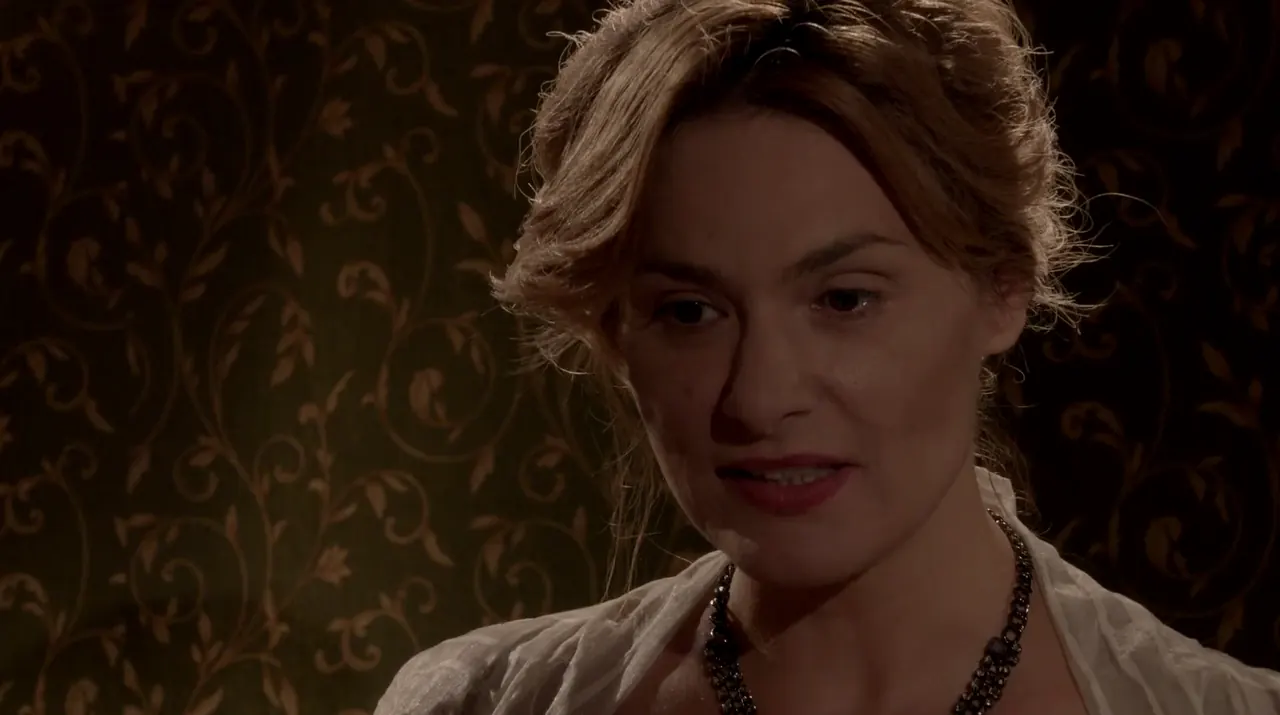
Visually, Maxim Ford has clear ambition.
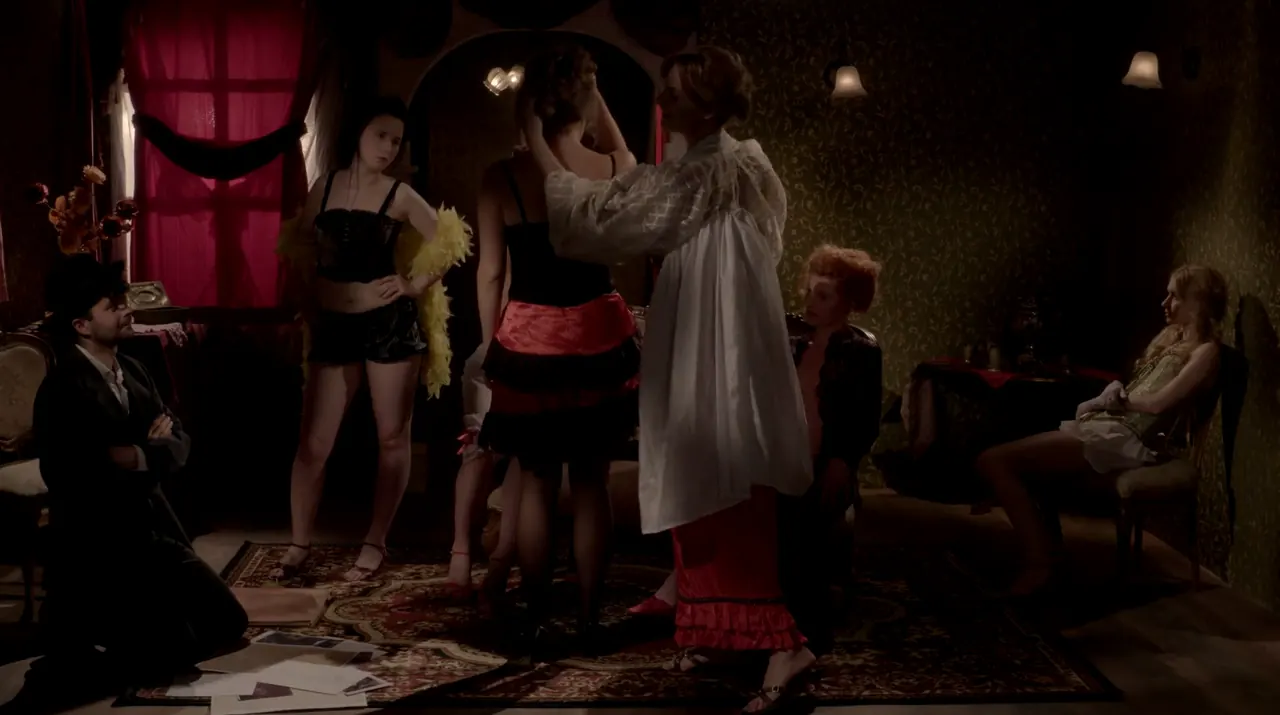
The film tries to treat almost every scene as a painting, using clothing, furniture, bodies and light to create compositions inspired by classical art.
The artworks within these places are more than decoration.
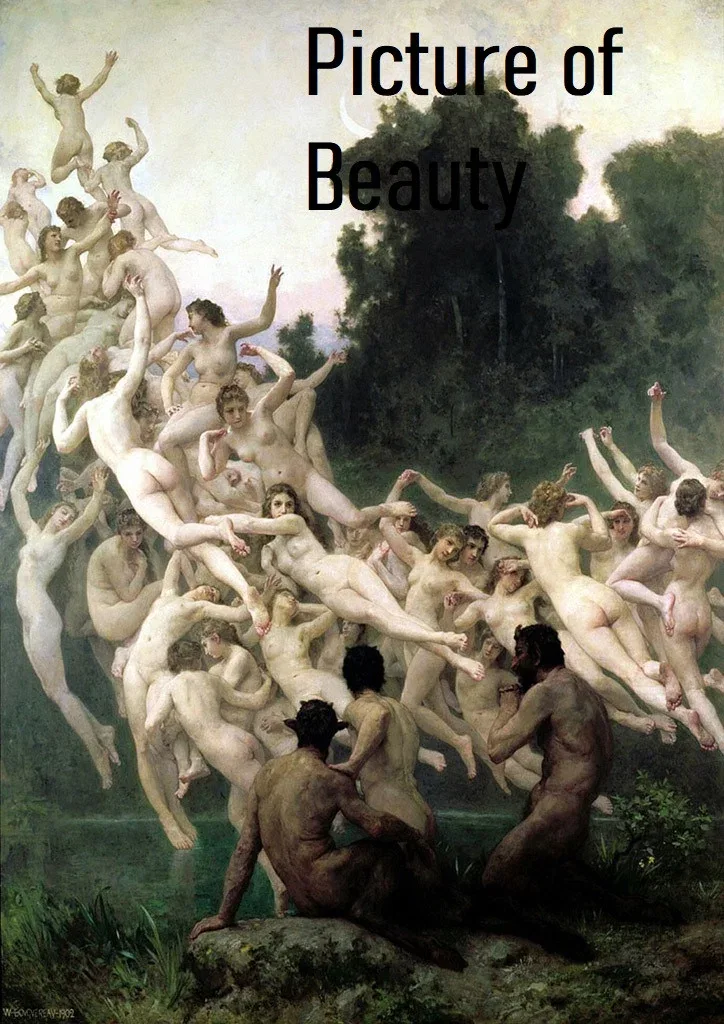
Paintings, including works by William Bouguereau, help connect the world inhabited by the characters to the idea of beauty that occupies Frank.
The film also uses slow motion, time lapse and some unconventional angles to create a distinctive visual character.
There are moments when I feel that the care taken over composition gives the image a particular appeal.
But I do not think the results are consistent.
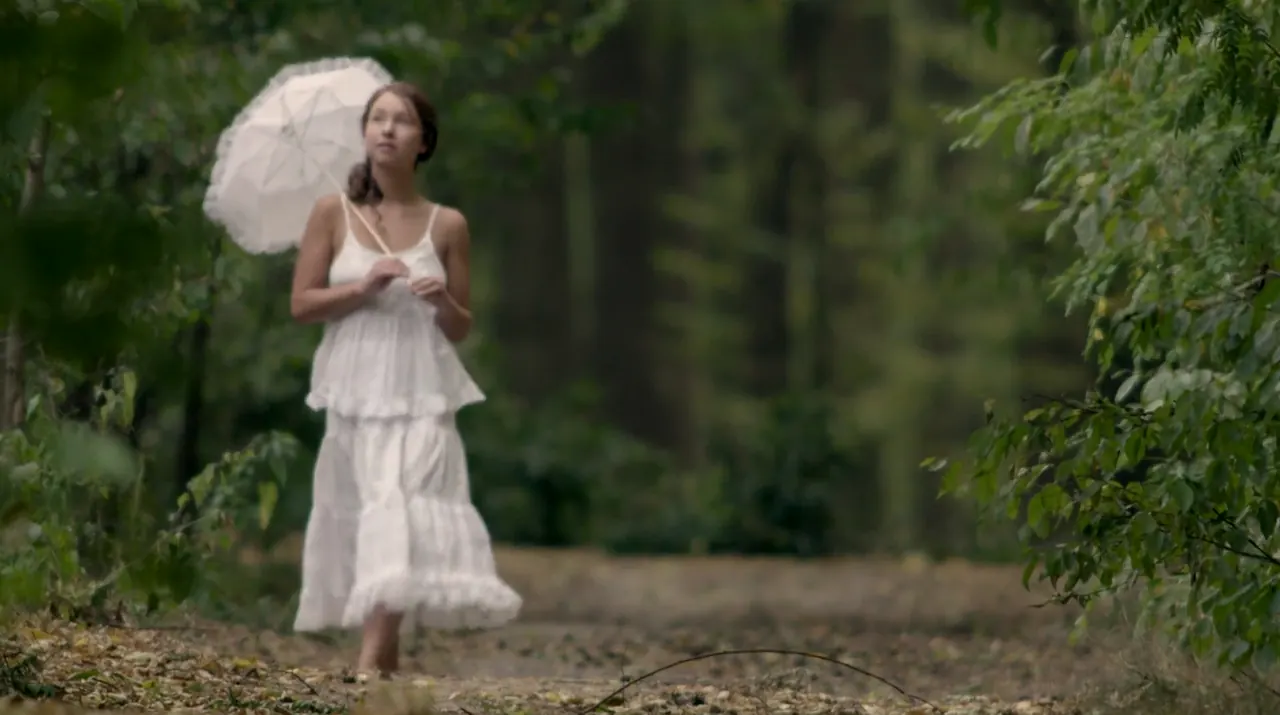
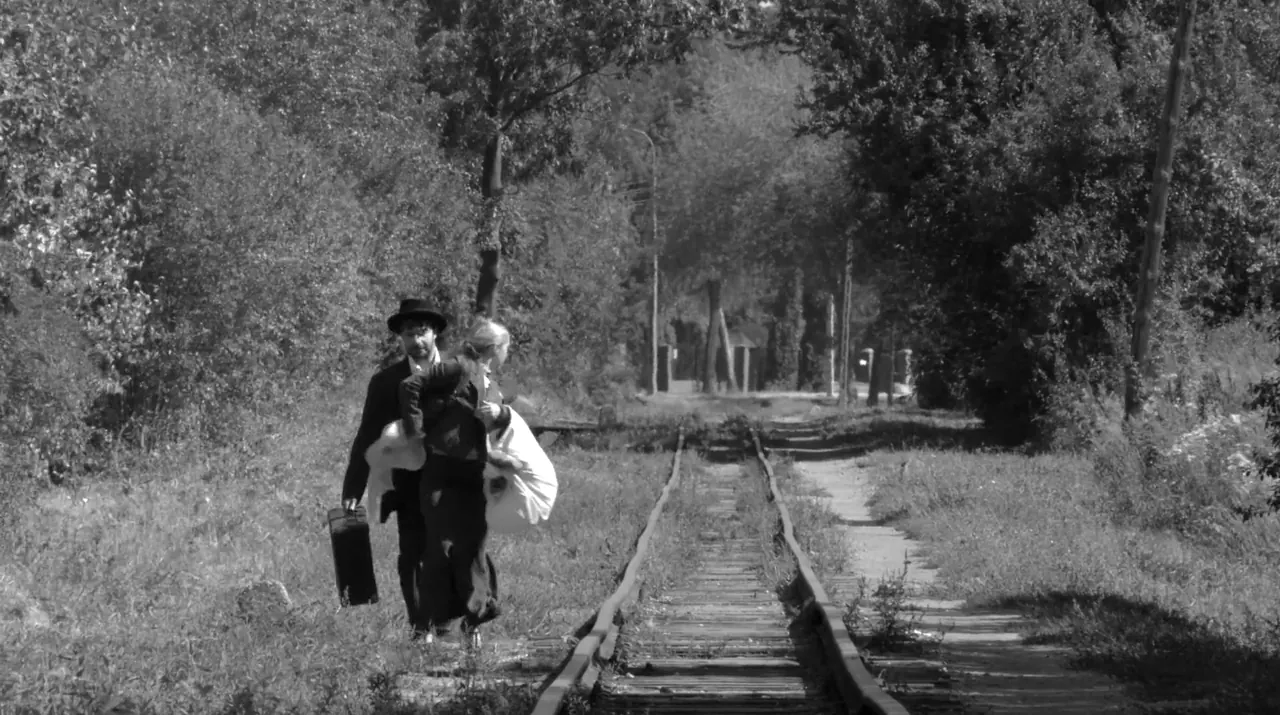
Some scenes resemble carefully arranged photo sessions, while other interiors lack the same feeling of place and depth.
The transitions between visual approaches are not always smooth.
Sometimes an image has a classical character, then a camera movement or visual treatment arrives that does not fit it as it should.
The technique becomes too visible.
Instead of becoming part of the story, it starts drawing attention to itself.
The director wants us to feel that we are watching a painting move. But a beautiful image needs a function within its scene to become affecting cinema.
The cinematography is consequently one of the film's most ambitious elements, while also demonstrating the distance between its aesthetic idea and its consistent execution.
Performances, music and pacing
The performances in Picture of Beauty are uneven.
There is a clear reliance on physical expression and looks rather than dialogue, which suits a film so heavily dependent on images.
But when the characters need to speak and express their positions, the limitations of some performances become evident.
Taylor Sands as Julia is one of the clearest examples of that variation.
She can convey innocence, vulnerability and hesitation visually, particularly when a scene depends on silent expression.
The performance becomes less convincing in some conversations, where her delivery does not always carry the emotional weight required.
That variation is about how successfully the performance works within the scene, rather than the actors' professional backgrounds.
Nor is it limited to Julia.
Several characters seem more comfortable in scenes built around movement and composition, and less capable of convincing us when dialogue becomes the main element.
Maciej Kierzkowski's score tries to give the film a European character suited to its historical atmosphere.
It sometimes strengthens the sense of romance and nostalgia, but its persistence in certain moments makes it more prominent than necessary.
This problem connects to the film's overall pacing.
Although its runtime is only around seventy minutes, some stretches feel longer because shots continue and dramatic development arrives late.
The problem is not simply slowness.
It is that the film does not always fill that slowness with psychological tension or new details about its characters.
However attractive it may be, the visual experience becomes insufficient to sustain interest throughout.
Strengths and weaknesses
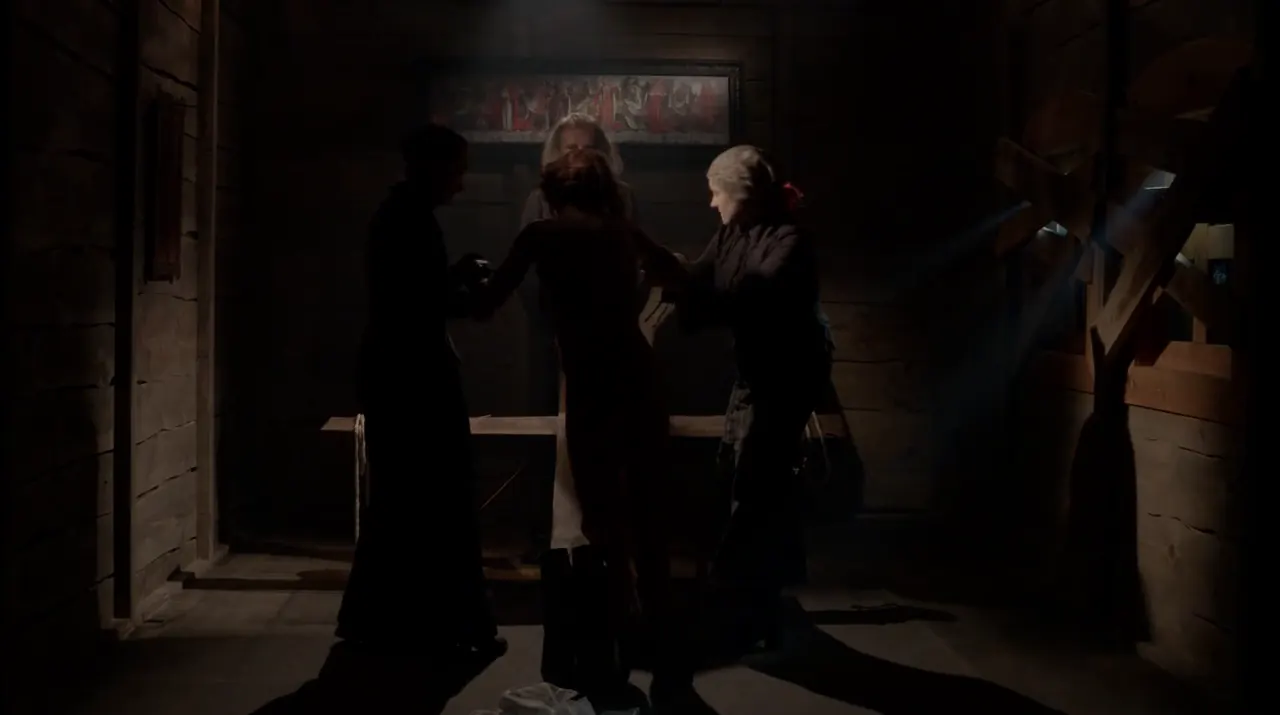
Picture of Beauty is strongest in its visual ambition, connection to classical art and attempt to tell a story about freedom, desire and choice. Some emotional moments also give its relationships a measure of honesty and tenderness.
Its main weaknesses are the simplicity of its dramatic construction, uneven performances and failure to use every character fully. Some explicit scenes are prolonged, and the balance between visual beauty and the story's development becomes unstable.
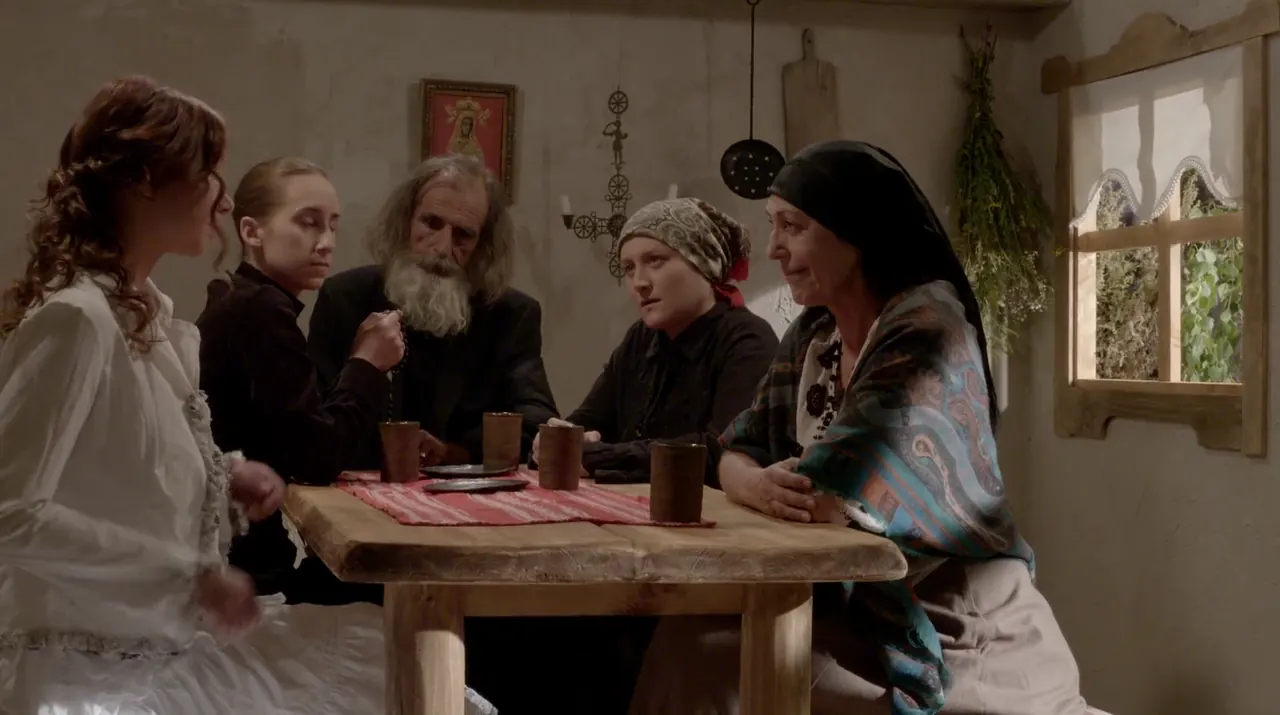
Final verdict
Final verdict
Ultimately, this film cannot be judged through its daring alone, whether we regard that daring as an advantage or a flaw. It tries to use sensual cinema to speak about people living in a society that imposes boundaries they do not want to accept. I believe Maxim Ford has a clear visual vision and a real desire to offer something different from conventional drama. Having a vision does not mean that every choice resulting from it will succeed. A film like this needs characters capable of carrying its ideas, a screenplay that lets relationships develop, and a careful balance between aesthetic expression and story. Those elements do not come together here as fully as I would have hoped. Even so, I do not consider the experience without value. It may interest viewers who enjoy European cinema with a sensual character, or films that place images and fine art at the center of their experience. Viewers looking for coherent historical drama, deep characters and a plot that develops with a clear rhythm may find that the film delivers less than its ideas promise. For me, Picture of Beauty is an ambitious but artistically incomplete experience. It contains beautiful and affecting moments, yet cannot maintain the balance between form and substance. The irony is that a film celebrating painting so extensively does not always give its characters the depth a painting needs to become more than a beautiful image. My rating: 5 out of 10.
Your turn
Do you think Picture of Beauty's explicit sexual scenes were necessary to its expression of freedom and human relationships, or did the emphasis on them come at the expense of the characters and story the film was trying to tell?
AUDIENCE VOTE
Do you agree with the MB rating?
Choose once from this browser. You can change your answer at any time.