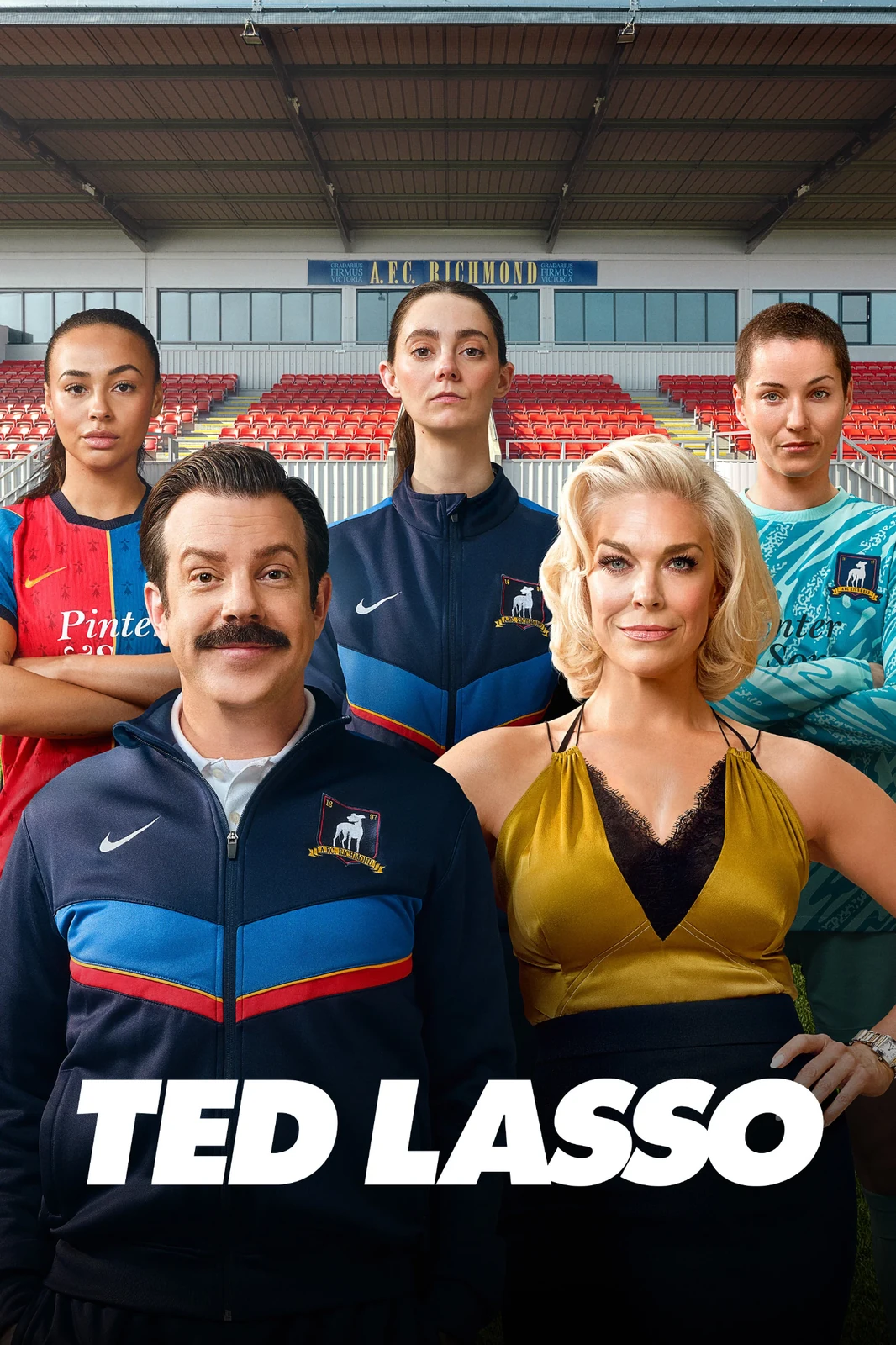
The review
Ted returns as a different coach
Ted does not return because leaving was a mistake, nor does he abandon Henry and Michelle. His family supports this move, and coaching remains part of who he is. That distinction matters when the first season's Ted used distance, work and a smile to avoid troubles he could not face.
He is more aware of himself now, though hardly complete. Pain about his father still makes him retreat. With Alice, however, he recognizes frustration and does more than wait for optimism to solve it. He speaks to her and sets boundaries. Ted has learned that kindness alone is not leadership.
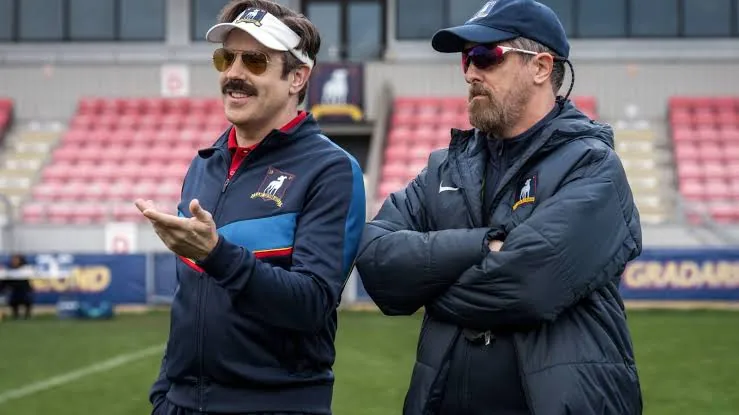

His choice to tell Henry the truth he has avoided brings the growth back to Ted himself. He has not finished changing simply because he has helped others change.
Lady Greyhounds gives the series a new question
Keeping Ted away from the men's team at first is the season's smartest decision. Another run with the same players and challenges would simply repeat a finished story. Lady Greyhounds changes the conflict: before asking whether Richmond's women can succeed, the show asks whether anyone will treat them as deserving that chance. Resources, attention and space are unequal, so building a team matters more than a table of results.
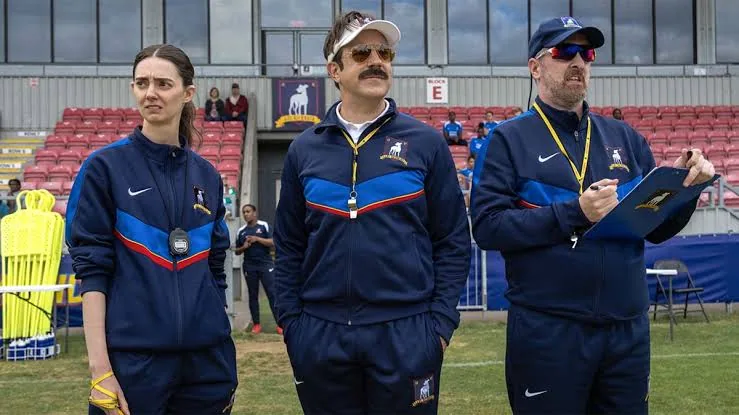

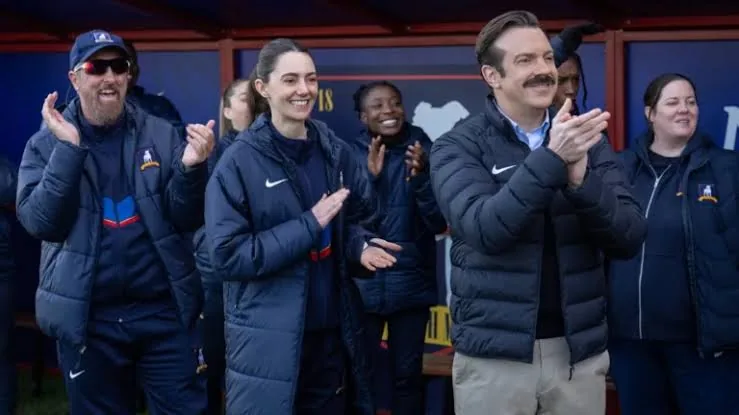
Quiz night, players' jobs and private pressures, Gemma's injury, Shannon's progress and collective solutions make the new side feel real. The true payoff is not a scoreline. It is Nelson Road filling with people who have come to watch these players for themselves, not just because Ted coaches them or Rebecca funds them.
Alice Chilton becomes a coach in her own right
Alice is the best new character because she is not another Roy Kent. She knew these players before Ted arrived and wanted the job given to an outsider. Her anger has a real basis. The writing lets her be right about that, while showing where the way she treats Ted and others goes wrong.
At first Alice sees mistakes faster than people. She comes to understand that leadership means noticing what a player needs in order to make the right decision, not simply knowing that decision herself. Gemma's injury gives this change its clearest test. Alice remains direct, but learns when to be sharp and when to step back.
By the end, she is more than Ted's assistant. She could genuinely carry this team if Ted's place in the club changes again.

The players deserved more time
The season calls Lady Greyhounds its new story, but does not always give its players the time that promise requires. Gemma becomes clearer as it progresses, Shannon gains a satisfying development and we eventually see lives away from training. These moments arrive relatively late.
The old cast is large and beloved. A scene with Roy, Keeley, Rebecca or Beard is usually enjoyable, yet each minute spent there is a minute the new team loses. By the finale the players work better as a collective than as individually developed people. More early confidence in those new faces would have made their wins and losses hit harder.

Old relationships work when they move forward
Jamie Tartt's short return draws on his chemistry with Roy without stealing the story. Roy and Keeley are more complicated. Their dating detours sometimes circle an outcome we can see coming, but their reunion satisfies once they stop hiding behind other relationships. The question is whether they have changed enough to avoid repeating the same mistakes.
The finale puts Roy before fatherhood and a job at Chelsea. His old self might have stayed somewhere safe or turned fear into anger. Now he admits he is afraid of being a bad father, then accepts a job in which he might fail. It is a large step for someone used to expecting the loss of good things.
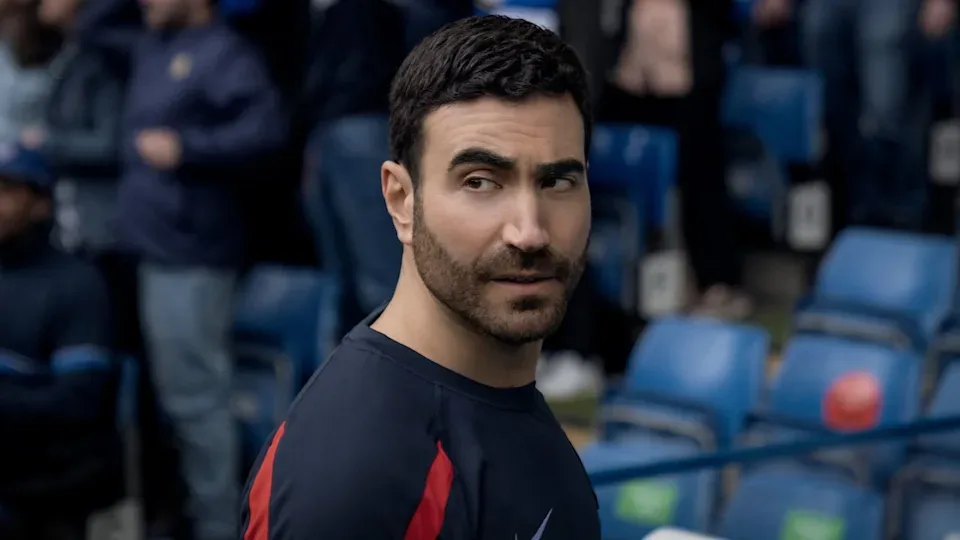
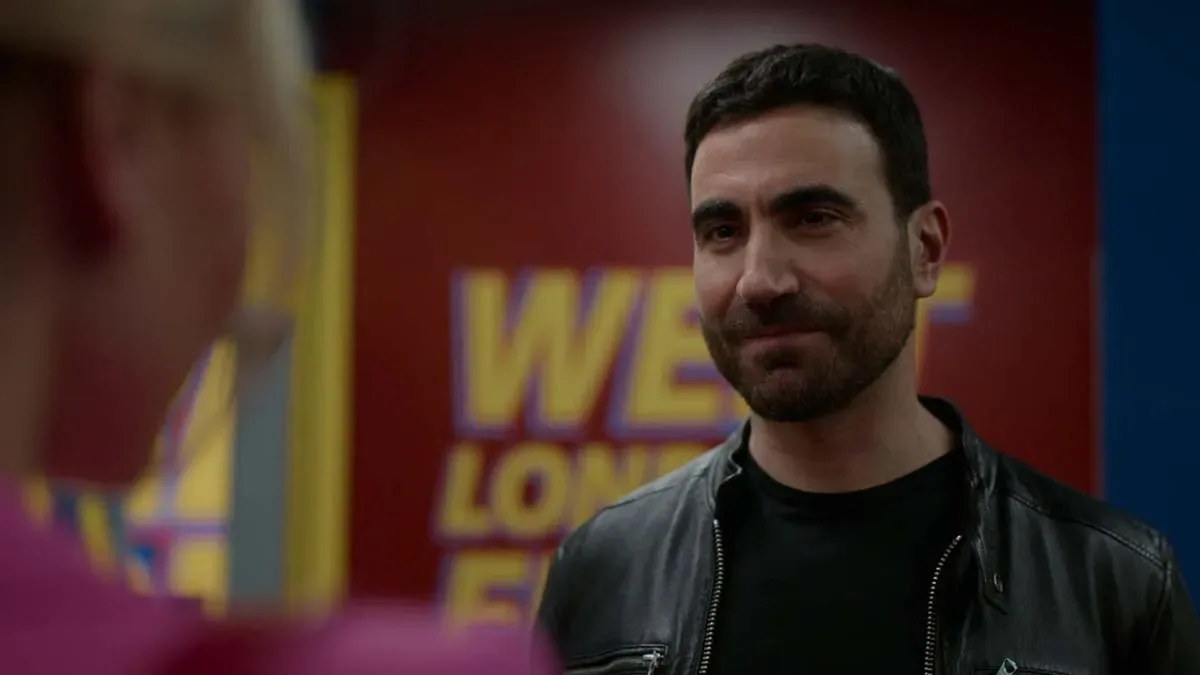
Keeley and Rebecca's friendship remains one of the show's best bonds. Their trust, shared history and ability to challenge each other need no enormous crisis to feel warm and convincing.
Mae's shares reveal who Rebecca has become
The ownership plot takes too long to reveal Zelda's intentions. Once it does, the idea matters more than the antagonist. Zelda sees Richmond as a route to power and status. Rebecca began this series wanting to destroy the club as revenge on Rupert; now she is ready to protect it as a community in her life.
That makes Mae the perfect person to settle the fight. Her small holding becomes the club's decisive stake, and a woman who never saw Richmond as a mere investment chooses its future. Leaving her shares to Rebecca is more than a last trick against Zelda. It shows that Mae trusts the person Rebecca has become.

Football matters when the characters shape it
Ted Lasso's strongest matches have never depended on perfect realism. A sporting decision works when it expresses a character. Gemma's injury forces her to consider her future, pushes Alice to face fear and makes the team show it is more than one star. Shannon's opportunity then means something because the solution grows from the team's development.
The match is where we see the story's result, not the story by itself. When the season forgets this and spends too long away from the players during an important game, the absence is immediate.
An ending that lets everyone face change
Mae's death brings the theme into focus. Roy may fail at Chelsea or as a father, Rebecca may be hurt if she marries again, and Ted may reopen his most painful memory or change jobs. Lady Greyhounds is no longer a small experiment. None of these paths comes with a guarantee, and that is what makes the ending moving.
Mae dies, but the pub carries on. Roy leaves, without losing his love for Richmond. Rebecca chooses Matthijs again, and Ted considers the men's team without erasing what the women have built or setting work against family. The season argues that maturity is not a place without risk. It is refusing to let the fear of loss prevent you from choosing what you want.
Strengths and weaknesses
The convincing reason for Ted's return, the new Lady Greyhounds story, Alice's growth and the familiar warmth of the old cast are the season's strengths. The second half focuses more clearly on the team's progress, while Roy and Rebecca's final choices feel earned by years of change.
Crowding is its largest weakness. It tries to build a new team, develop Alice, revisit Roy and Keeley, move Rebecca forward, introduce Zelda and keep the old world alive. The new players, supposedly the season's heart, do not all receive enough time for us to know them equally well.
Final thoughts
I doubted the need for a fourth season. The question was not simply whether it would be enjoyable, but whether it had a real reason to exist. In the end, I think it does.
Lady Greyhounds is not a cosmetic change to put Ted back on screen. The team gives him a different challenge and introduces Alice as an important part of Richmond's possible future. The season can still lean too heavily on the old cast and rush late plots, especially Zelda's plan and the busy finale. At its best, though, it recalls why this world matters: football gathers imperfect people who fall, try to improve and help one another stand again.
The fourth season was not necessary to complete Ted Lasso's original story. Having seen it all, I believe it became more than an extra chapter after a good ending. It opened a new one without erasing what came before.
Final verdict
Final verdict
Lady Greyhounds gives Ted's return a purpose, and Alice brings the new team its strongest voice. Despite crowded plots and players who deserved more time, this fourth season finds a new chapter for Richmond without undoing its old ending.
Your turn
Did Lady Greyhounds become Ted Lasso's new heart, or did season four still rely too much on the characters and relationships we already loved?
AUDIENCE VOTE
Do you agree with the MB rating?
Choose once from this browser. You can change your answer at any time.