The review
Sauron and the art of finding a weakness
One of the strongest elements in these episodes is the way Sauron continues to use other people’s weaknesses to get what he wants. Alongside force and intimidation, he uses his understanding of what hurts his enemies and turns that pain into a means of controlling them.
We see this with Marnokh, who falls into Sauron’s hands after the events at Gundabad. At first he tries to withstand the torture. Then Sauron discovers where he is most vulnerable, through his children.
Sauron escalates the physical abuse by telling him that his children are already dead, leaving Marnokh with a truth he is powerless to change. The moment reveals how much Sauron relishes breaking an opponent psychologically as he extracts information.
Charlie Vickers brings a great deal to these scenes. His Sauron can terrify someone with his composure, his confidence, and the way he speaks. The calm delivery makes the threat crueler.
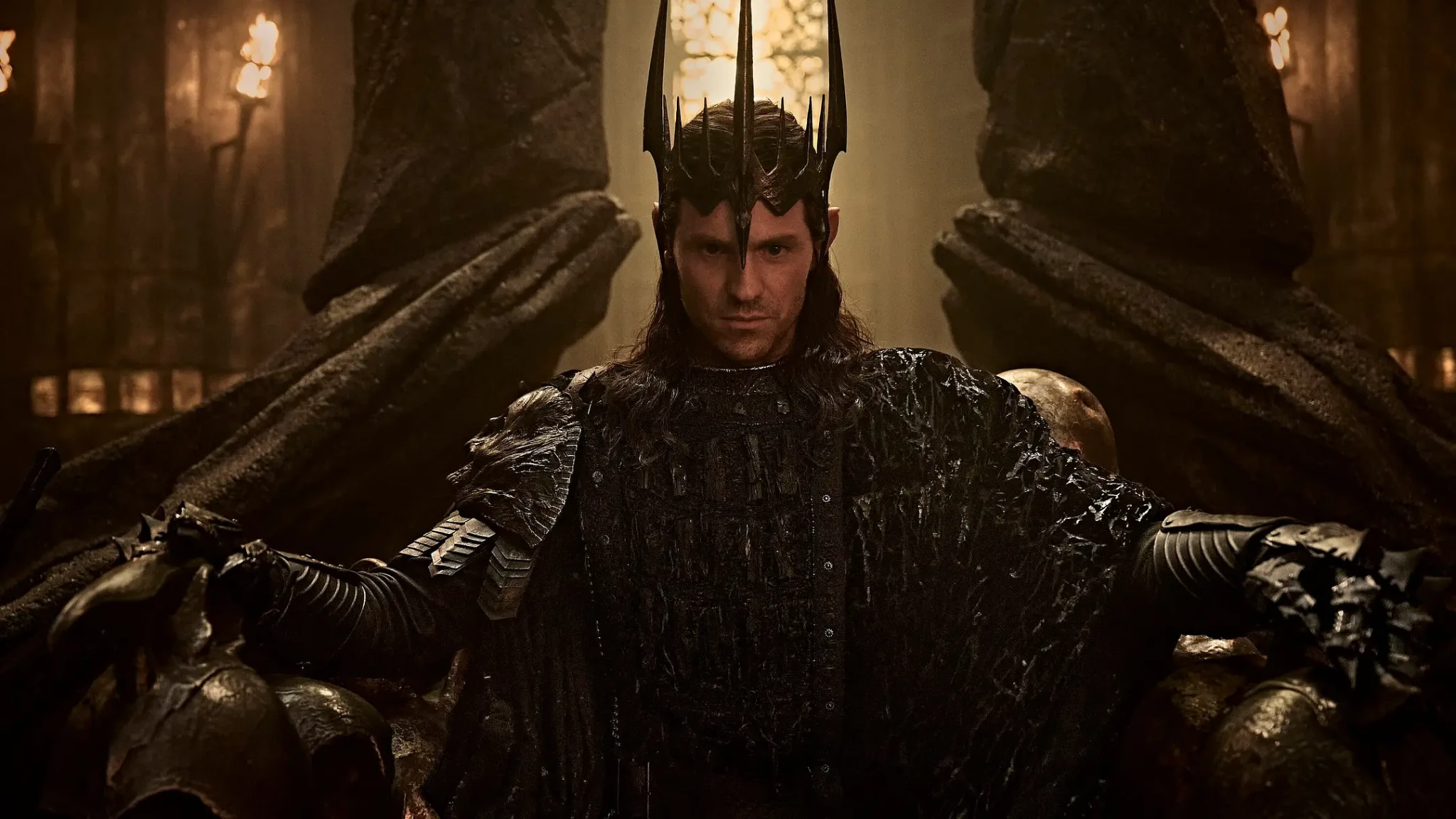
That is one of the season’s strengths. Sauron actively turns relationships and losses into chances to extend his influence, even as his enemies are preparing to face him.
Galadriel and Celeborn’s past becomes a weapon
Elsewhere, the episodes explore one of the more complicated relationships in this part of the season, between Galadriel and Celeborn.
After escaping Gundabad with the aid of the Great Eagle, they decide to continue on foot through the forest. There they have time to talk about the years they spent apart and what happened to each of them.
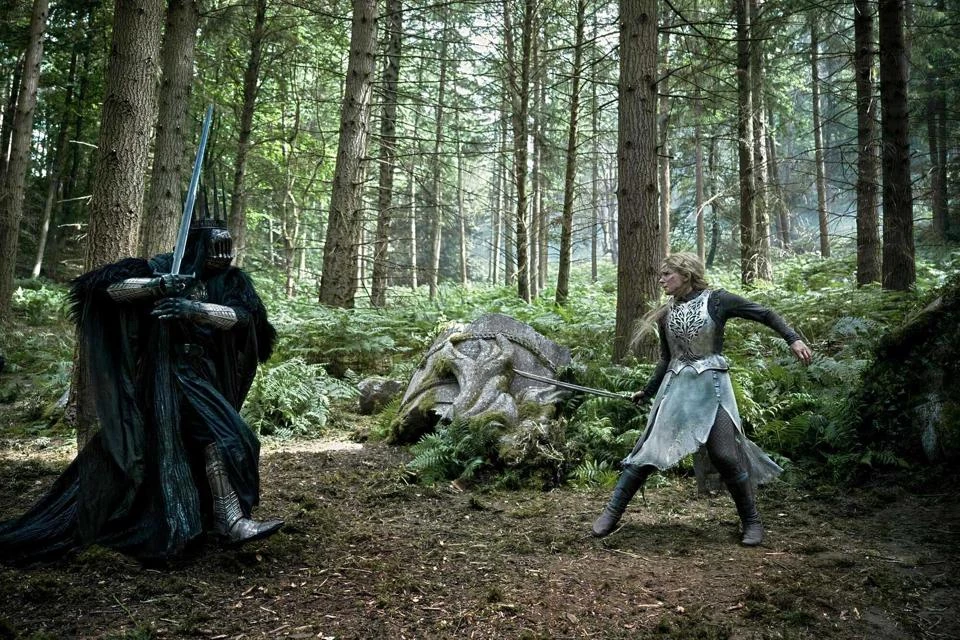
Celeborn explains how he survived the destruction caused by Ancalagon before he was captured and moved from one prison to another over the centuries. Galadriel admits that she spent years pursuing Sauron because she believed her husband was dead.
These conversations carry emotional weight. The two characters have to face years of absence and choices whose consequences still linger.
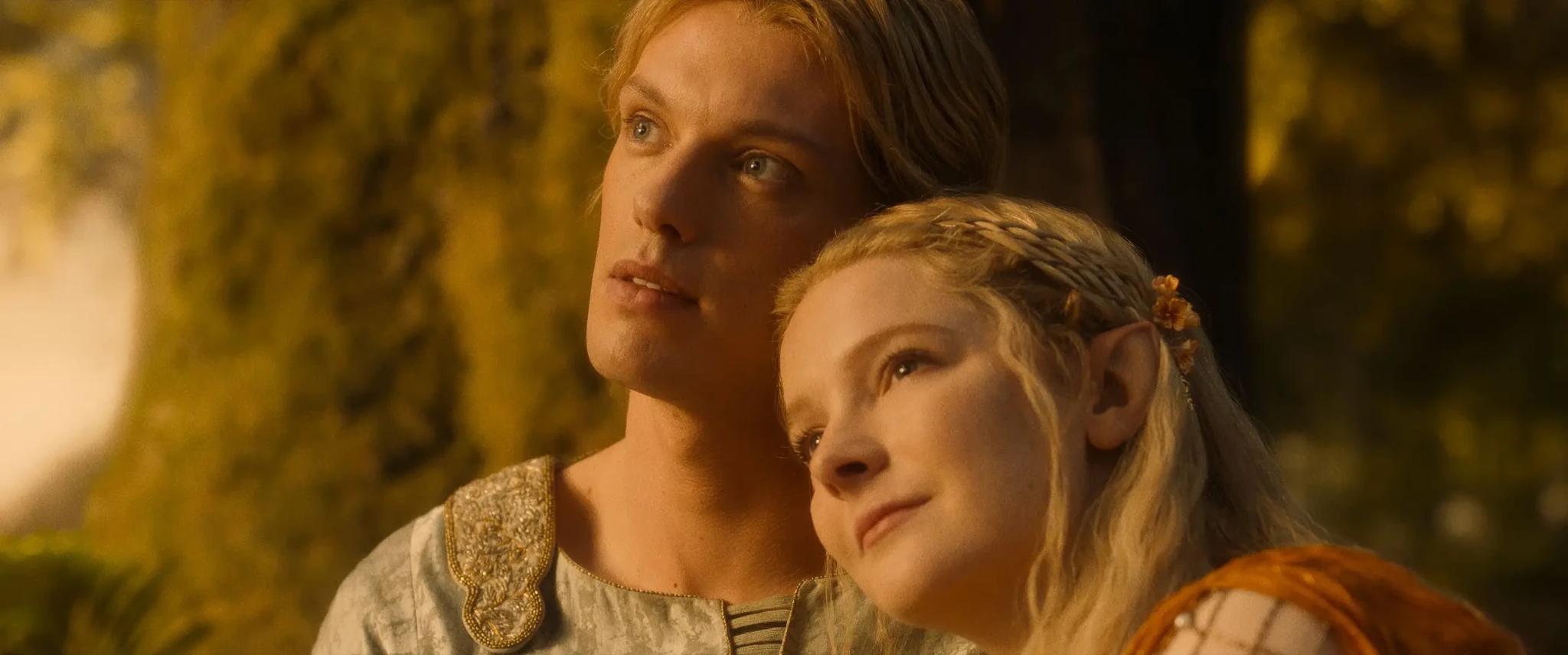
The series sometimes lets these moments run past the point where they are effective.
Leaving the Eagle behind and escaping on foot is hard to believe, especially when a means of flight is already at hand. Parts of the hiding and the dialogue also take the edge off the danger around them.
Galadriel falls from a tree after seeing Sauron’s face in Celeborn’s form. Celeborn decides to give himself up to draw the Orcs away from her, and Sauron tracks him down and takes him prisoner again.
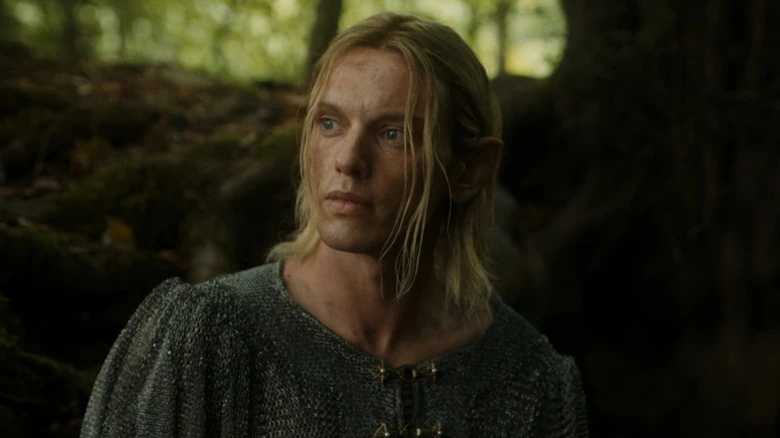
Capturing Celeborn gives Sauron an opening beyond the immediate torture. He can exploit the prisoner’s bond with his wife and turn their shared past into a weapon against him.
Elrond and Elros in the strongest flashback
Among the storylines worth singling out is the return to Elrond and his brother Elros.
A flashback to the First Age shows Elros choosing to live and die as a mortal Man, while Elrond remains among the immortal Elves.
The scene draws its force from the quiet sorrow of seeing two brothers who love each other choose different paths.
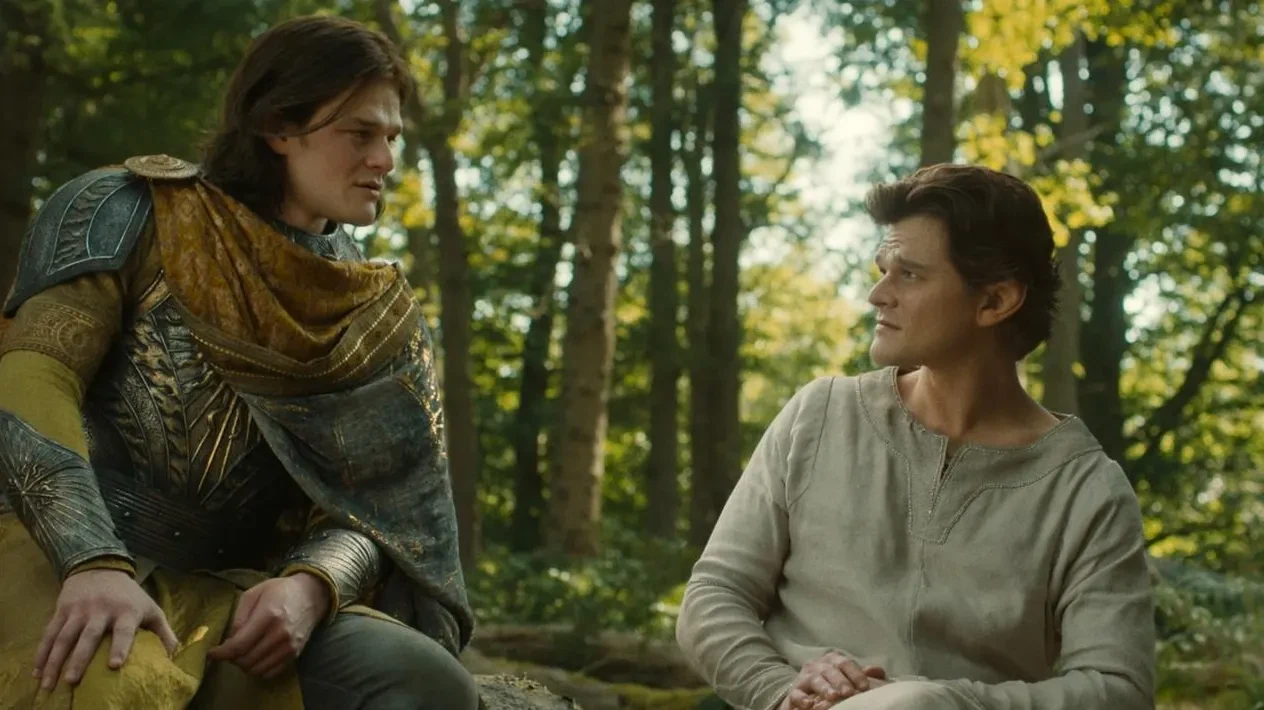
Robert Aramayo gives a particularly good performance in the way he conveys what Elrond feels for his brother and how deeply the choice has stayed with him.
This gives Elrond’s trip to Númenor another purpose. He goes there to seek military assistance, carrying a personal connection to the island’s history and to the brother who helped found it.
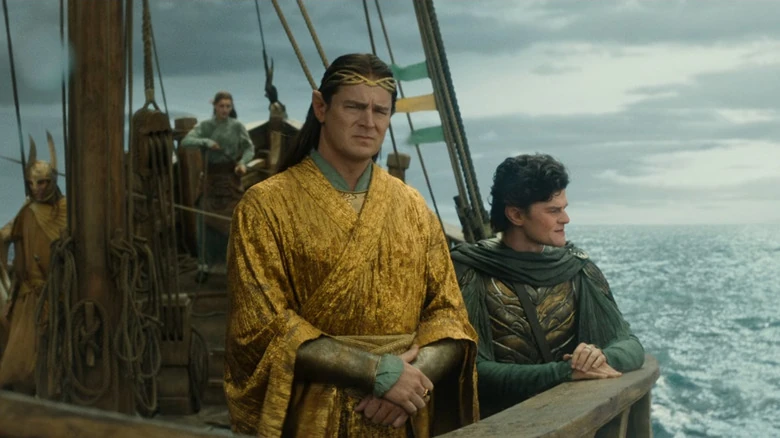
Elrond and Gil-galad receive a different welcome from the one they were hoping for. Pharazôn expects a price for his help and ties his position to the struggle between his own supporters and those of Míriel and Elendil.
This sets up one of the most intricate political storylines in the two episodes.
Númenor delays a war while its leaders bargain
The conflict in Númenor is clear and consequential. The difficulty is how long the series takes to reach a decisive point.
Both factions are preparing to fight, and each sees a retreat as a possible loss of power. Meanwhile, Elrond and Gil-galad try to avert a civil war so that the island can unite its forces against Sauron.
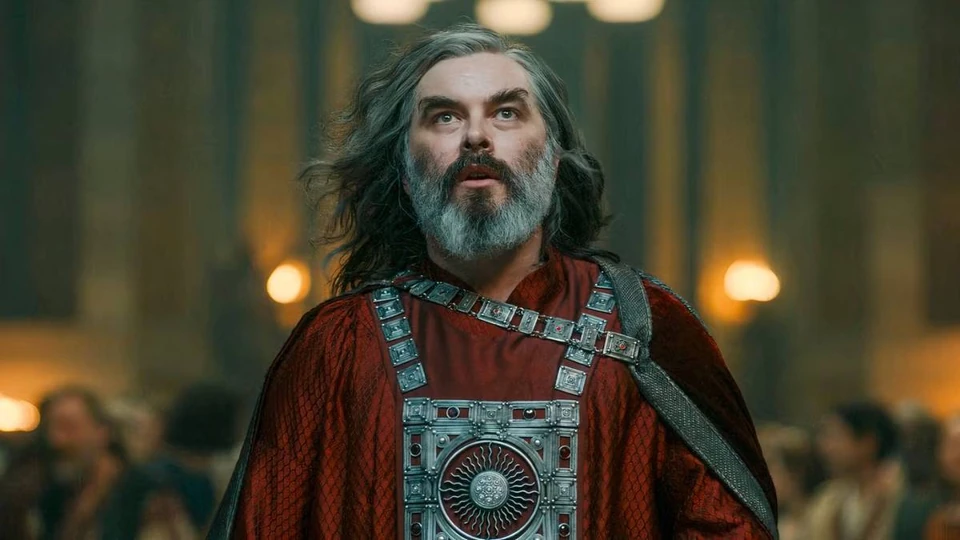
One of episode six’s strongest ideas is to show how differently the characters understand the prospect of peace.
Elrond tries to persuade Míriel to avoid bloodshed. Isildur is angrier after what he endured at the hands of Pharazôn’s men.
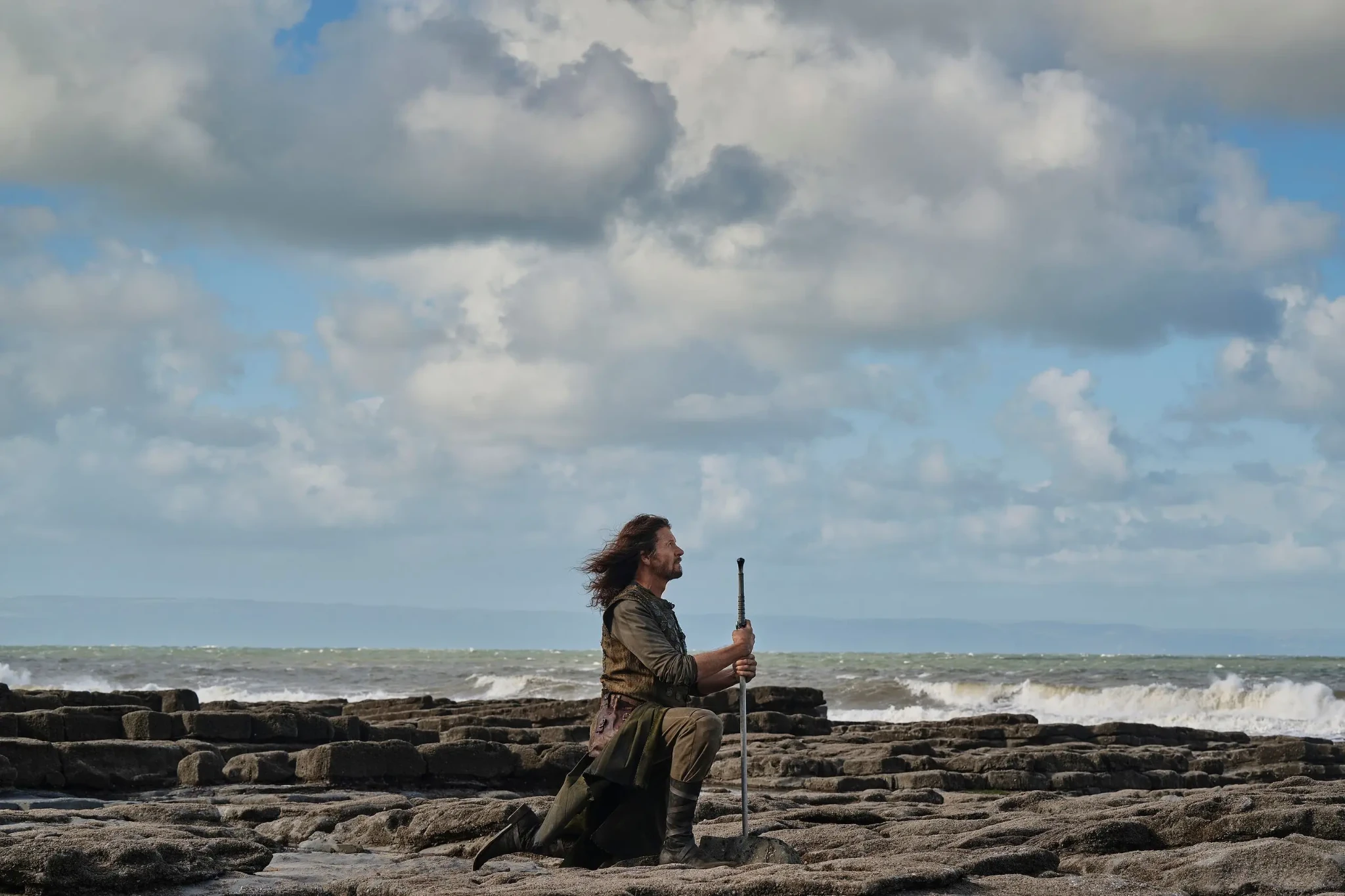
Elendil offers a different example of leadership when he shares his food with Kemen, an enemy and a prisoner. That simple act shows a leader resisting the urge for revenge and refusing to become like his adversary.
There is a moving moment when Gil-galad uses his ring to restore Míriel’s sight. The cut to black and the return to the image from her perspective allow the viewer to share in that moment of recovery.
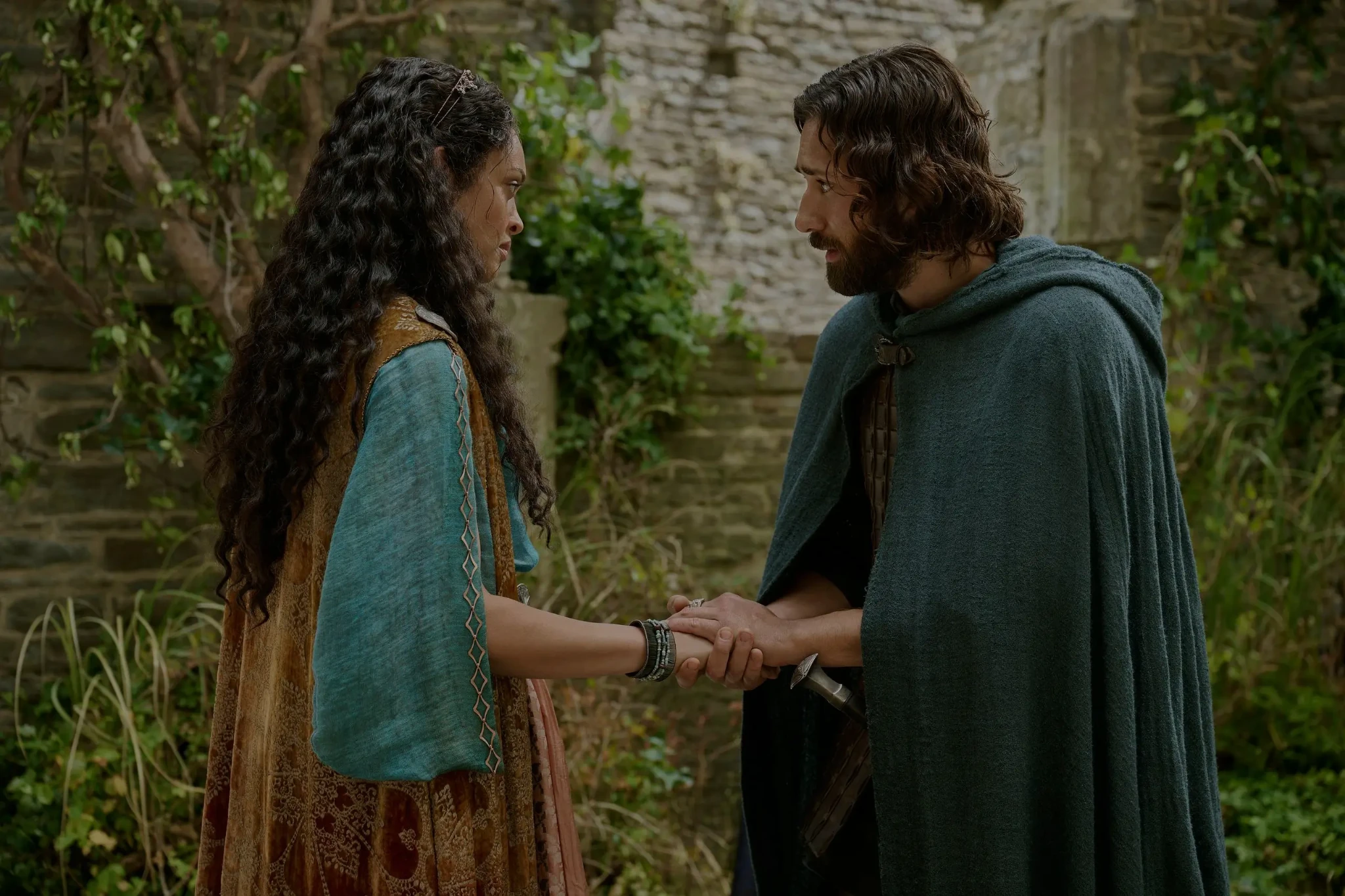
Then the political storyline takes an odd turn. Pharazôn proposes marrying Míriel as a way of ending the divide and reuniting the island.
The idea opens up a new avenue for the conflict. It also feels like an overly direct fix for a problem that has lingered for several scenes with little progress.
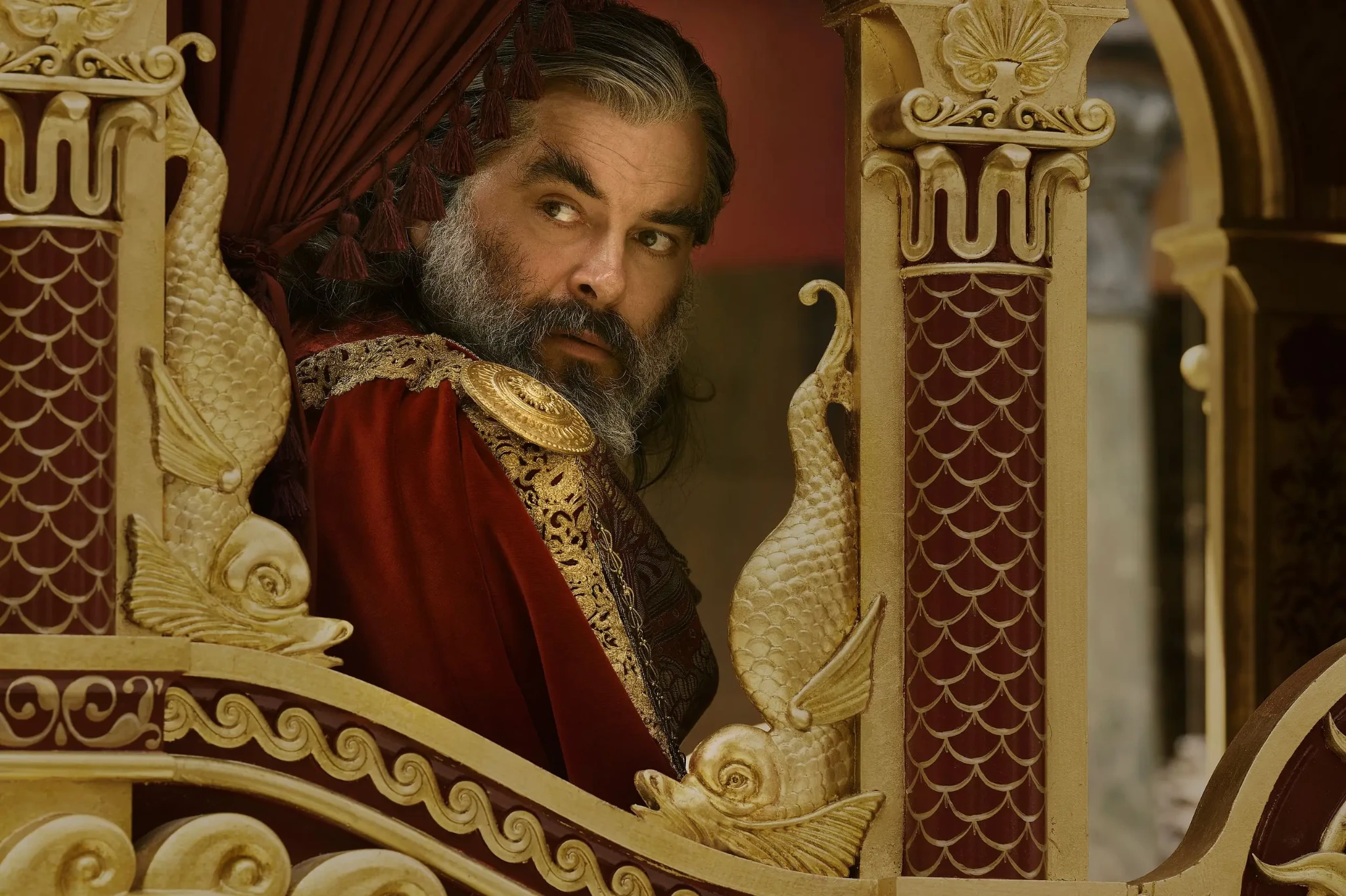
Episode six finally gets this part of the story moving after episode five spends so much of its time preparing for a confrontation it never reaches.
Gandalf and Pallando’s duel falls short
In another storyline, Gandalf tries to persuade Pallando to abandon the dark powers he has embraced and find his way back.
They begin by talking about their shared history. Gandalf reminds Pallando where they came from and of their duty to serve the Secret Fire.
Pallando rejects the appeal, and the conversation escalates into a duel of magic.
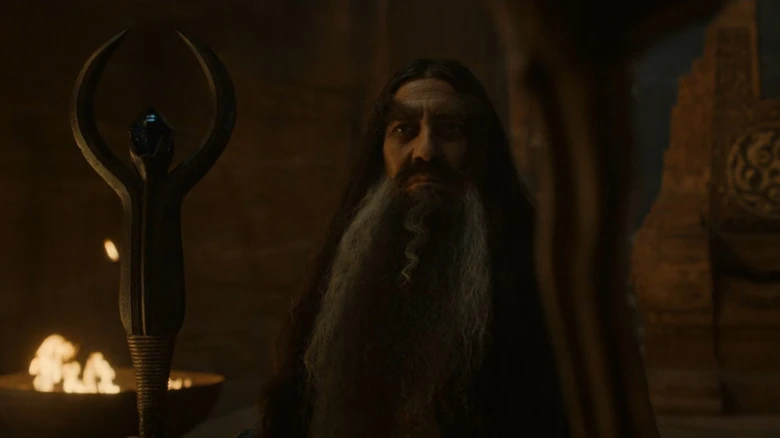
The sequence finally delivers the clash viewers have been waiting for, with clear use of both magic and physical combat.
It arrives at an unexpected outcome. Pallando wins relatively easily, leaving Gandalf bound atop a giant elephant as the armies of Rhûn march toward Mordor.
The sequence has spectacle, yet it is somewhat disappointing. Gandalf is given too little room to show what he can do or to put up a convincing resistance.
The arrival of the armies of Rhûn adds a real threat to the coming war and gives the close of episode five more weight.
Durin and Disa face the struggle inside Khazad-dûm
After losing the throne to his brother Thráin, Durin IV is imprisoned in the depths of Khazad-dûm. Thráin begins looking for the Seven Rings of the Dwarves.
This storyline shows another form of manipulation in the two episodes. Thráin uses Durin and Disa’s children to force her to help him and consolidate his grip on the throne.
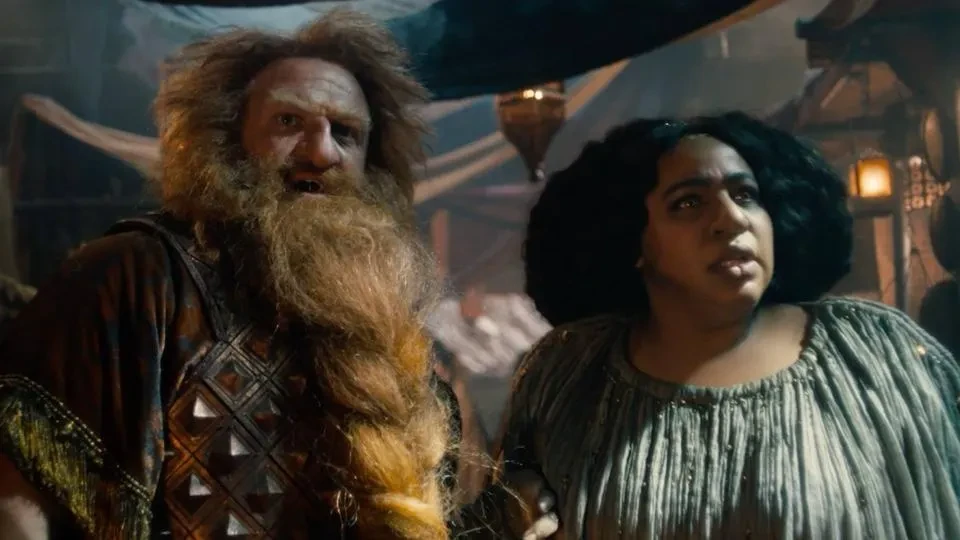
Disa has to use her ability to sing to the stone to find the rings. She uses the assignment to locate the place where her husband is being held.
The episode brings ingenuity and family tension together in the same moment. Durin and Disa remain one of the most believable relationships in the series.
The prison conversation between Durin and Thráin stands out as much as the escape. It reveals how complicated the brothers’ relationship is, and leaves important questions about Thráin’s connection to Sauron and what is driving him down this path.
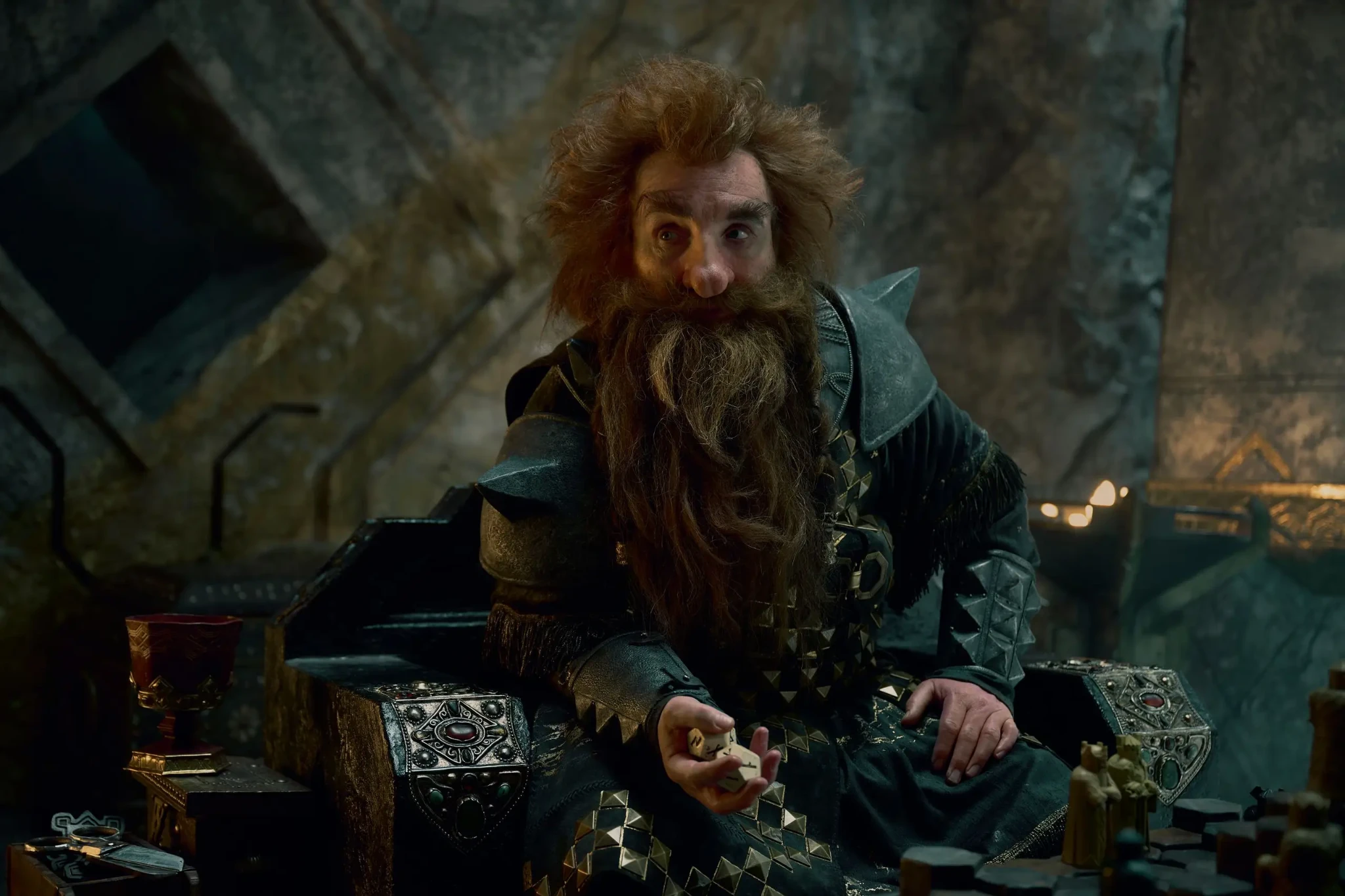
Disa locates Durin and overcomes the guards so easily that the sequence loses some of its force. A harder escape would have made it more tense.
Galadriel and Theo between a second chance and a reversal
After losing Arondir and seeing Celeborn taken prisoner, Galadriel finds a new traveling companion in episode six. It is Theo.
Theo has become a servant of one of the Nine Rings and has killed Arondir. The surprise is that he asks Galadriel to help rid him of the ring because he can no longer take it off himself.
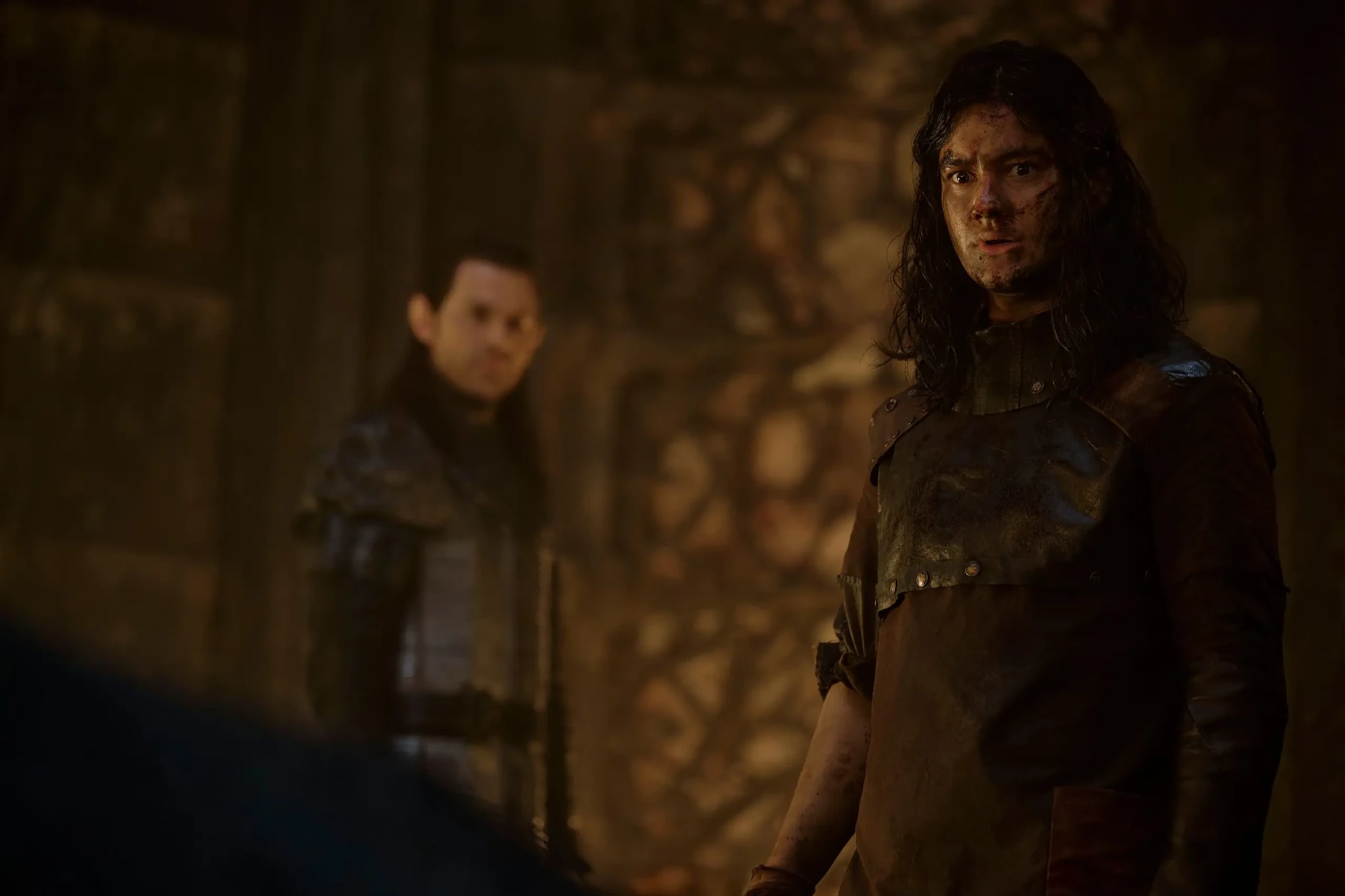
The series makes a significant choice by bringing Theo’s inner conflict back into play. He can now try to resist Sauron’s hold.
Galadriel agrees to help him despite what he has done. They speak about their losses and how the desire to escape pain can turn into an unending pursuit of darkness.
The loveliest moment comes when Galadriel sings to Theo. Morfydd Clark’s voice and Bear McCreary’s music give the scene much of its force.
There is real quiet here, allowing these two characters a rare stretch of human connection amid the conflicts around them.
We still have reservations about how quickly Theo goes from killing on Sauron’s behalf to asking for help and seeking to free himself of the ring. The idea could lead him somewhere interesting. It needs more groundwork to make his change of heart feel earned.
The speed with which Galadriel and Theo get to Mordor also makes distance and time hard to gauge within the world of the series.
Sauron and Celeborn in the strongest revelation
The confrontation between Sauron and Celeborn at Barad-dûr is the scene most worth pausing over.
Sauron begins by using physical and psychological torture to get information from his prisoner. He keeps coming back to Galadriel, trying to convince Celeborn that she chose to hunt him instead of looking for her missing husband.
Celeborn holds his ground. He tells Sauron that Galadriel chose him, even though Sauron had offered her dominion over Middle-earth.
The scenes become harsher when Sauron uses the press Celebrimbor once built, turning a tool associated with papermaking into an instrument of torture.
Jamie Campbell Bower is especially convincing in conveying the pain and the effort it takes Celeborn to keep himself composed in front of Sauron.
The real surprise comes when Galadriel appears before Celeborn in his cell, seemingly having found a way to rescue him.
Celeborn kisses her and reveals the secret of the materials used to make the Three Rings. Then comes one of the most effective turns in the two episodes. Sauron has been standing before him in Galadriel’s form.
The deception gets Sauron the information he was looking for. Gold and silver from Valinor are the secret he needs.
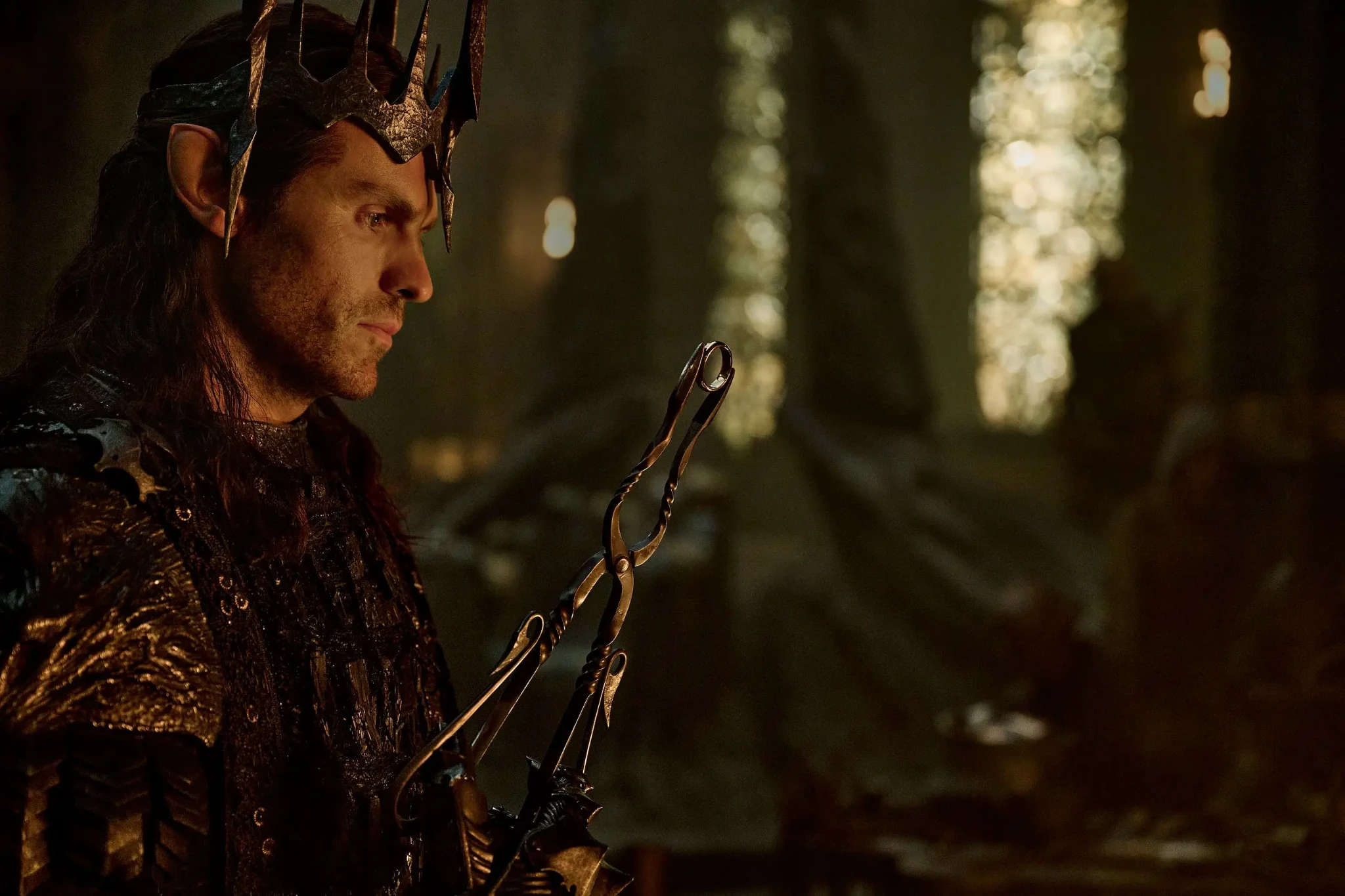
His attention then turns to Fëanor’s hammer. He discovers that only the fires of Mount Doom can melt it.
The revelation gives Sauron’s storyline a clearer direction. Using Celeborn’s most intimate bond against him allows Sauron to reach the objective behind the interrogation.
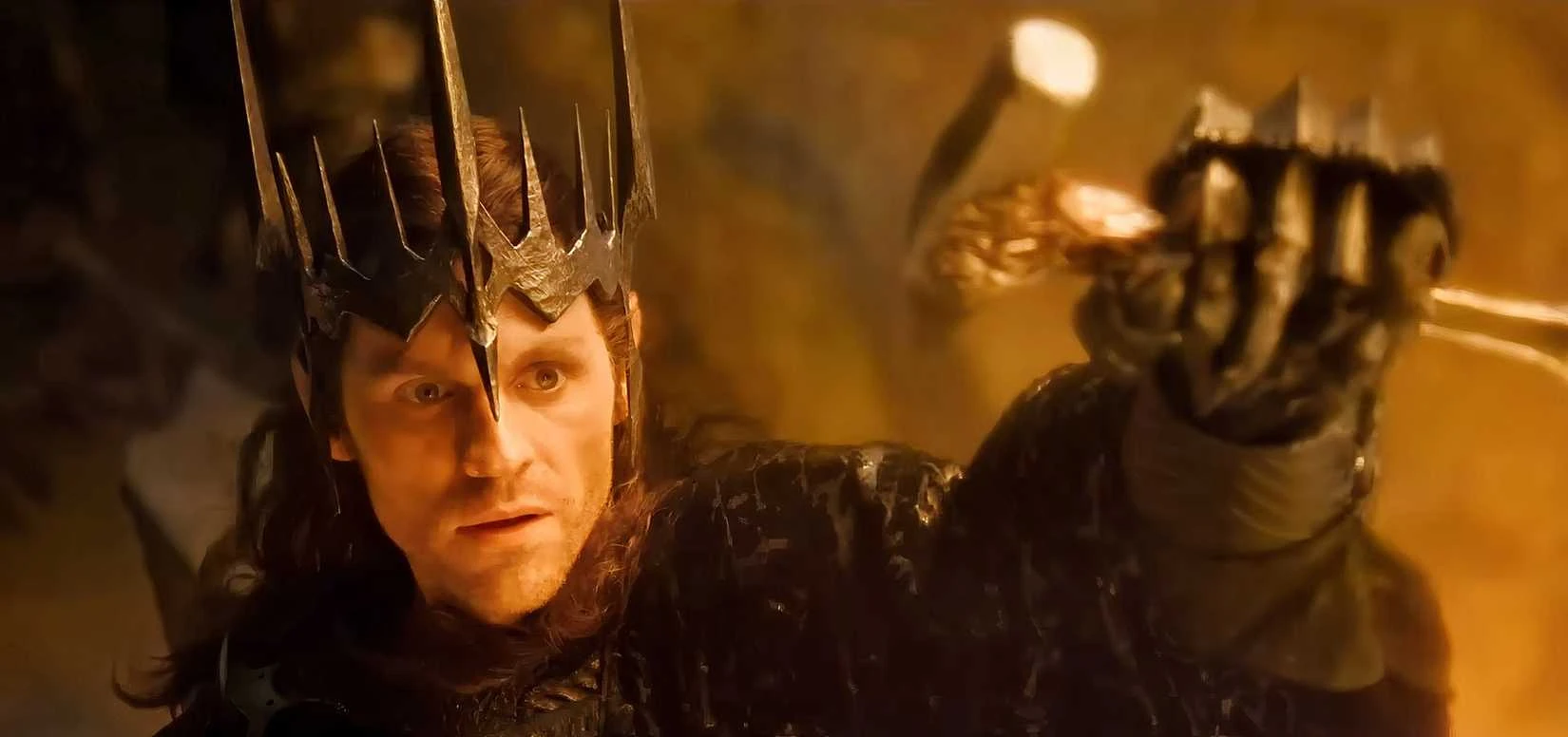
The scene works because the shock moves the plot forward. What Sauron gains in this encounter changes what he can do next.
Direction, atmosphere, and production craft
Visually, both episodes maintain the high production standard we have come to expect from the series.
The forests of Eryn Galen feel dense and ancient. The halls of Númenor retain their grandeur even as mounting political tension changes the feeling inside them.
The scenes with the armies of Rhûn give a sense of the scale of the coming threat, and the locations and sets help distinguish the different storylines.
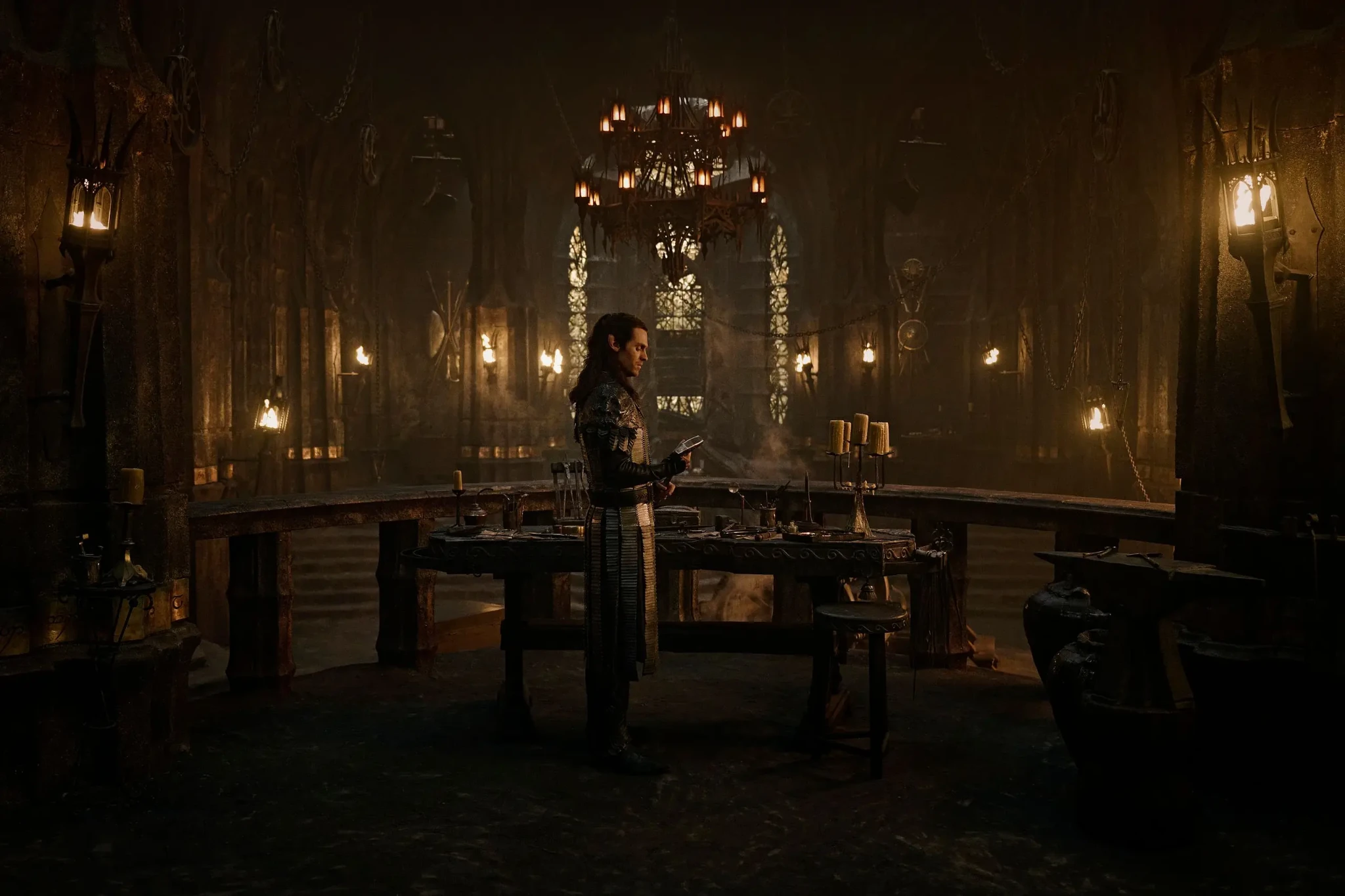
The cinematography and lighting have some good moments, especially when Míriel regains her sight and in the scene with Galadriel and Theo in the forest.
Galadriel’s song deserves mention for Morfydd Clark’s performance and for the way the music meets the emotional state of the two characters.
Charlie Vickers and Robert Aramayo remain among the strongest performers, alongside Morfydd Clark and Jamie Campbell Bower.
Trystan Gravelle brings ambition and instability to Pharazôn, while Owain Arthur and Sophia Nomvete add a great deal to Durin and Disa’s relationship.
The production and performances remain strong. The central problem is how the series allots time to the different storylines.
Final verdict
Strengths, weaknesses, and final verdict
The clearest strengths of the two episodes are the development of personal relationships and the way old conflicts become part of what the characters are trying to achieve now. Sauron’s scenes with Celeborn, Elrond’s memories of Elros, and the scene between Galadriel and Theo all deserve attention. The pacing varies considerably, especially in episode five, which spends a long time on dialogue and preparations while some storylines barely move. Episode six brings stronger developments and revelations. Even there, a few easy resolutions and changes of heart need more preparation. Overall, we think episodes five and six are good, with some parts more cohesive than others. The fifth is more concerned with moving characters into new positions. The sixth turns more of that preparation into developments, especially in the confrontation between Sauron and Celeborn, the struggle in Khazad-dûm, and the future of Númenor. We appreciate the importance the series gives personal relationships within the coming war. It needs to balance the time spent on them more carefully so the story can keep moving. The strong moments and consequential revelations sit alongside sluggish pacing and some unconvincing dramatic choices. These are good episodes that had the potential to be better.
Your turn
Do you think Theo’s decision to rid himself of the ring is the beginning of a genuine effort to atone for what he has done, or is the series setting up a more complicated path for him with Sauron?
AUDIENCE VOTE
Do you agree with the MB rating?
Choose once from this browser. You can change your answer at any time.