The review
Screenplay and dialogue: Amziah King and Matthew McConaughey
Amziah King is the kind of character who feels like a natural fit for Matthew McConaughey.
He talks a lot, has a strong social presence, loves music, knows almost everyone and seems capable of turning any ordinary situation into a story.
What is appealing, though, is that the film does more than draw on McConaughey's familiar charisma.
Behind that cheerful presence is a man deeply attached to this place and the people around him.
He is more than the owner of a successful beekeeping business: he is an essential part of an entire community whose members depend on one another.
So when the real problems begin, we understand why what happens becomes so personal for him.
McConaughey is excellent precisely because he does not play the character as a superman or an unshakable leader.
He is warm, funny and sometimes showy, but you also feel that his life is built around people and relationships he fears losing.
That human dimension is what makes the film work before it even enters the world of crime.
Kateri... a quiet counterbalance
If the film depended on McConaughey alone, it could easily have become an extended showcase for his charisma.
But Kateri prevents that entirely.
She is quieter and more reserved, and her presence opposite Amziah creates an excellent balance.
Their relationship is not a traditional father-and-daughter bond, but it has a genuine emotional history: Amziah and his late wife looked after her when she was younger.
When she returns to his life, the film does not try to make their relationship excessively sentimental.
There is restraint.
There is distance.
And there are many things these two people do not need to say aloud.
That is one of the best things about the film.
Angelina LookingGlass gives a very quiet performance. Some scenes might have benefited from a little more emotion, but I prefer this choice to overstatement.
Kateri is someone who observes before she speaks.
When she begins to take on greater responsibility, that very quietness becomes a source of strength.
Amziah and Kateri... a family learning together
All the elements involving crime, the honey business and the struggle with rivals come second.
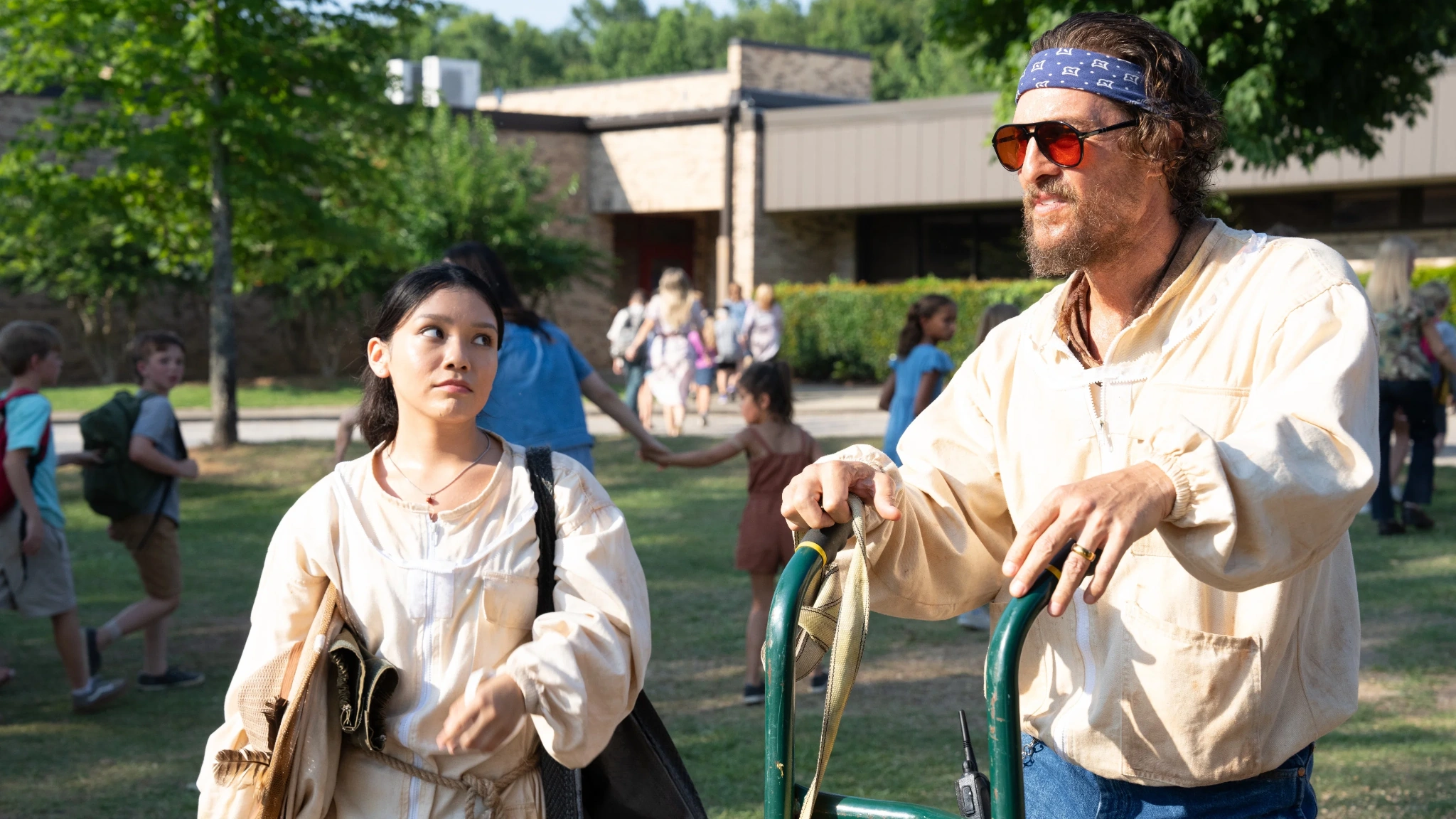
The film's real heart is the relationship between Amziah and Kateri.
Amziah does not treat her as someone who needs rescuing.
He opens the door for her to become part of his life and work, then gives her room to prove herself.
More importantly, the film makes their learning mutual.
He teaches her beekeeping and how this community works.
But her presence also restores something he lost some time ago.
The feeling that there is someone to whom he can pass on a part of his life, rather than just a business.
That makes the bees more than an unusual occupation chosen by the screenplay.
The beehive becomes a reflection of family and community.
Everyone has a role.
And the absence of one member affects them all.
The film is very explicit about this metaphor, sometimes more explicit than it needs to be, but ultimately uses it well.
Beekeeping... the details that give a place its value
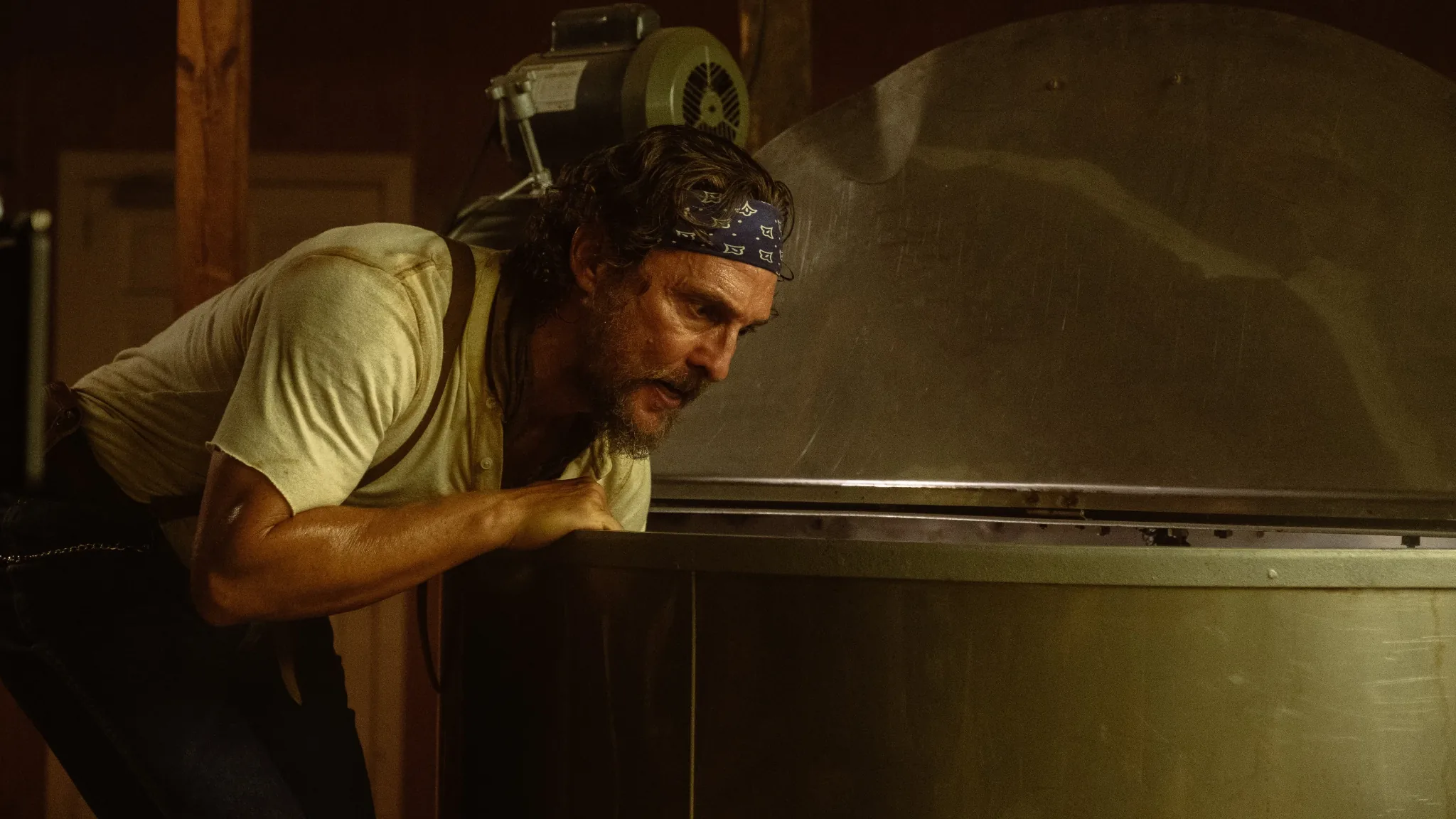
The film pays attention to the details of the work itself.
It devotes real time to beekeeping, extracting honey and the nature of working together.
These scenes could have felt instructional or dull, but they are shot and edited in a way that makes the work itself engaging.
There is a rhythm to the characters' movements.
Everyone knows what to do.
The film uses that rhythm to make you feel you have truly entered this world.
That matters enormously because the second half depends on our understanding the value of what is being threatened.
If the film had opened directly with the crime, the theft of honey and bees would have been just a plot point.
But after living with this community and seeing how it works, an attack on the business becomes an attack on an entire way of life.
Crime arrives after we know the people
The film opens with clear signs of theft in the honey trade.
That storyline is there from the beginning.
But Andrew Patterson is in no hurry to enter the crime film.
For me, that is an excellent decision.
First, he lets us get to know the people.
We hear the music.
We see the relationships.
We understand Amziah's nature.
And we watch Kateri gradually enter this world.
Only then does the more dangerous side begin to emerge.
If the order were reversed, the conflict would not carry the same weight.
But when the film starts moving toward a more violent world, we already know what can be lost.
You feel the film changing without becoming an entirely different work.
The second half... a more conventional film
Nevertheless, this is where my biggest problem with the film lies.
The first half has an extremely clear identity.
Music.
Community.
Amziah and Kateri's relationship.
The details of the work.
And a sense of ease that sets the film apart from the usual crime stories.
When the focus shifts further toward investigation, conflict and rivals, the film becomes a little more conventional.
It is not bad.
But the oddness and warmth that made the opening distinctive become less prominent.
More importantly, I wanted more time with Kateri before she took on the larger role in the second half.
Her development makes sense, but the film sometimes moves her from observation to leadership faster than I would have preferred.
I find the crime storyline less compelling than the relationships and characters, which give the film its warmth and distinctive personality.
Dub McCoy... the other side of the honey world
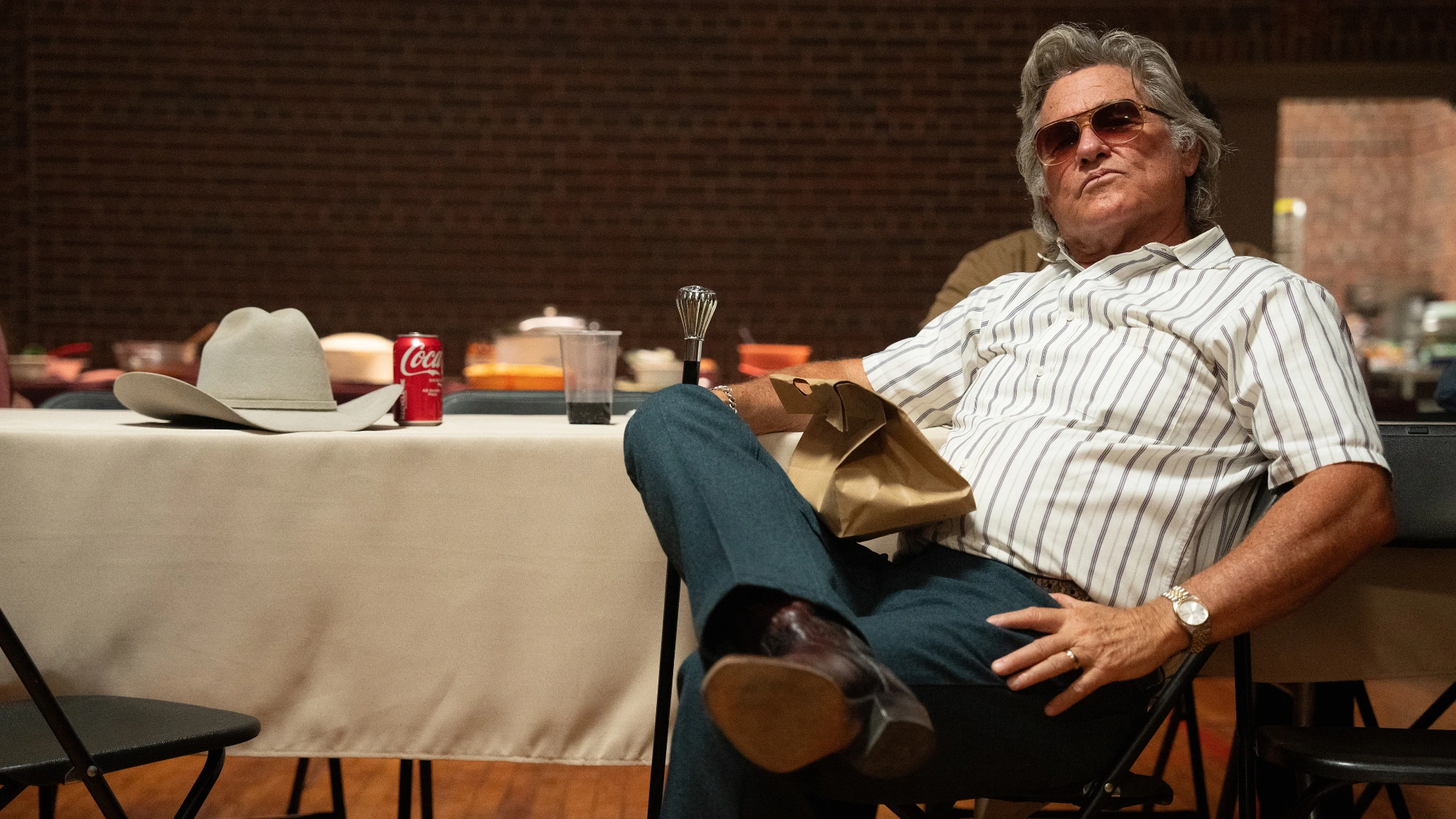
Kurt Russell opposite Matthew McConaughey is enough on its own to make for an entertaining confrontation.
His character, Dub McCoy, represents the other side of the honey world.
Much the same place and much the same work, but a different mentality.
Amziah sees community and cooperation.
Dub sees influence, self-interest and control.
That makes their conflict a little bigger than two people competing in the same trade.
Kurt Russell is very well suited to the role because he can convey menace without having to shout all the time.
At certain moments, he has a warmth that almost makes you forget you are looking at the antagonist.
That is much better than presenting him as evil from his first shot.
But once again, I wish the film had given him more room.
An actor this strong, playing a character with this much potential, makes me feel there were additional layers worth exploring.
Kateri moves from observation to leadership
One of the film's smartest ideas is that it begins as though it belongs entirely to Matthew McConaughey.
Then, as events unfold, Kateri gradually starts to take center stage.
That shift does not come with a grand announcement.
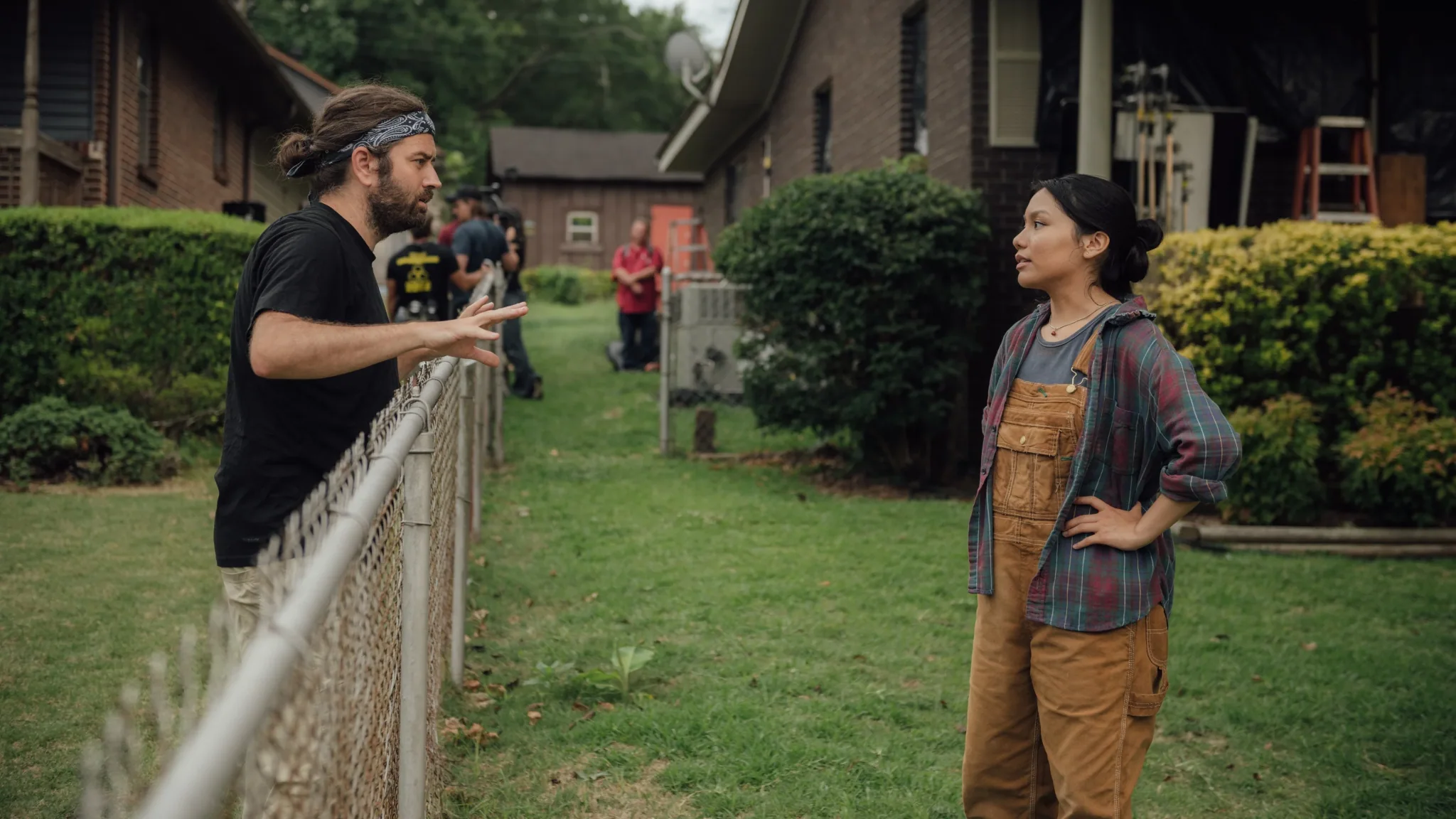
It begins when she has to make decisions on her own.
The film gives her an important moment in which she receives painful news. The scene relies heavily on her face and reaction, instead of constant cutting or music telling you what to feel.
The camera lets her change before our eyes.
Grief does not turn into screaming.
It turns into a decision.
This is one of Angelina LookingGlass's best moments in the film.
You are watching the moment when Kateri stops being someone who lives within Amziah's world and starts becoming someone capable of protecting that world herself.
Community against greed
The film's strongest idea is the comparison between a beehive and a human community.
Bees live through order and collective work.
Each depends on the others.
The film builds Amziah's community in much the same way.
People work together.
They know the details of one another's lives.
They help one another.
But the presence of rivals driven by self-interest exposes the fragility of this system.
An entire community can function well for years, only for someone to arrive who sees everything others have built as an opportunity for exploitation.
That is why the criminal conflict works more as a test of the characters' values than as a mystery about who is stealing the honey.
The only problem is that the film sometimes explains this metaphor more than it should.
I would have preferred it to trust that the viewer already understood the connection between the beehive and the community.
But the idea itself is strong and remains clear through to the end.
Music... the warmth of its presence and the chill of its absence
Music, too, is more than background.
The band and the musical passages are essential to Amziah's character and the sense of community around him.
The songs give the first half a clear energy and warmth.
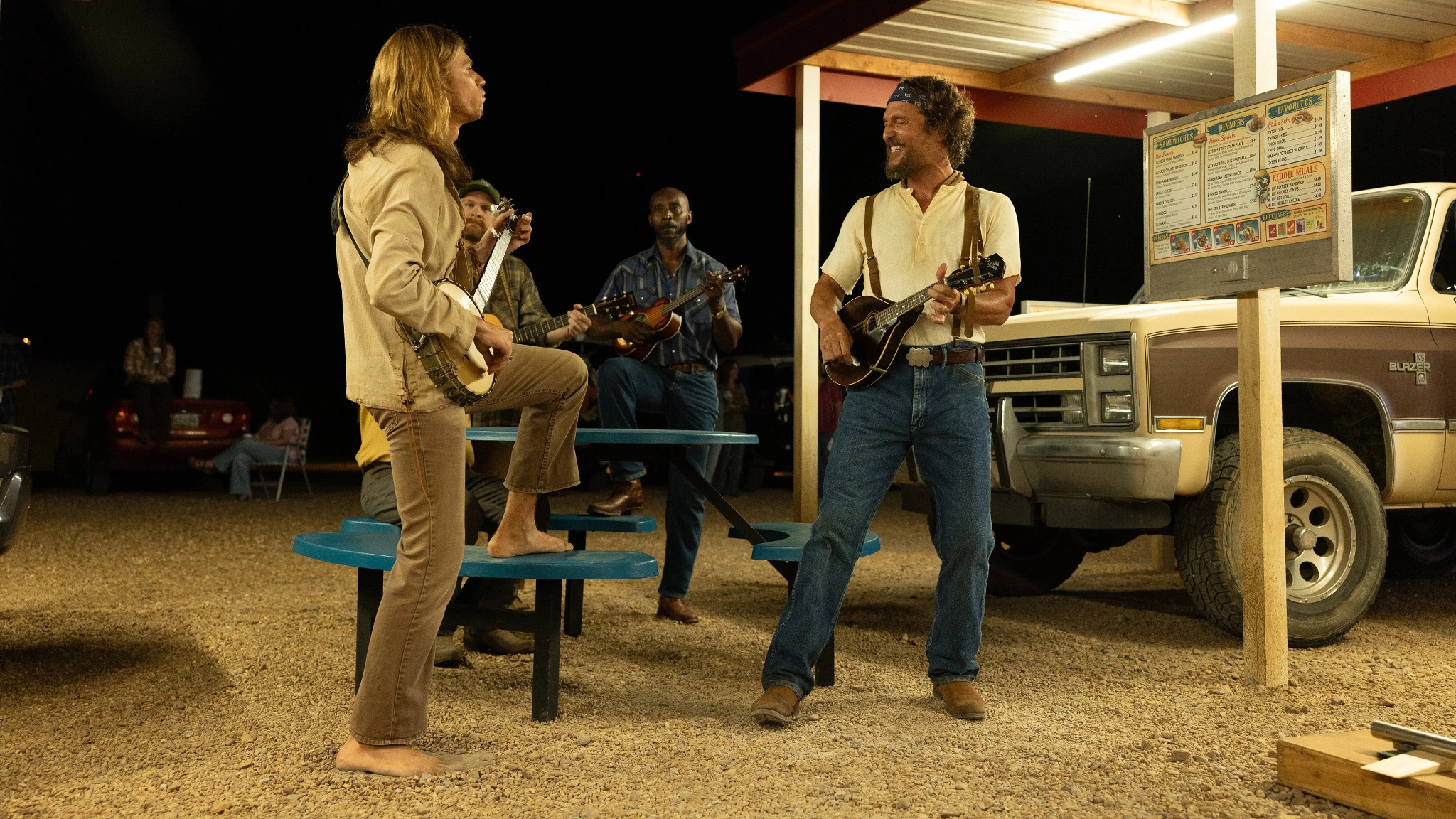
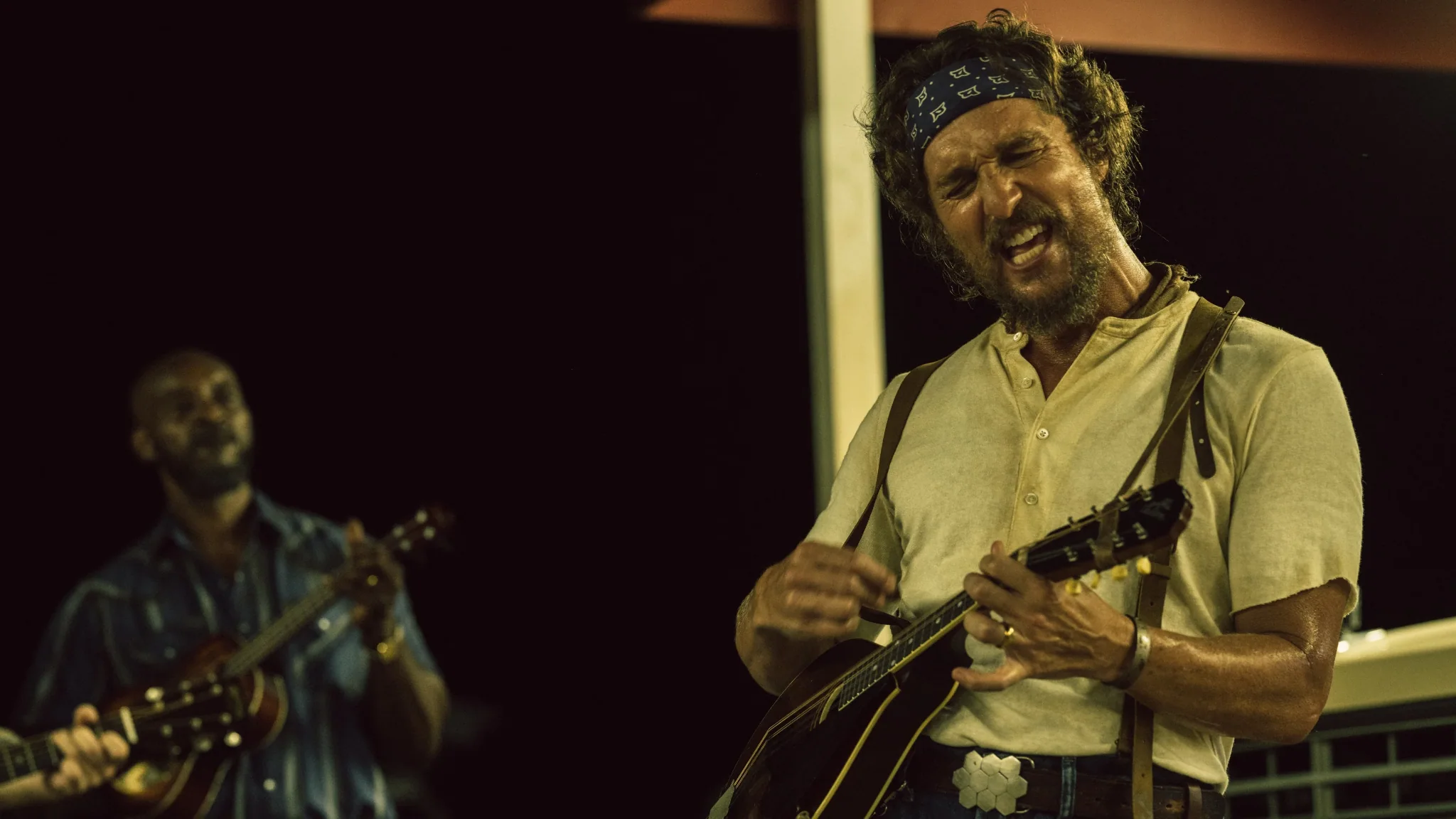
Even smarter is what happens when the music becomes less frequent after the midpoint.
You feel the difference immediately.
The world itself has become less comfortable.
The fun has disappeared.
The film does not have to tell you its tone has changed, because the absence of music does that work on its own.
For me, this is one of the film's best technical choices.
Music builds the sense of place, and then its absence shows that the place itself is no longer as safe as it once was.
Direction... a film unafraid to pause
Andrew Patterson shows a very clear confidence in pacing.
The film can suddenly put the main story on hold to give us a musical session.
Or a long scene about extracting honey.
Or a small moment between two characters that does not directly advance the plot.
Usually, these things can be a problem.
But here, many of them are what give the film its personality.
Patterson seems confident that if we love the place and its characters, we will not mind spending time with them even when nothing essential to the story is happening.
I think he is right most of the time.
Some detours are longer than they need to be.
But I prefer a film with this courage to one that cuts everything down until it becomes just a sequence of events.
These details are why The Rivals of Amziah King feels like a film with its own personality, rather than a product designed merely to reach the end of its story.
Cinematography... the countryside as a character
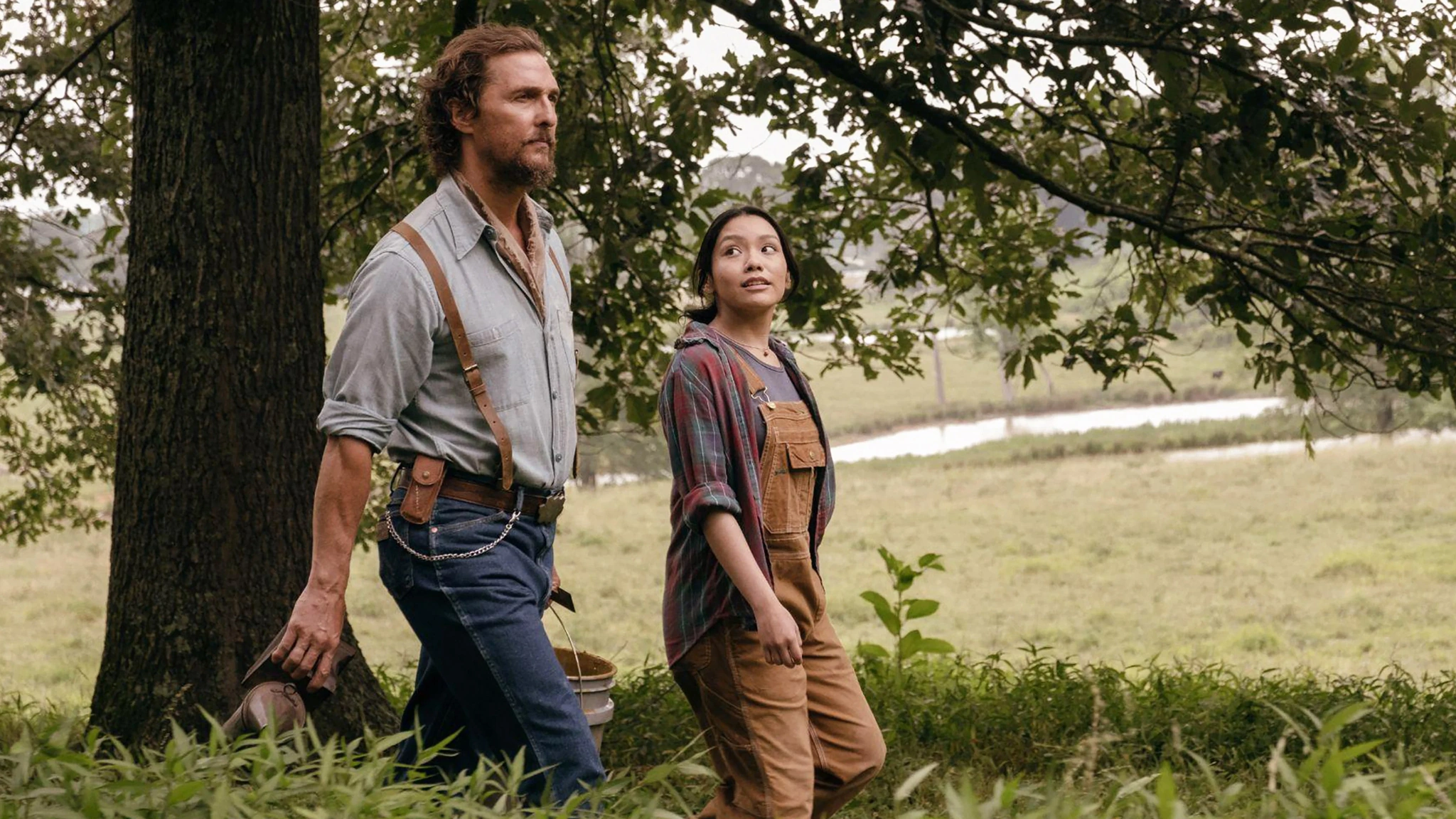
The cinematography is one of the film's most beautiful elements.
Warm colors and natural light make the countryside feel comfortable and open, but the camera does more than present it as a pretty postcard.
We feel that the characters actually work in this environment.
The fields.
The warehouses.
The equipment.
The bees.
And the country roads.
They all feel used and real.
The camera moves with clear energy in the group scenes, then becomes completely calm in the more personal moments.
That contrast matters.
The film itself constantly moves between a community full of activity and people with feelings they do not easily express.
Editing and pacing
The editing also deserves a mention.
Particularly in the scenes of collective work.
At times, a fast rhythm makes the beekeeping work feel almost like a musical sequence.
Each movement complements the next.
Then, when the film reaches heavier moments, the pace slows and lets the faces and the setting take their time.
But it is certainly a leisurely film.
I think some scenes could have been shortened without losing its spirit.
The problem is not that the film is slow.
The slowness is deliberate.
The problem is that some digressions do not always contribute as much as the best scenes.
Even so, I feel that these flaws come from the film's personality more than from any uncertainty about what it wants to do.
Final verdict
Final verdict
The film succeeds more through its characters than its plot. If you come looking only for thrills and crime, you may feel that the road to that part is far too long. But if you let the film immerse you for a while in the lives of Amziah, Kateri and this community, you will understand why it takes all that time. Matthew McConaughey returns in a role perfectly suited to his presence, but Angelina LookingGlass does not disappear beside him. She gradually becomes one of the most important reasons the film works. Andrew Patterson delivers a film with the courage to pause for music, for bees or for a small conversation, instead of constantly chasing the plot. For me, the second half is weaker than the first, and the crime element is more conventional than I expected after the distinctive opening. But the relationships, music, cinematography and ending make the experience worthwhile. My rating: 7.5 out of 10.
Your turn
Do you prefer the quiet first half, centered on Amziah, Kateri and the community, or do you think the move into crime and conflict in the second half is what gives the film its real strength?
AUDIENCE VOTE
Do you agree with the MB rating?
Choose once from this browser. You can change your answer at any time.