The review
A spark in the England of 1381
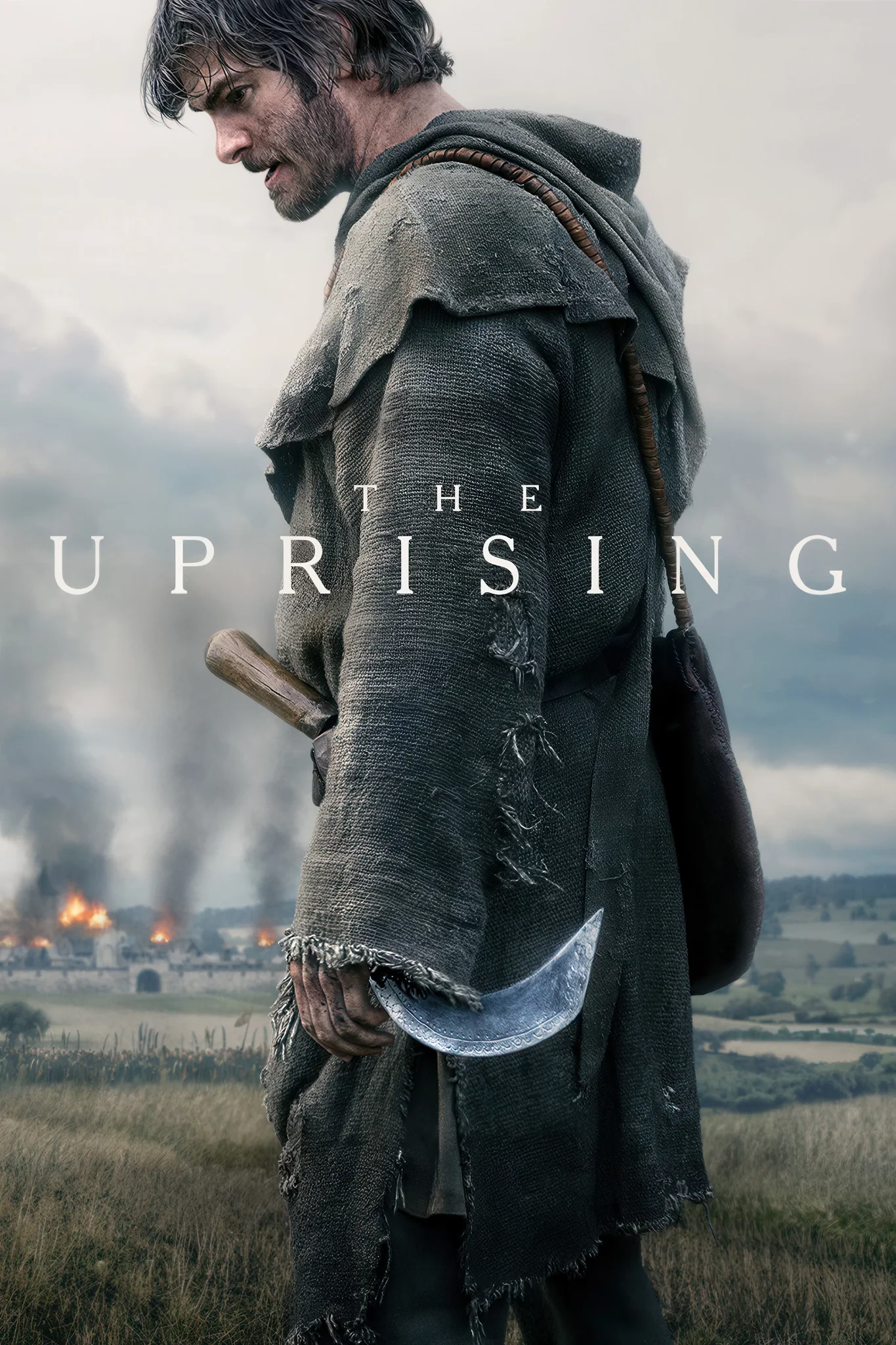
The film returns to an England still living with the consequences of the plague. Many have lost their families, yet those in power keep demanding taxes from people who have almost nothing left to give. In this climate we meet Ploughman, played by Andrew Garfield: a farmer who has lost his wife and children and is simply trying to keep working the land.
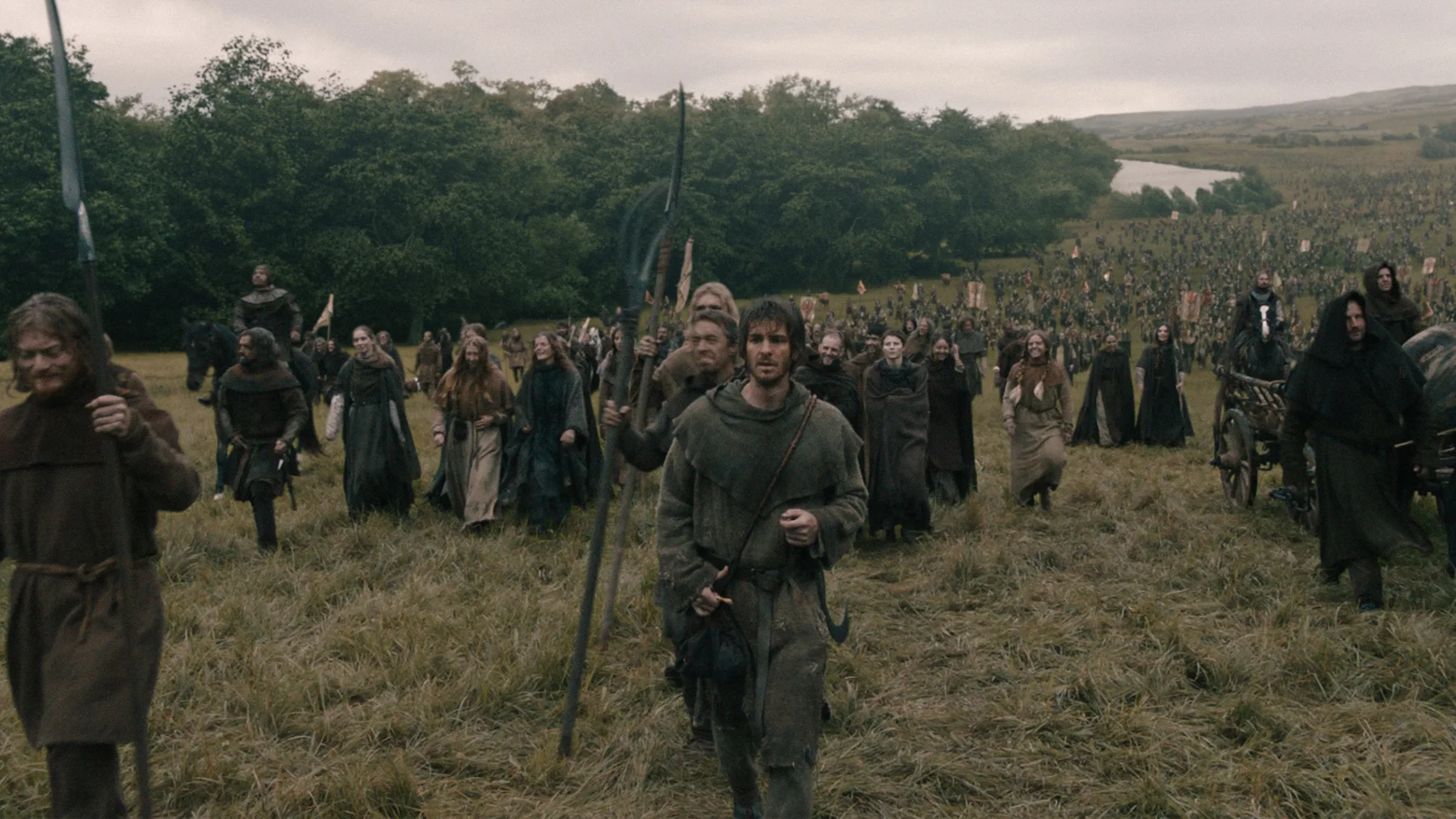
He is not introduced as a revolutionary leader or a man seeking a place in history. He has reached a breaking point. When the collection of taxes turns into a confrontation, his reaction sparks something much bigger than himself. The rebellion begins with the moment an ordinary person can accept no more, rather than with a grand speech or a political blueprint.
As word spreads, accumulated anger finds a shape and a voice. An individual act becomes a collective movement. The film suggests that people who enter history do not always know they are making it while it happens, and Ploughman carries that idea throughout the journey.
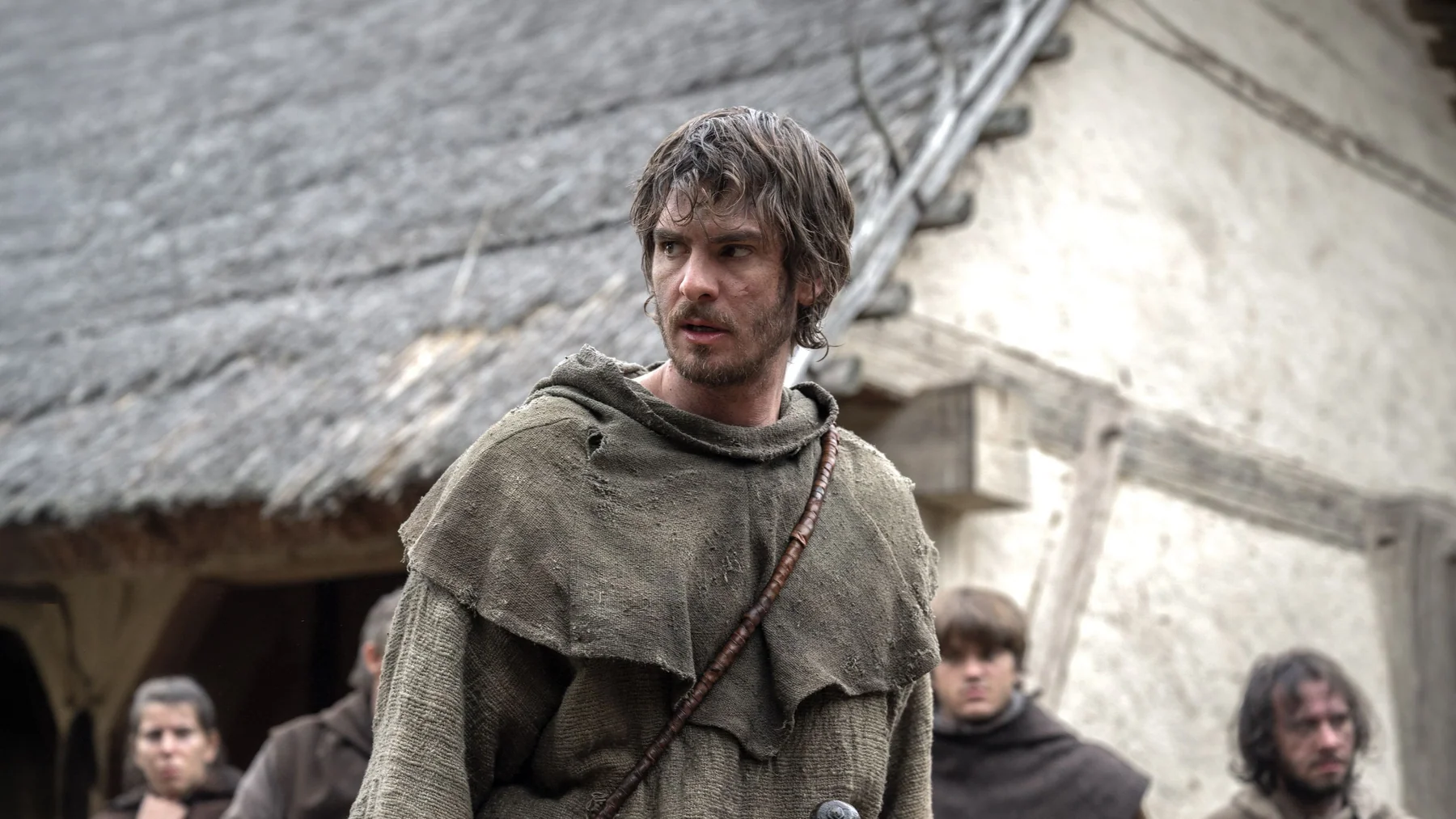
Andrew Garfield gives the film its heart
The Uprising's greatest asset is Andrew Garfield. He never tries to turn Ploughman into a conventional epic hero. Grief sits behind his eyes for much of the film, but he does not play the man as a succession of tears or speeches. Having lost so much, he slowly comes to need that pain to mean something.
Even when others begin to regard him as a symbol, his discomfort and humility remain visible. This is not a man who woke up and decided to lead a revolution; the revolution almost chose him. Garfield also gives weight to lines that might read too directly on the page, making them sound as if they came from Ploughman's experience rather than from a screenplay delivering a message.
When the uprising grows beyond its first rebel
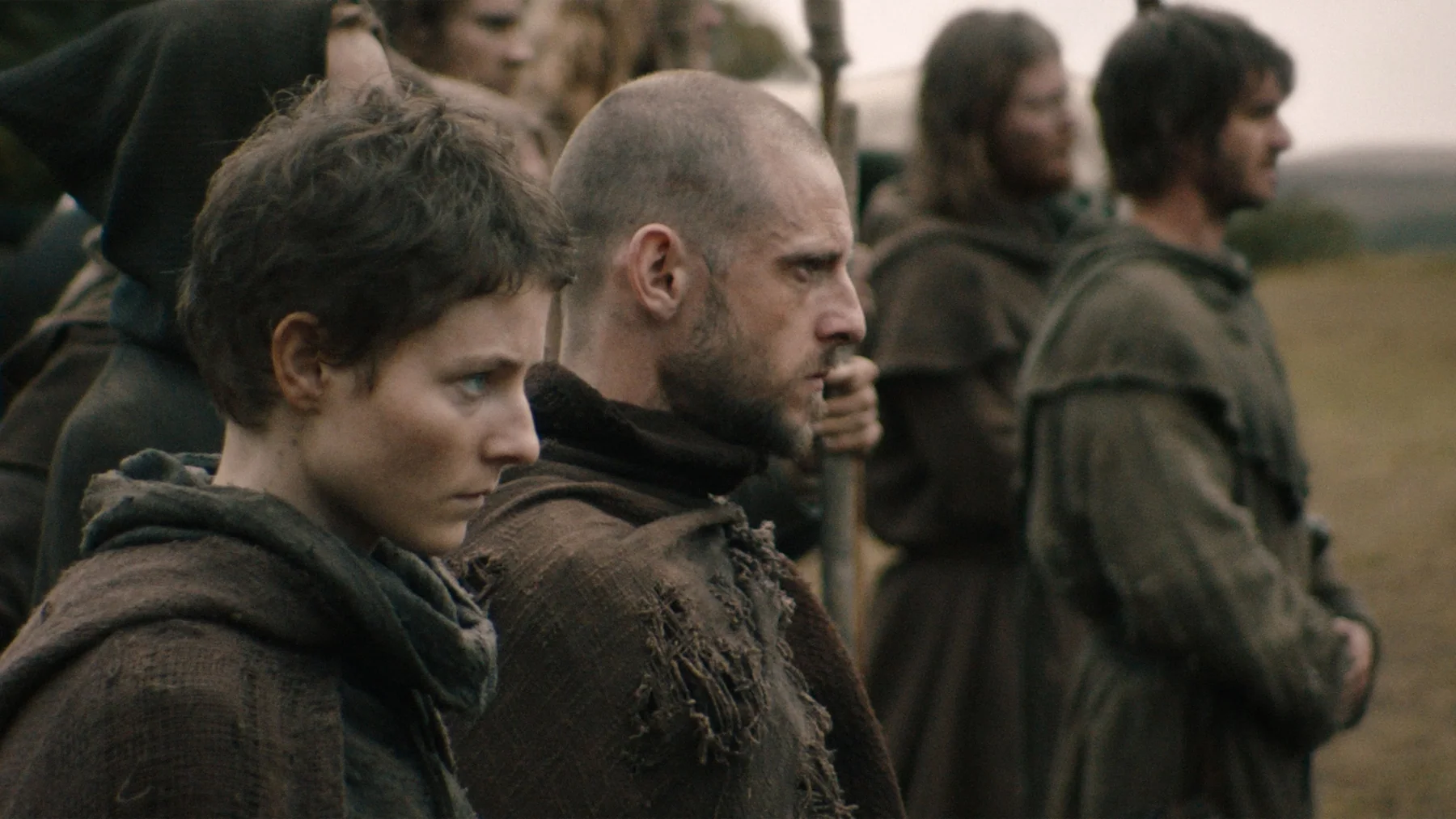
The film does not always keep Ploughman at its center. As the revolt grows and Wat Tyler, John Ball and many others enter, he sometimes dissolves into the crowd. That fits the idea of a movement becoming larger than its first spark, but it also weakens the emotional hold of the character with whom we began.
Many of the supporting characters are written more as models or symbols: the farmer, the king, the officials, the rebel leaders and the court. Leaving some of them without clear names adds a wider social meaning, as if these roles might recur in another age. The cost is that several people never develop beyond their function in the story. Recognizable actors and historical figures appear, then disappear before the script fully uses them. Even Ploughman, for all Garfield's work, is drawn in fairly broad lines.
Richard II is more than a simple villain
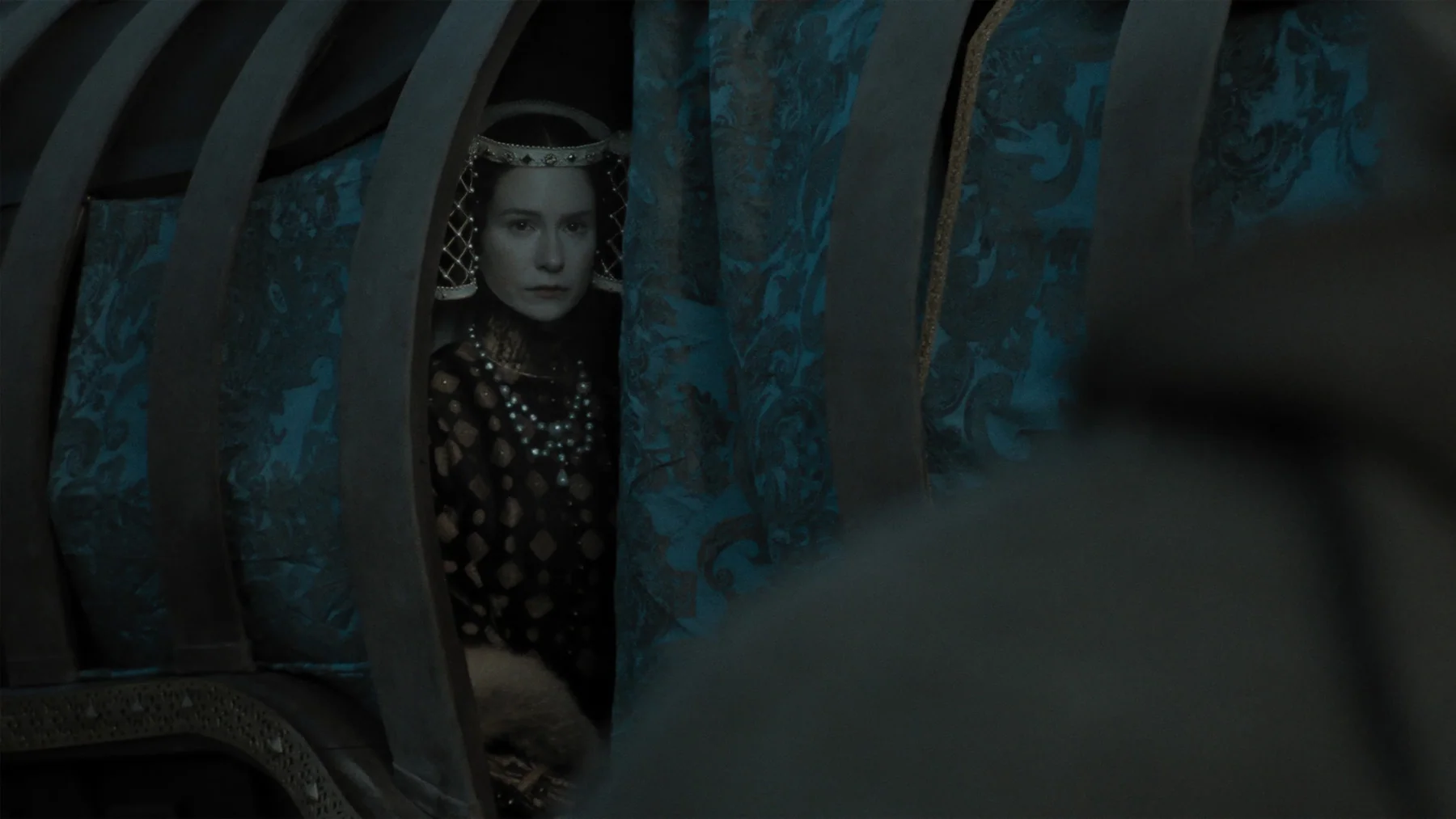
The clearest exception is Richard II. Woody Norman plays a teenage king in whom fear, arrogance, immaturity and absolute faith in his ordained place coexist. He is not merely a monster seated on a throne and ordering the poor to suffer.
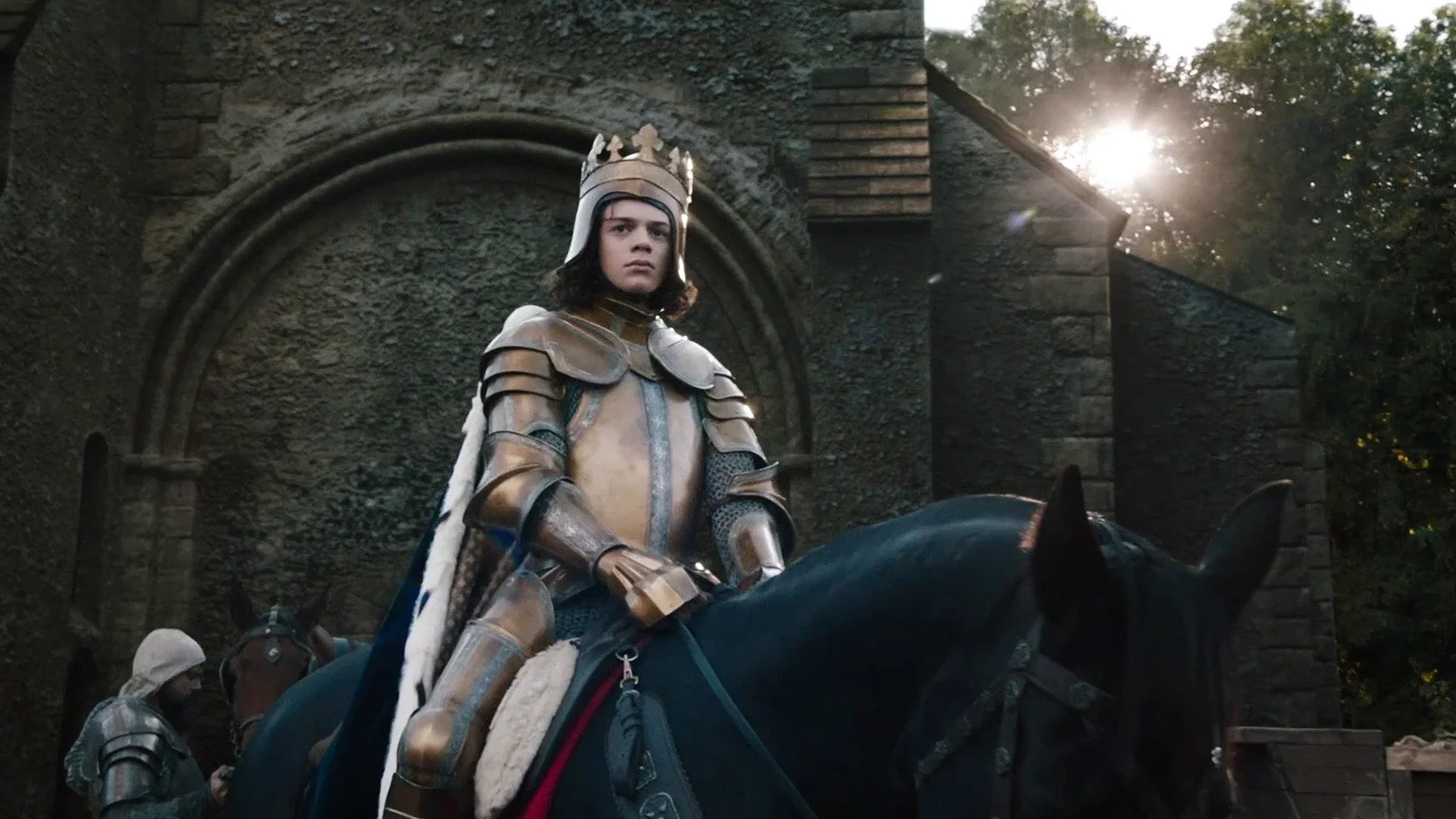
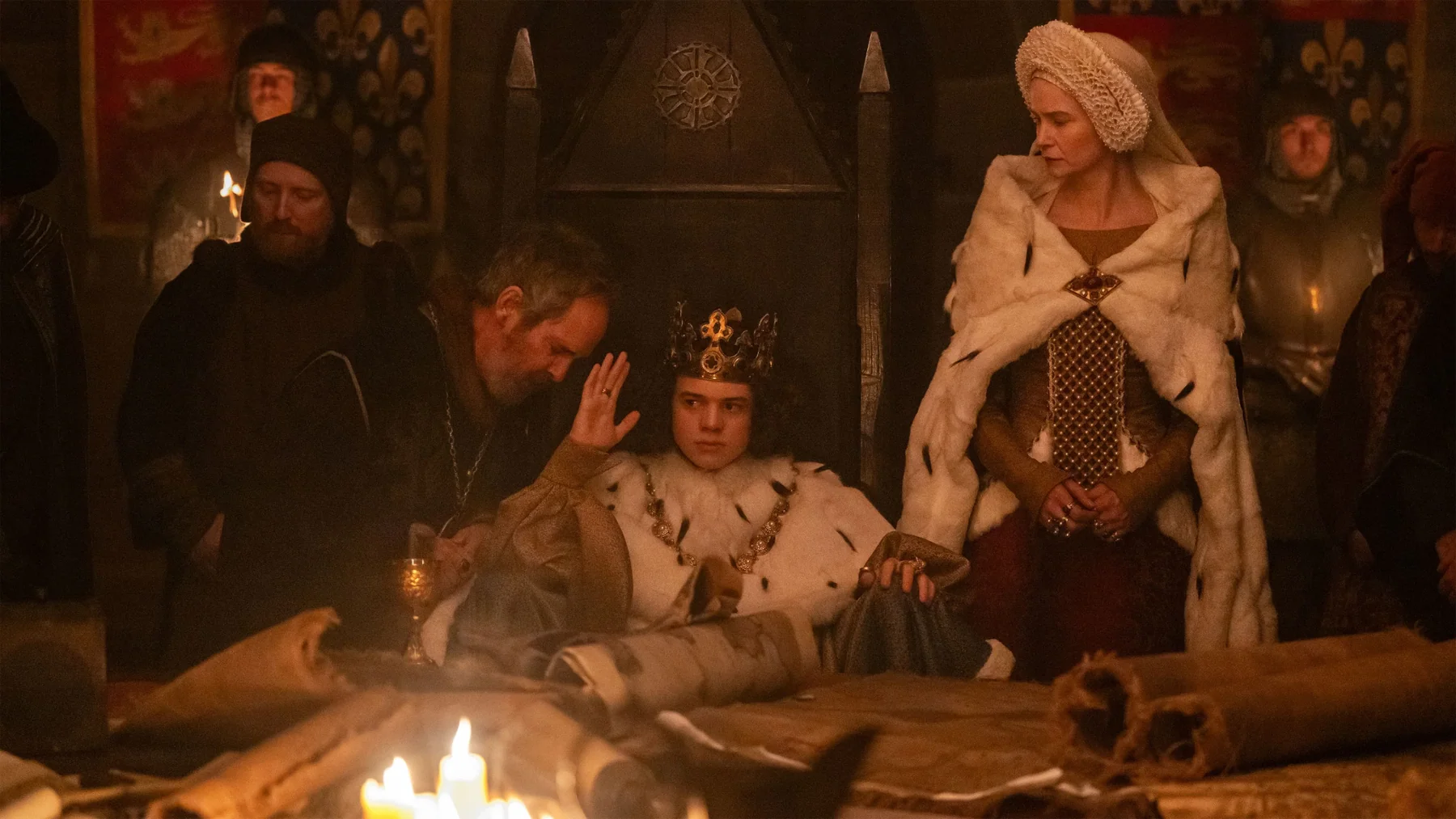
He is almost a child holding immense power, surrounded by older, more experienced men who each want to use that power differently. Those tensions make the encounter between crown and people more interesting than a straightforward clash of good peasants and an evil king.
A medieval world without romance
Visually, one of the film's best decisions is rejecting a romanticized Middle Ages. This world is dirty, weary and poor. Fields seem empty, clothes are heavy and worn, and exhaustion marks the faces of people living in a society that has not recovered from catastrophe.
Production design makes the setting part of the story. We do not need ten minutes of dialogue to understand why its people might explode: seeing how they live, then seeing another official demand more from them, is enough.
Anger and violence without a heroic gloss
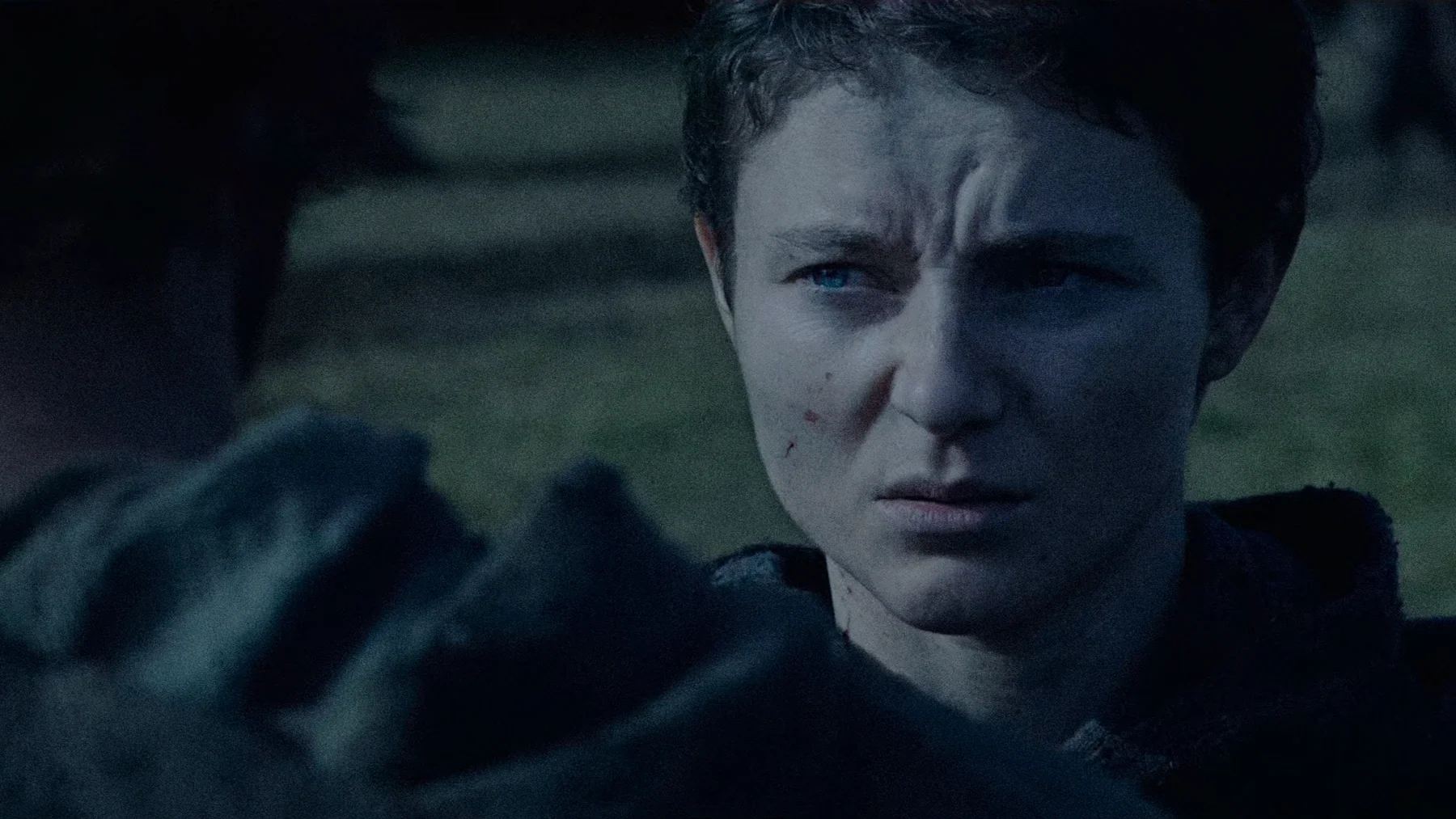
Violence is not presented as clean heroism. When the rebellion loses control, the film does not hide the brutality of the side we have been encouraged to understand. That keeps it from becoming a reassuring story of noble heroes fighting a collection of villains.
The anger is comprehensible, but once it becomes a crowd, it carries its own power and dangers. The music supports the pressure and despair rather than handing events a conventional triumphant sheen.
Greengrass's camera thrives in the chaos
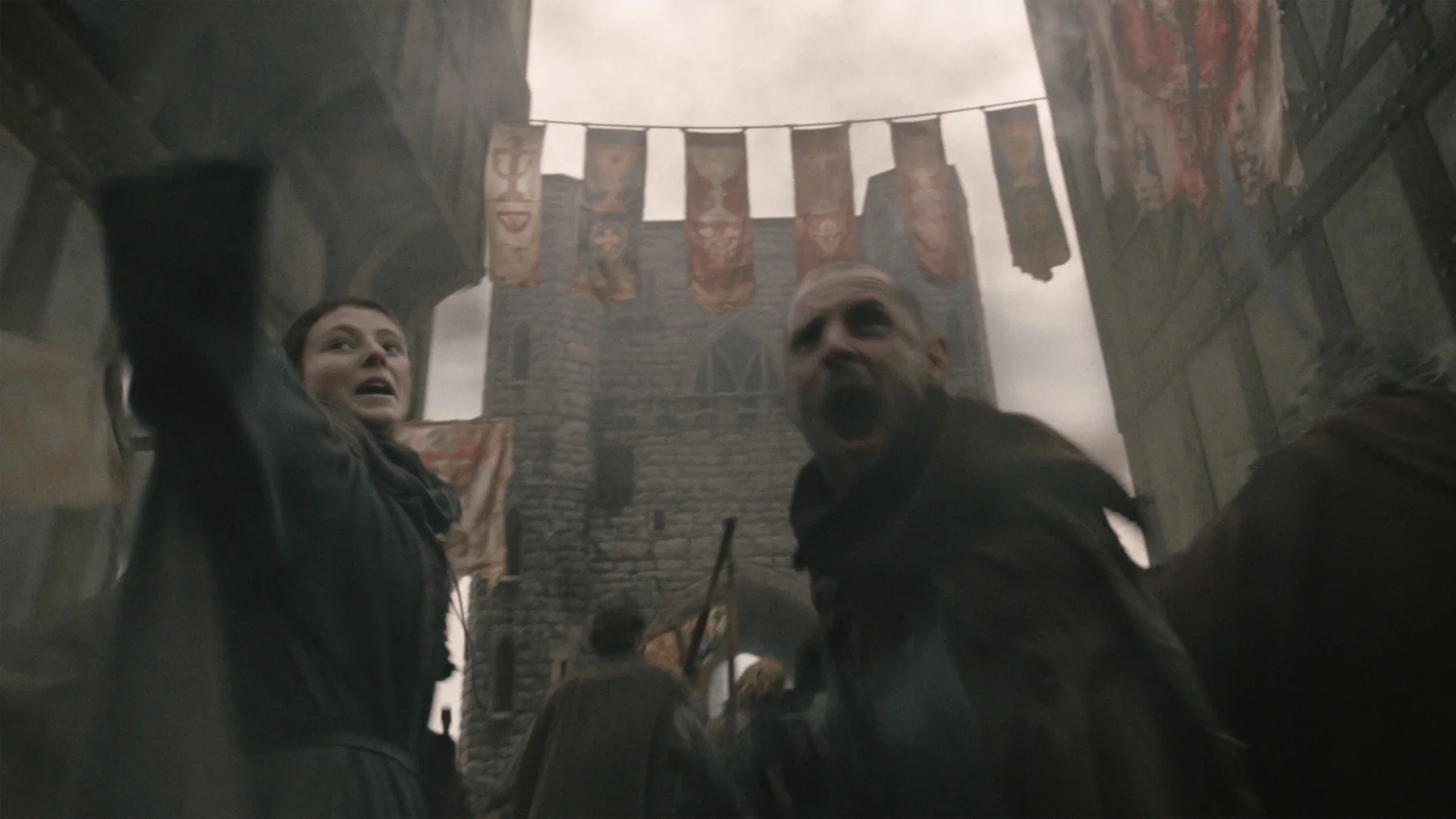
Paul Greengrass's restless handheld camera stays close to the characters. During confrontations, it puts us amid the confusion rather than in front of neatly arranged action. The clashes feel chaotic, disorienting and heavy. The film does not make battles beautiful; it makes them painful.
The same style is less effective in quiet scenes. Sometimes the movement and zoom continue without a dramatic reason and draw attention to themselves. When everything collapses, Greengrass is at his best. When two people sit and talk, his camera can become more conspicuous than their exchange.
The march to London loses momentum
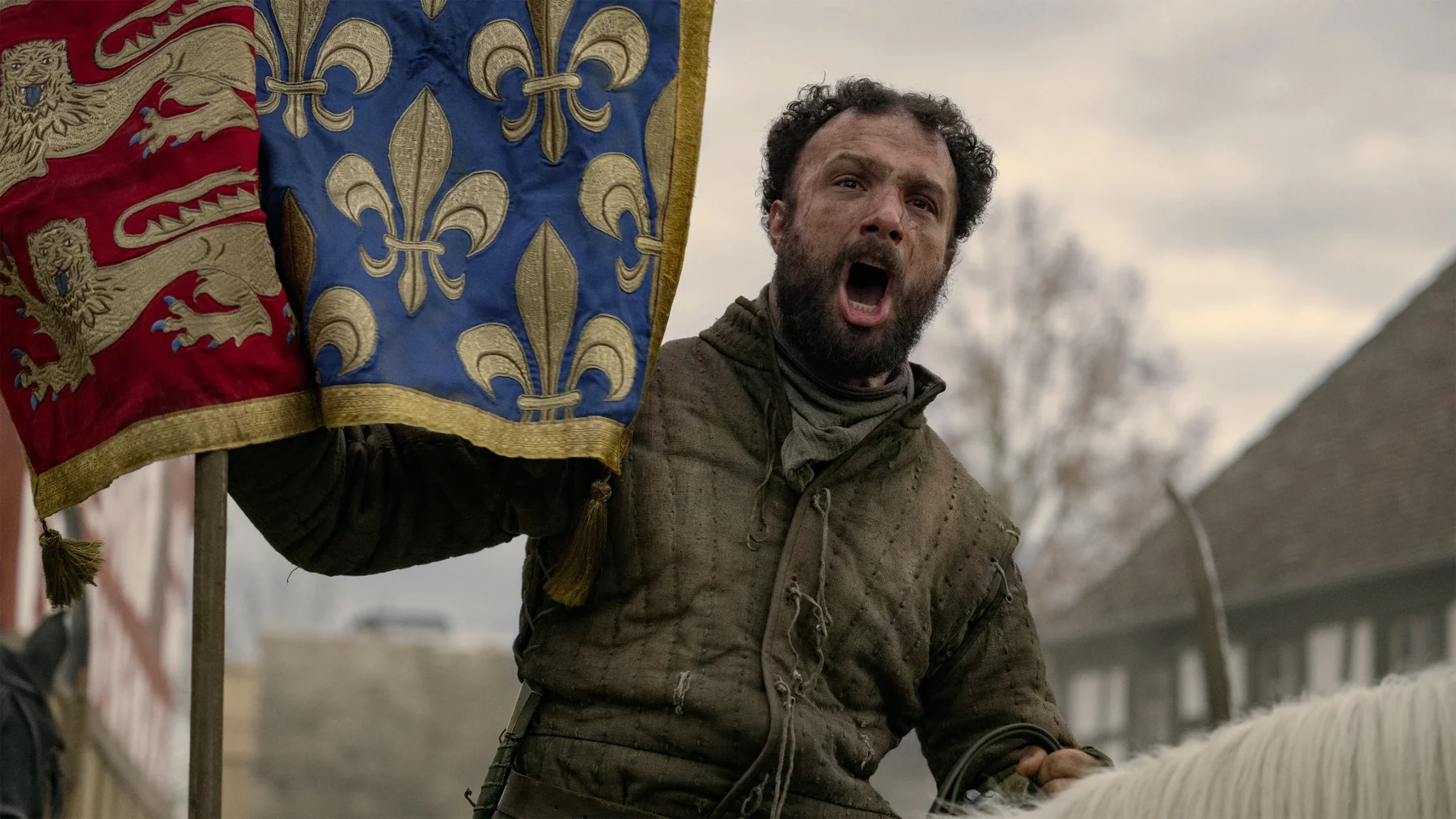
The largest pacing problem lies in the middle. After the first spark, the revolt must grow and its people must move toward London. We need to see that journey, but at a certain point the march lasts longer than the dramatic change inside it. Characters walk and talk, then do it again, often circling similar ideas.
The world and performances keep it from becoming entirely dull, but the film loses some of the drive of its opening. Compressing part of this journey might have given the arrival in London more force. Quiet is not the problem; some minutes simply add no new layer to the people or their conflict.
The Robin Hood link goes too far
This is the film's strangest turn. Early hints—the anonymous farmer, injustice and taxes, forests and defiance of authority—can be read as echoes of Robin Hood. Had the idea remained there, it could have worked as a suggestion that real events and folk legends become entangled over time.
But the ending makes the link explicit, and that is where the film becomes weaker. The Uprising does not need to be an origin story for Robin Hood to matter. The revolt is enough; Ploughman is enough. A nearly nameless man setting off an event that outlives him is more compelling to me than arranging symbols until the film announces what legend he is meant to become. The epilogue puts a definitive answer over something more beautiful as a possibility.
The past speaks to the present
The film clearly wants us to see the present within the past: a society emerging from a devastating epidemic, people squeezed economically, a gulf between those who own and those who do not, and rulers removed from the daily lives of people asked to give more. It works best when it lets those parallels sit in front of us instead of explaining them.
The point is not that 1381 and our own time are identical. It is that the conditions that push people toward collective anger can return in different forms. That gives the film more to say than a reconstruction of a historical event alone.
What works and what holds it back
Garfield's performance, the unforgiving historical world, the unromantic violence and the sense that rebellion results from pressure accumulated over years are the film's strongest elements.
An overextended middle, supporting characters left underdeveloped, restless camerawork in scenes that need less of it and an overly direct attempt to connect the story to Robin Hood are what hold it back.
Final verdict
Final verdict
The Uprising is a good film when it trusts its core story: a society gradually reaching a breaking point and an ordinary man finding himself at the center of something larger than he is. Andrew Garfield gives it its heart, while Paul Greengrass gives its world a fitting roughness. There are genuinely forceful moments when the revolt turns from an idea into chaos. It could have been stronger with a tighter middle, more room for some supporting characters and a Robin Hood connection left as a shadow over the story rather than its destination. What makes Ploughman most interesting is not the chance that he becomes the man of the legend, but that he was entirely ordinary until the moment he decided he would accept no more. My rating: 7/10.
Your turn
Was the Robin Hood ending a natural addition to the film's idea, or would The Uprising have been stronger if it had remained a story of the revolt alone?
AUDIENCE VOTE
Do you agree with the MB rating?
Choose once from this browser. You can change your answer at any time.