The review
An opening that unsettles the story
The film opens in a way that suggests we are watching a completely different story.
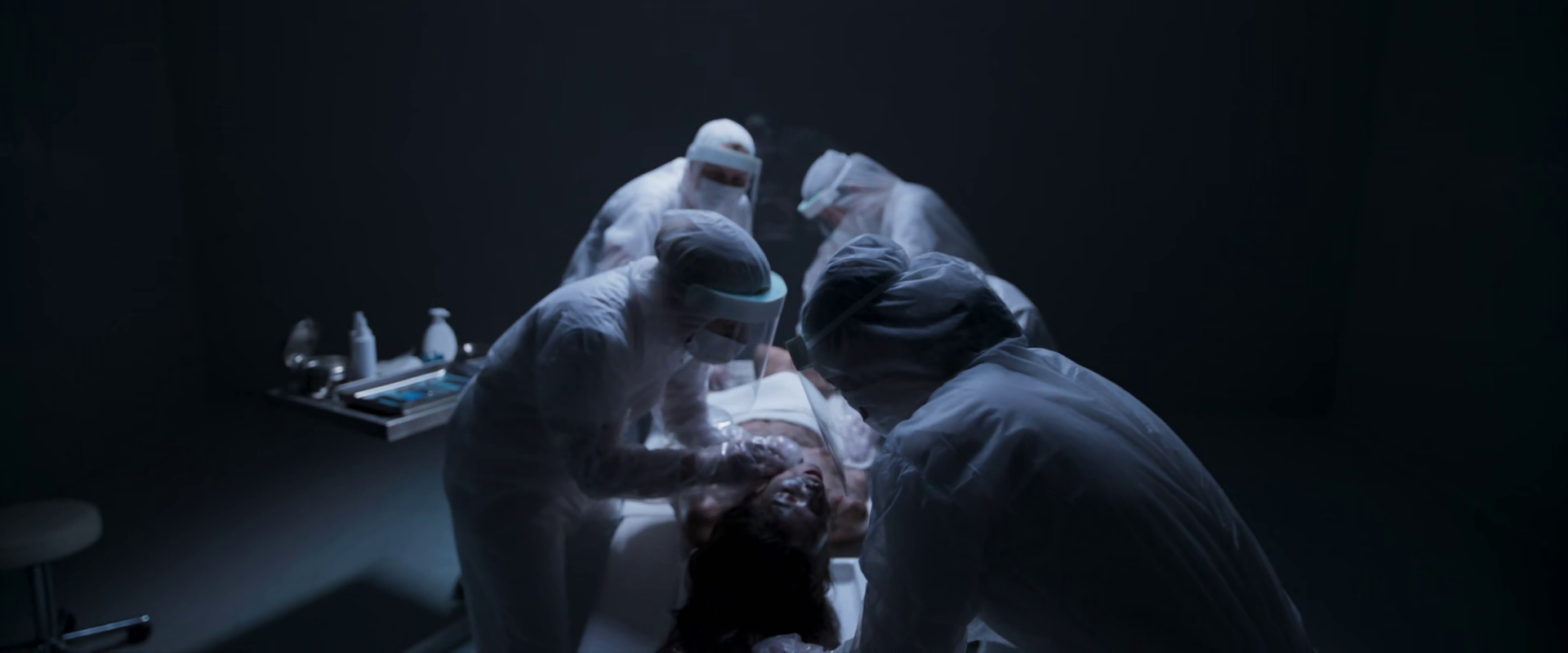
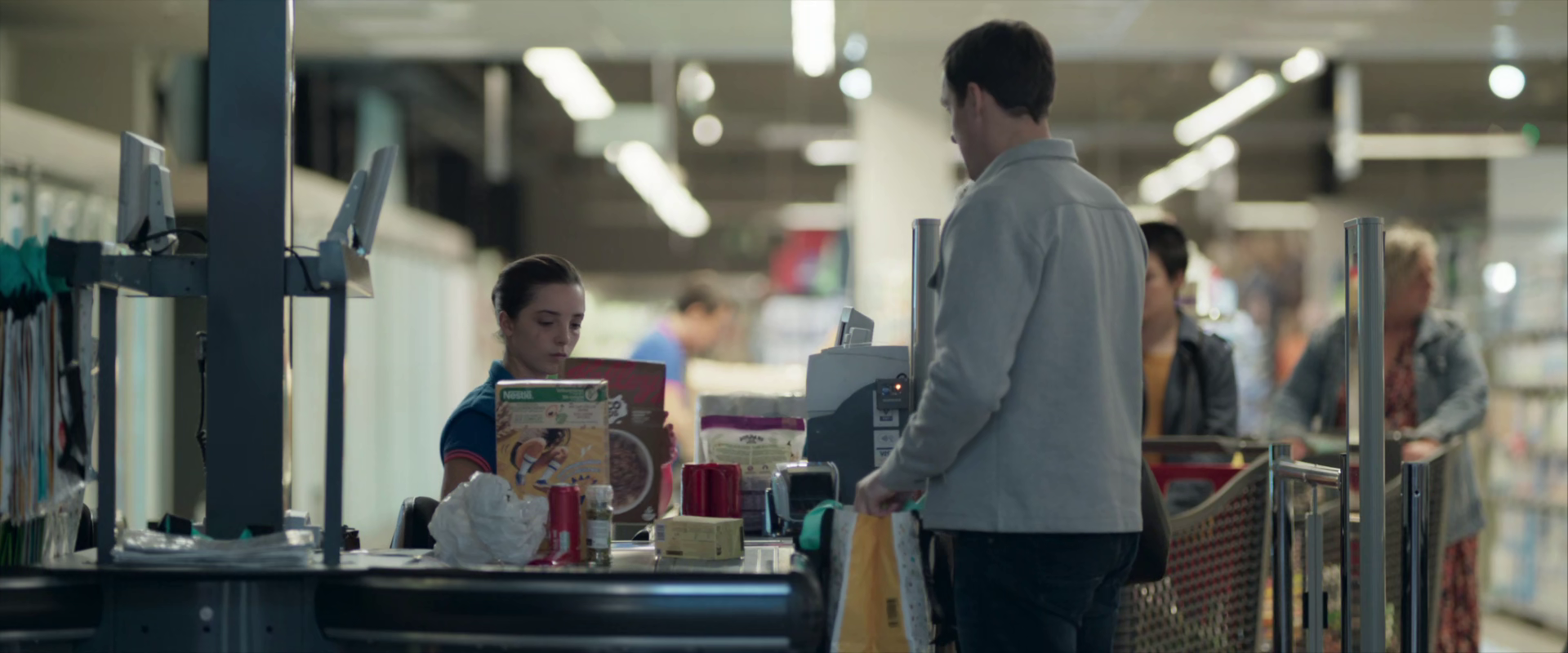
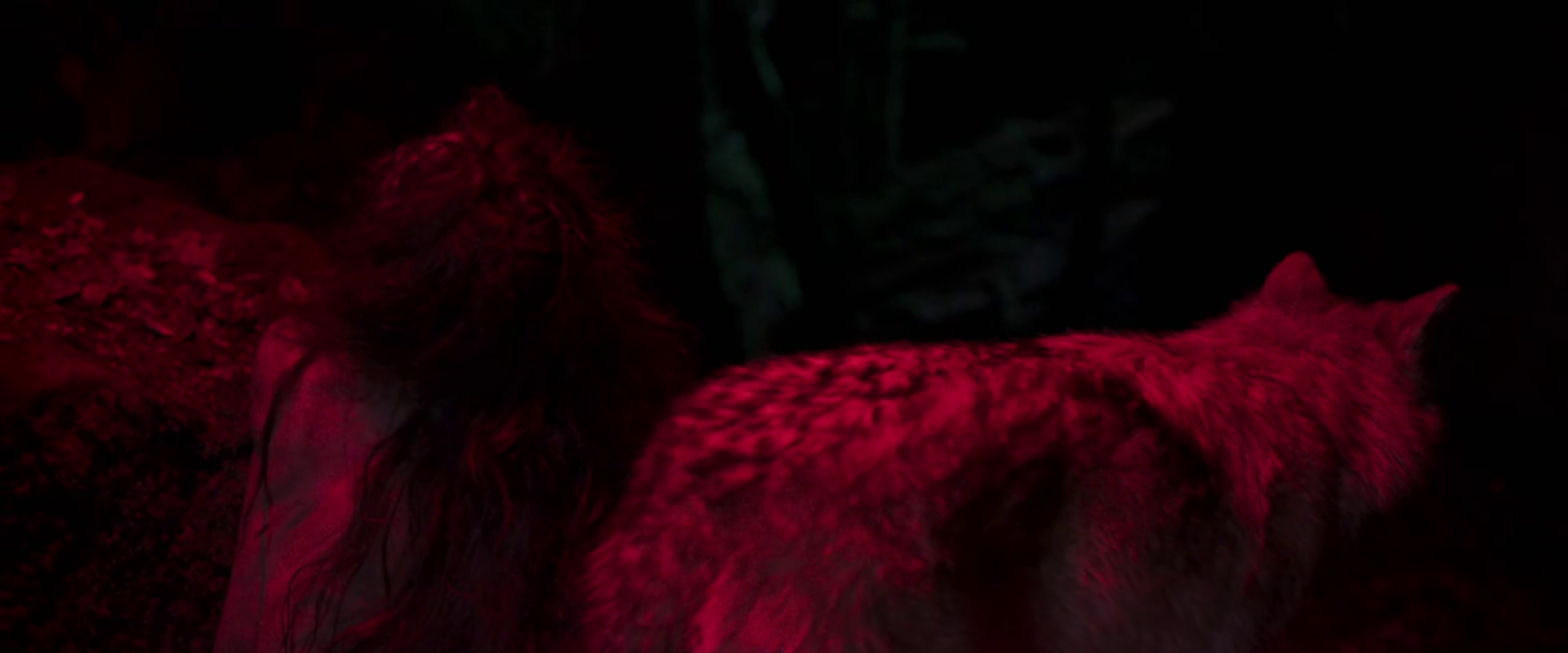
We see Dylan, a young man who initially seems to be the protagonist, but soon disappears from the center of the narrative. The film then moves to a girl living with a pack of wolves, before she is found and taken to a scientific institution.
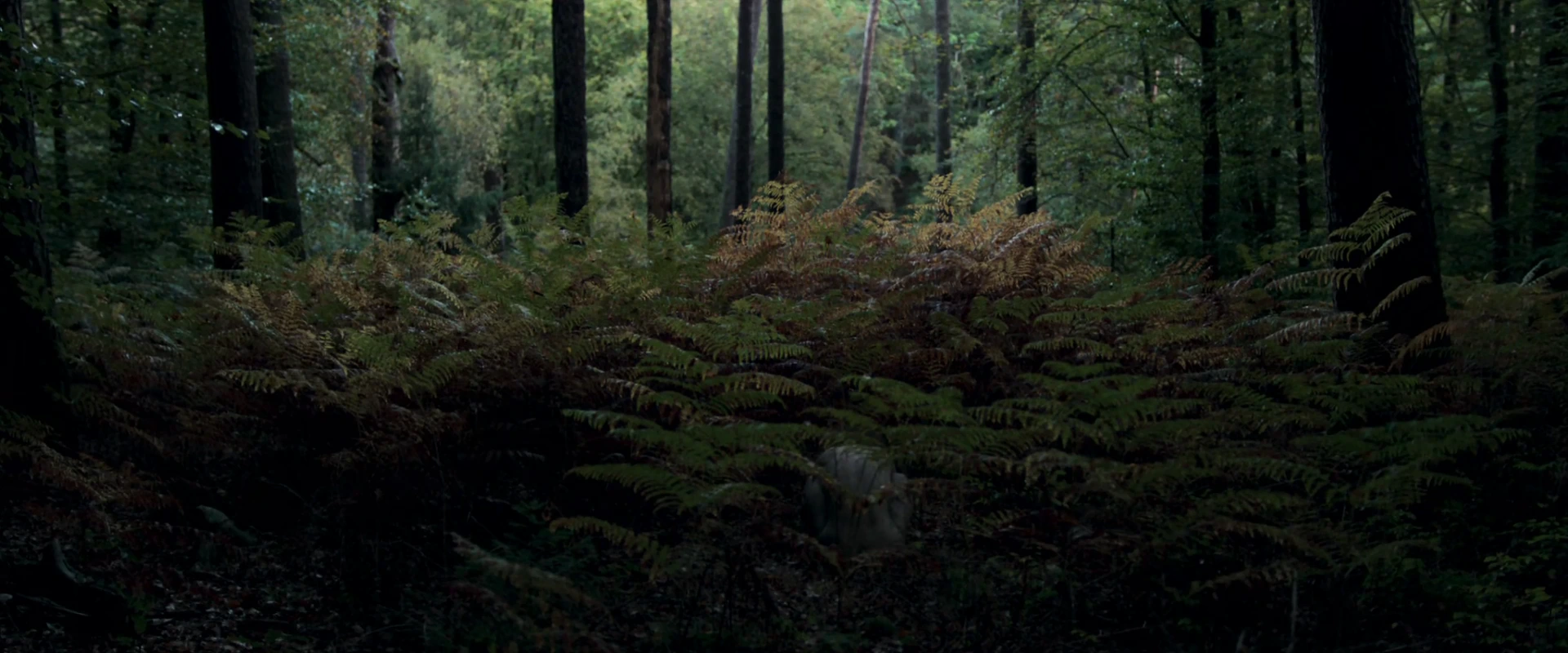
This shift is more than a narrative trick. From the beginning, the film uses it to suggest that the story we think we are following may not be our real story at all.
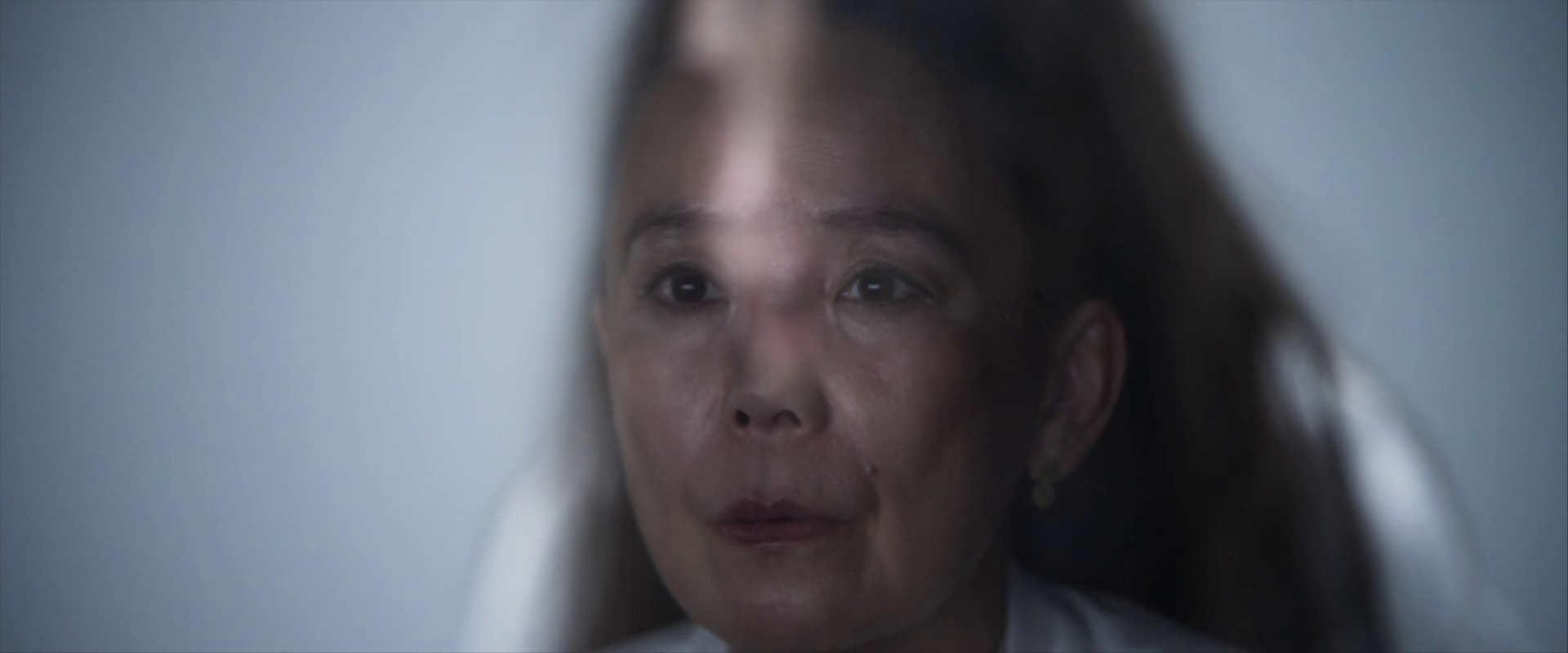
Even the narrator, Tanaka Hana, does not offer information conventionally, instead adding another layer of mystery to the story.
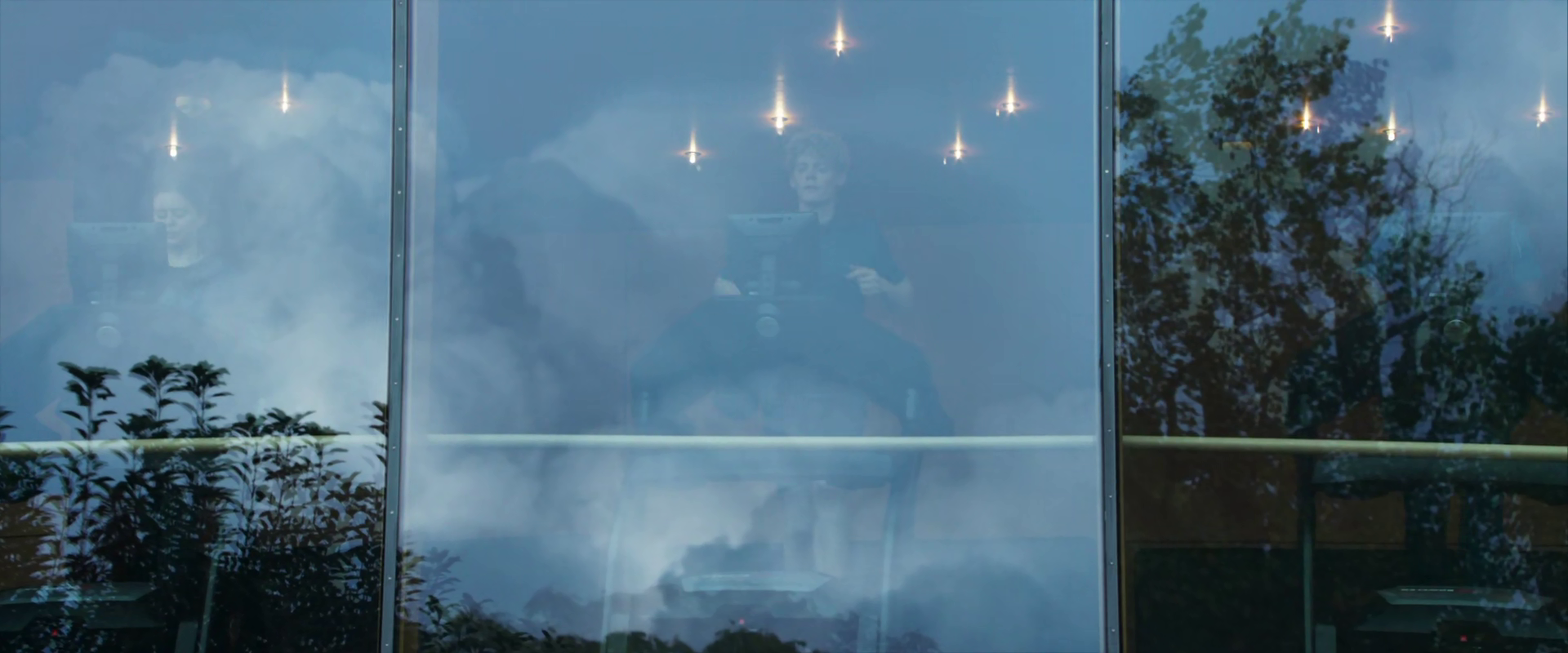
More importantly, the girl herself has no fixed name at first. To us she is the wolf, then she becomes One, as though changing her name is part of other people's attempt to redefine her.
Here the film's central idea begins: who has the right to determine our identity?
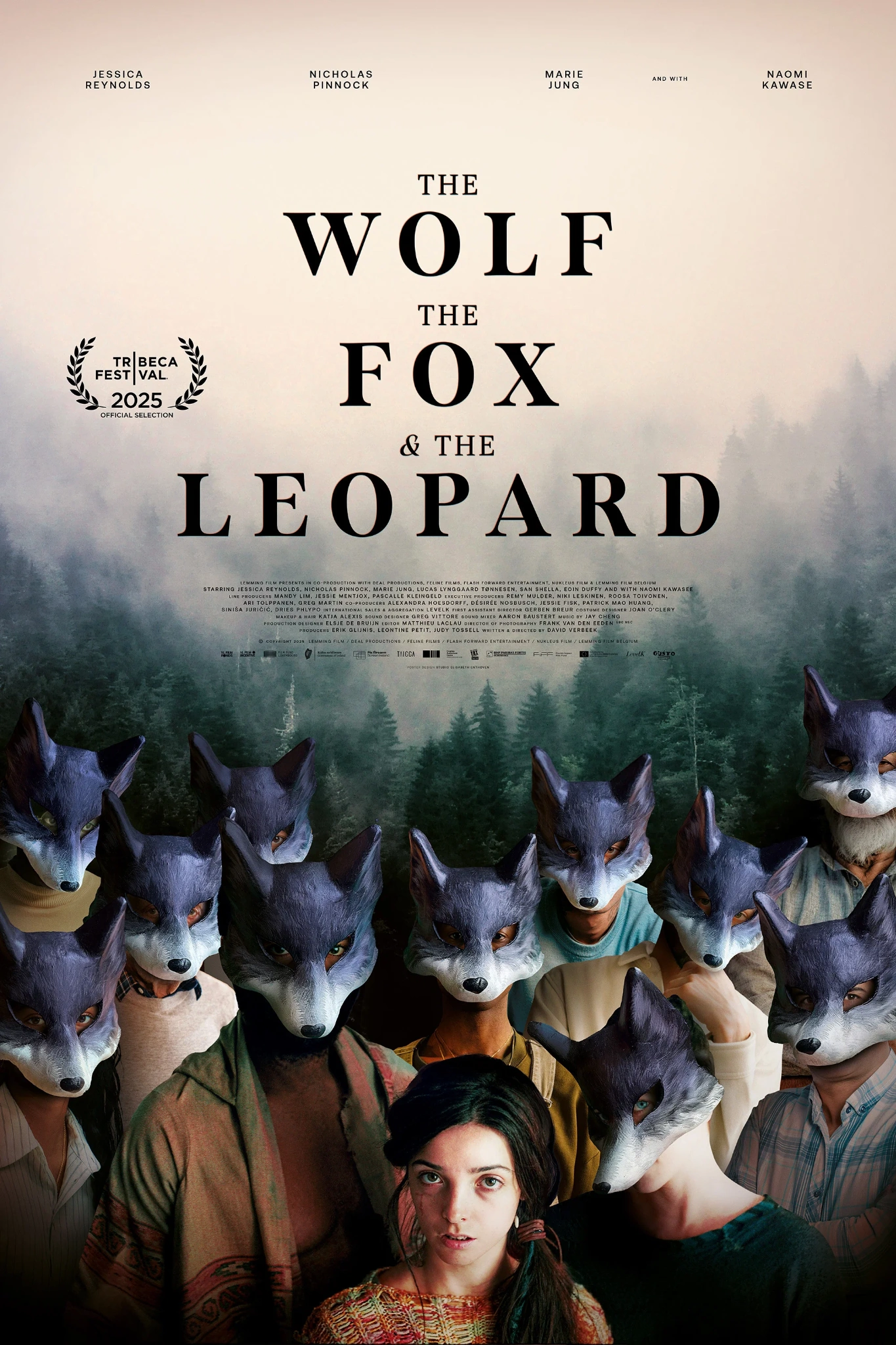
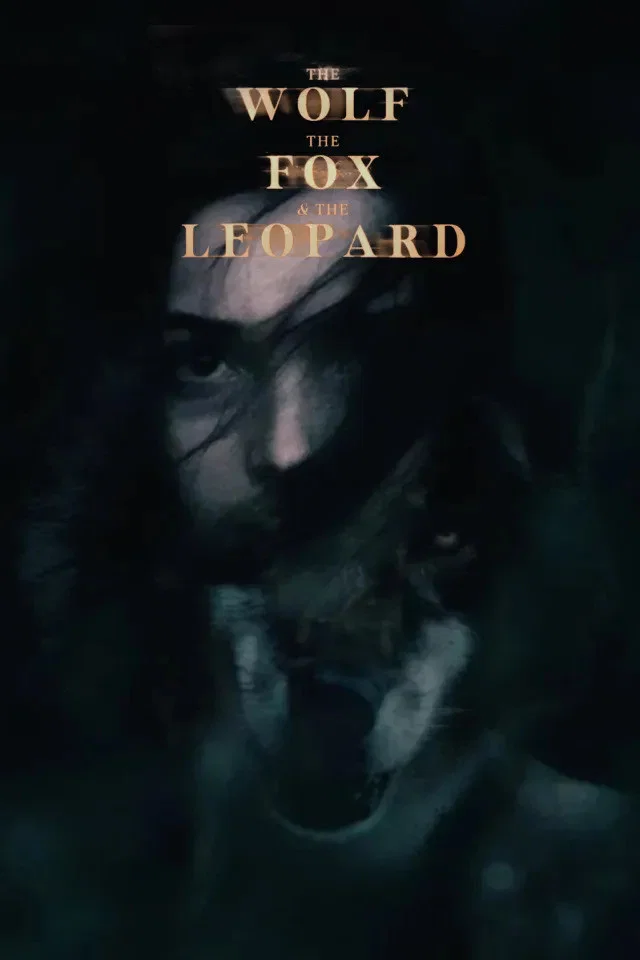
Although the title names the wolf, the fox and the leopard, the film really belongs to this girl more than to any other character.
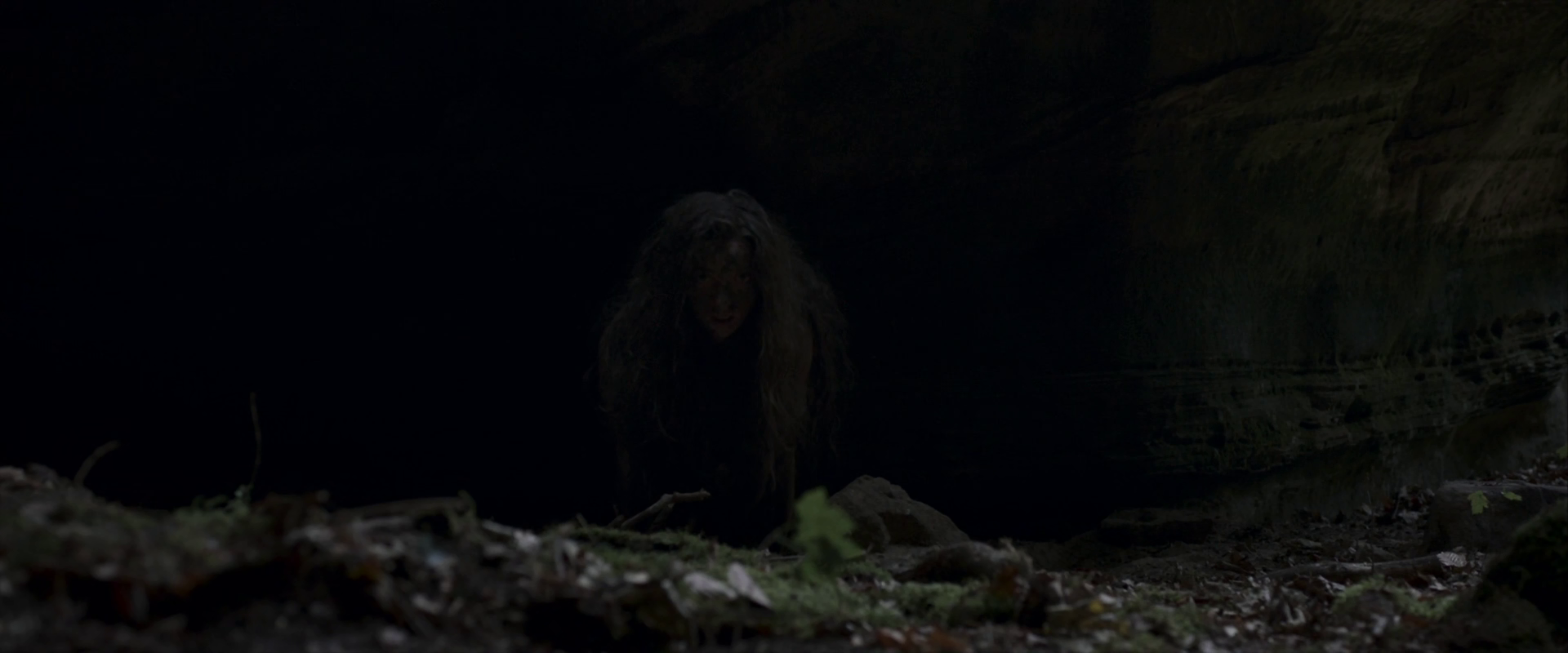
Jessica Reynolds: a body caught between two worlds
Jessica Reynolds' performance is the most important reason the film works at all.
She does more than play a girl who behaves like a wolf. She uses her body, voice and movement to make the transition between animal and human remarkably convincing.
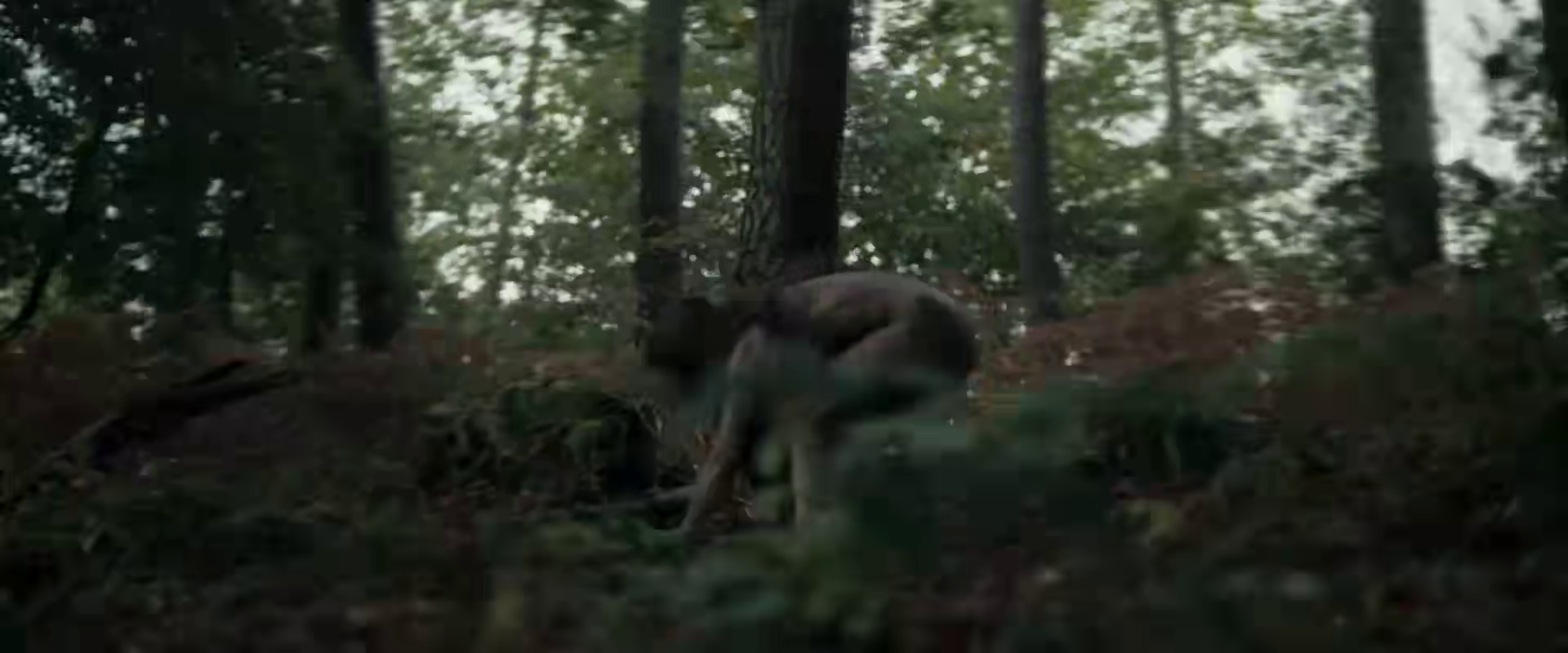
At first, we see her move on all fours, run with the pack, make animal sounds and eat like the wolves. Then she begins to learn language, walking and speech, and we gradually see her movements and ways of expressing herself change.
Here the film offers one of its best ideas: is this really progress, or are we watching a process of taming?
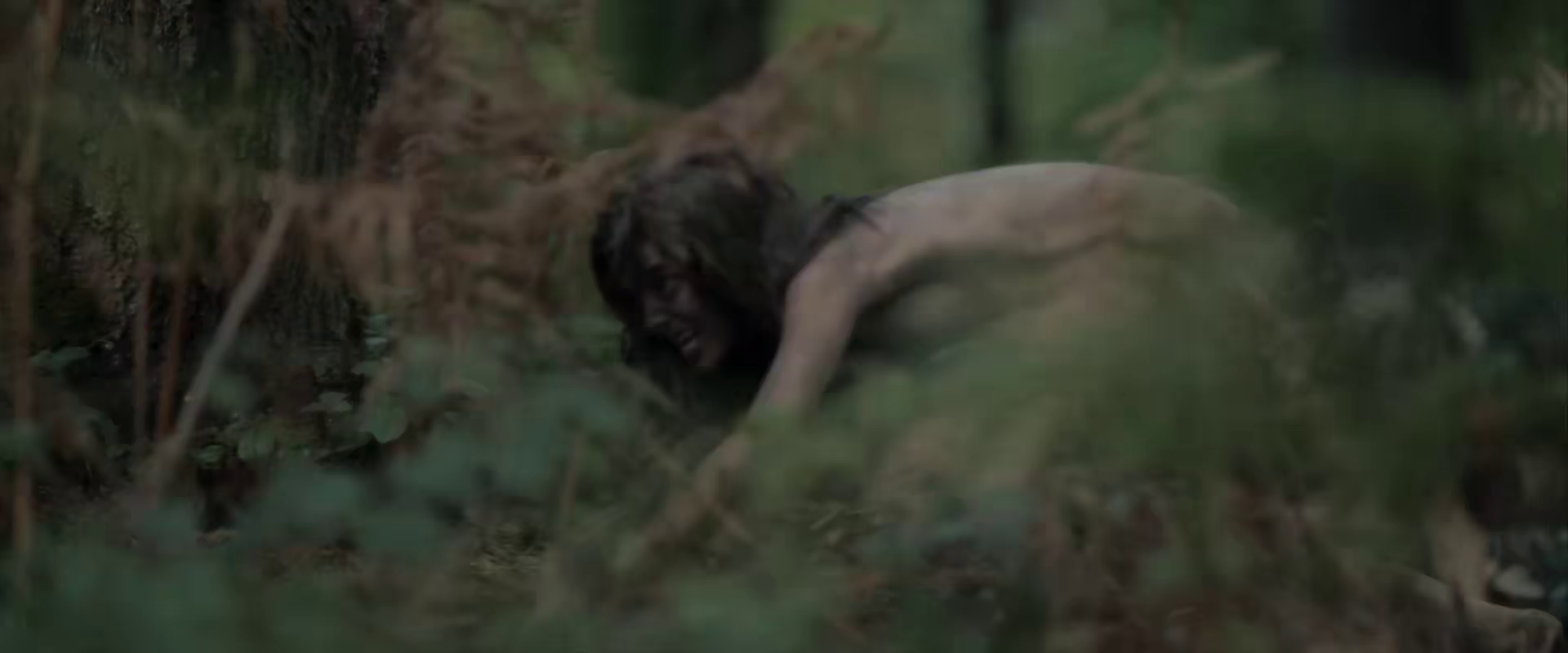
One is learning more than how to speak or walk like a human. She is learning to behave the way others want her to.
Over time, it becomes clear that she is adapting to the new world more than she belongs to it.
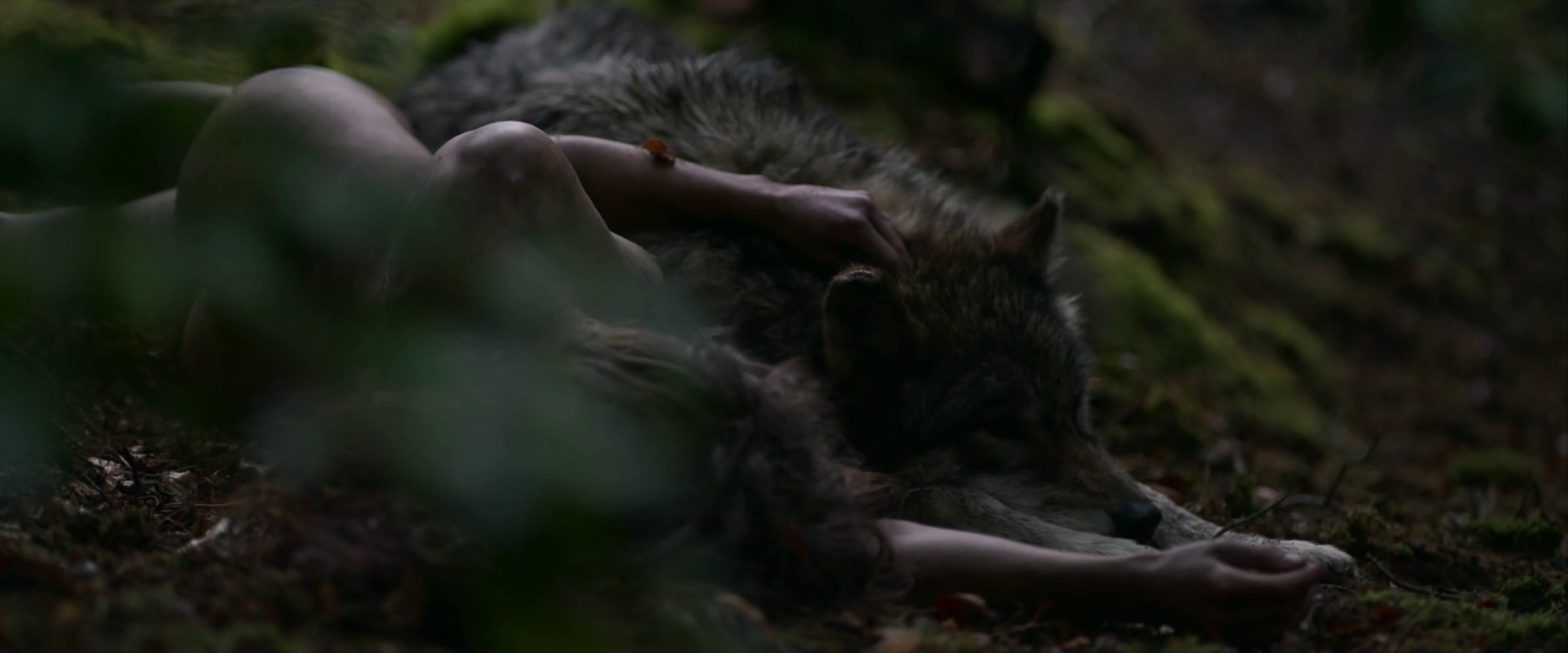
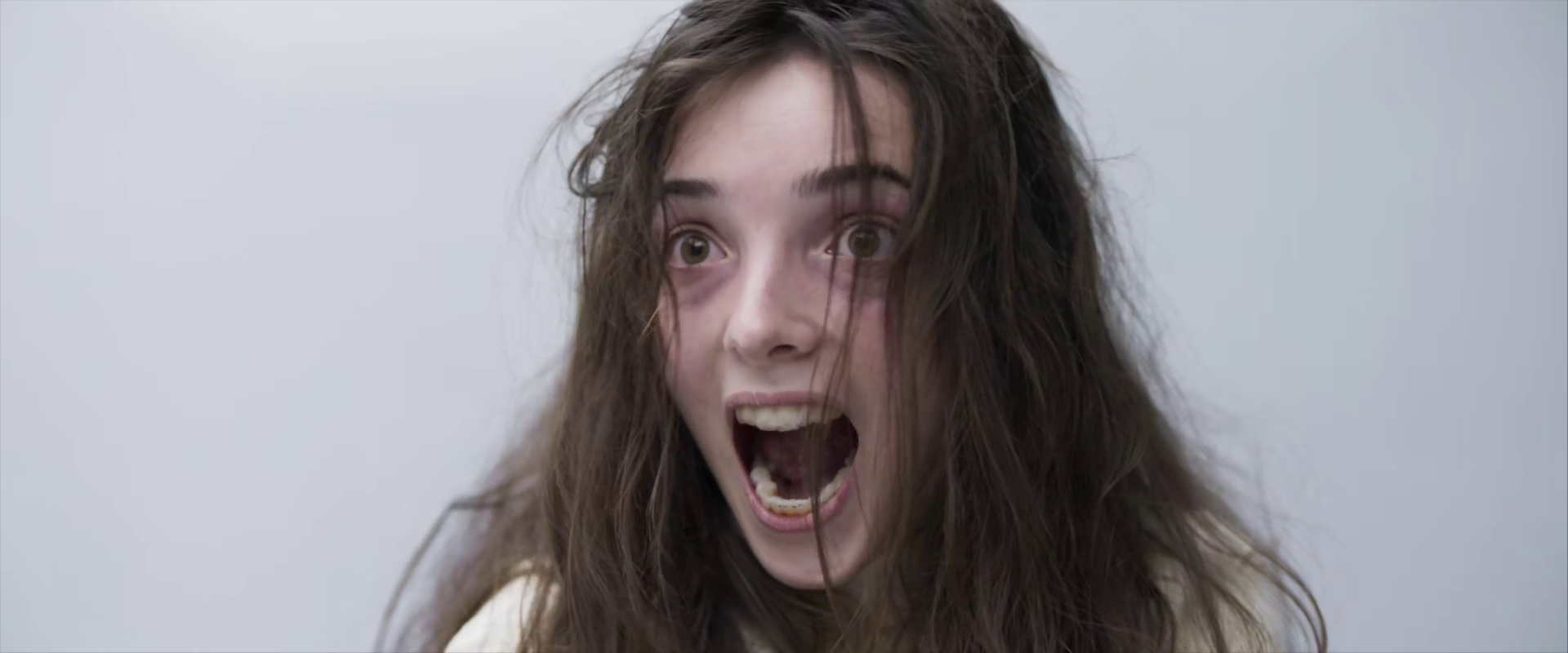
This is what makes Reynolds' performance so important. She does not rely on dialogue to explain what she feels.
Her body becomes her primary means of expression, especially in moments of anger, fear and the desire to return to her original nature.
The Fox and the Leopard: care and control
When the Fox and the Leopard enter One's life, the film changes shape completely.
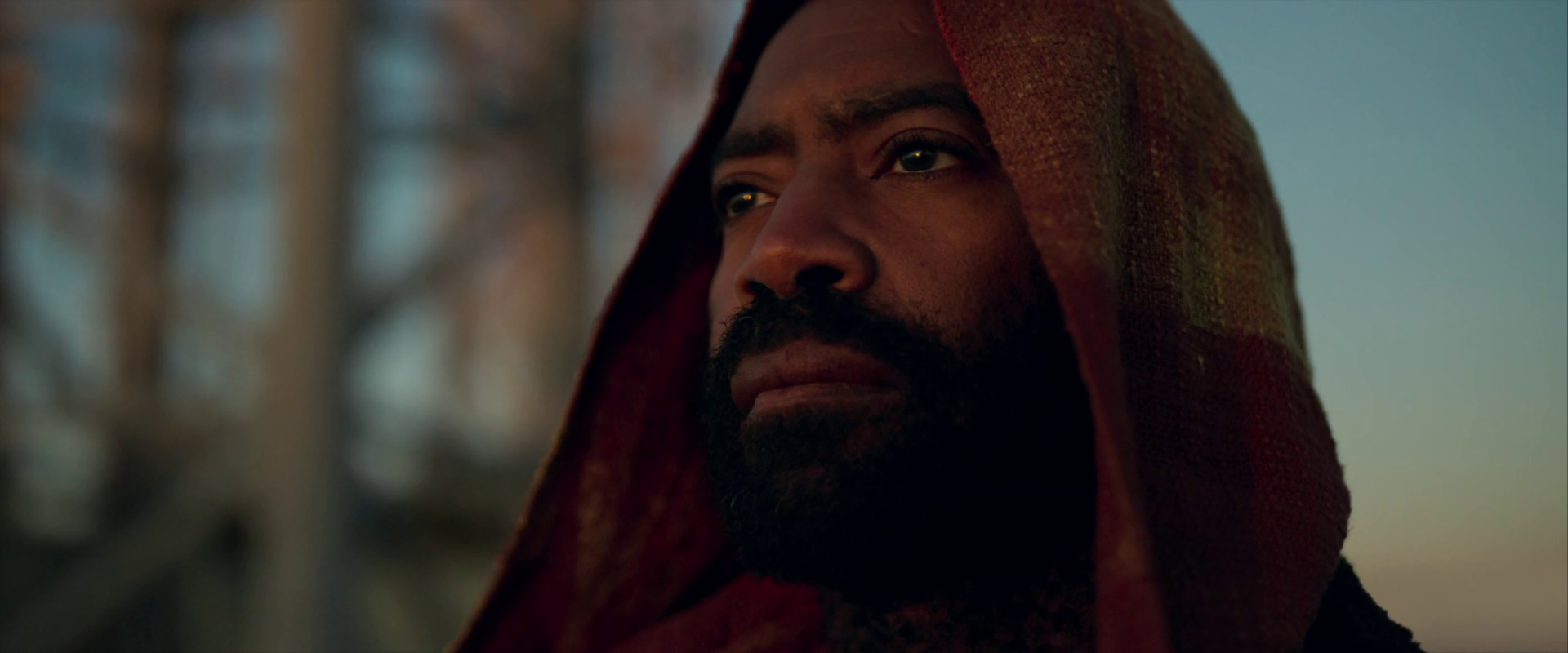
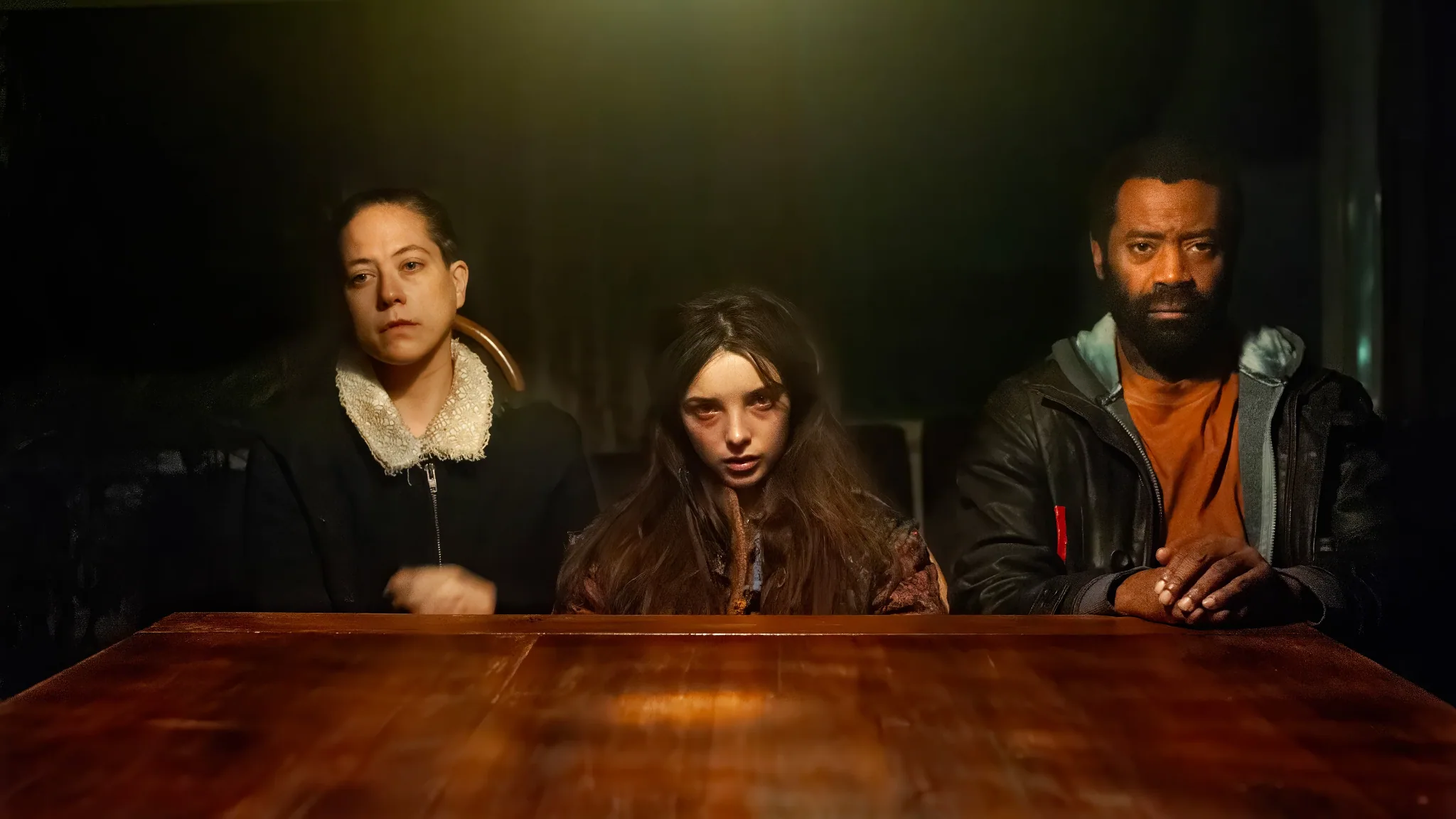
Marie Jung and Nicholas Pinnock play the couple who take the girl from the laboratory to an abandoned oil platform and decide to raise her as part of their family.
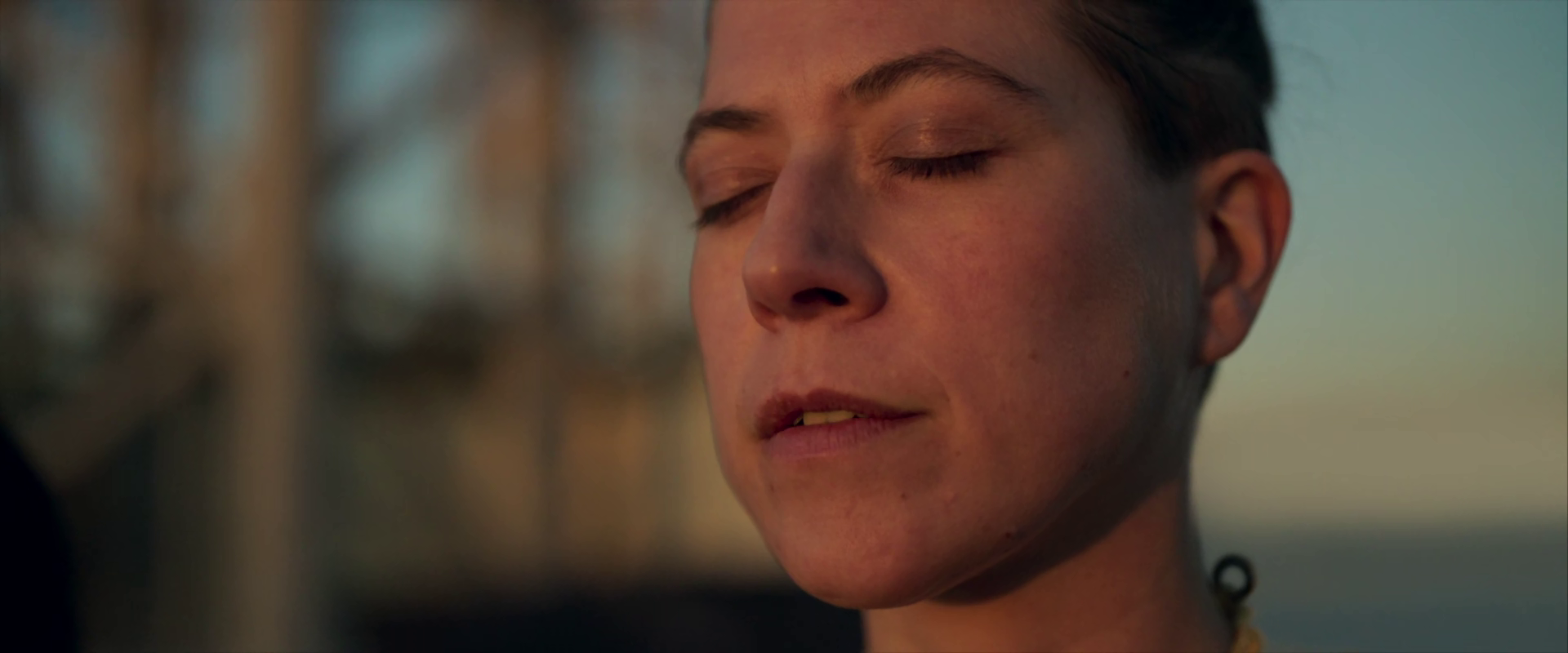
The problem is that their understanding of family is far from simple.
They do more than offer One a new life. They try to shape her according to their own vision of what a human being should be.
The couple thus becomes another reflection of the institutions that came before them.
The laboratory tried to understand and study the girl.
The couple tries to reshape her.
In both cases, one side holds the power while the other is expected to adapt.
The film succeeds in making this relationship uncomfortable. This stage combines moments that seem tender with others that are disturbing and harmful, without letting us easily classify these people as good or evil.
But this is also where one of the film's problems emerges.
The relationships carry many ideas, yet the film does not always give us enough time to form a strong emotional connection with the characters.
Some events can therefore be shocking or disturbing without necessarily reaching the emotional force the film was aiming for.
Who defines humanity?
The film's greatest strength is that it offers no easy answer about the meaning of humanity.
One begins her life within a pack, belonging to a group that protects her and understands her in its own way.
Then she is torn from that world and becomes a subject of study.
Afterward, she moves into a smaller community that tries to teach her language, rules and behavior.
At every stage, there is a different definition of what she should be.
This makes One's journey feel more like a social experiment than a conventional adventure.
The film asks: are people born with a sense of humanity, or does society make them human?
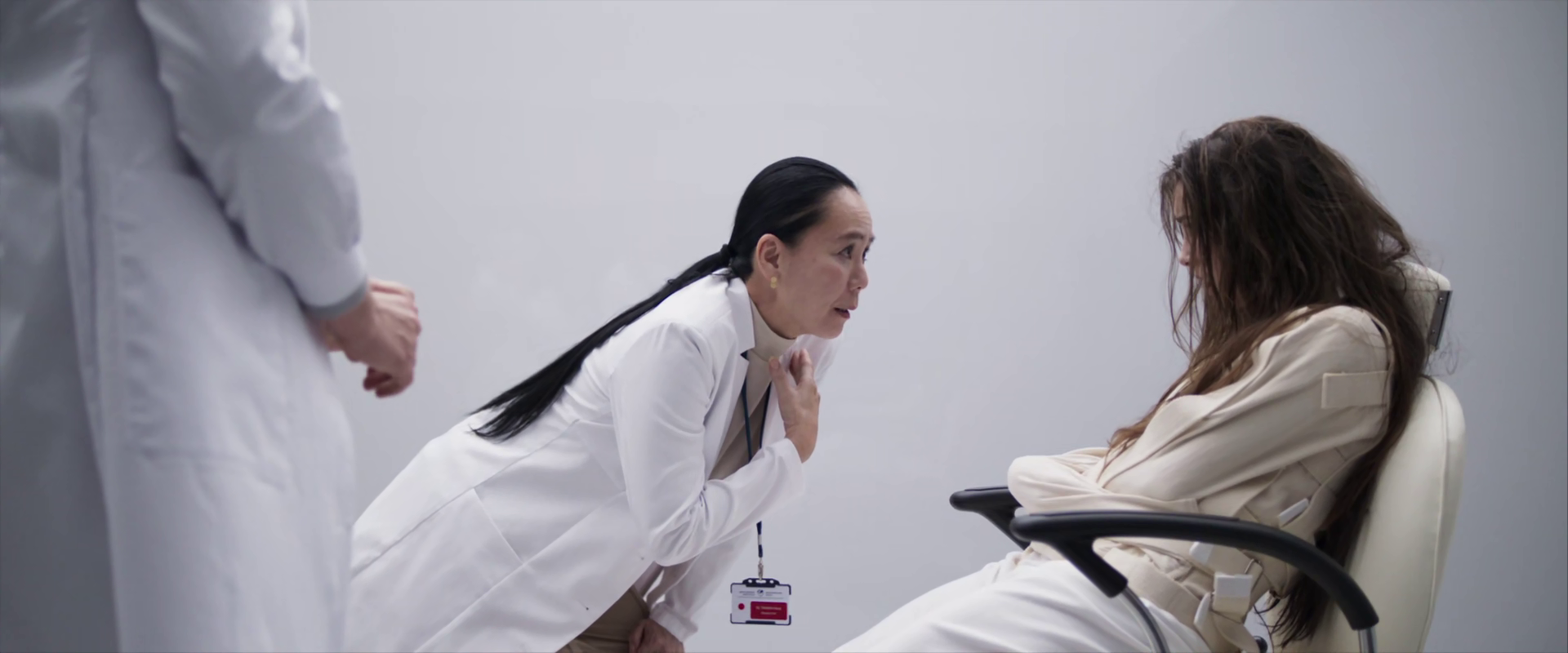
If society shapes a person, what happens when someone is raised outside that society and then forced to enter it?
Most importantly, the film does not offer a definitive answer.
It wants you to question the very idea of progress. The more One learns about human ways, the harder it becomes to ignore another question: has she really become better, or has she simply lost part of herself?
That is the strongest question the film leaves behind after it ends.
Environmental danger and the places people build
The environmental threat in the film is more than a reason for the events to happen.
From the beginning, we hear about natural disasters connected to climate change and learn that the world is approaching a catastrophic stage.
Yet the film never becomes a conventional disaster movie.
Instead, it uses the environmental crisis as the background for a larger idea: people damage their relationship with nature, then try to save themselves using the same tools and mindset that brought them to this crisis.
This comes through clearly in the contrast between the forest, the scientific facility and the oil platform.
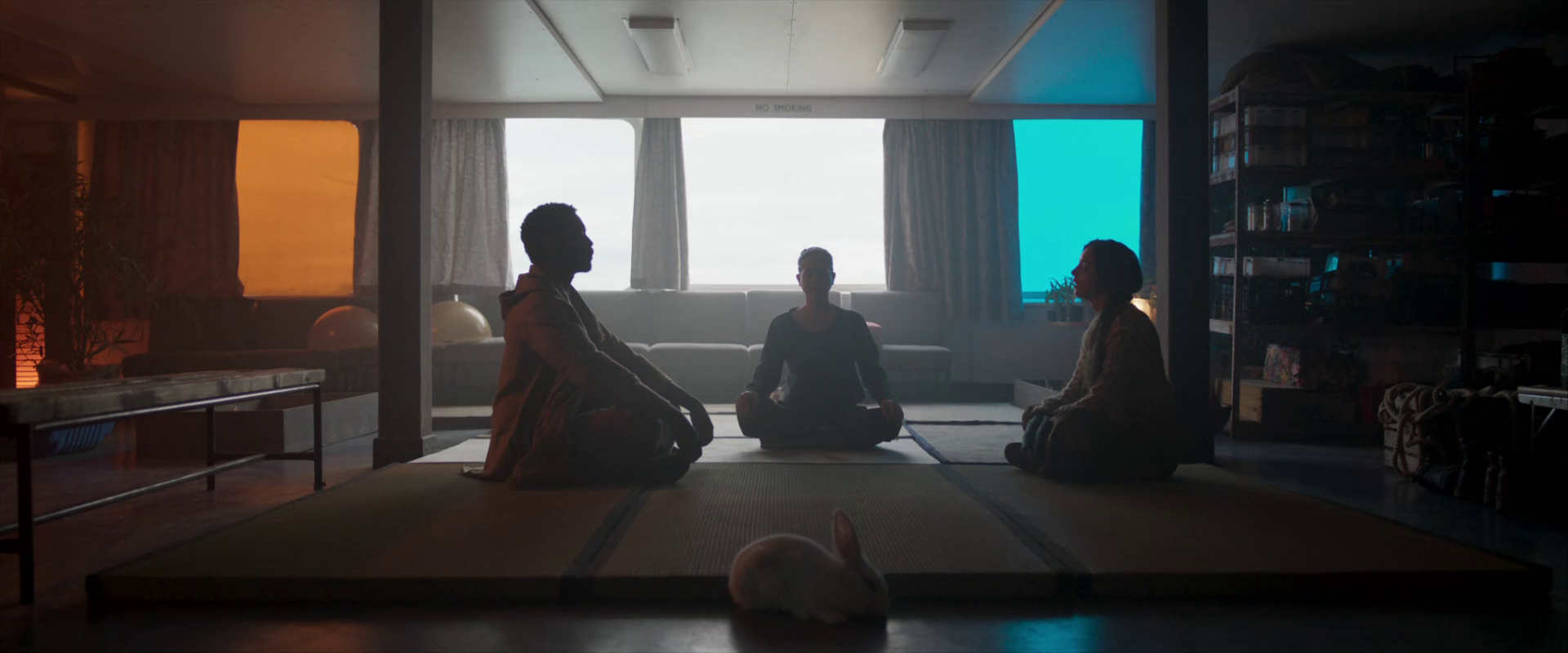
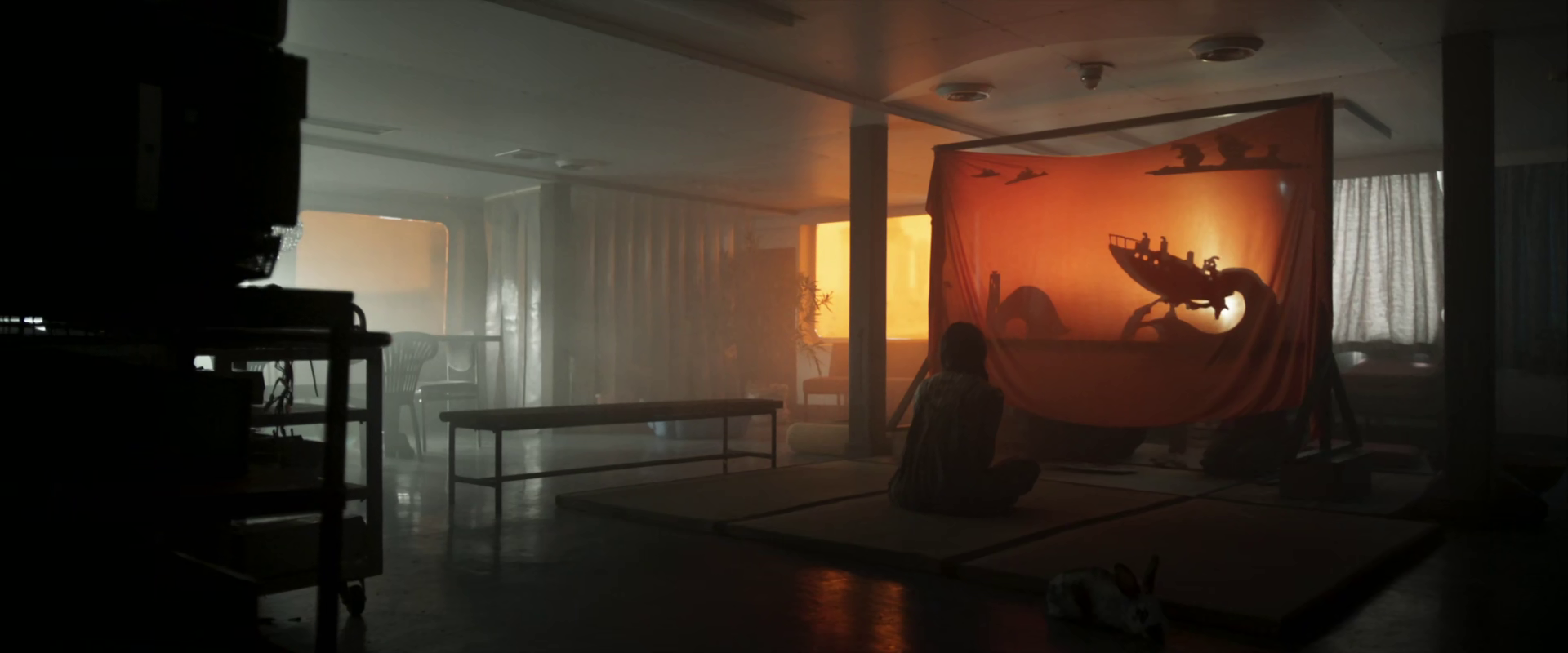
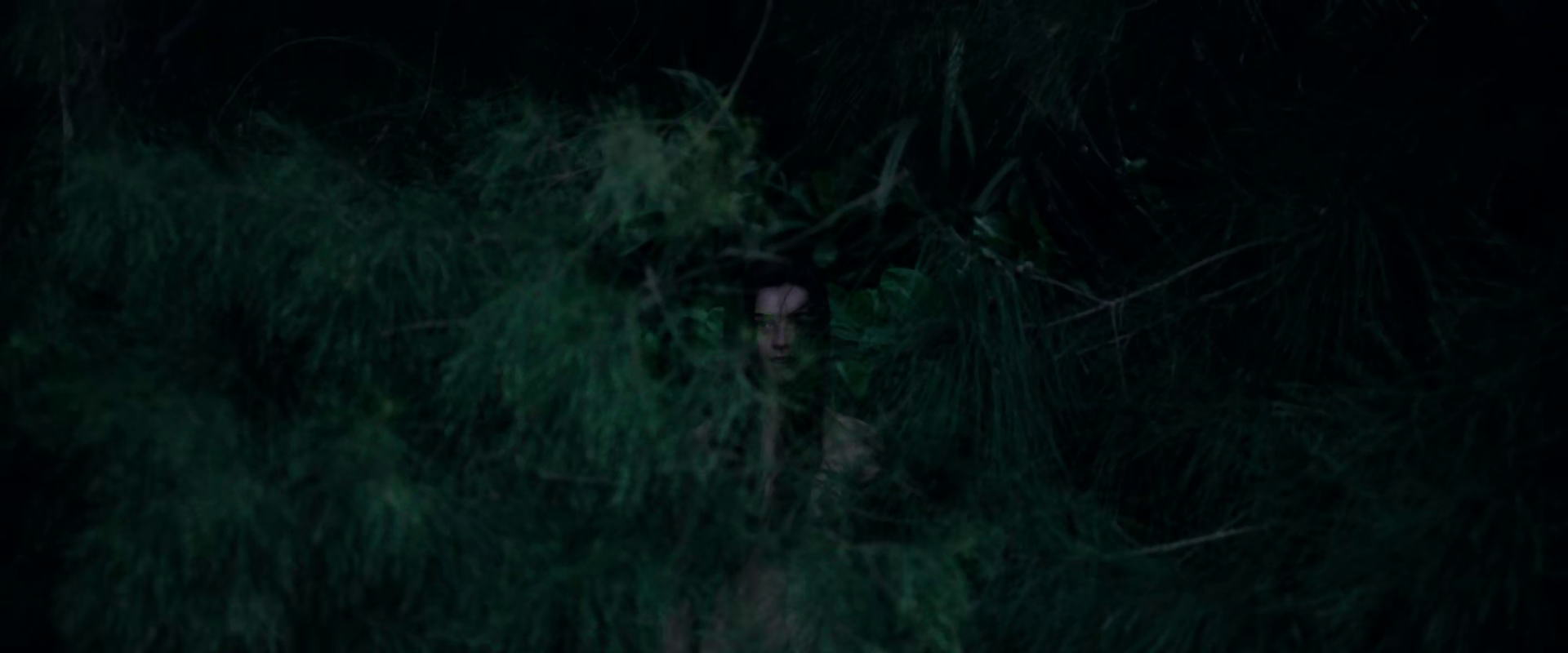
The forest feels alive and open. The laboratory is white, harsh and sterile. The oil platform becomes an isolated place where fear of the end of the world mixes with an attempt to build an alternative society.
These places are more than filming locations. They extend the film's psychological state.
Direction and cinematography: beauty and emotional distance
If there is one element whose strength cannot be denied, it is the imagery.
David Verbeek presents the film as a dark fairy tale, but his visual approach is about more than decoration.
The constant camera movement suits One's physical nature, especially in the forest. The camera moves with her instead of watching from a safe distance, letting the viewer feel her agitation and instability.
Even after she moves to the oil platform, the camera keeps moving, as though the film will not let either the character or the viewer settle completely.
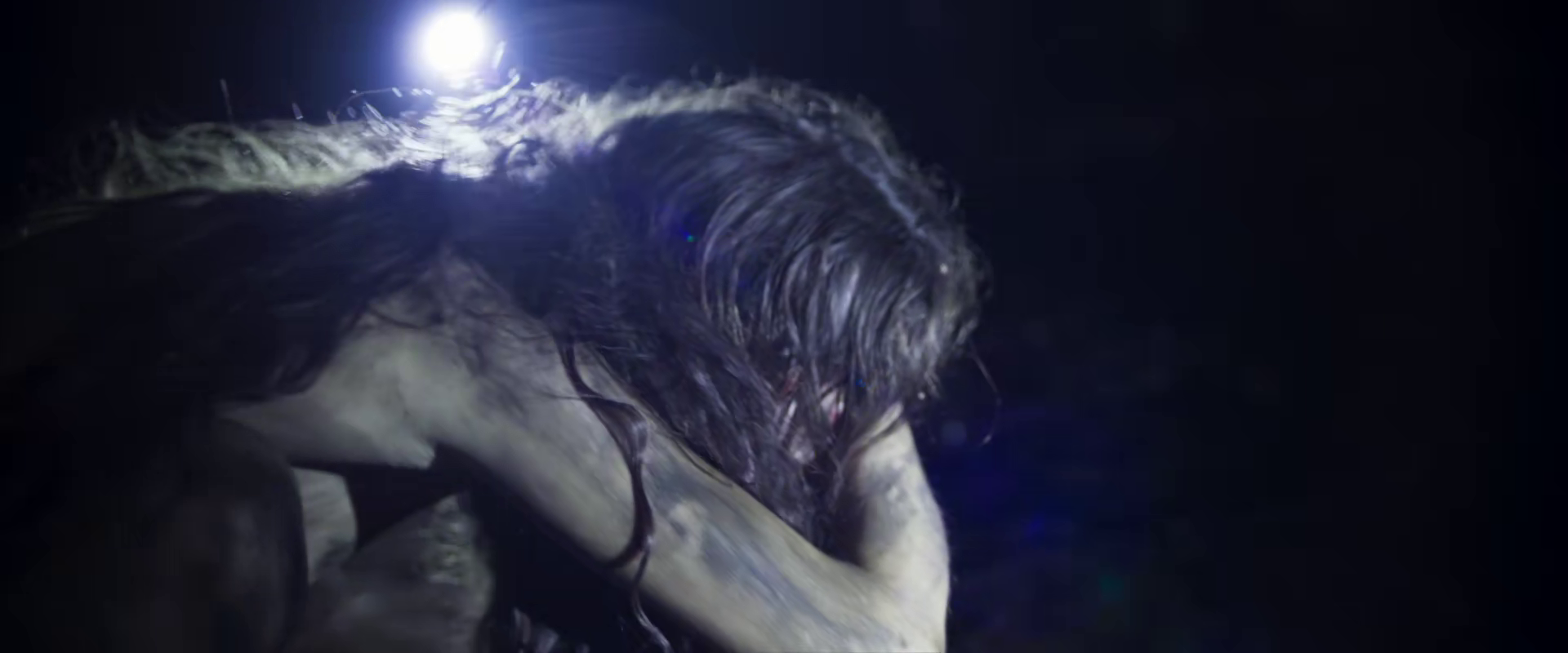
The comparison between the natural world and the world people have built is even more striking.
The forest cinematography gives nature a living presence, while human facilities feel harsher and colder.
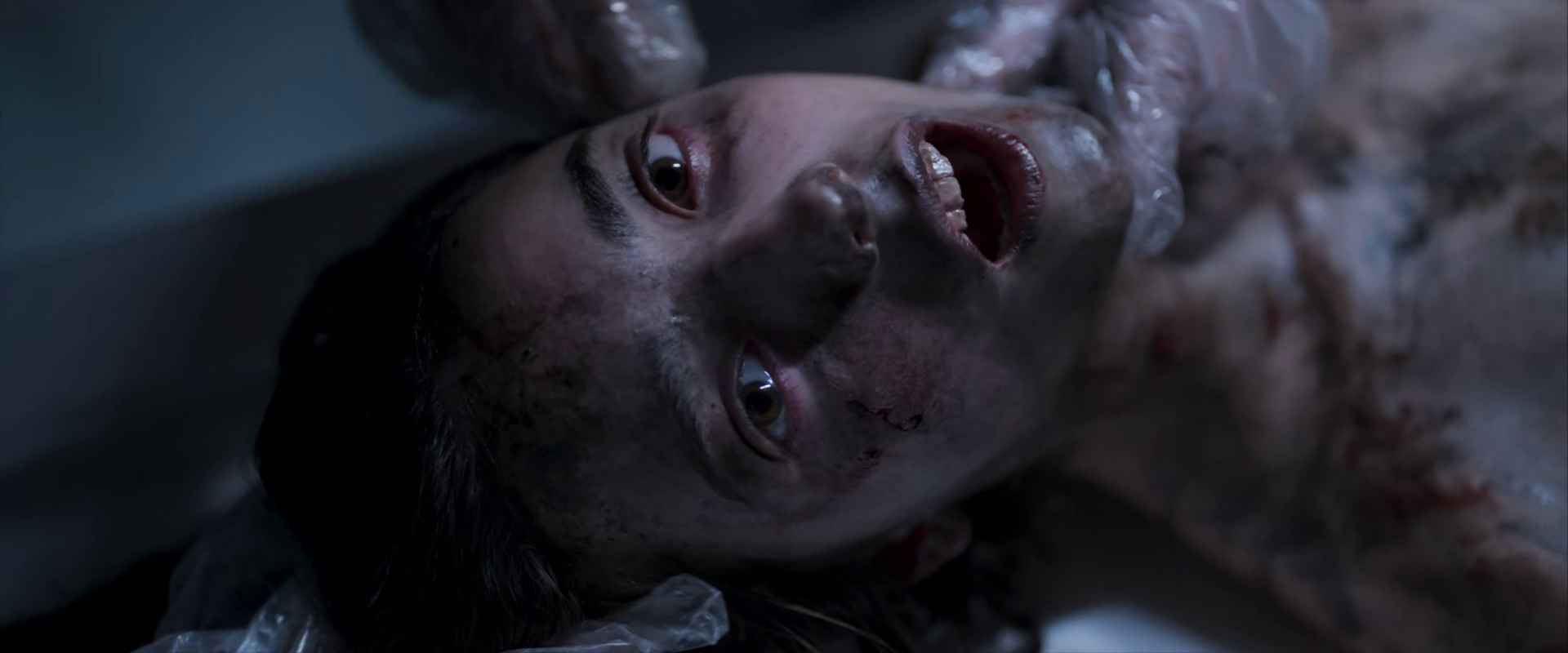
Cinematographer Frank van den Eeden makes clear use of these spaces, especially when the film returns to nature between the chapters of the story. The visual transition itself becomes a way of expressing One's loss of her first world.
But there is a paradox in Verbeek's approach.
His direction is so precise in its composition, movement and arrangement of scenes that some moments feel overly calculated.
That makes the film beautiful and visually interesting, but at times emotionally cold.
Curiously, Jessica Reynolds is the one who saves the film from that coldness.
Strengths and weaknesses: the cost of ambition
One of The Wolf, the Fox & the Leopard's greatest achievements is its boldness.
The film does not offer an easy story or try to confine its ideas to a single genre.
It is a fairy tale, an environmental film, a reflection on identity and a story about nature and society, all within one world.
Jessica Reynolds' performance is also exceptional, both physically and emotionally.
The biggest problem is that this ambition sometimes becomes a burden.
There are many ideas, symbols and shifts, but they do not all receive enough space to become truly affecting.
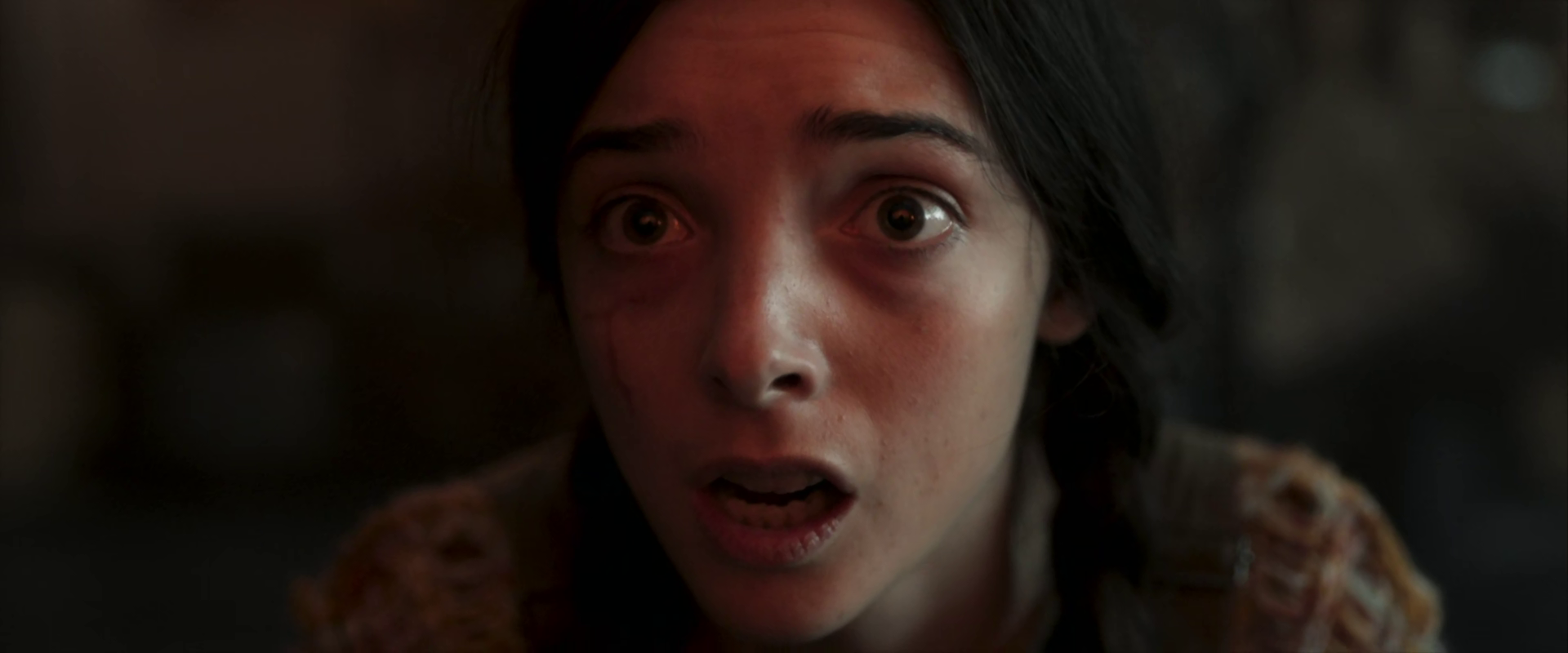
The arrival of the Fox and the Leopard adds important layers, but also makes the structure more complicated.
Although introducing Dylan as someone who turns out to be unimportant serves the film's idea, his character may still feel confusing to some viewers.
Some gaps in the plot also require considerable tolerance, especially in the way One is taken out of the laboratory and moved to the oil platform.

Atmosphere: belonging to two worlds and neither
The film relies heavily on atmosphere rather than conventional thrills.
There is a constant feeling of isolation, whether in the laboratory, on the oil platform or in the natural spaces.
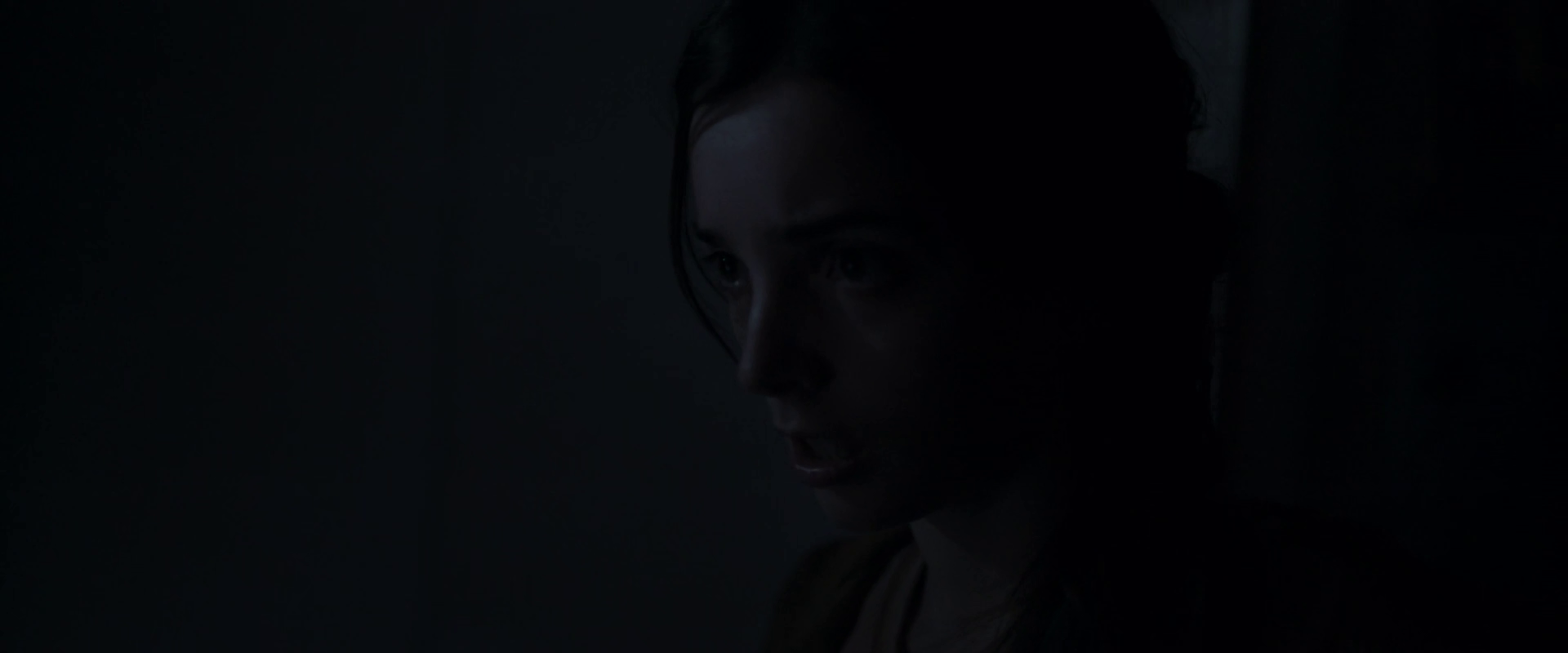
This suits the film's idea perfectly, because One herself is always living between two worlds.
She is not entirely a wolf, but she has not become human in the conventional sense either.
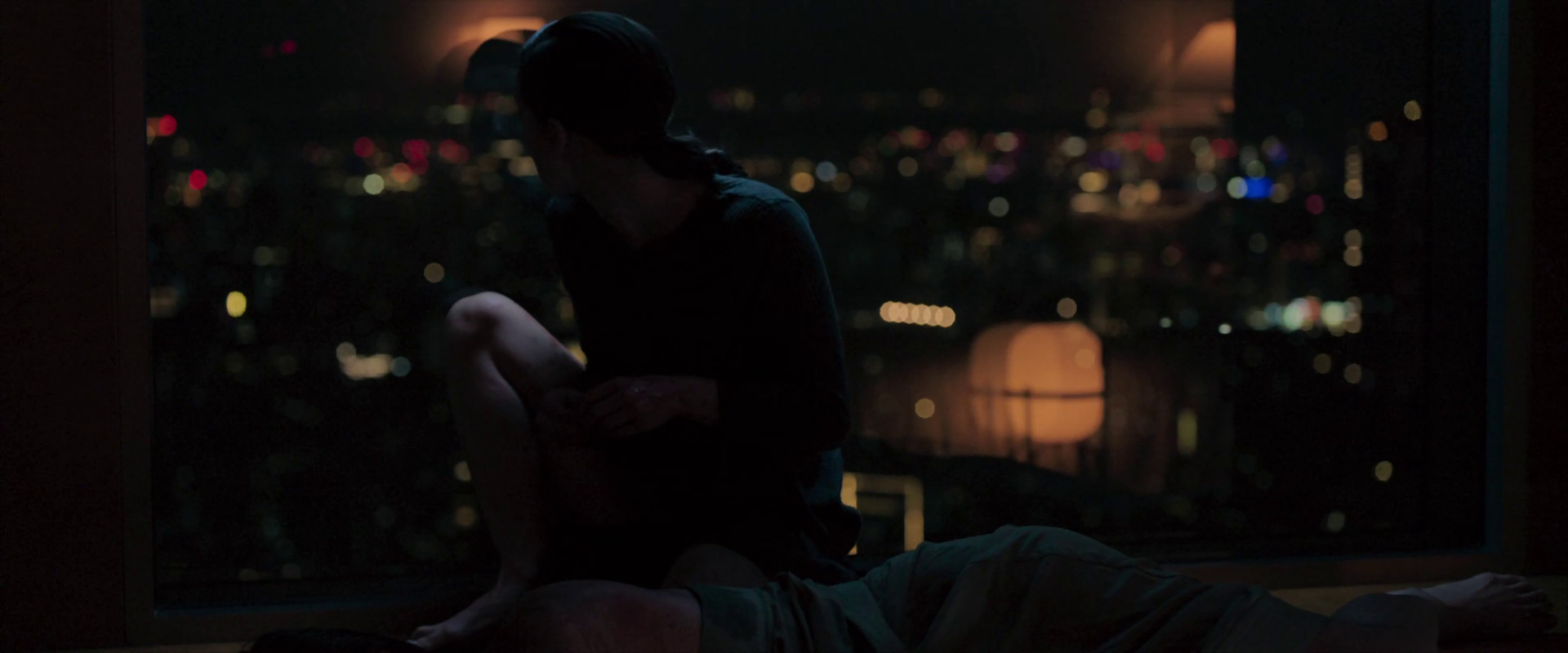
This feeling of belonging to two places and to neither of them is what gives the film its strange, dreamlike atmosphere.
One's identity and the question that remains
The Wolf, the Fox & the Leopard is not an easy film to digest, and that is not a problem in itself.
On the contrary, one of the things I liked most is that it does not reduce its questions to ready answers.
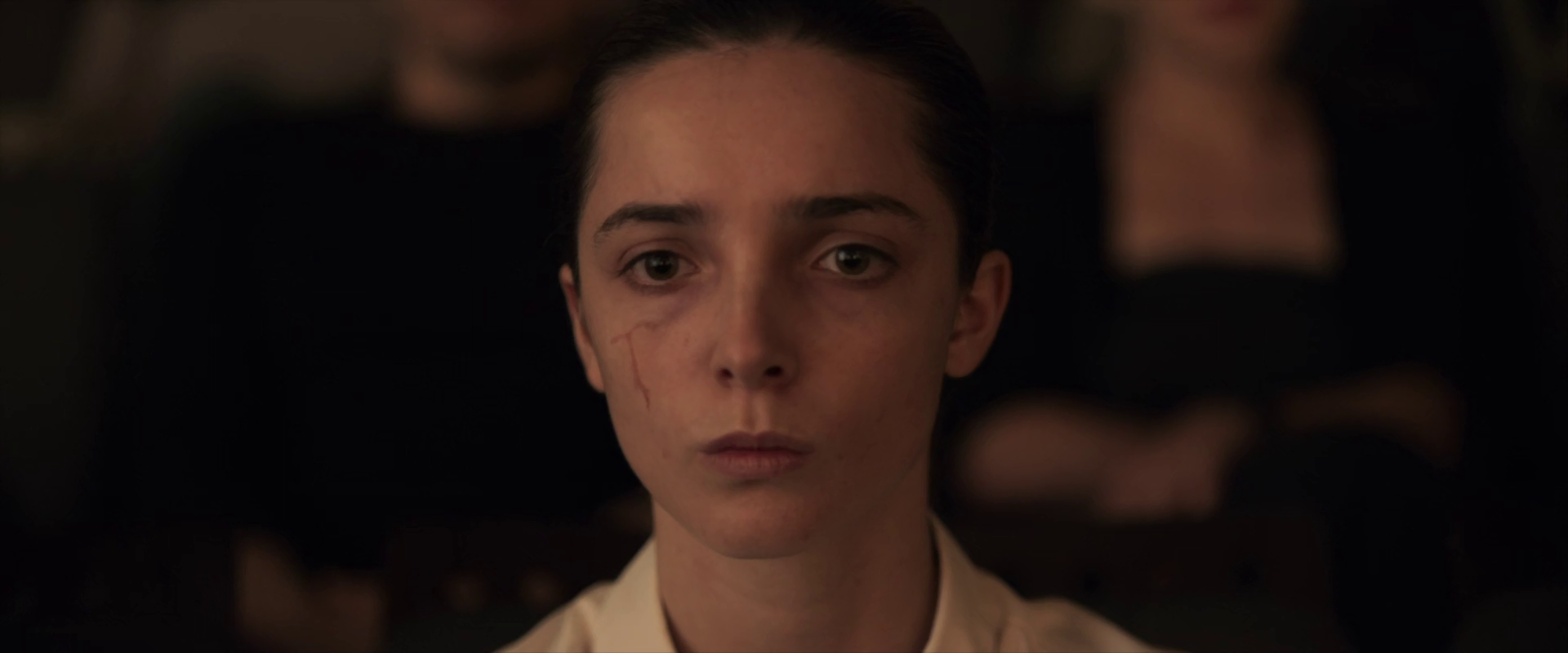
At the same time, though, I think the film sometimes allows its ideas to take precedence over its characters.
I can appreciate its ambition, enjoy its imagery and greatly admire Jessica Reynolds' performance, but I cannot say that everything it puts forward lands with equal force.
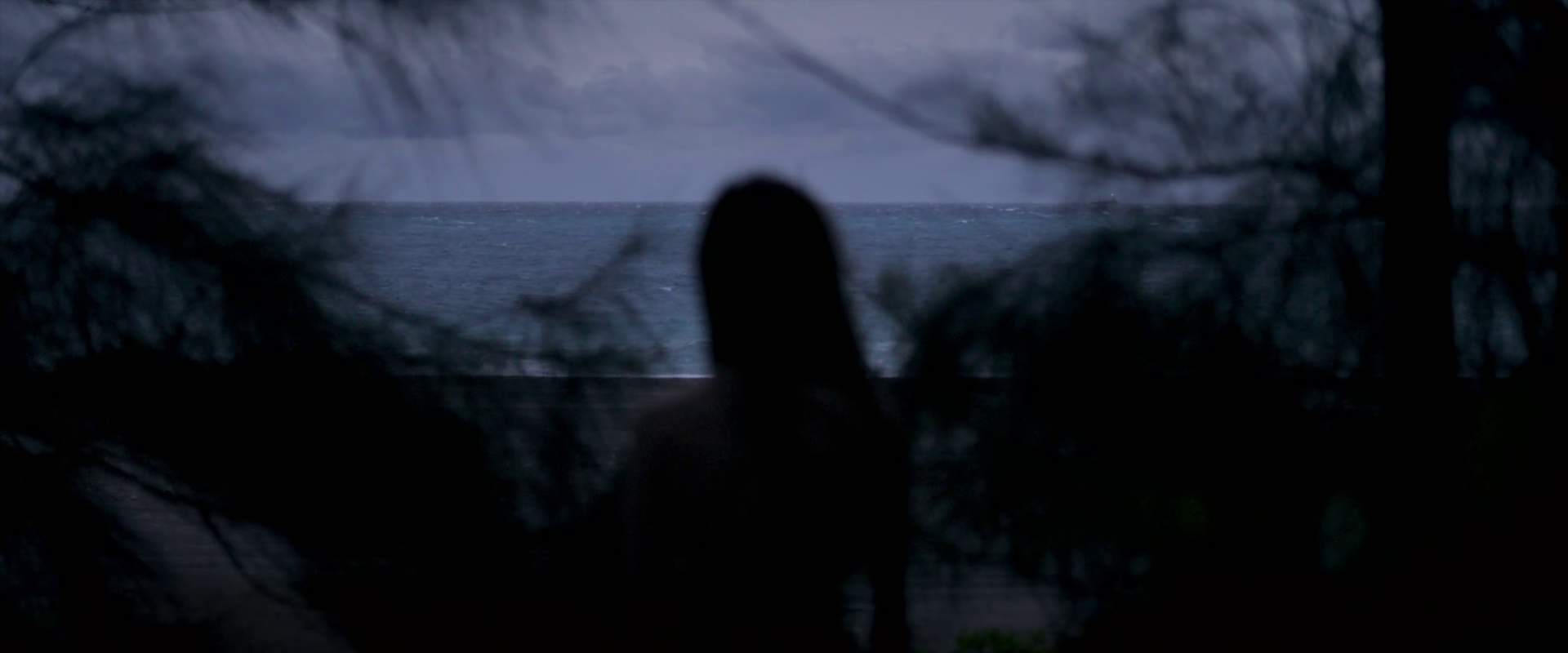
Its best element is One herself: a character trying to discover who she is while everyone around her tries to tell her who she should be.
The best question it leaves behind is not whether she will become human, but whether what we call humanity deserves to be considered progress at all.
Final verdict
Final verdict
For me, the film is a powerful visual and intellectual experience, but not always a fully realized emotional one.
Your turn
Do you think One really became more human over time, or was the film saying that humans made her lose the best part of her nature?
AUDIENCE VOTE
Do you agree with the MB rating?
Choose once from this browser. You can change your answer at any time.