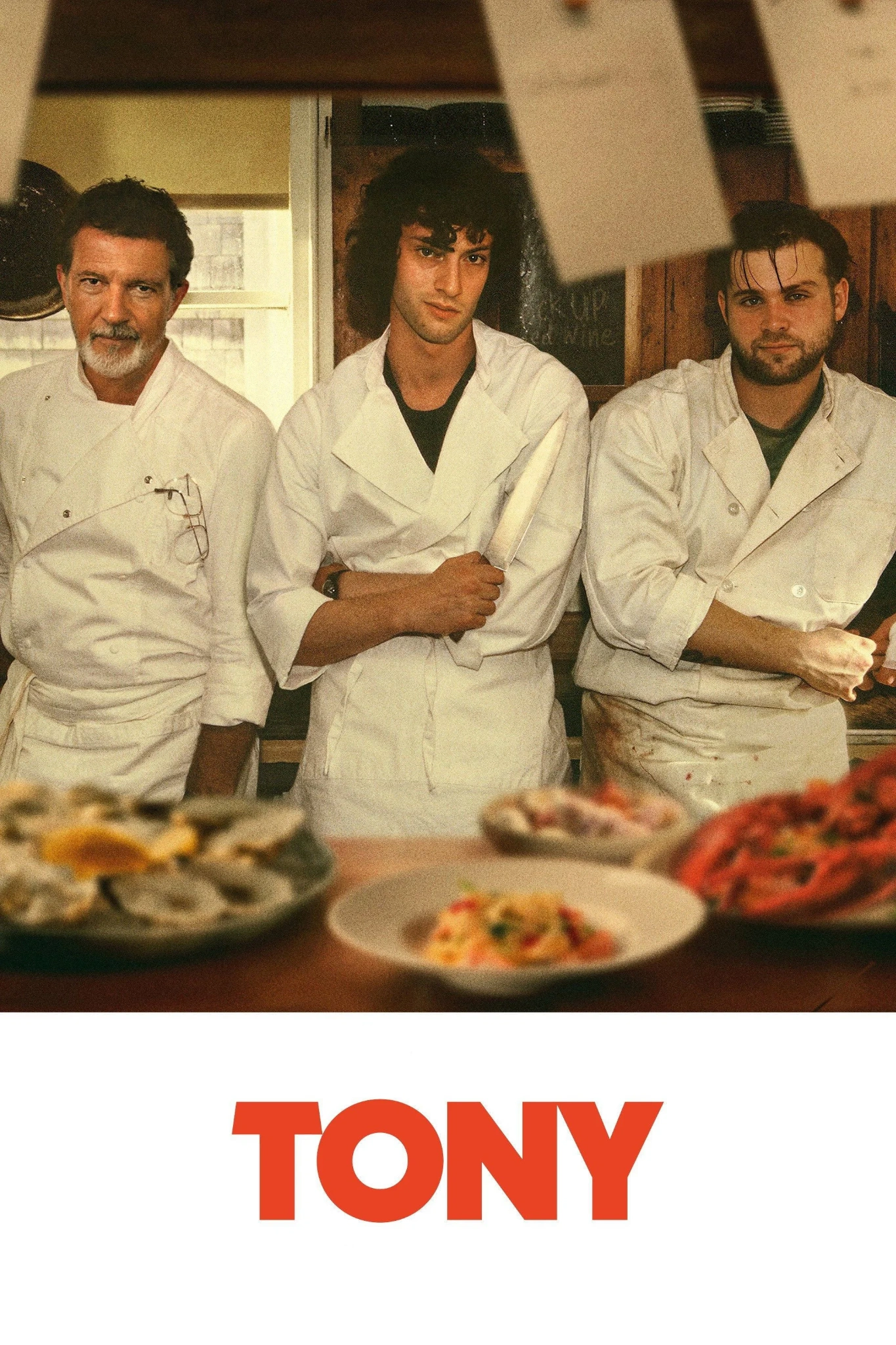
The review
Tony… arrogance masking a fear of failure
The film begins with Tony at nineteen, utterly convinced that he is a writer whose genius the world simply has yet to discover.
He talks about his novel as though it were an important literary work and behaves with far more confidence than his experience warrants. At first, he approaches Nancy in much the same way: another thing he believes he can win by saying the right words.
Then comes the first real blow.
He fails to get the scholarship he had treated as a certainty.
Instead of admitting defeat, he lies.
This is crucial to how the character is built.
Tony does not lie simply to deceive other people. He lies to protect the image he has constructed of himself.
He cannot bear the possibility that he might not be who he thinks he is.
That makes him irritating at times, but also deeply interesting.
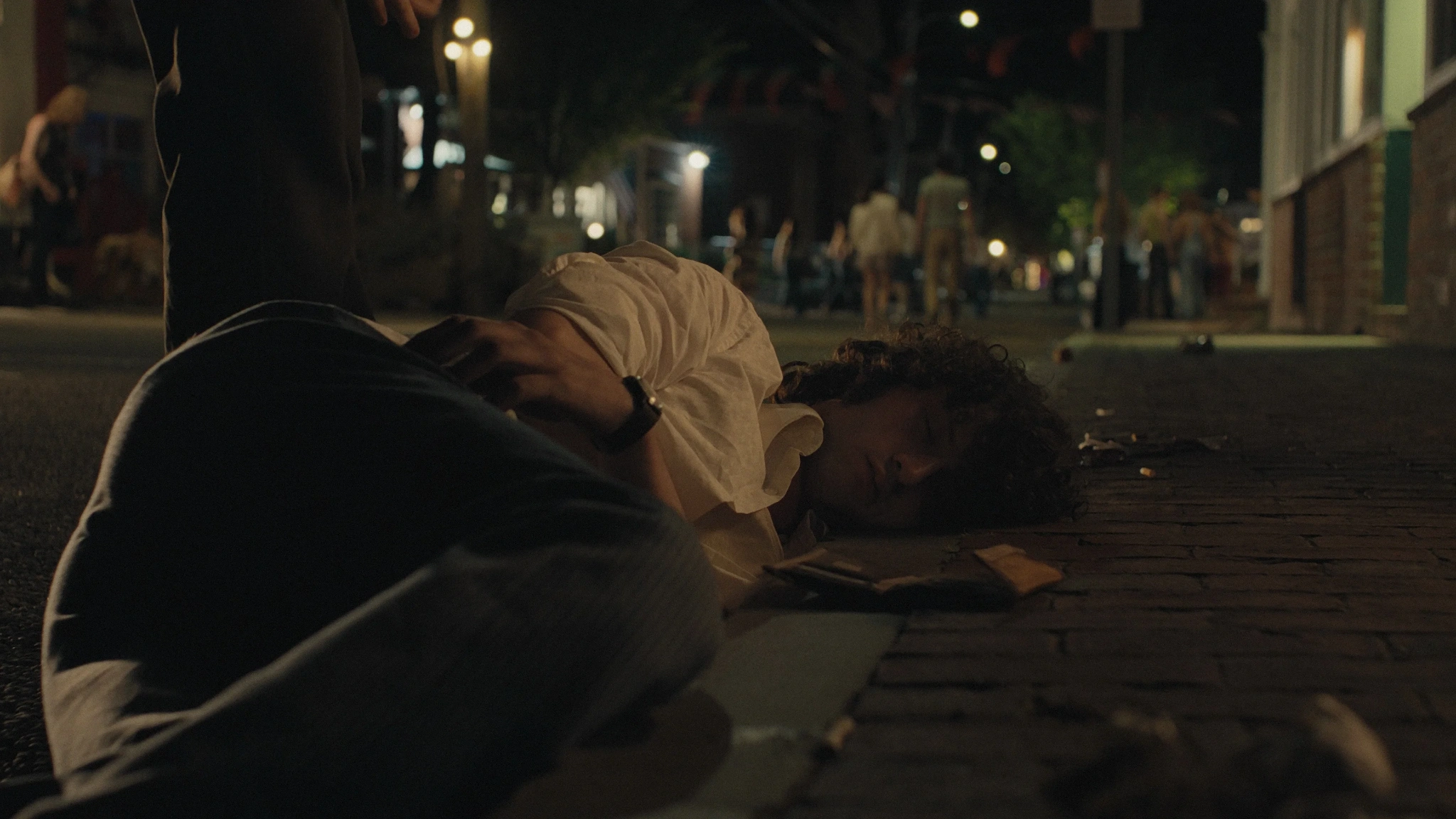
Dominic Sessa… the small cracks in the arrogance
Dominic Sessa has a very difficult role.
For much of the film, Tony is arrogant, dishonest and selfish. He could easily become someone you would not want to spend two hours with.
But Sessa knows how to leave small cracks in that arrogance.
Sometimes, the louder Tony gets, the more fragile his confidence feels.
And the harder he tries to convince someone that he knows what he is doing, the more a fleeting look reveals that he is completely lost.
These are the performance's best moments for me.
Not the speeches or the fights, but the moments when his act briefly fails and the truth appears on his face.
This stops the film from turning Tony into an idealized younger version of a celebrity.
It wants us to understand that the man who later became famous and self-assured began as a young person with no idea what to do with his life.

The Flagship kitchen… an unplanned beginning
The most important thing that happens to Tony is neither arriving in Provincetown nor meeting Nancy.
It is walking into The Flagship's kitchen.
At first, he is there because he has no money and no idea how to get home.
He starts by washing dishes.
There is no grand moment announcing that his destiny has changed.
No swelling music.
No scene in which he declares: this is my new life.
That is precisely what I liked.
Tony enters the kitchen almost by accident.
But the place slowly starts to reshape him.

There are rules.
There is responsibility.
The plates have to go out on time.
The food has to be prepared properly.
And if you make a mistake, someone else pays for it.
The kitchen does not care how clever you are or how impressive your vocabulary is.
Either you do the job well, or you do not.
Skill cannot be faked with words
The film's central idea is very simple:
What can you actually do?
At first, Tony wants people's admiration without offering proof that he deserves it.
He says he is a writer.
He says he has a future.
He acts as though he is smarter than everyone else.
But the kitchen confronts him with something different.
Here, ability cannot be performed through words.
You can call yourself a cook ten times, but if you cannot get the food ready on time, nobody will believe you.
This is the real change he undergoes.
For the first time, he begins to discover what it means to learn through repetition.
To fail.
To try again.
And to earn respect through what you do, rather than what you say about yourself.
The film is very clear about this idea, but usually shows it through the work itself instead of turning it into long speeches.
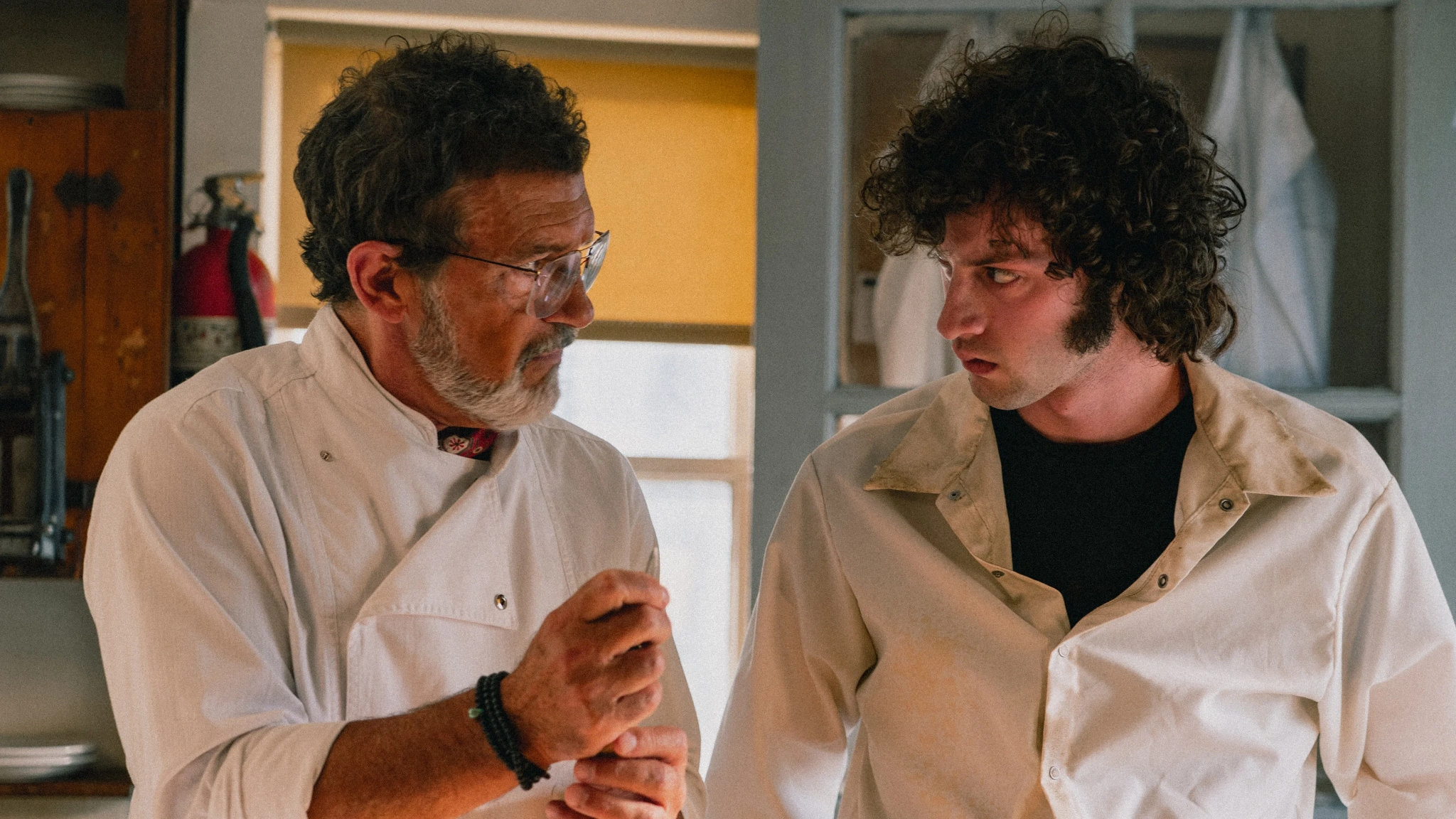
The chef… teaching through action
Antonio Banderas is one of the film's strongest elements.
The chef could easily become the conventional mentor who arrives to give the hero lessons about life.
Most of the time, the film avoids that.
He does not explain everything to Tony.
He makes him work.
He wakes him when he is late.
He corrects his mistakes.
He sets clear boundaries.
At the same time, he gives him room to learn.
One of the best scenes is the quiet moment when they work together in the kitchen away from the pressure of service.
Nothing dramatic happens.
A professional simply concentrates on his work while Tony watches.
That moment matters more than any speech the chef could give him.
Banderas plays the character with great restraint, which makes his presence stronger.
He does not need to shout for you to understand that his opinion matters.
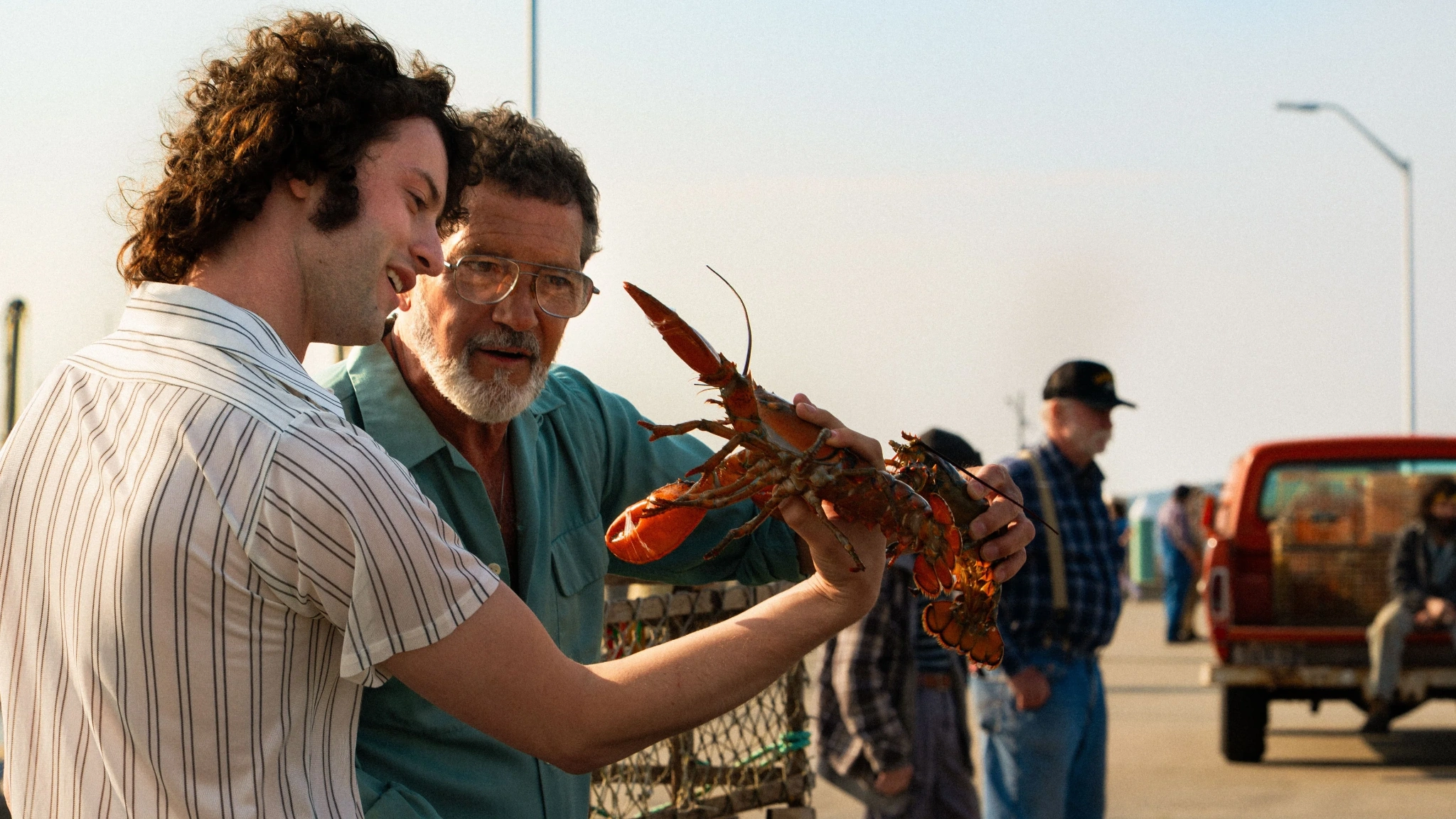
Sal… freedom on the edge of self-destruction
On the other side, we have Sal.
Sal possesses everything Tony tries to project.
Confidence.
Boldness.
Charisma.
The ability to walk into any room as though he owns it.
Tony is drawn to him because Sal initially seems like the genuine version of the person Tony pretends to be.
Over time, though, we discover the cost.
Sal lives with almost no boundaries.
Violence, drugs and impulsiveness are part of his daily life.
He cannot separate freedom from self-destruction.
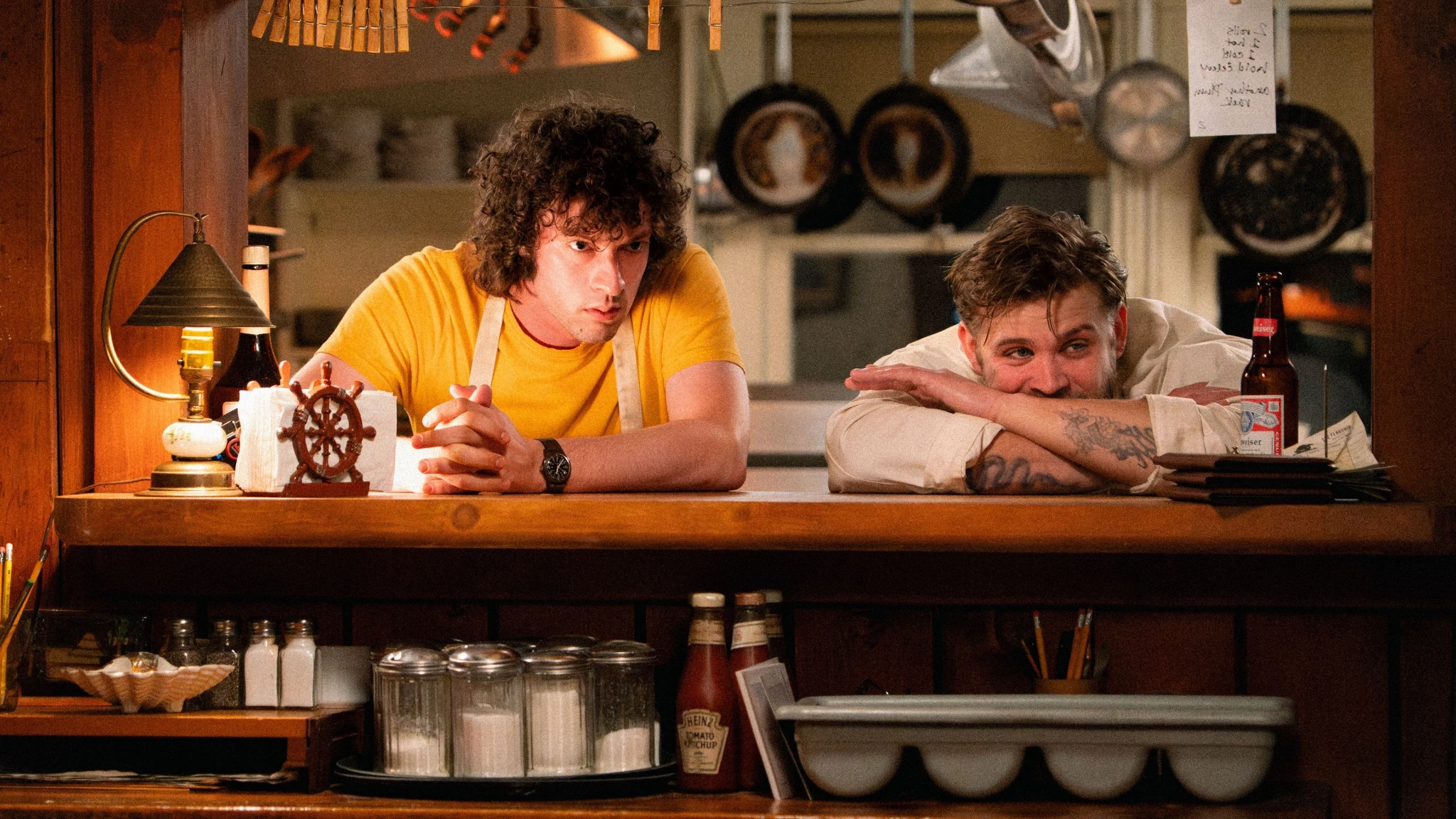
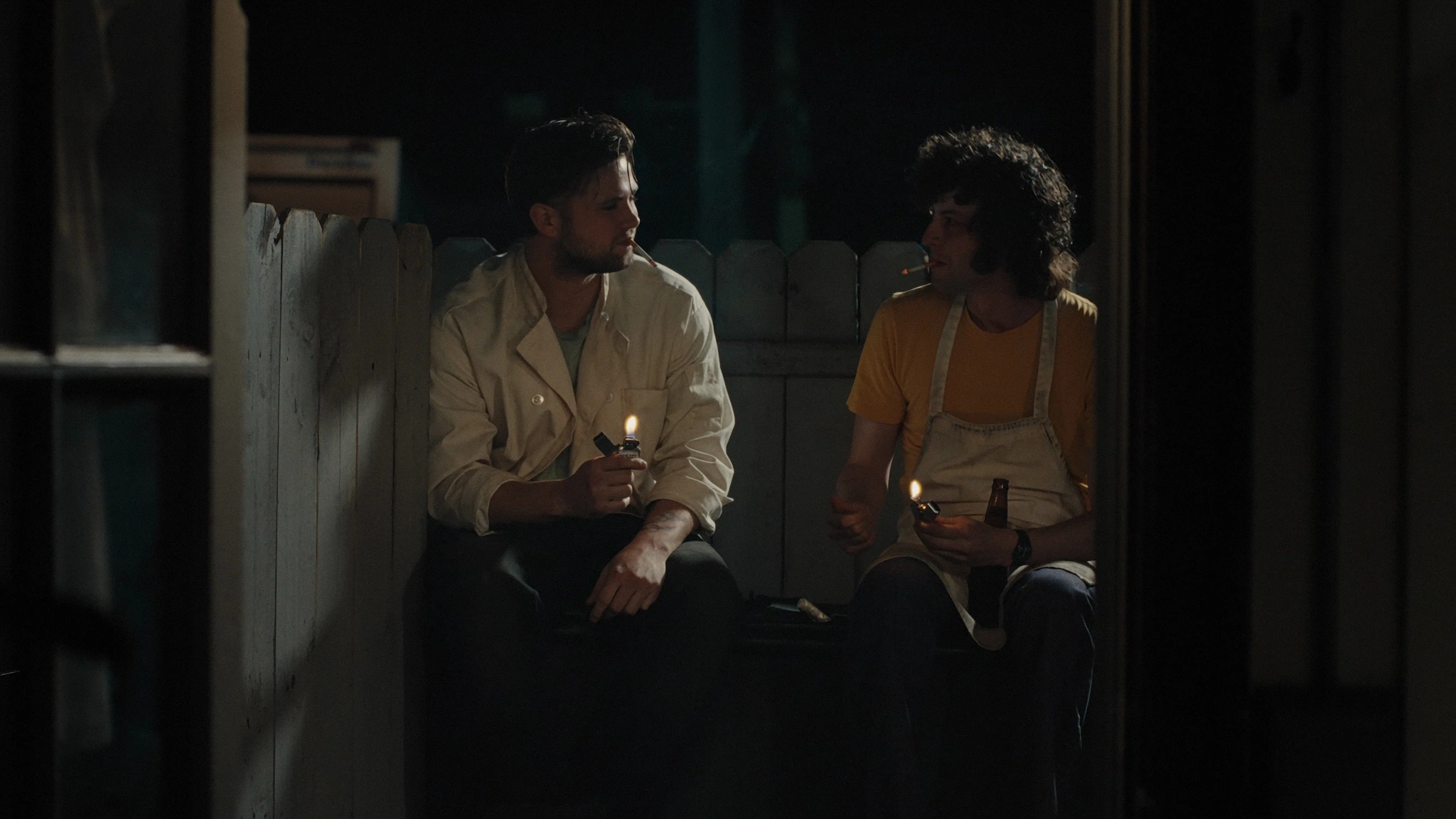
The film places Tony between two models.
The chef shows how discipline can become skill.
Sal shows how chaos can become an identity.
Nobody sits Tony down and tells him to choose one man over the other.
He learns from the consequences himself.
That is much better than constructing an overt moral conflict.
Nancy… a character denied her independence
For me, Nancy is the writing's biggest weakness.
Emilia Jones is very good in the role, and I do not think the performance is the problem.
The problem is that the film often uses her to measure how badly Tony is behaving, or how much he has improved.
First, he pursues her approval.
Then he lies to her.
Then he tries to prove himself to her.
Her reactions become an indicator of whether his behavior has become better or worse.
But we do not know enough about Nancy herself.
What does she want?
What is she afraid of?
Why does she keep making room for Tony in her life at all?
The film makes her smart enough to see through his lies, but does not grant her the independence it gives the men around him.
Whenever it leaves the kitchen to focus on their relationship, I feel the writing becomes more conventional.

The restaurant fire… when a mistake causes real harm
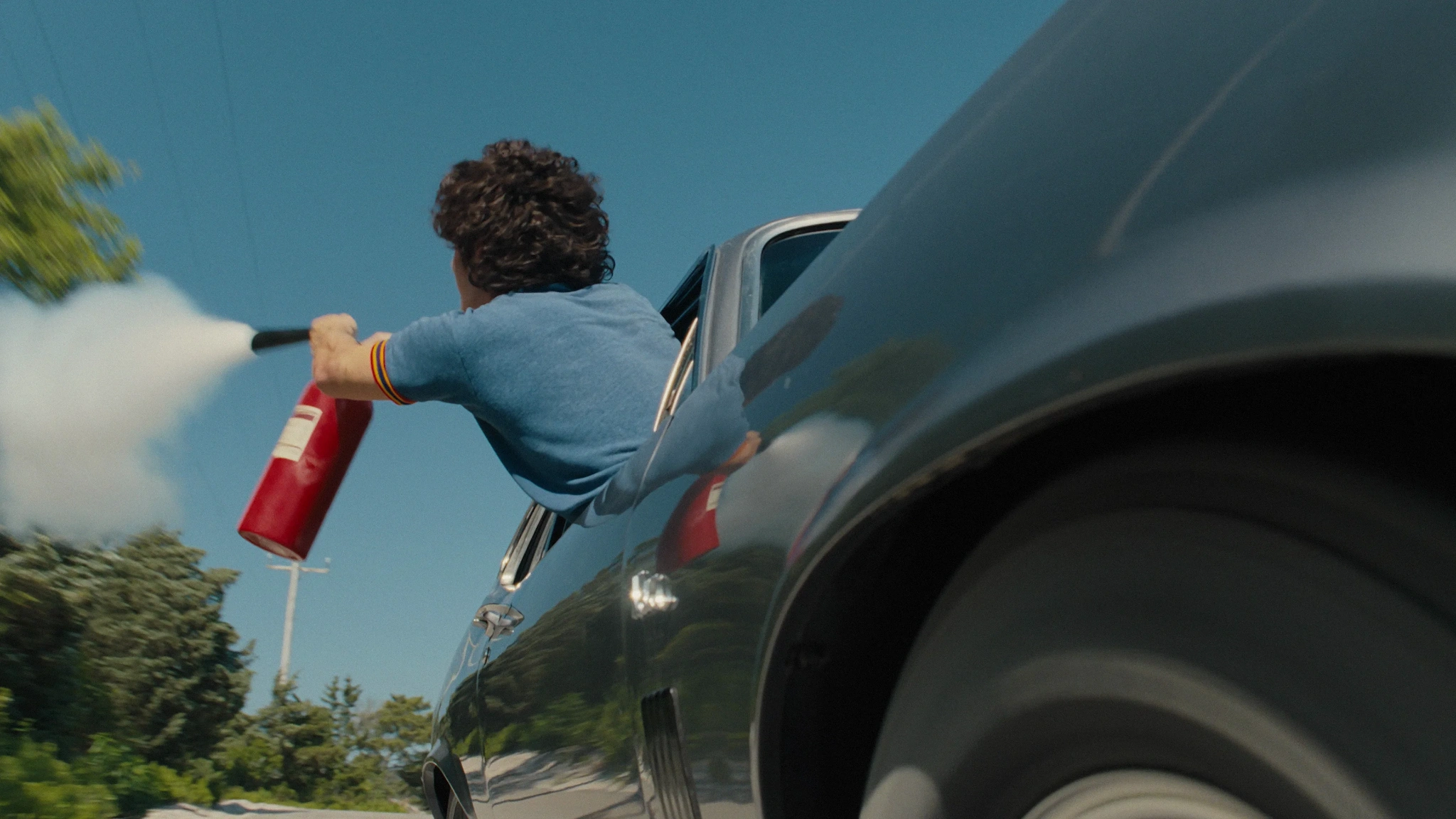
One of the film's important moments comes with the restaurant fire.
Until then, Tony is still living between two versions of himself.
Inside the kitchen, he has begun to learn discipline.
Outside it, he still retains much of his old dishonesty and arrogance.
The fire brings these two sides together.
He makes a mistake, responds to it badly, and makes the disaster worse.
The film does not treat the mistake as a major incident inserted merely to add excitement.
The scene matters because Tony begins to understand, for the first time, that his ignorance can cause real harm.
Not everything can be repaired with words.
And not every mistake can later be turned into an amusing story.
This is a crucial moment before the film starts forcing him to confront himself more seriously.
Confession does not erase consequences
After the fire, Tony reaches a point where he can no longer keep lying to Nancy.
He admits that he did not get the scholarship.
That he did not come there to work on his book.
And that he was there because of her.
The scene matters not because it repairs their relationship, but because it does not.
Nancy throws him out.
For me, that is exactly the right decision.
Telling the truth does not erase everything you did beforehand.
Tony is finally honest, but honesty does not oblige other people to reward him.
This is one of the film's most mature ideas.

Facing the chef… potential is not enough
His relationship with the chef faces much the same test.
The chef was prepared to give him a real chance.
But Tony still does not know how to accept that his life might not look the way he imagined.
He had imagined himself as a writer.
Someone important.
Someone with a great future.
At first, simply becoming someone who works in a kitchen seems beneath him.
One of the film's harshest moments comes when the chef confronts him with a simple truth:
Tony has not become anything yet.
Words are not enough.
Unproven talent is not enough.
And potential means nothing unless you do something with it.
This is a crucial moment because it strikes at the very center of his arrogance.

Has Tony become a better person?
The film does not offer a perfect transformation.
I like that.
Tony does not wake up one day as a fully mature human being.
Even after his mistakes, he does something deeply wrong when he returns to Sal and they plan to rob the chef.
This confirms that change does not follow a straight line.
He takes one step forward, then two steps back.
The most important moment comes when he changes his plans for the money he raises at the beach event.
Instead of using it for himself, he decides to put it toward repairing the restaurant.
This may be the first time in the film that Tony chooses to do something that does not revolve entirely around himself.
Here, he really begins to move from being a young man who talks about himself to someone who understands the value of belonging to something larger.
The ending… the beginning of Anthony Bourdain
In the end, Tony returns to New York and applies to the Culinary Institute of America.
What is lovely is that the film does not turn this into an official announcement of a legend's birth.
He is simply a young man applying to cooking school.
As viewers, though, we understand what this step means.
Even smarter is the decision to have him introduce himself as Anthony Bourdain.
These small details work much better than a lengthy montage telling us what will happen to him afterward.
From the start, this has been a film about finding a new direction in life, not about the whole life.
Direction… one summer instead of an entire biography
The director's best decision was to restrict the film to a very short period.
We do not see Bourdain's entire childhood.
Nor his success in restaurants.
Nor fame.
Nor television.
Nor reenactments of the moments audiences already know.
We simply watch one summer.
That makes the film closer to a coming-of-age story than a conventional biopic.
I think it becomes stronger whenever it forgets that its character will later become famous.
When Tony is just a young man sleeping behind a restaurant and washing dishes, the film is excellent.
When it reminds you a little too insistently of how important all this will be in the future, it loses some of its spontaneity.
Cinematography and atmosphere
Visually, the film is beautiful without looking overly polished.
The cinematography captures the warmth of a Cape Cod summer, while the kitchen feels cramped, exhausting and real.
The contrast is excellent.
Outside, there is the sea, light, summer and freedom.

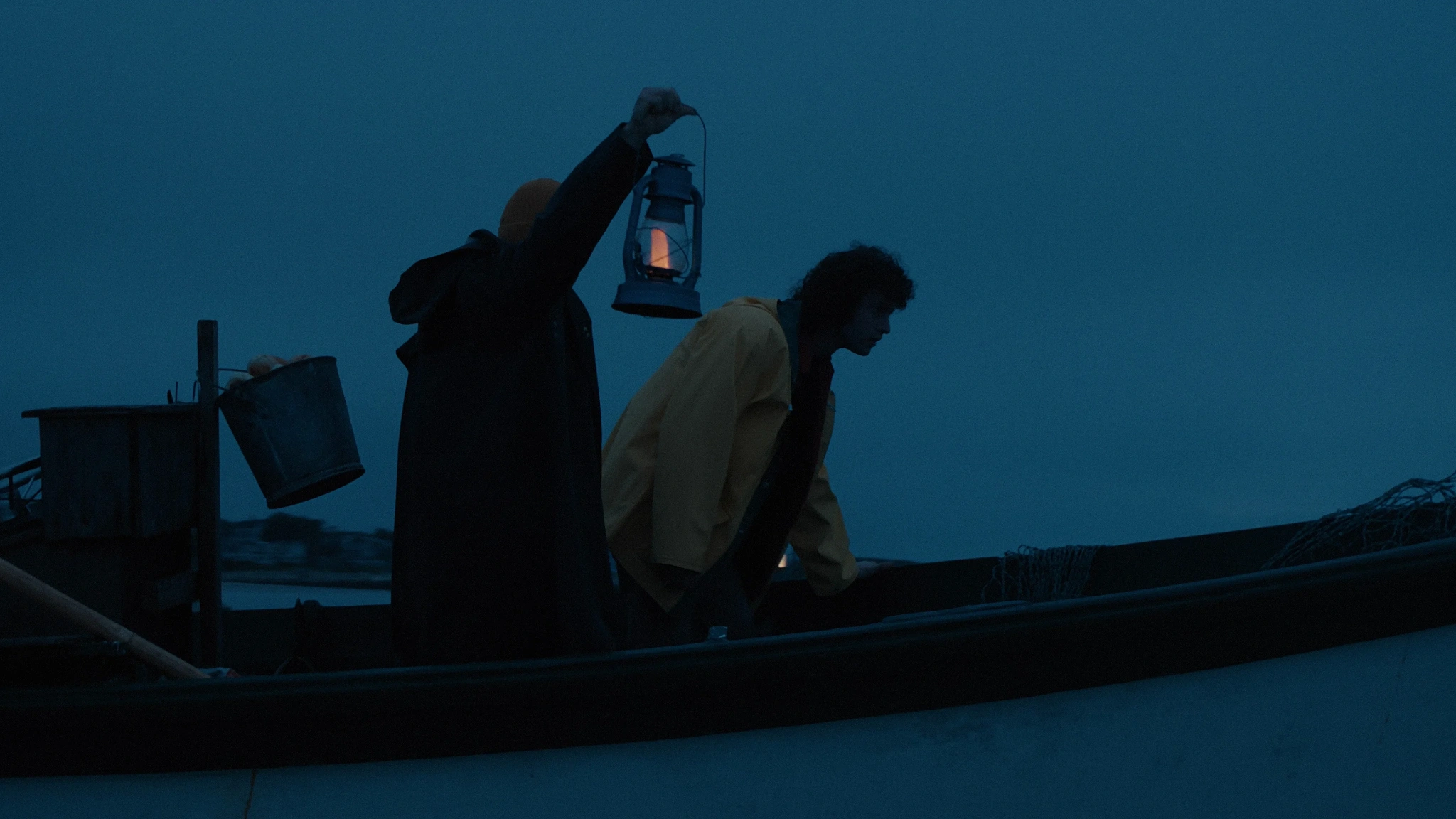
Inside, there is heat, steam, dirty dishes and people moving quickly.
Even the camera angles occasionally feel slightly uncomfortable, as though the camera itself were trying to find space in the crowd.
This makes the kitchen a place you can feel, rather than merely a set.
Editing and pacing
The editing serves this idea too.
There are rapid montages of Tony's early training and failures, but the film does not rely on them throughout.
The best scenes are slower.
They let us watch the work itself.
This matters because the film is about acquiring a skill.
If everything were compressed into a musical montage, that idea would be lost.
Instead, the film balances speed with the moments that need room to breathe.
Even so, the latter half feels a little less cohesive to me, especially when Nancy and the robbery plot receive more attention before the film returns to its ending.
Music and the spirit of the seventies
The music and period design do a great deal to make the film feel like a memory rather than a cold historical reconstruction.
The clothes.
The restaurants.
The colors.
The music choices.
Together, they give it a comforting feeling of a summer long ago, even when the characters themselves are in turmoil.
The lovely thing is that the film does not constantly announce: look, we are in the seventies.
The period exists naturally within its world.
That is always better than filling scenes with obvious reminders of the era.
Strengths and weaknesses
The film's greatest strengths are Dominic Sessa and Antonio Banderas.
The relationship between Tony and the chef is its true heart. The kitchen is written and filmed as an environment that gradually changes the character.
Focusing on one summer rather than Bourdain's whole life also makes the film more intimate and less conventional.
The cinematography, editing and period design are excellent.
Its biggest weakness is Nancy.
She does not get the space she needs and remains tied to Tony's development more often than she exists as an independent character.
The film also sometimes hints at Bourdain's future more explicitly than it needs to.
I would have preferred it to trust that viewers already understand this summer's importance without reinforcing it at the end.
Final verdict
Final verdict
The film succeeds because it does not try to explain Anthony Bourdain in his entirety. It simply chooses the moment when an arrogant young man, convinced that he is a writer waiting for success, starts discovering that what he does with his hands may matter more than what he says about himself. Dominic Sessa gives a very intelligent performance as someone who could easily become unbearable. Antonio Banderas brings calm and weight whenever he appears, while Matt Johnson makes the kitchen a place of learning rather than just a stop in a biography. The film has its problems, especially Nancy's characterization and some excessive hints at the future, but it avoids most of the conventional biopic's failings. Above all, when it ends, you do not feel that you have watched Anthony Bourdain's life story. You have watched the moment when he finally began to understand what he wanted to do with his life.
Your turn
Do you think the kitchen really changed Tony, or did he simply need his first experience of being forced to stop talking and start proving himself through his actions?
AUDIENCE VOTE
Do you agree with the MB rating?
Choose once from this browser. You can change your answer at any time.