The review
Screenplay and dialogue
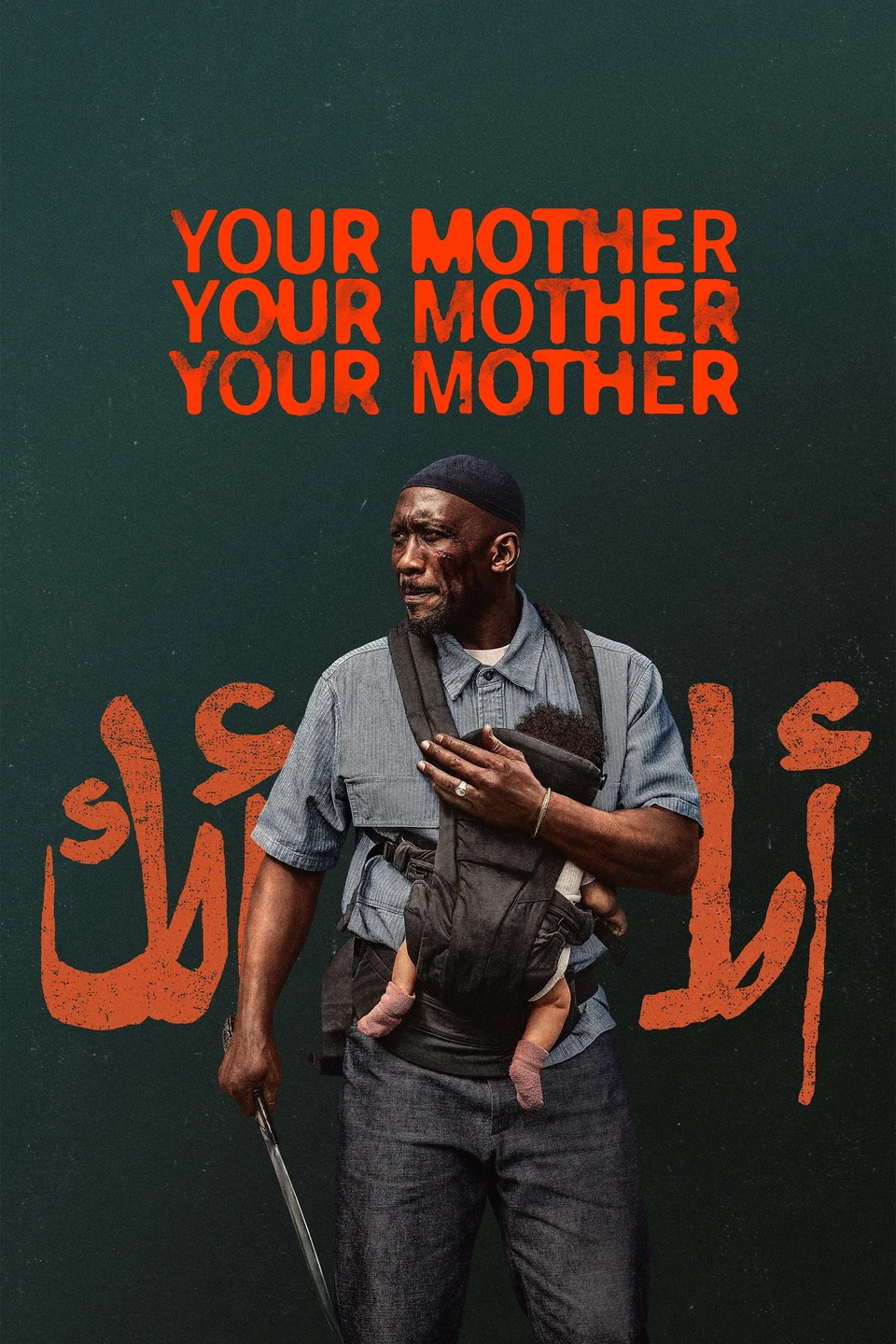
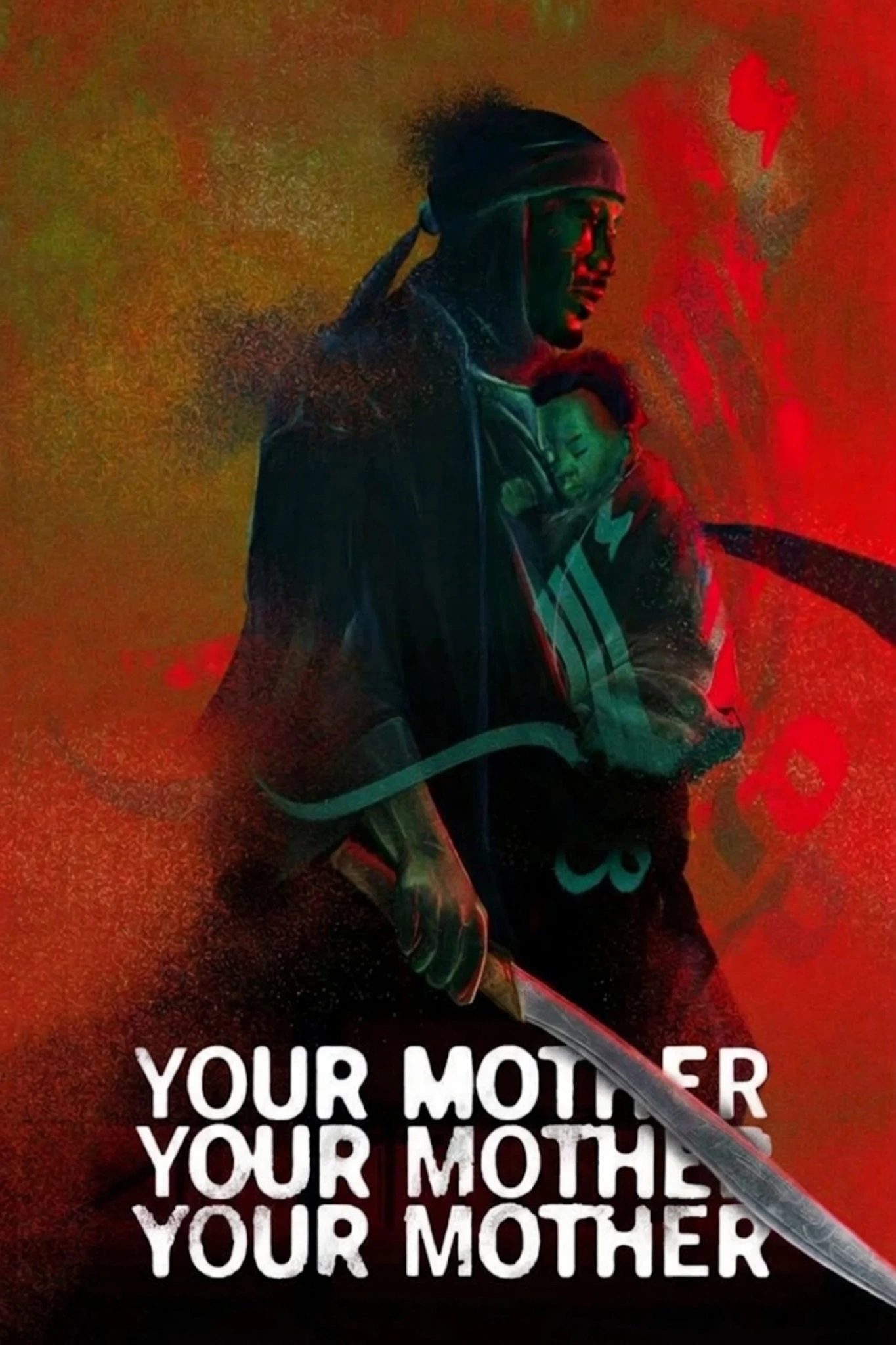
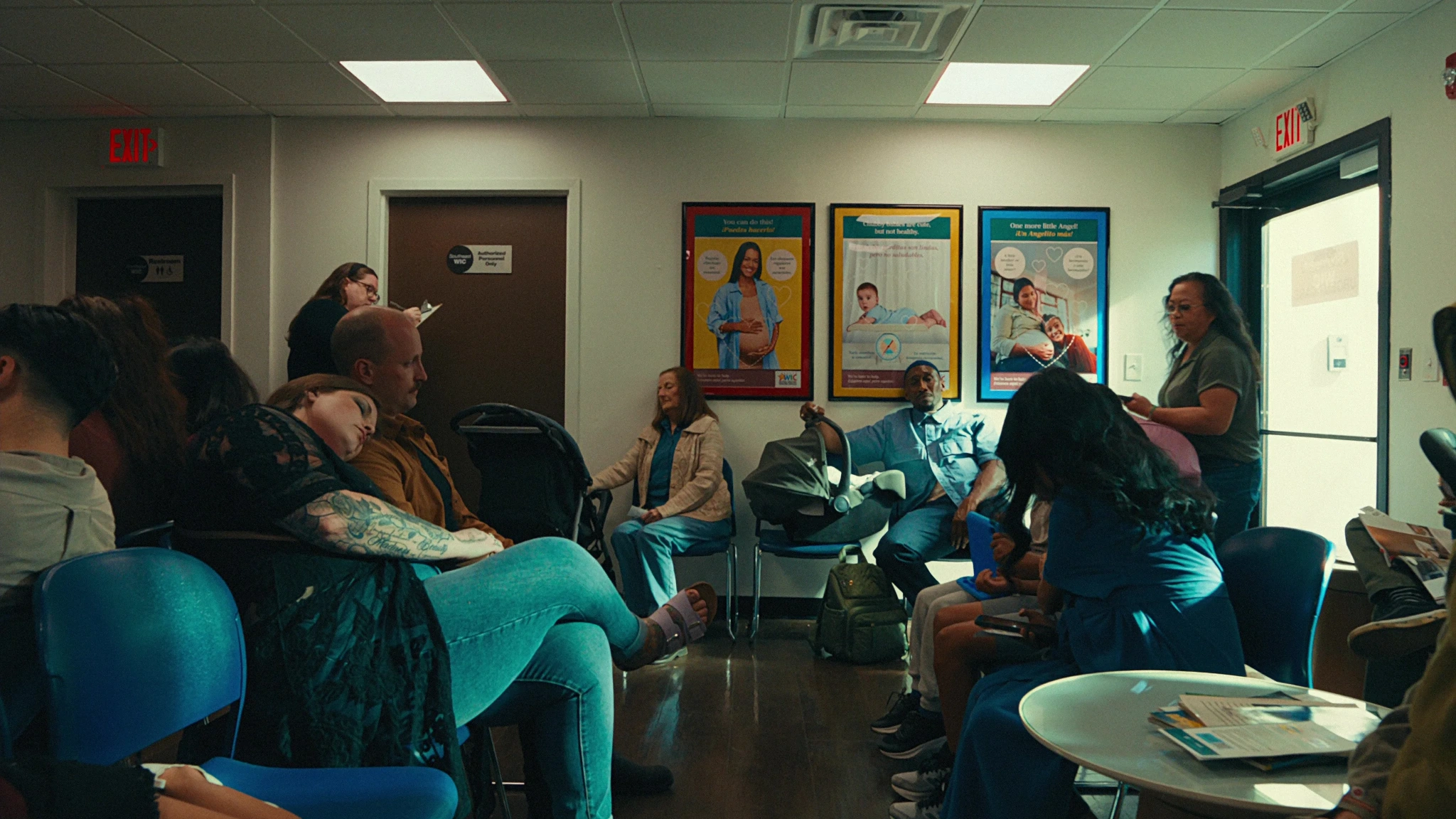
The film introduces Latif as a professional killer capable of dealing with opponents in a confined space with considerable violence. This opening does not sustain the promise of constant chases and confrontations for long, however. After his wife's death, Latif finds himself solely responsible for his three children: a teenage daughter, a younger son, and a baby girl who rejects formula and needs a source of breast milk.
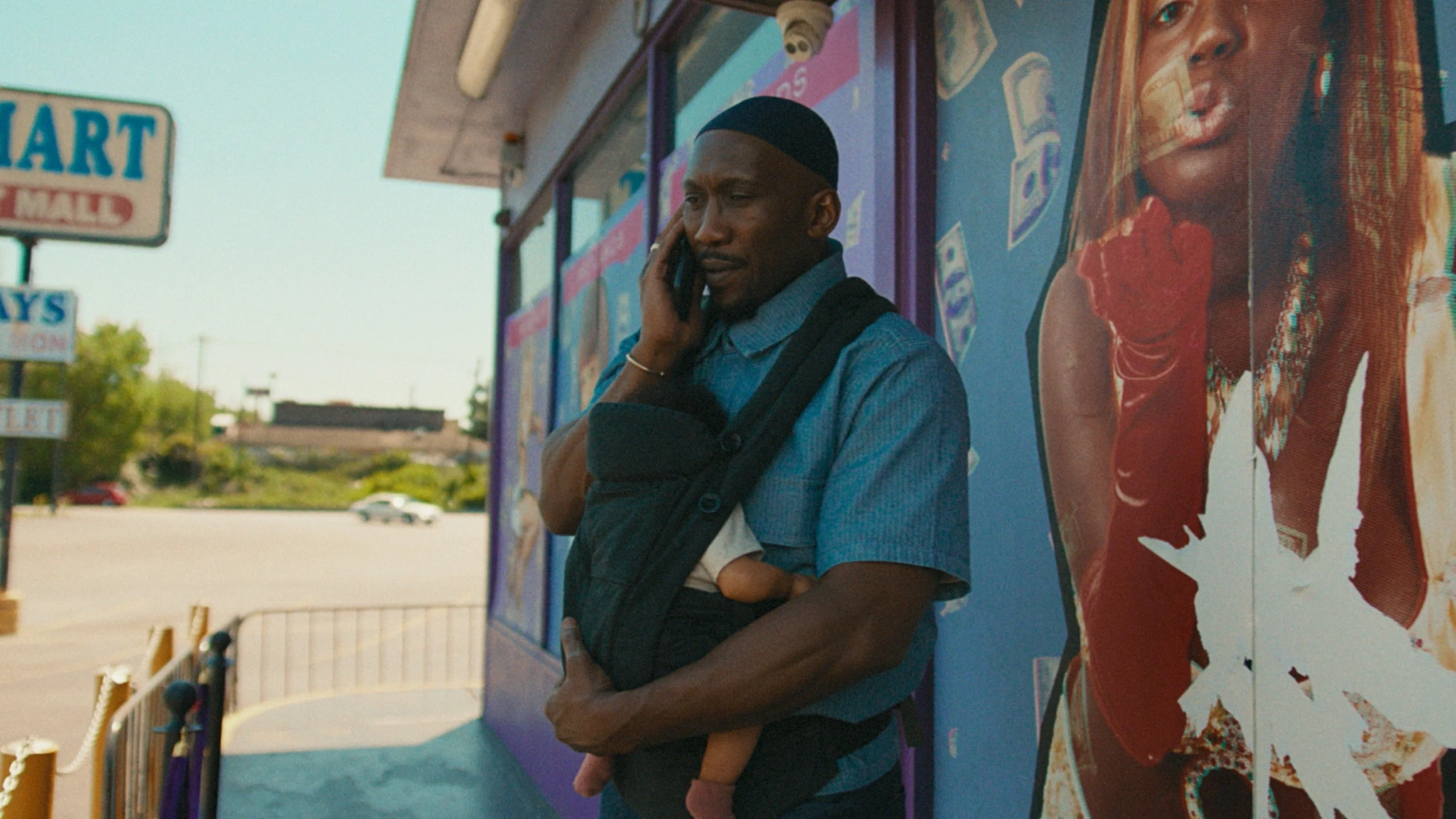
Here emerges the film's cleverest idea. The mission driving the story is neither the assassination of an influential figure nor revenge for a loved one's death, but securing a basic necessity for a baby who cannot wait. This choice gives the story a different human dimension. Latif is facing more than an extraordinary danger: he is trying to fulfill a simple parental duty while problems beyond his control accumulate around him.
The need for milk places Latif in complicated situations and leads him to a sex worker who can breastfeed babies, only for him to discover that she has become involved in a conflict between rival groups. The family problem gradually expands without losing its simple starting point.
A professional killer learning to be a father
Latif's defining quality is the contradiction between his capacity for violence and his inability to manage his new life. He is accustomed to handling problems directly and decisively, following personal rules that lead him to prefer knives and swords to firearms. These skills do not make him a better prepared father or give him easy answers to his children's needs.
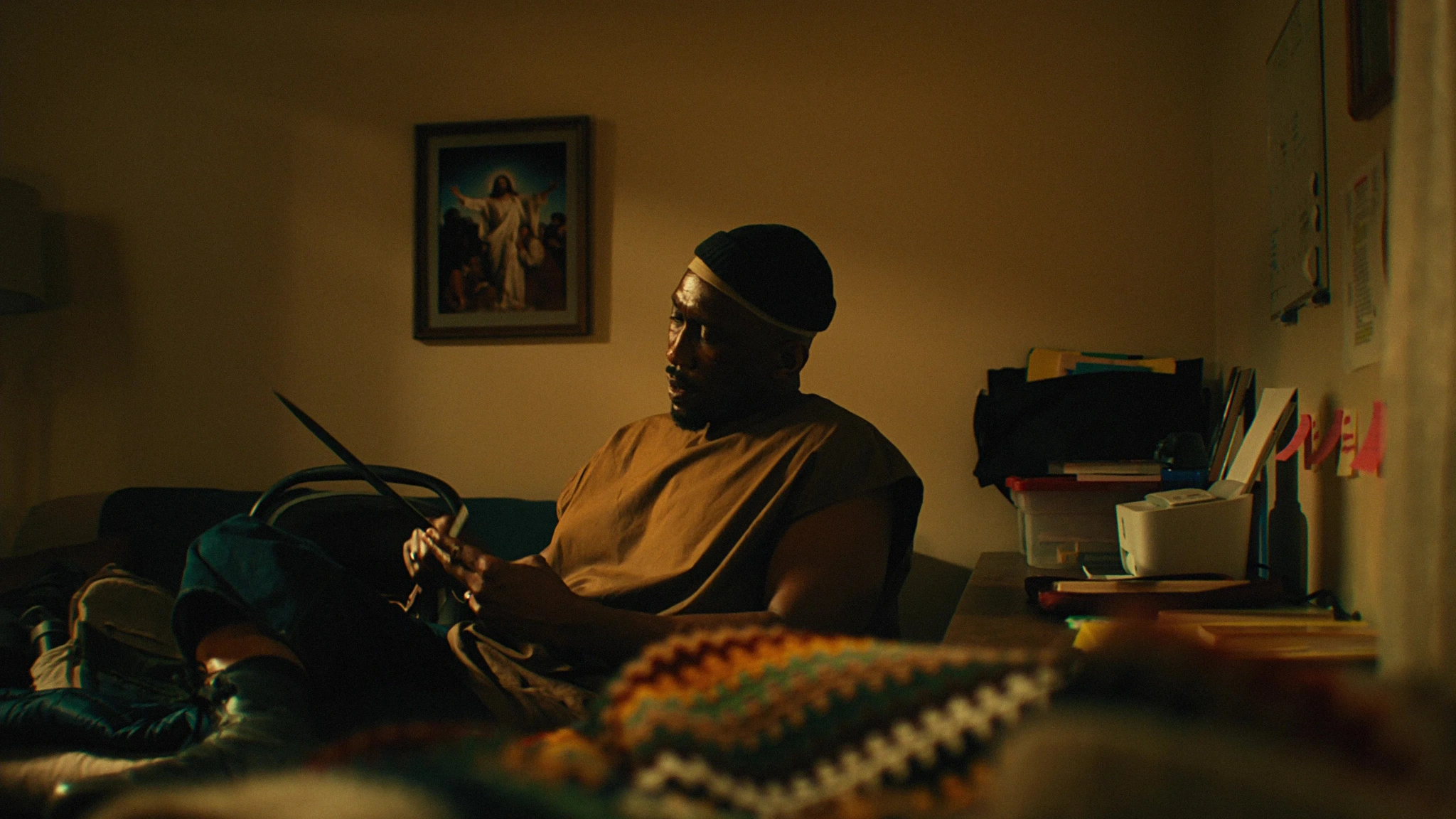
The film allows this contradiction to emerge through situations rather than turning it into an explicit speech. A man who can confront a group of armed opponents struggles to understand what is happening in his own home and does not always communicate successfully with his daughter and son. In losing his wife, Latif loses not only his partner but also the person who shared responsibility for the family, forcing him into a role for which he has not prepared.
Notably, the film does not present the father as an ideal hero. Latif loves his children and tries to protect them, but he is not always present in the way they need. His violent work also exposes them to the very danger from which he tries to shield them. The distance between what he wants for his family and what his life imposes on him is the true source of tension, and matters more than the number of people he can defeat in a fight.
The children at the heart of the story
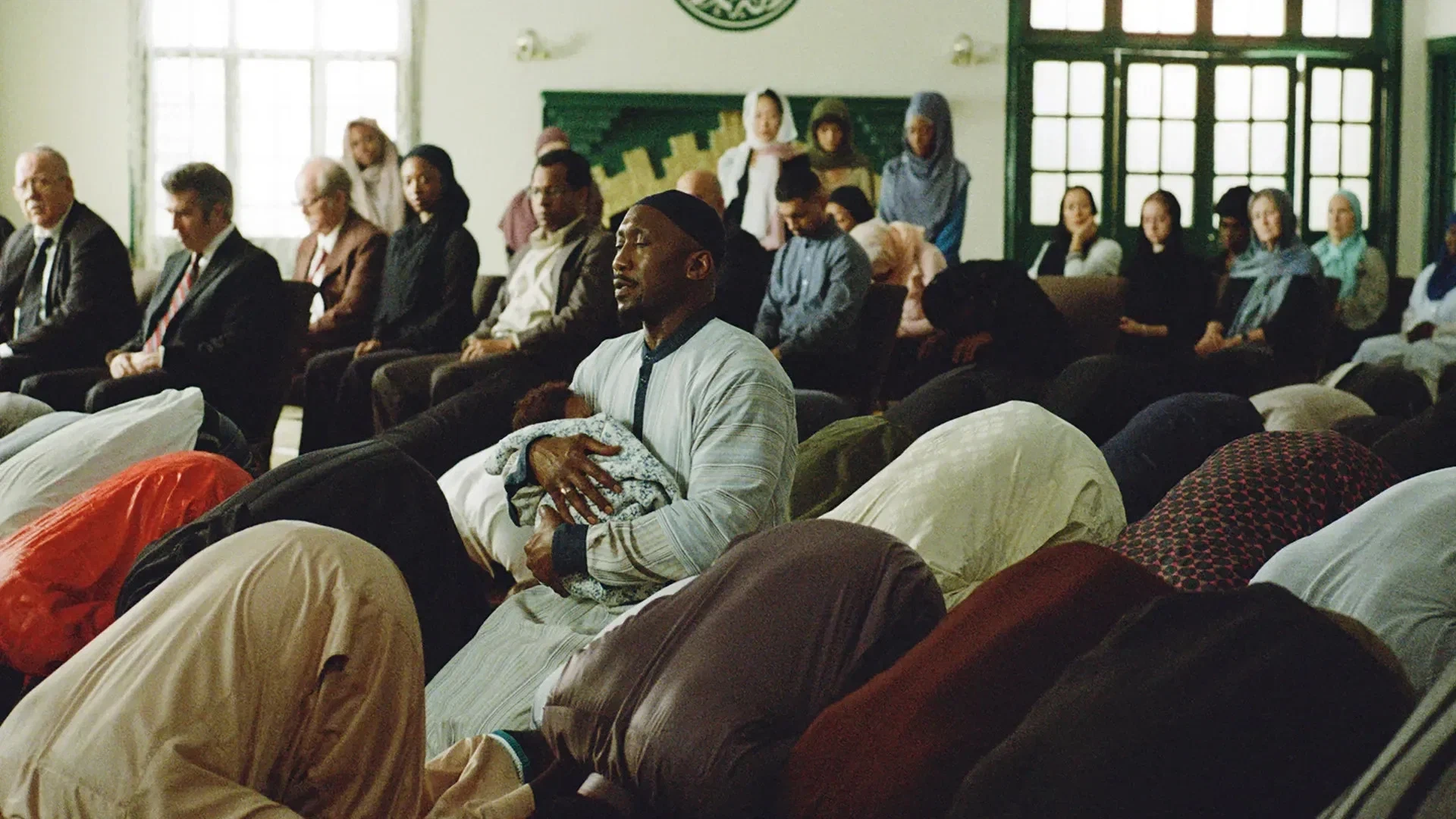
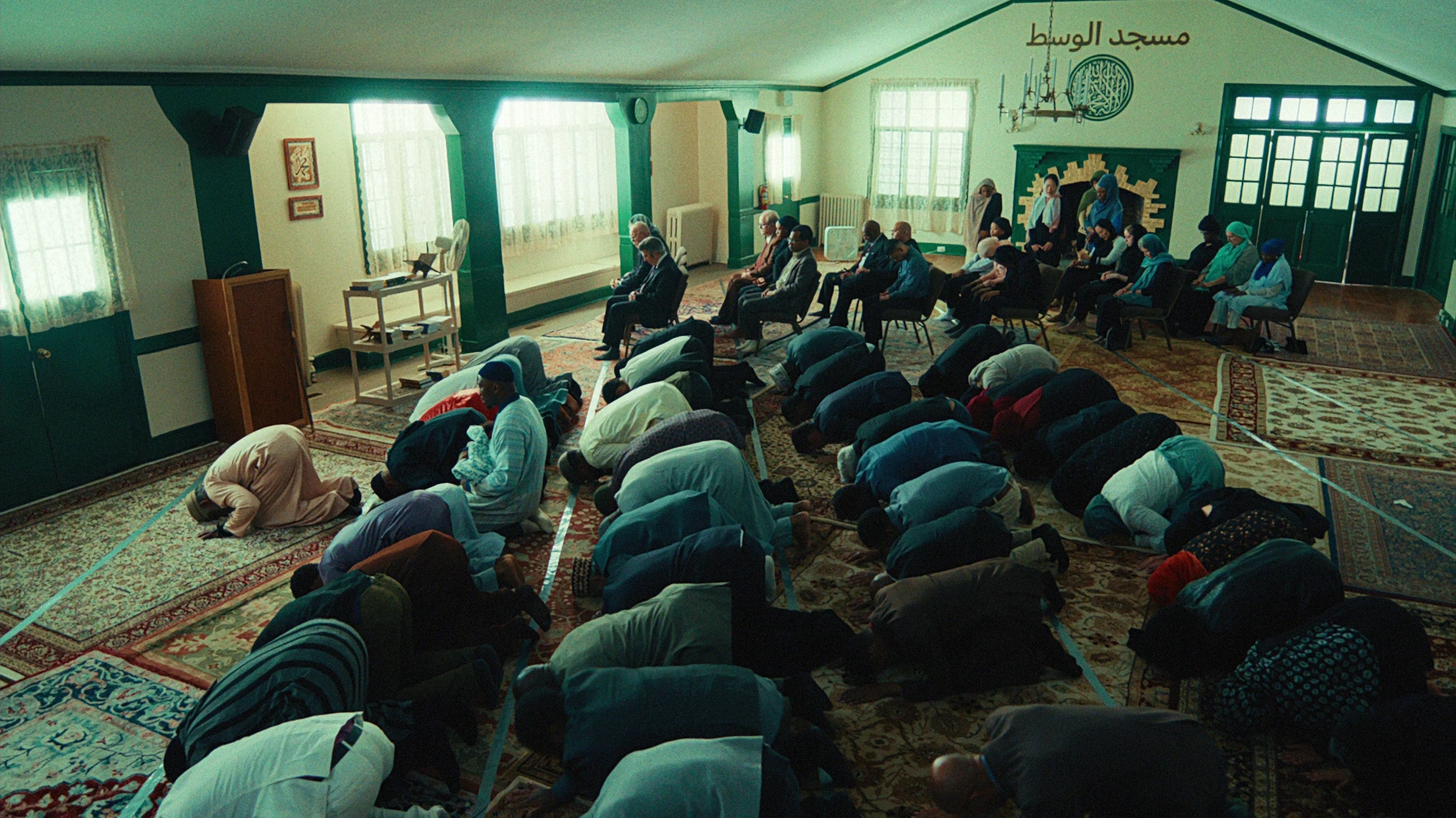
Latif's relationship with his children gains weight through their different personalities. His teenage daughter begins taking on responsibilities beyond her years, watching her father's behavior with an awareness that makes her more than a character waiting to be rescued. Over time, she becomes a mirror revealing what he does not want to admit about himself and the effect of his choices on the family.
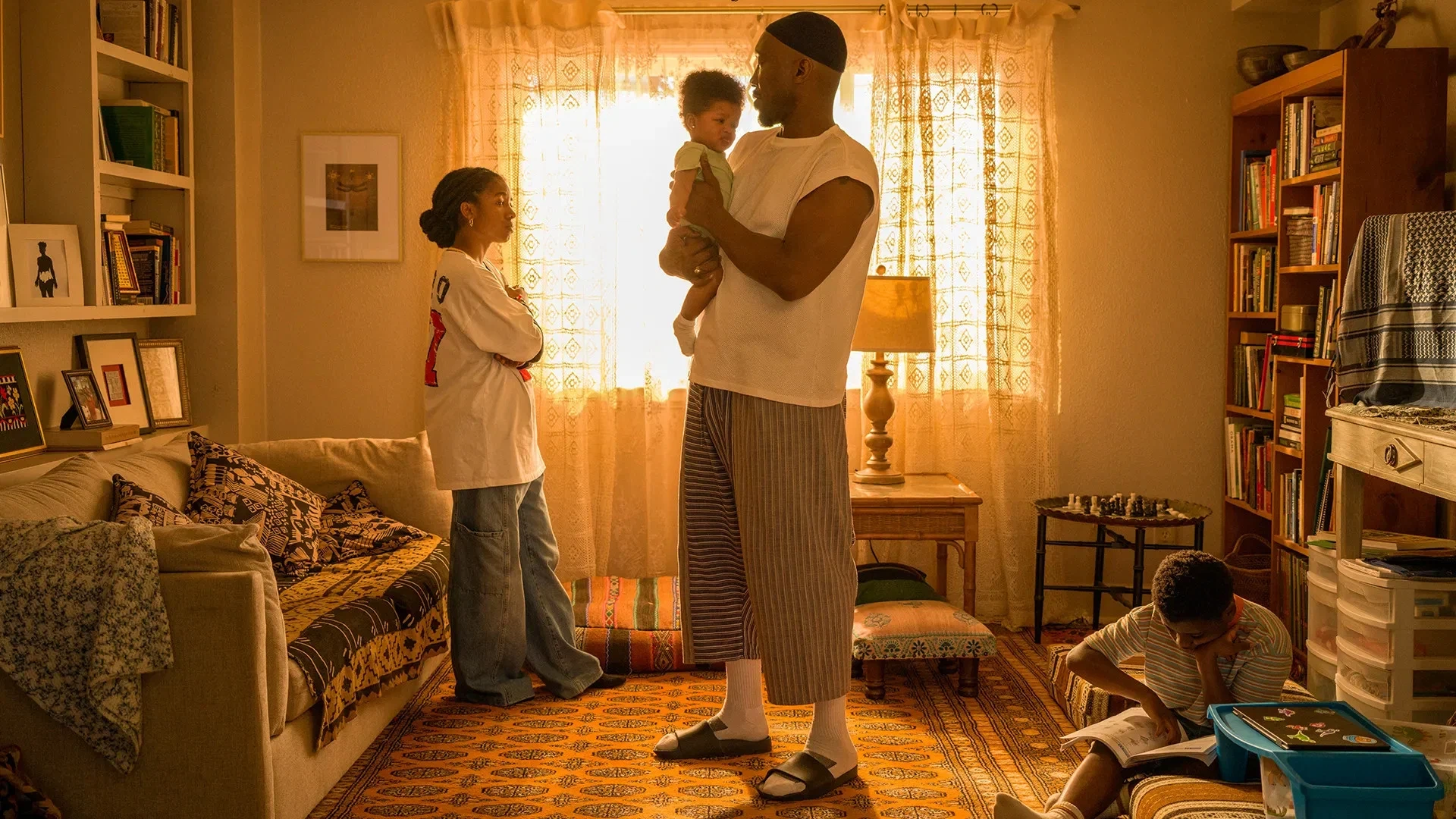
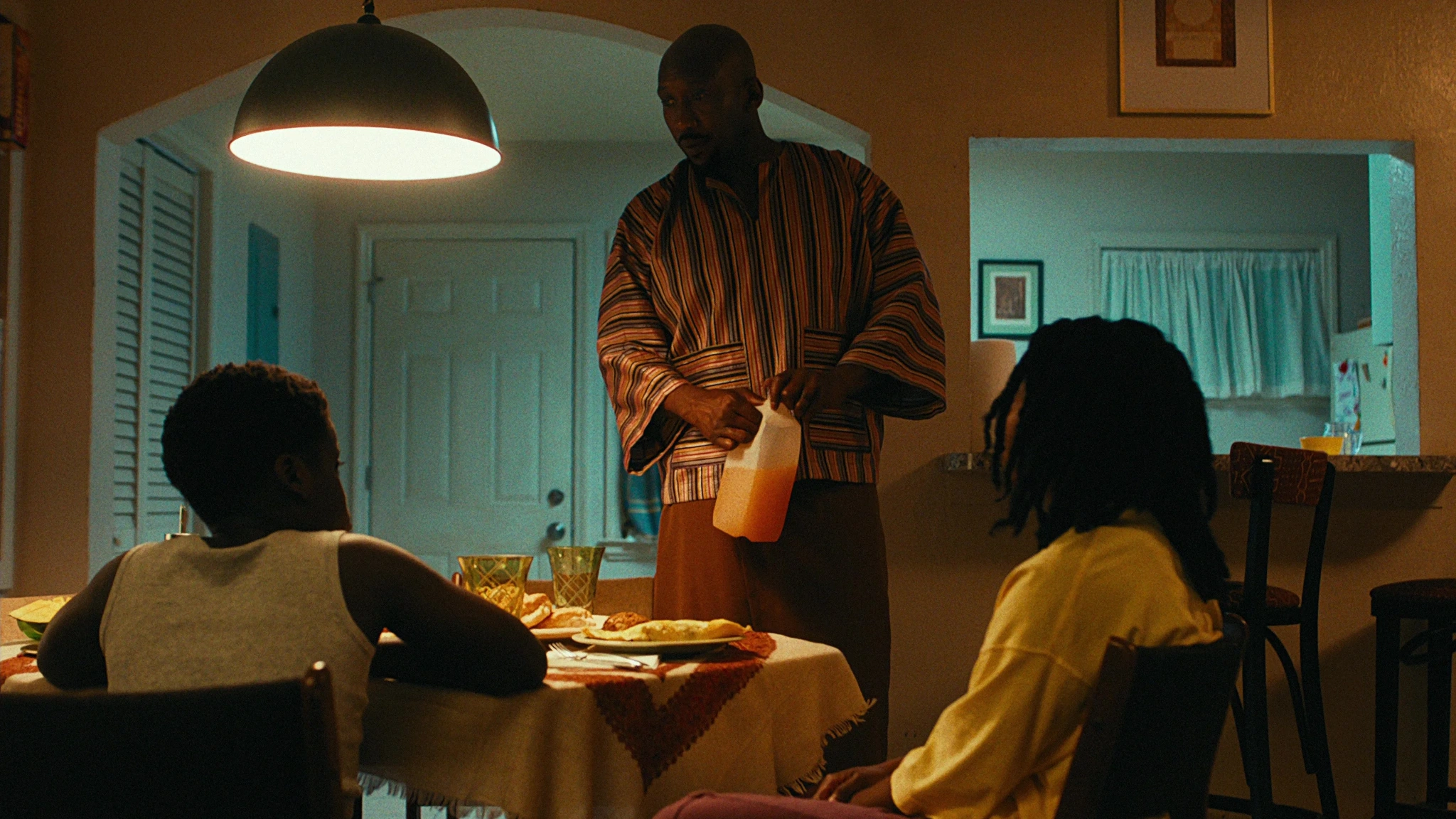
Adia's performance in this role is one of the film's strongest surprises. She does not depend on heightened emotion to establish her presence. Instead, she gives the character sensitivity and emotional intelligence, making the tension with her father understandable even in quiet moments. Her presence matters because the film does not place the father's feelings alone at the center of the experience, but allows real space for what the children are going through too.
The younger son's interest in shooting games and his emerging curiosity about women open another side of his conversations with his father. These details give the relationship between father and son space within the story, alongside Latif's responsibilities toward his teenage daughter and baby girl.
The baby daughter also remains at the center of the story. Her continuing need sets the pace for everyone and makes the search for milk far more than a passing detail.
A violent world and a family to protect
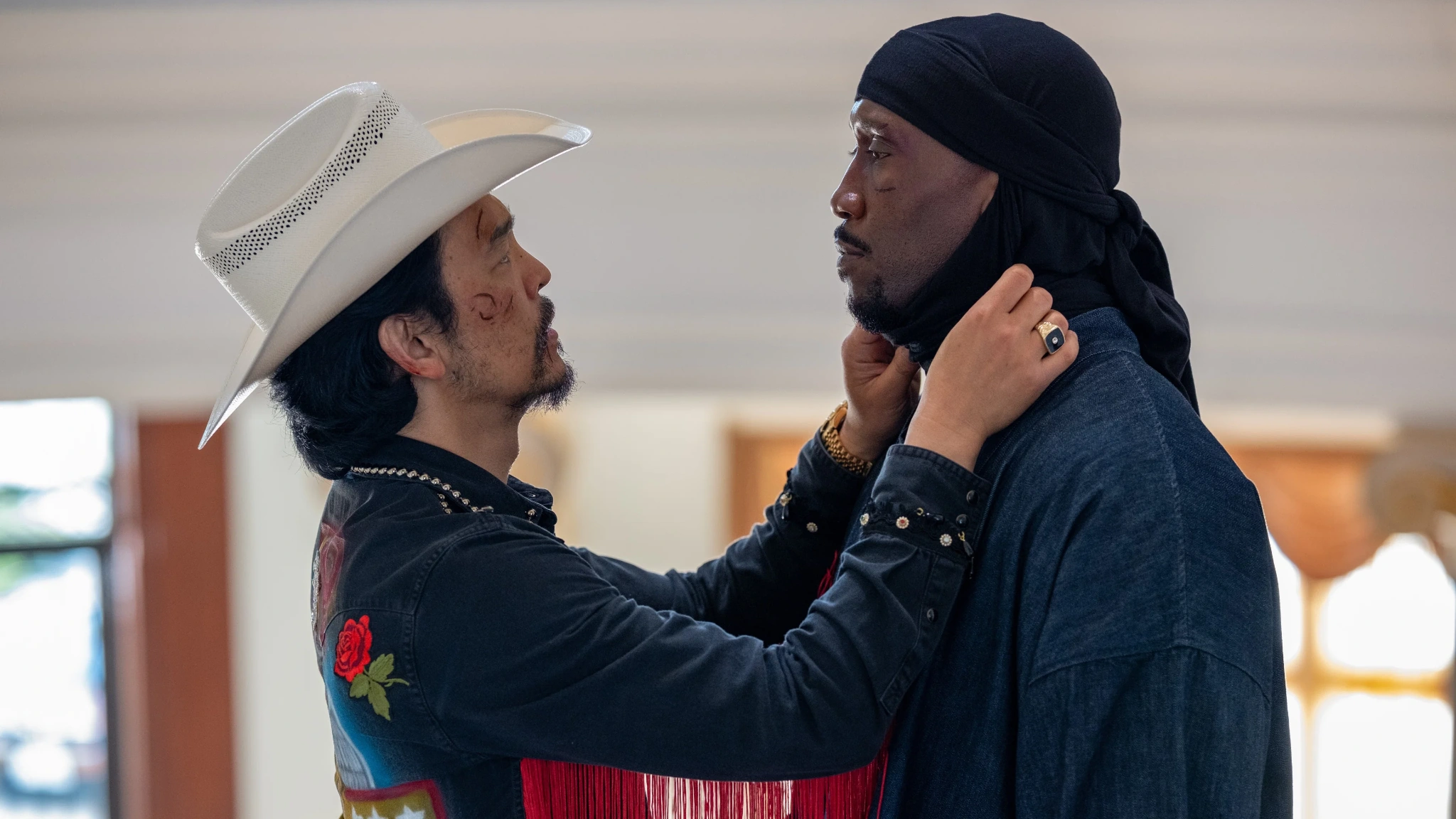
Latif confronts a world unlike his usual assignments when the predicament of the woman who can help his daughter becomes entangled with a conflict involving his former employer and an armed preacher who violently leads his group. John Cho plays this antagonist with an unsettling presence and uncomfortable charisma, offering a character clearly different from his familiar roles.
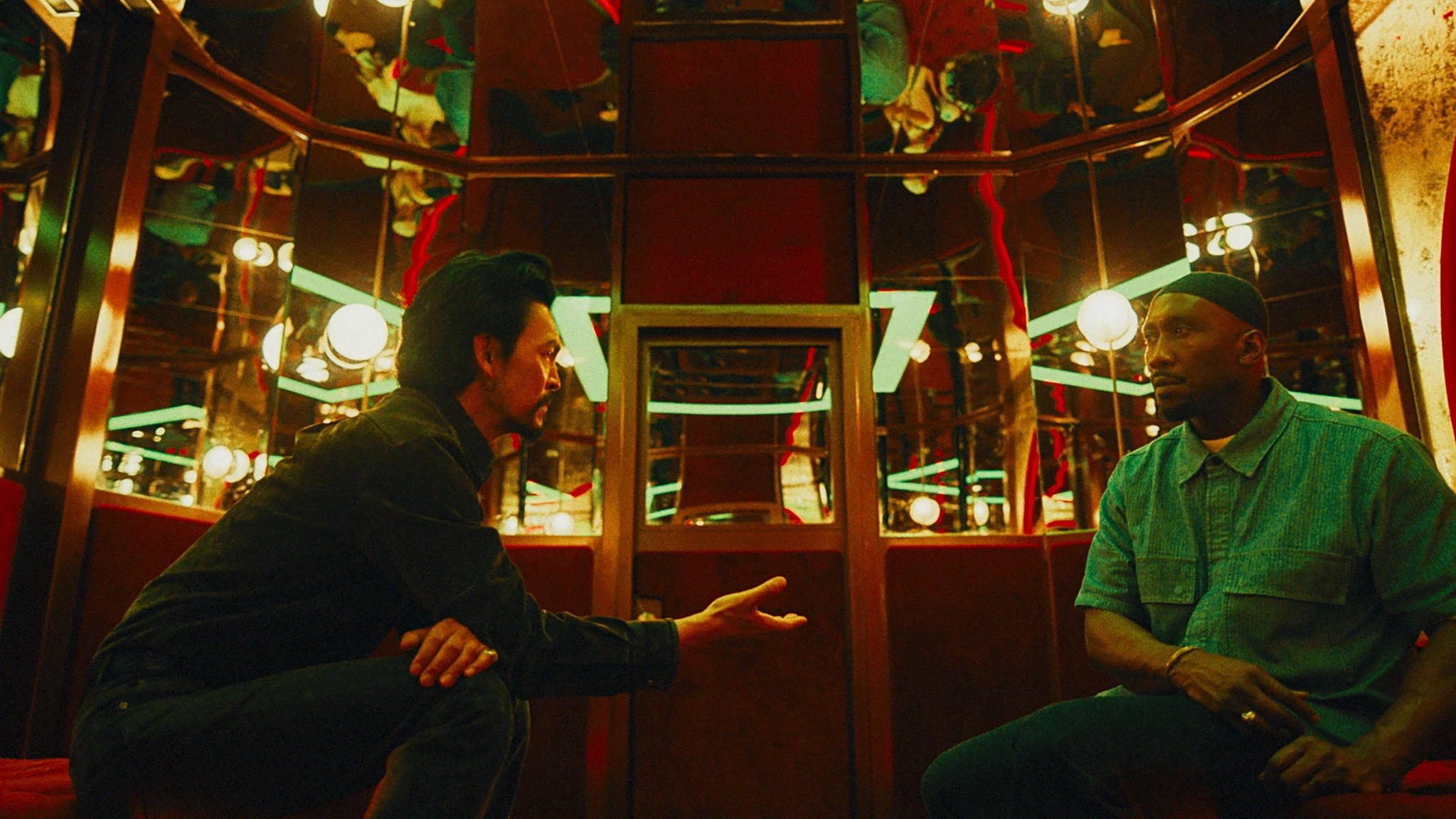
This storyline adds another layer of threat to Latif's journey, but it is not always the film's most compelling element. The characters and groups surrounding the conflict carry numerous details, and the film could have become a conventional pursuit between two sides. Each time, however, it returns to the simpler question: how will this father protect his children when he himself belongs to a world that uses violence to solve its problems?
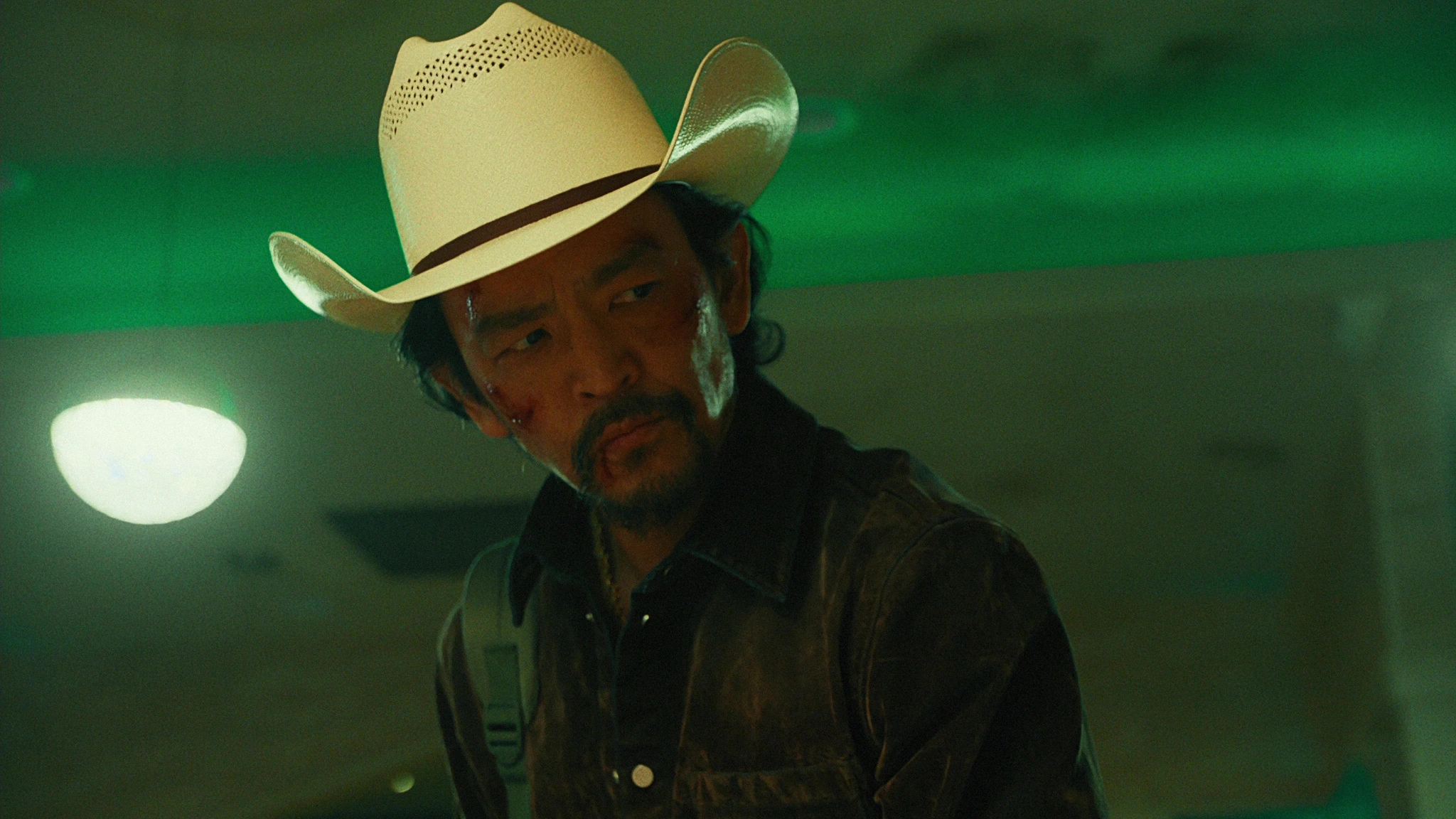
This is where the conflict gains its value. It gives Latif more than an external opponent, forcing him to face the consequences of his familiar way of life. With several parties involved, however, the conflict does not always retain the same focus. Some of its details feel less distinctive than the family story from which the film began.
Performances between confidence and vulnerability
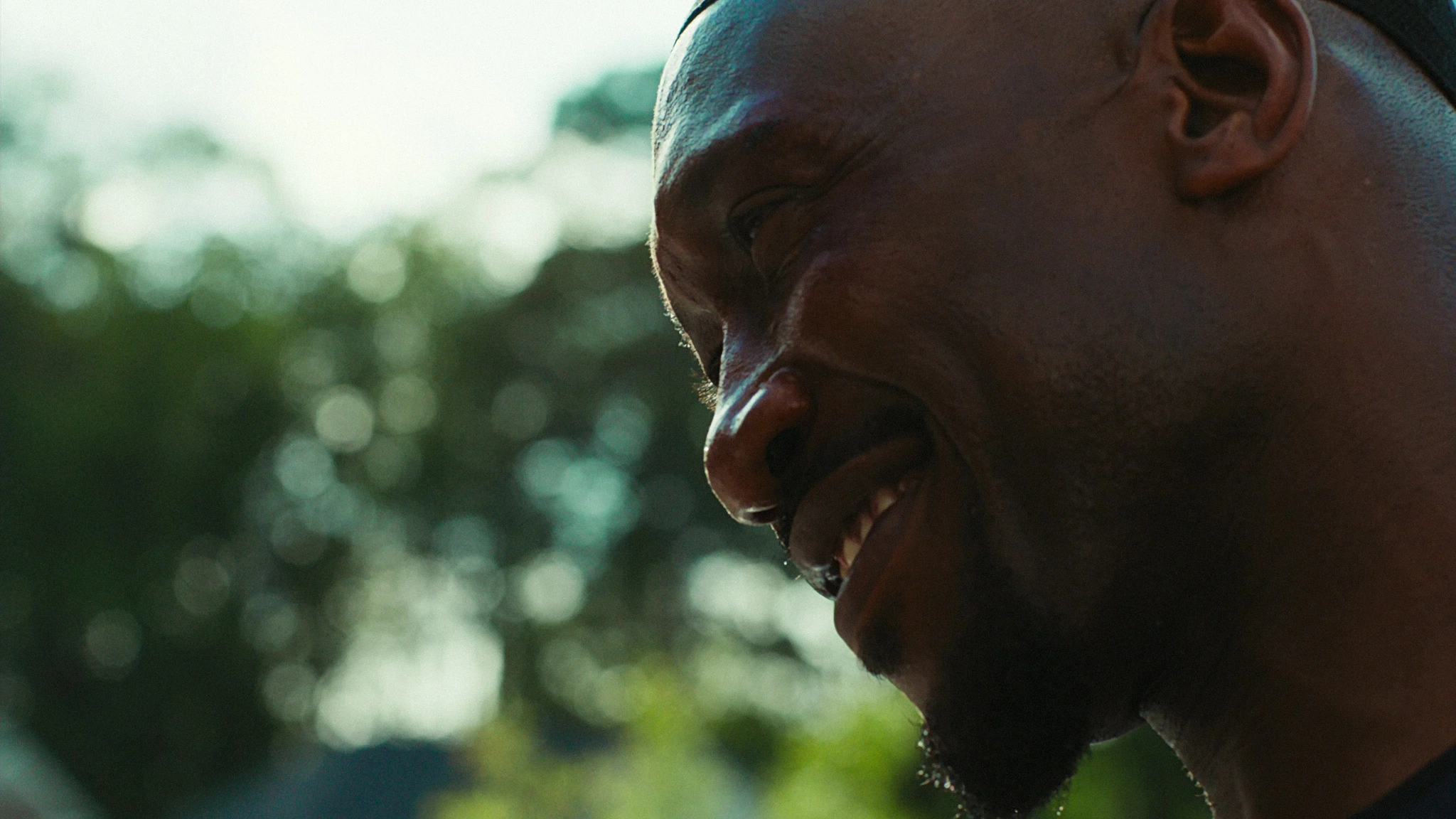
Mahershala Ali delivers a strong performance and may be the most important element holding the film together. He conveys Latif's state through more than dialogue, using his gaze, bodily movement, posture and hesitation before making a decision. Even when he is silent, we feel the character thinking and calculating his next steps, trying to conceal his fear beneath his accustomed calm.
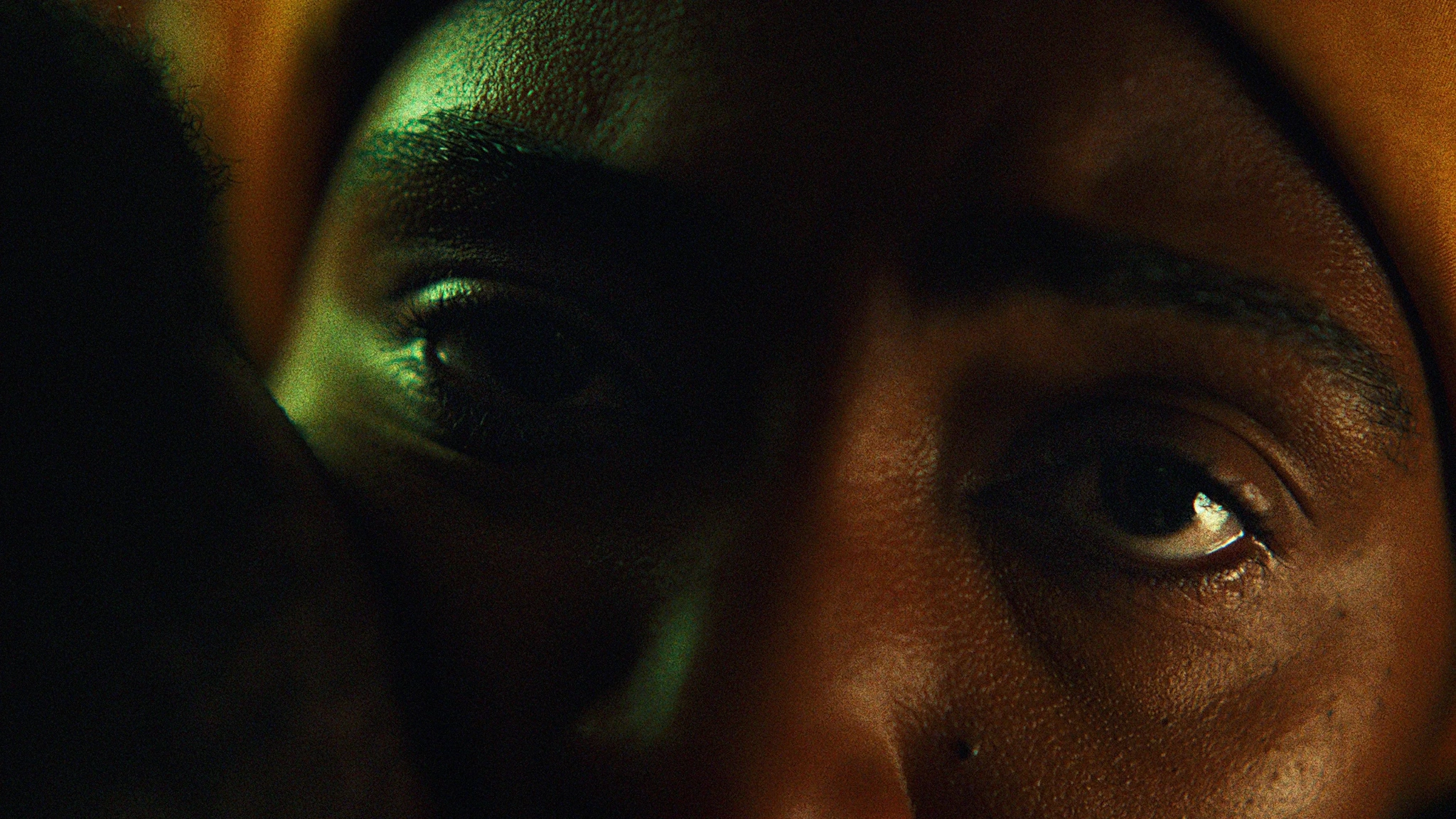
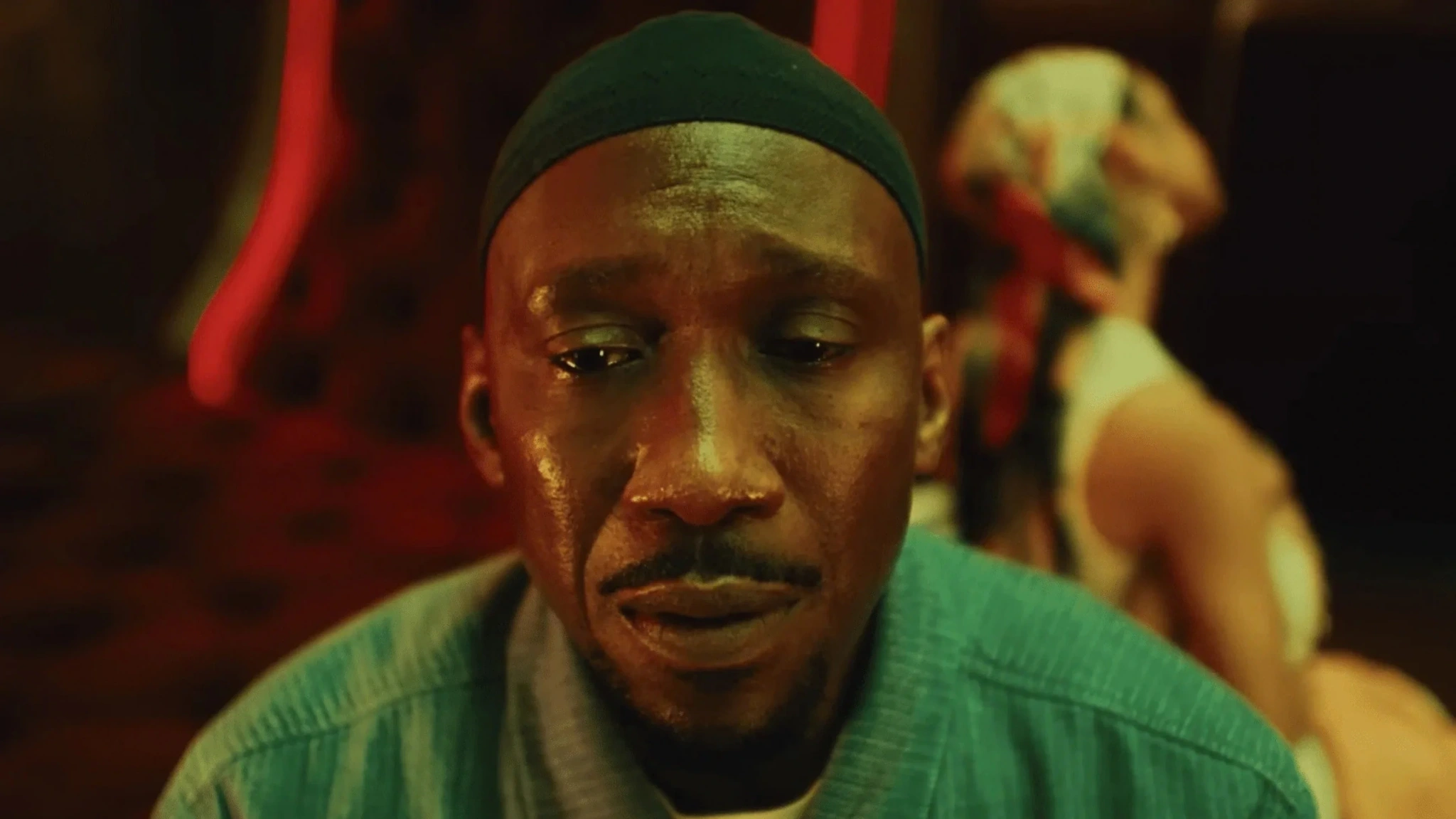
More significantly, Ali convinces us of both sides of the character: the killer moving with confidence and experience, and the father who does not always know what to do. The movement between them feels like an ongoing conflict within the same man rather than a simple change of tone. In the fights, the actor benefits from his physical presence and the choreography, while his scenes with his daughter give the film a more vulnerable and truthful dimension.
John Cho likewise plays against his familiar roles, making the antagonist's presence disturbing without constant shouting. Adia deserves particular recognition among the film's strengths. She does more than hold her own opposite Ali, giving the relationship between father and daughter a clear emotional balance. Jahleel Kamara completes the family portrait as the son, within the relationship the film builds between the father and his children.
An ending that tries to move beyond fighting
In its final stages, the film chooses not to end with a conventional fight or a final display of Latif's abilities. This decision fits its interest in moving beyond the image of the fighting hero and gives the ending clear emotional weight. It may divide audiences, however. Some will see a bold step that rejects the easy solution, while others may feel that the conflict has not received the closure they expected.
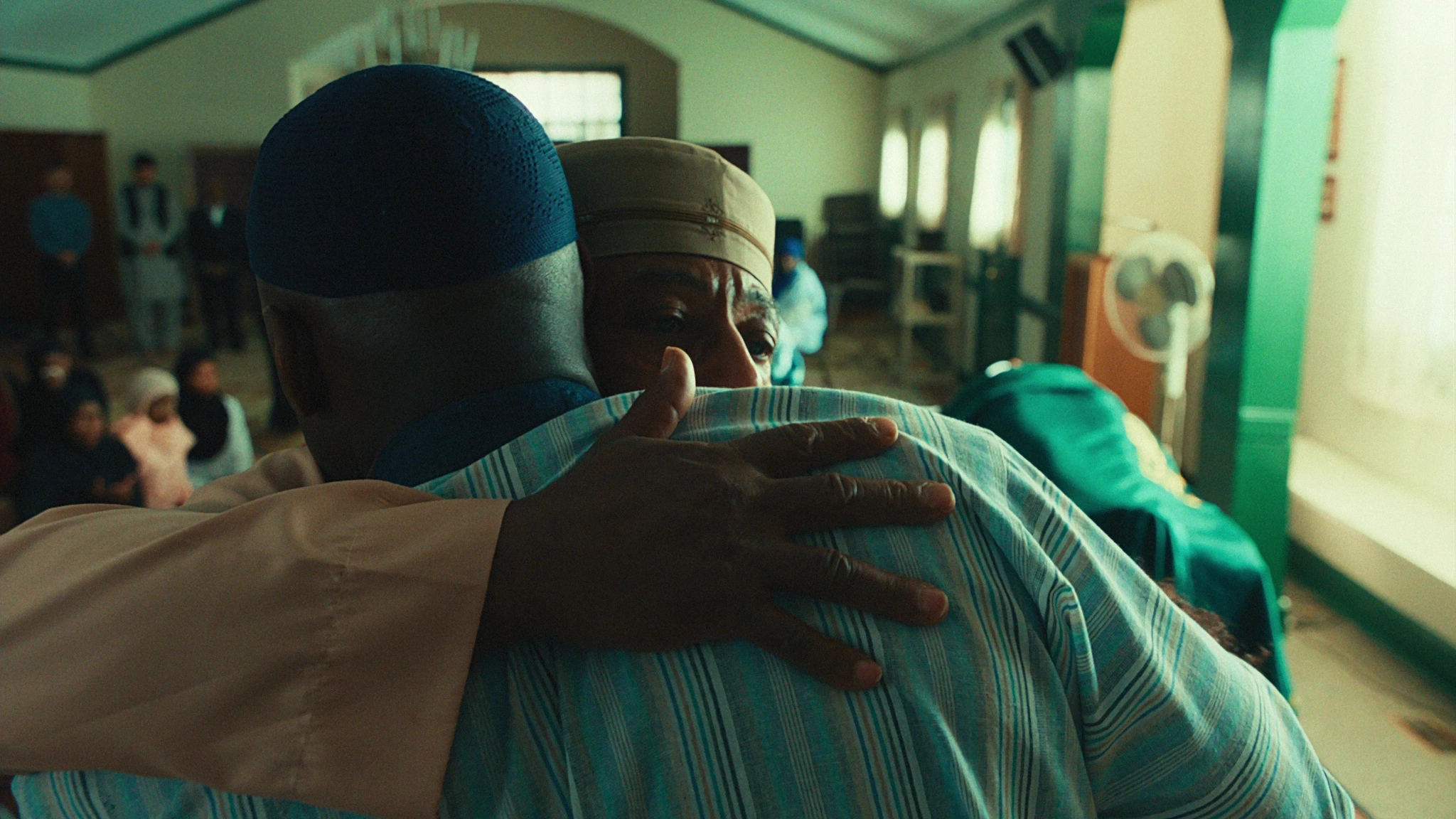
For me, the ending's strength comes from its connection to what the film has built around family and paternal responsibility, rather than the scale of its violence. Even so, some aspects may seem less convincing in terms of the events' logic, and the idea the film reaches in its conclusion feels slightly simpler than the complexity accumulated beforehand.
I therefore have reservations about the ending, even though it leaves a clear emotional impression. At the same time, it confirms that the film wants its final word to belong to the relationship driving the story from the beginning, rather than to a fight scene.
Direction, cinematography, editing and music
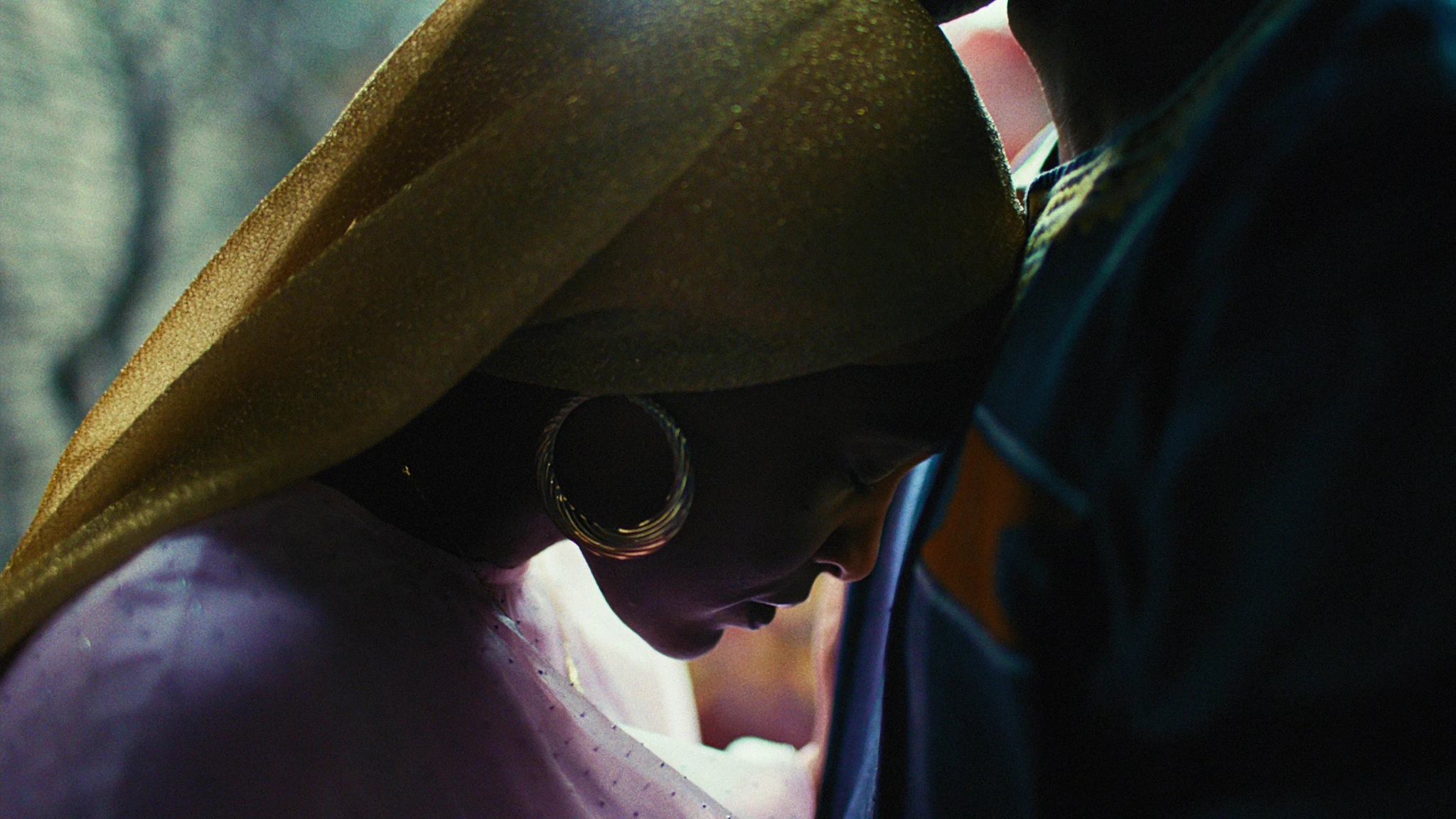
Visually, Bassam Tariq gives the film a constant sense of movement and urgency. Katelin Arizmendi's cinematography gives the scenes a rough, charged texture, while Cam McLauchlin's editing maintains fluid transitions that connect events without sacrificing clarity.
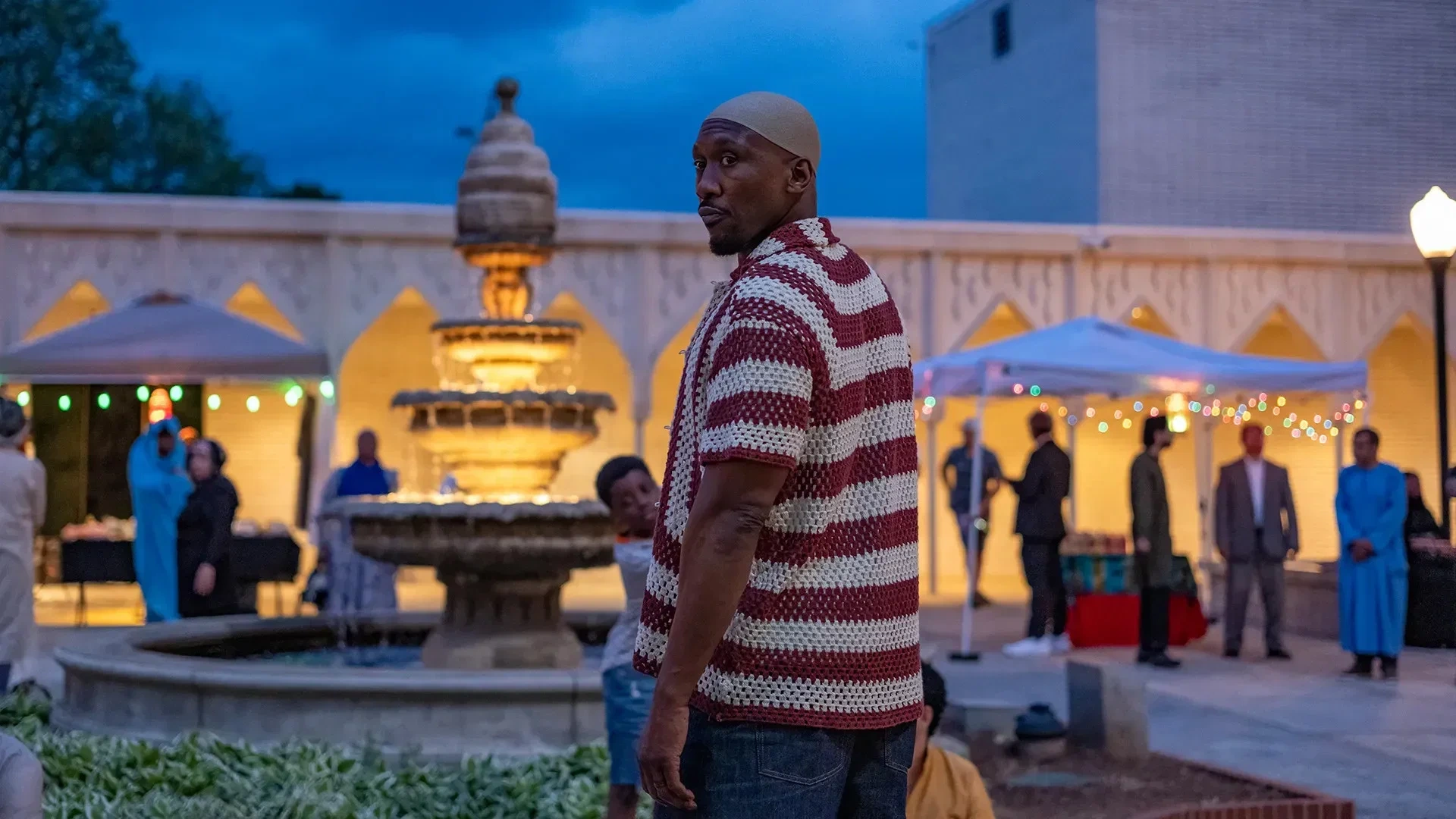
The camera does not treat Latif as a static character waiting for events to reach him. It follows him as he moves between responsibilities and problems, fitting a man who has no real opportunity to stop.
Son Lux's music adds another layer to the experience, combining culturally inflected rhythms with enigmatic electronic sounds. It does more than accompany the violence, helping create a sustained tension that remains present even when no direct confrontation occurs.
Action and the limits of expectation
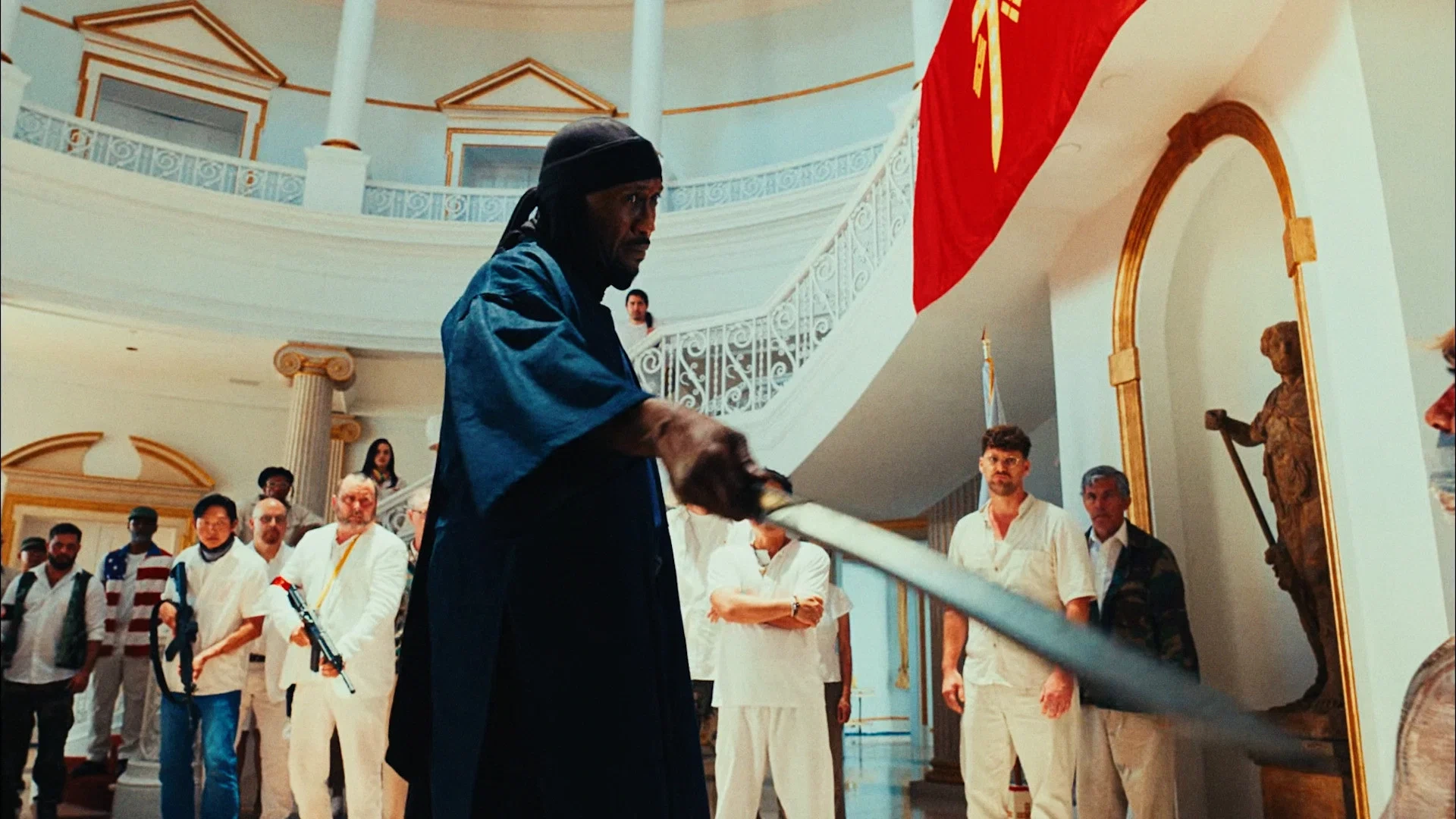
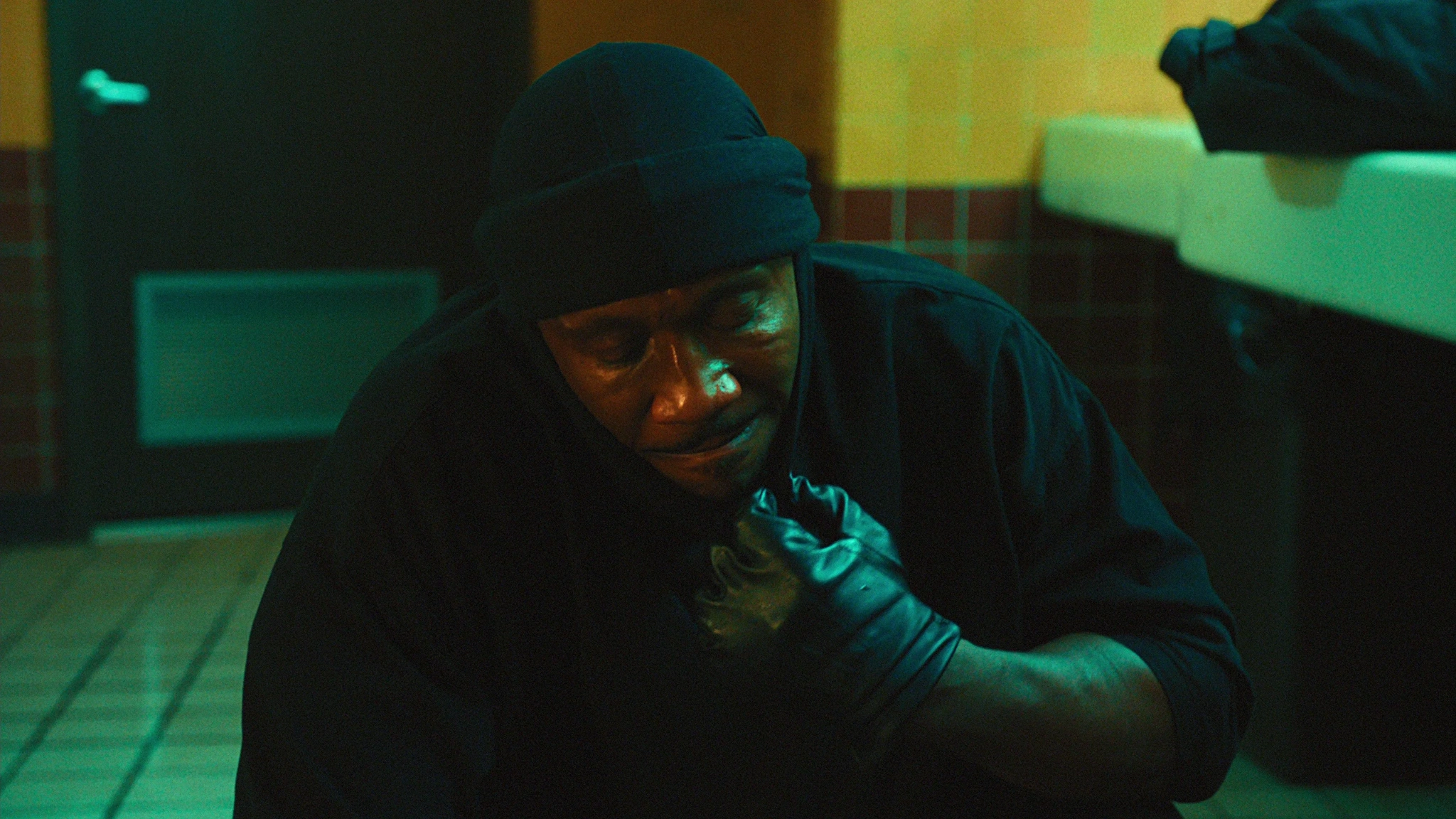
The action scenes are well choreographed and clear, and the opening bathroom clash provides a strong example of what the film can do when it chooses to focus on movement.

One point may disappoint some viewers, however: the confrontations are limited in number and relatively brief. The action does not have the continuous presence that the promotional campaign or the idea of a sword wielding contract killer might suggest. The film is consequently a family drama using violence at carefully chosen moments rather than an uninterrupted showcase of fighting.
The quality of these moments does not change their scarcity, and their scarcity does not make their execution weak. This distinction matters when judging the experience. The issue is not how the fighting is shot or choreographed, but how much space it receives compared with the expectations of someone arriving for a traditional action film.
Final verdict
Final thoughts
A film that knows it has an action hero capable of carrying its fight scenes, yet chooses not to make fighting its only purpose. Its real strength lies in turning a simple domestic need into a difficult test for a father trying to protect his children, in Mahershala Ali and Adia's performances, and in the way imagery and music move with the character's state. The limited action and some unevenness in the conflict and conclusion prevent the film from fully realizing its premise's promise. I therefore consider it a successful and distinctive experience, though it may not suit viewers expecting a samurai film packed with confrontations. This is a family story that sometimes takes the shape of an action film, finding its finest moments when it places its hero before a responsibility he cannot resolve with his sword.
Your turn
Your turn: was an ending focused on the human side rather than a fight the right decision for this story, or did the film need a more decisive conclusion?
AUDIENCE VOTE
Do you agree with the MB rating?
Choose once from this browser. You can change your answer at any time.