The review
A more focused opening that knows where it is going
The episode's clearest decision is to rearrange its priorities. It trims some of the side events that occupied the original version's opening, placing Goku's preparations for training and Beerus's journey at the center.
We notice the effect in the clarity of its direction. On one side is a warrior constantly looking for a chance to grow stronger; on the other, an immense power begins moving in search of an opponent worthy of its attention. The episode builds anticipation for their meeting and connects most of what it shows to that expectation.
This gives the opening a good sense of coherence, especially for anyone entering the story for the first time. Viewers do not need to follow numerous threads before understanding the conflict being prepared, and Beerus gets the space he needs early on to leave a clear impression.
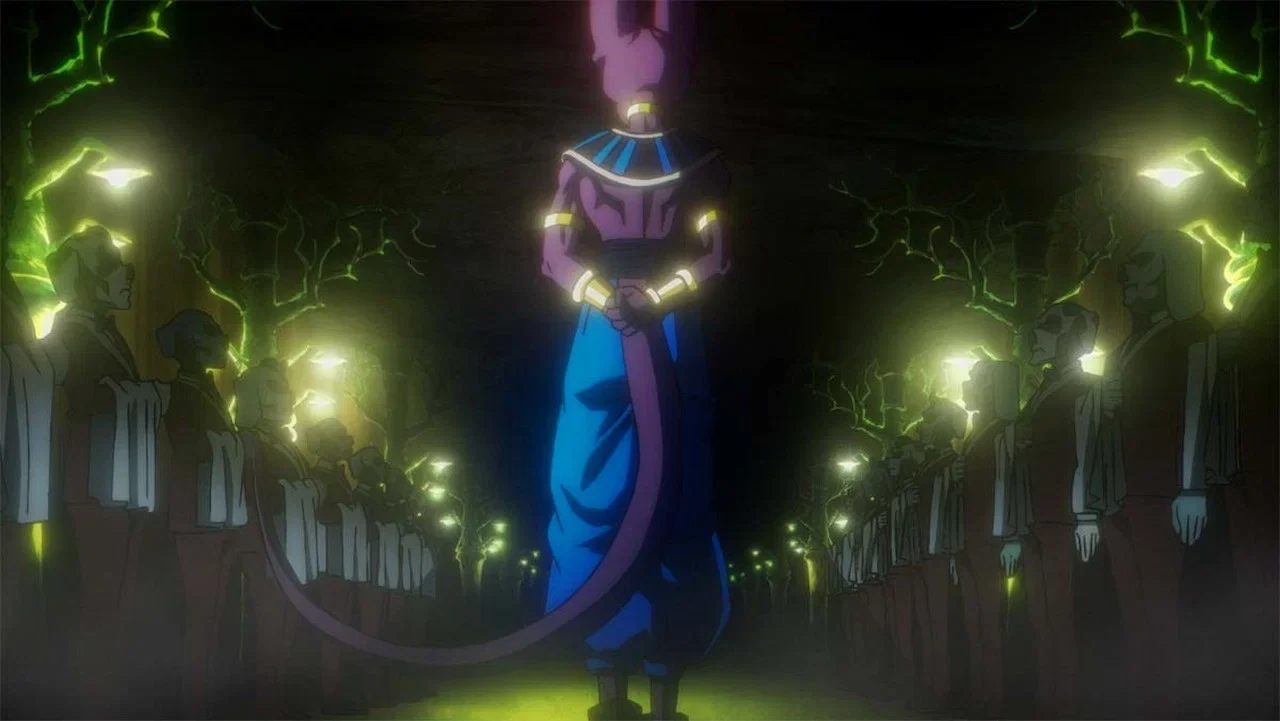
The parallel between life on Earth and his journey across planets expands the scale of the threat. Goku is occupied with training and his family's needs, while far away a figure is moving who can end all life on a planet over something seemingly trivial.
For us, this compression succeeds in creating an opening episode with a specific purpose. Yet the quality of the pacing also depends on the value of what is removed: details that briefly delay the conflict may be what make us care about those involved. It is necessary to distinguish between a dispensable side event and a moment that reveals an important change in a character.
Beerus turns changes of mood into a source of danger
Beerus's introduction succeeds through the relationship between his enormous power and the small reasons that prompt him to use it.
When he responds to an unsatisfactory meal by destroying half a planet, we quickly understand that other lives do not carry the same weight in his calculations. The distance between his disappointment and the punishment he imposes is vast, giving the scene its cruelty even as the situation retains a satirical quality.
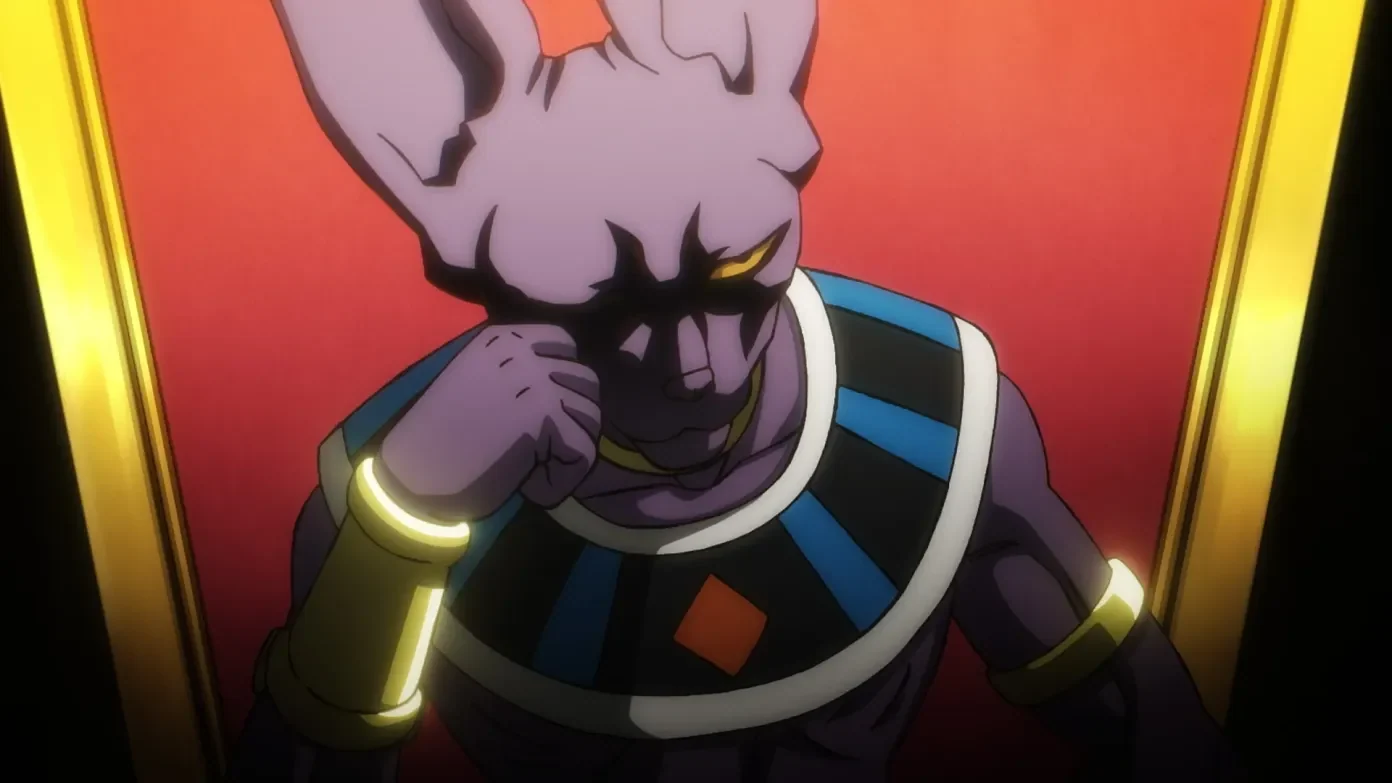
We find that this contradiction makes his presence effective. His preoccupation with food can seem amusing, then the meaning of the scene changes when the result appears. Enjoyment and anxiety coexist because a mood that seems entertaining can produce a catastrophe.
His encounter with a warrior capable of transforming also serves a clear purpose. The other fighter displays his strength, while Beerus settles the clash with ease. The episode uses that difference to establish the scale of the obstacle ahead of Goku without a lengthy speech listing his opponent's abilities.
Whis also contributes to this presence. His calmness during the journey and the way he handles Beerus's wishes make what we see seem an ordinary part of their lives. This familiarity makes the relationship stranger and creates interest in someone who accompanies such a source of danger so casually.
Our reservation is that repeated displays of destructive power will need development later. The first episode successfully establishes his intimidating stature, but sustaining that effect will require situations that reveal more sides of Beerus and give his strength dramatic consequences beyond confirming his superiority.
Goku keeps his lightness, while everyday life gives him context
On Earth, the episode reintroduces Goku through the familiar conflict between his desire to train and his family responsibilities.
These situations preserve an important part of the character's spirit. Goku can deal with extraordinary dangers, but he needs to solve the problem of income to get the time he wants for training. The comedy comes from how seriously he takes that desire and how simply he views the obstacles to it.
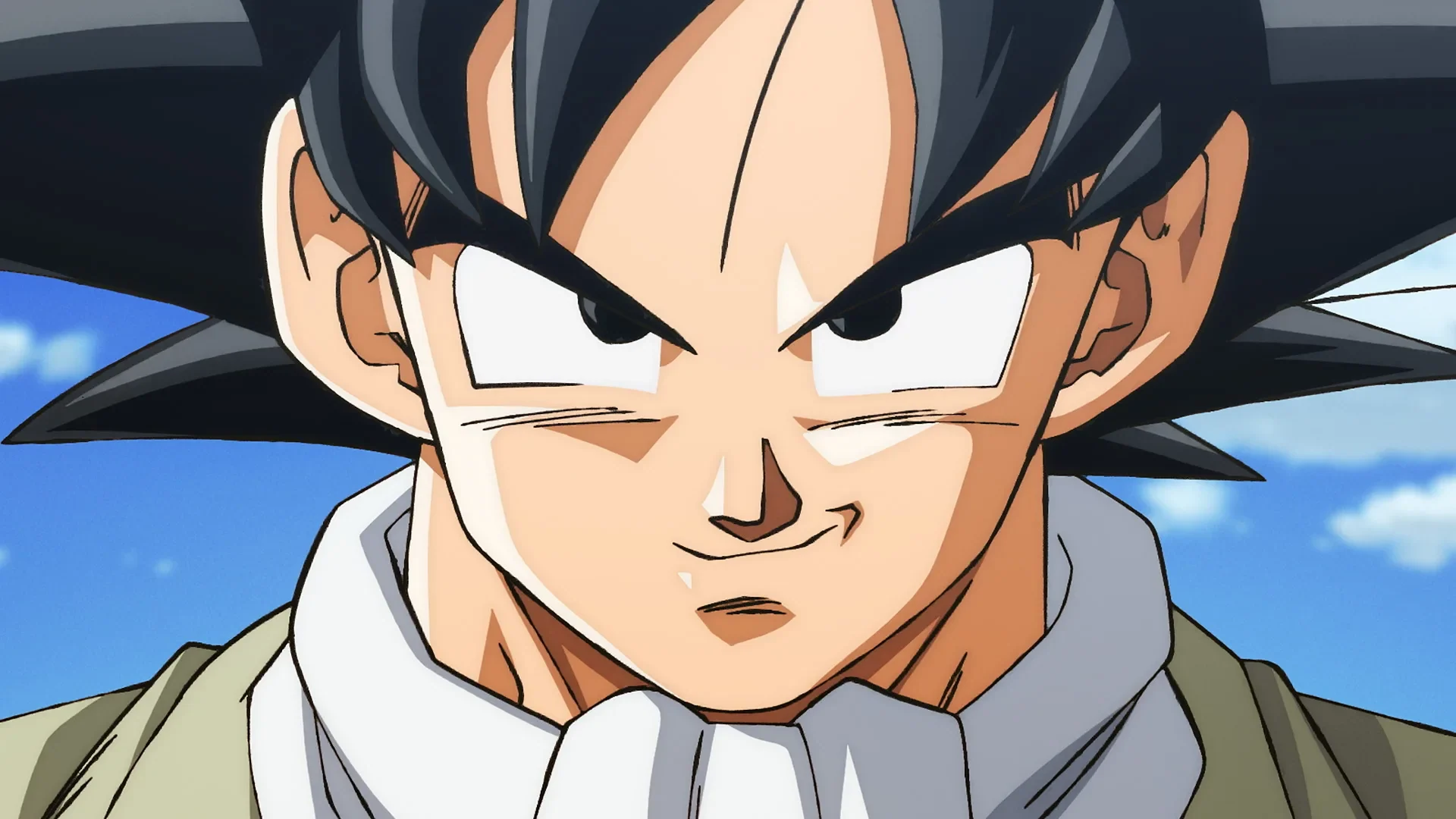
Goten adds an affectionate relationship between father and son. Rescuing him from the tractor accident gives us a moment in which Goku appears as a father who impresses his child. Goten's subsequent contribution to solving the money problem then gives the son a role in the situation.
Mr. Satan's visit also does more than move Goku to the next stage of events. Offering the money acknowledges who truly deserves the credit and allows a warmer side to emerge behind his exaggerated public image.
We do not need to know the exact amount to understand the scene's importance. What matters is that the characters' relationships and the results of earlier adventures enter their present lives, helping the story move through forces already within its world.
For us, these moments show that quiet and comedy can serve the pacing when they have a purpose. They clarify Goku's desire, his relationship with his family and the way he gets to train. Through them, the episode retains some familiarity even as it clearly rushes toward the coming conflict.
Removing Vegeta's trip cuts an aspect worth keeping
The editing decision we have the strongest reservation about is removing Vegeta's trip with Bulma and Trunks.
It is understandable why it was dropped from a structure eager to reach Beerus quickly. It does not directly advance the anticipated meeting, and removing it frees up space. Its value, however, lies in Vegeta's development and what participating in his family's life means after the journey he has taken.
Seeing him in a family situation gives us a chance to observe that change outside battle. His relationship with his wife and son adds something training alone cannot show, revealing how belonging to this life has become part of his identity.
That is why we feel treating all everyday scenes as a single category weakens the editing process. Searching for a gift, or a situation whose details can be removed without a clear impact, is different from space that helps reveal a major character's transformation.
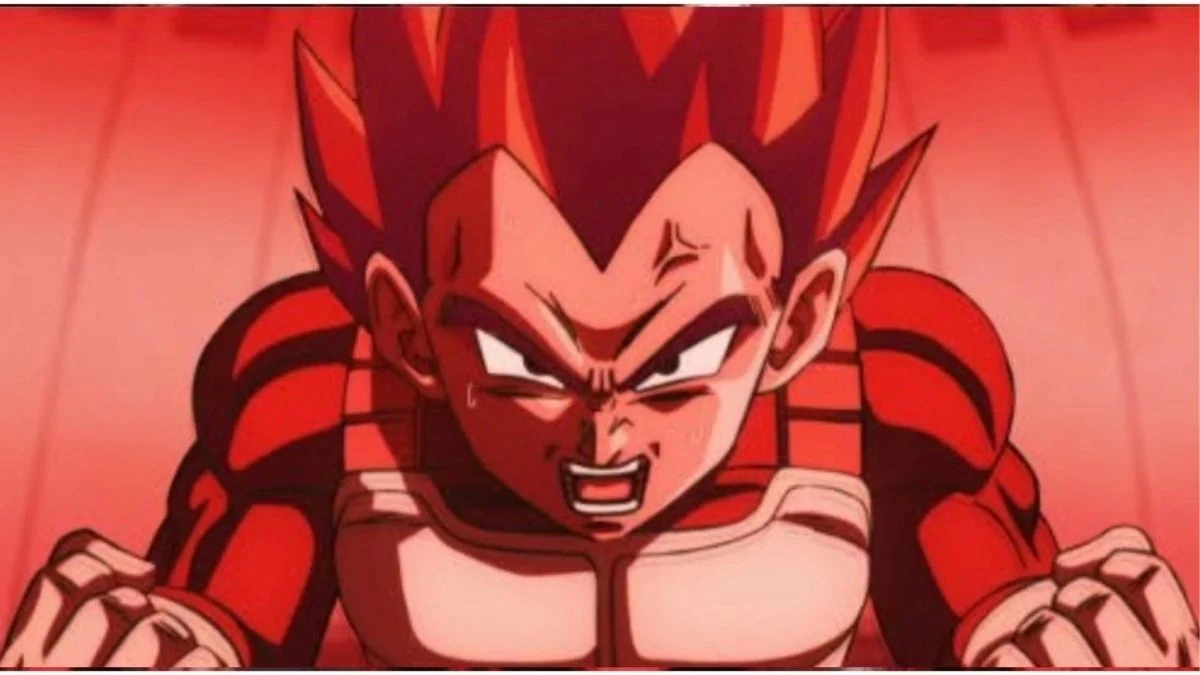
The episode keeps Goku within his family context while reducing Vegeta's space in that area. The return consequently reestablishes his interest in strength and gives us less time with the relationships that added other dimensions to him.
This is not enough to judge how later episodes will handle the character, but it remains a loss within this particular opening. A shorter version of the trip could have preserved its dramatic purpose while fitting the new pace.
The present choice makes the episode faster but reduces some of the warmth and variety the characters bring to the world.
The visuals clearly improve, while movement remains uneven
Visually, the episode gives the characters a more consistent appearance than the original version's opening. This improvement helps us engage with events because our attention stays on the character and what they do, instead of being distracted by variations in their drawing between shots.
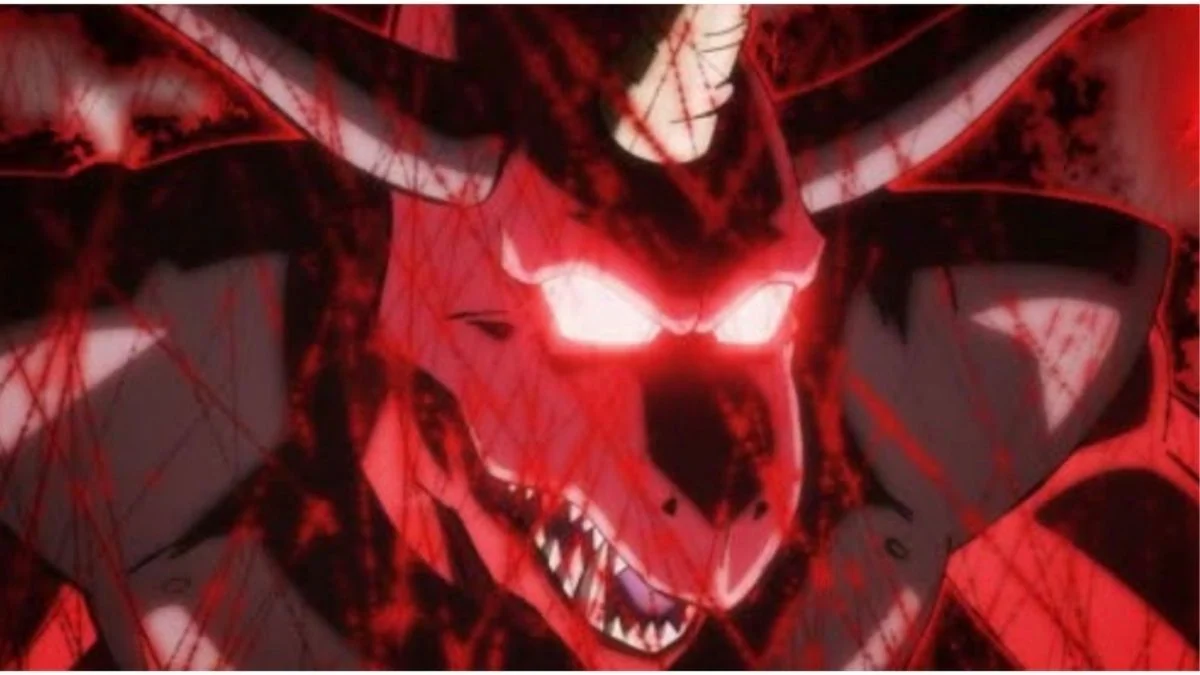
A clear example is the revised presentation of Beerus's encounter with the transforming warrior. The more detailed red aura, together with changes to some of the angles showing the confrontation, gives the opponent's display of strength greater visual presence. When he is then defeated easily, the gap between the two becomes more effective.
Adding Goku's mental training against Frieza, Cell and Majin Buu also creates an opportunity for early action and lets us see what occupies him while his mind wanders from work. The figures he faces in his imagination connect to his combat experiences, making the training a window into his constant desire to surpass what he has achieved.
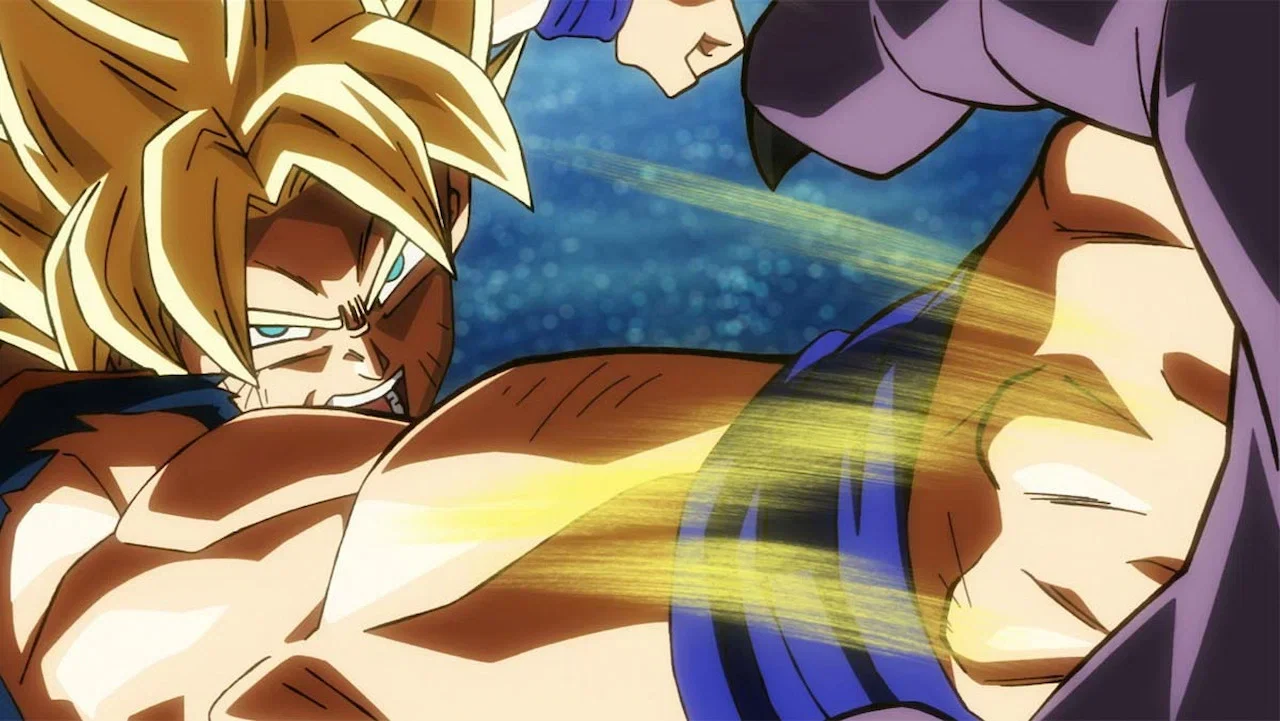
The scene also reveals the limits of the improvements. Clear drawing and powerful auras alone do not guarantee fluid combat. Some movement still lacks the flexibility and connection that give blows a continuous sense of speed and weight, and the treatment does not always reach the vitality we saw in Dragon Ball DAIMA.
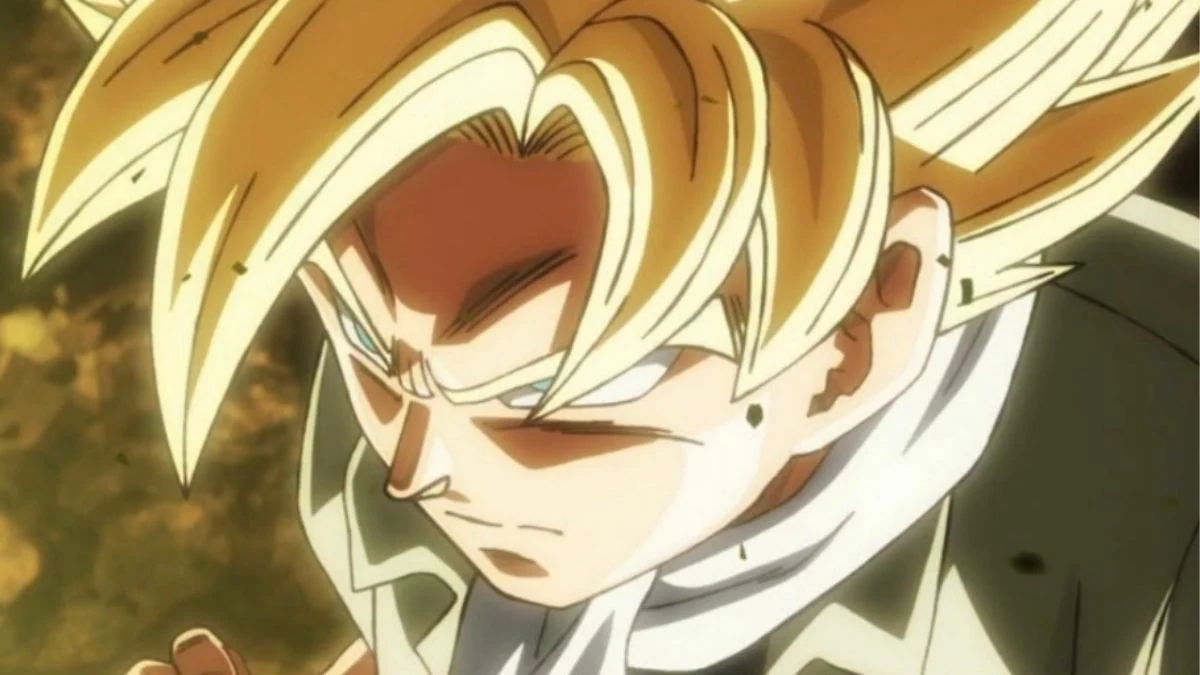
We therefore see a real improvement while keeping its scale in perspective. The episode looks better, but there is still room to develop the design and execution of combat, particularly when the main confrontations begin.
The music also supports Beerus's presence and gives his appearances greater scale. It reinforces the sense of an expanding conflict while leaving room for his lightness and changing moods. We can recognize its success without treating it as a substitute for animation that we expect to keep up with the escalation.
Anticipation for the next meeting and the limits of retelling
The episode finishes its introduction after making clear what Beerus is seeking and placing Goku's desire to train alongside a threat that has yet to enter his life. This is enough to build worthwhile anticipation for the meeting ahead.
For a new viewer, there is a clear dramatic question: how will Goku deal with a power that seems far beyond the confrontations he has known? The episode gives them a reason to continue through the difference it establishes between the hero's world and Beerus's presence.
Returning viewers know the story's general direction, so their interest depends more on how it is presented again. The added mental training, improvements to certain confrontations and adjusted pacing give them reasons to return, but do not yet radically change the nature of the experience.
The faces in the opening sequence broaden the sense of what lies ahead and stir the audience's excitement for areas beyond the current conflict. Even so, we prefer to judge what the episode achieves within its own events: a character appearing in the opening does not, by itself, reveal how well their role will be handled.
The opening succeeds in introducing this version's priorities while leaving the greater test to the confrontation itself. If the execution of combat develops and the episodes preserve enough space for the characters, this introduction could establish a stronger experience. The present episode offers encouraging improvement, along with clear reservations worth following.
Final verdict
Final verdict
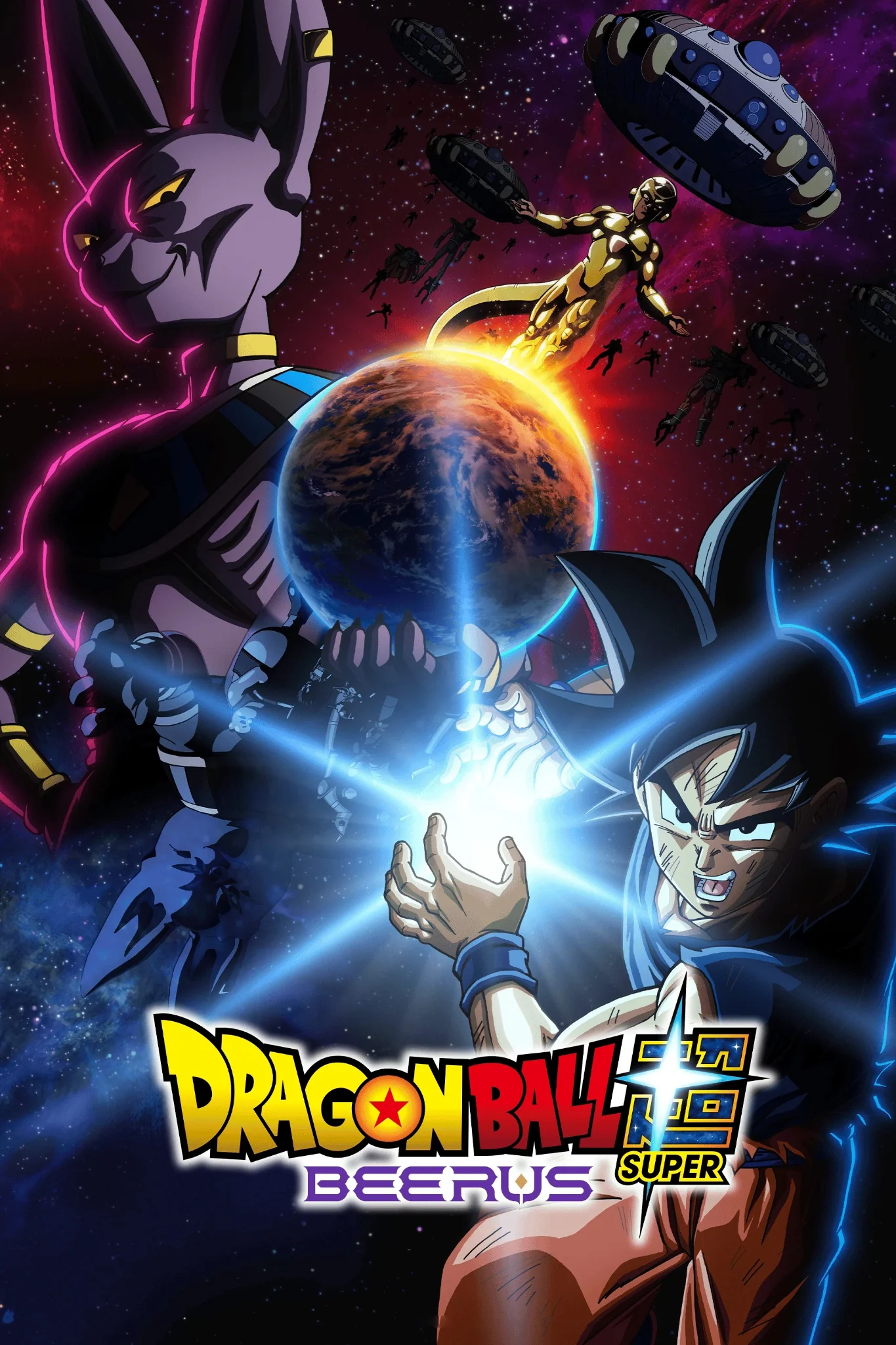
In the end, the first episode of Dragon Ball Super: Beerus offers a more focused opening, more consistent visuals and an effective presence for Beerus and Whis. Goku, Goten and Mr. Satan's situations retain a good measure of comedy and familiarity, while the mental training scenes add a tangible reason to care about this new presentation. On the other hand, the animation remains uneven and the compression costs the opening some of its human richness, particularly through the removal of Vegeta's family trip. The additions also remain limited for viewers expecting a substantially different treatment of the story they know. This is a good opening that renews interest and suits anyone wanting to revisit these events at a faster pace. It still needs to prove that the improvements will reach both the construction of confrontations and the preservation of character depth.
Your turn
In your view, was a faster opening worth removing Vegeta's trip with his family, or are these moments an essential part of his development that should have been preserved?
AUDIENCE VOTE
Do you agree with the MB rating?
Choose once from this browser. You can change your answer at any time.