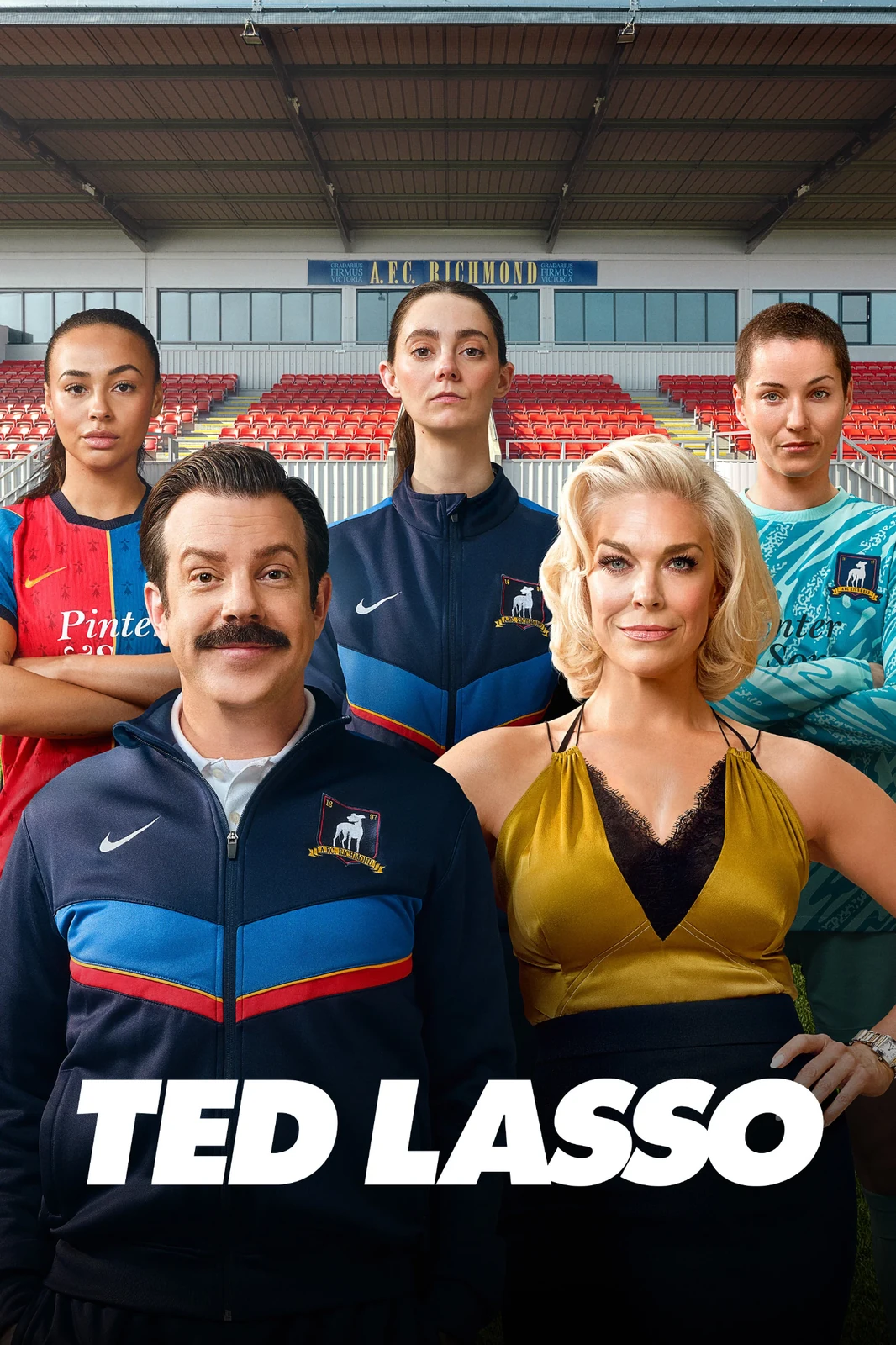
The review
Ted returns... but did he really need to?
The first episode handles the season's hardest problem intelligently: how do you bring Ted back to London without undermining the ending of season three?
He did not leave Richmond because he had failed or come to hate football.
He left because he chose his son and his family.
So the season cannot simply say that he regretted it and came back.
Years later, we see him living a quiet life, close to Henry and Michelle, and working away from the intense pressure of professional football. Yet it is clear from the beginning that part of him still needs to coach, work with players and help them.
When Rebecca, Keeley and Higgins come to Kansas City and offer him the job of coaching Richmond's women's team, the series reopens that door without canceling out his earlier decision.
Most importantly, he returns with Henry and Michelle's agreement, rather than at their expense as he did the first time.
For me, that is absolutely the right decision.
The Ted who returns in season four is not the same man who arrived in England in season one running away from his problems.
This time he returns because he wants to.
The women's team is the best reason for the series to continue
The smartest choice in the entire season is not bringing Ted back to coach the men's team again.
Had that happened, we would have been watching another version of the old story.
The women's team changes the nature of the challenge completely.
The problem is no longer simply: how does Richmond win?
The first question becomes: how do you get people to treat this team as something that deserves to exist at all?
From the very first press conference, the journalists are more interested in the men's team than in the team Ted specifically returned to coach.
Then we see the small changing room, the inadequate facilities, and the lack of attention and funding.
All of this does an excellent job of showing the difference between Ted's first experience and his second.
Previously, he entered a major club with supporters, a history and resources, and the problem was that everyone doubted his personal ability.
Now he is entering an entire project whose very value is being questioned.
That brings the series back to one of its best ideas: success does not always begin with the result on the pitch.

Alice Chilton... the best new addition so far
Through episode six, the new character who has worked best for me is Alice Chilton.
I think the reason is simple: the series does not make her a female version of Roy, or someone who exists solely to learn from Ted's brilliance.
Alice has real reasons to be angry.
She was the one working with the team, knew the players and had prepared a complete file on them. Then a man arrives from outside and gets the head coach position she had been hoping for.
From her perspective, it is natural to feel that she has been passed over.
At first, she is ready to leave. But Ted recognizes her value and asks her to stay as his assistant after learning about her playing career, which injuries brought to an end, and her attachment to this team.
What is good is that their relationship does not immediately become a perfect friendship afterward.
The tension remains.
Sometimes Alice's frustration turns into harshness toward the players, to the point that Ted himself has to confront her instead of simply offering his usual smile and waiting for things to improve.
Here we notice something very important about Ted himself.
He has learned from his experience with Nate.
He is better able to see that kindness alone does not solve every problem, and that allowing anger to build up inside someone close to you can end badly.
It is a small but very important development for the character.
The big problem: we do not know the players well enough
This brings me to my biggest problem with the season through episode six.
The series says that the women's team is the heart of the new story, but it does not always act accordingly.
There are characters with excellent potential.
We have the twins who are constantly competing with each other.
We have the goalkeeper Boots and her eccentric personality.
We have Gemma and her tense relationship with Alice.
We have Lizzie, who is trying to combine being a footballer with being the mother of a young child.
And we have Shannon, in whom Ted sees something that Alice does not yet seem convinced of.
All these ingredients could make for excellent characters.
But we are six episodes in, and many of them still feel more like outlines of characters than fully developed people.
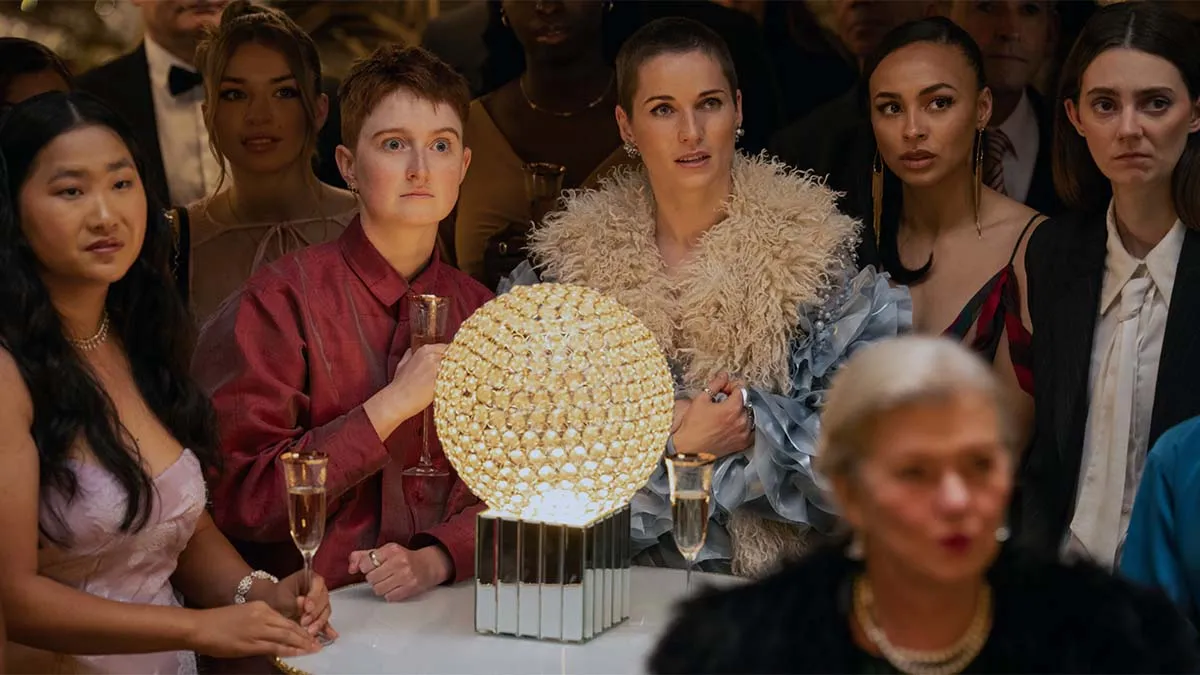
That becomes even clearer when the story reaches the Chelsea match.
The match is supposed to be a major test for the team after everything it has been through.
Yet the episode spends far too much time away from the players themselves.
For the first time, I felt that the season did not entirely trust its new protagonists.
Episode four proves that the team can carry the series
The irony is that episode four provides evidence that the players really can carry large parts of an episode.
Sending them to a quiz night at Mae's pub and dividing them into groups so that each woman has to interact with teammates she is not close to is a very simple idea, but an effective one.
For the first time, we see the personality of the group itself.
They are more than players training together.
There is competition, banter and disagreement, and individual personalities begin to come into focus.
The chaos the group goes through, culminating in the trouble they get into that night, becomes the first moment when they feel like a team rather than a collection of people wearing the same shirt.
For me, this is one of the season's most important episodes so far.
It shows the writing itself what it needs to do:
put these women together and let us get to know them.
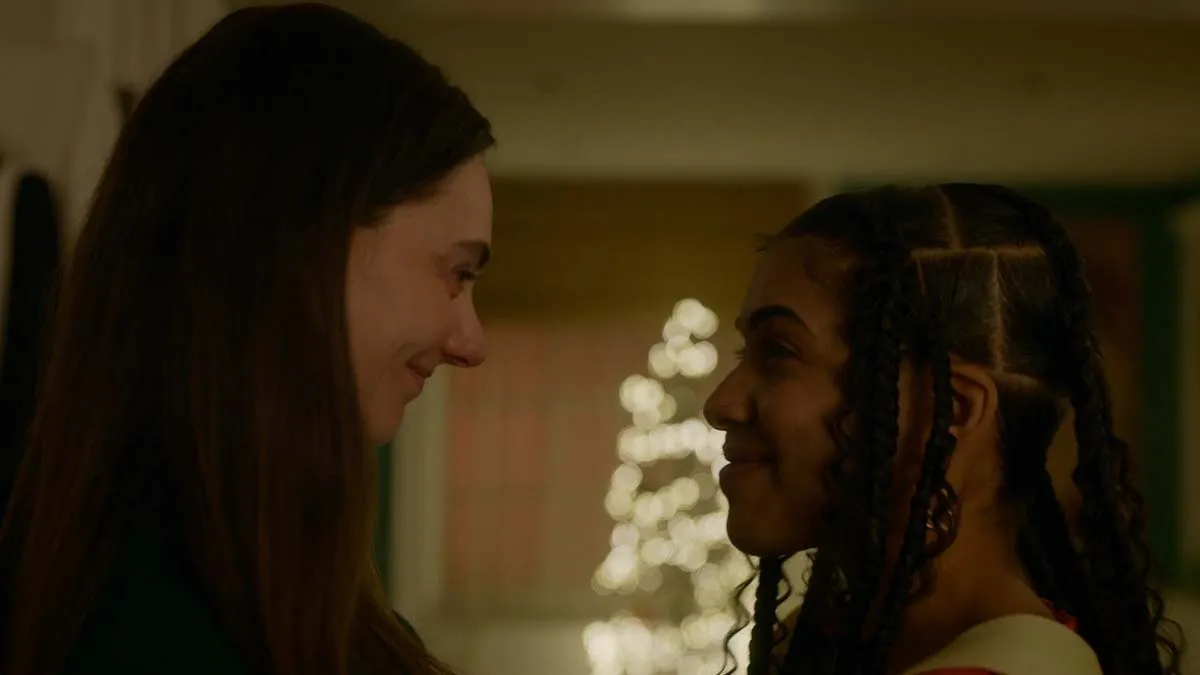
Rebecca... one excellent storyline and another less convincing one
Rebecca has one of the season's best storylines when it comes to the team.
She is more than the club owner who agreed to establish a women's team.
The season makes her confront the real cost of that decision.
There are financial risks.
There are sponsors who need convincing.
And there is the ongoing question of how much the club should invest in a project that does not receive the same attention.
Her best moments for me are when she defends the importance of girls seeing a future for themselves in sport, and of boys also seeing professional women footballers as something normal.
That is the Rebecca storyline I want to watch.
As for her relationship with Matthijs, I am less convinced by what the season is doing with it so far.
The prospect of him moving to London brings Rebecca's old fears to the surface, which makes sense. But the disagreement escalates quickly, and they end up putting the relationship on hold without the series giving us enough time to understand Matthijs himself and make the crisis as affecting as it should be.
I understand Rebecca.
But I do not know Matthijs well enough to care about the relationship to the same extent.
Keeley and Roy... do we really need to revisit this storyline?
I have mixed feelings here.
Keeley and Roy still have excellent chemistry.
Simply putting them in the same place immediately reminds you why their relationship worked in previous seasons.
At the same time, I find myself asking: does this season really need to reopen the romance and give it this much space?
Keeley asks Roy to date other women and stop treating her as the ideal woman he can never move on from.
In his usual way, Roy takes this very literally.
Then his relationship with Dr. Erin begins to look like something that might become serious.
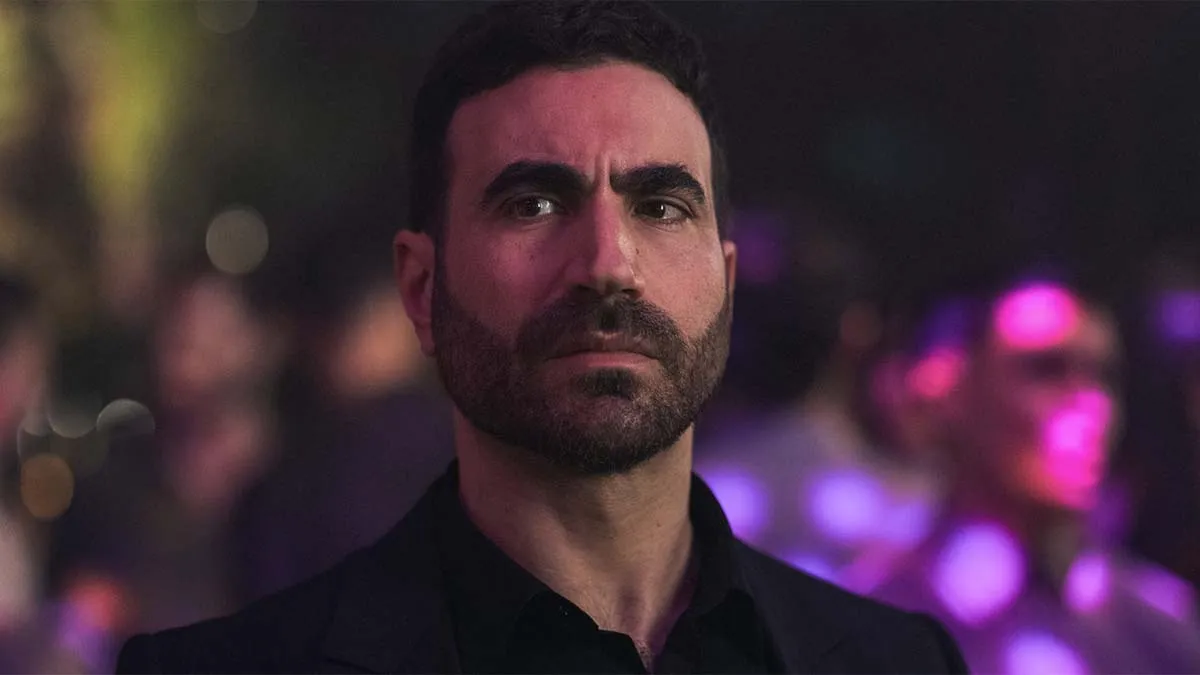
And then we reach episode six, when he tries to express his feelings to Erin and calls her Keeley.
The message is very clear:
Roy has not really moved on from Keeley.
The scene works.
And the chemistry between Brett Goldstein and Juno Temple still works.
I just hope the season does not spend too long circling the same conclusion.

Keeley and Rebecca are better than most of the romances
Interestingly, the best relationship involving these two characters is neither woman's relationship with a man.
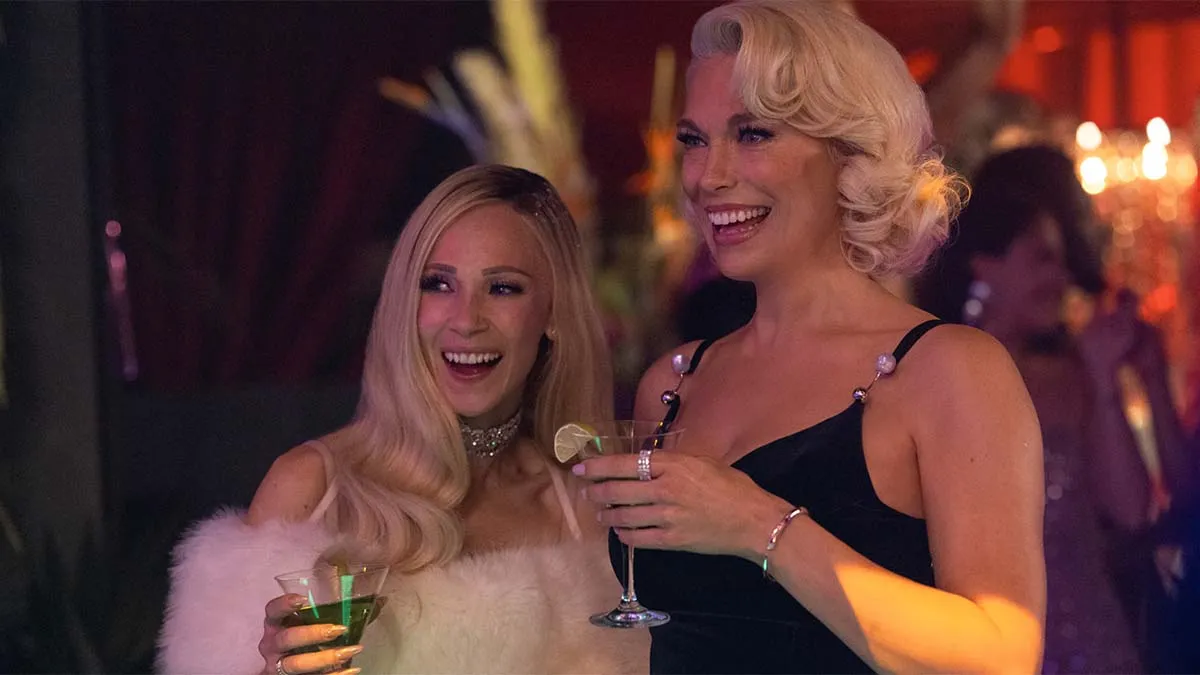
It is their friendship with each other.
Rebecca and Keeley have been very different from the beginning, but season four reminds us why their friendship has become one of the series' best relationships.
There is genuine respect.
Keeley can challenge Rebecca.
And Rebecca can stop Keeley when she feels that she is acting impulsively.
When things fall apart emotionally around them, each knows the other is there.
The scenes between Hannah Waddingham and Juno Temple remain among the season's most natural and warmest.
Zelda... a character I do not trust yet
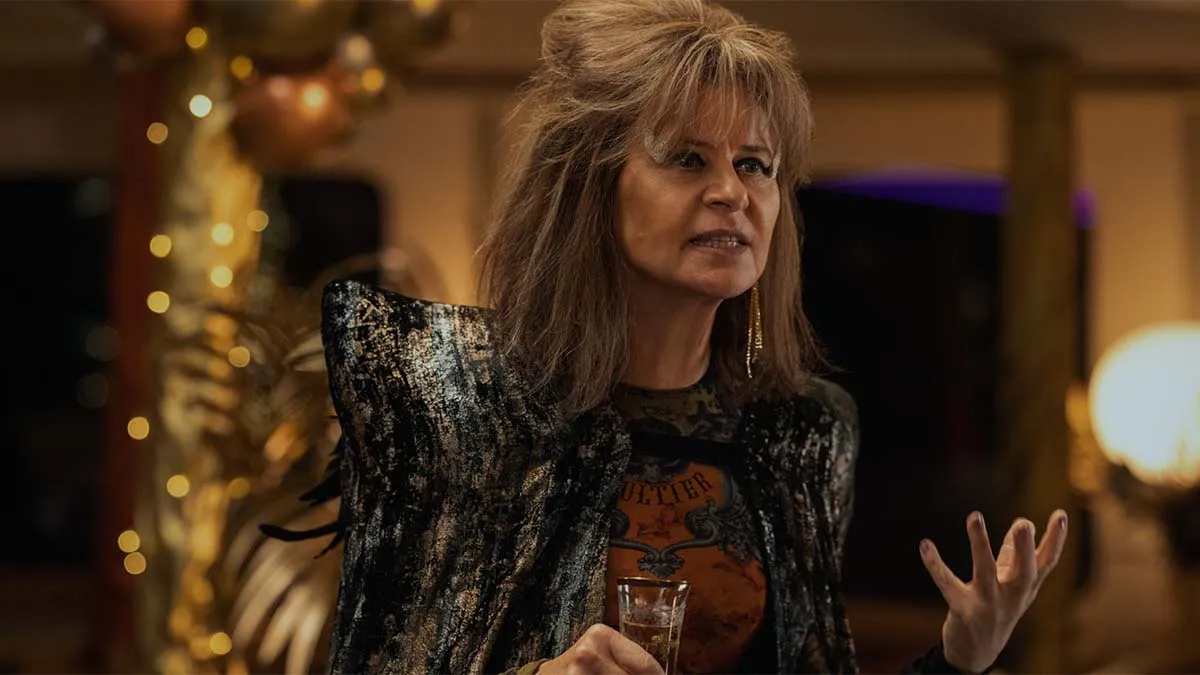
The arrival of Zelda Southport brings a different energy.
At first, she appears to be a strong supporter of women's football: direct and unafraid to challenge the men in the room.
As the episodes progress, however, the season deliberately begins to make her presence less comfortable.
Especially in her relationship with Rebecca and Keeley.
Through episode six, there is no definitive answer about exactly what she wants, and that is a good thing.
I prefer the series to keep her a little mysterious rather than immediately telling us whether she is an ally or a source of trouble.
But something is clearly being built around her, and episode six strengthens that feeling rather than diminishing it.
The Chelsea match exposes the season's problem
Facing Chelsea in the FA Cup should have been the moment when the team's storylines came together.
The stands are full.
The match attracts more attention.
And the team that started from nothing faces a more experienced opponent.
Unfortunately, the episode itself becomes an example of the season's problem.
We spend a long time with the old characters' relationships, with Jane and Beard, and with Rebecca, Keeley and Roy, while the players whose match this is supposed to be get less space than they should.
Even Shannon, around whom the series has built a disagreement over whether she is ready to play, does not get the development we expect during the match itself.
The loss to Chelsea could have been much more powerful if we knew these players more deeply.
I understand the importance of the match.
But I do not yet feel the loss with each player on a personal level.
That is an important difference.
Jamie Tartt returns... nostalgia used the right way
Then episode six arrives and offers a much better example of using the past.
Jamie Tartt returns.
Here, the nostalgia works because it does not swallow the whole episode.
Phil Dunster comes in as if the character had never been away.
The chemistry between Jamie and Roy is still excellent, and their scenes immediately bring back one of the best relationships the series developed in its earlier seasons.

This is how I want to see the old characters used.
They appear.
They add something.
They remind me why I loved them.
Then they leave room for the new story.
Ted and Michelle... maturity matters more than returning to the past
Episode six also gives me something I needed to see between Ted and Michelle.
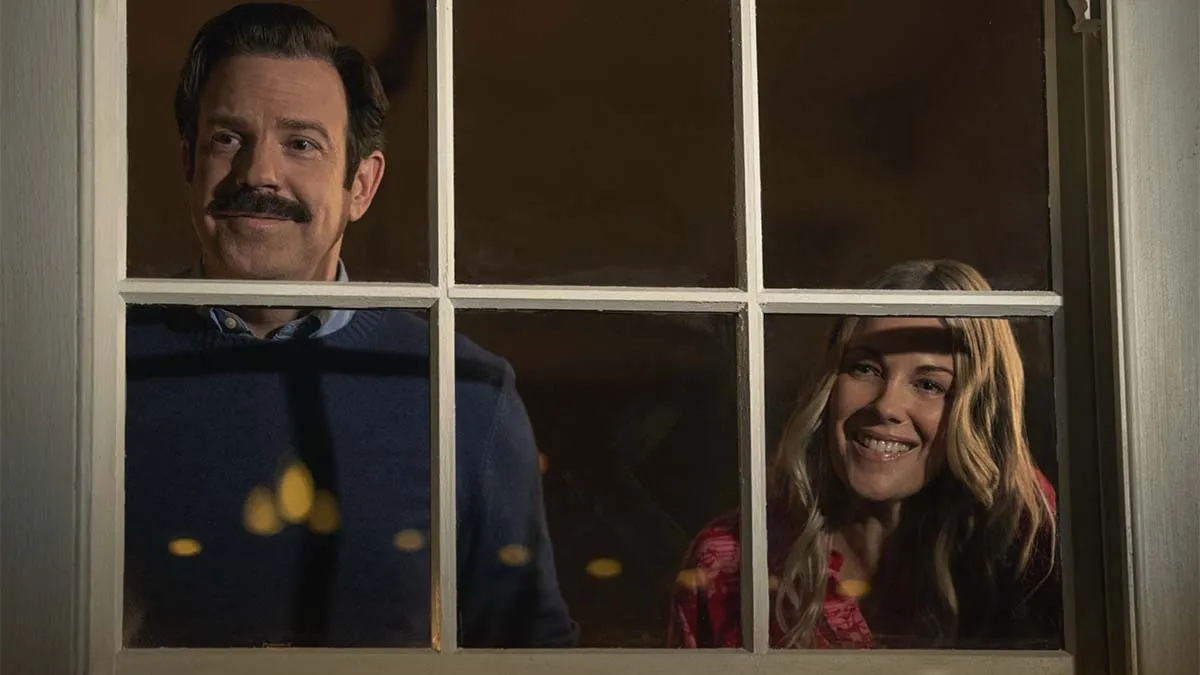
Her presence in England with Henry could easily have become an attempt to get them married again, but so far the series is taking a quieter approach.
There is closeness.
There is history.
And there is a sense that the two of them can finally talk in a healthier way.
Their conversation on New Year's Eve matters precisely because it happens in front of us, rather than becoming information someone tells us later.
For me, it would be truly brave to let them be two people who love each other in a different way and raise their son together, without needing to become a married couple again.
The comedy... the spirit is still there
Season four has not lost Ted Lasso's sense of humor.
Not every joke may land, but there are moments that immediately remind you of the character audiences loved.
Ted trying to navigate a women's team changing room.
Beard and his usual chaos.
Roy treating dating like a military mission.
Jamie's return.
And the little interactions at Mae's pub.
These moments keep the season from turning into a heavy lecture about the problems facing women's football.
That matters.
Ted Lasso has always been at its best when it says something very serious while allowing its characters to be strange and funny at the same time.
Strengths and weaknesses so far
For me, the biggest strength is that season four is not simply season one all over again.
Ted's return has a different meaning.
The new team has different problems.
Alice is an excellent addition.
And the idea of building a team that fights not only to win, but to be taken seriously at all, fits the world of the series very well.
The chemistry between the old characters also remains very strong.
But the biggest weakness is clear too:
the series keeps telling us that the Lady Greyhounds are the new story, then sometimes leaves them in the background.
After six episodes, I should know Gemma, Lizzie, Shannon, Boots and the rest of the players much better than I do now.
The season has dozens of storylines.
Ted and Michelle.
Roy and Keeley.
Rebecca and Matthijs.
Rebecca and Zelda.
Beard and Jane.
Alice and her past.
And the team itself.
That overcrowding is beginning to show clearly.
Final verdict
Final verdict
After six episodes, I think bringing Ted Lasso back was worth trying. Season four is not necessary in the conventional sense, because the ending of season three was more than sufficient. But it has begun to justify its existence when it stops trying to recapture the past and focuses on the new challenge represented by the women's team. Alice Chilton is one of the best additions, Ted himself seems more mature as a coach, and Rebecca and Keeley remain two of the series' strongest characters. Meanwhile, episode four has proved that the players can carry the story if given the space they need. But that is exactly what I want in the second half: I want more of the team. A little less of the side stories we have known for years, and more of Gemma, Lizzie, Shannon, Boots and the other players. Ultimately, the season's success will not be determined only by whether Richmond gets good results. It will depend on whether we come to love this new team as much as we loved the old one. Through episode six, I am very interested in what happens next... but I am not there yet. My rating for season four through episode six: 7.5 out of 10.
Your turn
After six episodes, do you feel that the women's team has really become the new heart of Ted Lasso, or are the old characters still taking away the space it needs for us to become attached to the new players?
AUDIENCE VOTE
Do you agree with the MB rating?
Choose once from this browser. You can change your answer at any time.