6 published parts · in reading order
The Language of the Cinematic Image
Discover how framing, movement, light and colour create meaning and feeling on screen.
Start with part oneRead the series
Begin with part one, or pick up where you left off.
How Was the Cinematic Image Born?
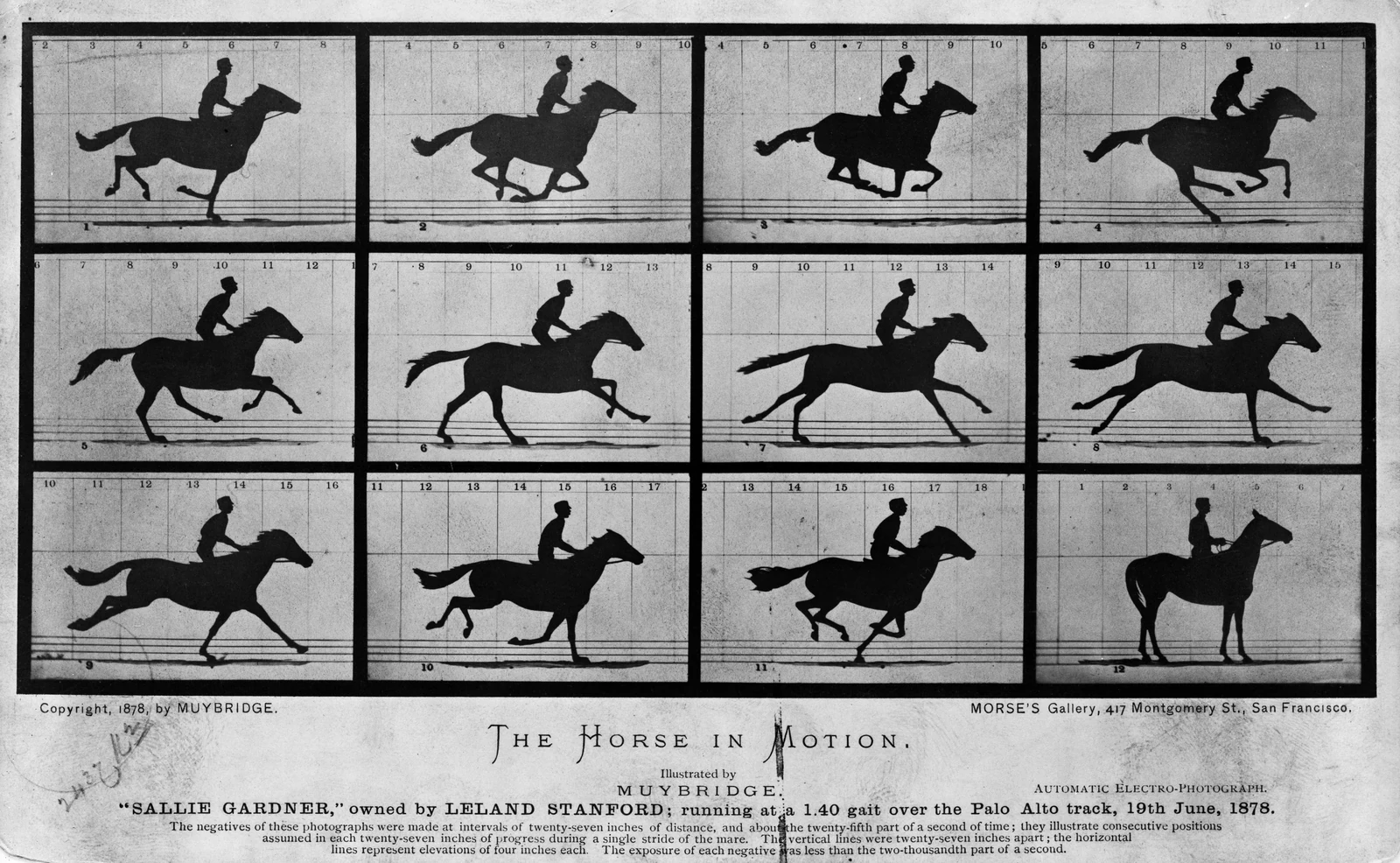
How did sequences of still photographs become cinema? From Muybridge, Le Prince, and Lumière to colour, depth, and digital images, we explore how new tools expanded filmmakers’ choices.
Read articleHow Is a Cinematic Frame Built?
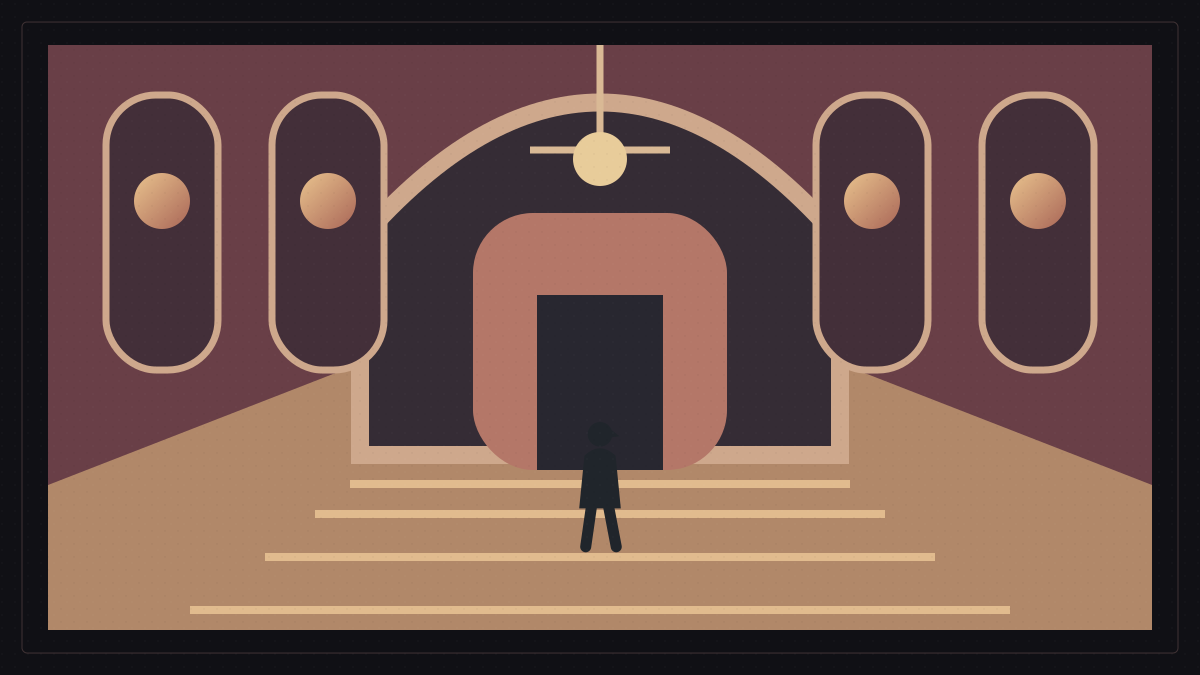
From framing and the rule of thirds to symmetry, leading lines and depth: how does the arrangement within an image make meaning?
Read articleMise en scène: What Does It Mean to Place the World Before the Camera?
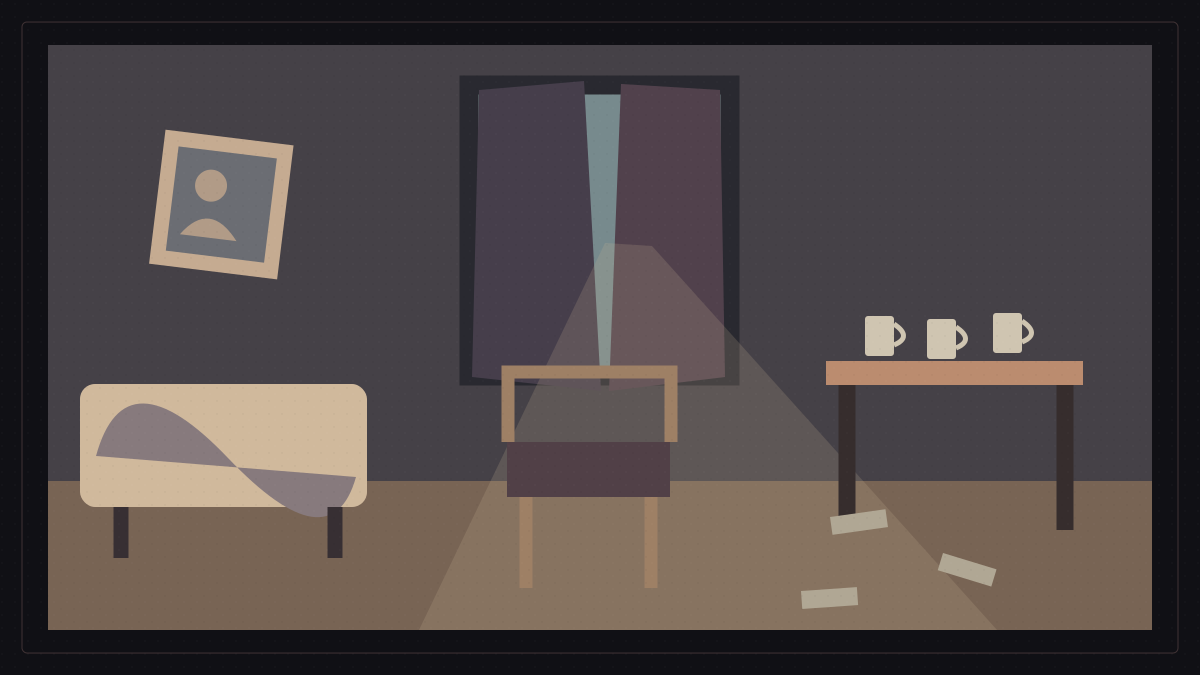
Setting, objects, clothes, light and performance: how does the world before the camera begin telling a story before dialogue?
Read articleBlocking: When Relationships Become Geometry Within the Frame
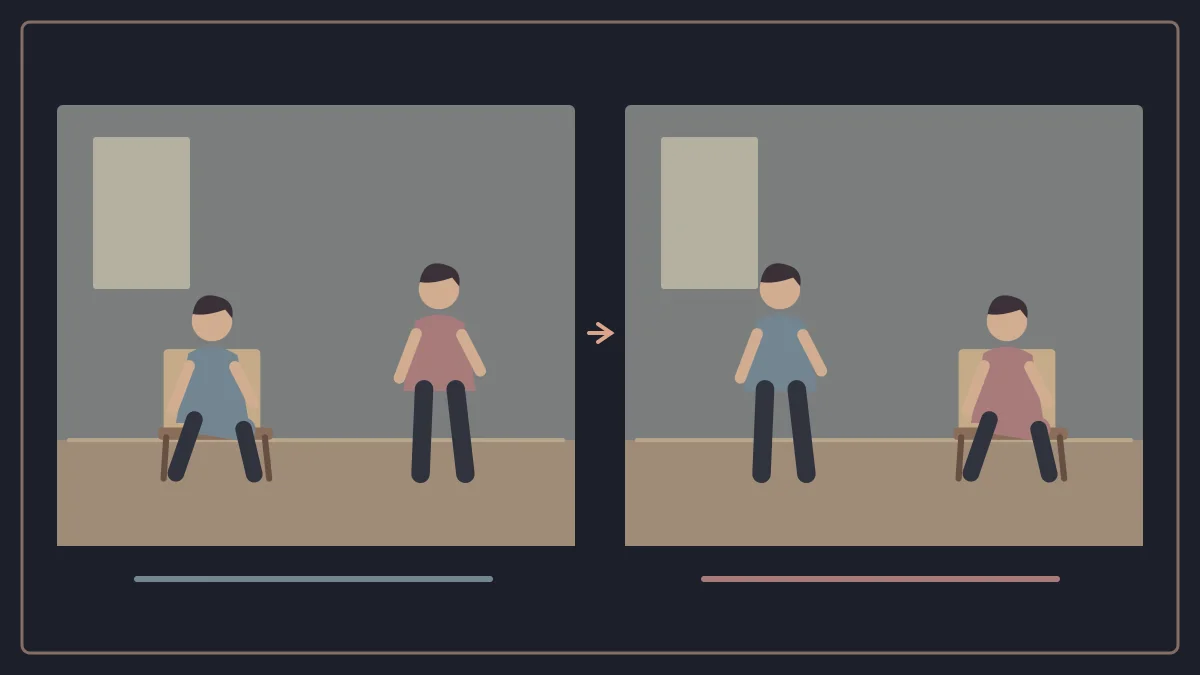
Distance, sitting, standing and body orientation: how do actors’ positions, movement and stillness become a visual way of writing relationships within a scene?
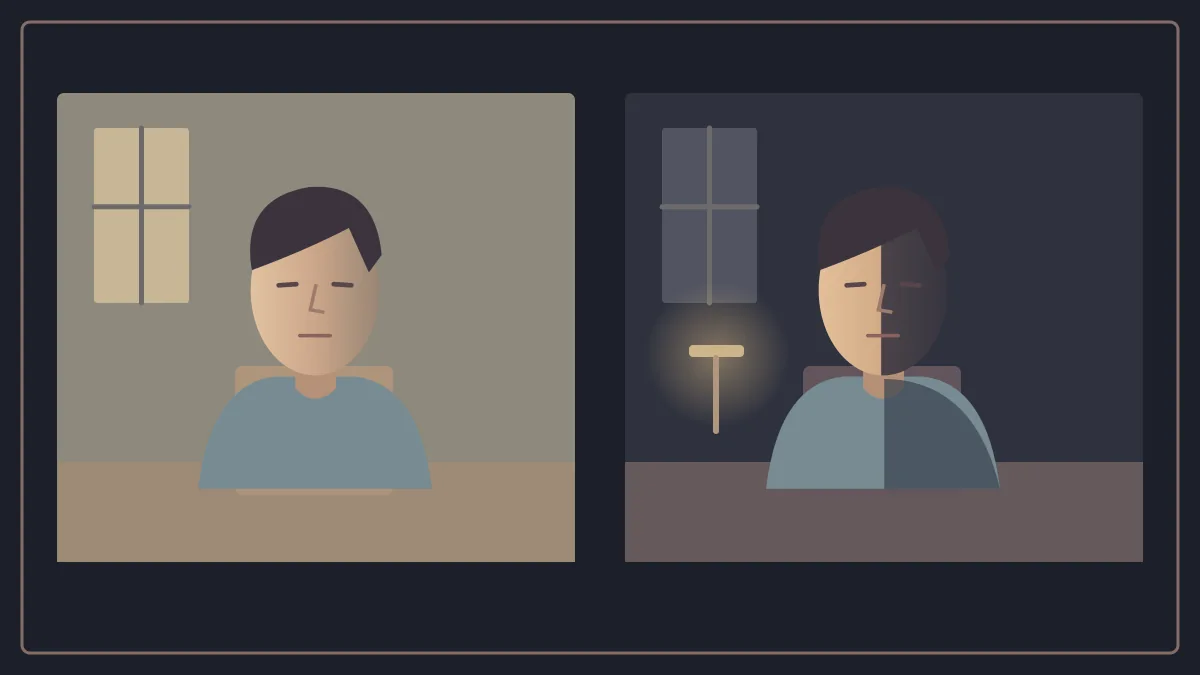
Read articleLight, Colour and the Lens: How Does an Image Create a Feeling?
Light, shadow, colour palette, lens and depth of field: how do visual choices reshape our experience of a scene without becoming rigid rules?
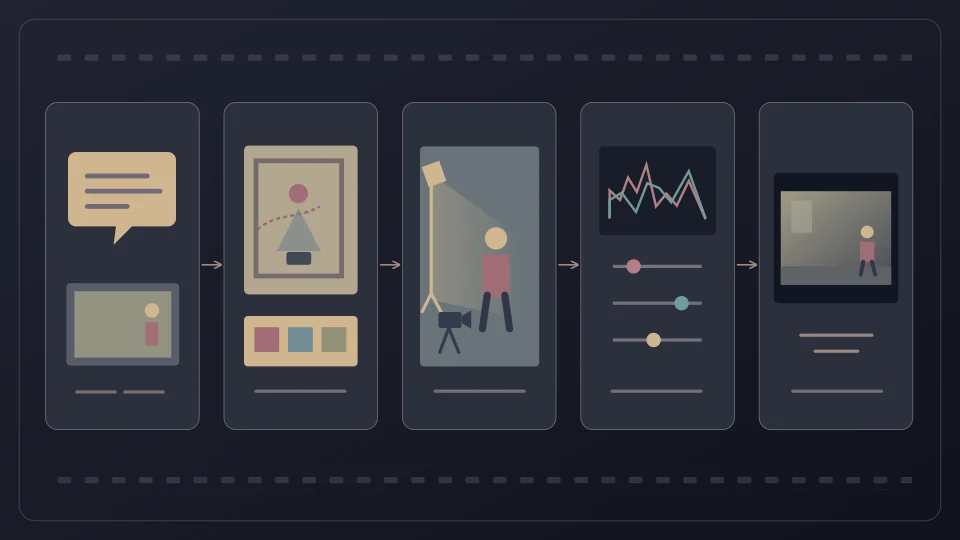
Read articleFrom the Director’s Vision to the Final Image: What Does a Cinematographer Actually Do?
The sixth and final part: how does the cinematographer turn the director’s vision into practical decisions, from preparation and camera and actor movement to collaboration, continuity and grading?
Read article