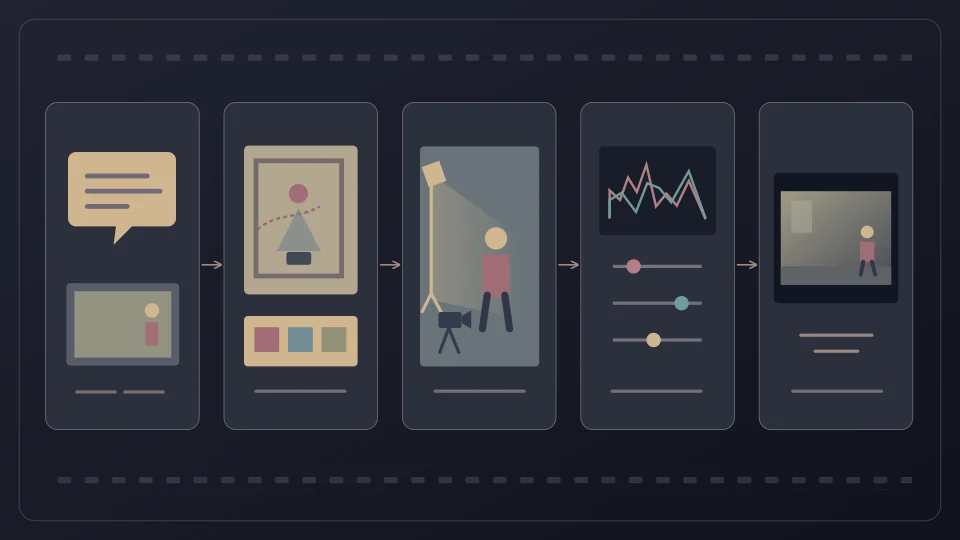
The director says:
“I want this scene to feel lonely.”
The sentence is emotionally clear.
But it does not say where to put the camera.
Or what shot size to use.
Or which lens.
Or how to light the actor’s face.
Or whether the camera moves with the actor or stays still.
Or what happens when the weather changes on the filming day, the location turns out to be smaller than it looked in photographs, or the crew discovers that a planned movement cannot be carried out in the same way.
This is where the distance between an idea and an image appears.
It is a distance that no single piece of equipment can bridge.
It takes a chain of decisions, experiments and coordination between different departments, with the cinematographer at the heart of much of that work.
The Cinematographer Does Not Start With the Camera
The title can be a little misleading.
The Cinematographer / Director of Photography is, of course, involved with cameras, lighting, lenses, movement, exposure and other decisions that shape the image.
But the work does not begin with the question:
“Which camera will we use?”
It begins with the question:
“What kind of image does this film need in the first place?”
If the story depends on a sense of intimacy, that leads toward one set of decisions.
If it needs a person to feel small within a space, we may arrive at different decisions.
If the world itself needs to change visually as the story develops, the task becomes larger than designing one beautiful individual shot.
The cinematographer’s role thus includes turning an overall vision into a visual system that can actually be carried out.
The Real Beginning Comes Before the Filming Day
Much of the work on the image happens before an actor steps in front of the camera.
During preproduction, several essential directions are established: agreeing on the visual language, testing cameras and lenses, scouting locations, preparing shot lists or storyboards when needed, coordinating with production design and costume, and understanding the practical constraints within which the film will work.
This stage matters because visual decisions do not exist in isolation.
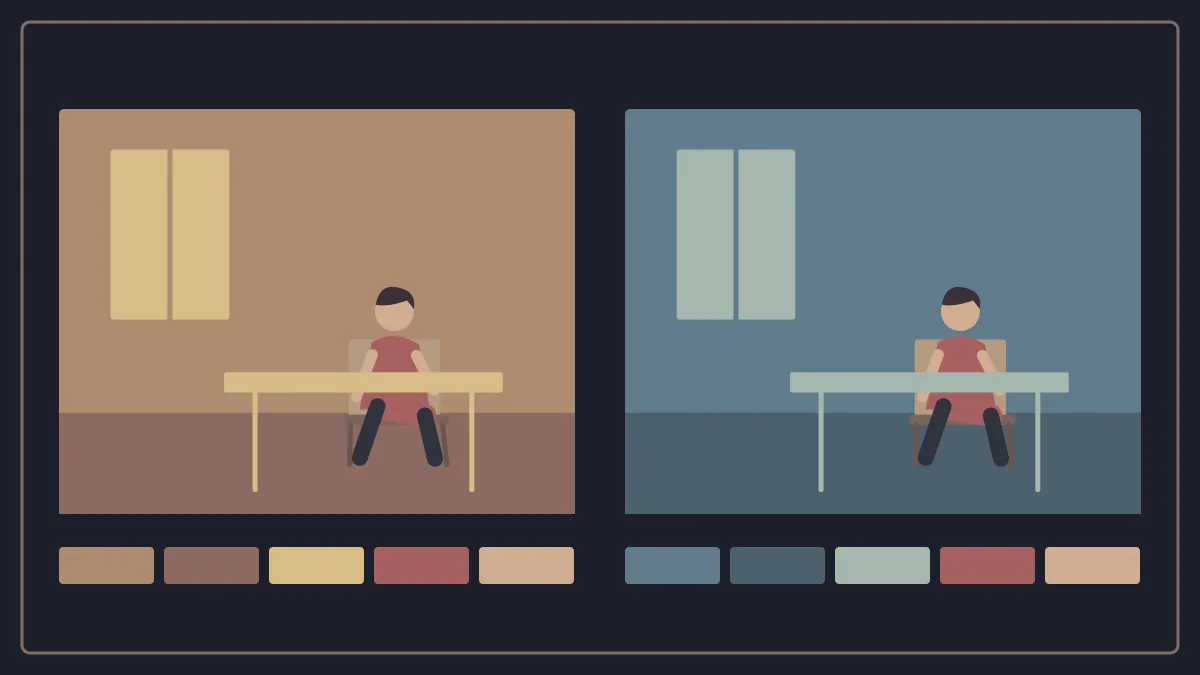
If production design chooses a particular wall colour, it will affect the light, clothing and skin within the image.
If the location has a huge window, its orientation becomes part of the cinematography plan.
If a scene requires complicated actor movement, we need to know whether the camera and lighting can work with it.
The final image therefore begins before a single frame is recorded.
“I Want Loneliness” Is Not a Shooting Instruction
Let us return to the director’s sentence:
“I want this scene to feel lonely.”
The sentence does not turn directly into an image.
First, we need to unpack it.
Does the loneliness come from the character being small against the setting?
Or from being visually isolated from other people?
Or from the camera being so close that the world has disappeared?
Do we need empty space?
Or a crowd that makes the character seem alone among people?
Each possibility leads to different solutions.
This is a good example of why cinematography is not a list of techniques.
The decision does not begin with:
“I want a long lens.”
It begins with:
“What do we need the viewer to feel, and what kind of image serves that feeling?”
Then come the tools.
Shot Size: How Much of the World Do We Let the Viewer See?
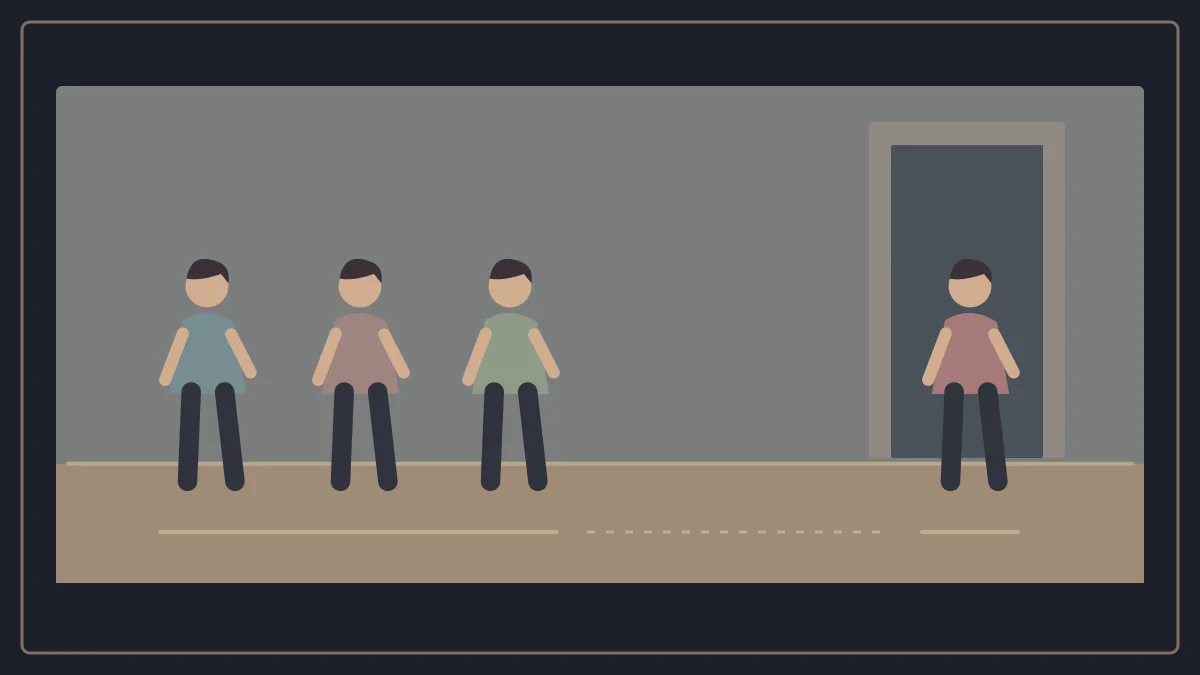
One of the fundamental decisions is shot size.
A close shot gives the character’s face a large share of the screen.
A wider shot allows the setting to enter the relationship.
But shot size does not work alone.
Shot size and camera angle determine the amount of information and emotional distance, but they work with performance and composition rather than as separate symbols with fixed meanings.
This matters.
A wide shot does not automatically mean “loneliness”.
A close shot does not always mean “intimacy”.
A close shot can feel suffocating.
A wide one can feel comfortable.
Meaning comes from the relationship between size, setting, light, performance and the other decisions.
Camera Angle Is More Than Height
We then choose where the viewer’s eye is placed.
Is the camera at the character’s level?
Does it look down from above?
Is it low?
Are we close to the character’s line of sight, or far from it?
The angle changes how we read the body and the setting.
Again, however, it should not be reduced to rules such as:
“A low angle means power.”
Perhaps.
But the context may make a character seen from below appear trapped, frightened or even funny.
The value does not lie in the angle’s name.
It lies in why that angle belongs here, at this particular moment.
The Lens Returns as a Decision Within a System
In the previous part, we discussed lenses as tools for shaping the image.
Now we look at them from the perspective of the work itself.
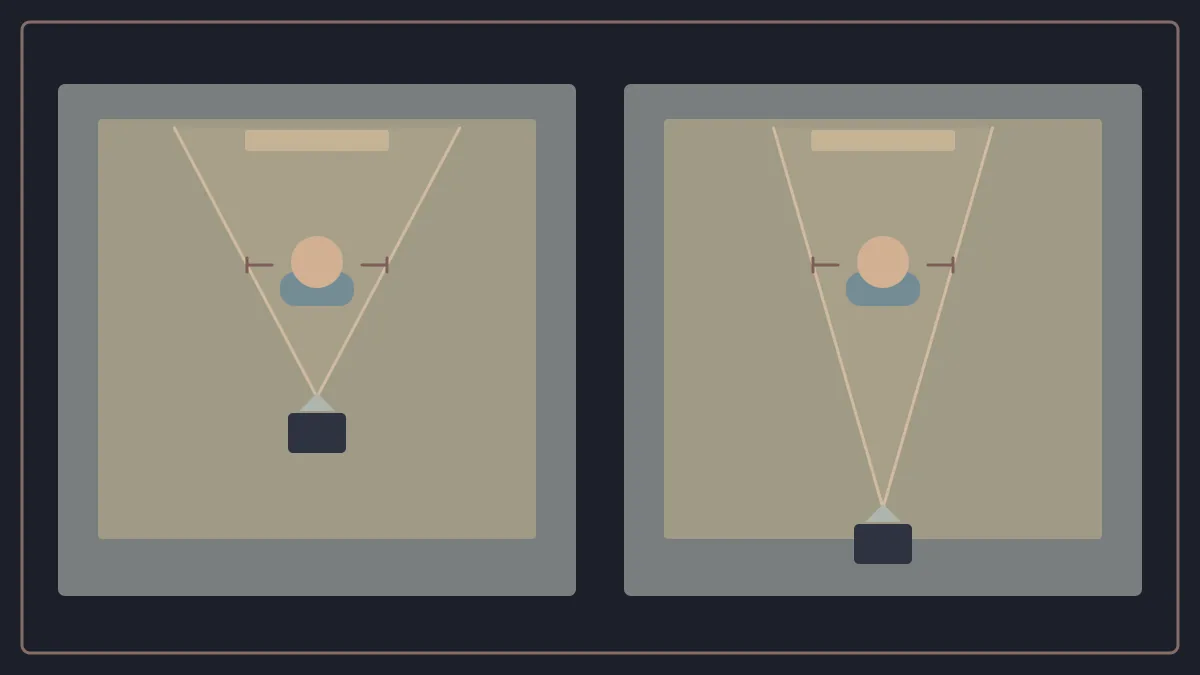
Lens choice cannot be separated from the location’s size, the available distance, camera position, perspective, light or the way the actors are seen.
Choosing a lens is connected to space, distance, perspective and light; it is more than a search for a “beautiful look”.
We may love the appearance of a particular lens.
But if it forces us to place the camera where the scene’s blocking cannot be carried out, an attractive solution on paper is no longer a practical solution.
Here we see the difference between knowing a tool and making a film with it.
Camera Movement: Why Move at All?
Next, we come to movement.
Pan. Tilt. Tracking. Handheld.
The names of these movements can be learned in minutes.
But knowing a movement’s name tells us nothing about why it is being used.
A useful rule is:
Do more than name the camera movement: explain why the camera moves, or why it stays still.
Does the camera move because it is following a character?
Does it reveal new information?
Does it let the viewer discover the setting gradually?
Does it refuse to move even though a person has left the centre of the image?
Does handheld movement become part of the instability?
Or is stillness more important than all that movement?
Movement has no automatic advantage.
Sometimes the best movement is not moving the camera at all.
The Camera and Actor Must Occupy the Same Scene
Here we return to the blocking discussed in part four.
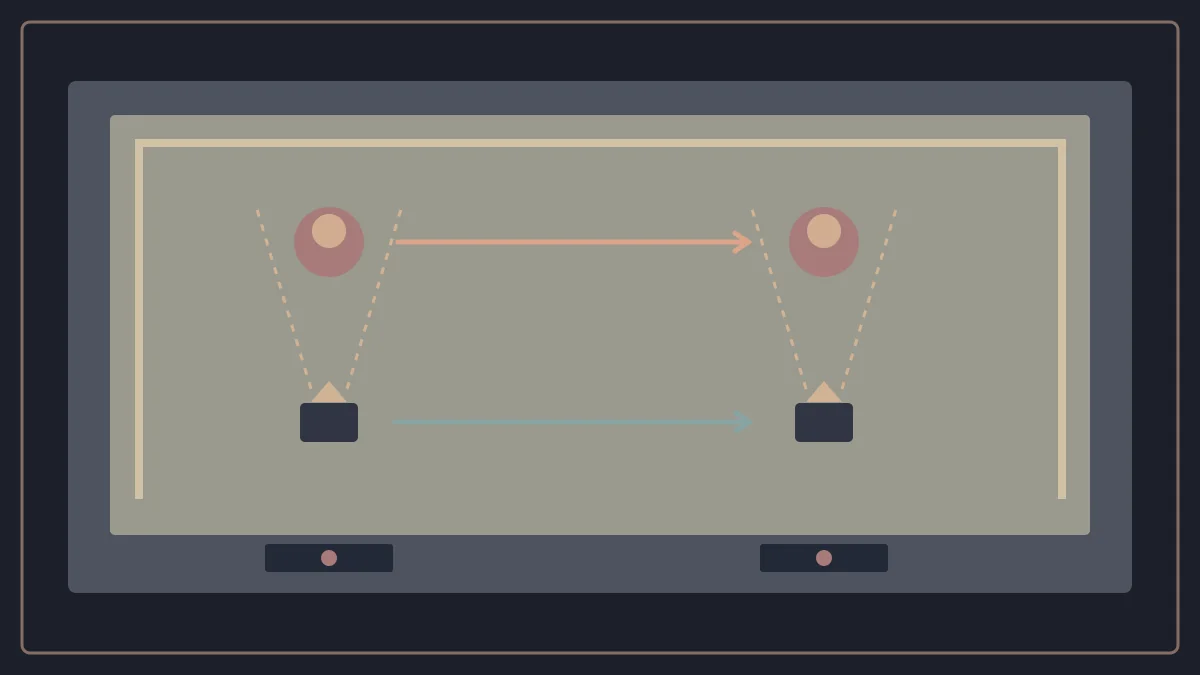
An actor’s movement is not planned separately from the camera.
We may decide that a character crosses the room at a particular moment.
But does the camera follow?
Does it allow the character to leave the frame?
Does it wait for the character to arrive somewhere else?
Does that movement change the character’s relationship with the light?
Can the movement be carried out without revealing something we do not want to show or disrupting the lighting designed for the scene?
Blocking therefore does not inhabit a department separate from cinematography.
It interacts with it constantly.
Ultimately, the camera does more than film the actor.
It defines our relationship with the actor’s movement.
Then the Filming Day Arrives, and the Plan Is Tested
However precise the preparation, principal photography begins and the real world becomes part of the decision.
The location is now in front of us.
The actor is performing.
Time is passing.
Natural light may change.
The limits of equipment and space become clearer.
At this stage, the cinematographer works on camera and lighting, oversees the execution of shot movement and the crews involved, adapts to conditions, protects visual consistency and reviews recorded material to the extent appropriate to the workflow.
Notice the word:
Adapt.
Carrying out a vision does not mean copying the plan literally, whatever happens.
Sometimes preserving the image’s purpose matters more than preserving the method originally planned.
If the planned solution is no longer possible, the task is not to cling to it stubbornly.
It is to find another solution that fulfils the same function.
Lighting on Set Is Not a Fixed Drawing
During preparation, we may decide on a particular visual mood.
But execution brings many small details into play.
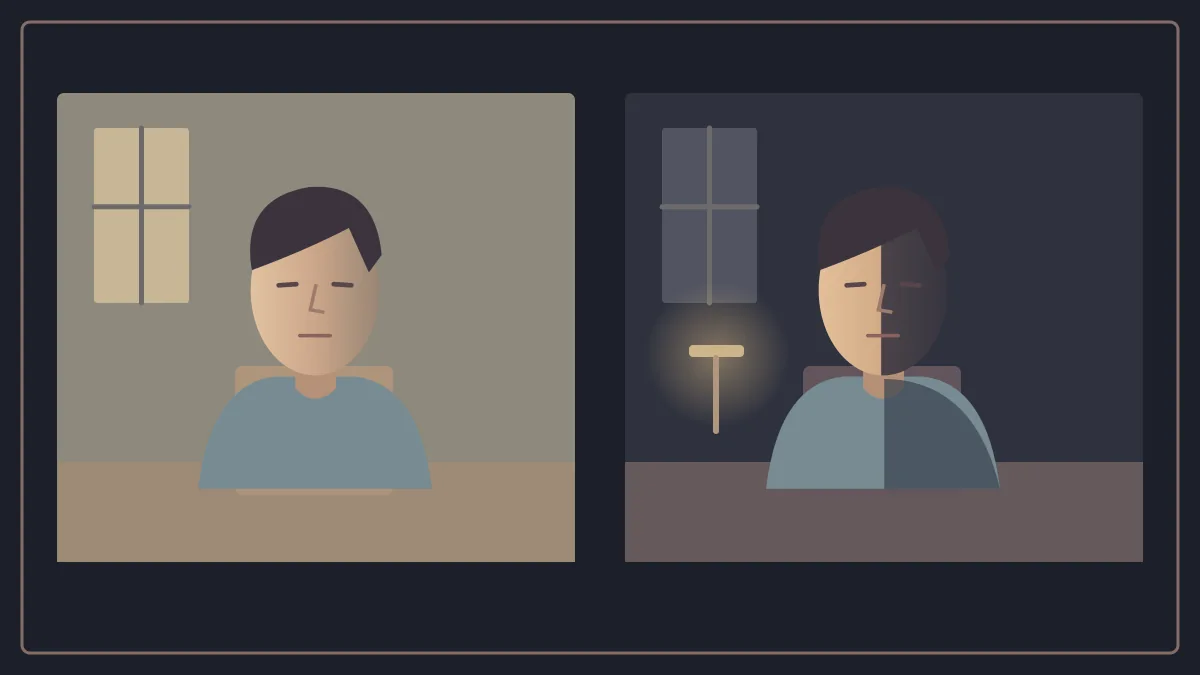
Can a light source remain convincing when the actor moves?
Has the background become brighter than we want?
Do the new clothes respond to light as expected?
Has a change in camera angle revealed a source that was previously hidden?
Each adjustment affects something else.
Lighting therefore cannot be treated as a step we finish before moving on to the camera.
Cinematography is interconnected work.
One change may force us to rethink three other things.
The Cinematographer Does Not Make the Film Alone
This is one of the most important points in the entire final part.
The cinematic image is not one person’s creation.
Production design builds the world.
Costumes shape part of the characters’ presence.
Makeup and hair alter details of the face and body.
The actor carries the performance.
The director leads the overall vision.
Camera and lighting require crews to carry out the work.
There is constant coordination between these departments.
It is therefore misleading to present the director as someone who controls everything and the cinematographer as someone who merely converts orders into images.
The director leads the overall vision, while the cinematographer leads the design and execution of major aspects of the image in coordination with several departments; the division of responsibilities varies from one project to another.
This is more accurate than the picture of a “solitary genius” to whom we sometimes like to attribute an entire film.
Collaboration Does Not Mean an Absence of Disagreement
When two people work on the same image, different suggestions will naturally emerge.
The director may imagine the scene close to its characters.
The cinematographer may suggest giving the setting itself more room.
A discussion may begin with the lens and end with a change in blocking.
A production constraint may force everyone to search for a third solution.
What matters is that the final decision does not exist in a vacuum.
It is connected to the question we must not lose sight of:
What serves the scene?
If technique becomes the goal, we may have lost the image even when it looks beautiful.
Visual Continuity Does Not Mean Every Shot Looks the Same
The term Visual Continuity can be understood too narrowly.
We may assume a film must maintain the same colours, lighting and lenses throughout.
A more useful distinction is:
Visual consistency does not mean visual sameness.
The visual language can change when the story changes, provided that the change is intentional and readable.
A film may begin with a stable image that becomes more unsettled.
Its colours may be broad and rich before receding.
The camera’s relationship with the character may change.
If the change reflects a shift in the story, difference itself can become part of consistency.
True consistency does not mean repeating a look.
It means preserving the logic of the image.
Photography Has Finished, but the Image Is Not Quite Finished
Some people believe the cinematographer’s role ends the moment principal photography finishes.
But the image passes through further stages.
Work on the visual approach may continue through colour correction or grading and communication with the relevant postproduction teams. The cinematographer’s involvement and authority in those stages, however, should not be assumed to be identical on every project.
This distinction is essential.
There is no universal rule that the cinematographer is present in every editing, visual effects or final delivery room in the same way.
Each production has its own structure, circumstances and agreements.
These responsibilities therefore cannot be described by a single formula that applies to the entire industry.
Why Does Colour Work Matter After Filming?
Because a recorded shot is not always the final image the audience sees.
Colour work can adjust relationships between shots, preserve the visual direction established during filming and help prevent scenes from unintentionally looking as though each belongs to a different film.
But grading is not a magic wand.
If the lighting is unsuitable.
Or the lens choice does not serve the scene.
Or the composition is weak.
The image does not automatically become something else simply by moving colours around.
Postproduction can complete the work.
It cannot remove the need for the decisions that came before it.
From an Emotional Sentence to a Chain of Decisions
Now we can return to the opening example.
The director says:
“I want this scene to feel lonely.”
After a series of discussions, the sentence might become:
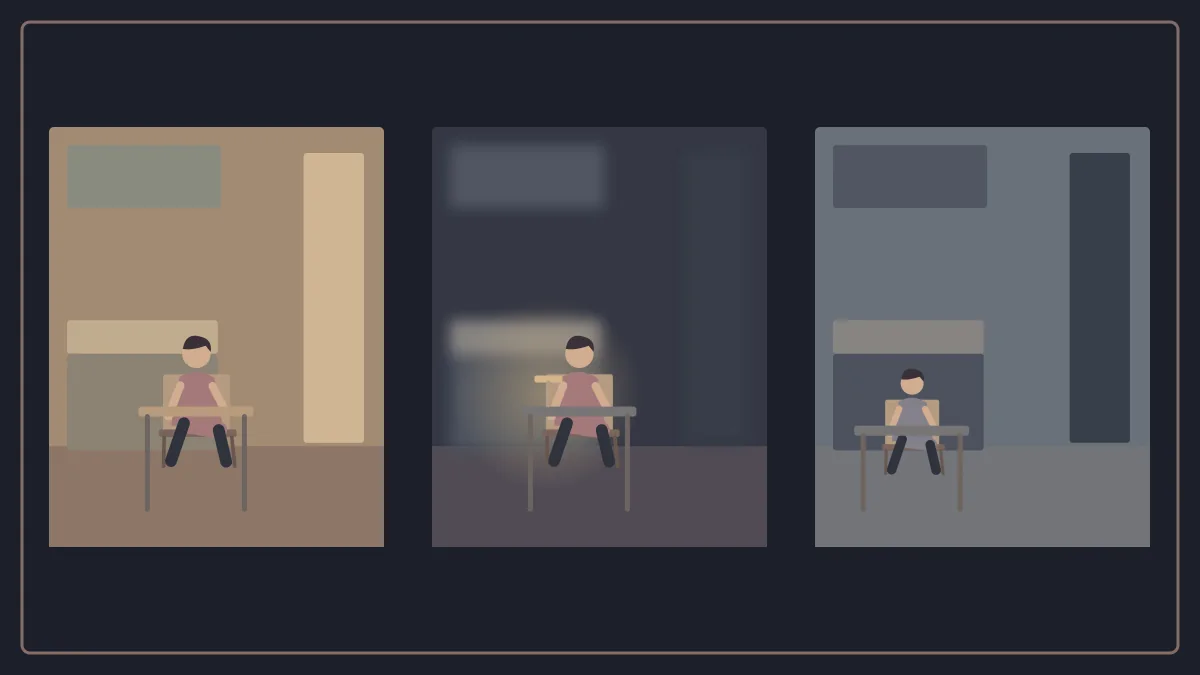
A wide shot.
A character who is relatively small within the space.
A stationary camera.
A lens that serves the required distance within the available location.
Light that makes part of the environment less prominent.
Blocking that separates the character from other people.
A more restricted palette compared with an earlier scene.
With each decision, we return to the same question:
Are we still creating loneliness?
Or are we simply creating a beautiful image?
This is the difference between technique and vision.
Making Every Shot Beautiful Is Not the Cinematographer’s Job
Sometimes an image needs to be rough.
Or uncomfortable.
Or deliberately flat.
Or crowded.
Or very dark.
If the scene’s function requires that, “correcting” the image to make it more beautiful may weaken it.
The cinematographer is not competing for the most beautiful individual frame.
The aim is for the image to serve the film.
For the shot to work with the ones before and after it.
And for the form to carry meaning beyond technical admiration.
Where the Previous Five Parts Come Together
In part one, we saw how movement became recordable.
In part two, cinema learned to organise the world inside the frame.
In part three, we saw how setting, clothing, light and objects carry meaning before dialogue.
In part four, actors’ movement became a geometry of relationships.
In part five, light, colour and the lens changed the way an image feels.
Now we understand that these elements are not carried out one after another as if following a checklist.
They work together.
Lens choice affects camera position.
Camera position affects blocking.
Blocking affects light.
Light interacts with production design and costumes.
Camera movement can rearrange all of this in a moment.
This is not chaos.
This is the making of the image.
The Ending: An Image Is More Than What the Camera Recorded
This series began with a simple paradox:
Cinema is “moving pictures”, even though it was originally built from separate still images.
But the distance between those first images and the cinema we know today was more than a technological race toward better cameras.
The real transformation happened when the image became a language.
Choosing the boundary became part of the meaning.
Arranging the elements became part of the meaning.
The setting became part of the meaning.
The body’s movement became part of the meaning.
Light, colour and the lens became part of the meaning.
All of this then needed people who could turn an idea into a decision, a decision into a plan, and a plan into a real image under the pressure of production.
Perhaps the more precise question at the end of the series is therefore not:
“How was this shot filmed?”
It is:
“Why did it need to be filmed this way?”
Then we stop looking at the camera as a machine that records the world.
We begin to see what cinema actually does:
It chooses the shape of the world it wants us to see.
End of The Language of the Cinematic Image series.
About this series
This series begins with the origins of moving pictures, then explores framing, light, lenses, composition, and the choices that give an image meaning.
All parts of this series are now published.
All Cinema Journal articles