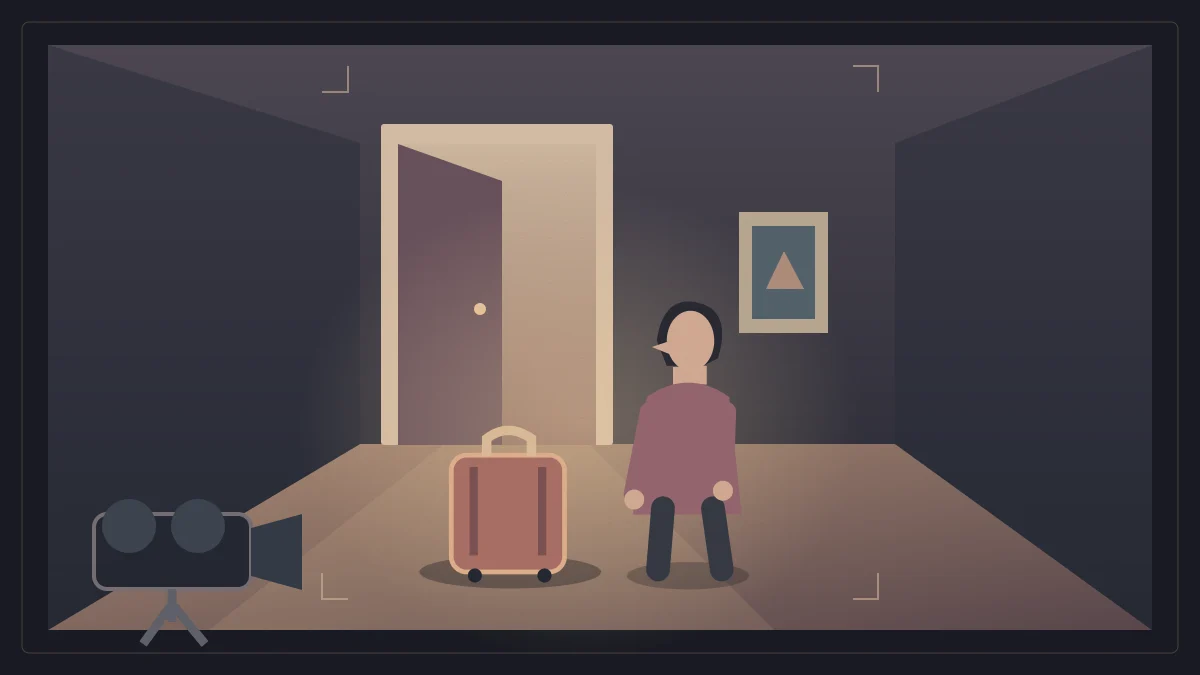
Imagine that you are preparing to film a simple scene: a woman returns home, opens the door and finds a suitcase in the hallway. She pauses, looks at it, then enters and closes the door behind her.
On paper, the scene seems to need no more than an actor, a suitcase and a place to film. But as soon as you decide to direct it, the questions begin.
Does the viewer see the suitcase before the woman does, and wait for her reaction? Or do we keep it outside the frame until her eyes fall on it, discovering its presence with her? Does she stop because the suitcase surprises her, or because she feared finding it? And is the sound of the closing door an ordinary end to the action, or a moment revealing that she has made an irreversible decision?
The same event can be filmed in different ways, and each time we may produce a scene with a different feeling. The written details have barely changed, but what the viewer knows, what they expect to happen and how they understand the character’s behaviour can change completely.
This is where directing begins.
A director does more than record what happens before the camera. They choose how we see it, what we know about it, when information reaches us and what feeling emerges from the combination of image, sound, performance and time.
If you want to become a film director, this is the first idea to understand: directing is not the ability to film things; it is learning to make decisions that give meaning to what you film.
When you move from viewer to filmmaker
Most aspiring directors begin their relationship with cinema in the audience. They watch a film that leaves a mark, a scene that is hard to forget or a performance that makes a fictional character seem like someone they have known for years.
Perhaps the question first appears while watching a striking shot: how did the director create this feeling?
It is natural for the journey to begin with admiration. You may find yourself drawn to a particular director’s style, love a particular kind of film or imagine how you would shoot a scene you have watched on screen.
But enjoying the finished result is different from being able to make it.
When you watch a suspenseful scene, you receive information in the order its makers chose. You do not need to consider why a character is kept outside the frame, how many attempts a line of dialogue required or whether revealing a particular detail would have more impact a few seconds later.
When you try to make the scene yourself, you are responsible for finding those answers.
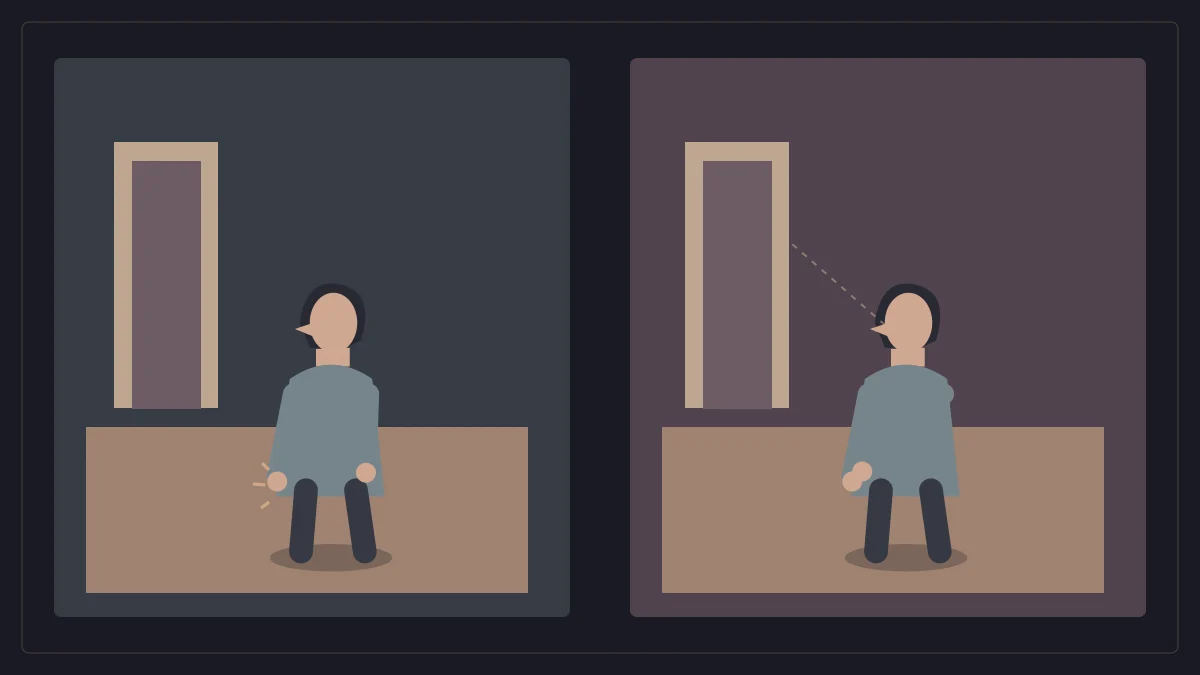
Imagine that you want to film someone who is afraid. Your first solution might be to have them tremble or look around constantly. But what if they are trying to hide their fear from someone else? Keeping their gaze fixed on the door, or trying to control a hand movement, might express their state more clearly than screaming and shaking.
The difference here is not between a good actor and a bad one, but between two ideas of what the viewer needs to see.
The viewer sees fear embodied before them. The director asks: what is the character afraid of? How are they trying to deal with it? What behaviour lets us understand that without explaining it in words?
These questions do not require an expensive camera. They require curiosity, observation and a willingness to look at the scene more than once.
The real beginning of learning to direct comes when you stop asking only whether a shot is beautiful and start asking what purpose it serves within the story.
Is the director the person who controls everything?
There is a familiar image of a director sitting behind the camera, giving orders and deciding where everyone stands, when movement begins and when it stops.
The image contains some truth, but reveals only a small part of the work.
The director is responsible for leading a film’s creative vision. Their work may begin with the idea and screenplay, continue through casting, preparation and filming, and extend to editing, sound and the finished work, depending on the project and the limits of their responsibilities.
But leading the vision does not mean doing every task alone.
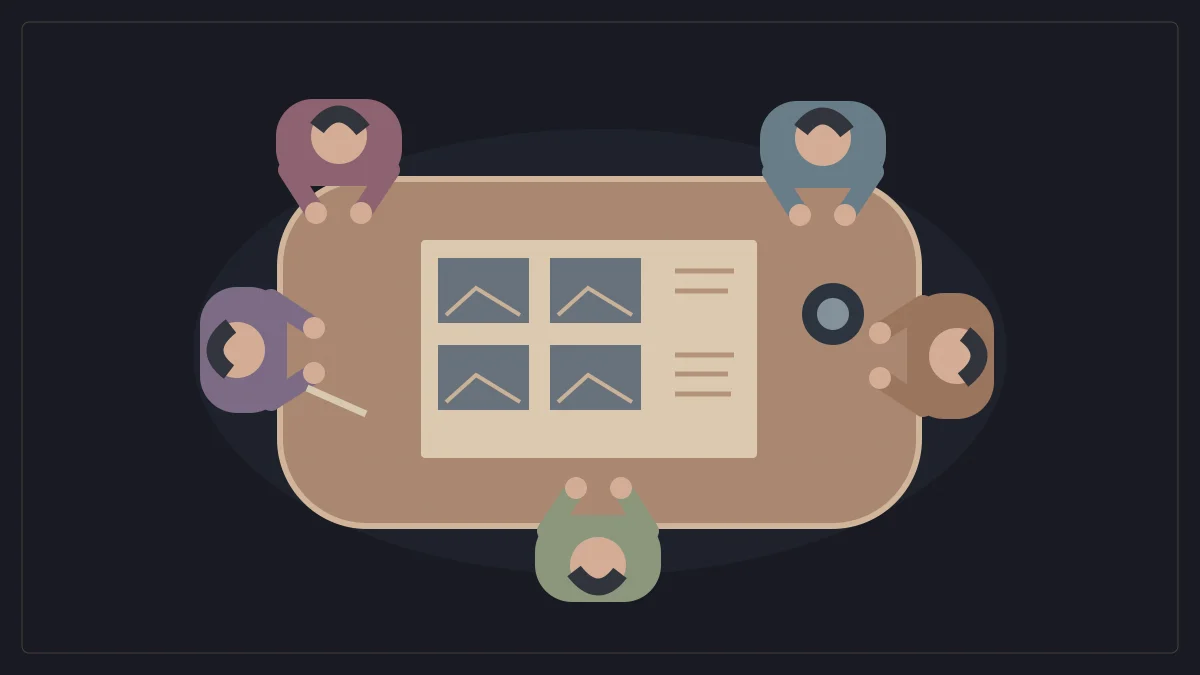
The cinematographer brings expertise in camera and lighting, the production designer helps build the world the characters inhabit, the actor adds their understanding of the role and the editor helps shape the story’s rhythm and its path to the audience.
A good director does not need to be better than each of these people at their own specialism. They need to understand what each contributes and how those contributions come together in one film.
Suppose a scene needs the audience to feel a character’s isolation. The cinematographer might suggest keeping the character small within a wide space, while the production designer believes the setting should lack details that give it warmth. The actor might suggest playing the scene quietly rather than showing sadness directly.
The director’s job is not to reject these suggestions to assert authority. It is to test how well they serve the scene and the overall vision, then choose with the team what creates the intended effect.
Directing therefore combines two things that may seem contradictory: having a clear vision and remaining ready to discover an idea better than the one you first imagined.
In part two, we will explore the director’s responsibilities and relationships with the other filmmakers in detail. For now, what matters is recognising that directing is not a display of control. It is responsibility for artistic decisions and the ability to communicate them to others.
One scene can become different films
Let us return to the woman who found a suitcase by the door of her home.
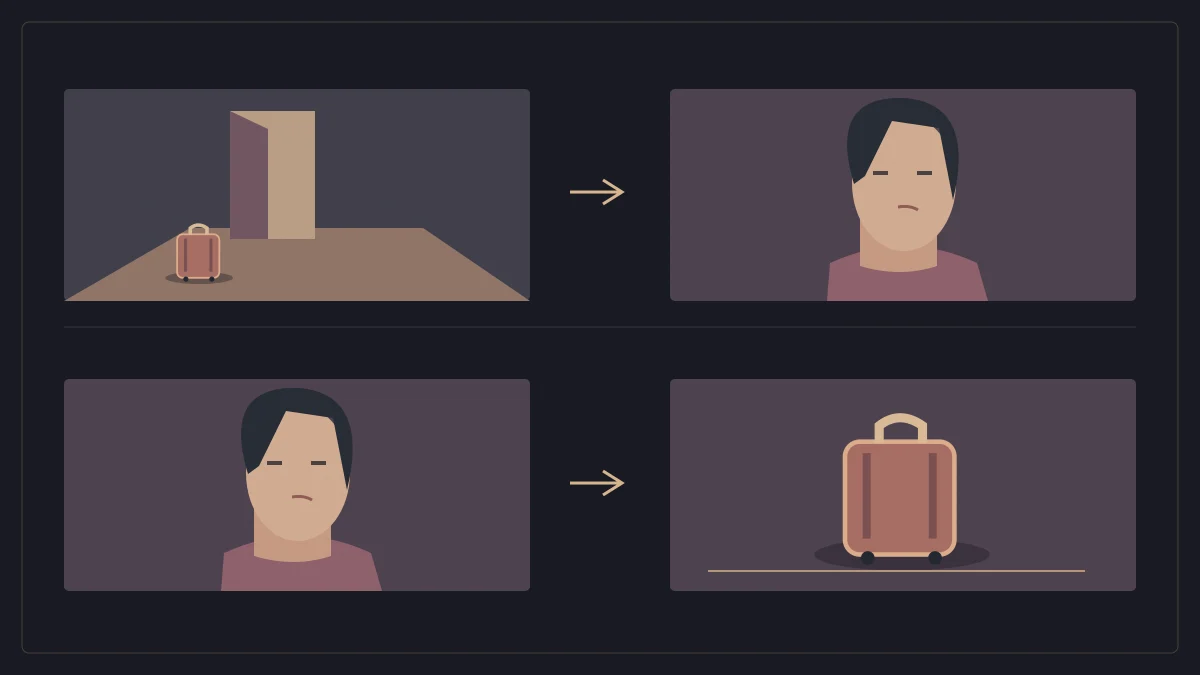
We could begin filming the situation with a static shot of the hallway, the suitcase already in view. We hear a key in the door, then the woman enters the frame. The viewer knows about the suitcase before the character and may begin wondering what will happen when she notices it.
But what if we do not show the suitcase at the start?
We could begin with the woman’s face as she enters, then suddenly stops. We see a small change in her expression without yet knowing its cause. Only a few moments later do we discover what she is looking at.
The event has not changed, but the viewer’s experience has. In the first approach, they wait for the discovery. The second leaves them in uncertainty until its cause is revealed.
There is a third possibility: the woman smiles when she sees the suitcase.
That smile could lead to an entirely different meaning. Has someone she misses returned? Has the suitcase she was waiting for arrived? Or does her smile conceal another feeling that will become clear later?
We cannot find the answer in the suitcase alone. We need to know the story, the character, what happened before this moment and what will follow it.
This brings us to one of the director’s most important responsibilities: understanding a scene before choosing how to film it.
You do not always need the strangest camera angle, the most complicated movement or a shot that draws attention to your technical skill.
The strongest choice might be to leave the camera still until the action ends. Moving closer to the character’s face might be essential because the scene depends on a small change in her gaze. A sound from outside the frame might become more important than any movement before the lens.
All of these are possibilities. No single answer works for every story.
If the story wants us to feel uneasy about an absent person’s return, we may need to build anticipation. If it wants us to experience the protagonist’s shock as she makes the discovery, delaying the reveal may work better. If the scene concerns her acceptance of a painful decision, the length of her silence may matter more than the suitcase itself.
This is the directorial thinking we will develop throughout the series: seeing alternatives, understanding their consequences and choosing what serves the story instead of what seems most impressive.
Is talent alone enough to become a director?
A common belief is that a good director is born with exceptional talent: seeing images others cannot see and instinctively knowing how to move a camera, direct an actor and create affecting scenes.
Artistic sensitivity, imagination and attention to detail certainly matter. Some people have an early aptitude for expressing themselves through images, a deep interest in human behaviour or a natural inclination towards stories.
But aptitude alone does not make a film.
You may imagine an affecting scene clearly, then discover when you film it that the feeling has not come across. You may know exactly what you want from an actor but struggle to express it in words that help them perform. You might film beautiful individual shots, then find they do not connect as you imagined.
These are not necessarily signs of a lack of talent. They are practical problems that need learning, experimentation and review.
One of the first skills to develop is observation. This means going beyond seeing things to noticing how they happen.
Watch how someone’s behaviour changes when another person enters the room. They might sit up, fall silent or try to hide something they were looking at. Details like these later help you imagine believable behaviour for characters.
The second skill is understanding dramatic action. A character does not become interesting simply because they are sad or angry, but when they want something, do what they can to get it and meet an obstacle that forces them to act.
Even in a simple scene about someone trying to apologise, drama can emerge from their hesitation, the other person’s refusal to listen or their discovery that an apology is no longer enough.
The third skill is thinking through choices and testing their results.
You might imagine that keeping a character far from the camera will make a scene more affecting, only to discover when you try it that their features are not as clear as the story needs. You can then change where they stand, adjust the camera position or rethink the moment altogether.
You learn not only when an attempt succeeds, but also when you understand why it did not.
Another skill will stay with you throughout the journey: communication. An idea that seems perfectly clear in your imagination becomes a shared working plan only when you can explain it in language your team understands.
You do not need to master all these skills before starting. They develop through practice, and each small project lets you discover what you already know and what you need to learn.
Do not wait for the perfect camera
One of the mistakes that can most delay a beginning is believing that learning to direct first requires professional equipment.
Cameras, lenses and software sometimes become a long shopping list, as though the ability to make a film will begin as soon as you own them.
Equipment does affect what is possible, and learning about cinematography, lighting and sound recording is essential to understanding the filmmaking process. But basic directing skills can be practised with simple tools.
If you want to test the difference between showing information at the beginning of a scene and hiding it until the end, you do not necessarily need an advanced cinema camera. You can film two versions on your phone, watch them and compare their effects.
To study how two characters are placed within a room, you can begin by drawing a plan on paper or trying out the movement in the space with two people who agree to take part.
These methods do not mean that a phone equals a professional camera in every situation, or that an exercise at home replaces the complexities of a large production.
They remove an unnecessary obstacle between you and your first attempt.
The right tool is the one that lets you practise the skill you are learning. As your needs develop, you will be better able to identify the equipment you actually need, instead of buying things you do not yet know how to use.
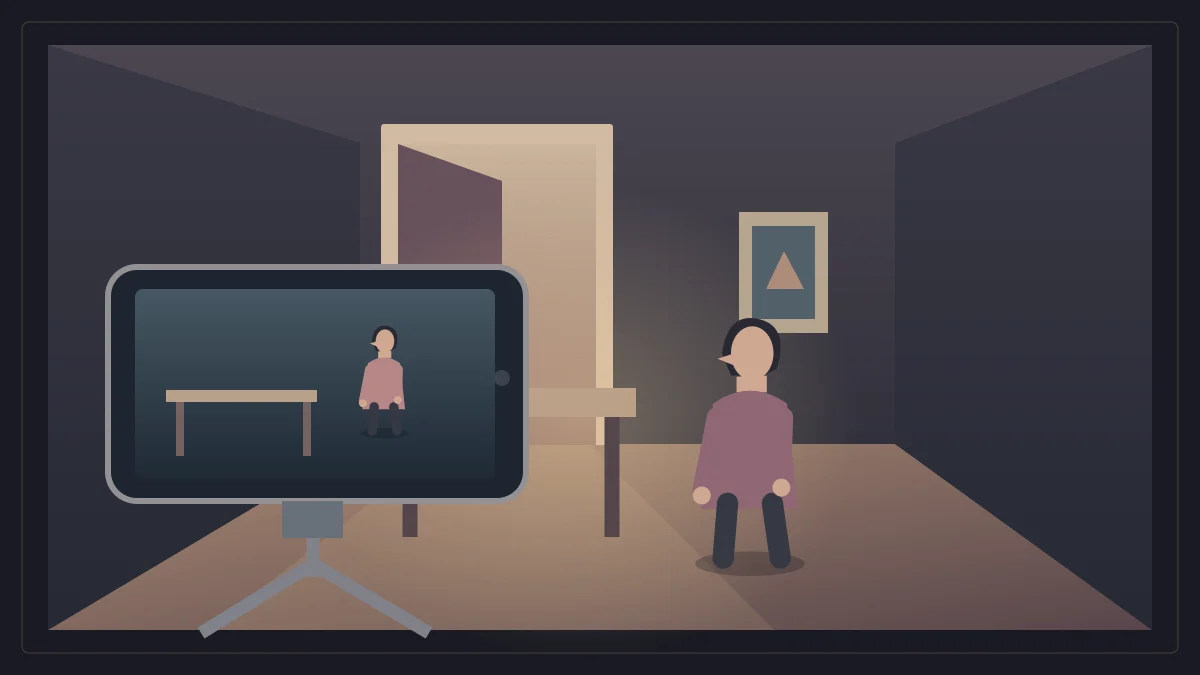
Real learning begins when you make something
You can read dozens of books about directing, watch hours of explanations and learn the names of shots, camera movements and editing principles.
All of that can give you valuable knowledge.
Yet on your first day of filming, you may discover that you do not know how to begin the scene, decide what needs to be filmed or deal with a result different from what you expected.
The reason is simple: knowing an idea is one thing; using it in a real situation is another.
Think of learning to swim. Explanations can teach you how to move your arms and breathe, but that knowledge becomes a skill only when you enter the water and practise what you have learned in appropriate, safe conditions.
Directing also needs direct experience, followed by reviewing the experience and thinking about how to improve it.
There are many routes to this stage. You can learn at a specialist institution, in practical workshops, by working with film crews or through independent projects you make yourself and in collaboration with others.
Every route has strengths and limits. Academic study does not guarantee a director’s success, its absence does not prevent learning, and simply being on a film set is not enough to develop an artistic vision without a conscious effort to understand and practise.
We will explore these routes in detail in part three. At the beginning, what matters is not allowing the choice of a route to become a reason for postponing learning itself.
Read to understand an idea, then try to put it into practice. Watch the result, return to the idea and ask what you discovered.
Learning then becomes an ongoing process, rather than information accumulating in a notebook without finding its way to the screen.
Your first step: what do you want to learn?
Before thinking about making a feature film, looking for a producer to fund a project or setting yourself the goal of directing a professional production, try beginning with a smaller question:
What skills do I need to gain to direct a simple scene?
Take a sheet of paper and start a fresh page called ‘My beginning in directing’.
Write down three skills you want to develop. Avoid broad statements such as ‘I want to be a great director’ or ‘I want to learn everything about cinema’. Choose things you can observe and try.
The first might be understanding what a character wants within a scene. The second could be choosing what needs to appear in the frame and what can remain outside it. The third might be reviewing shots to see whether the story is understandable without extra explanation.
Choose a small experiment that combines one or two of those skills.
Suggested exercise: a scene lasting less than a minute
Imagine a simple situation: someone enters a room looking for an important object. They look where they usually keep it and cannot find it. They pause, then discover it somewhere else.
You do not need dialogue, a professional actor or a special set. You can use an ordinary room and an available object, ask someone who agrees to take part or show only hands and searching movements if that better suits what you can do.
Before filming, decide what you want the viewer to feel. Should they share the character’s confusion? Or should they see the missing object from the start and wait for the character to discover where it is?
Film a version that achieves the first choice. If you can, film a second that achieves the other, keeping the remaining details as similar as possible.
You do not need complicated camera movements or special effects. What matters is being able to explain why you chose what appears at each moment.
When you finish, watch the result and ask: was it clear what the character was looking for? Did the viewer learn the object’s location at the moment I intended? Did the order of the images help communicate the intended feeling?
If someone else watches the exercise, do not begin by explaining what you meant. Let them tell you what they actually understood. You may discover that what seemed clear in your mind did not appear as clearly on screen.
These observations are not a final verdict on your talent. They are information that helps you adjust your choices.
You might need to reshoot a shot, change when the object is revealed or remove a movement that added nothing.
What matters is trying again while knowing what you want to change and why.
It is useful to keep both versions, even if you are not entirely happy with them. After more learning, you can return to them and notice how your ability to think through images has changed.
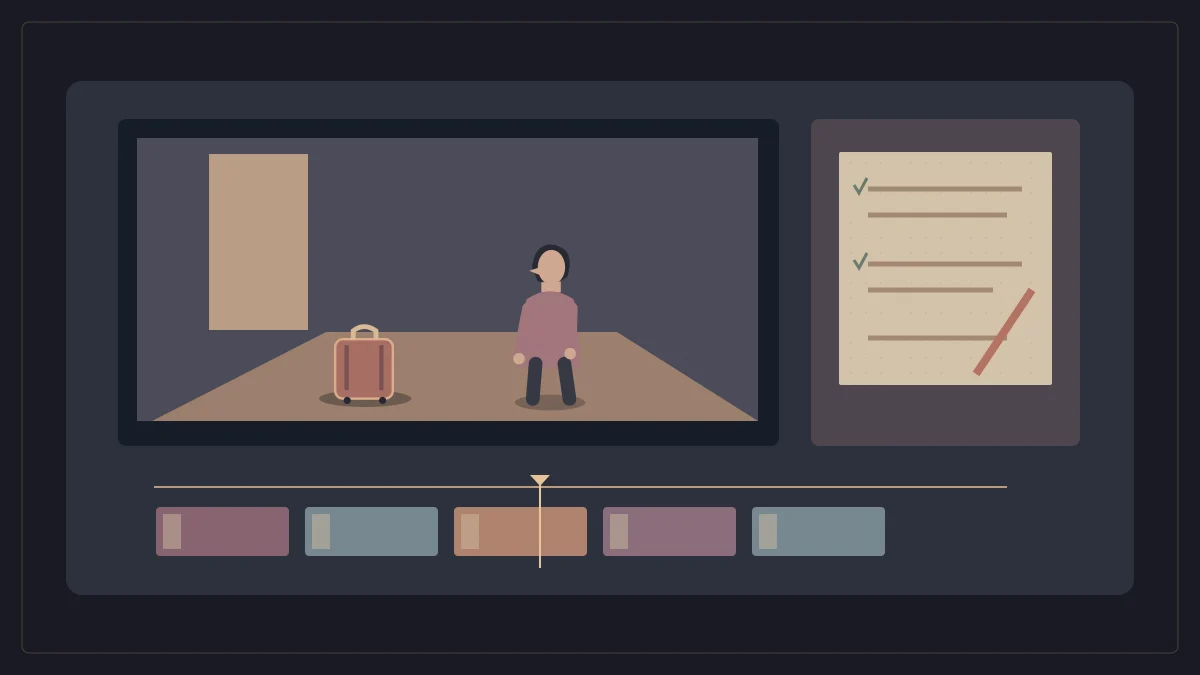
How do you know you have begun thinking like a director?
The first sign is not that your shots resemble those of great directors, or that you use lots of technical terms when talking about cinema.
It may be much simpler.
You watch a scene and wonder why this moment was chosen to move closer to the character. You notice that silence carries information the dialogue does not state. You see another way of filming a familiar situation and can explain what would change if you used it.
Above all, you begin testing your ideas rather than merely admiring them.
Your first attempt may turn out slower than you imagined. The essential information may arrive too early, or the character’s behaviour may not be clear. You begin to see the distance between the idea you imagine and the film other people can watch.
That distance is where you learn to direct.
Every decision you test gives you experience, and every mistake whose cause you understand helps you make a better choice next time. You gradually become better at anticipating the effect of your choices and dealing with results that do not match your plan.
This is not a promise that practice alone can make anyone a professional director in a short time. Filmmaking needs knowledge, collaboration, patience and available opportunities; paths and results differ from person to person.
But there is something you can begin without waiting for all those opportunities: treating even the simplest scene as an artistic problem worth thinking about, rather than just an event you want to record.
From the first decision to the first film
Perhaps what most distinguishes the journey of learning to direct is that you never entirely stop asking questions.
Every skill you gain opens new possibilities. When you learn to read a screenplay, you discover more than one way to understand a scene. When you learn to work with images, you find that the camera’s position can change our relationship with the characters. When you begin directing actors, you realise that performance is not made simply by requesting a feeling, but by understanding what a character does and why.
You then face a larger test: how do you bring all these elements together in a coherent film without losing the idea you wanted to tell?
This is the path we will follow in the coming parts. We will begin by understanding the director’s work and responsibilities, learn to work with story, images and actors, then move gradually into preparation, filming and editing, until we can plan a short film that can be made and reviewed.
But do not let the scale of the journey mislead you.
A director working on a large film and a beginner filming a small scene face, at different levels, the same basic question: how can I turn the idea I imagine into a clear, affecting experience other people can watch?
You may have one room, one person and a phone for filming. You may not yet know the names of every shot or the details of working in a studio.
It is fine to begin with what you know, as long as you are willing to discover what you do not.
Remember the woman who returned home and found the suitcase by the door. Before choosing the camera position, try to understand what that suitcase means to her, what you want the viewer to know about it and what feeling should remain when the door closes.
When you begin looking for answers to those questions, the camera will no longer be merely a way to record what happens.
It will become a tool you can use to tell what you want to say.
This is where your real journey into film directing begins.
About this series
A journey from understanding the director’s work and making a first decision to working with story, images and actors, then preparing, filming, editing and making a short film.
Further parts will be linked as they are published.
All Cinema Journal articles